Gift for Boss vs. Gift for Coworker: How to Get the Line Right
The rules for gifting up the chain are different from gifting sideways, and mixing them up is how good intentions turn into an awkward Monday. Here's how to read the relationship, set the right budget, and choose something that lands well either way.
As an Amazon Associate, My Gifts Inventory earns from qualifying purchases. We only recommend products we'd genuinely consider buying ourselves.
You've got a boss's birthday or the holiday gift exchange coming up, and the question that's actually keeping you up at night isn't "what should I get" so much as "how much is too much" and "will this look weird." A $50 candle for your boss can read as trying too hard. A $5 gift card for a coworker you actually like can read as an afterthought. The stakes feel higher at work because they are: office gifting sits at the intersection of genuine warmth and a power structure you can't fully ignore, and getting the tone wrong sticks around a lot longer than the gift itself does.
Why the Same Gift Doesn't Work Both Ways
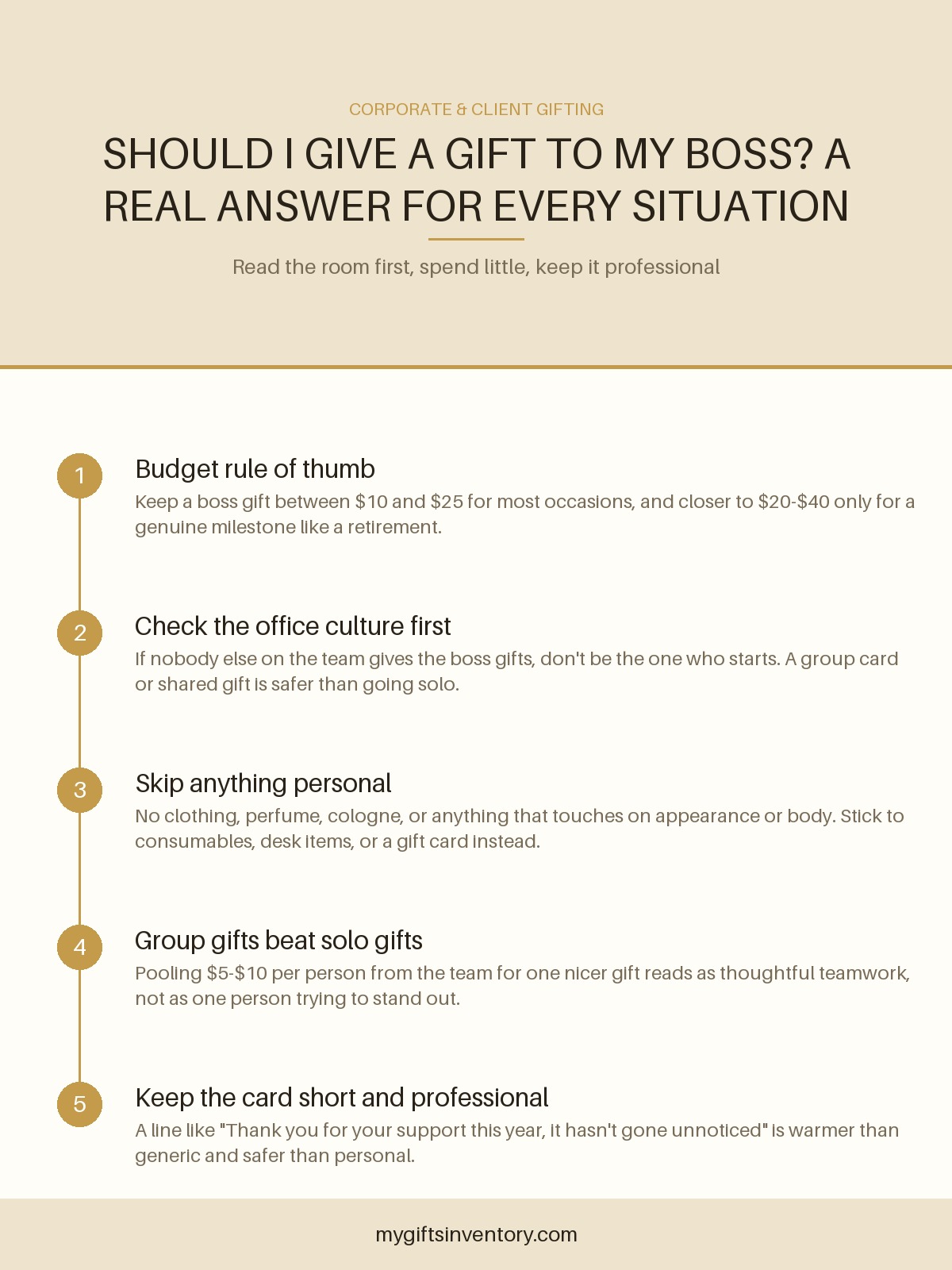
A gift to a coworker moves sideways. You're peers, there's no reporting relationship, and the worst-case outcome is mild awkwardness if you misjudge how close you actually are. A gift to a boss moves up a hierarchy, and that changes everything about how it's read. Give too little and it can look like you don't value the relationship. Give too much, or give something too personal, and it can look like you're angling for a raise, a promotion, or just favorable treatment, whether or not that's your intention. Bosses tend to notice this dynamic even when they don't say anything, and so do the coworkers watching you do it.
The safest mental model is this: gifts to peers can be personal, gifts to superiors should be professional. That doesn't mean cold or generic, it means the gift should say "I appreciate working with you" rather than "I know you well enough to buy you something intimate."
Setting the Right Budget
For a Boss
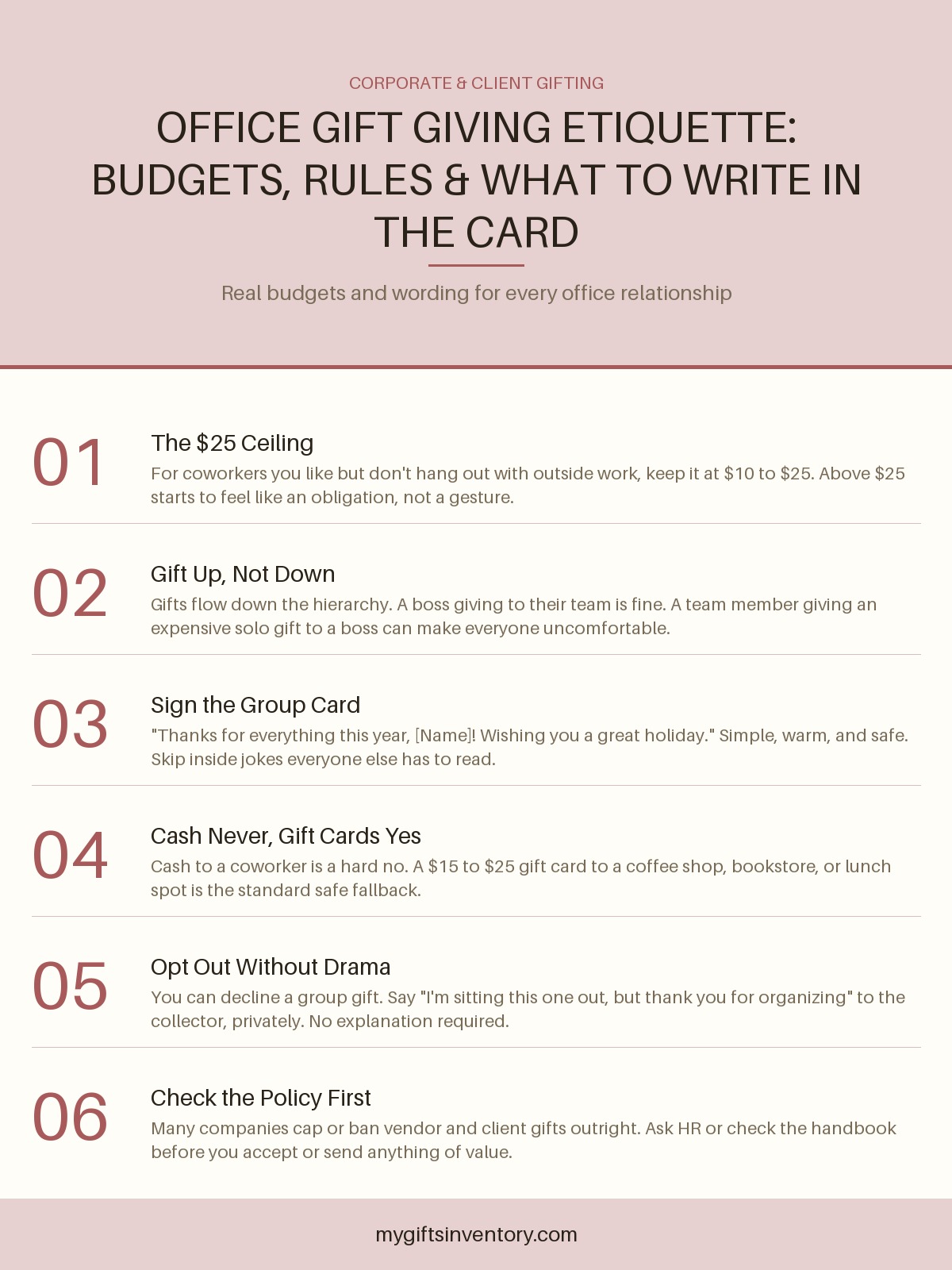
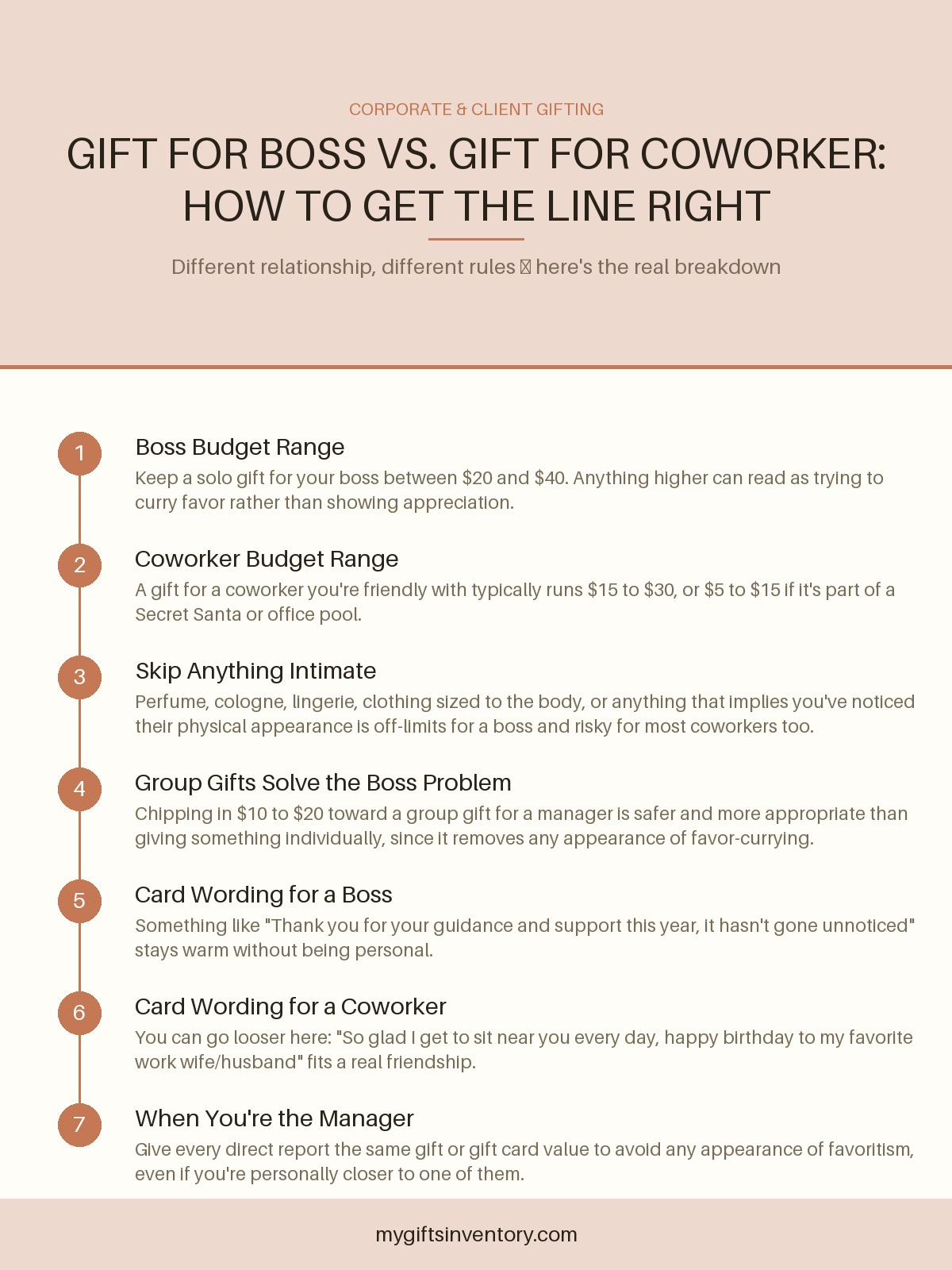
A solo gift from you to your manager should generally land between $20 and $40. Below that starts to feel like an afterthought for someone who signs off on your PTO requests and performance reviews; above it starts to feel like you're trying to stand out from the rest of the team in a way that can make other people uncomfortable if word gets around, and word usually gets around. If your workplace does a group gift for the manager, chipping in $10 to $20 per person is the norm, and it's honestly the better route in most offices because it spreads both the cost and the optics across the whole team.
For a Coworker
A coworker you're genuinely friendly with, someone you grab coffee with or vent to about deadlines, usually gets $15 to $30 if you're doing an individual gift. If it's a structured Secret Santa or white elephant exchange, most offices set a cap somewhere between $10 and $25, and it's worth actually sticking to that number rather than quietly spending more, since it can make the person who followed the rule feel like they underdid it.
For a Milestone (Promotion, Retirement, Big Life Event)
Milestones justify a bump in budget for both relationships, but the ceiling still moves differently. A retiring boss you've worked under for years might get $50 to $75 from a small group, while a going-away gift for a close coworker friend can be more personal and land anywhere from $30 to $60 depending on how close you actually are.
What Actually Works for a Boss
Think professional-adjacent rather than personal. Good categories include:
- Quality coffee, tea, or a nice mug if you know their habits from the break room
- A desk item that's genuinely useful, not decorative clutter they'll have to find a home for
- A gift card to a place they've mentioned liking, which sidesteps the guesswork entirely
- A book tied to something they're actually interested in, not a generic "leadership" title unless you know they'd want that
- Something shared, like a nice bottle for the office or a coffee setup the whole team benefits from
If your boss is a genuine coffee person, our guide to gifts for coffee lovers under $50 is a good place to browse because almost everything in that range reads as thoughtful without reading as personal. And if you're not confident enough about their taste to pick something specific, a gift card is a completely acceptable choice at this level of relationship. A card to somewhere like Nordstrom lets them choose their own thing, and you can always check a Nordstrom gift card balance later if you're the one topping it off or want to confirm the amount loaded correctly.
What Actually Works for a Coworker
This is where you get to have more fun, because the relationship carries less risk of misread intent. If you actually know this person, lean into what you know:
- Something tied to a hobby they talk about, whether that's hiking, baking, or a TV show you both watch
- A funny or inside-joke item, especially for a white elephant or Secret Santa where a little humor is expected
- Desk decor if their space could use some personality, our home decor gift ideas under $50 has options that work just as well for a cubicle as a living room
- A nice candle, snack box, or small treat-yourself item if you're not sure what else they'd like
Personal care items sit in a gray zone here. A candle or hand cream is fine between coworkers who are genuinely friendly. Something like perfume, even from a well-reviewed list like our perfume gifts for her under $75, only really works if you're close enough that you'd know their signature scent already, since giving fragrance to someone you're not that close to can come across as commenting on how they smell, which is not the message you're going for.
The Danger Zone: What to Avoid With Either
Some categories are risky no matter who's on the receiving end, and the risk only goes up the more senior the person is:
- Clothing sized to the bodyimplies you've been studying their measurements, which is uncomfortable in any direction
- Anything intimate or romanticlingerie, jewelry that reads as a couple's gift, anything with "love" language on it
- Political or religious itemseven a joke gift here can misfire badly and follow you around the office
- Alcohol, unless you're certain they drinkand for a boss specifically, skip it unless the office culture already normalizes it
- Anything that comments on age, weight, or appearance"over the hill" gag gifts land very differently coming from a direct report than from a spouse
When in doubt, ask yourself whether the gift would feel fine if it were opened in front of the whole team. If the answer is no, it's the wrong gift for the office regardless of budget.
Group Gifts and Office Pools
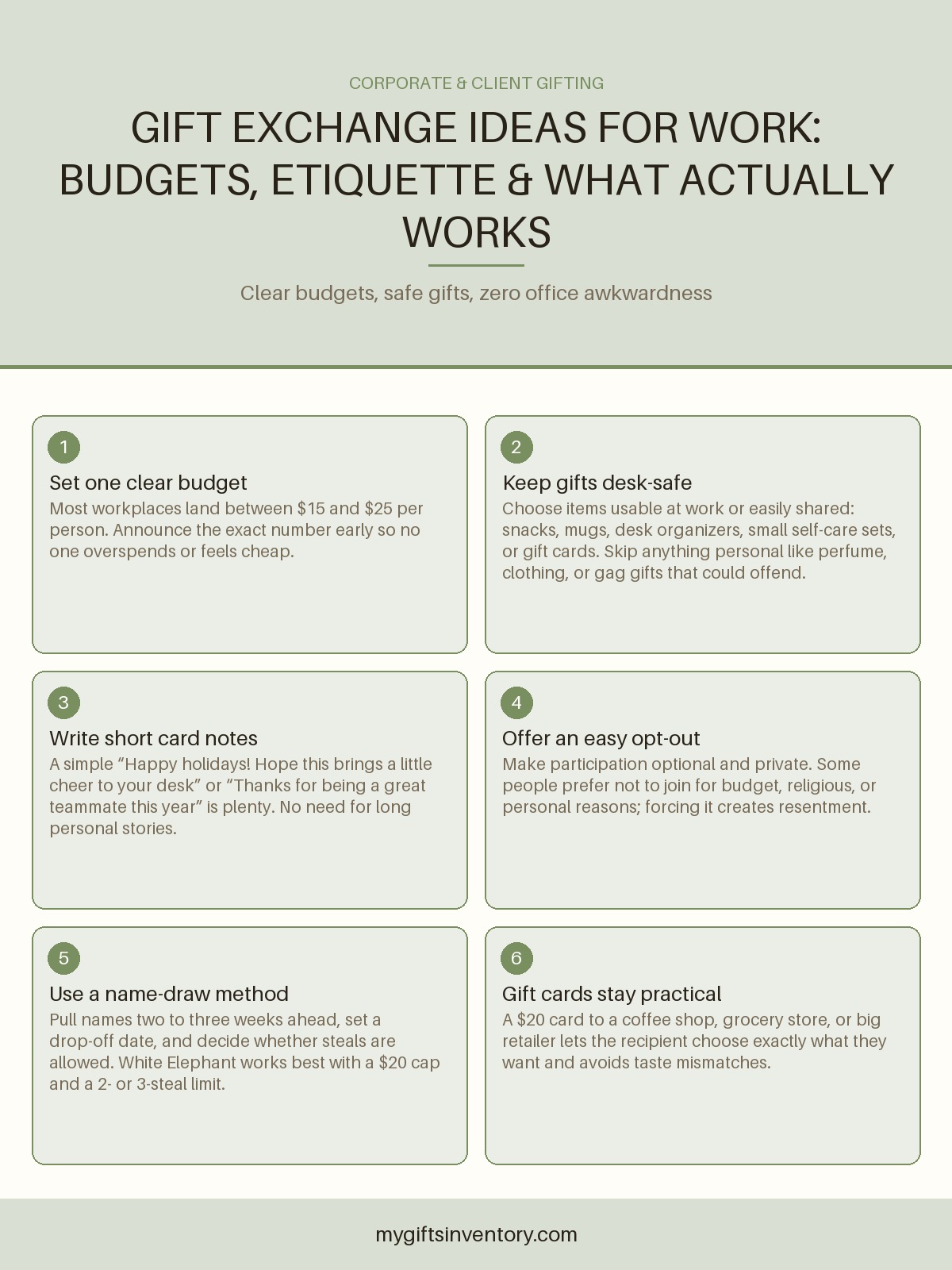
Group gifts are genuinely the easiest way to solve the boss problem, because they remove the individual "am I trying to stand out" anxiety entirely. If someone's organizing a collection for a manager's birthday or a going-away gift, a $10 to $20 contribution is standard, and you're not obligated to add more even if you can afford to. Doing so can quietly put pressure on everyone else in the pool, which isn't the point of a group gift.
If you'd rather opt out of a Secret Santa or gift exchange entirely, the graceful move is to say so early and simply, something like "I'm going to sit this one out this year, but I hope you all have fun with it," rather than participating half-heartedly. Nobody remembers who opted out. Everybody remembers the $3 gift that clearly wasn't tried on.
Gift cards are also a smart pooled option because they let the recipient pick exactly what they want. A card to somewhere universally useful, like an Amazon gift card or a big-box retailer, works well as a group contribution since nobody has to guess at taste, and the balance is easy to verify before you hand it over.
What to Write in the Card
For a Boss
Keep it warm but professional. A few real examples:
- "Thank you for your guidance and support this year, it hasn't gone unnoticed. Happy holidays!"
- "I've learned a lot working with you this year and I appreciate the trust you've put in me. Hope you have a great birthday."
- "Wishing you a well-deserved break this holiday season. Thanks for everything you do for the team."
For a Coworker
You can loosen up here and let some real personality in:
- "So glad I get to sit near you every day. Happy birthday to my favorite work spouse."
- "You make even Monday meetings tolerable. Hope your birthday is as great as you deserve."
- "Cheers to another year of surviving this place together. Happy holidays!"
Timing and Delivery
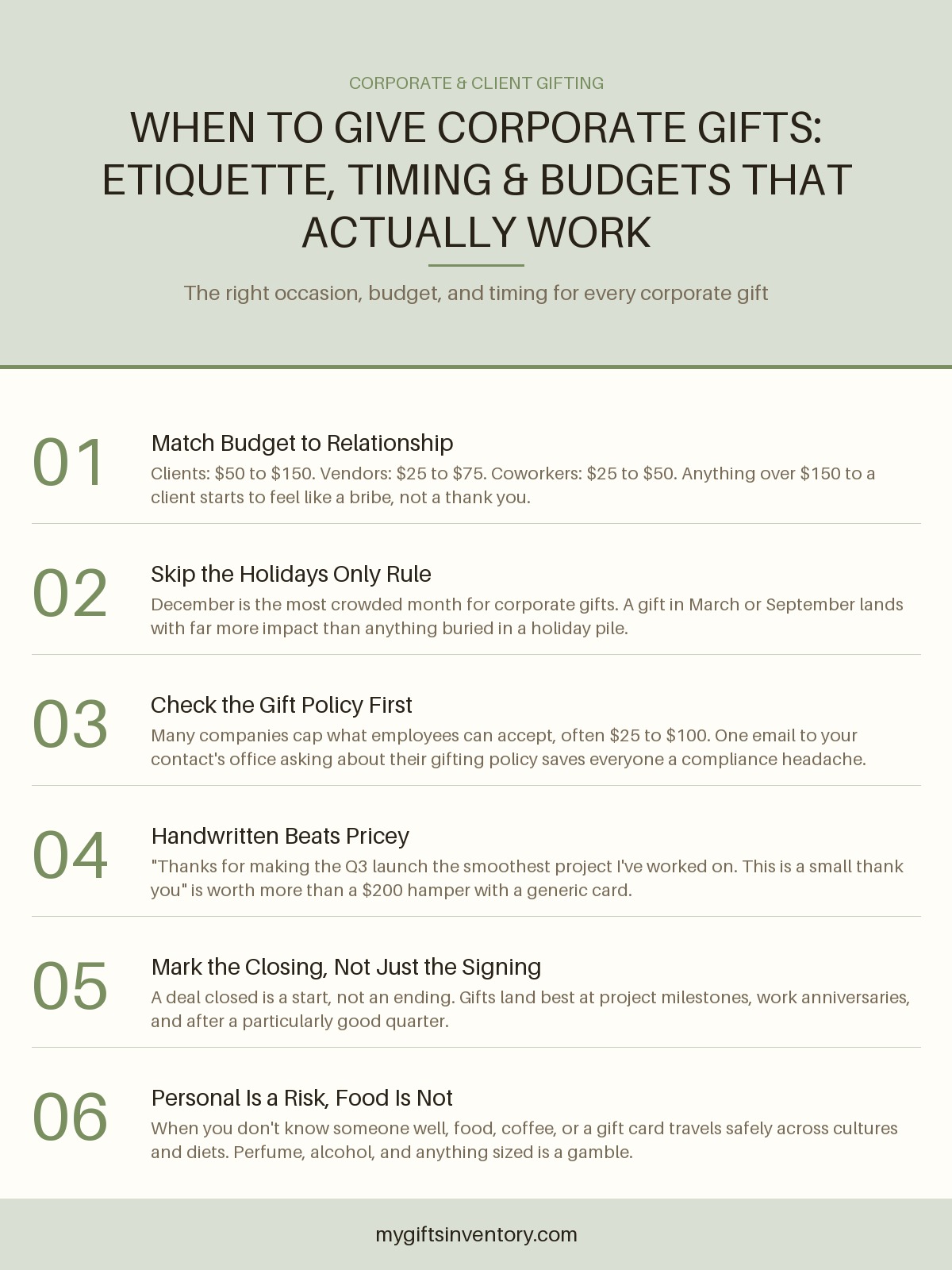
Deliver a boss's gift privately or in a low-key moment, like dropping it on their desk before a meeting or handing it over quietly at the end of the day, rather than making a production of it in front of the team. It keeps the moment gracious instead of performative. Coworker gifts have more room for a bit of fanfare, especially in a shared celebration like a birthday cake in the break room, since the whole point of that setting is shared enjoyment rather than a one-on-one gesture.
Timing also matters for group gifts specifically. Aim to have contributions collected at least a week before the occasion so whoever's organizing has time to actually shop, wrap, and coordinate a card everyone can sign, rather than scrambling the morning of.
When You're the One Managing Others
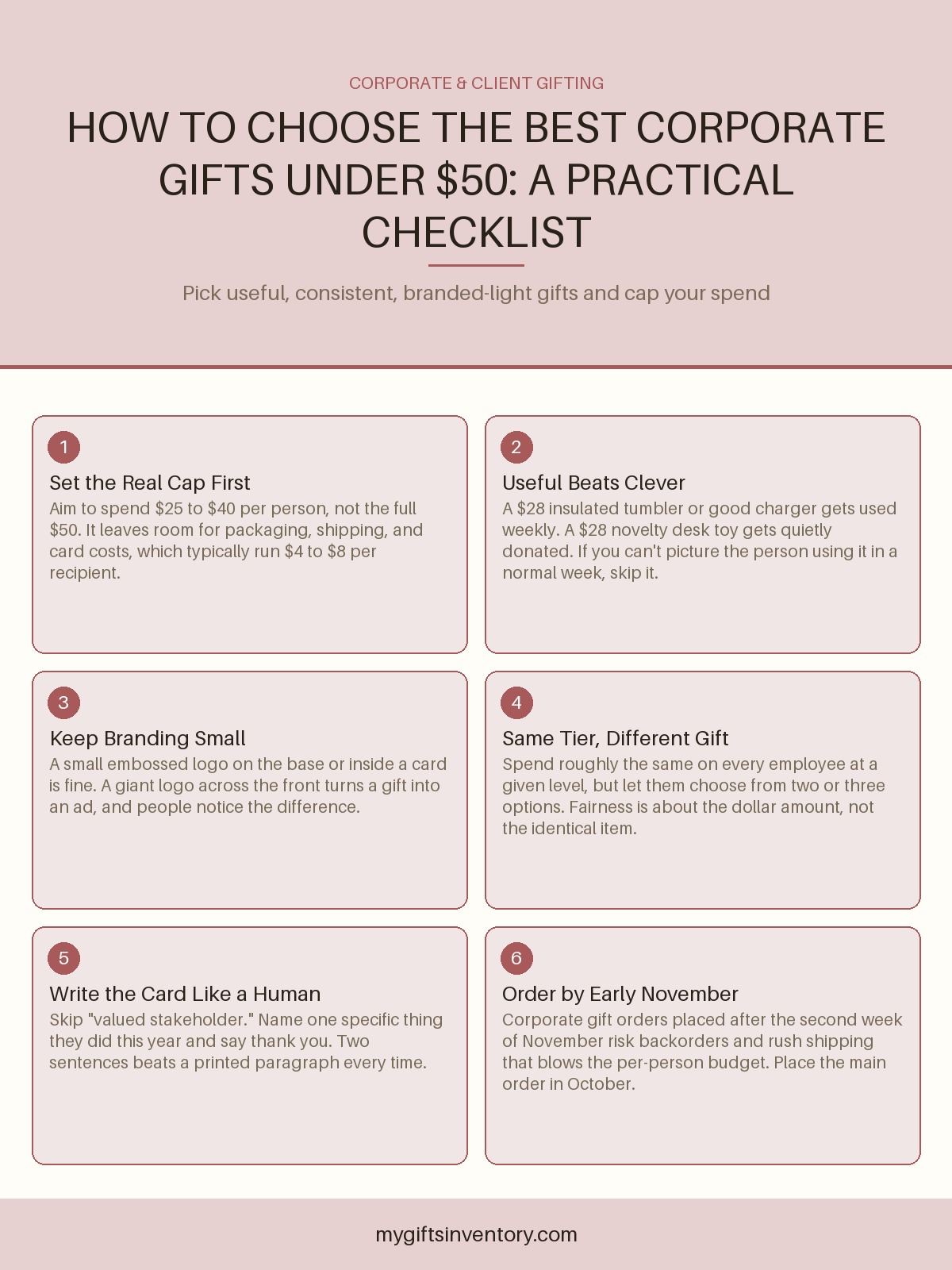
If you're the boss trying to figure out what to give your team, the calculus flips again. The safest approach is to give every direct report the same gift or the same dollar value, even if you're genuinely closer to one of them outside of work. Uneven gifting from a manager, even when well-intentioned, tends to get noticed and can create resentment that has nothing to do with the gift itself. A modest, consistent gesture, like a gift card in the same amount for everyone or a small treat sent to the whole team, reads as fair and thoughtful without opening the door to perceived favoritism.
Gift Ideas to Go With This


Want more ideas? Browse our full guide: 21 Corporate & Employee Gift Ideas Under $50 (2026) That Won't Feel Like an Obligation
Frequently Asked Questions
Is it appropriate to give my boss a personal gift?
Keep gifts for a boss professional rather than personal. Stick to categories like coffee, a useful desk item, a book, or a gift card, and avoid anything that implies personal or physical familiarity, since even a well-meant personal gift can create an uncomfortable dynamic given the power difference in the relationship.
How much should I spend on a gift for my boss?
A solo gift for a boss generally falls between $20 and $40, while a group contribution toward a manager's gift is usually $10 to $20 per person. Spending noticeably more than your coworkers can unintentionally create the impression that you're trying to stand out for reasons beyond genuine appreciation.
Should I give my coworker and my boss the same gift?
No, the same gift rarely fits both relationships well because the tone that works for a peer often reads as too casual or too personal for a manager. Coworker gifts can reflect specific inside jokes or hobbies, while boss gifts should stay in safer, more universally appropriate territory like food, drink, or a gift card.
What if I don't want to participate in the office gift exchange?
It's completely fine to opt out, and the best approach is saying so early and simply rather than participating half-heartedly. Something like letting the organizer know you'll sit this one out is far better received than a last-minute, clearly low-effort gift.
Is a gift card a good option for a boss or coworker?
Yes, gift cards work well for both relationships because they remove the guesswork around taste and remain appropriate at almost any budget. For a boss, a card to a well-known retailer keeps things safely professional, and for a coworker, a card tied to something you know they enjoy, like a coffee shop or favorite store, can feel just as thoughtful as a wrapped gift.
Looking for an Actual Gift Instead?


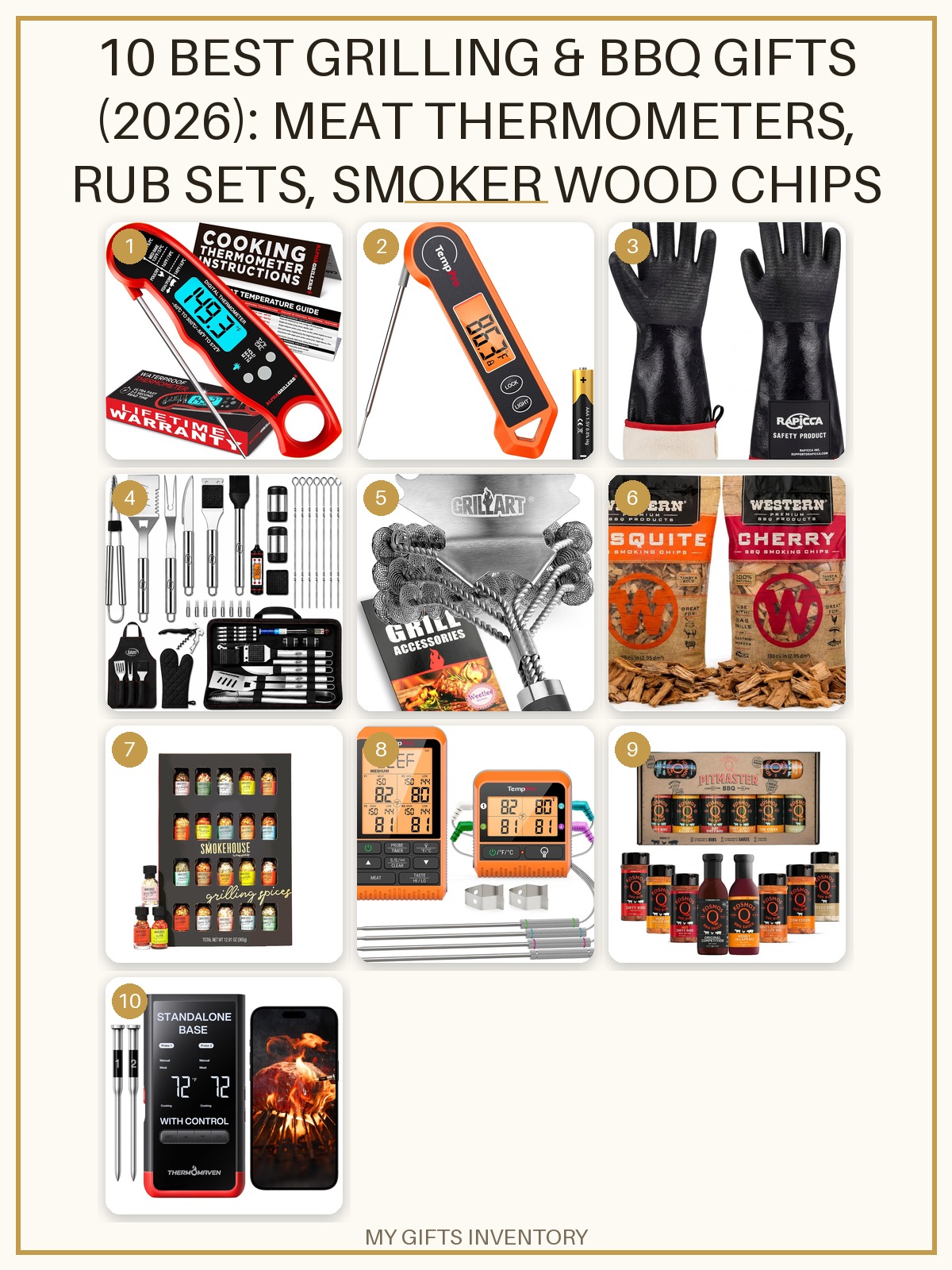
Shop Hand-Picked Gift Sets
Every item picked, priced and linked, ready to buy.
More Gift Advice