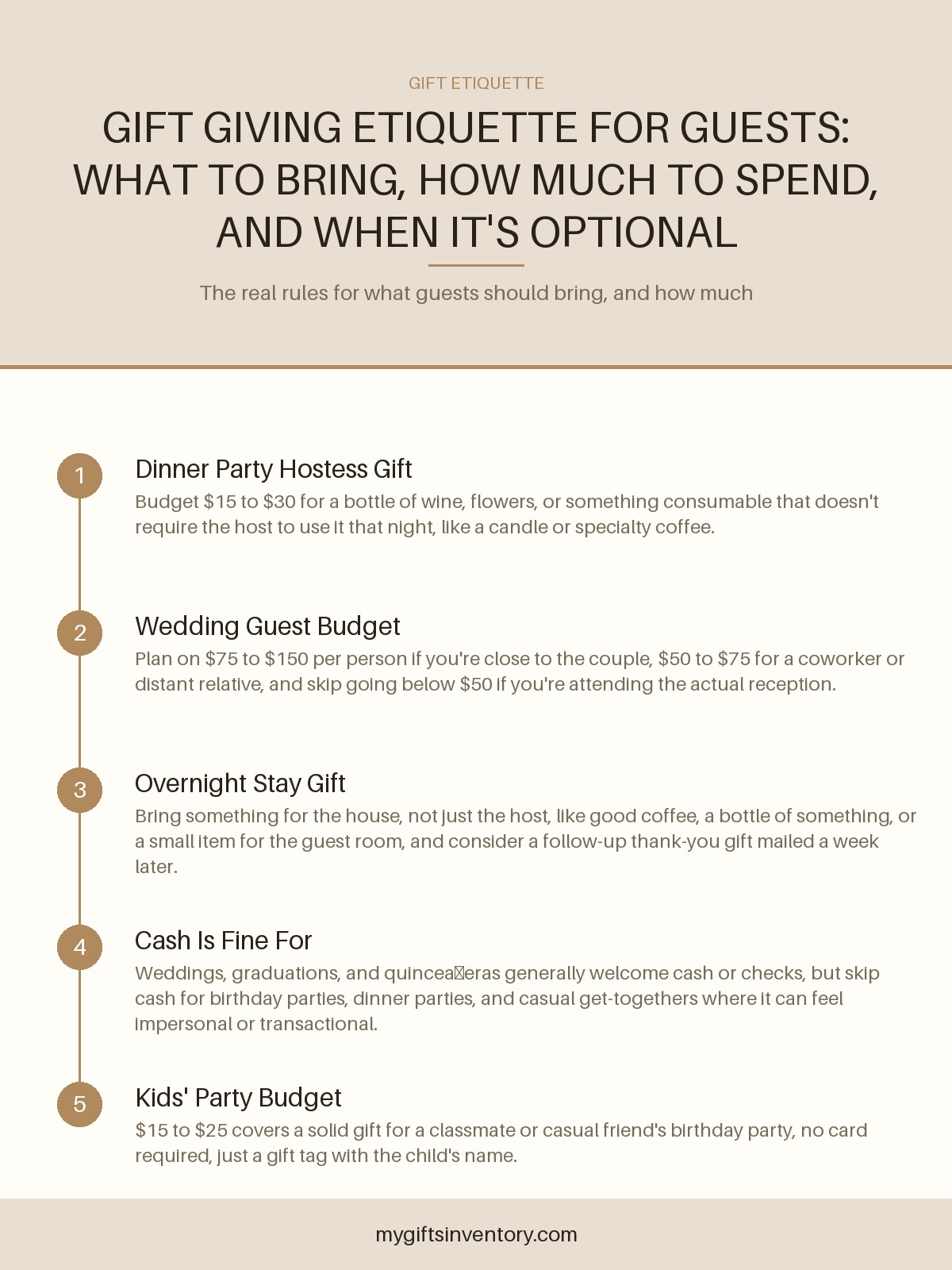
Gift Giving Etiquette for Guests: What to Bring, How Much to Spend, and When It's Optional
A practical guide to the unwritten rules of being a guest, from hostess gifts and wedding budgets to kids' birthday parties and when cash is actually fine.

As an Amazon Associate, My Gifts Inventory earns from qualifying purchases. We only recommend products we'd genuinely consider buying ourselves.
You got the invitation, RSVP'd, and now you're standing in a store (or scrolling a tab) wondering: do I actually need to bring something? How much is too much, or too little? Is cash rude here? These questions feel small until you're the guest who showed up empty-handed at a party where everyone else brought wine, or the one who overspent on a coworker's baby shower because you weren't sure what "appropriate" meant. Guest etiquette isn't complicated once you know the actual rules, and most of them come down to reading the occasion correctly.
When You're Actually Required to Bring Something
Not every invitation comes with a gift obligation, and knowing the difference saves you money and awkwardness. Weddings, bridal showers, baby showers, and milestone birthdays (graduations, quinceañeras, retirement parties) are events where a gift is expected, full stop. Casual dinner parties, potlucks, and most adult birthday gatherings fall into a gray zone where a small gesture is appreciated but not strictly required.
The general rule: if the event was thrown specifically to celebrate the person and gifts are the point (a shower, a milestone birthday, a wedding), bring one. If you're simply a guest at someone's home for a meal or a party, a hostess gift is polite but the emphasis is different, it's a thank-you for the invitation rather than a celebration gift for the person.
Host and Hostess Gifts
Dinner Parties and Casual Get-Togethers
A host gift in the $15 to $30 range is the sweet spot for most dinner parties. Wine, a nice bottle of olive oil, flowers already arranged in a vase (so the host doesn't have to hunt for one mid-party), or something from a browsing session through coffee lover gift ideas all work well because they're consumable and don't add clutter to someone's home. Avoid bringing something that requires immediate action, like a dessert that needs plating or flowers that need trimming right as guests are arriving.
Overnight Stays
If you're staying at someone's home for a weekend or longer, the etiquette shifts up a notch. Bring something when you arrive, and consider following up with a thank-you gift mailed after you leave, especially if they hosted you for several days. A good bottle, a specialty food item from your area, or something practical for the guest room all read as thoughtful without being showy.
Housewarmings
For a housewarming, the gift should feel like it's for the home itself. Browsing something like home decor gifts under $50 gives a sense of the right price point and style, small, useful, or decorative items that won't feel like a burden if the recipient's taste doesn't match perfectly. Skip anything too large or personal for a first visit to someone's new place.
Wedding and Shower Guest Budgets
This is the category that causes the most anxiety, and for good reason, wedding gift amounts vary wildly by region, relationship, and how close you are to the couple. As a general framework:
Close friends or family
$100 to $150 or more if you're a close friend, sibling, or attending as part of the wedding party. If you're also a plus-one attending as a couple, many guests combine into one gift in that range rather than doubling it.
Coworkers, distant relatives, or casual friends
$50 to $75 is a reasonable range, and gifting from the registry is usually the safest bet since it guarantees the couple actually wants what you're giving. If jewelry feels like a nicer personal touch instead of a registry item, something from perfume gifts under $75 or a similar personal category works well for a close friend of the bride specifically, not a shared couple's gift.
If you can't attend but were invited
You're still expected to send something, though the amount can be more modest, $25 to $50 is common since you're not incurring the cost of a plate at the reception. A card alone without a gift is generally considered insufficient for a wedding, even if you can't make it.
Bridal and Baby Showers
Shower gifts run smaller than wedding gifts, typically $25 to $50, and should come from the registry unless you know the parent-to-be or couple well enough to pick something more personal. Registries exist specifically to prevent duplicate gifts and mismatched taste, so use them.
Kids' Birthday Parties
For a classmate's party or a casual friend's kid, $15 to $25 is plenty, and no card is necessary, just a gift tag with the child's name so the parent can track thank-yous later. If you're looking for something that will actually land well with a specific age group, a guide like gift ideas for 10 year olds under $30 gives concrete options that skew toward what kids that age actually want rather than what looks cute in a gift bag. For a close family friend's child, or a milestone birthday like a 13th or Sweet 16, you can go up to $30 to $50.
Group Gifts and When You Barely Know the Host
If you're invited to something through a partner, roommate, or as a plus-one and don't know the host or celebrant well, it's completely fine to keep things modest, a $10 to $20 contribution or a small hostess gift covers it. For office parties or larger group celebrations, chipping in for a group gift rather than buying something individually is often the more graceful move, since it avoids the awkwardness of a dozen small, mismatched gifts piling up.
Cash, Checks, and Gift Cards
Cash and checks are broadly acceptable at weddings, graduations, and quinceañeras, where the money often goes toward something specific like a honeymoon or tuition. They're less appropriate for birthday parties, dinner parties, or casual gatherings, where cash can come across as impersonal or like you didn't put in effort.
Gift cards sit in the middle. They're a safe, welcome option for teenagers, coworkers, or anyone whose exact taste you're unsure of, but they read best when paired with a specific reason, "for that coffee shop you're always talking about" lands better than a generic card with no context. If you're giving one, it's worth double-checking the balance transferred correctly, especially for cards like Visa gift cards, which sometimes require activation steps the recipient won't think to check until they try to use it.
Timing: When to Actually Give the Gift
For weddings, gifts can be sent up to a year after the event and it's still considered on time, though most guests send within a few weeks to three months. For showers and birthdays, bring the gift to the event itself rather than sending it separately, unless you're unable to attend. For host and hostess gifts, hand them over at the start of the visit, not as you're leaving, since the point is to thank the host for having you, not to say goodbye.
What to Write on the Card
You don't need to overthink this. For a wedding: "Wishing you both a lifetime of happiness and laughter, we're so glad we got to celebrate with you." For a shower: "Can't wait to meet the newest addition, sending so much love to you both." For a hostess gift, a card isn't usually necessary at all, a verbal thank-you as you hand it over does the job. For a birthday, simple and warm beats clever every time, "Hope your day is exactly as wonderful as you are" works for almost anyone.
Thank-You Notes: The Guest's Other Obligation
Guest etiquette isn't only about what you bring, it also covers how you respond if you're the one who received something, or how you follow up after being hosted. If you stayed overnight somewhere or attended a dinner party where the host went out of their way, a short thank-you text or note within a few days is expected. It doesn't need to be formal, just specific, mentioning the meal, the company, or a detail from the visit shows you actually paid attention rather than sending a copy-paste line.
Gift Ideas to Go With This


Want more ideas? Browse our full guide: 20 Best Gifts Under $100 (2026): Thoughtful Picks They'll Actually Use
Frequently Asked Questions
Do I have to bring a gift to a dinner party?
A small hostess gift is expected but not strictly required at most casual dinner parties. Wine, flowers, or a consumable item in the $15 to $30 range is the standard, and it's meant as a thank-you for the invitation rather than a formal gift.
Is it rude to give cash as a wedding gift?
No, cash and checks are widely accepted and often preferred at weddings. The etiquette shifts for other occasions like birthday parties or dinner parties, where cash can feel impersonal, but weddings, along with graduations and quinceañeras, are generally an exception.
How much should I spend on a baby shower gift if I'm not close to the mom-to-be?
$25 to $35 is appropriate for a shower gift when you're a coworker or casual acquaintance rather than a close friend. Sticking to the registry is the safest choice in this situation since it removes the guesswork about what's actually needed.
What if I can't attend a wedding I was invited to, do I still need to send a gift?
Yes, an invitation still calls for a gift even if you can't attend, though the amount can be more modest since you're not costing the couple the price of a plate. Something in the $25 to $50 range sent within a couple of months is considered appropriate.
Should I bring a gift to a housewarming party?
Yes, a small gift for the home is customary at a housewarming, typically in the $20 to $40 range. Practical or decorative items that suit a first visit work best, since you likely don't know the full layout or style of the new place yet.
Looking for an Actual Gift Instead?
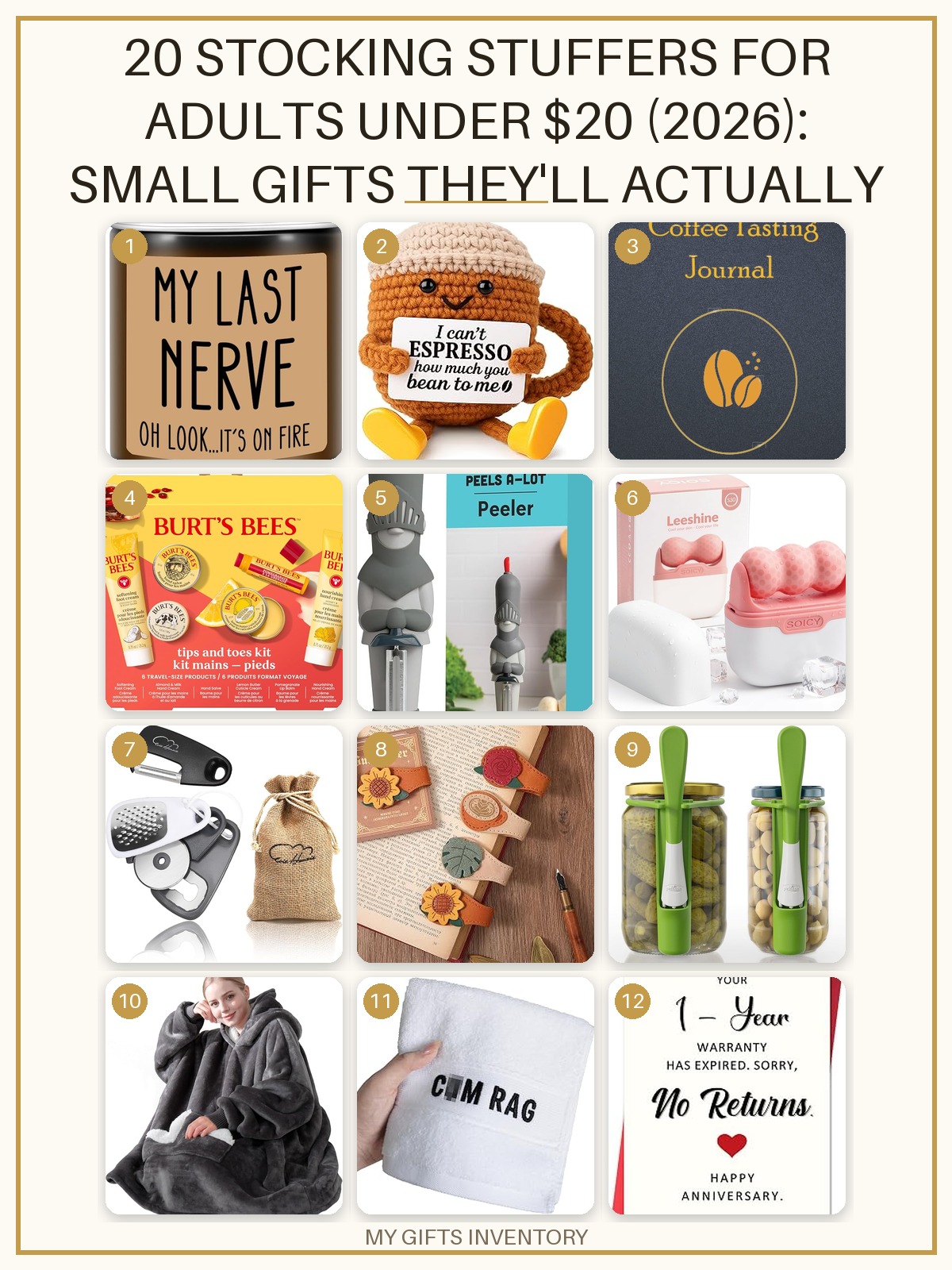
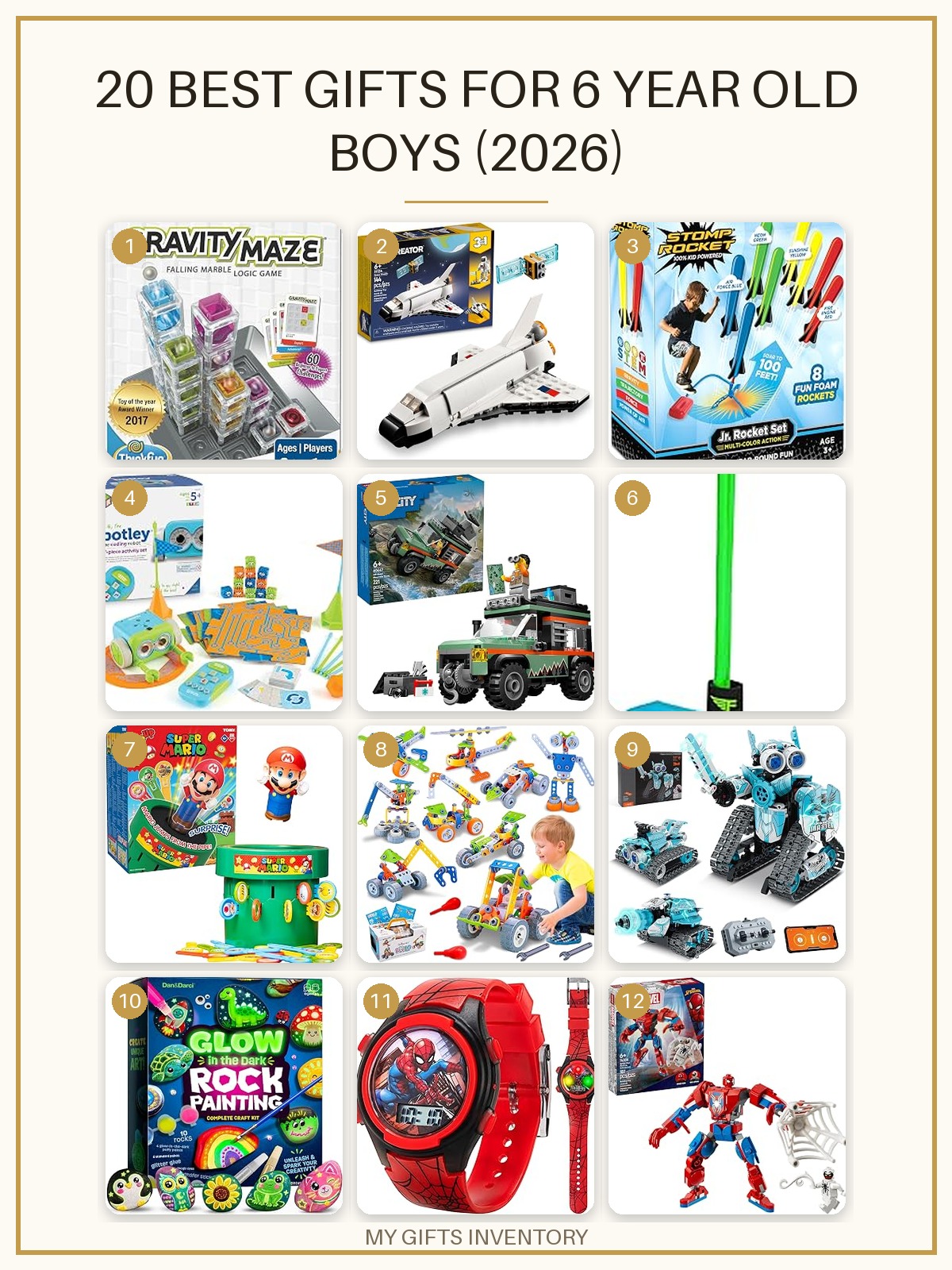
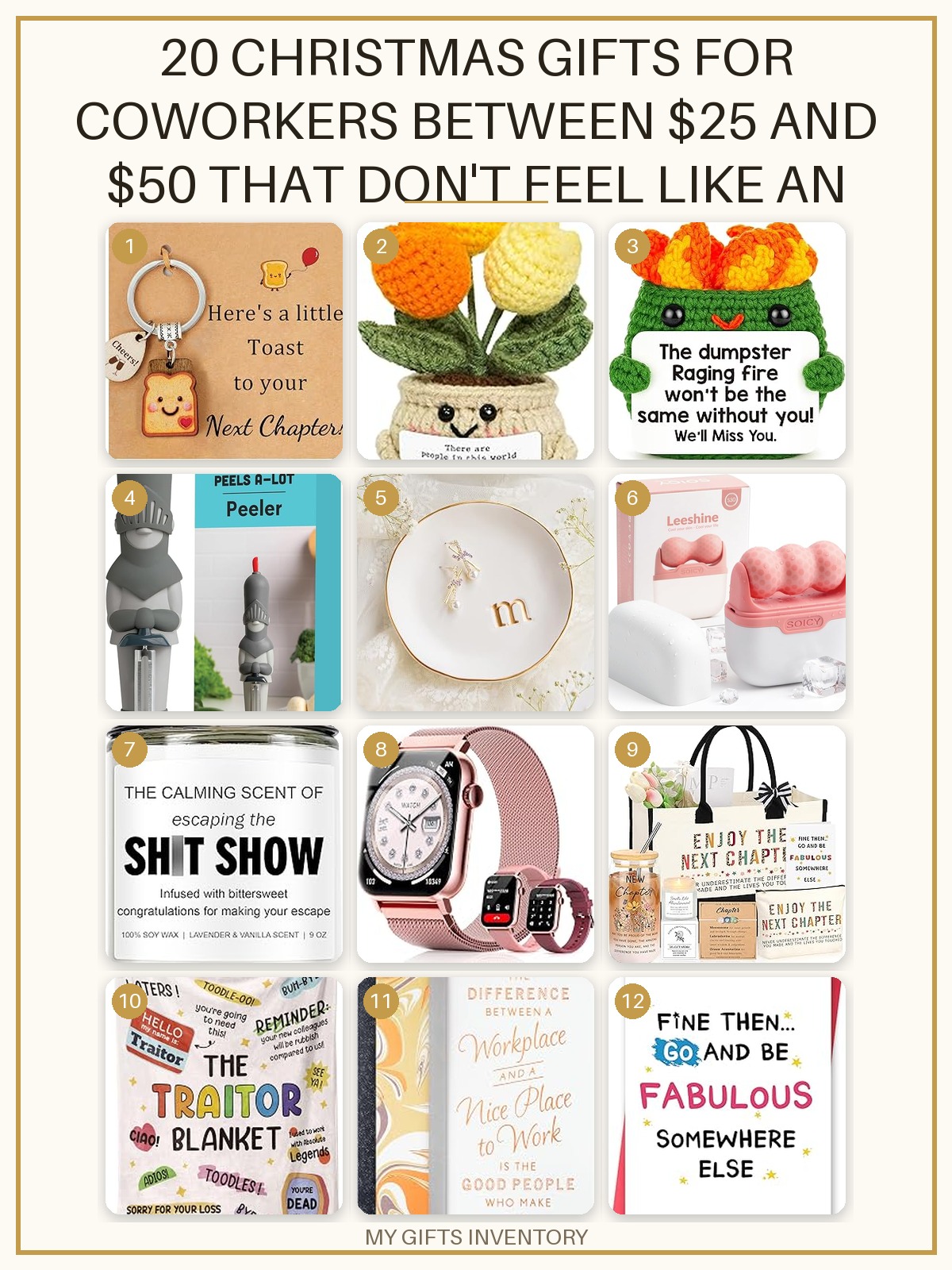
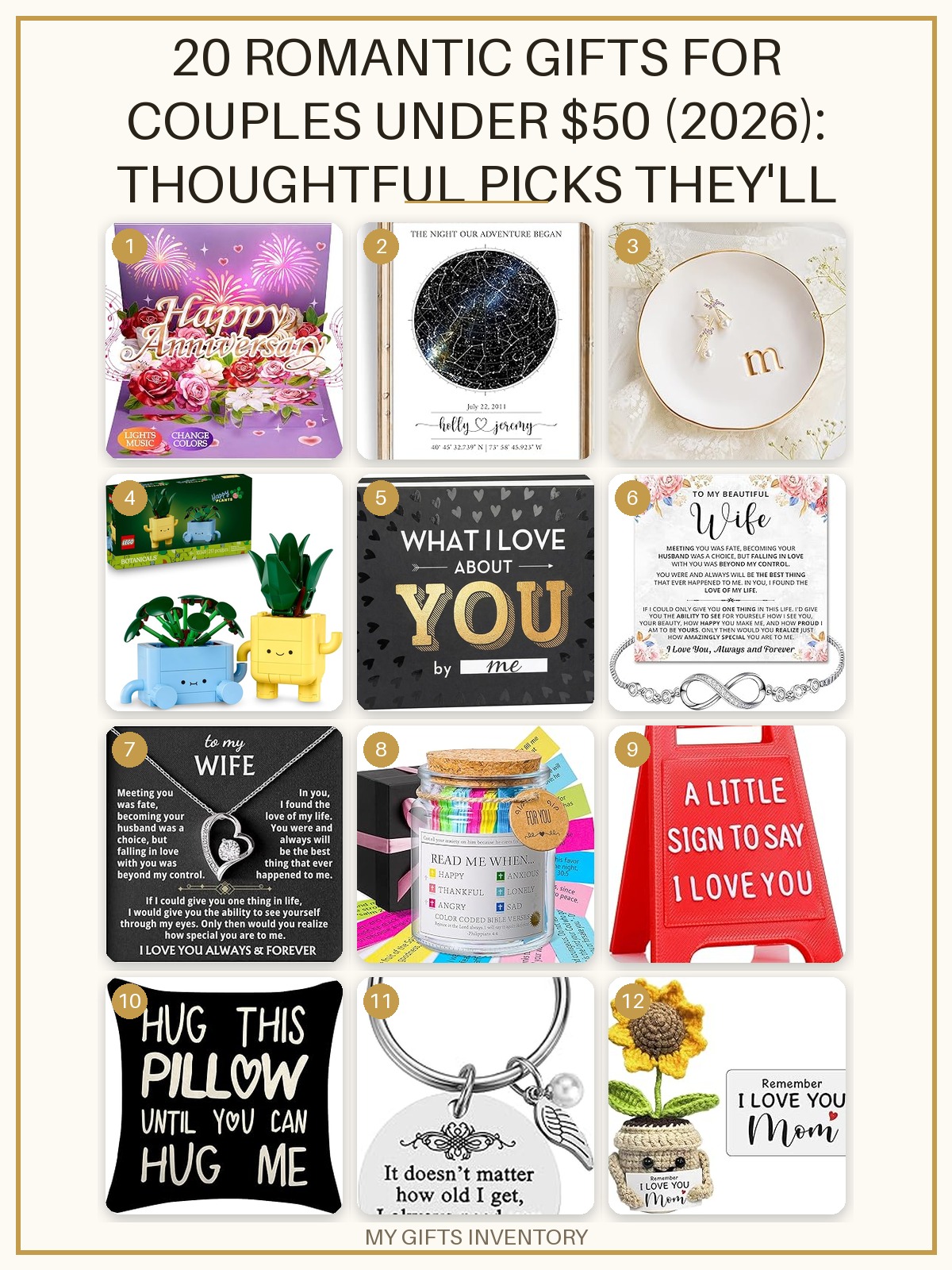
Gift Sets We Love Right Now
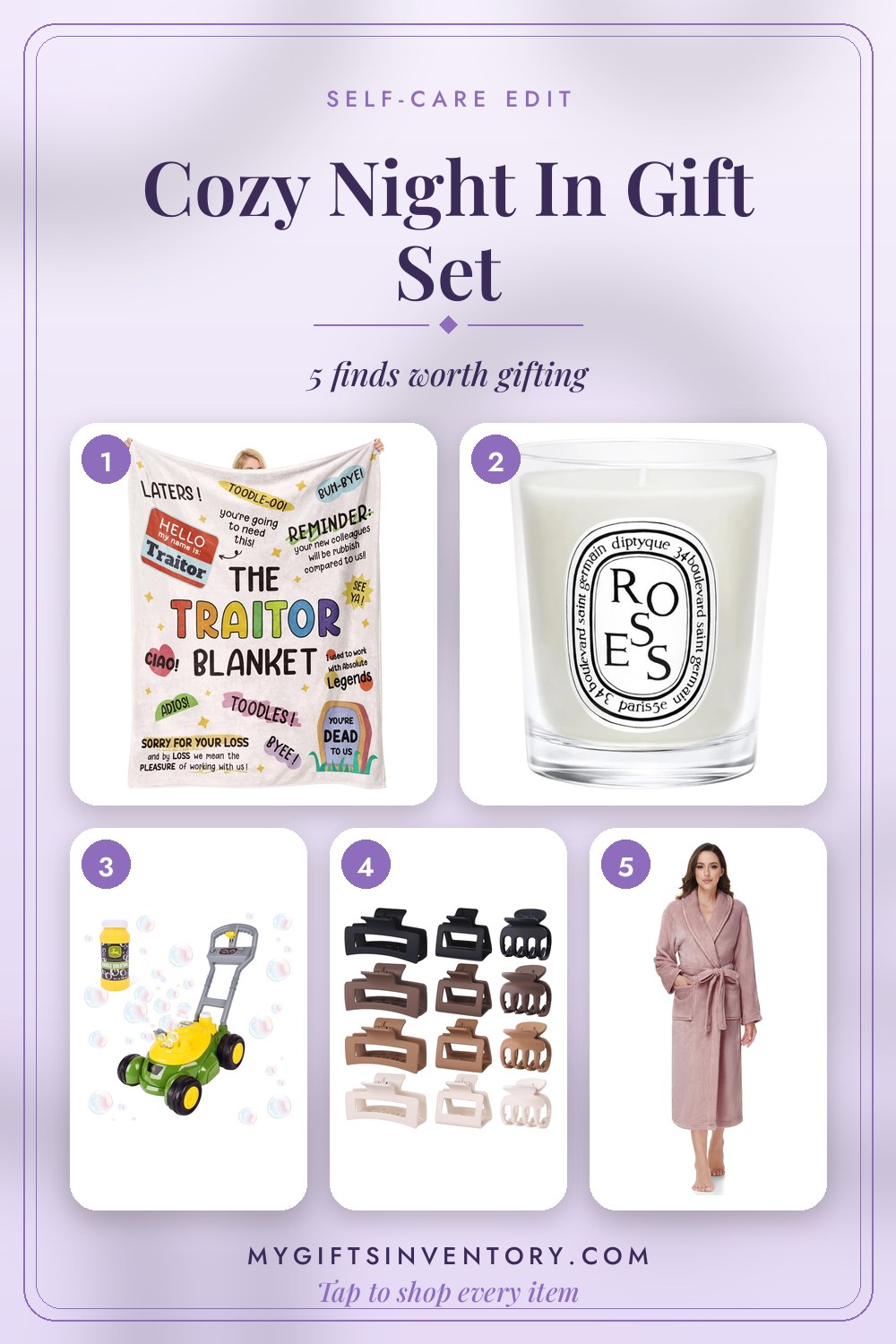
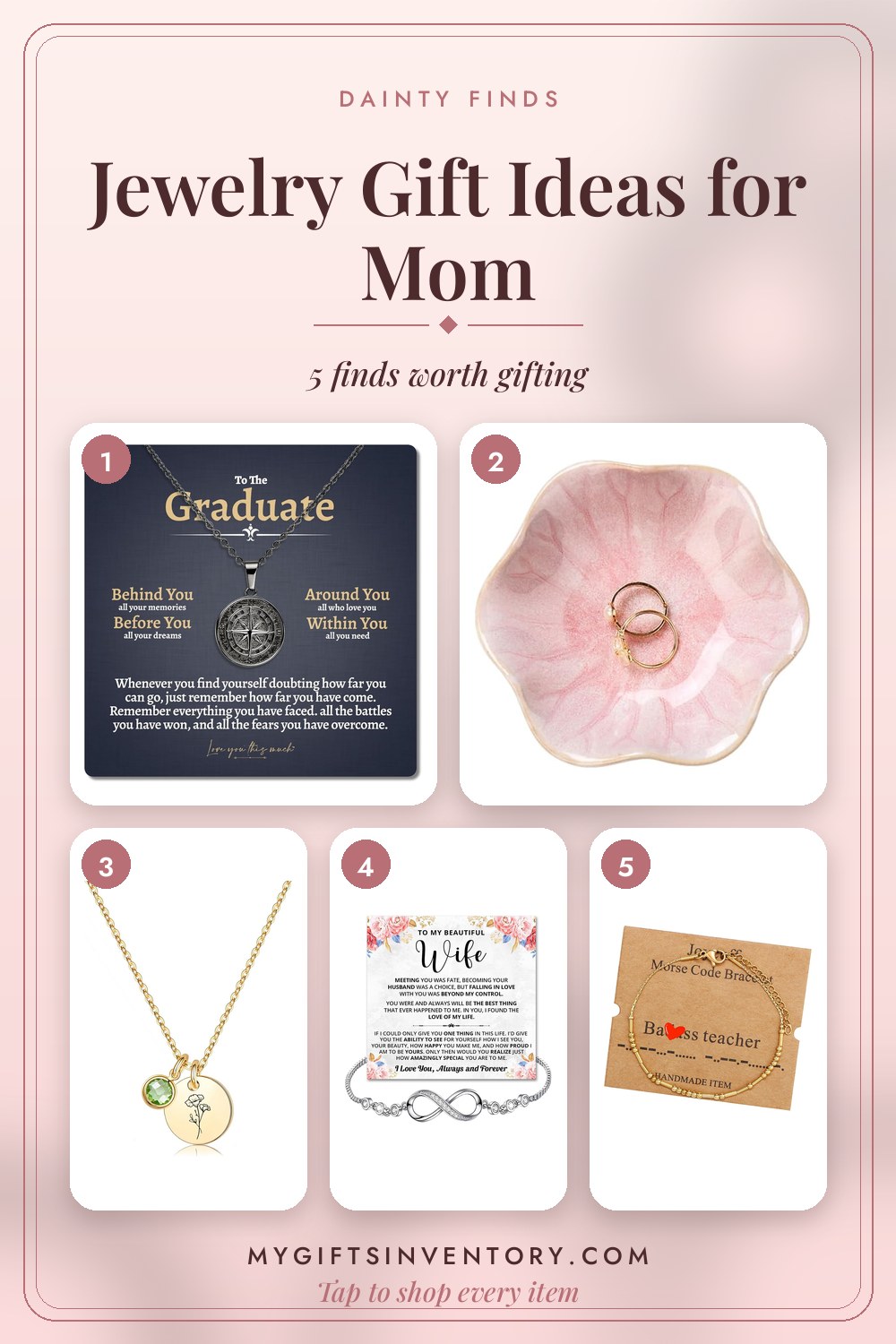
Every item picked, priced and linked, ready to buy.
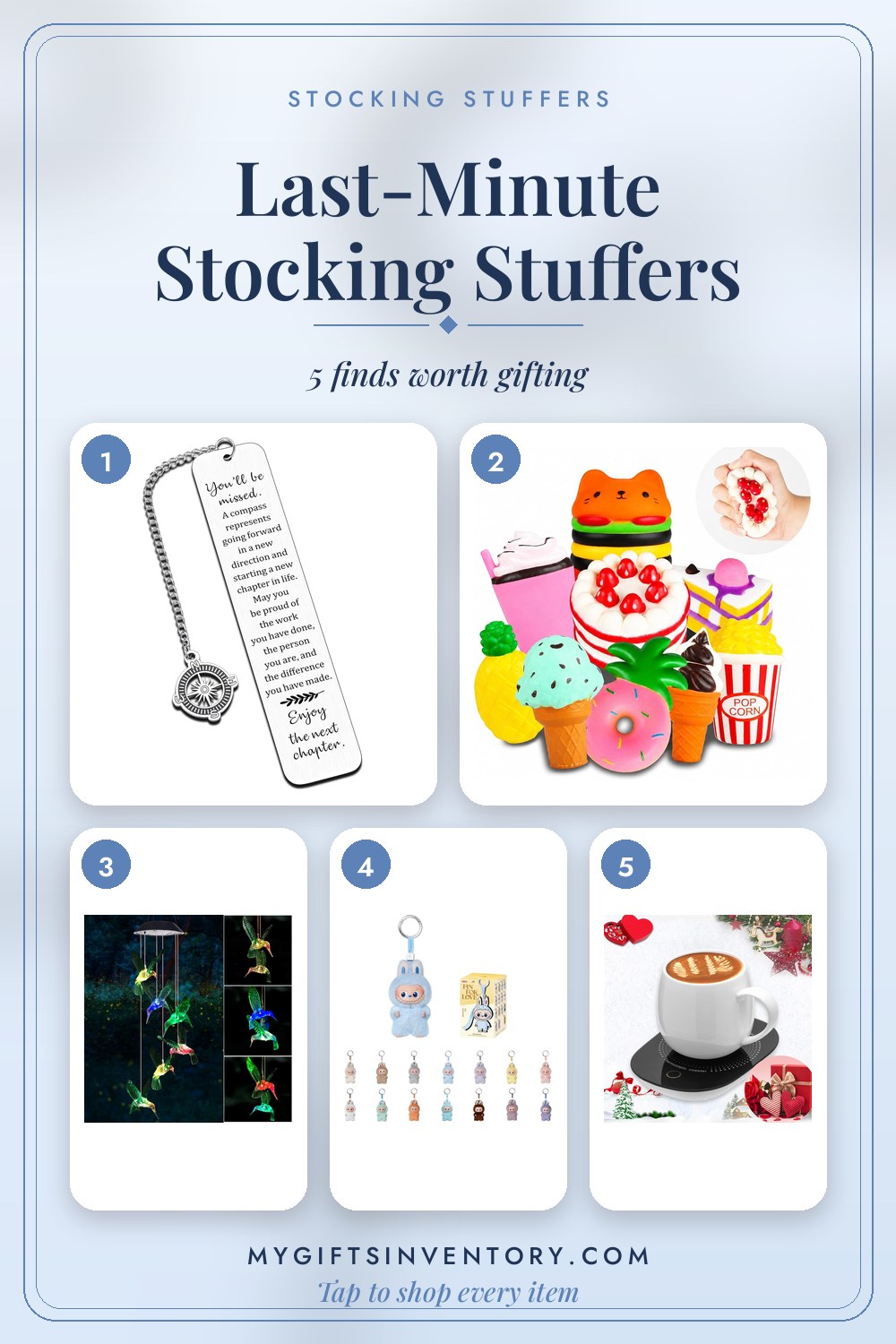
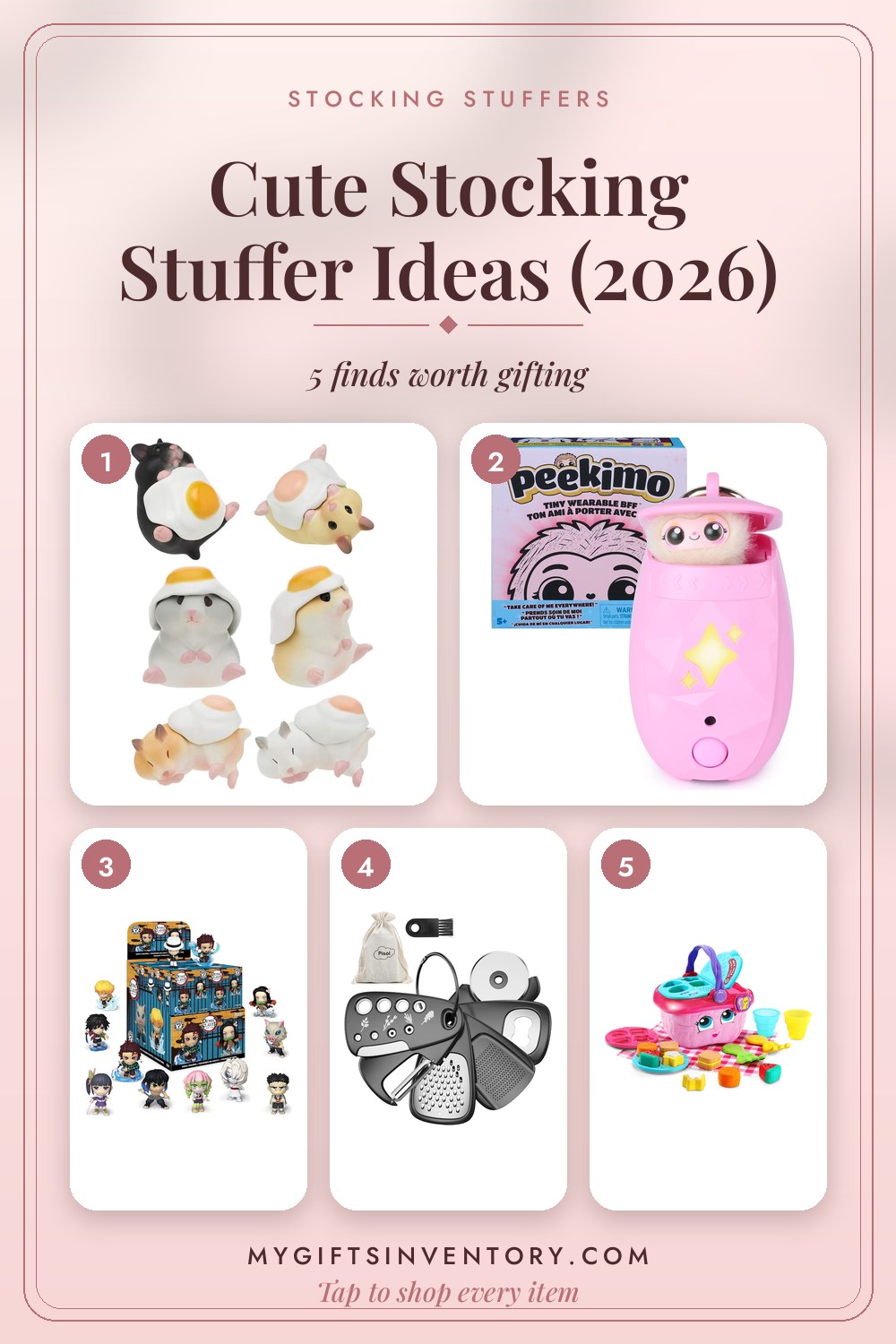
More Gift Advice