Who to Give Gifts to at Work: A Realistic Guide to Office Gift-Giving
A practical breakdown of who actually expects a gift at work, how much to spend on each person, and how to handle the office exchange without overthinking it.

As an Amazon Associate, My Gifts Inventory earns from qualifying purchases. We only recommend products we'd genuinely consider buying ourselves.
Every December (or before a work anniversary, a boss's birthday, or the office Secret Santa deadline) the same question comes up: who actually expects something from me here? Buy for too few people and you look like you're not a team player. Buy for too many and you're spending real money on people you barely know, plus it sets an awkward precedent for next year. There's a real answer to this, and it has less to do with generosity and more to do with reading the actual structure of your workplace.
Start With Who Genuinely Expects a Gift
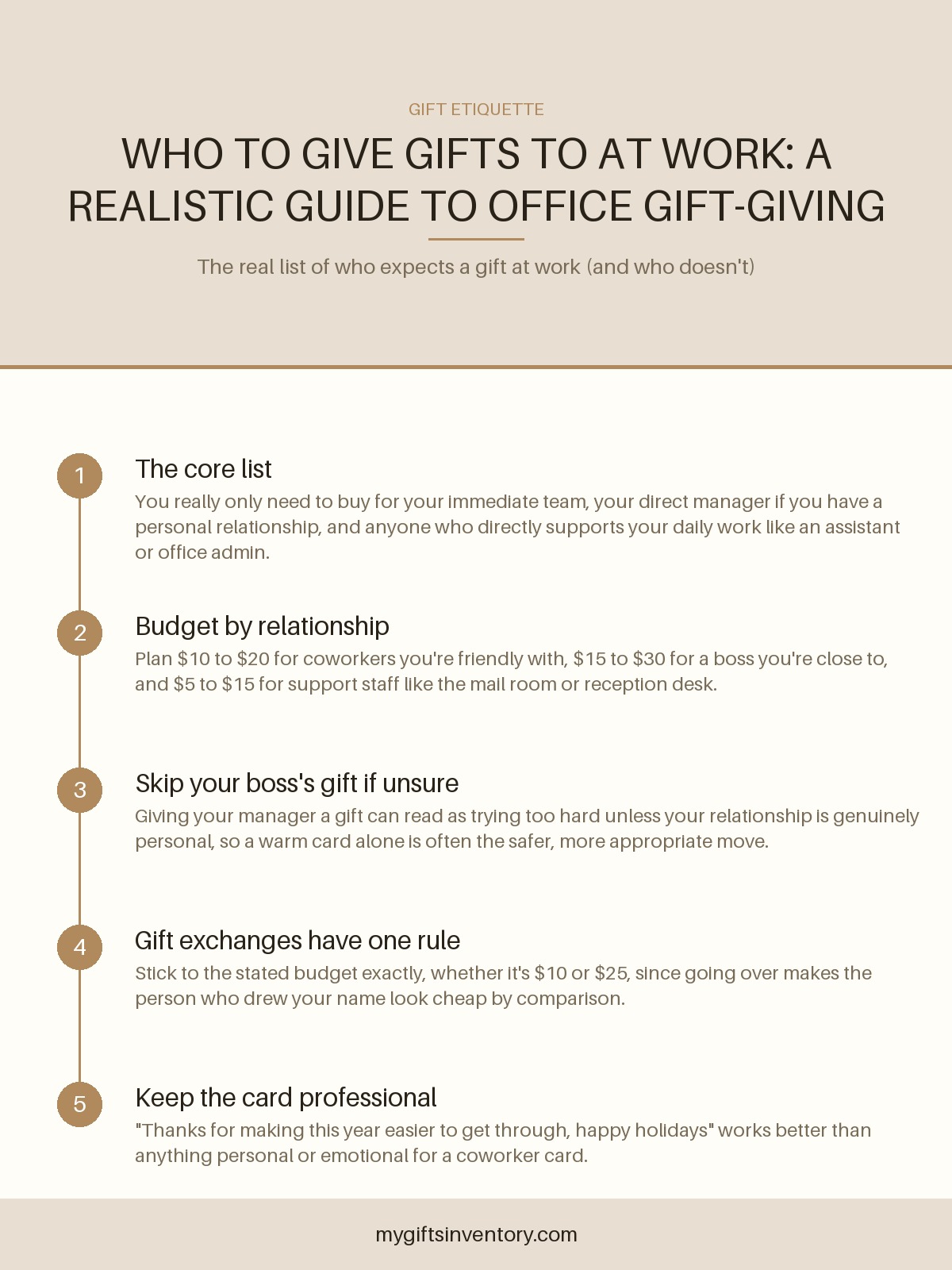
Most offices have an unspoken hierarchy of gift obligation, and it's smaller than people think. The core list is usually: your immediate team (the two to five people you work with daily), your direct manager if the relationship is personal rather than purely functional, and anyone who quietly makes your job easier, like an assistant, an office manager, or the person who handles your scheduling. Everyone outside that circle is optional, not obligatory.
A useful test: if this person left the company tomorrow, would you personally send them a card? If yes, they're on your list. If you'd just note it in the next team meeting, they're not.
Your Direct Team and Close Coworkers
This is the group most people get right without overthinking it. For coworkers you eat lunch with, vent to, and actually like, a small personal gift in the $10 to $20 range is completely normal. This is also the easiest category to shop for because you already know their actual interests, not just their job title. If someone on your team is glued to their coffee all morning, a small set from our gift ideas for coffee lovers under $50 guide reads as thoughtful without reading as expensive. If it's a guy on the team who's into gadgets but you don't want to spend more than lunch money, our tech gifts for men under $50 list has options that don't feel like a stretch.
For coworkers you're friendly with but not close to (people you say happy birthday to and nothing more), a card is genuinely enough. Nobody expects a wrapped gift from every single desk on the floor, and giving one to someone who didn't reciprocate creates more awkwardness than skipping it would have.
The Work Friend Who's Basically a Real Friend
If you have one coworker who's crossed over into actual friendship, outside-of-work-texts, knows about your life kind of friend, it's fine to treat them more like a personal friend than a colleague. A slightly nicer gift, in the $25 to $50 range, is appropriate here. If she's the type who'd actually wear something nice to the office, our smart watches for women under $100 roundup has picks in a price range that still feels office-appropriate rather than over the top.
Your Boss (And Whether You Even Should)
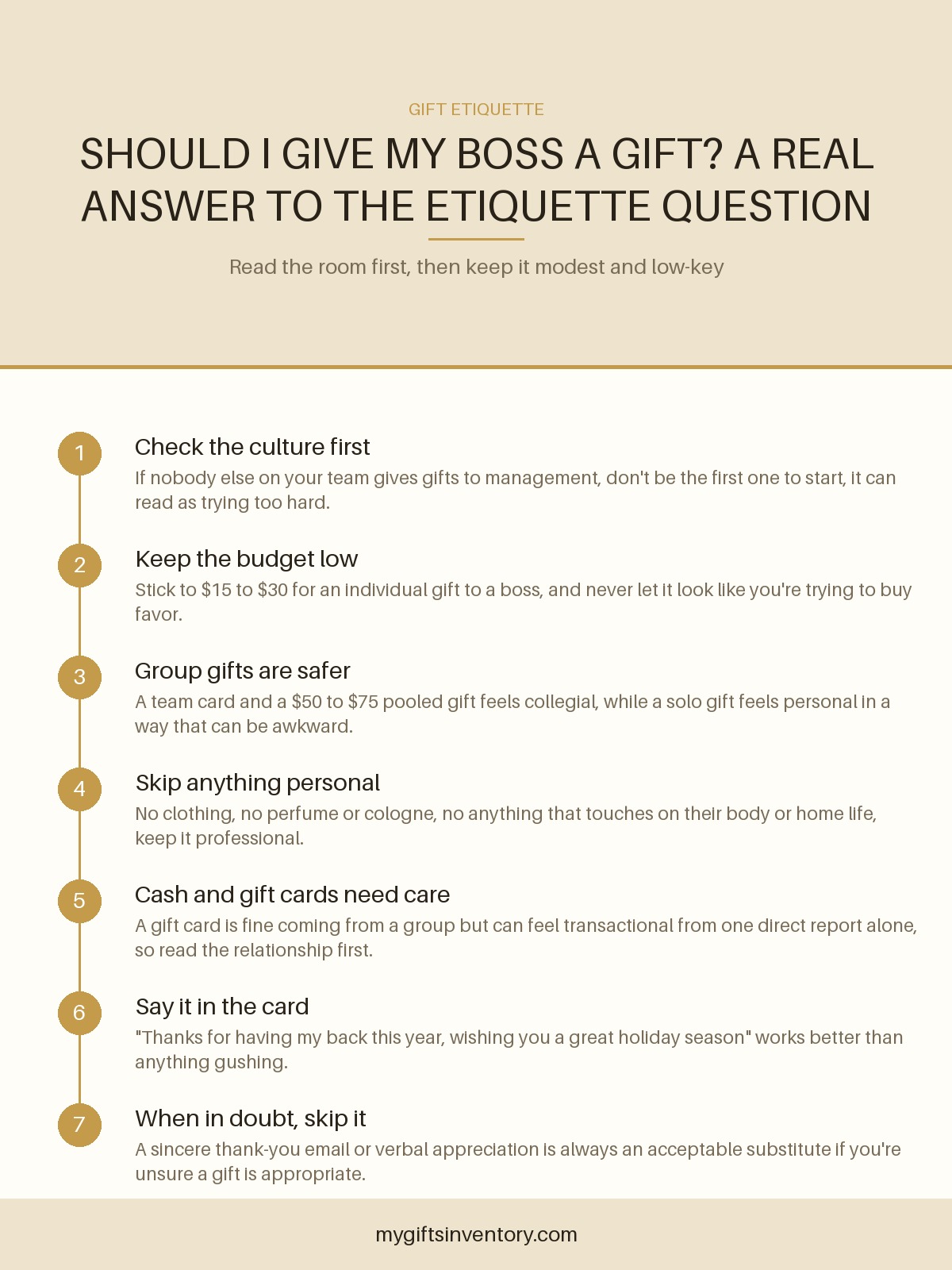
This is where most of the anxiety actually lives, and the honest answer is: it depends entirely on the relationship, not the org chart. If your manager is someone you're genuinely close to, who checks in on you as a person and not just a set of deliverables, a modest gift is a kind gesture. If the relationship is strictly professional, a thoughtful card without a gift is not just acceptable, it's often the more appropriate choice. Many managers actively feel uncomfortable receiving gifts from direct reports because of the power dynamic, since it can look like currying favor no matter how sincere the intent.
If you do decide to give something, keep it modest and useful rather than personal. Skip anything that assumes intimacy you don't have (no perfume, no anything that touches on appearance or the body). A $15 to $30 gift card, a nice notebook, or something for their desk is the safe lane. If your team is pooling money for a group gift to the boss, that changes the math entirely and takes the individual pressure off.
If You're the Boss: Gifts for People Who Report to You
This flips the previous section. If you manage people, giving something small to each direct report is a nice gesture, but it needs to be equal across the board. Nothing creates resentment faster than a manager who gives the favorite on the team a nicer gift than everyone else. Keep individual gifts modest and identical in value, typically $15 to $25 per person, or do one slightly nicer team gift like a shared lunch or a small stipend everyone can spend on themselves.
Gift cards solve a lot of this problem because the value is transparent and equal for everyone. A gift card balance is easy to load exactly the same amount for each person, and nobody has to compare who got the "better" version of a physical gift.
Support Staff People Forget
The people who tend to get overlooked at gift time are exactly the people who quietly keep the workplace running: the front desk, the mail room, building maintenance, the cleaning crew, the IT person who's fixed your laptop three times this year. A small gift or a $5 to $15 gift card here goes a long way precisely because so few people think to include them. If your office has a shared kitchen or common area, this is also a good group to include in a modest, non-personal token like a gift card to a coffee shop or a general retailer.
For this category, gift cards to places like Target or a well-known coffee chain tend to be the most practical choice, since you likely don't know these people's personal tastes well enough to buy something specific.
Clients and Vendors
Client and vendor gifting operates by different rules than internal office gifting, and it's worth checking your company's policy before you spend anything, since many companies have strict caps (often $25, $50, or $100 depending on the industry) specifically to avoid the appearance of a bribe. Government contractors and companies working in regulated industries often have even stricter limits, sometimes prohibiting gifts to certain clients entirely. When in doubt, ask HR or check the employee handbook rather than guessing, because getting this wrong can create real problems for both parties.
When client gifts are allowed, useful, branded, or consumable items (a nice notebook, a food gift, a quality mug) tend to land better than anything personal. Gift cards are common here too, and if you're sending one, our Best Buy gift card balance guide is a useful reference if a client or vendor ever needs to check what's left on a card you sent them.
The Office Gift Exchange (Secret Santa, White Elephant, Grab Bag)
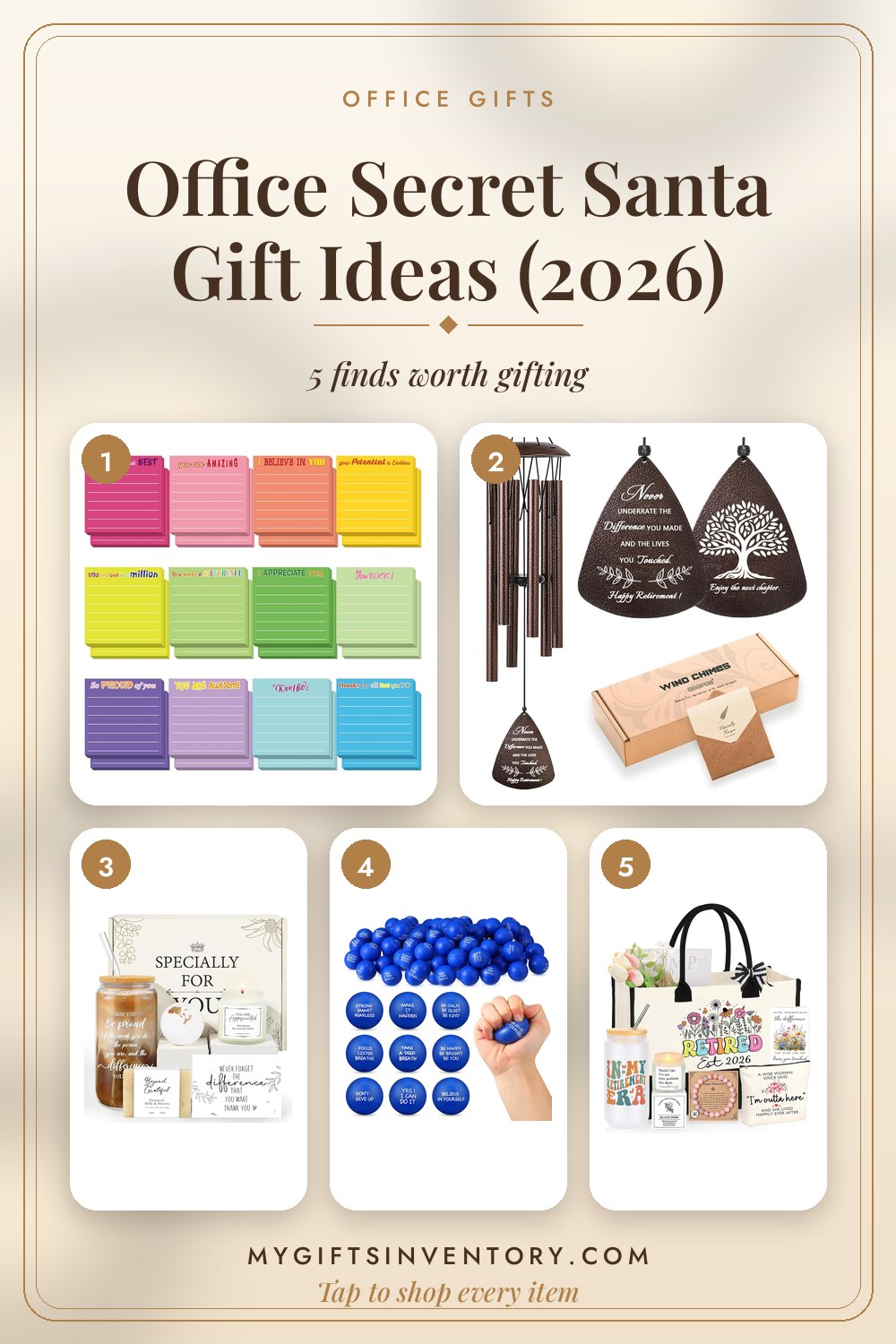
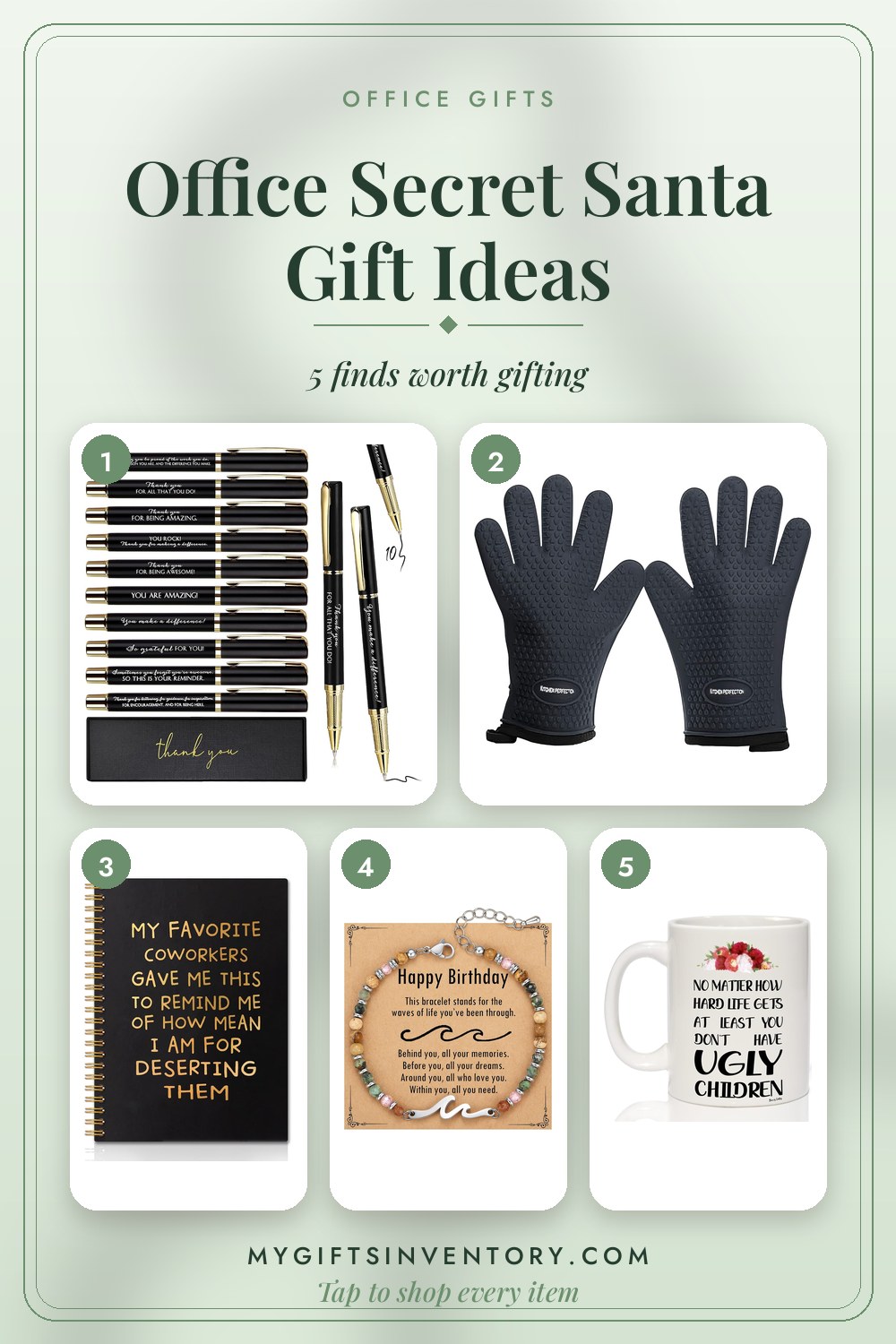
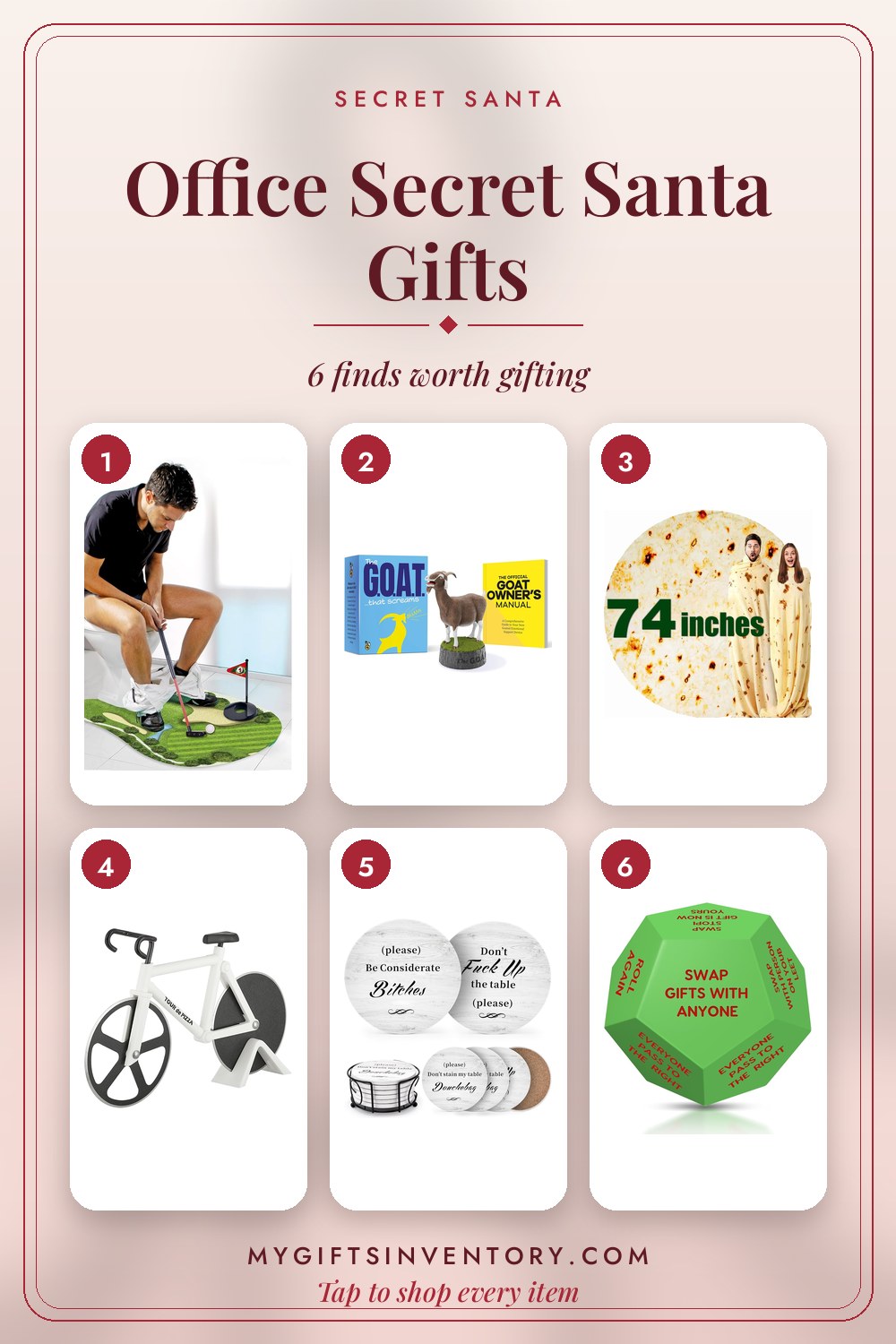
If your office runs a formal exchange, this replaces individual obligation, not adds to it. The whole point of a Secret Santa or grab bag is that everyone buys one gift instead of everyone buying for everyone. The one rule that matters here is sticking exactly to the stated budget. If the limit is $15, don't spend $40, even if you can afford it and even if you like the person. Overspending doesn't read as generous in this context, it makes whoever drew your name look bad by comparison when their $15 gift sits next to your $40 one.
These exchanges are also a good place to lean on something like our coffee lovers gift guide, since a coffee-themed gift within a $15 to $25 range works for almost anyone and doesn't require knowing the recipient's specific taste in advance.
Who You Can Skip Without Guilt
You do not need to buy for every person in your department, people in other departments you rarely interact with, executives several levels above you that you don't work with directly, or coworkers on other floors or in other offices entirely. A friendly "happy holidays" in passing or in a group email is completely sufficient for anyone outside your actual working circle. Spreading gifts too thin across the whole company usually means spending more money for less genuine connection, and it can come across as performative rather than warm.
What to Write in a Work Card
Office cards should stay warm but professional, avoiding anything too personal, too emotional, or too casual for the relationship. A few reliable templates:
- For a coworker: "Thanks for making this year easier to get through. Happy holidays and see you in the new year."
- For a boss you're genuinely close to: "I appreciate everything you've done to support me this year. Wishing you a great holiday season."
- For support staff: "Thank you for everything you do around here, it doesn't go unnoticed. Happy holidays."
- For a work friend: "So glad we ended up on the same team this year. Hope your holidays are as good as you deserve."
Skip anything that references personal struggles, romantic language obviously, or inside jokes that might not land the same way in writing as they do in conversation.
Gift Ideas to Go With This


Want more ideas? Browse our full guide: 20 Best Gifts Under $100 (2026): Thoughtful Picks They'll Actually Use
Frequently Asked Questions
Do I have to give my boss a gift?
No, giving your boss a gift is optional and depends entirely on how personal the relationship actually is. A sincere card is appropriate and sufficient in most professional relationships, and many managers prefer not to receive gifts from direct reports at all because of the power dynamic involved.
How much should I spend on coworker gifts?
For coworkers you're friendly with, $10 to $20 is the standard comfortable range, and for a closer work friend, $25 to $50 is reasonable. Gift exchanges typically set their own limit, usually between $10 and $25, and that number should be treated as a firm ceiling rather than a suggestion.
Is it rude to skip giving gifts at work entirely?
No, it's not rude as long as you're consistent and warm in other ways, like wishing people a good holiday season verbally or in a group message. Many people opt out of workplace gifting entirely, especially in larger offices, and it's a completely normal choice as long as you're not opting out selectively for people you simply don't like.
Should I give a gift card or a physical gift to coworkers?
Gift cards are often the safer choice for coworkers you don't know extremely well, since the value is clear and there's no risk of guessing wrong on taste. For a manager gifting an entire team equally, gift cards also solve the fairness problem since everyone gets an identical, transparent amount.
What if my company has a policy against gifts from clients or vendors?
Check your employee handbook or ask HR before accepting or giving anything, since many companies cap gift values (often around $25 to $100) or prohibit them entirely to avoid ethical conflicts. This is especially common in regulated industries and with government-adjacent contracts, so it's worth confirming rather than assuming.
Looking for an Actual Gift Instead?

Shop Hand-Picked Gift Sets
Every item picked, priced and linked, ready to buy.

More Gift Advice