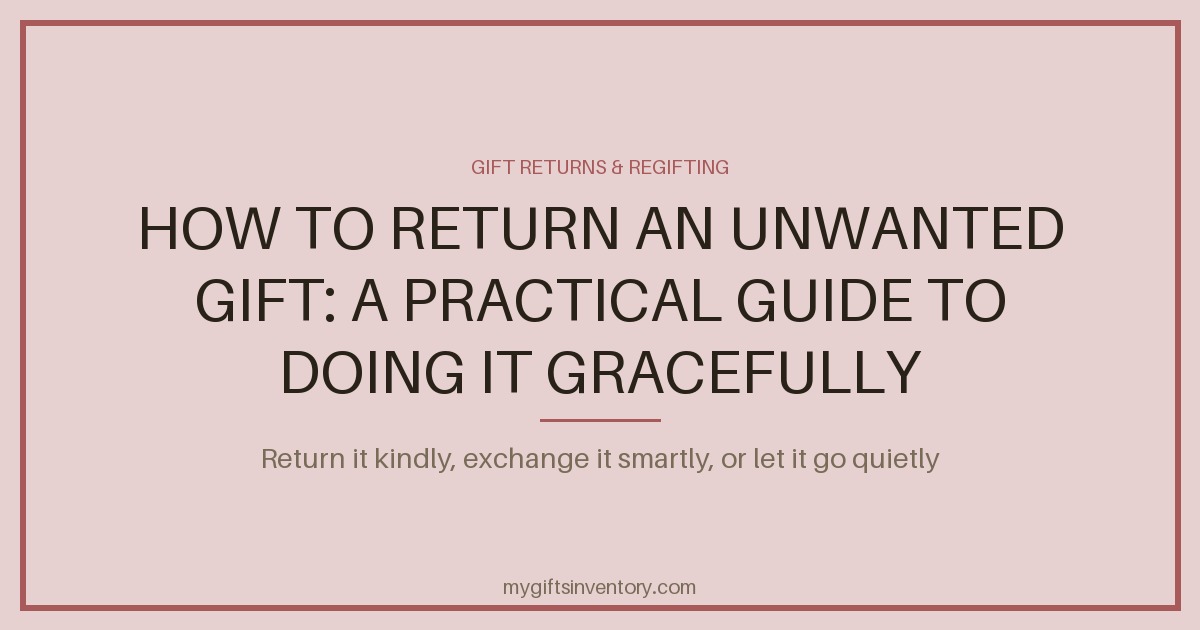
How to Return an Unwanted Gift: A Practical Guide to Doing It Gracefully
A gift you'll never use doesn't have to become closet clutter. Here's how to handle returns, exchanges, and regifting without hurting anyone's feelings, including what to say and when to say nothing at all.
As an Amazon Associate, My Gifts Inventory earns from qualifying purchases. We only recommend products we'd genuinely consider buying ourselves.
You opened the box, smiled, said thank you, and now the thing is sitting in your hallway and you have no idea what to do with it. Maybe it's the wrong size, maybe it's a duplicate, maybe it's just not you. Returning an unwanted gift feels awkward because it puts two things in tension: you don't want to waste the giver's money, and you don't want to hurt their feelings. The good news is that most of the time you can do both, as long as you're a little strategic about how and when you handle it.
First, Figure Out What You're Actually Dealing With
Before you do anything, sort the gift into one of three buckets. The right move depends entirely on which bucket you're in.
Bucket 1: It came with a gift receipt
This is the easy one. A gift receipt exists specifically so you can return or exchange without the giver ever knowing the price or that a return happened. Most stores that issue gift receipts will give you store credit rather than cash, and the giver's name usually isn't attached to the transaction in any way they'd see.
Bucket 2: No receipt, but it's clearly from a store
You can still return it. Most major retailers will accept an unopened item in original packaging for store credit at the current selling price, even without a receipt. You'll usually need to show ID, and some stores cap how many no-receipt returns you can make in a year. Check the store's policy online before you drive over, because the rules vary more than people expect.
Bucket 3: It's personalized, handmade, or from a small maker
This is the one to think hardest about. A monogrammed towel, a custom print, a piece from a local artist, or anything a person made by hand generally cannot be returned and often shouldn't be. If someone spent hours on it, the kindest thing is usually to keep it, display it somewhere reasonable, and move on. You don't have to love it. You just have to not make it a thing.
The Holiday Return Window Is Shorter Than You Think
Here's the part people get burned by every January. Retailers commonly extend their return windows for holiday purchases, but the extension is not uniform and it is not generous across the board. A store that normally gives you 30 days might give you until mid-January for anything bought after Thanksgiving, or it might give you 90 days, or it might give you nothing special at all. Some categories, like electronics and anything opened, often have tighter windows or restocking fees.
The practical takeaway: don't wait until you feel like dealing with it. Look up the specific store's return policy the week you receive the gift, note the deadline, and put it in your calendar. If you're the one doing the giving and you suspect a gift might be a gamble, check the policy before you buy and mention it casually in the card. Something like "Kept the receipt in the bag in case the size is off" gives the recipient permission to return it without an awkward conversation.
What to Actually Say to the Giver
This is where most people freeze. The instinct is to either lie ("I love it!") or to over-explain. Neither is ideal. What you want is a short, warm, honest sentence that puts the giver at ease and makes the return feel like a shared practical decision rather than a rejection.
If you're close to the person
Honesty usually wins here, delivered gently. Try: "This is so thoughtful, and I really appreciate it. I already have one of these, would you mind if I swapped it for something I'd use more?" Or: "I love the thought behind this, but the fit isn't quite right. Would it be okay if I exchanged it for the next size up?" Notice the pattern: name the thoughtfulness first, then the practical issue, then the ask. It's hard for anyone to be offended by that framing.
If it's an acquaintance, coworker, or distant relative
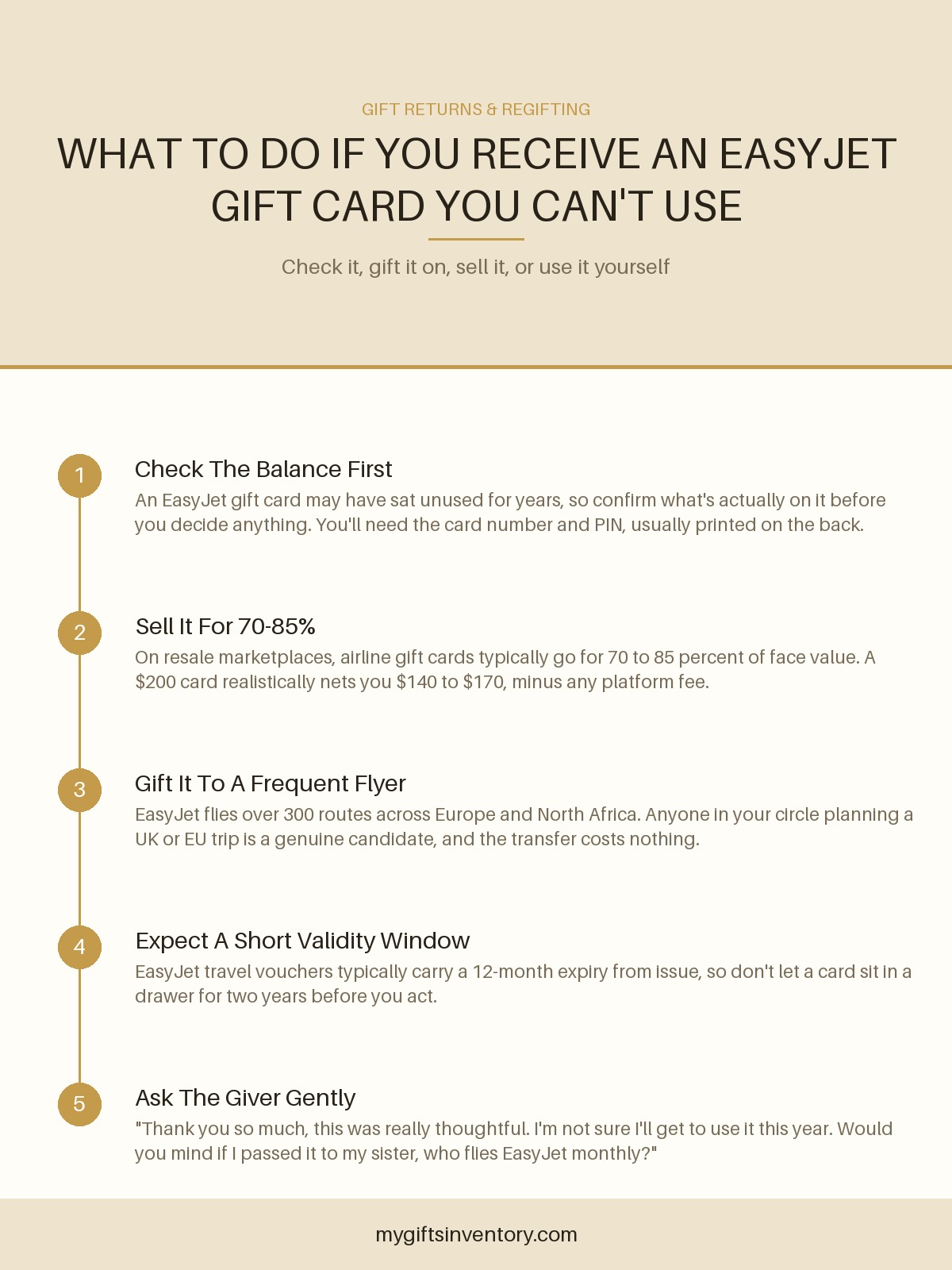
You don't owe them a status update. If a coworker hands you a scented candle you'll never burn, the graceful move is to say thank you, mean it, and quietly donate or regift it later. The relationship doesn't have the bandwidth for a return conversation, and forcing one creates more discomfort than the gift is worth.
If the giver asks directly whether you liked it
Don't lie if you're bad at lying, and don't gush if it's obviously not your thing. A middle path: "It was so kind of you to think of me. I'm actually going to see if I can exchange it for something that fits a little better, but I really appreciated it." Most people, once they hear that, will say some version of "of course, go for it."
The Regifting Rules That Actually Hold Up
Regifting gets a bad reputation, but done well it's just efficient gift-giving. The problem is that most people do it badly. Here's the rule set we actually use.
- Only regift things that are new, unused, and in original packaging. Anything opened, worn, or missing a tag is a donation, not a regift.
- Regift outside the original giver's social circle. The cardinal sin is regifting something back into the same group of friends or family, where the original giver might see it.
- Never regift anything handmade, personalized, or clearly chosen specifically for you. If someone picked it out thinking of you, passing it along is a real risk to the relationship if they find out.
- Match the regift to the new recipient's actual taste, not just to "something I need to get rid of." A regift that's thoughtful is just a gift. A regift that's convenient is a mistake waiting to happen.
- Keep track. If you have a shelf of regift candidates, note who gave you what. Nothing is more awkward than regifting something to the person who gave it to you.
If you're doing a lot of regifting or gifting to people whose taste you don't know well, our guide to white elephant and gift exchange ideas under $30 is a good sanity check for what tends to land well versus what tends to get quietly passed along.
Donation Is a Completely Legitimate Option
Not every unwanted gift needs a return label. If the item is useful but not for you, donating it to a local shelter, a school, a buy-nothing group, or a charity shop is a clean, guilt-free exit. The giver's money still did some good, you cleared the space, and nobody had to have a conversation about it.
One caveat: if the gift was expensive and the giver is likely to notice it's gone from your home, a quiet donation can backfire. In that case, keeping it in a closet for a while or doing a genuine exchange is the safer play. Think about whether the person will ever ask about it.
If You're the Giver, Here's How to Prevent the Problem
Most of the awkwardness around returns is avoidable at the buying stage. A few habits cut way down on unwanted gifts.
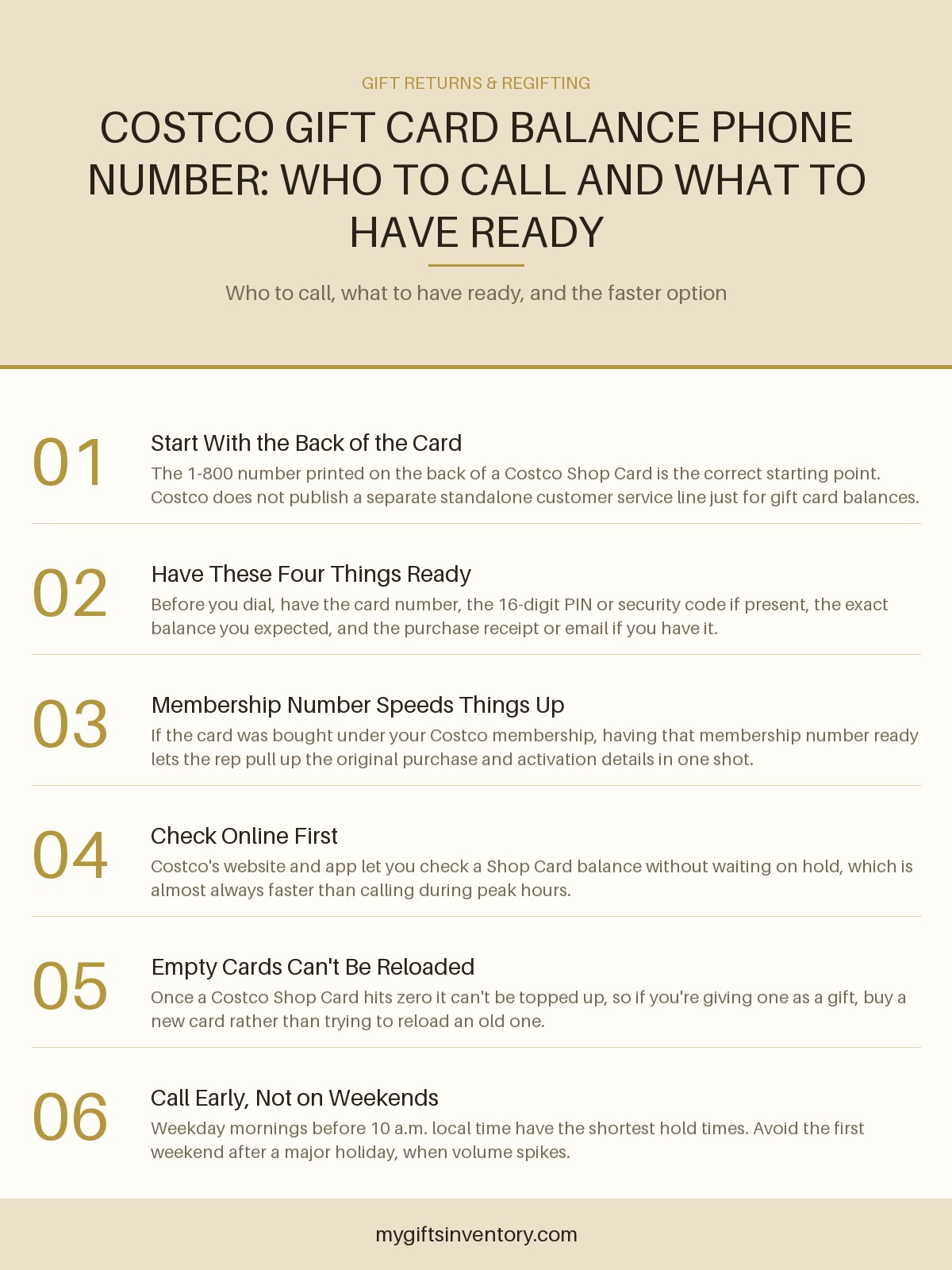
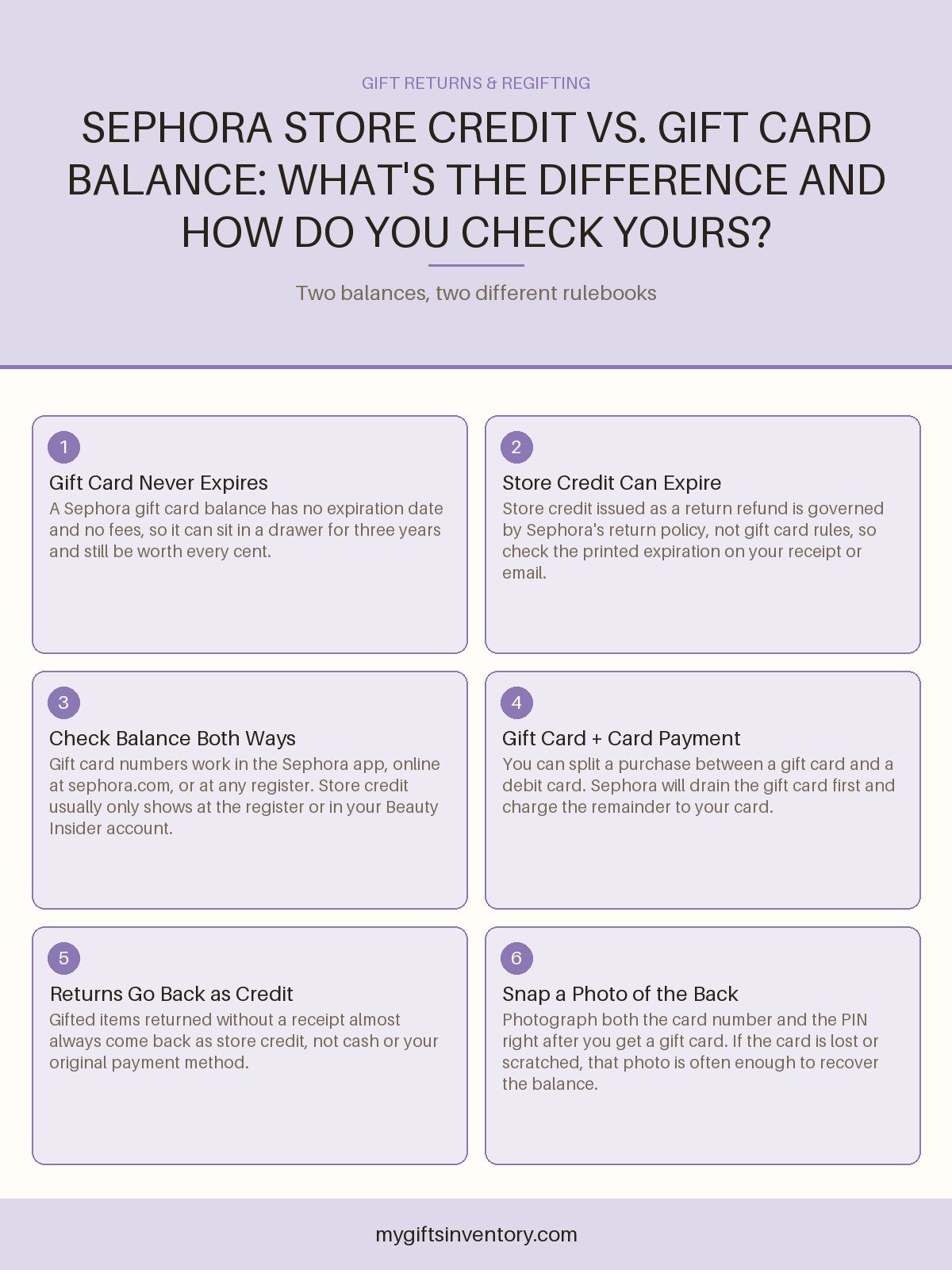
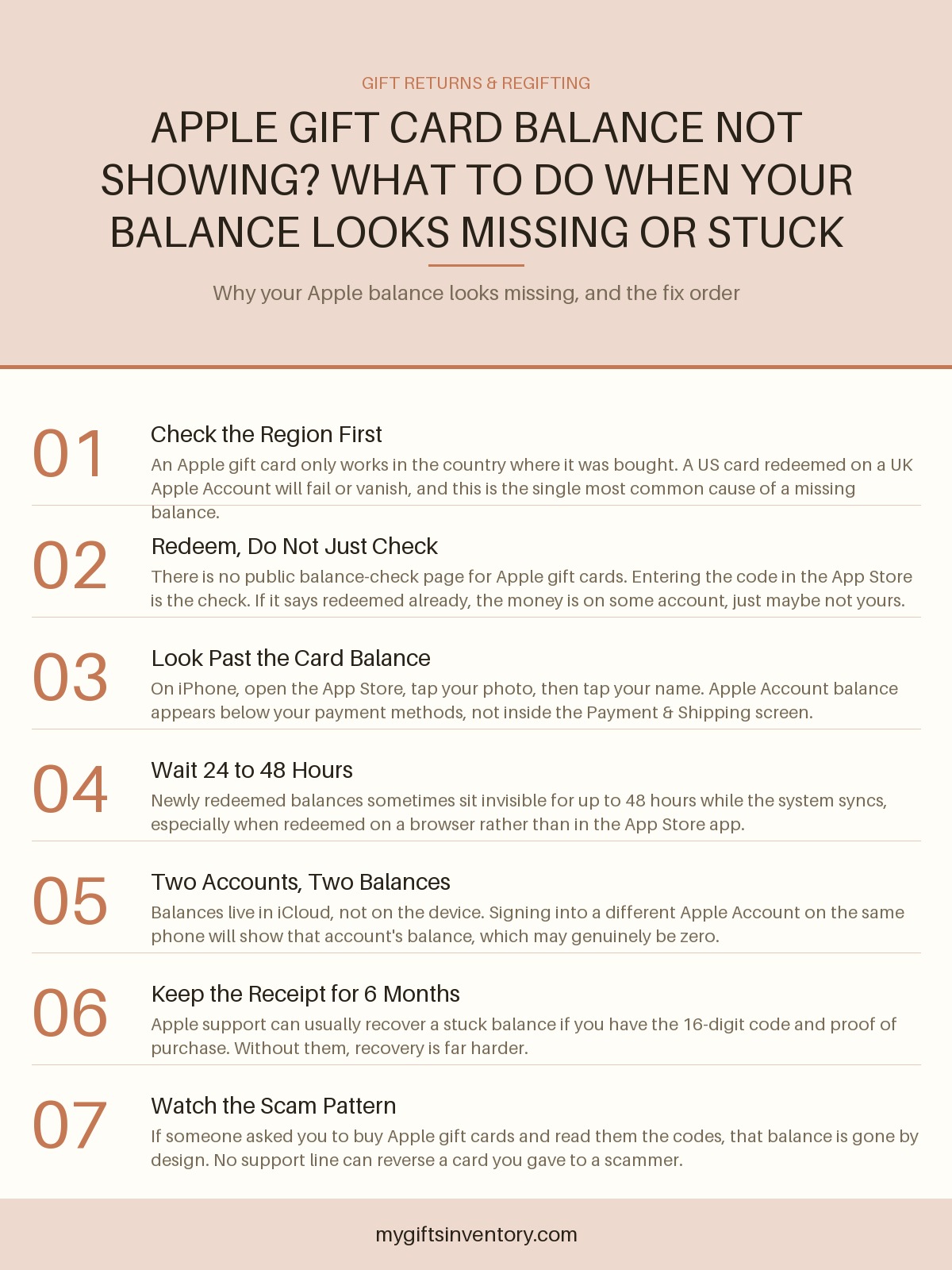
First, always ask for a gift receipt and include it, especially for clothing, electronics, and anything size-dependent. Second, if you're genuinely unsure, a gift card to a store the person actually shops at is a much better gift than a guess. It feels less personal, but it saves everyone the return dance, and the recipient can check the Victoria's Secret/PINK gift card balance or whatever the relevant brand is and spend it on exactly what they want. For kids and teens, where taste shifts fast and sizes are a minefield, it's worth steering toward gifts with genuinely wide appeal. Our stocking stuffer ideas for teens and gifts for 13 year old teen girls guides are both built around things that tend to actually get used rather than politely stored, which is the real test.
The Etiquette Question Nobody Wants to Ask
Is it rude to return a gift? The short answer is no, not if you do it with a little tact. The gift's purpose was to make you happy. If exchanging it for something you'll actually use accomplishes that better, you're honoring the intent. What's rude is announcing the return in a way that makes the giver feel foolish, or lying about loving something and then getting caught.
The other etiquette point people miss: you don't have to return a gift just because it isn't perfect. A slightly off candle, a book you'll probably read someday, a scarf in a color you don't normally wear, these can just live in your home. Not every gift needs a verdict. Sometimes the graceful thing is to say thank you and mean it, and let the object be a small, imperfect kindness.
The Practical Checklist
When you're ready to actually deal with a gift, run through this in order:
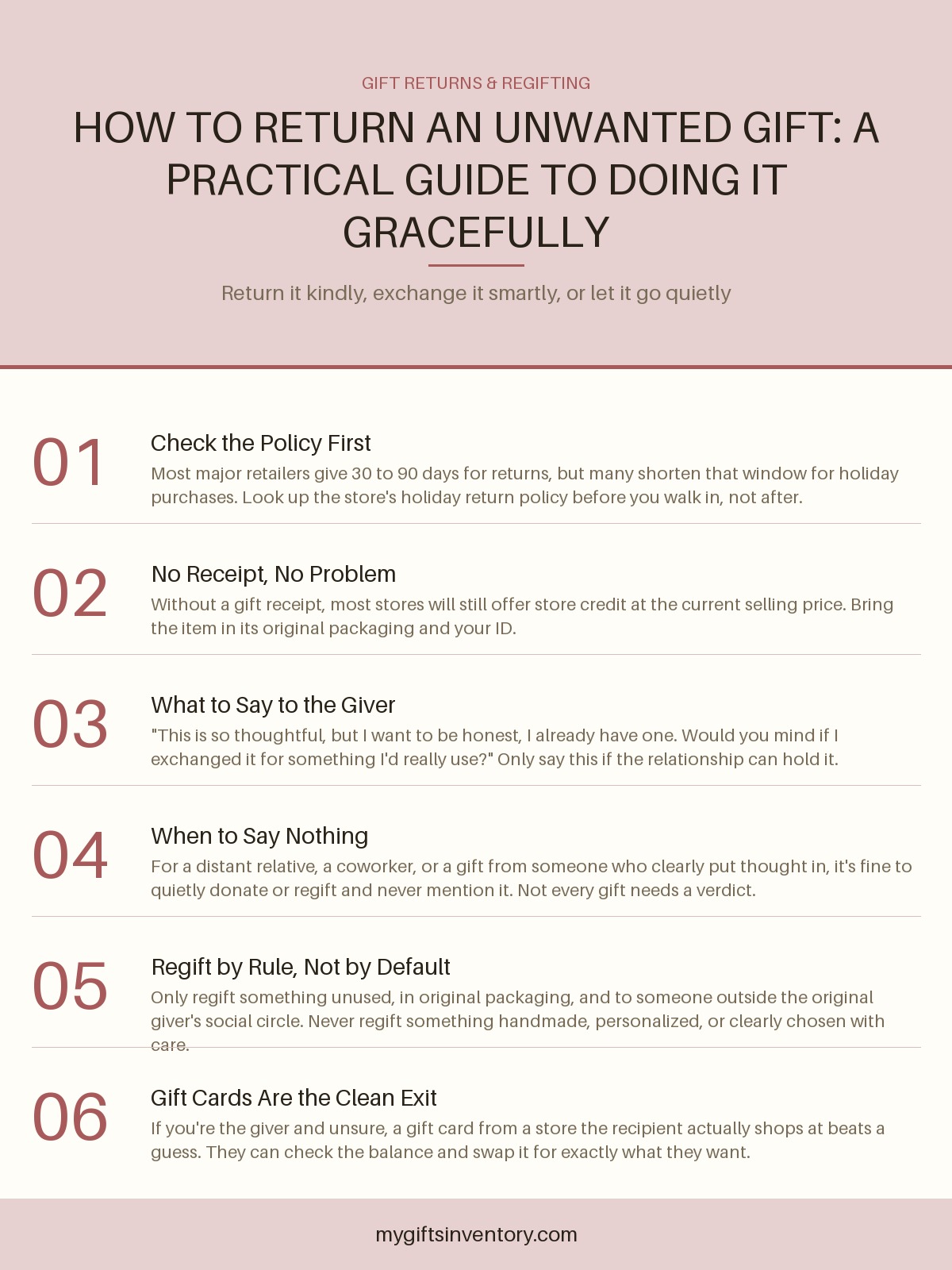
- Identify the store and look up its return policy, including holiday-specific windows.
- Find any gift receipt, original packaging, tags, and manuals.
- Decide your goal: cash back (rare), store credit (common), exchange for a different size or color, or donation.
- If you're returning without a receipt, bring ID and expect store credit at current price.
- If you're telling the giver, use the three-part script: thoughtfulness, practical issue, the ask.
- If you're not telling them, make sure the item won't be missed, then donate, regift carefully, or store it.
None of this has to be dramatic. The gift was given in good faith. Returning it, exchanging it, or quietly passing it along is just you being a good steward of both the object and the relationship. The goal is not to be perfectly grateful for everything. The goal is to be kind, and to keep your closet from filling up with things you'll never touch.
Gift Ideas to Go With This



Want more ideas? Browse our full guide: 20 Best Gifts Under $100 (2026): Thoughtful Picks They'll Actually Use
Frequently Asked Questions
Is it rude to return a gift someone gave you?
No, not if you handle it with care. Returning or exchanging a gift to get something you'll actually use honors the giver's intent. What's rude is making the giver feel foolish in the process, which is why a private exchange or a warm, brief explanation works better than public commentary.
Can I return a gift without a receipt?
Usually yes, for store credit. Most major retailers accept unopened items in original packaging without a receipt and offer store credit at the current selling price, often with an ID and sometimes with a limit on how many no-receipt returns you can make per year. Policies vary by store and by category, so check before you go.
What do I say when someone asks if I liked their gift and I didn't?
Lead with the thoughtfulness, then keep it vague and positive. Something like "It was so kind of you to think of me" is honest and graceful. If you're planning to exchange it and the relationship can handle it, add "I'm going to see if I can swap it for a different size, but I really appreciated it."
Is it okay to regift something?
Yes, if it's new, unused, in original packaging, and going to someone outside the original giver's social circle. Never regift anything handmade, personalized, or clearly chosen specifically for you, and never regift back into the same group of friends or family.
What should I do if the gift is personalized or handmade?
Keep it. Personalized and handmade items generally can't be returned and often shouldn't be. You don't have to love it or display it prominently, but quietly keeping it avoids hurting someone who put real effort in. Store it, use it occasionally, and let it go.
Looking for an Actual Gift Instead?
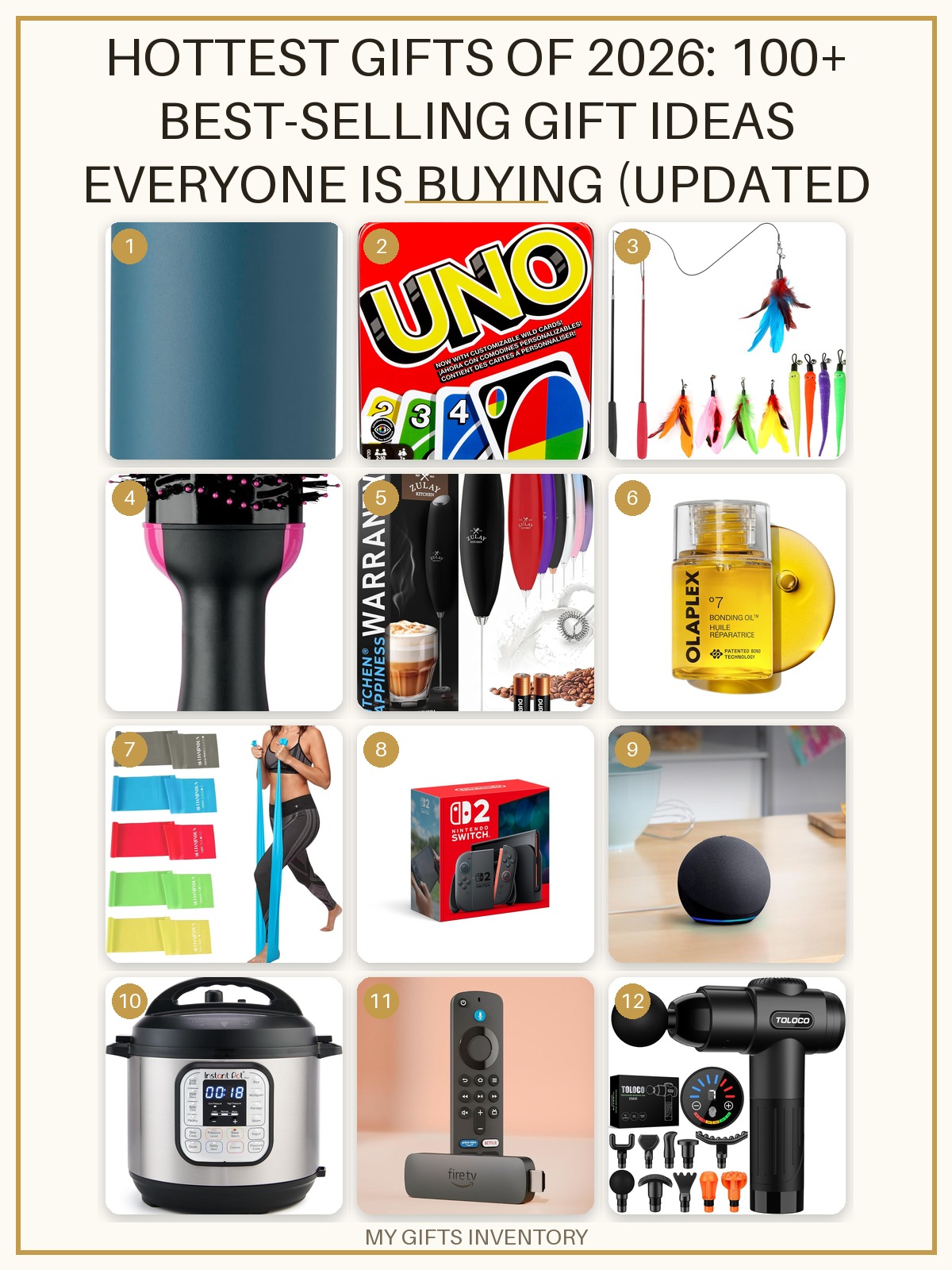
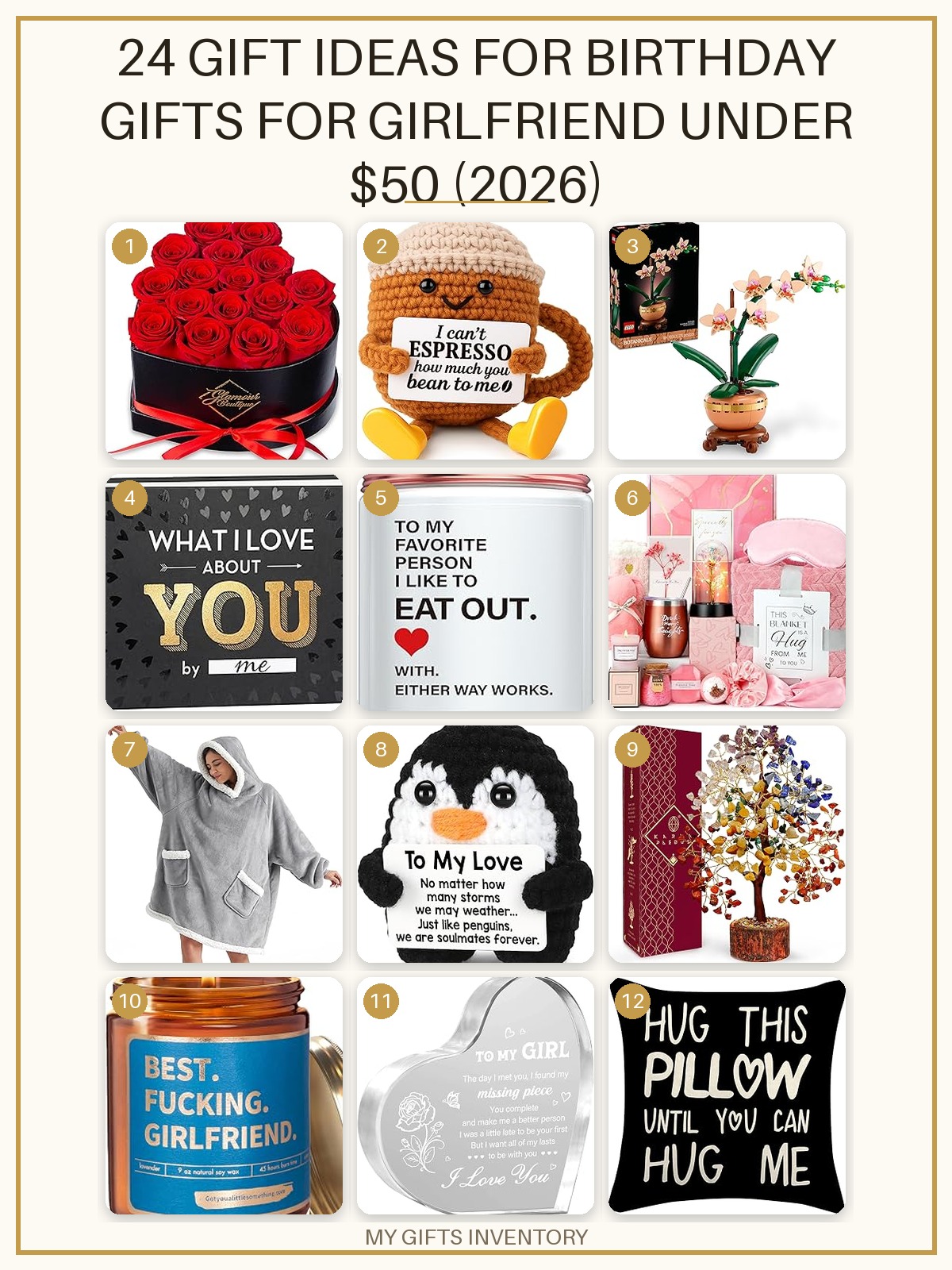
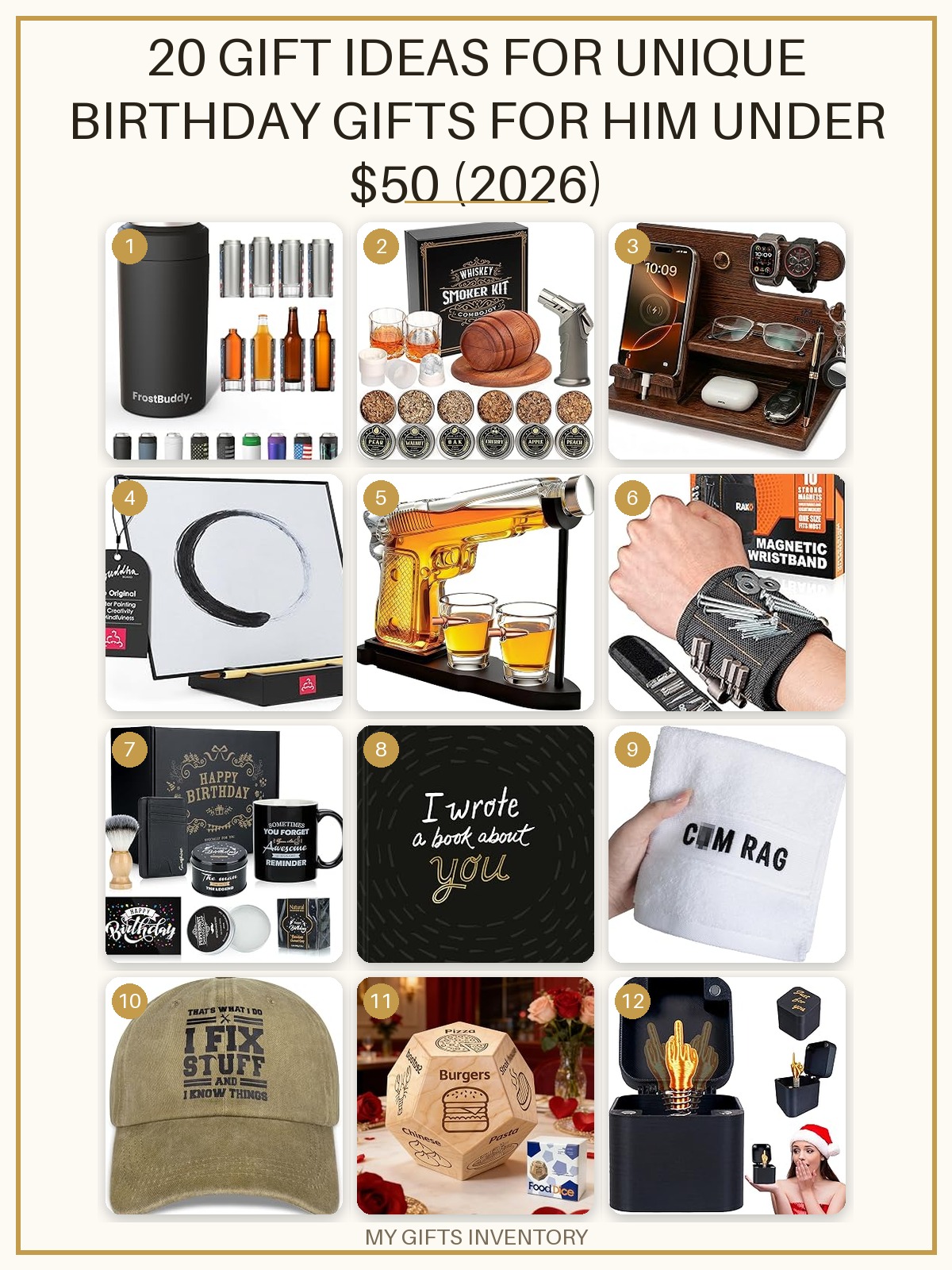
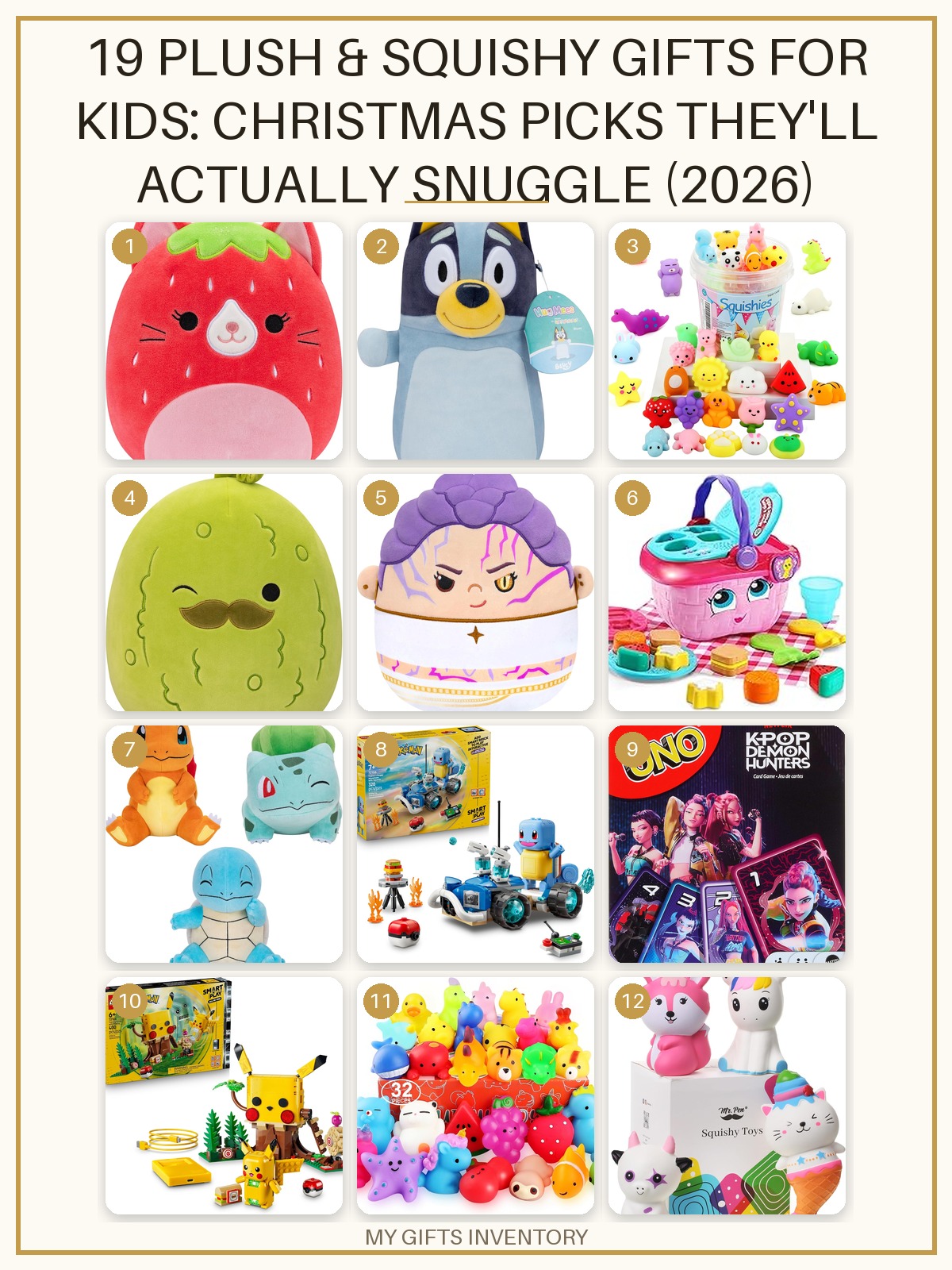
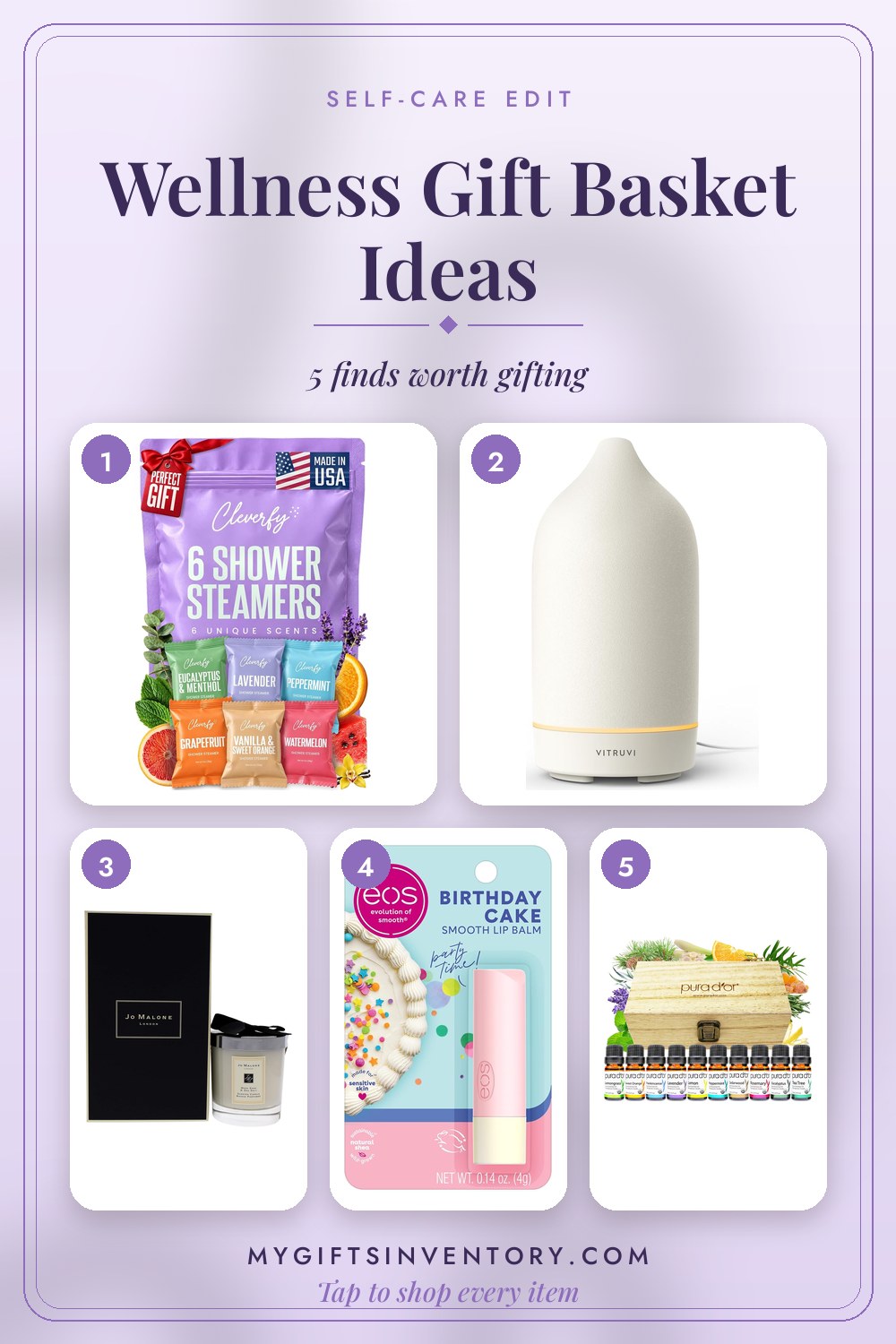
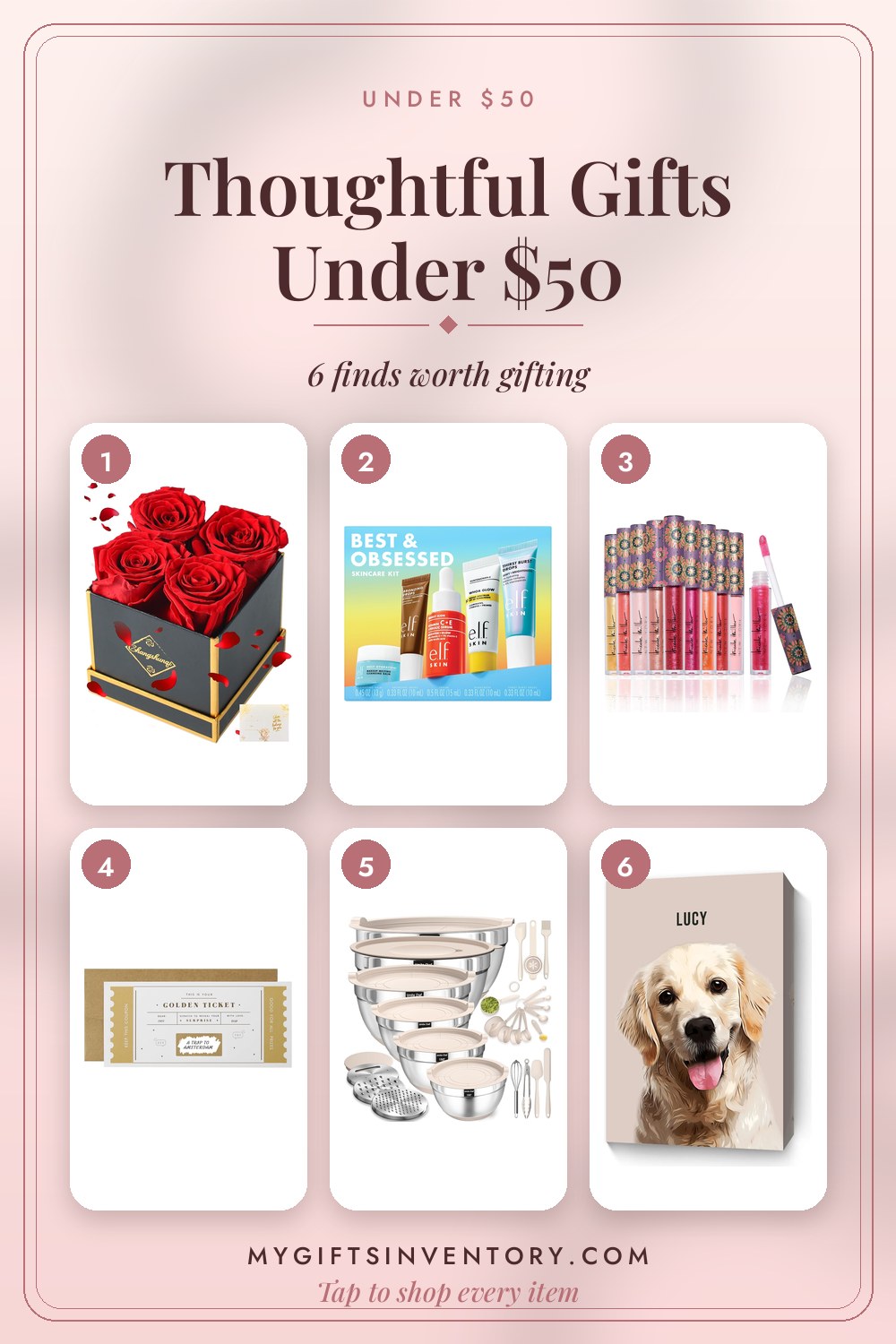
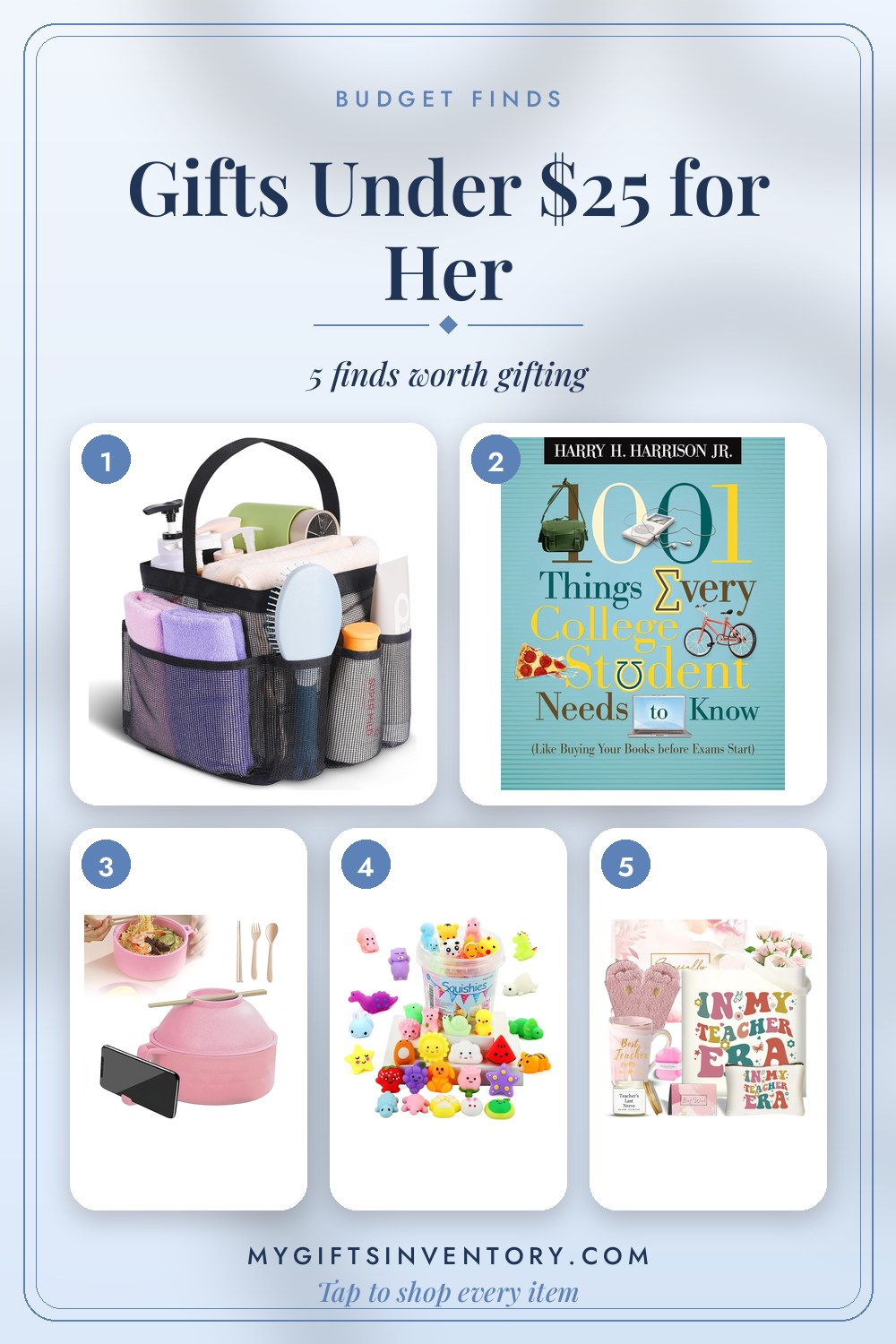
Gift Sets We Love Right Now
Every item picked, priced and linked, ready to buy.
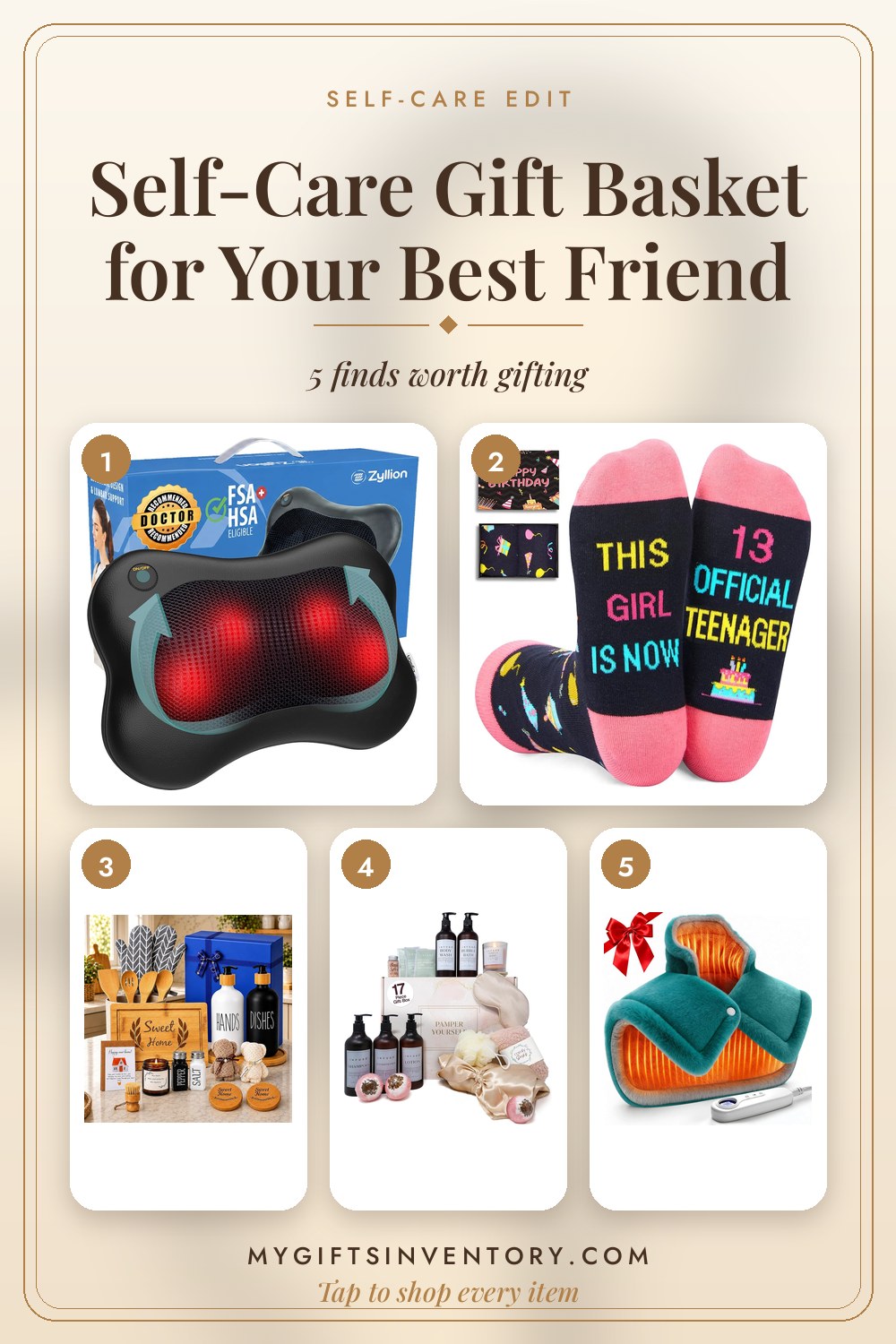
More Gift Advice