Is it rude to return a gift? Etiquette rules for receipts, gift cards, and timing
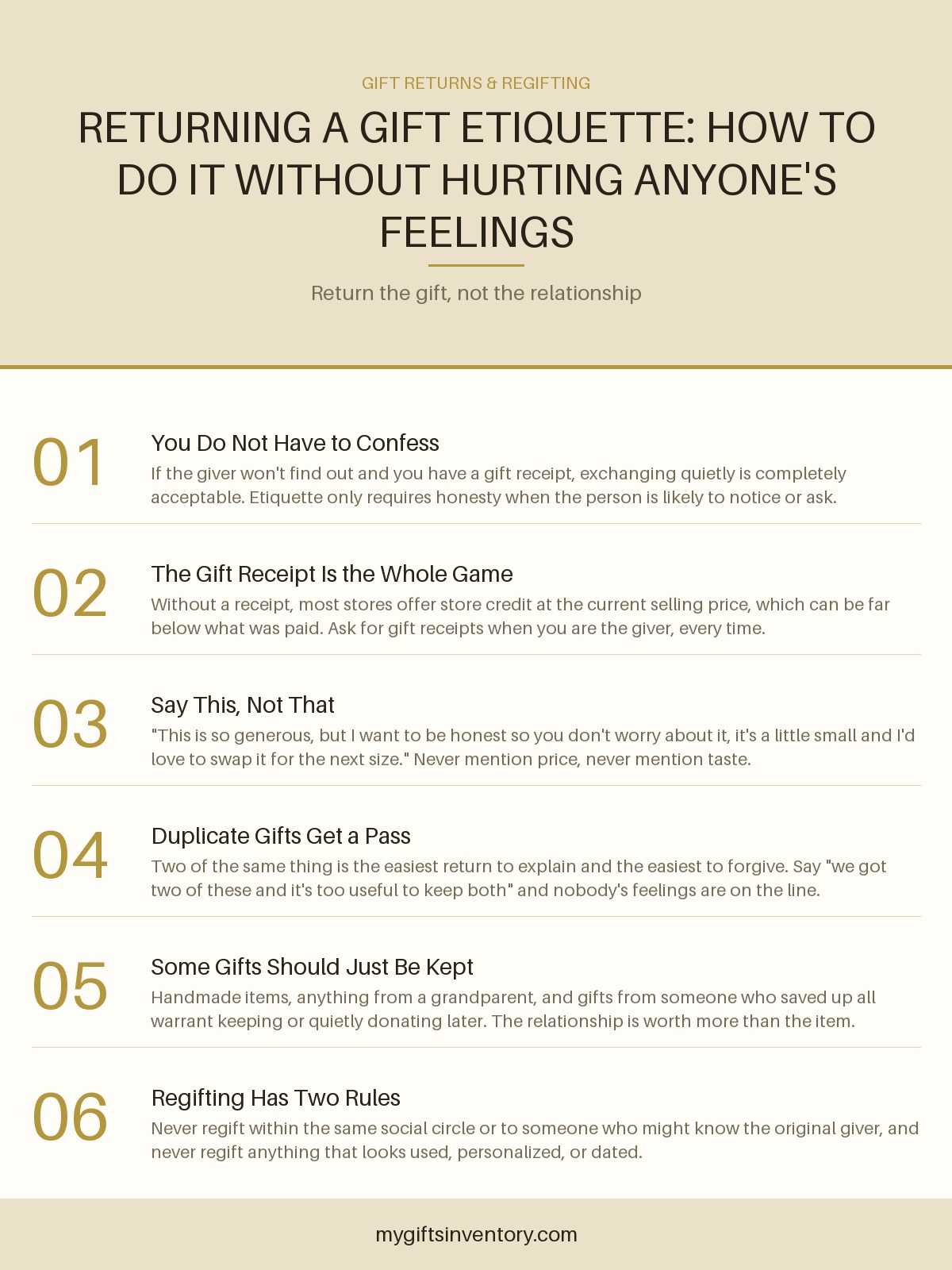
Returning a gift is usually not rude when you do it thoughtfully and within the giver’s expectations. We break down the do’s, don’ts, and exactly what to say so it feels respectful, not performative.

As an Amazon Associate, My Gifts Inventory earns from qualifying purchases. We only recommend products we'd genuinely consider buying ourselves.
If you are searching “is it rude to return a gift,” you are probably in that awkward gap between gratitude and logistics. Maybe you got something that is sweet but not wearable, or you realized a duplicate arrived while you were still excited. We’ve been there, and the real question usually is not “Can I return it?” It’s “Will this make the giver feel unappreciated?”
We’ll help you navigate returns with tact, whether it’s clothing, a kitchen gadget, a high-ticket item, or a gift card. The short answer: returning a gift is often totally fine when you do it quickly, for practical reasons, and with respect for the intent behind it.
Is it rude to return a gift?
In most everyday situations, returning a gift is not inherently rude. The manners issue comes from the message the return sends. If your return implies you disliked the person’s taste, you waited forever, or you handled it in a way that feels secretive or dismissive, that’s where hurt feelings can happen.
We think the etiquette goal is simple: protect the giver’s dignity. You can do that by focusing on fit and practicality, not on judgment. And you can do it without turning your return into a dramatic performance or a long explanation.
The difference between “rude” and “thoughtless”
Returning can be kind, but it can also be thoughtless. Here’s a practical way we sort it out:
- Usually respectful: You return because it doesn’t fit your needs, your household, your budget, or the item isn’t functional for you.
- Often awkward: You return because you actually disliked it, or you return in a way that embarrasses the giver (for example, announcing you are exchanging it repeatedly).
- Edge-case: Personalized items, very high-dollar gifts, or situations where the giver likely chose the item specifically for you. These are not “never,” but they ask for extra care.
What matters most: timing, reason, and how you communicate
Timing: the sweet spot
Stores typically have return windows measured in days or weeks, and your personal timing should mirror that. We recommend aiming for within 7 to 14 days when possible, especially for birthdays and holidays where everyone is processing gift exchanges. Waiting months makes it feel like you are revisiting the gift just to undo it, not to handle a practical issue.
If you are close to a return deadline, you can decide quickly and keep your message brief. If you are outside the window, we’d steer away from returning entirely and instead focus on something like regifting (if appropriate) or using it later.
The reason: talk about “fit,” not “flaws”
Instead of “I hate it” or “It’s ugly,” we would frame your reason as fit. Think: “It doesn’t work for my household”, “It’s not my size”, “I already have something similar”, or “I can’t use it in my space.”
You do not owe a gift analysis. You also do not need to mention a long list of why you didn’t like it. The less you sound evaluative, the safer it feels for the giver.
Communication: do you need to tell the giver?
This depends on the relationship and the type of gift.
- Casual gifts under about $50: You often do not need to notify. If you return, just keep it private and quick.
- High-dollar gifts (for us, think $150 and up): We lean toward a quick text or call first, unless the giver clearly said “do whatever you need with it.”
- Personalized or customized gifts: We recommend asking the giver before returning, even if you have the receipt, because customization often signals intention.
- Gift cards: Usually no need to notify. More on this below.
If you choose to tell them, keep it short. We like something like: “Thanks again. I realized it won’t work for me, and I’m returning it for a better fit. I didn’t want you to worry.” That communicates care without turning it into a negotiation.
When returning is extra acceptable (and when it’s not)
Clothing, shoes, and beauty items
These are the classic “it’s not you, it’s sizing” categories. If you received something that doesn’t fit or doesn’t match your needs, returning is usually normal. We’d keep it practical: “It doesn’t fit me” or “The shade doesn’t work.”
If you are worried the giver took time choosing the item, you can soften with a compliment plus a fit explanation. For example: “It’s really thoughtful, but it isn’t the right size for me.”
Home goods and kitchen items
Home gifts can be trickier because people assume you can “make them work.” Sometimes you truly can’t. If the item doesn’t fit your space, duplicates what you already own, or doesn’t match how you cook, returning can be reasonable.
If you want to avoid awkwardness, we often suggest reframing the decision as “I’m making room for something that will actually get used.” If you are choosing gift swaps for the future, our guide to kitchen gifts under $50 that people will actually use can help you understand what practical, low-regret gifts tend to look like.
Experience-type gifts vs physical items
If the gift is an event ticket, class, or reservation, returning may be different because the “value” is time and planning. In many cases, the most courteous move is to ask whether it can be transferred or rescheduled rather than returned outright. If you are unsure, a quick question to the giver can keep things kind and clear.
Personalized gifts: treat as a separate conversation
Personalized gifts are the one area where we slow down. Returning can feel like rejecting a thoughtful detail. If you must return something personalized, we recommend you communicate your reason in a way that protects the sentiment.
Try: “Thank you for making it special. I’m not able to use it the way I hoped, so I’m returning it. Your thoughtfulness mattered, even if it’s not practical for me.”
How to return without making it awkward
If you have the receipt
Use it. A receipt makes the process clean and avoids awkwardness about store policy. We would not try to “guess” your way through return rules if you can make it simple.
If you do not have the receipt
This is where many people feel stuck. If the receipt is missing, you have a few options:
- Ask the giver if they still have the proof of purchase.
- Ask about store credit if the store offers it without a receipt.
- Choose not to return if the store will only accept returns with paperwork you cannot get.
We prefer a low-friction request, not an emotional debate. Something like: “Would you be able to share the receipt? I want to return it and get something that will work better.”
How to wrap the message in gratitude
One of the easiest ways to keep a return from sounding rude is to separate two truths: you appreciate their effort, and the item doesn’t work for you. You can do both in one line.
Here are phrases we like for different situations:
- Too big or too small: “It’s really thoughtful, but it doesn’t fit me, so I’m returning it.”
- Doesn’t match your routine: “Thanks for thinking of me. I realized I can’t use it the way I need to.”
- Duplicate: “I appreciate it so much. I got the same thing already, so I’m returning this one for the right fit.”
- Space issue: “It’s a great idea, but it won’t work in my home, so I’m returning it.”
Notice what’s missing. We’re not labeling the gift as a mistake. We’re just explaining fit.
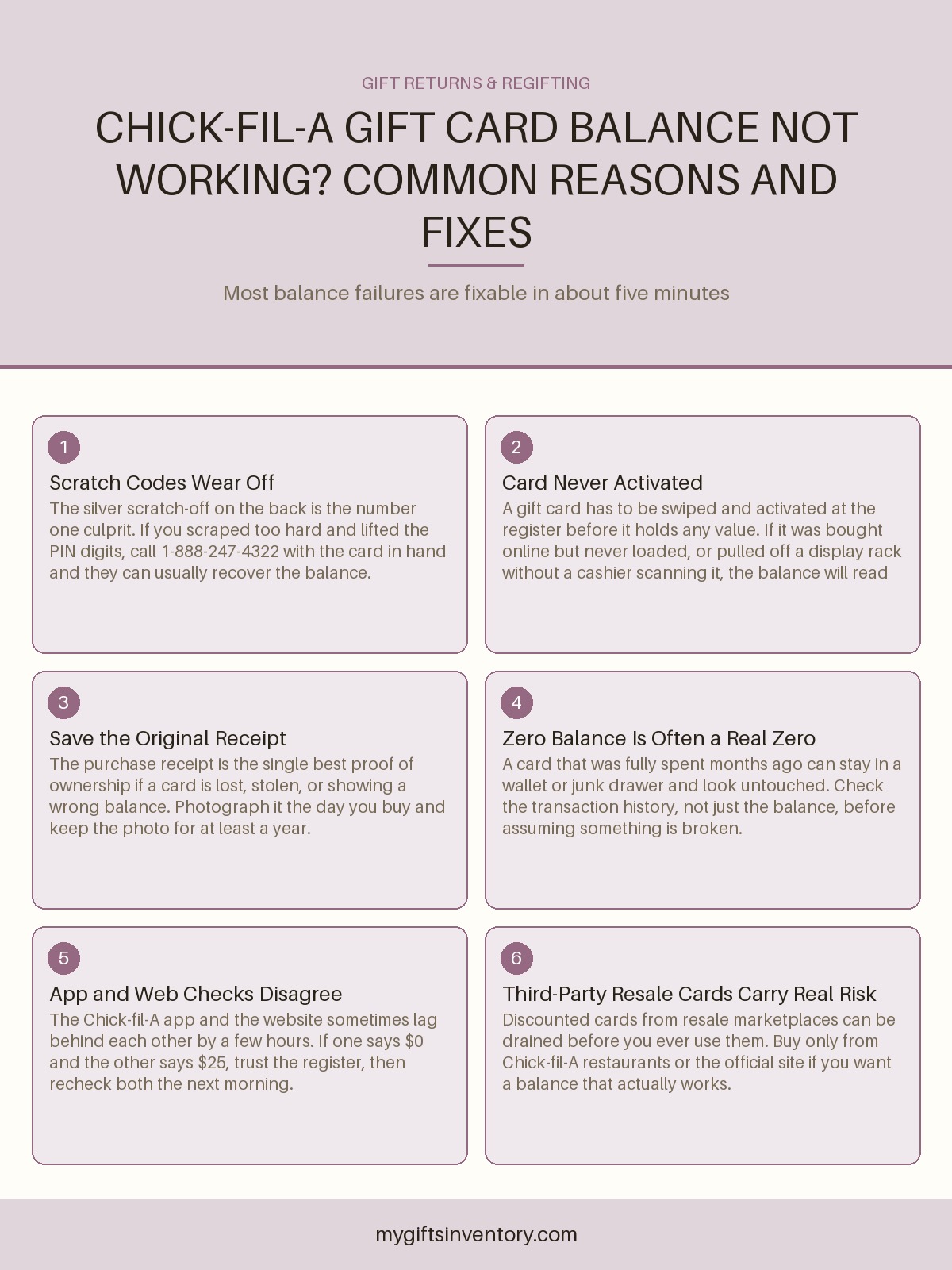
Gift cards: is returning a gift card rude?
Gift cards are its own etiquette world. If someone gave you a gift card, the “return” question may really be: “Can I exchange it?” or “Can I use it later?”
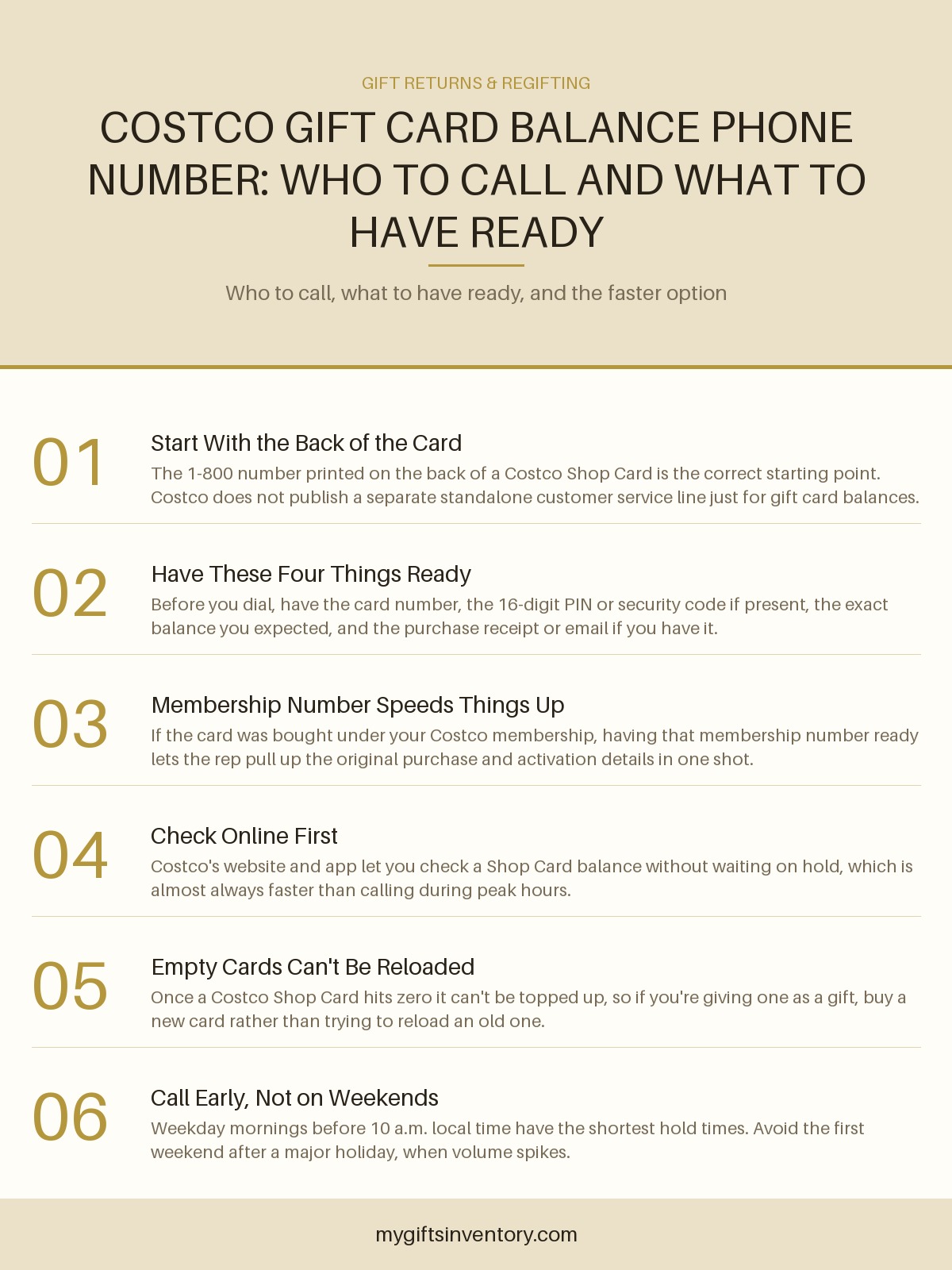
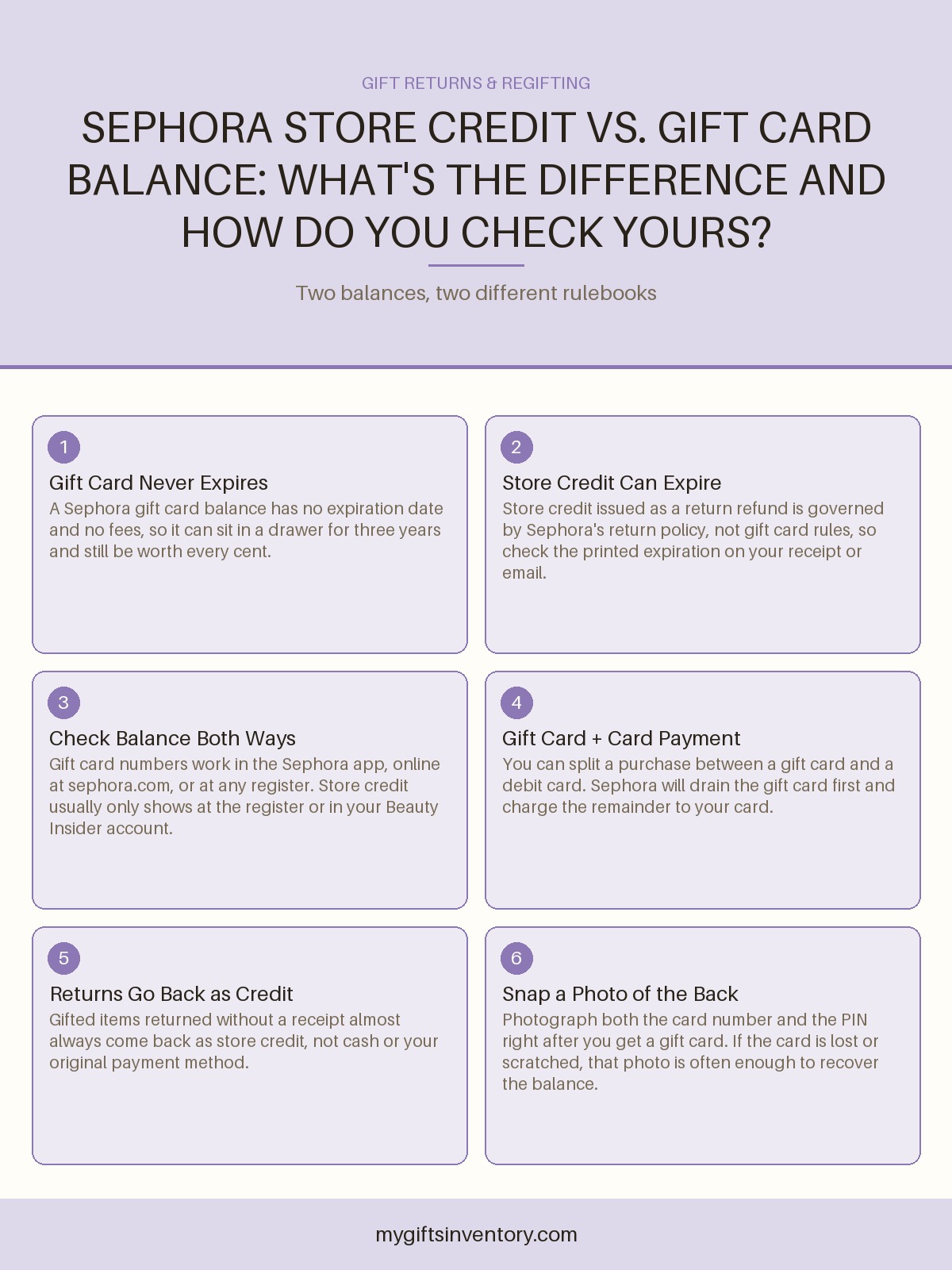
In general, keeping a gift card is usually the least complicated path. If you want to exchange a gift card, check store rules first. Some retailers allow changes under certain conditions, while others do not.
If you are thinking “Should I just swap for something else?” it can help to start with specific store policies and where gift cards are available. Our pages on gift cards at Walmart, fees, and where to buy and gift cards at Target, fees, and where to buy are useful for planning because they cover the basics people need before they decide what to do with the card.
What about returning Christmas or birthday gifts late?
This is where feelings often get real. If you return late, you can accidentally imply that you waited to decide whether the gift “meets your standards.” Even if that’s not your intention, the timing can read that way.
Our rule of thumb is: don’t let the return feel like a delayed critique. If you missed the ideal window, you can still handle it with care by being upfront about why it is happening. If it’s been a long time, we would avoid a return unless the receipt and store policy make it truly practical. If you can’t return, consider a gentle fix, like using it for someone else’s need, donating when appropriate, or holding onto it if it will still work in your life.
Replacing the gift: what to do instead of returning when you can’t
Sometimes you can’t return, or you don’t want the awkward conversation. If your goal is simply to end up with something usable, you have alternatives.
- Gift exchange with a family member (only if it stays within the group context and nobody feels blindsided).
- Regifting when it’s unopened and genuinely useful for someone else, ideally with no “story” attached.
- Keep and use later if the item can still fit your life within a reasonable timeframe.
If you are building better gift habits, this matters too. When we give gifts that align with a person’s daily routines, fewer items need to be returned. If you want a future-proof approach for finding “low regret” items, our guide on choosing the perfect gift tips and ideas can help you think through fit before you ever wrap the box.
Budget anxiety: does returning make you look bad?
Many people worry that a return signals financial trouble or ingratitude. It can, depending on how you approach it.
If your budget is tight, and you are returning because you truly need the money or store credit, we’d still frame the decision as practicality. But we would also consider whether it makes sense to return at all. Sometimes it’s kinder to keep the gift if it helps you emotionally, and use store credit later when it feels normal.
For some households, returning becomes a “system” that is part of how they handle gifting without drama. The key is consistency and privacy. If your family expects it, the gift return becomes routine instead of a critique.

Frequently Asked Questions
Is it rude to return a gift without telling the person?
It’s usually not rude to return a gift without telling them, especially for inexpensive items and when you do it quickly for practical reasons. We suggest you avoid announcing it publicly or making it sound like you disliked their choice.
What should we say when returning a gift feels awkward?
Use a simple fit-based line like “It’s thoughtful, but it doesn’t work for me, so I’m returning it for a better fit.” Keep it short, and do not list specific reasons that could sound like criticism.
Is returning a gift card different from returning a physical gift?
Yes, gift cards are usually easier to keep and use later, and you typically do not need to “return” them in the first place. If you want to exchange it, check the specific store or card rules before you plan any move.
Should we return personalized gifts?
If you can return, do so with extra care and ideally with communication, because personalization signals intention. A quick message that focuses on practicality, not rejection, helps keep the tone respectful.
Is it okay to return a gift late after the holiday?
It’s better to return within the return window, because very late returns can feel like a delayed evaluation. If time has passed, we’d consider keeping the item or handling a quieter alternative rather than making it a long, emotional topic.
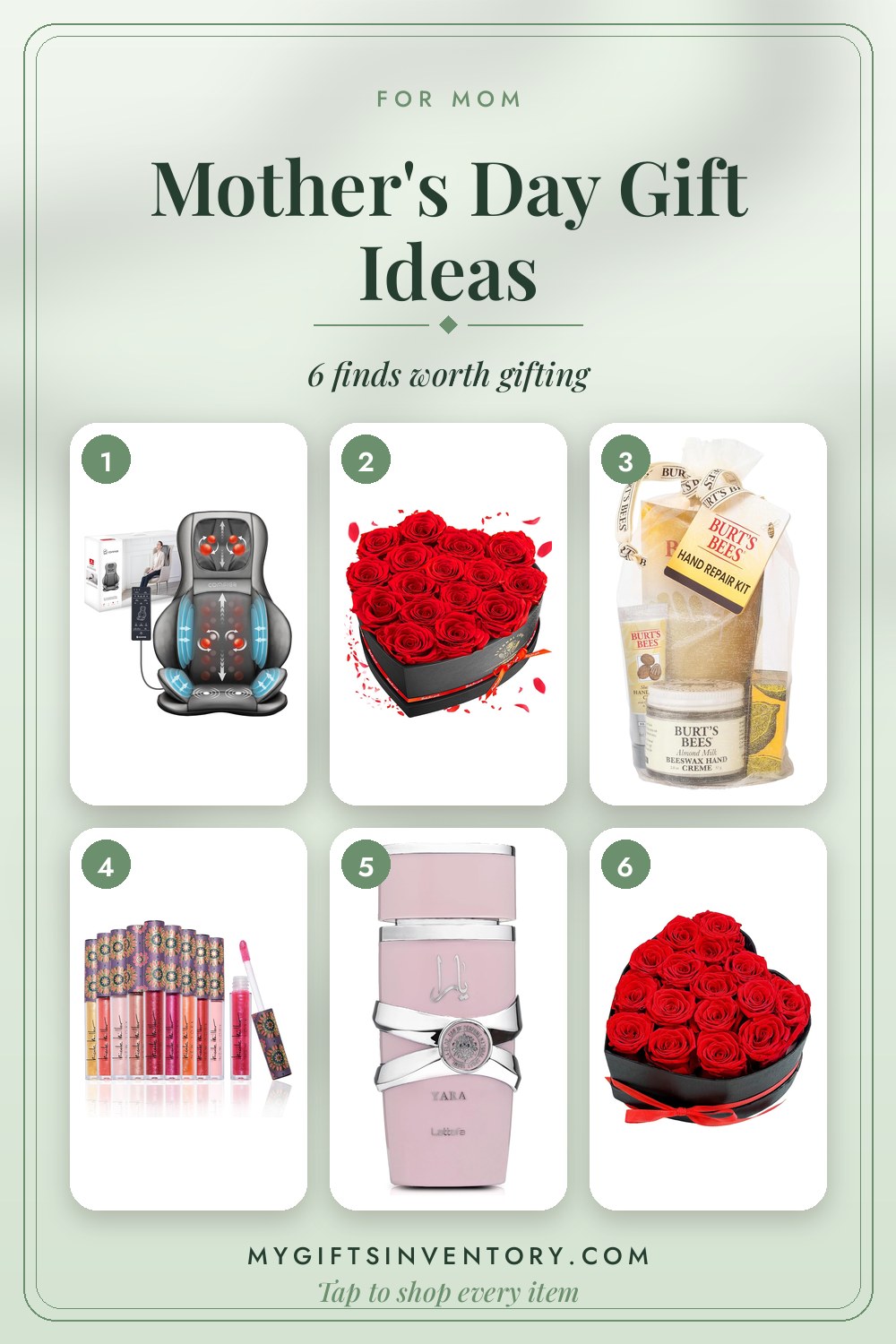
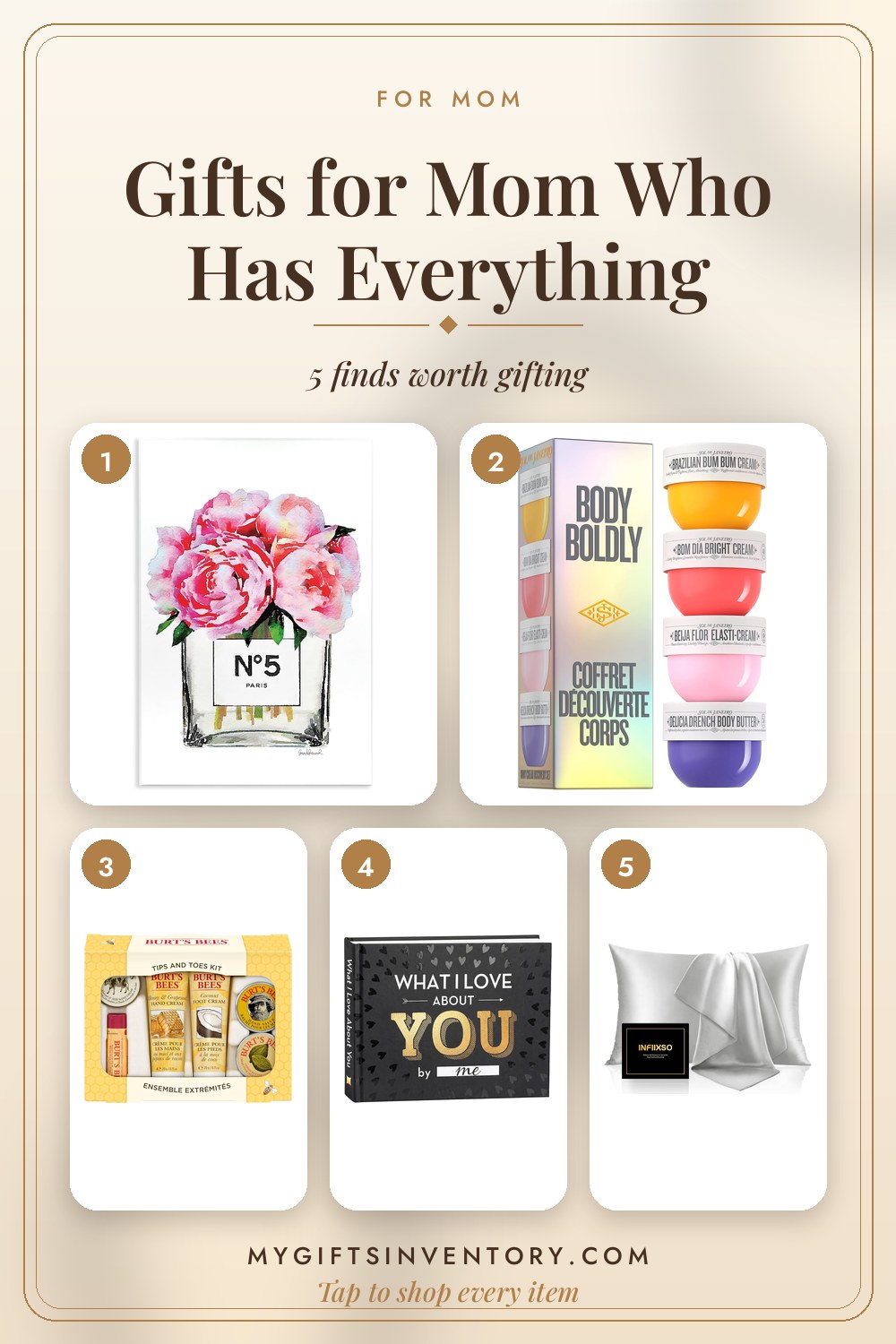
Looking for an Actual Gift Instead?
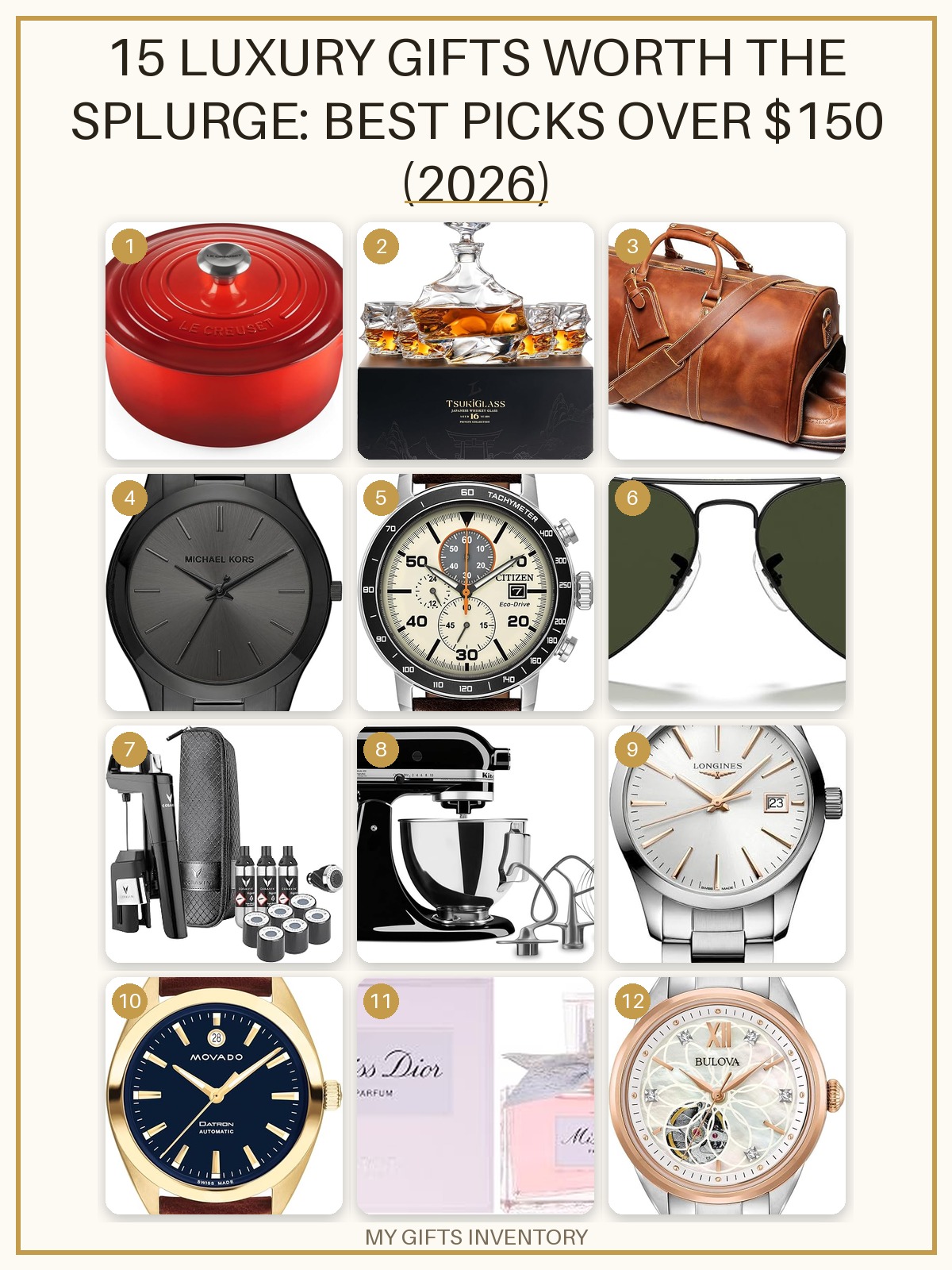
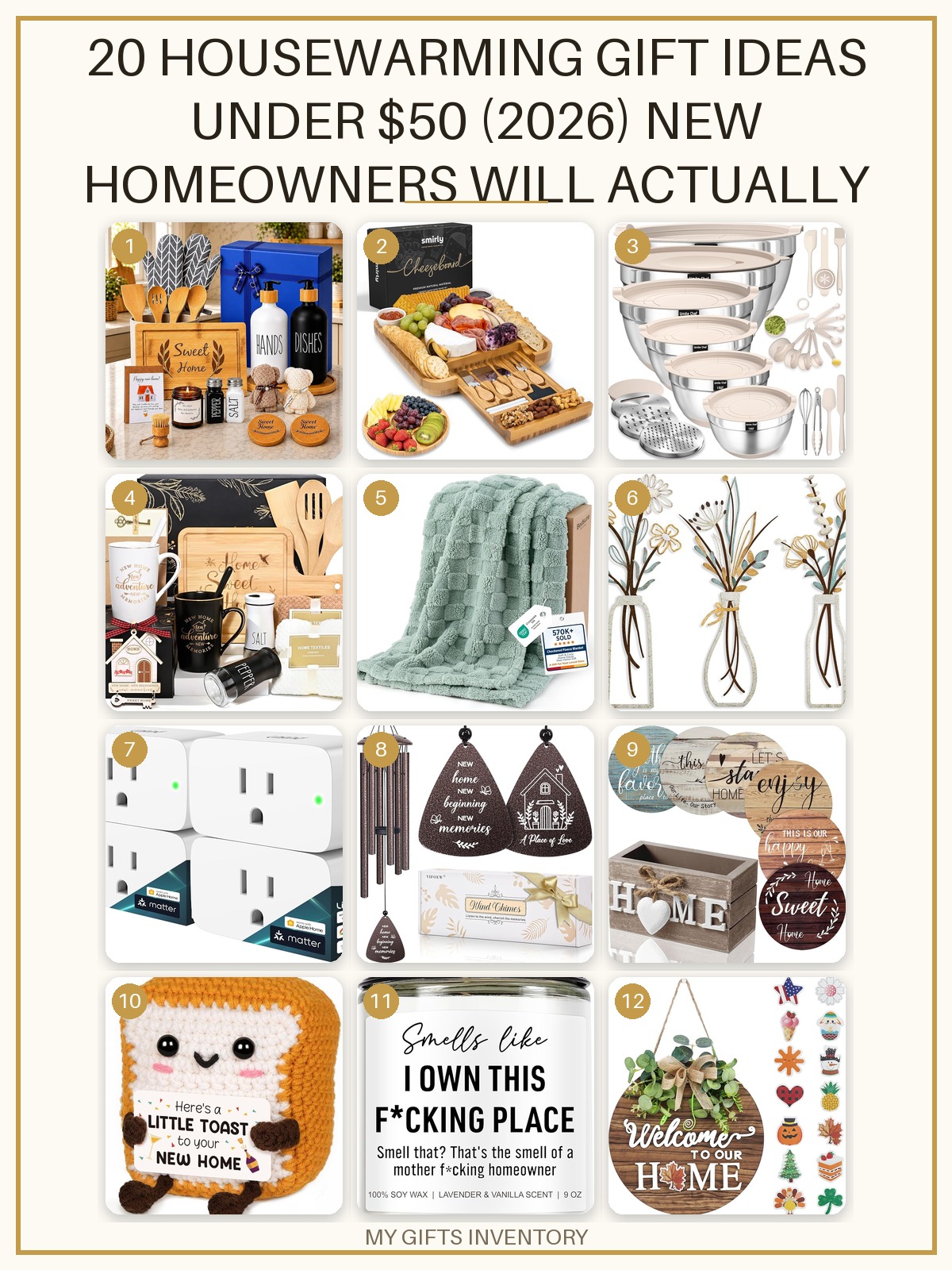
Gift Sets We Love Right Now
Every item picked, priced and linked, ready to buy.
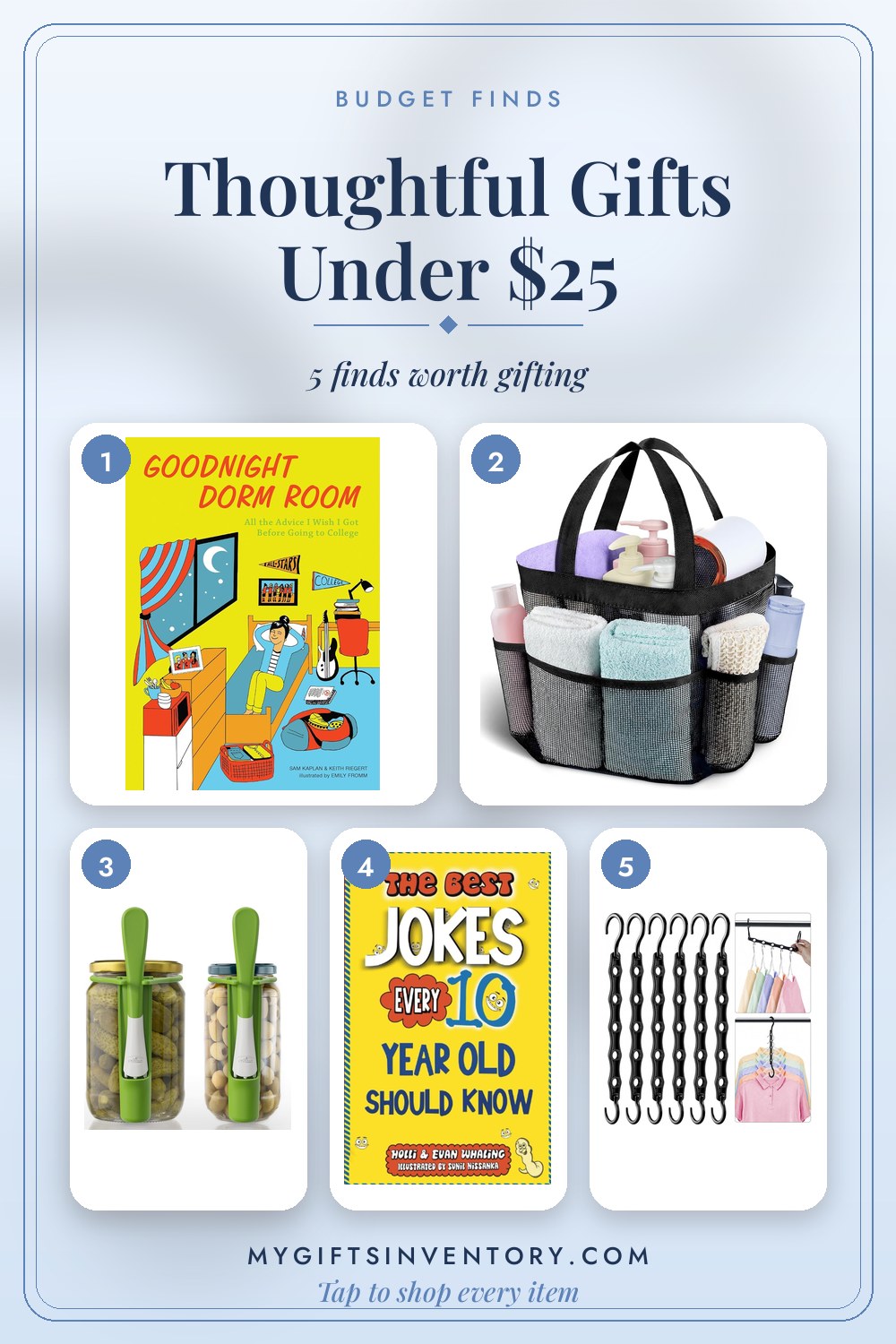
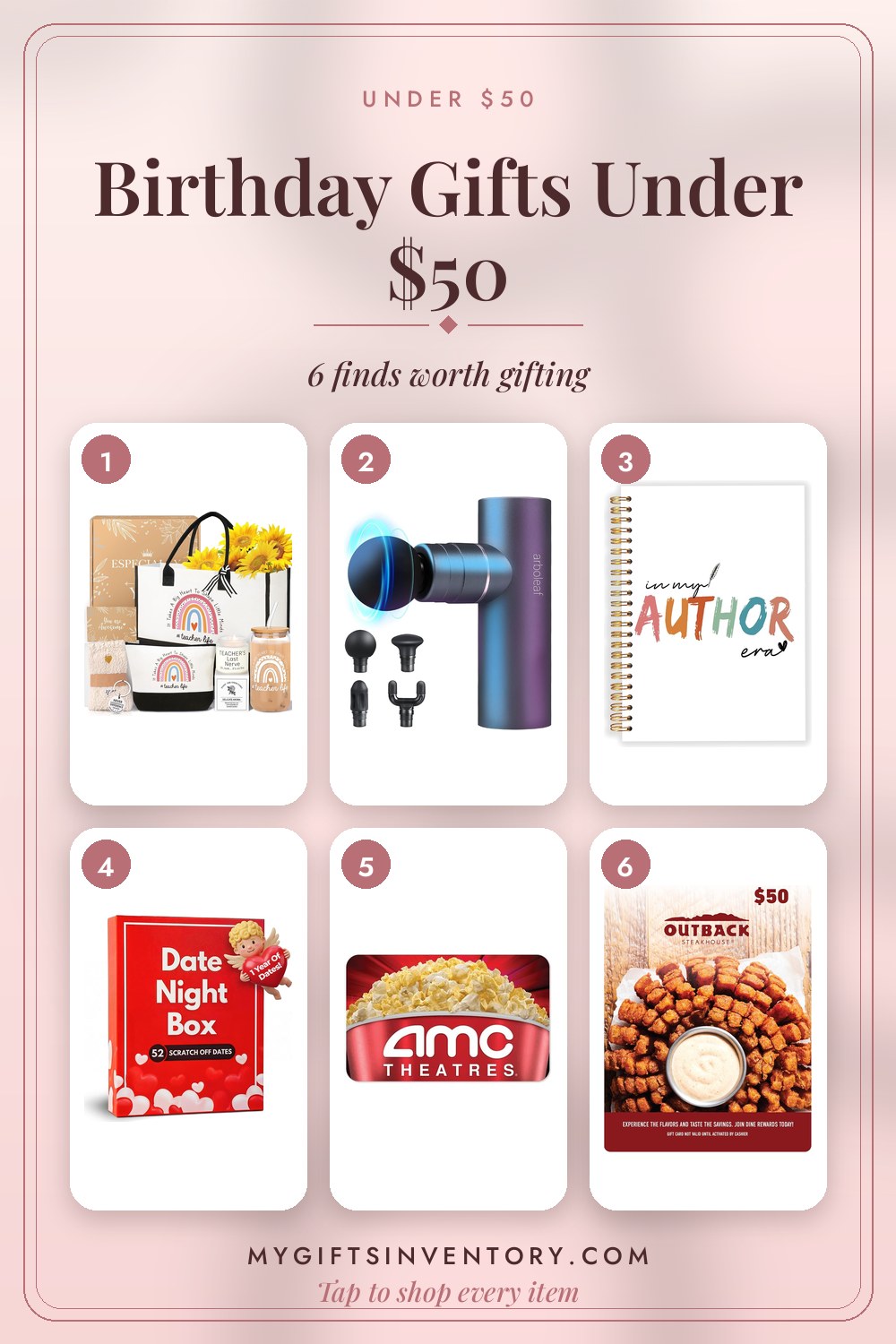
More Gift Advice