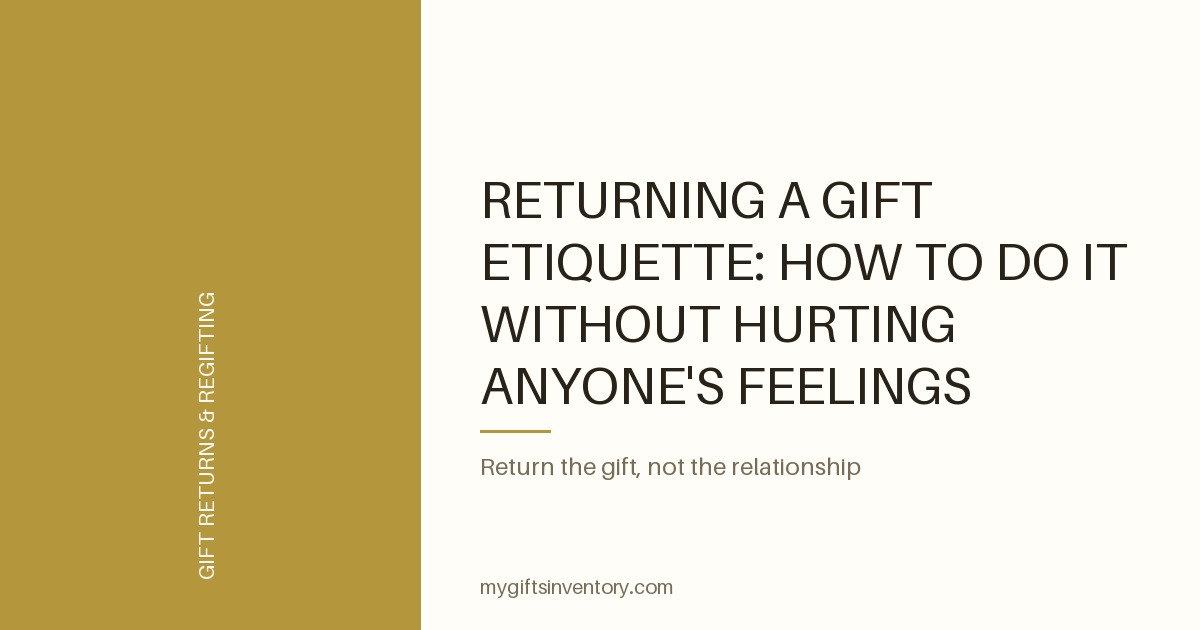
Returning a Gift Etiquette: How to Do It Without Hurting Anyone's Feelings
You opened it, you smiled, and now it's sitting in a closet. Here's how to return a gift gracefully, when it's fine to skip the exchange, and what to actually say.
As an Amazon Associate, My Gifts Inventory earns from qualifying purchases. We only recommend products we'd genuinely consider buying ourselves.
You opened it, you said thank you, and now the box is sitting in your closet while you try to figure out whether it's rude to take it back. It's not, in most cases. But the difference between a graceful return and a hurtful one comes down to a few small decisions: whether you tell the giver, how you phrase it if you do, and whether the item was ever really returnable in the first place. We've walked through all of it below, including the specific wording we'd actually use.
The short answer: yes, you can return a gift
Etiquette has never required you to keep something you can't use. What etiquette does require is that you not make the giver feel foolish. Those are two separate things, and keeping them separate is the whole trick.
The general rule we follow: exchange quietly if there's no chance the giver will find out, and be gently honest if there is. If your aunt mailed you a sweater from a store three states away, swapping it for the right size and never mentioning it is not deception. It's just not making your aunt do emotional labor over a sizing chart. If your coworker handed you the gift in the office and will see you every day, the calculus changes, mostly because they might ask.
When to tell the giver and when to just handle it
Tell them if...
They're likely to see you use it, or see that you aren't. They asked for a wish list and went off it, so they're invested. It's a size issue, a fit issue, or a colorway that doesn't exist in your life. Or they explicitly said "keep the receipt in case." That last one is basically an engraved invitation.
Don't tell them if...
It came from someone you see twice a year. It's from a distant relative or a friend of your parents. They clearly saved up or handmade it. Or the item is small enough that quietly donating it later solves the problem with zero conversation. We're not advocates of lying, but "thank you so much, it's lovely" followed by a silent exchange is a well-established social convention, not a betrayal.
One thing we do recommend: if you're going to swap it, do it within the store's return window, which is often 30 to 90 days and sometimes shorter around the holidays. Don't let it sit in the closet until the policy expires and then feel guilty about the waste.
What to actually say (real wording)
If you do need to bring it up, keep it short, lead with gratitude, and make the problem about the item, never about their taste. A few scripts that work:
- Size: "This is so generous, thank you. I want to be honest so you don't worry about it, it's a little snug and I'd love to swap it for the next size up."
- Duplicate: "We actually got two of these, which tells me you all know me well. I'm going to exchange one so we're not swimming in them."
- Already own it: "I already have this exact one and I use it constantly, so you clearly nailed it. Would you mind if I swapped it for something else from the same place?"
- Doesn't fit your space: "This is beautiful, but I genuinely don't have a spot for it. Would it hurt your feelings if I found it a home with someone who'd use it?"
Notice what's missing from all four: the words "I don't like it," any mention of price, and any suggestion that they got it wrong. You're framing the return as a practical fix, not a verdict. That's the entire game.
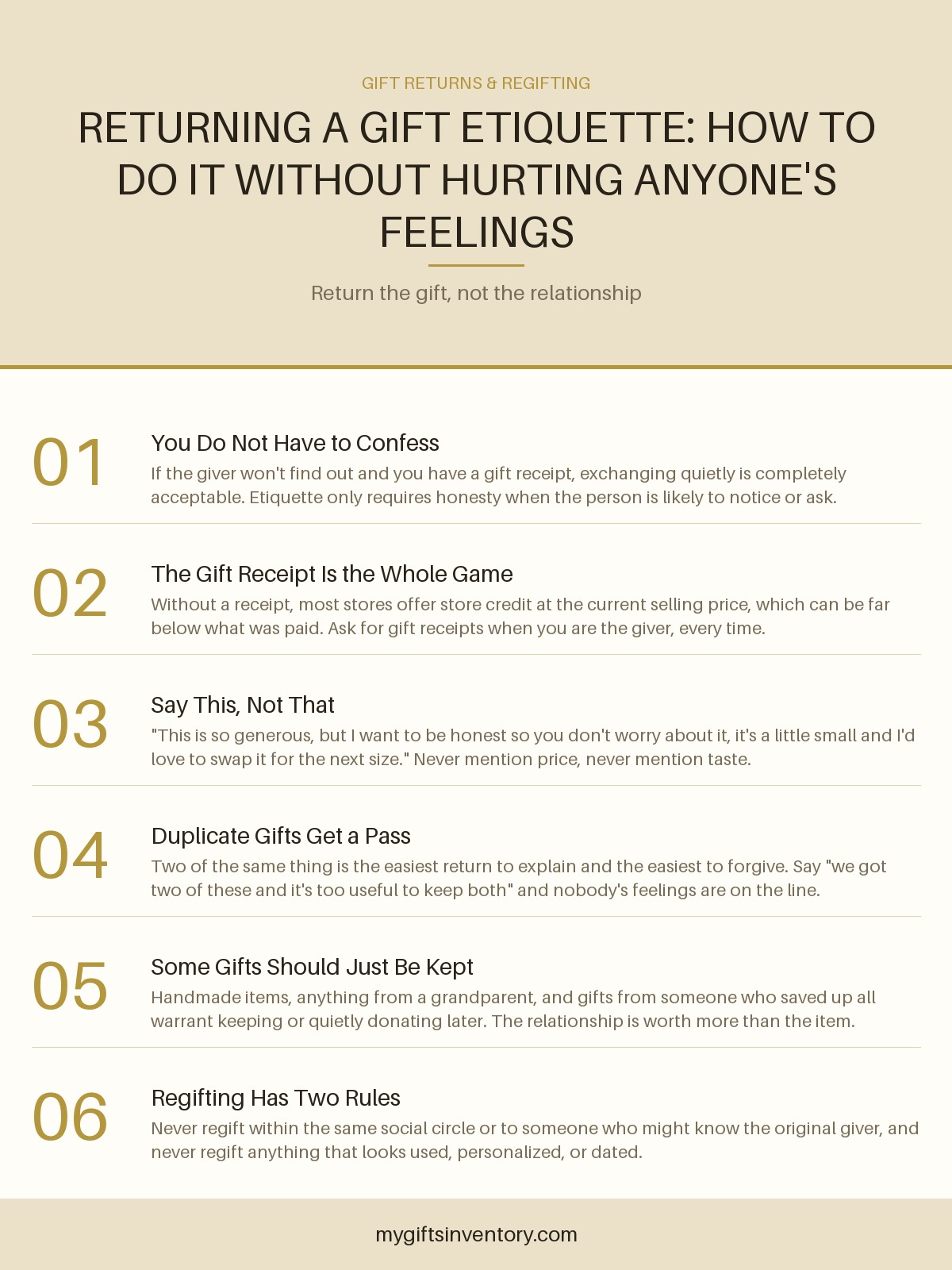
Gift receipts, store credit, and what actually happens at the counter
This is where most returns fall apart, and it's worth understanding before you walk into the store.
With a gift receipt: you get an even exchange or store credit for the full purchase price, no questions asked. This is the good scenario, and it's why we tell gift-givers to always request one. It costs nothing and it's the single most considerate thing you can tuck into a box.
Without a receipt: most major retailers will still process a return, but you'll typically get store credit at the item's current selling price, which could be well below what was paid if it went on sale. Some stores will only do this if the item still has tags and is in original packaging. A few will refuse outright without proof of purchase. Policies vary more than people expect, so check the store's site before you haul a box across town.
Without a receipt and without tags: you're probably keeping it. At that point, donating it or regifting it later is the honest move, and it's fine.
If you're the giver and you're reading this preemptively, our advice is simple: ask for a gift receipt at checkout for anything that involves a size, a color, or a personal preference. It is not an insult to the recipient. It's the opposite. It says "I want you to actually use this."
When the gift is a gift card
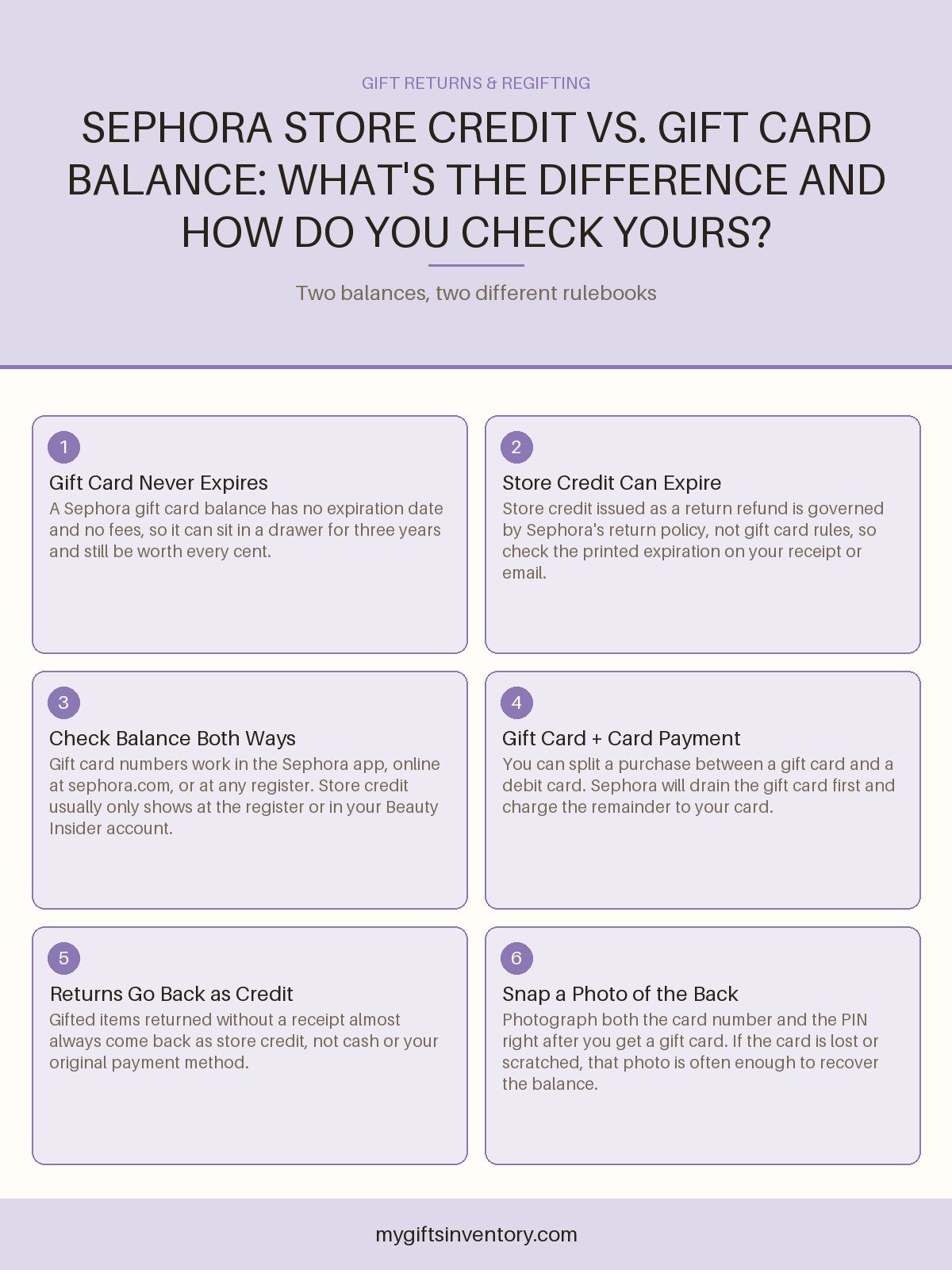
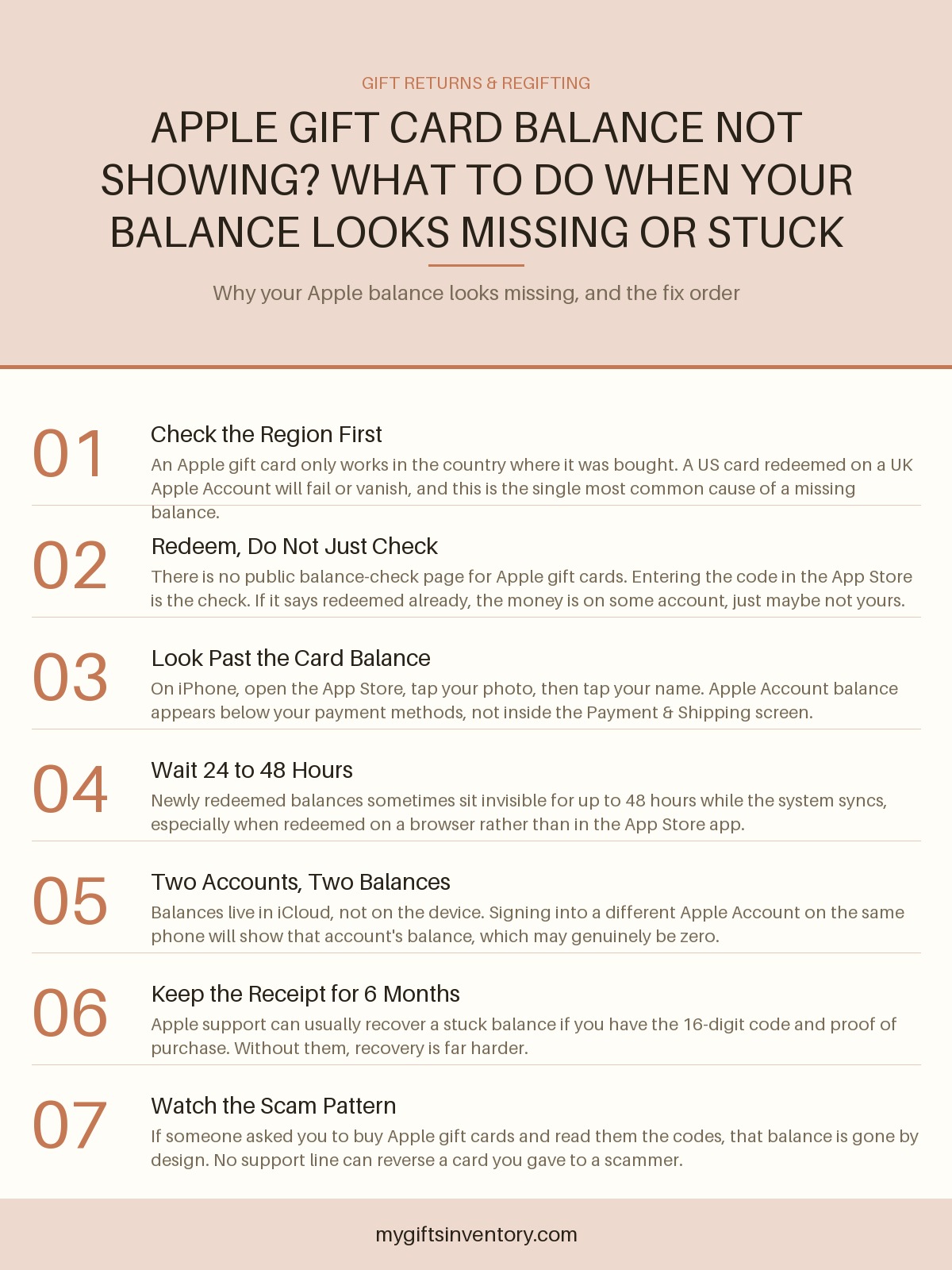
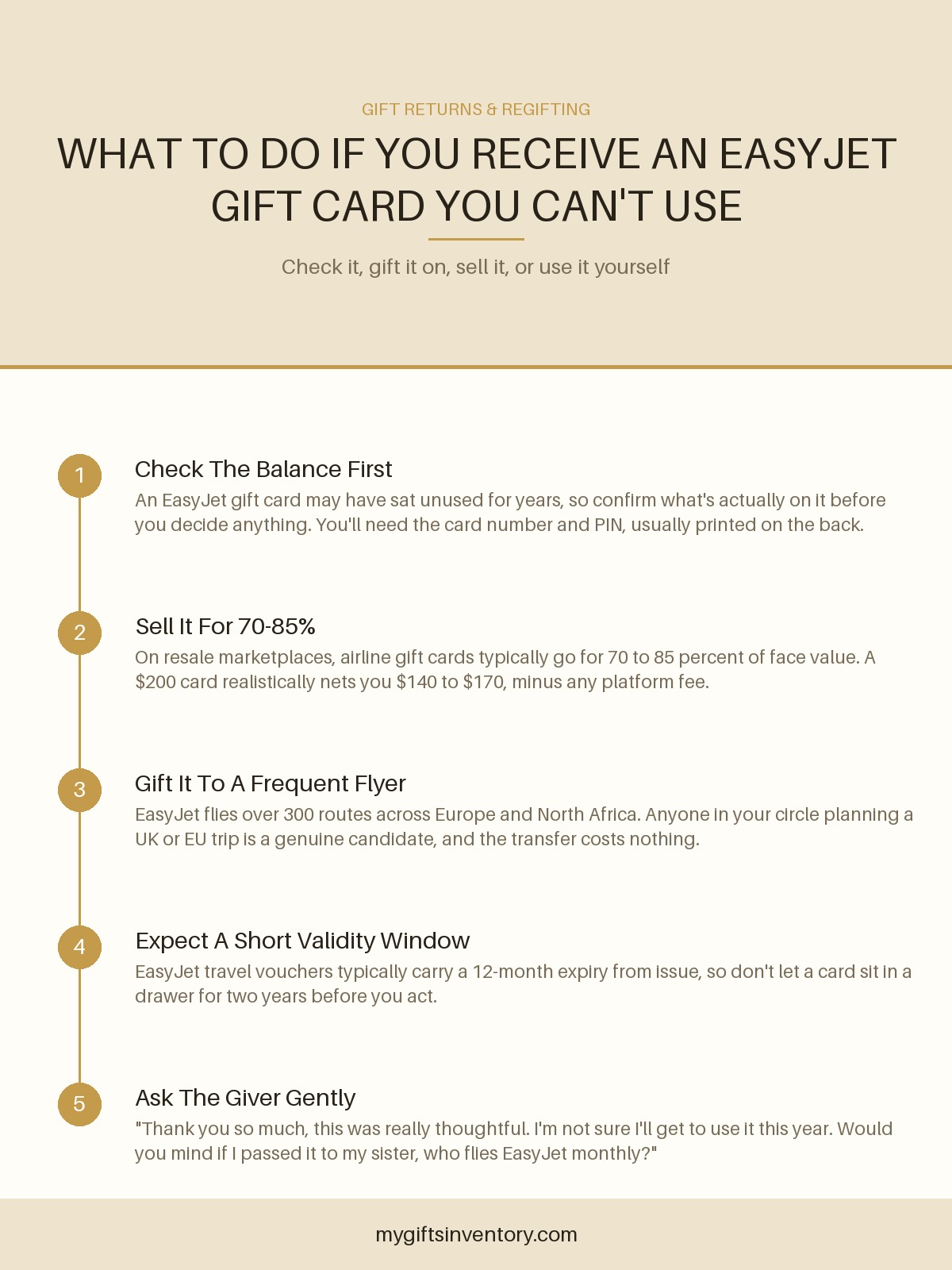
Gift cards are the easiest thing in the world to return because they're already basically a return. But there's a wrinkle people don't think about: if you receive a card you'll never use, you can often swap it on a gift card exchange site for a card to a store you actually shop at, usually at a small discount to the face value. That's a legitimate move.
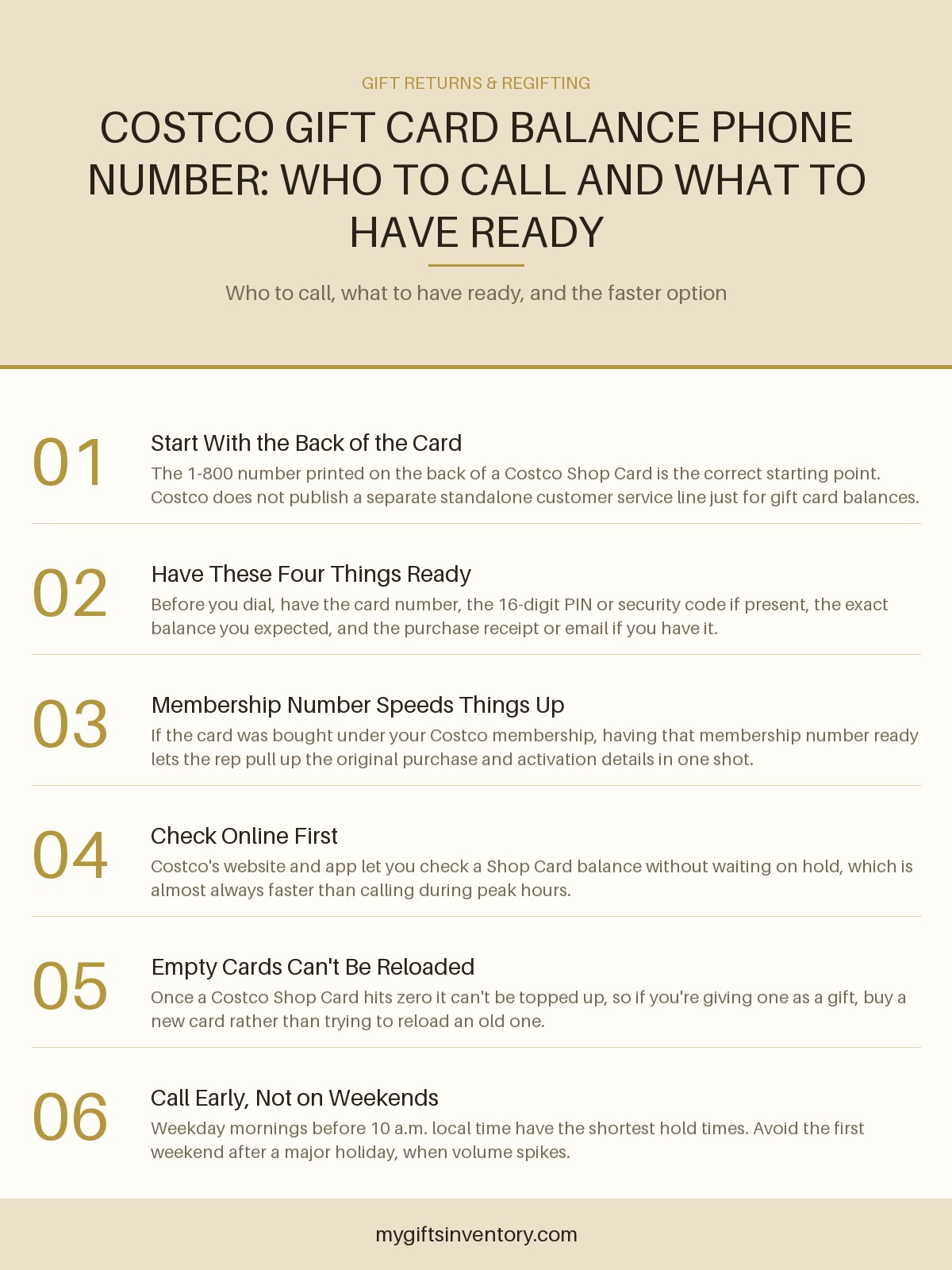
The bigger issue is the reverse: if you regift a card, make sure the balance is intact and you didn't leave it half-spent. If you're not sure, most brands let you look it up in about 30 seconds. For example, if you're passing along a Victoria's Secret/PINK gift card or a Trader Joe's gift card, check the balance first so the recipient isn't handed a dud. Nothing deflates a regift faster than a card that rings up at $4.19.
Regifting: the rules that actually matter
Regifting gets a bad reputation, but it's one of the more sensible things humans do. The rules are simple and mostly about not getting caught in an awkward loop.
Don't regift within the same social circle. Don't regift to anyone who might reasonably know the original giver. Don't regift anything personalized, used, dated, or that clearly came from a specific occasion. And don't regift something you were given last week to a person who was at the party where you received it. Beyond that, if the item is genuinely nice and genuinely suited to someone else, passing it along is just good resource management.
One caveat: if you're regifting something with real value and you're not sure it's the right fit, spending a little time finding a gift that's actually chosen for the recipient is worth it. Our board game gift guide is a good example of the kind of list where you can find something specific enough to feel personal without spending a fortune, which is the whole point of regifting well.
Gifts you should probably just keep
Some things aren't worth returning, even if you'll never use them. A handmade item from a friend or a child. Anything from a grandparent, especially if you know money is tight. A gift from someone who clearly agonized over it and got it 80 percent right. And anything where the act of returning it would cost the giver more than the item is worth to you.
In those cases, the graceful move is to keep it, use it occasionally when they're around, and quietly declutter it in a few years if it's still not your thing. The relationship survives; the item doesn't have to.
If you're on the giving side of this and want to reduce the odds of a return altogether, it's worth aiming for gifts that are hard to get wrong: consumables, experiences, and things with obvious utility. Our insulated tumbler guide is a good example, since a good tumbler is the kind of gift that gets used daily and rarely needs a size chart. If you're shopping for someone whose tastes you don't know well, a well-chosen gift card with a note explaining why you picked that store is a genuinely thoughtful option, and it sidesteps the entire return problem.
If you're the one who gave a gift that's being returned
If someone tells you they'd like to exchange something, the only correct response is some version of "of course, I'm glad you're going to use it." Don't ask what was wrong with it. Don't offer to come along. Don't take it as data about your taste. They're telling you because they respect you enough to be honest, which is a compliment even when it doesn't feel like one.
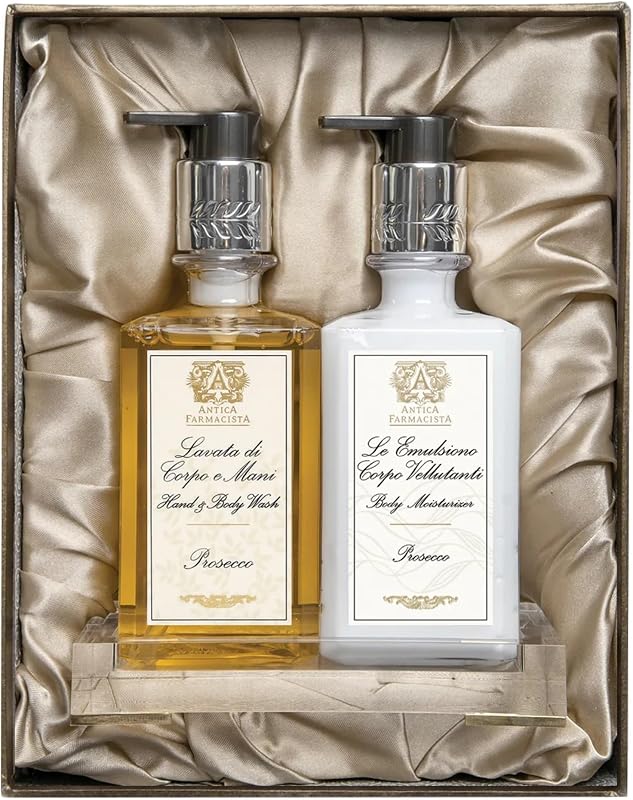
Gift Ideas to Go With This


Want more ideas? Browse our full guide: 20 Best Gifts Under $100 (2026): Thoughtful Picks They'll Actually Use
Frequently Asked Questions
Is it rude to return a gift?
No. Returning or exchanging a gift is not rude as long as you handle it discreetly and don't make the giver feel bad about their choice. Etiquette only requires gratitude, not permanent possession. The rude version is telling someone their gift was bad, not quietly swapping a size.
Do I have to tell the person I returned their gift?
Only if they're likely to find out or ask. If the giver will notice the item is missing or see you not using it, a brief, kind mention is better than getting caught. If they'll never know and there's no gift receipt trail back to them, a quiet exchange is completely acceptable.
What if I don't have a gift receipt?
Most stores will still take the item back for store credit at the current selling price, provided it's unused and has tags or original packaging. Some will refuse without proof of purchase. Check the store's return policy online before making the trip, and don't wait past the return window.
Can I return a gift without the original box or packaging?
Usually not, especially for electronics, appliances, or anything with a serial number. For clothing and accessories, tags matter more than the box. If the packaging is gone and the store won't take it, donating or regifting later is a perfectly fine outcome.
Is it okay to regift something I received?
Yes, with conditions: never regift within the same social circle, never regift to someone who might know the original giver, and never regift anything used, personalized, or dated. If the item genuinely suits the new recipient, regifting is thoughtful rather than cheap.
Looking for an Actual Gift Instead?
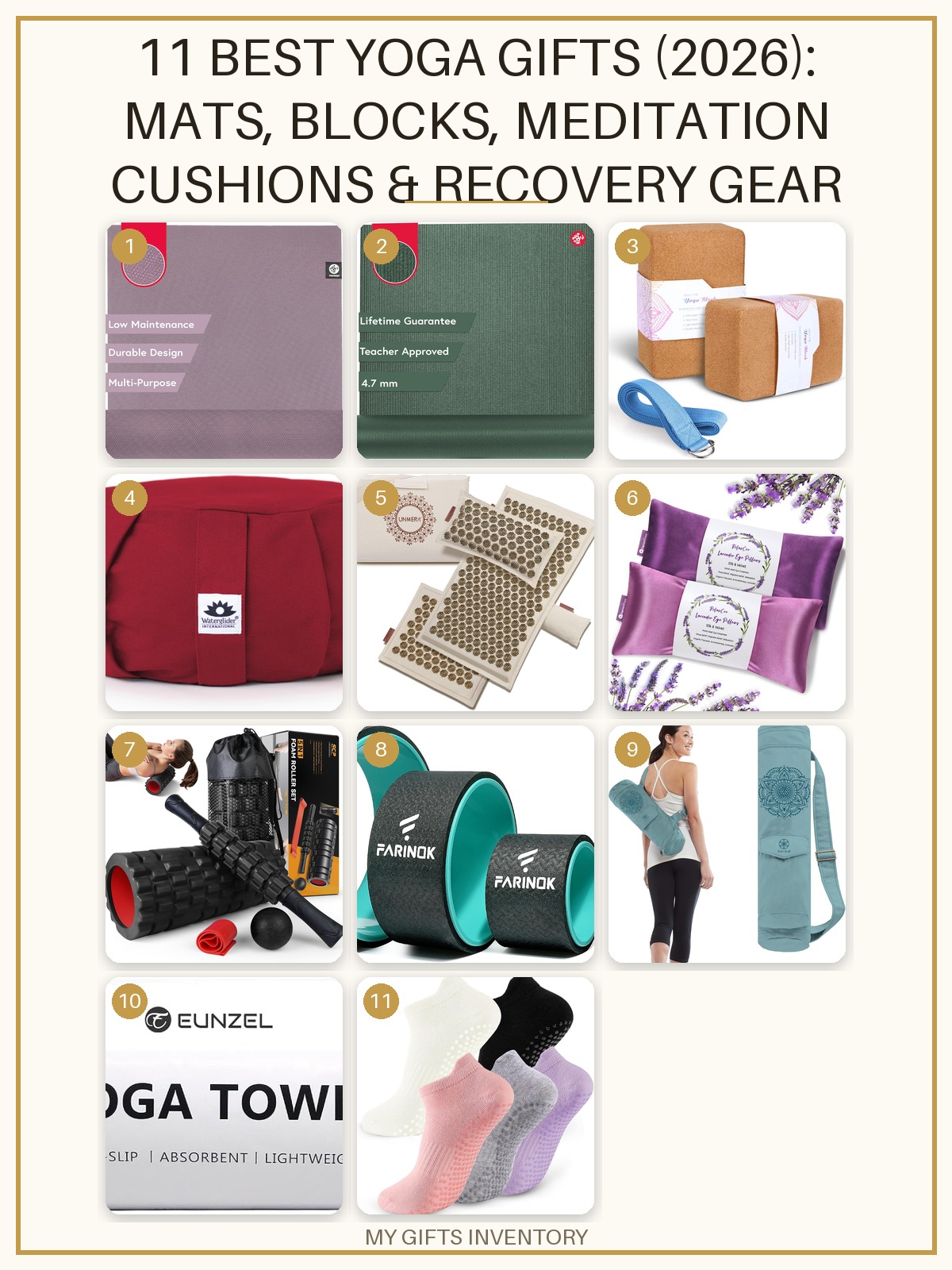
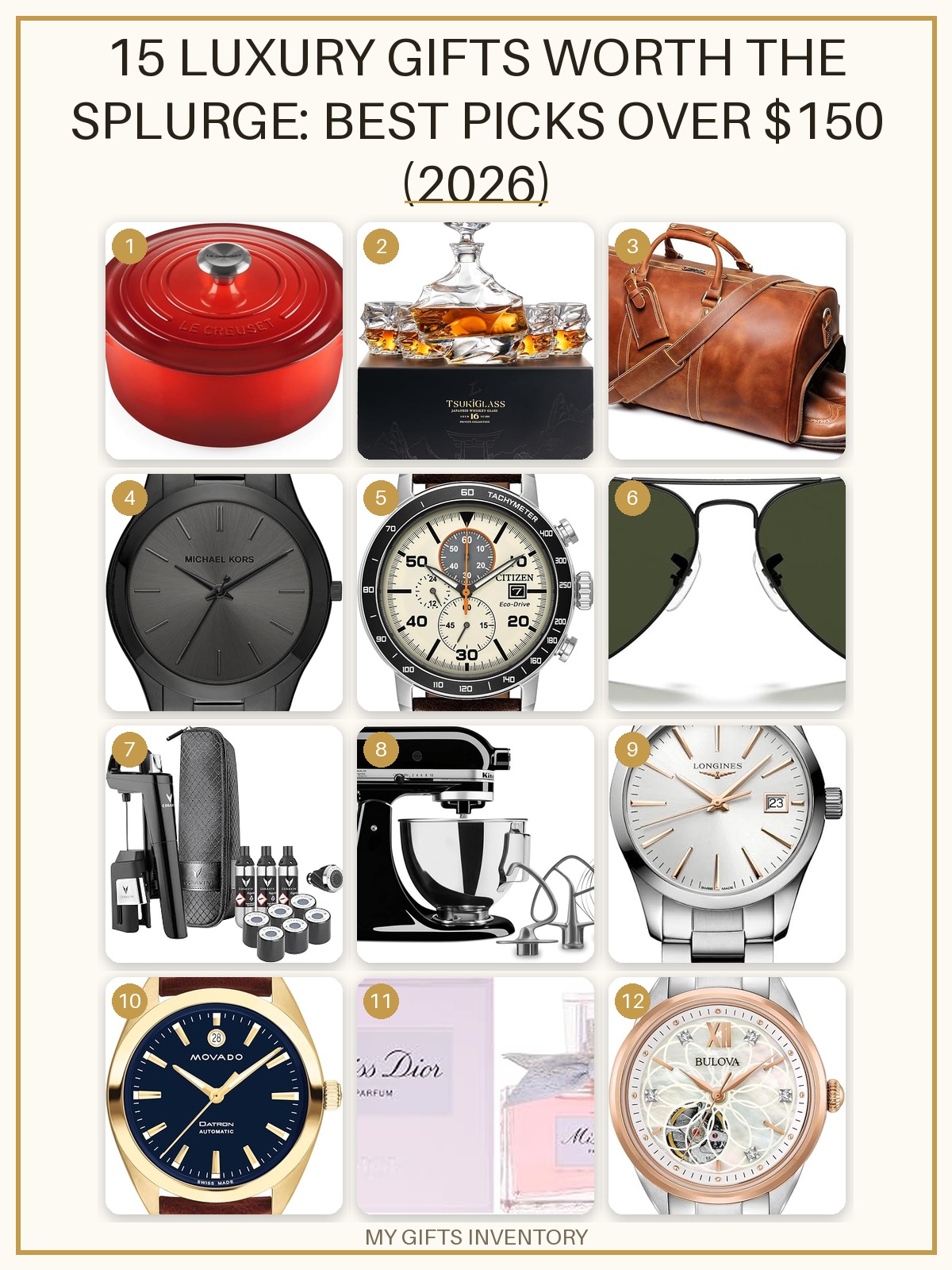
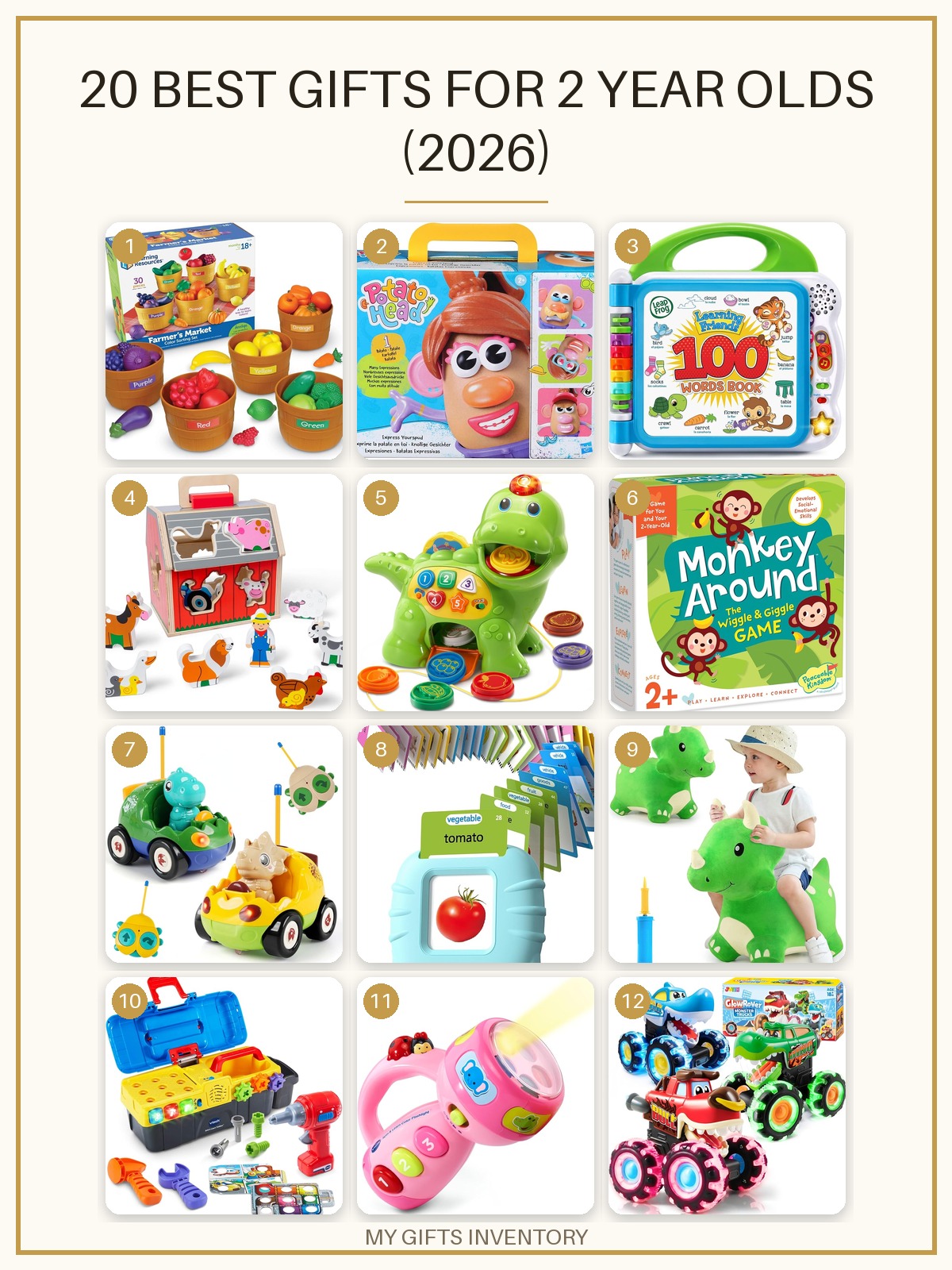
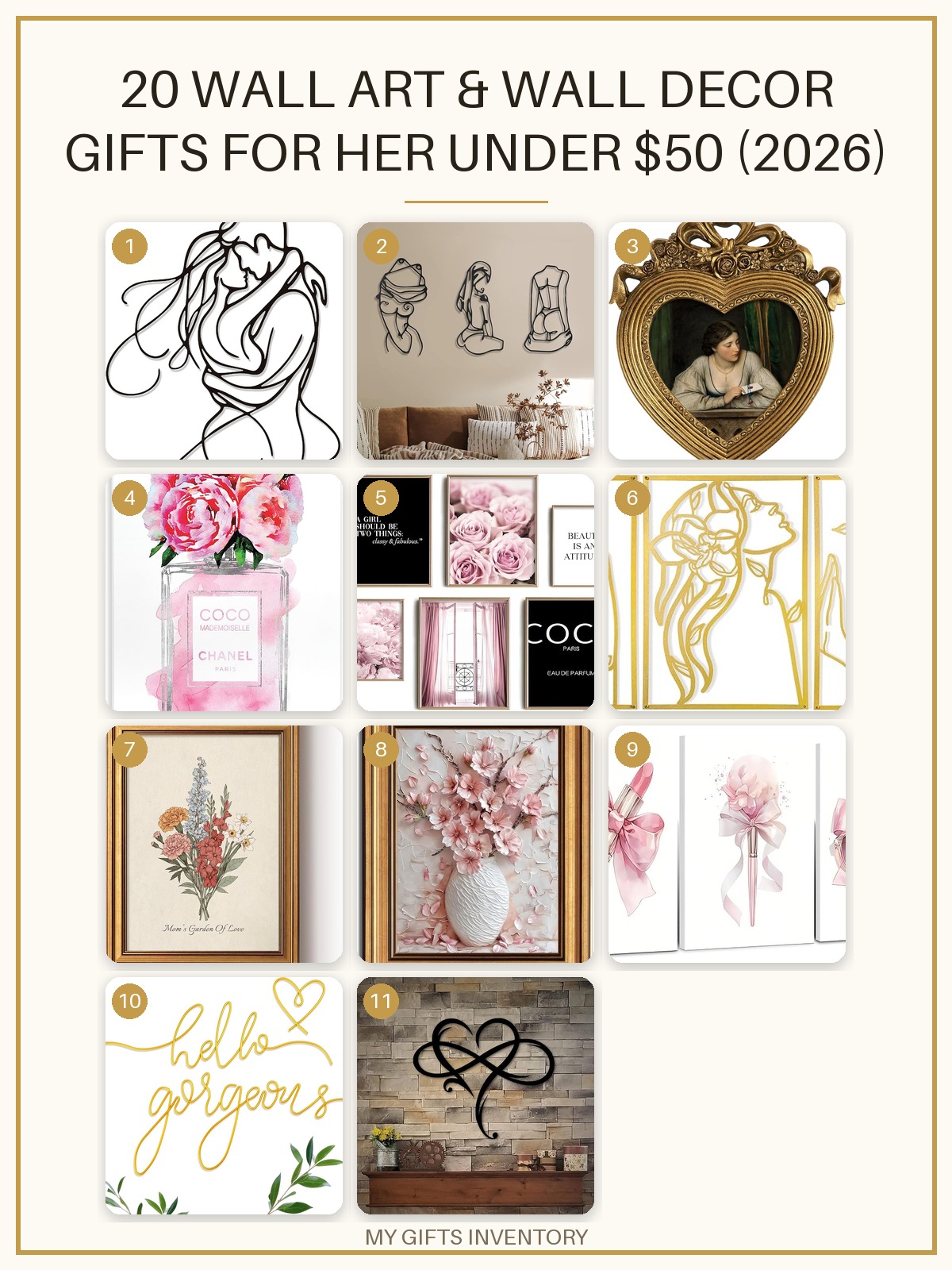
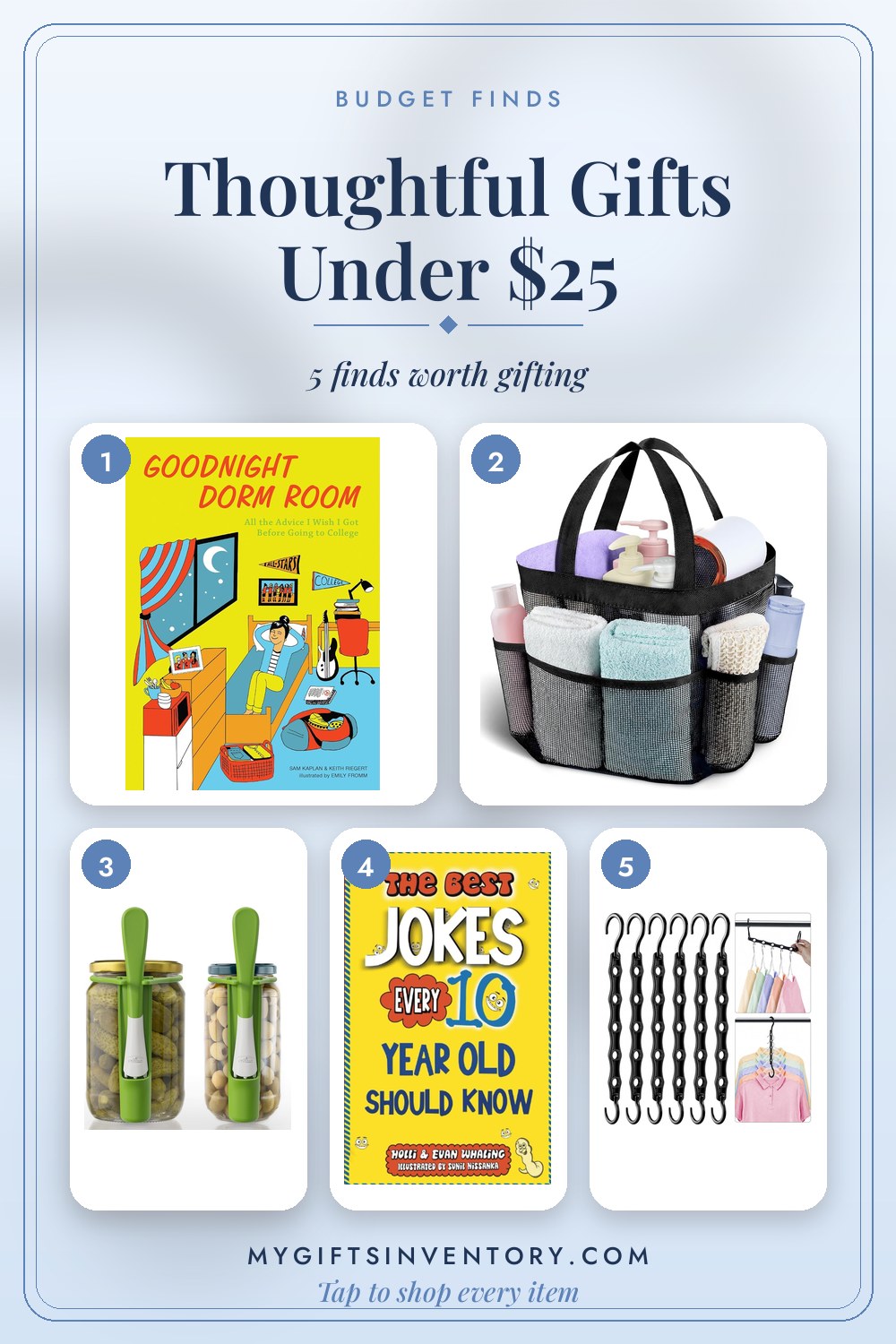
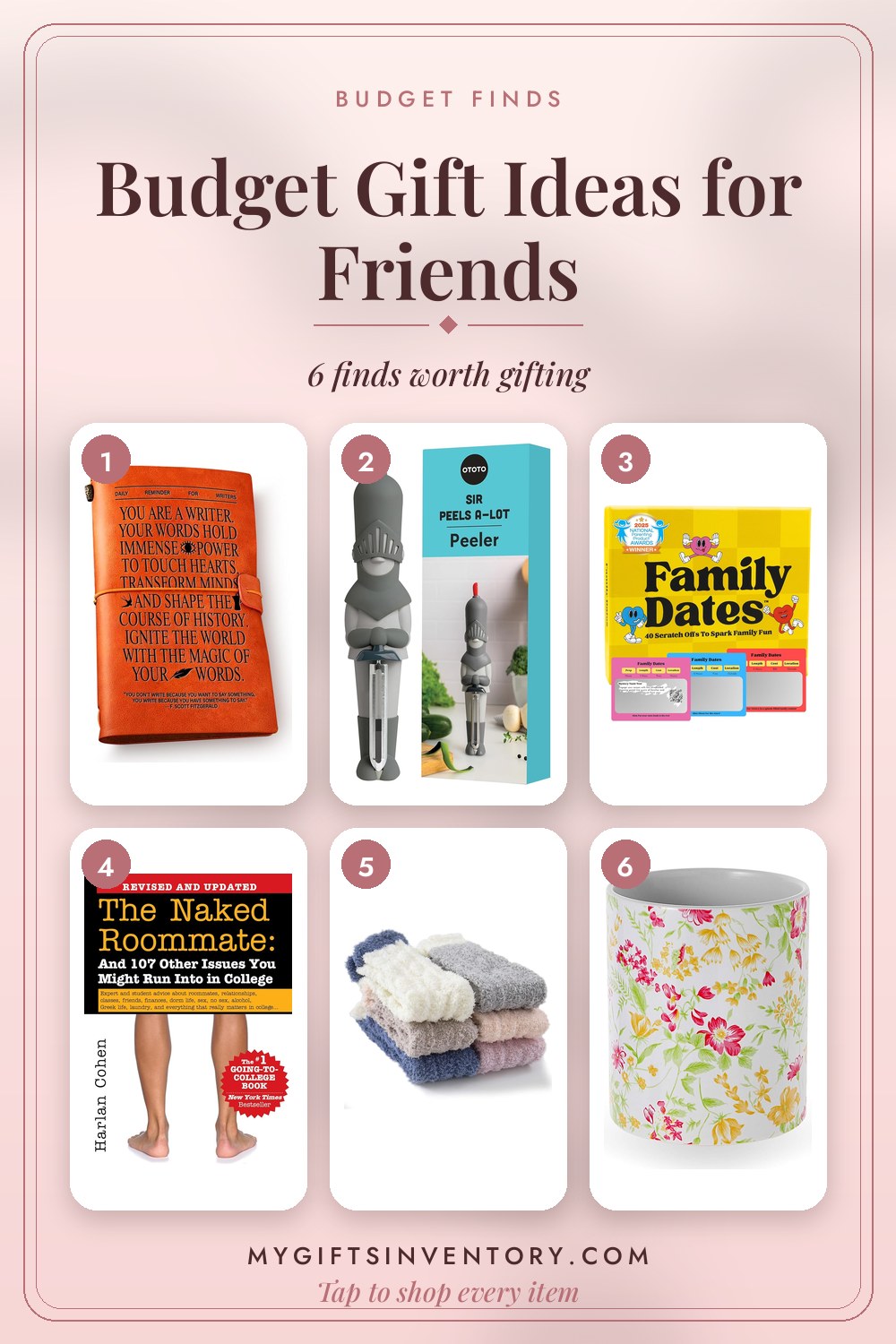
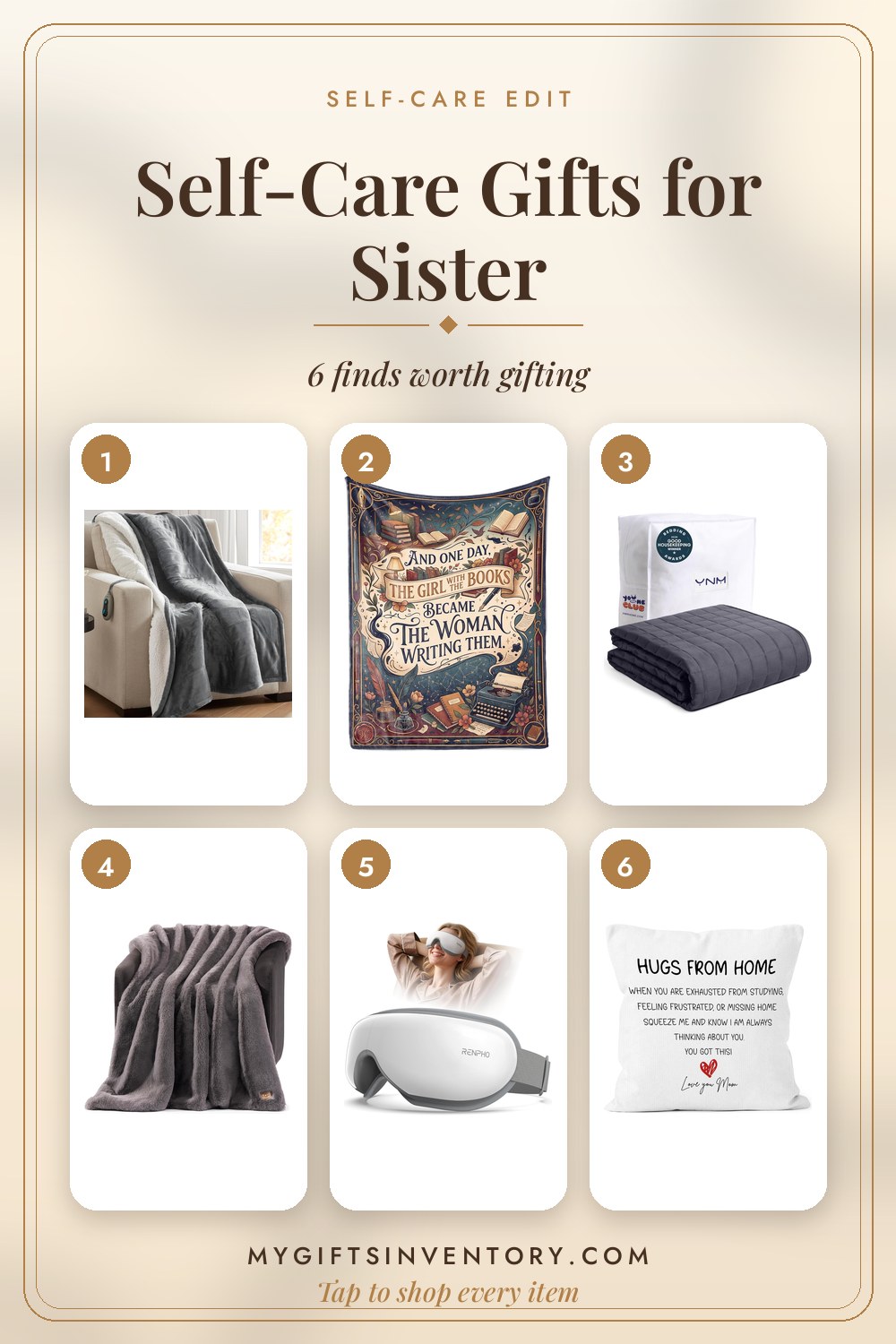
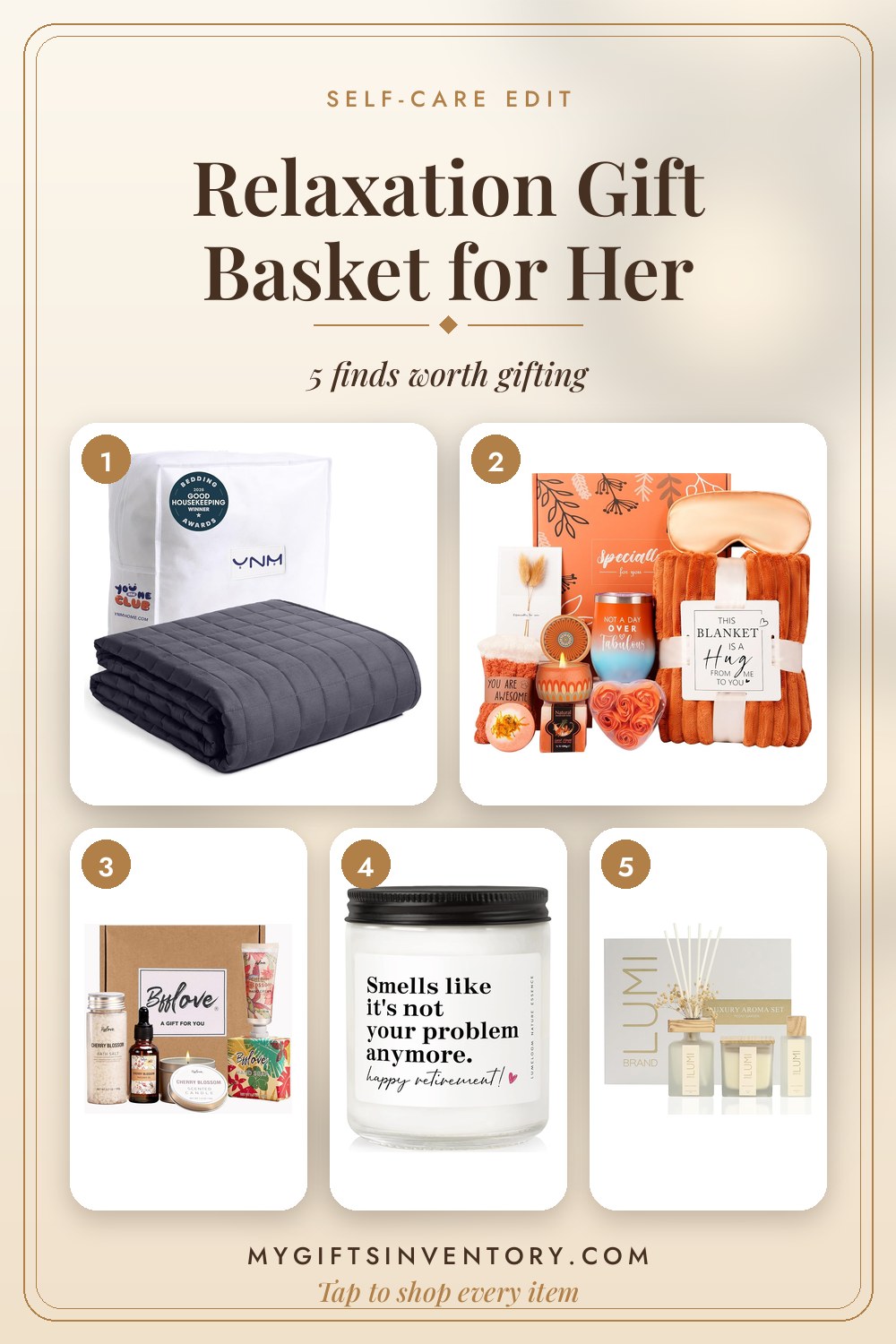
Gift Sets We Love Right Now
Every item picked, priced and linked, ready to buy.
More Gift Advice