Wedding Gift Etiquette: How Much to Spend, What to Write, and When It's Due
A clear, practical guide to wedding gift etiquette covering budgets by relationship, registry rules, cash gifts, card wording, and what to do if you can't make the wedding.

As an Amazon Associate, My Gifts Inventory earns from qualifying purchases. We only recommend products we'd genuinely consider buying ourselves.
You got the invitation, you RSVP'd, and now you're staring at a registry with a $400 stand mixer and a $12 dish towel wondering what's actually expected of you. Wedding gift etiquette feels like it should be simple, but between mixed-up rules about covering your plate, cash versus registry gifts, and what to do when you can't make it to the wedding at all, most people are quietly guessing. Here's the actual answer, without the guilt trip.
How Much to Spend on a Wedding Gift
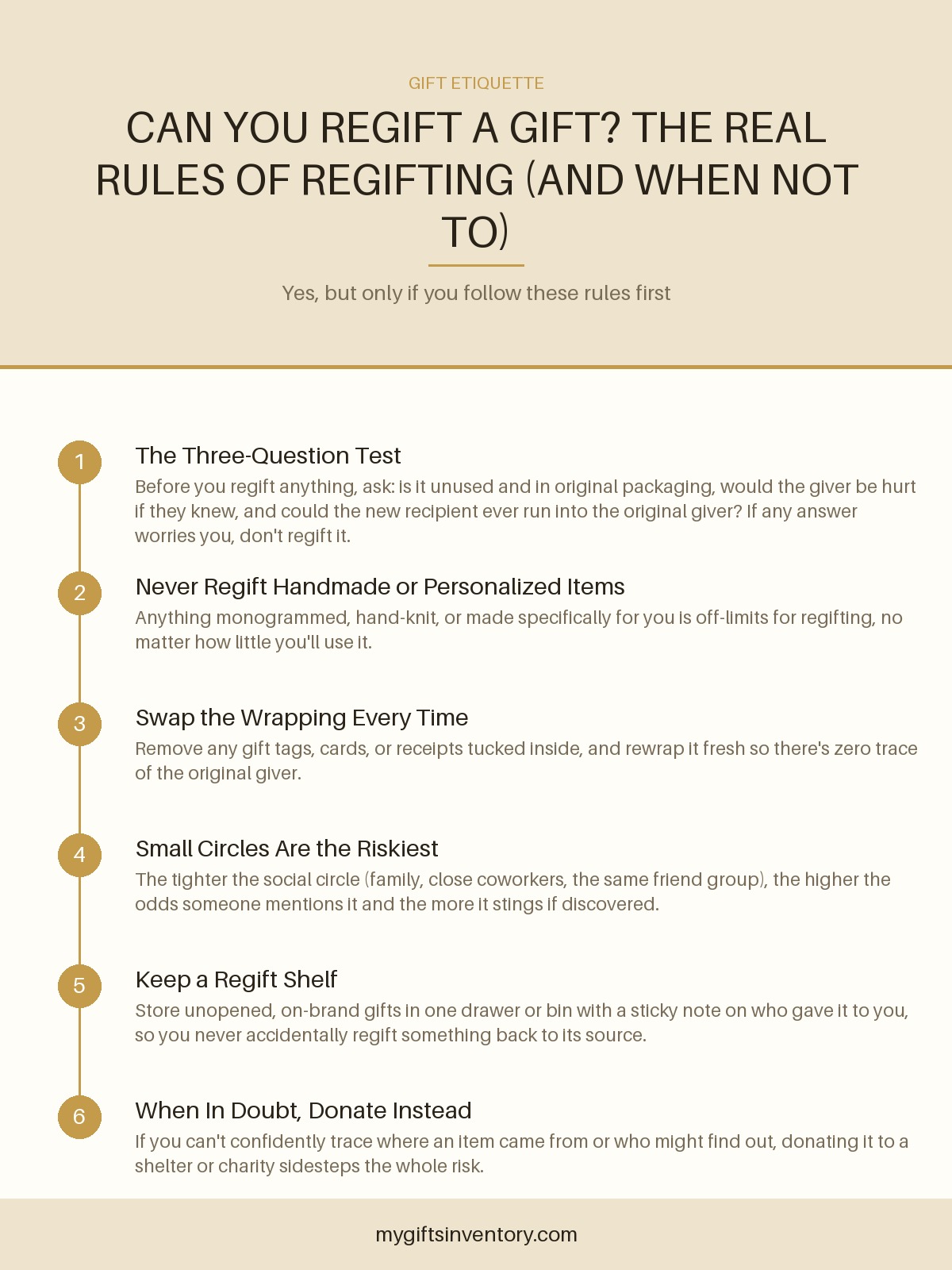
The old rule that your gift should "cover your plate" at the reception is one of the most persistent pieces of wedding folklore, and it's also not real etiquette. No one is tracking what you spend against the cost of your dinner, and you're not obligated to reimburse the couple for hosting you. That said, most people do want a general dollar range to work from, so here's how it typically breaks down.
Coworkers, Acquaintances, and Plus-Ones
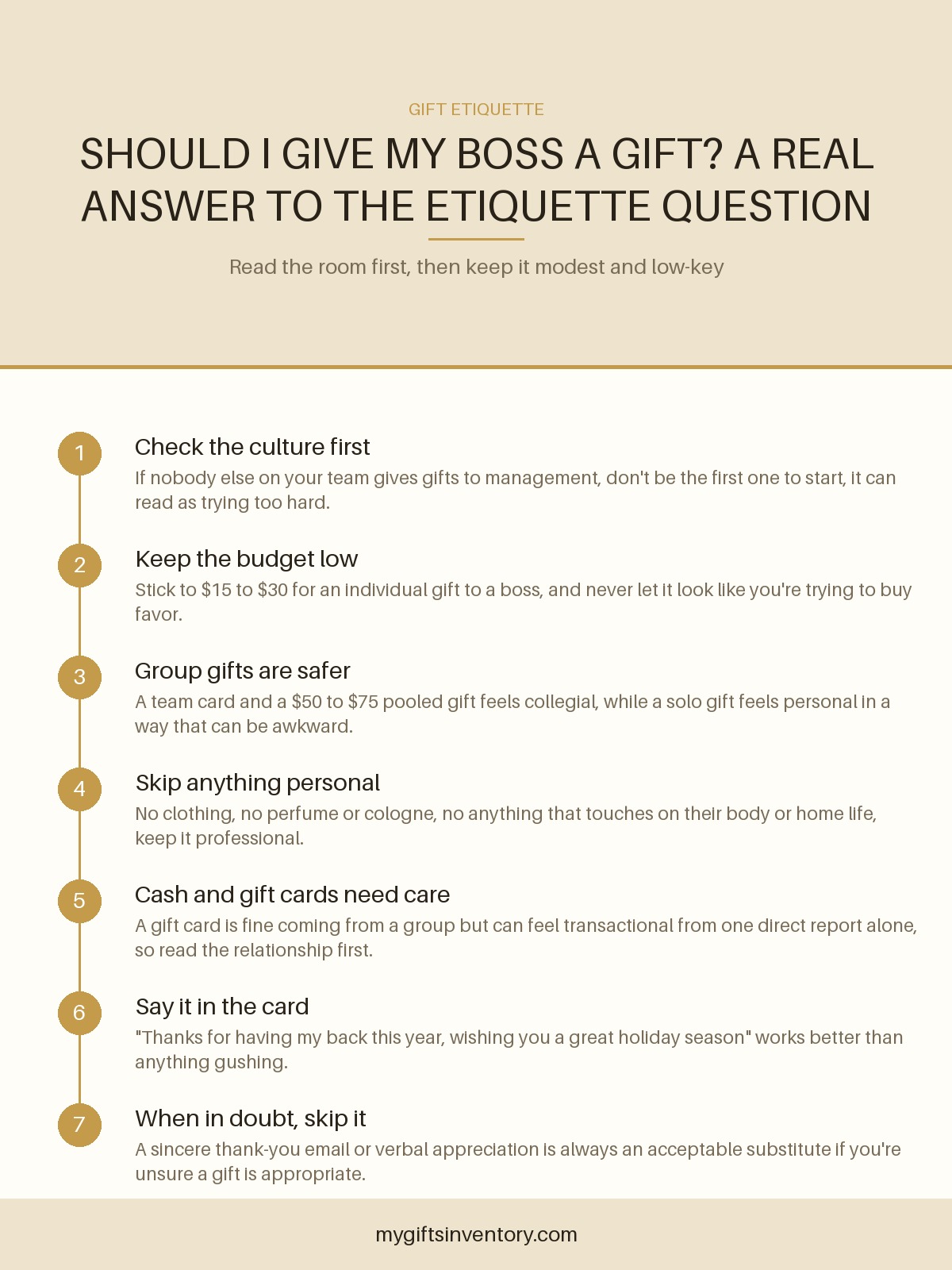
If you're attending as someone's plus-one, or you're invited because you work with the couple but aren't especially close, $50 to $100 is a comfortable range. A group gift with a few coworkers pooling money often lands you in a more generous bracket without anyone spending more than they're comfortable with.
Friends and Extended Family
For good friends, cousins, or people you see regularly, $100 to $150 is the standard range. This is often where couples set their registry price points too, so it's worth checking there first.
Close Friends, Siblings, and Immediate Family
For your best friend, a sibling, or your own child's wedding, $150 to $250 or more is common, and family members sometimes go higher, especially if they're contributing toward the wedding itself in some other way. There's no ceiling here, it's genuinely about what feels right for your relationship and your budget.
If You're in the Wedding Party
Being a bridesmaid or groomsman already comes with real costs (the dress, the suit, the bachelor or bachelorette weekend), so it's completely fair to spend at the lower end of your bracket or even give something more personal and lower-cost, like a framed photo or a piece from a personalized jewelry gifts for her collection, rather than stretching your budget to match a price point that assumes you haven't already spent a few hundred dollars getting to the wedding.
When Is a Wedding Gift Actually Due?
Traditional etiquette gives you up to a year after the wedding date to send a gift, which surprises a lot of people. In practice, sending it within the first month or two after the wedding (or before, if you're shipping from a registry) is the more considerate move, since couples are usually eager to use their new things and to finish writing thank-you notes. There's no requirement to bring a wrapped gift to the ceremony or reception, and in fact it's often discouraged, since the couple has enough to carry at the end of the night. Shipping directly from the registry or mailing a card with a check to their home address is the norm now, not the exception.
Registry Rules: What's Actually Okay
A registry exists to take the guesswork out of gift-giving, and using it is never rude, even if the price points feel high. If you want to go off-registry because you found something more personal, that's fine too, but a few things make it easier on everyone. Keep the receipt or gift receipt easy to find, since exchanges happen more often than people admit, and couples merging two households frequently end up with duplicates. If you're drawn to home goods that aren't listed, something like a curated piece from a home decor gifts for her guide can round out a registry nicely without duplicating what's already been claimed.
Group gifting has also become much more normal, especially for big-ticket registry items like cookware sets or furniture. If a few guests want to split a large item, most registries (and many retailers directly) support contribution-style gifting, so it's worth checking before assuming you have to buy the whole thing solo or skip it entirely.
Cash, Check, or Gift Card: Is It Rude to Skip the Registry Entirely?
Cash is not a lesser gift. For couples who've been living together for years, are remarrying, or simply need help covering the wedding or a honeymoon more than they need new dishware, a check is often the most useful thing you can give. There's no firm rule on amount beyond the budget ranges above, though many people find it easier to round to a clean number like $100, $150, or $200 rather than calculating something oddly specific.
Gift cards occupy a similar space and work well when you don't know the couple's registry or taste well enough to choose something specific. A card to a major retailer where they're likely already registered, or one for a shared experience like coffee or dining, lands better than a random specialty store gift card. If you do go this route, it's worth double-checking the balance loaded correctly before handing it over. Retailers like Target and Nordstrom are both common wedding registry stores, so a gift card to either one tends to feel purposeful rather than like a placeholder gift.
What to Write in a Wedding Card
The card matters more than people think, since it's often the only personal touch alongside a registry gift or check. You don't need to write an essay. A few real approaches that work:
- Simple and warm: "Wishing you both a lifetime of love, laughter, and really good takeout on the nights neither of you feels like cooking. Congratulations!"
- For a couple you've known a long time: "Watching your relationship grow into this has been one of the best parts of the last few years. So happy for you both, and can't wait to see what's next."
- For a coworker or more casual relationship: "Congratulations on your wedding! Wishing you a beautiful life together."
- If you're giving cash or a check: "Hope this helps with the honeymoon fund, or the world's most extravagant grocery run. Congratulations!"
- For family: "Seeing you build a life together has been one of the great joys of being your [mom/dad/sister/brother]. All our love, today and always."
Sign with your name, and if you're writing on behalf of a couple or family, both names are fine. Avoid inside jokes the other partner won't understand, and skip anything referencing exes, past relationships, or wedding drama, even lightly. The card gets kept, sometimes for decades.
If You Can't Attend the Wedding
This is one of the most common etiquette questions, and the answer is more forgiving than people expect. If you were invited and decline, sending a gift is a thoughtful gesture but not a strict obligation, and a smaller gift (in the $50 to $75 range, or simply a heartfelt card) is completely appropriate. If you were never invited at all, you owe nothing, full stop. No one is entitled to a gift from someone who wasn't included in the celebration. The exception is very close family, where a gift is still customary even if travel or circumstances keep you from attending in person.
Wrapping, Shipping, and the Small Details
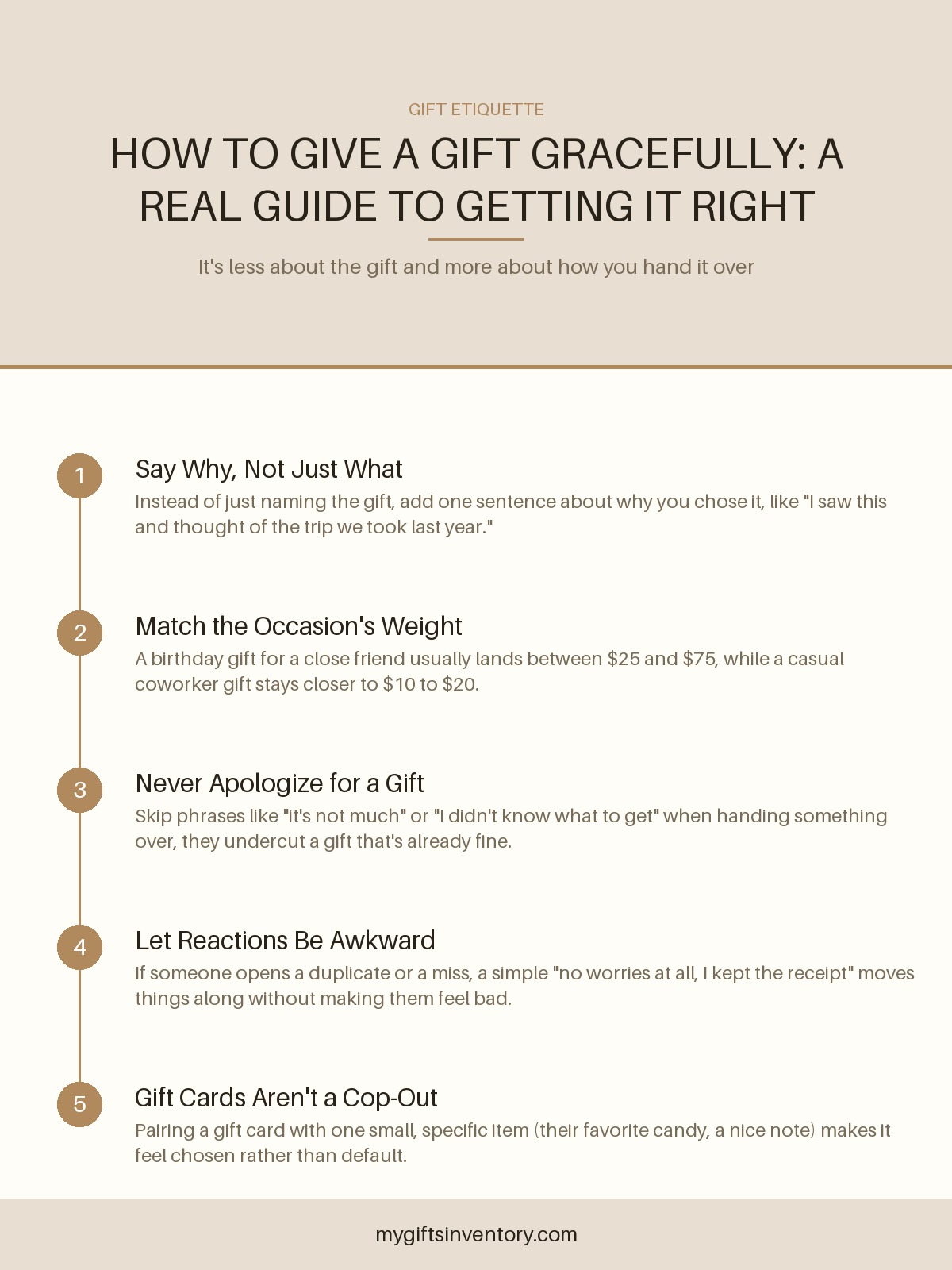
If you're shipping a gift, most registries handle this automatically when you purchase through the site, so the couple receives it wrapped or boxed with a gift note attached. If you're wrapping something yourself to hand-deliver before the big day or drop off after, keep it simple: clean paper, a ribbon, and a card taped or tucked securely so it doesn't get separated in transit. For gifts related to the honeymoon or new home, something practical and a little indulgent, like a set from a coffee lovers gift guide, works well as a thank-you-adjacent gift for a couple hosting a shower or engagement party too, since it's not something covered by the wedding registry itself.
Second Marriages, Elopements, and Non-Traditional Celebrations
Gift etiquette shifts a bit for second marriages or couples who've been together a long time before marrying. A smaller, more personal gift is generally expected and appreciated over another round of kitchen appliances, since most couples marrying later in life already have a fully stocked household. Something like a piece from a personalized gifts for wife collection can feel more meaningful than a generic registry item in these cases. For elopements or courthouse weddings where there's no reception or registry at all, a card and a modest gift sent after the fact, once you hear the news, is entirely appropriate and won't feel like an afterthought.
Gift Ideas to Go With This


Want more ideas? Browse our full guide: 20 Best Gifts Under $100 (2026): Thoughtful Picks They'll Actually Use
Frequently Asked Questions
Do I have to give a gift if I only attend the ceremony, not the reception?
Yes, attending any part of the wedding as an invited guest generally means a gift is expected, though the amount can reflect the more limited nature of your involvement. There's no rule requiring a bigger gift for a full day versus just the ceremony.
Is it rude to give cash instead of a registry gift?
No, cash is a widely accepted and often preferred wedding gift, especially for couples who are older, remarrying, or already sharing a household. A check mailed to the couple's home address in the weeks after the wedding is completely appropriate.
What if the couple's registry is completely picked over by the time I go to buy something?
Check back periodically, since registries get restocked or items get added closer to the date, but if nothing's left, cash, a gift card, or a thoughtful off-registry item are all fine substitutes. Keep a gift receipt with any off-registry purchase in case it duplicates something else they received.
How much should I spend if I'm bringing a plus-one?
The gift typically comes from the couple attending together, not per person, so you don't need to double your budget just because you're bringing a date. Sticking to the standard range for your relationship to the couple is appropriate regardless of how many people are in your party.
Do destination wedding guests still need to give a full gift?
Many people scale down the gift for destination weddings since travel costs are already a significant contribution, and a smaller gift or thoughtful card is widely considered acceptable. The couple is generally aware that guests are already spending a good amount just to be there.
Looking for an Actual Gift Instead?

Gift Sets We Love Right Now
Every item picked, priced and linked, ready to buy.

More Gift Advice