What to Write on a Gift Card: Real Wording for Every Relationship and Occasion
A blank gift card message is the hardest part of giving a gift card. Here's exactly what to write for birthdays, weddings, thank-yous, coworkers, kids, and every awkward in-between.
As an Amazon Associate, My Gifts Inventory earns from qualifying purchases. We only recommend products we'd genuinely consider buying ourselves.
You bought the gift card. It's sitting on the counter, envelope open, and you're staring at that blank line trying to figure out what to write that doesn't sound like a robot or a receipt. This is the most common stall in gift-giving, and the stakes feel weirdly high for three sentences. The good news: gift card messages are a small genre with actual rules, and once you know them you can write one in about ninety seconds flat.
Below is what to write for every relationship and occasion we could think of, plus the specific lines that land and the ones that make people wince. If you're still deciding whether a gift card is even the right move, this is usually where we point people who are weighing a gift card against a real gift toward our broader gift guides, because a card with great words still doesn't fix a mismatched gift. More on that in a minute.
The one rule that actually matters
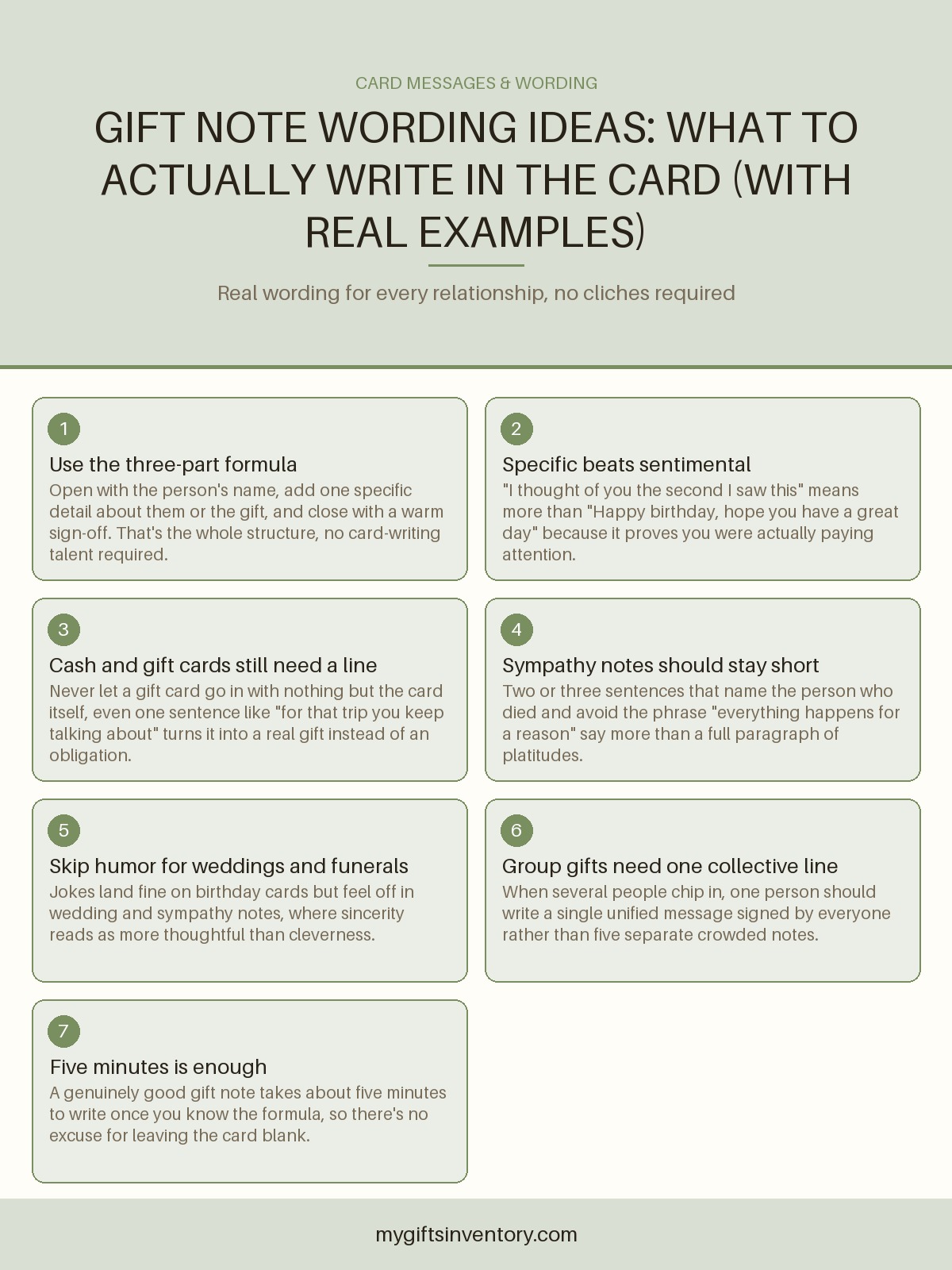
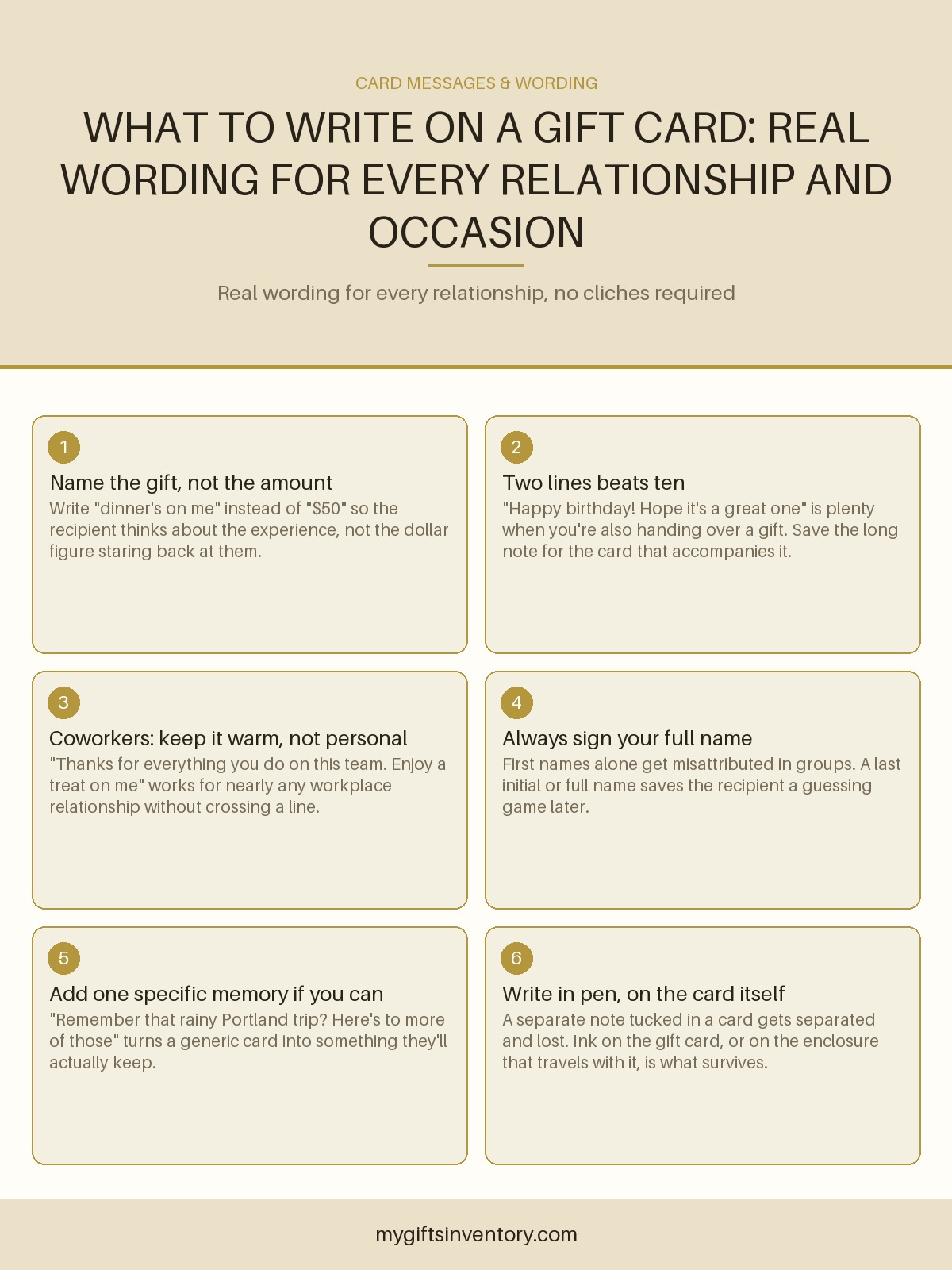
Write about the experience, not the transaction. Never mention the dollar amount on the card. "Here's $50 for Target" turns your gift into a bank transfer. "Go get yourself something you'd never buy for yourself" turns it into permission to splurge, which is the whole point of a gift card.
That's the entire theory. Everything below is just applying it to specific people and occasions.
Birthday messages that don't sound like a Hallmark card
Birthdays are the easiest because the occasion gives you the opening line. The trap is that everyone writes the same two sentences, and yours will blend into the pile. Add one specific detail and it stops being generic.
For friends
- "Happy birthday! Get yourself something ridiculous with this."
- "Another year of you being the person I call first. Go treat yourself."
- "Happy birthday. This is for that thing you keep telling yourself you don't need."
- "Hope this year is the one where you finally take the trip. Start here."
For a partner or spouse
- "Happy birthday to my favorite person. Pick something you've been eyeing, no guilt."
- "I noticed. I always notice. Go get it."
- "For your birthday: whatever you want, whenever you want. Happy to come along."
For parents and grandparents
- "Happy birthday, Mom. Spend this on yourself for once, and not on any of us."
- "You've spent decades giving to everyone else. This one's just for you."
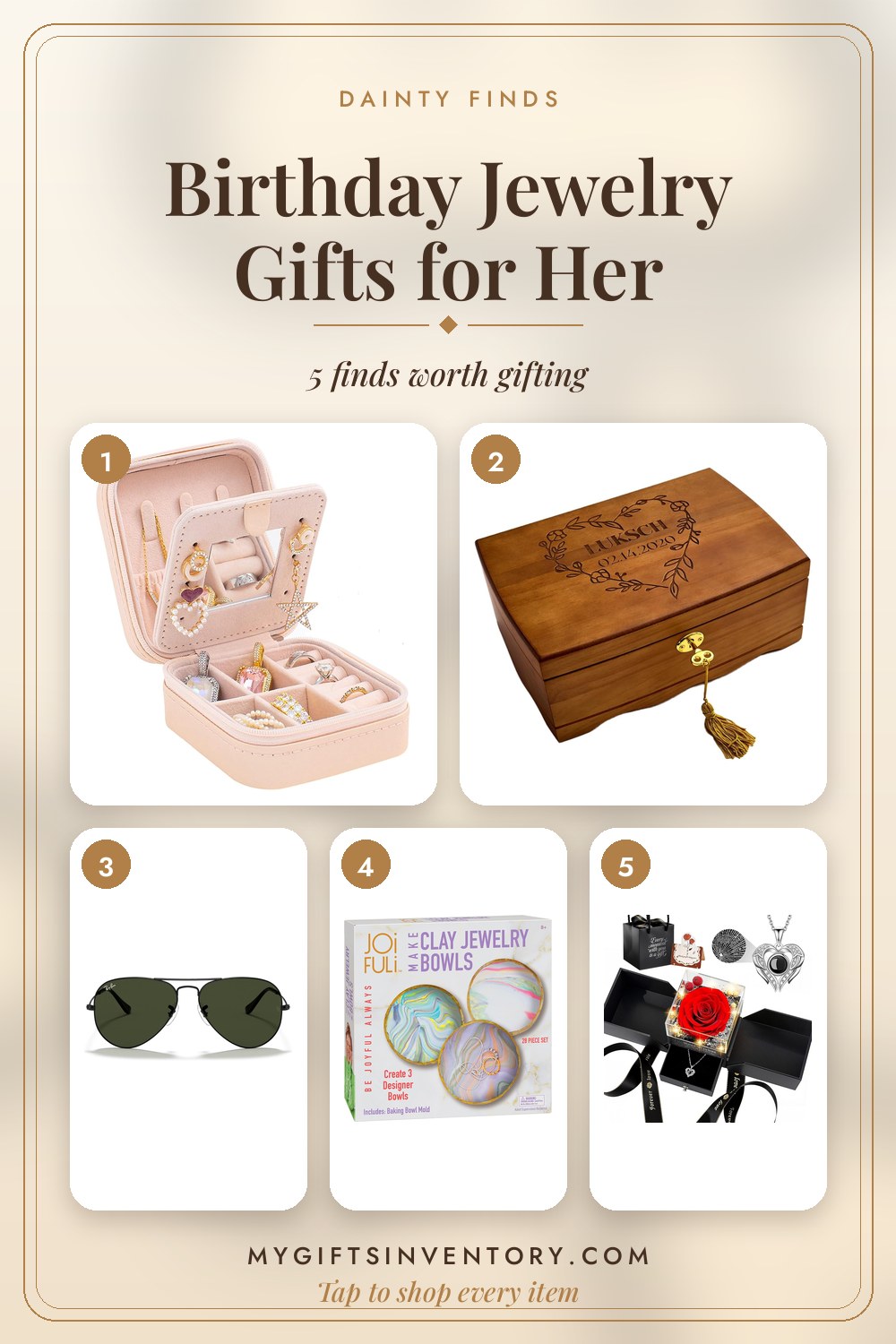
If you're giving a birthday gift card to someone who's hard to buy for, a great pairing move is to attach it to a small physical gift and let the card do the heavy lifting. That's the same logic behind our picks in our guide to Christmas gifts for herthe card gets easier to write when there's an object in the box too.
Wedding and engagement gift card messages
Weddings are actually one of the few situations where a gift card can feel lazy if you don't frame it right. The fix is to tie it to something specific and joyful rather than leaving it open-ended.
- "Congratulations! Here's a start on the honeymoon fund, or the couch. Your call."
- "For your first dinner as newlyweds in your new place."
- "Wishing you a long marriage and a short list of things you still need to buy. This should help with the second part."
- "So much love to you both. Go pick out something for the house you'll actually argue over."
One practical note: for a wedding, the card is usually read by more than just the couple (photographers, parents, the person opening gifts at the table). Keep the message warm and public-appropriate. Save the inside jokes for a separate note at the reception.
Thank-you and host messages
These are the gift card messages with the highest chance of sounding transactional, because the gift is a thank-you for something and you're now adding a gift on top. Lean into the specific thing they did.
- "Thank you for hosting us for the weekend. Here's dinner on us, so you don't have to cook again."
- "You saved me with that move. Please go get something you actually want."
- "Thanks for being the person who always shows up. A small thank-you back."
- "For helping me with the move in the rain. I owe you far more than this."
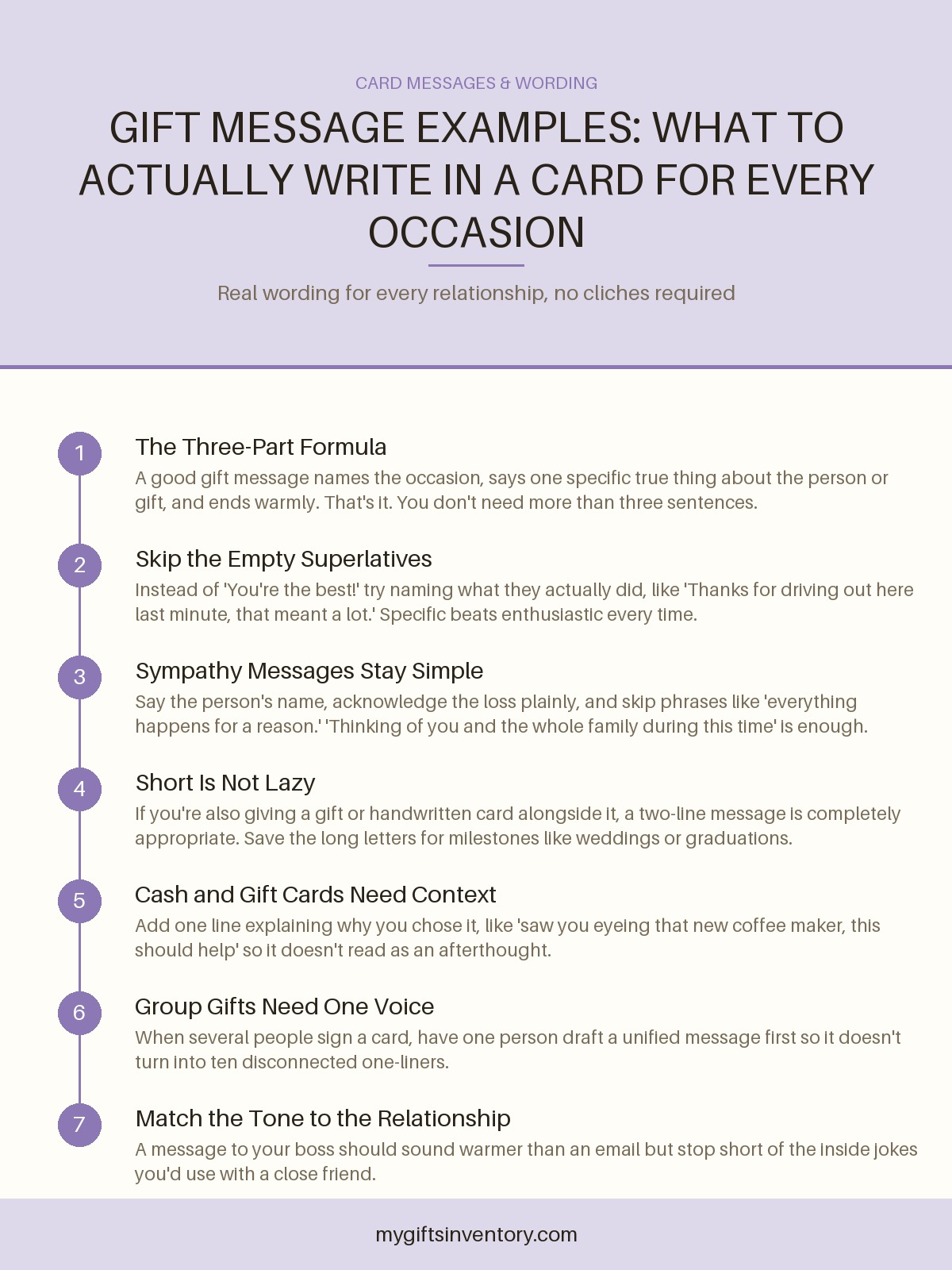
The best thank-you gift card messages name the act. "Thanks for everything" reads as filler. "Thanks for driving four hours to help me move" reads as gratitude.
Coworker and professional messages
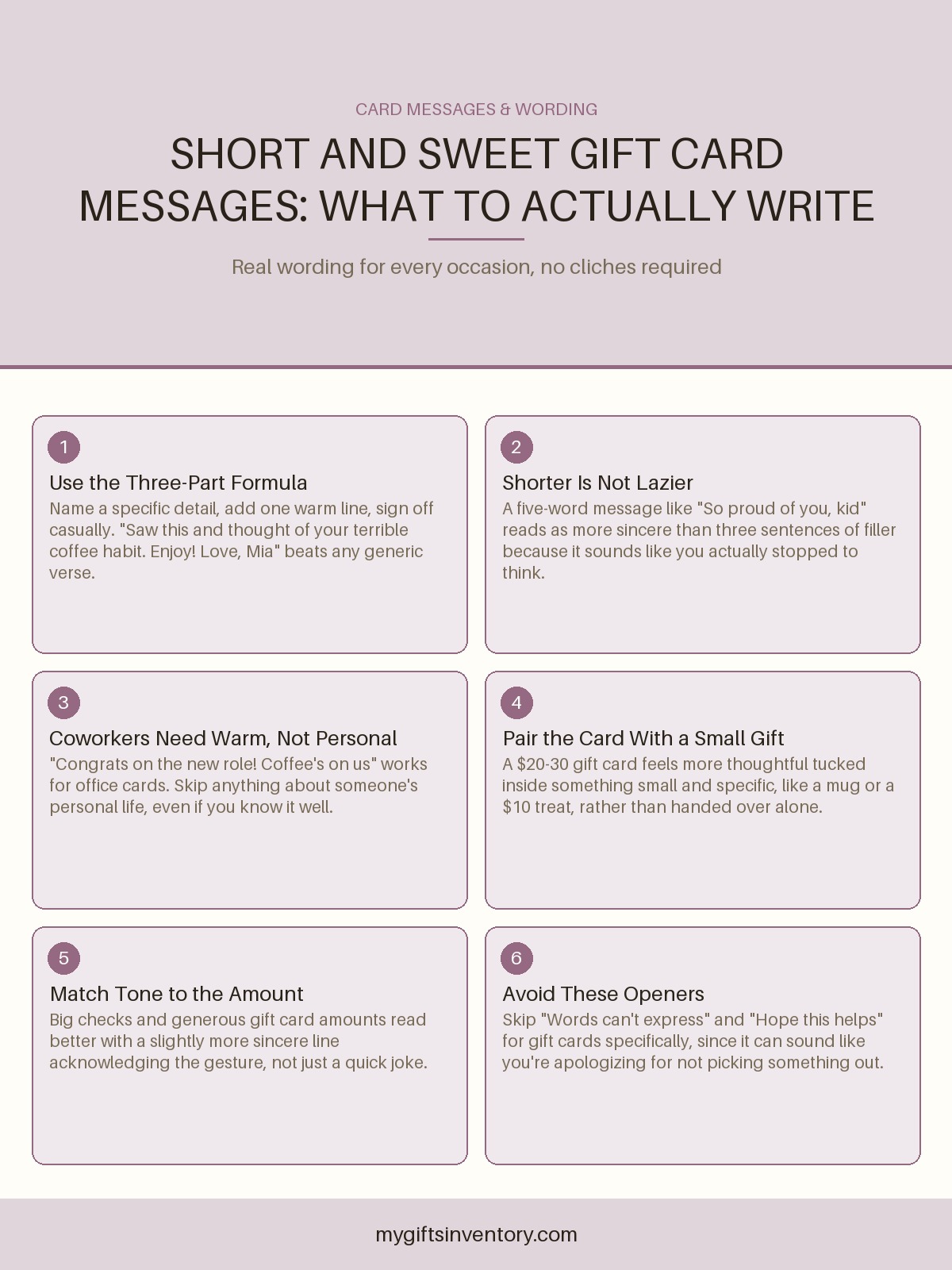
This is where people overthink the most. The rule for workplace gift cards is simple: warm but not personal. No inside jokes, no comments about appearance, no implications of anything beyond a professional thank-you.
- "Thank you for everything you did on this project. Enjoy a coffee or lunch on me."
- "Congratulations on the promotion! Looking forward to watching you crush it."
- "Thanks for covering for me last week. Truly appreciated."
- "Happy holidays from my desk to yours. Thanks for being a great teammate this year."
For a boss or manager
Usually the flow is the other direction, but if you're giving a gift card upward (for a boss's birthday, a departure, etc.), keep it brief and professional, and ideally have the team sign it. Individual gift cards to a manager can feel odd. A group card from the team does not.
- "From all of us: thank you for leading this team the way you do. Wishing you the best on what's next."
For a departing coworker
- "Sad to see you go, excited for what you're going to do next. Go celebrate."
- "Best of luck in the new role. This is for a first-weeks-in-the-new-job treat."
If you're buying workplace gift cards in bulk or picking from a multipack, our rundown of gift cards at Staples covers which brands are stocked and where to grab them, which is genuinely useful when you need eight of the same card without a trip across town.
Gift cards for kids and teens
Kids get the most excited about gift cards because it's the first time they get to make the spending decision themselves. Write the message like you're handing them the keys to something small.
For younger kids
- "Happy birthday! Spend it on whatever you want. Yes, even that."
- "For you and only you. Have fun picking something out."
With kids especially, add the parent's name if you're writing it into a card that could get mixed up. A card that says only "From Aunt Jen" is fine; a card that says "From Jen" won't survive the chaos of a birthday party table.
For teens
- "Happy birthday! No strings attached. Go wild."
- "For the thing you've been showing me in your cart for two months."
- "Graduation gift. Spend it on something you'll remember, not just something you need."
If the kid in question is younger and you're considering pairing the card with an actual toy, our Christmas gifts for kids $20 to $40 list has options that hit the right note without breaking the budget, and the card can just be a one-line add-on.
Gift card messages for holiday and general giving
Holiday gift cards are the ones people write the fastest and regret the most, because everyone writes the same thing. Two moves fix it: reference the year, and reference the person.
- "Merry Christmas! Here's to your 2026 being better than your 2025. Low bar, we know."
- "Happy holidays. Hope this makes the last stretch of the year a little easier."
- "Wishing you a quiet, slow holiday. Go buy something that helps."
- "For whatever makes your season brighter. From us to you."
When in doubt about what card to pair the message with, match the retailer to the recipient. A teen with an Apple Watch obsession gets a message about tech, and honestly, the card itself does half the work. Our Apple Watch gifts guide is worth a look if you want the card to reference something specific they'll actually buy with it.
Sympathy, get-well, and difficult-occasion contexts
Gift cards appear in harder moments too, usually because they're practical and low-pressure. The wording needs to shift: less sparkle, more steady.
- "Thinking of you. This is for meals or whatever helps, no thank-yous needed."
- "Sending you strength. Please let this be one less thing to think about."
- "With so much love during a hard time. Use it however you need."
Skip exclamation points here. Skip "enjoy." The gift card is a logistical kindness, and the message should sound like one.
What not to write on a gift card
Some lines land badly every time, and they're worth calling out so you can avoid them.
- The amount. "Here's $25" makes the gift about the number. Leave it off.
- "I couldn't think of anything." Even if it's true, it tells the recipient they were an obligation.
- "Sorry it's not much." Don't pre-apologize for the size of the gift. It creates awkwardness for them.
- "For [specific item] only." Unless you genuinely need to restrict the purchase, let them decide.
- Inside jokes only you understand. The recipient's partner or parent may be the one reading it.
- Pregnancy comments, weight comments, age jokes. All tempting, all bad.
Practical details people forget
A few small things make a real difference to how the gift lands.
Sign your full name or at least a last initial
First names alone get misattributed fast in group-gift situations. A last initial solves 90% of it.
Write directly on the card
A separate note tucked into an envelope gets separated from the card the moment it comes out of the bag. Ink on the card itself survives.
Note anything the recipient needs to know
If the gift card has an expiration, a specific online activation step, or is redeemable at only certain locations, that context belongs in the message. "Heads up: activate online first, the code's on the back" saves the recipient a phone call.
Double-check the name spelling
Especially for kids and partners. Getting someone's name right is the least expensive way to make a gift card feel personal.
If you're giving a card from a brand they'll definitely use, say so
"Know you basically live at Trader Joe's, so here you go" is one of the strongest openers there is, and we cover checking those kinds of balances too if you want a quick sanity check first via our page on how to check a Trader Joe's gift card balance.
Length and tone: how long should the message be
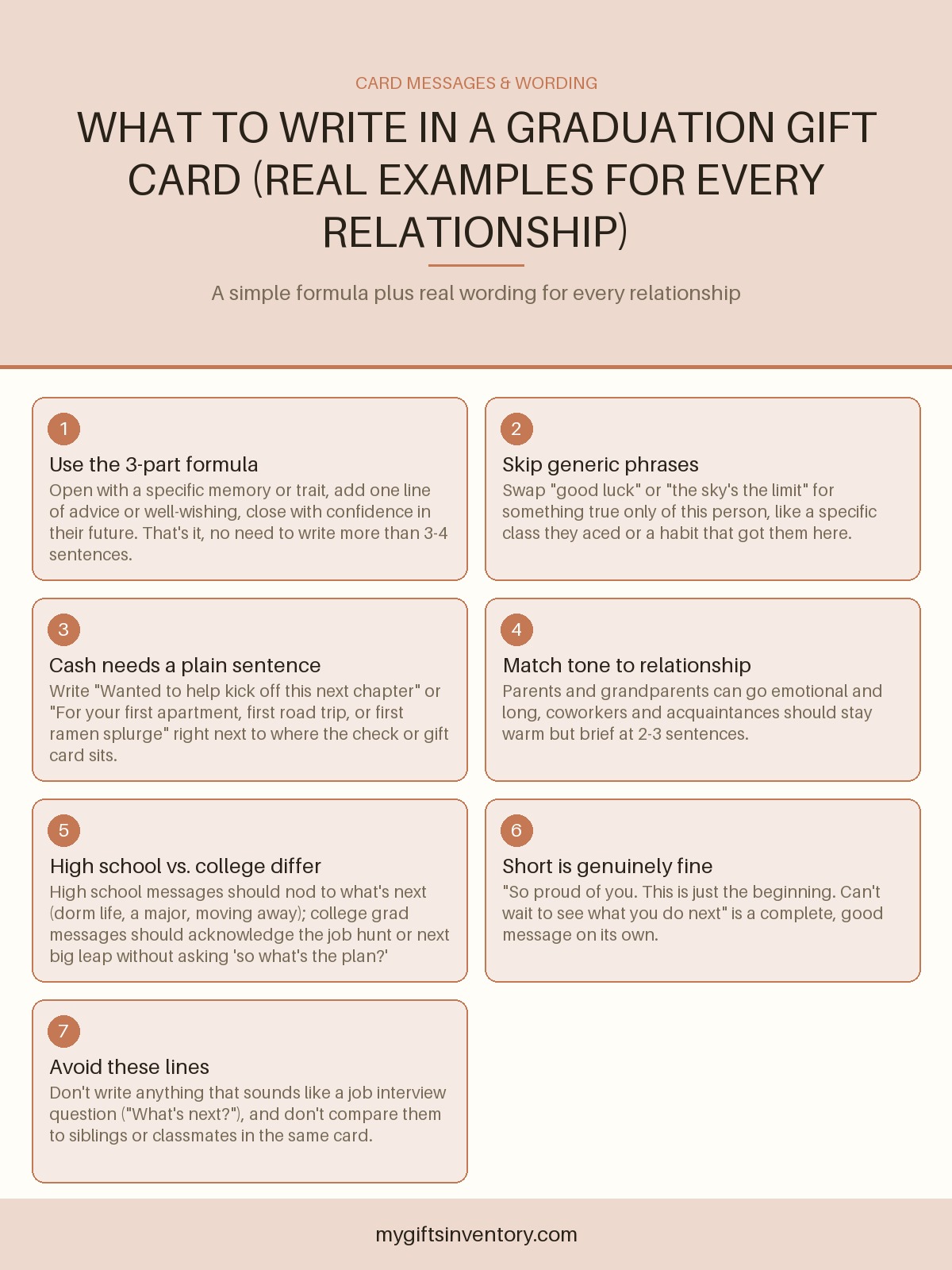
Two or three sentences. That's it. Gift card messages are not the place for paragraphs. The recipient is going to glance, smile, and put the card in their pocket. A short message that says something true beats a long message that says something forgettable.
A useful check: if your message could appear on any gift card given to any person that day, rewrite it. If it could only be for this person, you've got it.
Gift Ideas to Go With This


Want more ideas? Browse our full guide: 18 Keepsake Gifts Worth Holding Onto (2026): Personalized Picks They'll Treasure Forever
Frequently Asked Questions
What should I write on a gift card if I don't know the person well?
Keep it short, warm, and non-specific. "Enjoy, and thank you" or "Wishing you a wonderful day" works for almost any relationship. Skip inside jokes, skip comments about the person's life, and sign your full name so there's no confusion about who it's from.
Should I write the dollar amount on a gift card message?
No. Never mention the amount in the written message. Put the amount on the line provided by the card issuer (many cards have a dedicated field for it), and keep the personal message about the person or the experience, not the number.
Can I write the gift card message in a separate card instead?
Yes, but understand the risk: separate notes get separated from the gift card. If the sticker or message goes in a greeting card and the gift card goes in an envelope, one of them is likely to get misplaced. Attach the message to the gift card itself whenever possible, or at least tape the gift card inside the greeting card.
How long should a gift card message be for a birthday?
Two to three sentences is the sweet spot. One line is fine if you're also giving a physical gift. Anything past four or five sentences starts to read as a letter, and letters belong in a card, not on the gift card itself.
Is it okay to give a gift card to a coworker or boss?
A gift card is fine for a coworker in most workplaces, especially for a group contribution, a departure, or a holiday swap. For a boss, a group gift with a message signed by the team is safer than an individual gift card, and you should check workplace policies first, since some companies restrict gifts upward.
Looking for an Actual Gift Instead?
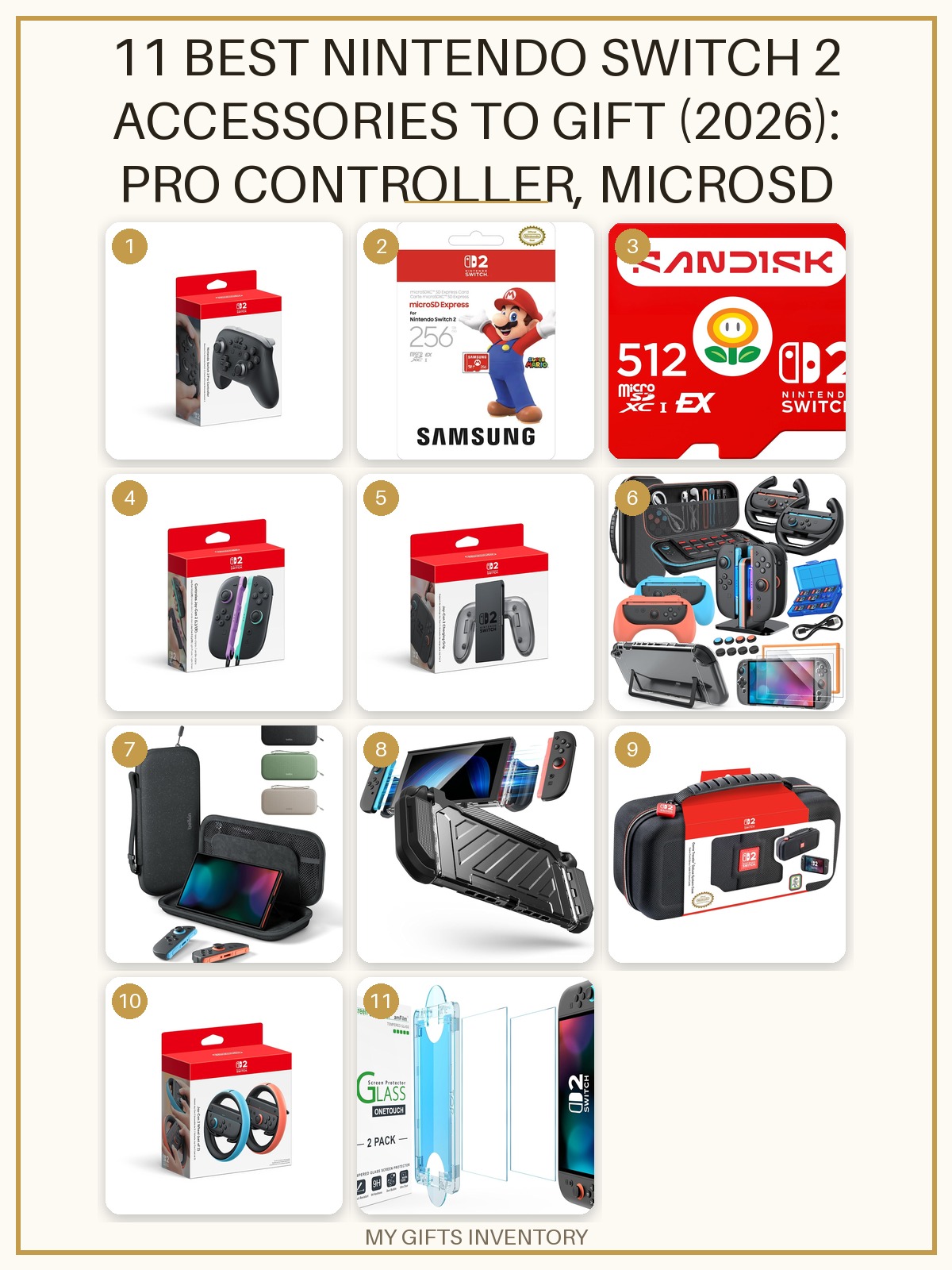
Gift Sets We Love Right Now
Every item picked, priced and linked, ready to buy.
More Gift Advice