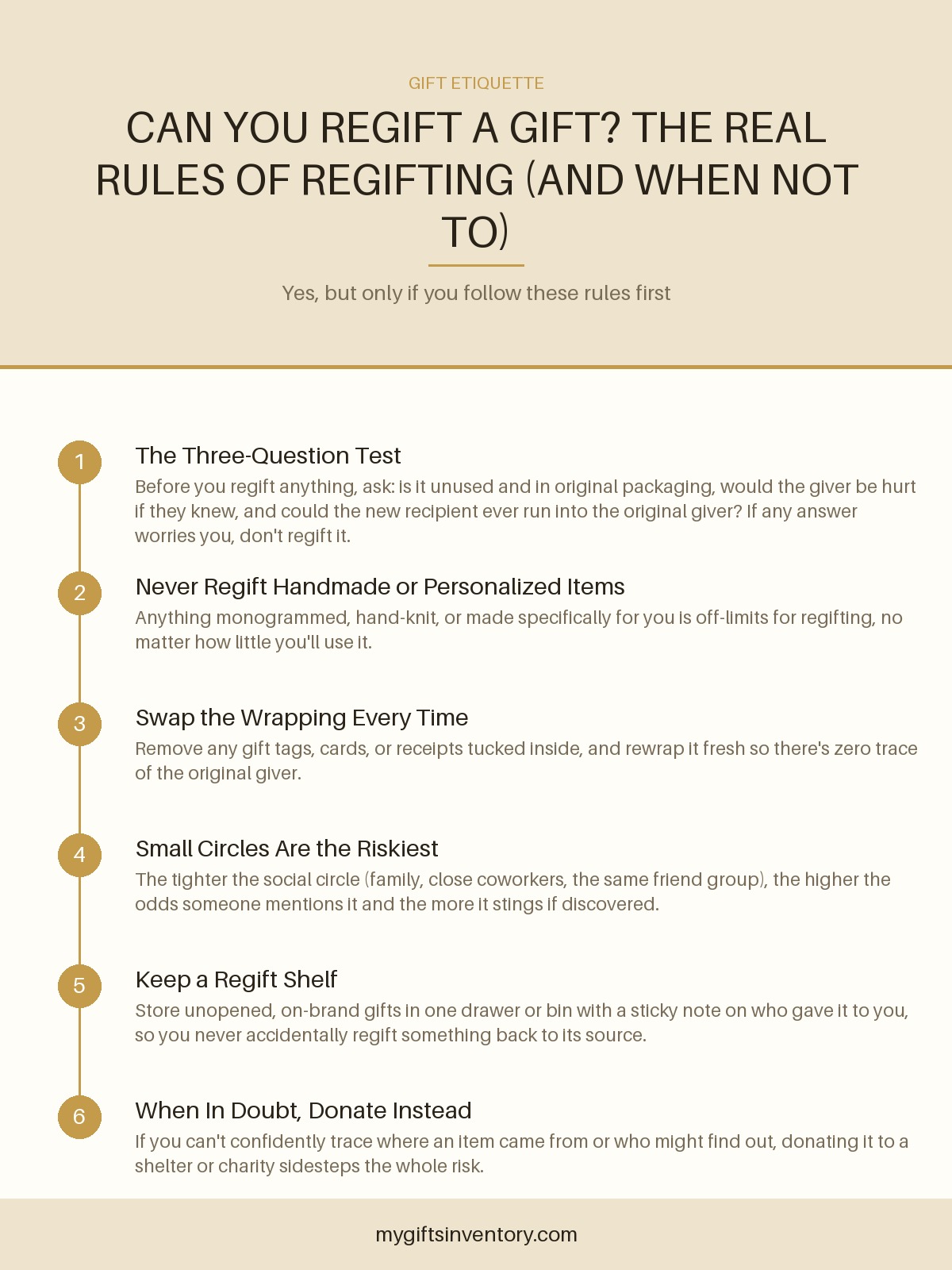
Birthday Gift Etiquette: What You Actually Owe, Spend, and Say
A practical guide to birthday gift etiquette covering how much to spend by relationship, whether cash is rude, group gifts, kids' parties, and what to do when you can't attend.
As an Amazon Associate, My Gifts Inventory earns from qualifying purchases. We only recommend products we'd genuinely consider buying ourselves.
Somewhere between the invite landing in your inbox and the party actually happening, a small panic sets in: how much am I supposed to spend, is it weird to give cash, and do I really need a gift if I can't even make it? Birthday gift etiquette rarely gets taught outright, so most of us are just guessing based on what our own family did growing up. Here's the actual, practical version, broken down by relationship and situation, so you can stop second-guessing and just handle it.
Do you have to bring a gift if you're invited?
If you're attending the party, yes, some kind of gift is expected, even a small one. The exception is a very casual gathering explicitly framed as "no gifts, just come hang out," which some adults request on their invitations, especially for milestone parties where they'd rather have your presence than more clutter. If the invite says no gifts, respect it. Showing up with one anyway can put the host in an awkward spot, though a card with a genuinely nice note is almost always welcome even when gifts are off the table.
If you're invited but can't attend, you're not obligated to send a gift. A card, a text, or a quick call on the day itself covers it for most relationships. For closer people, like a sibling, best friend, or partner's parent, sending something small anyway is a nice gesture, but it's a choice, not a requirement.
How much should you actually spend?
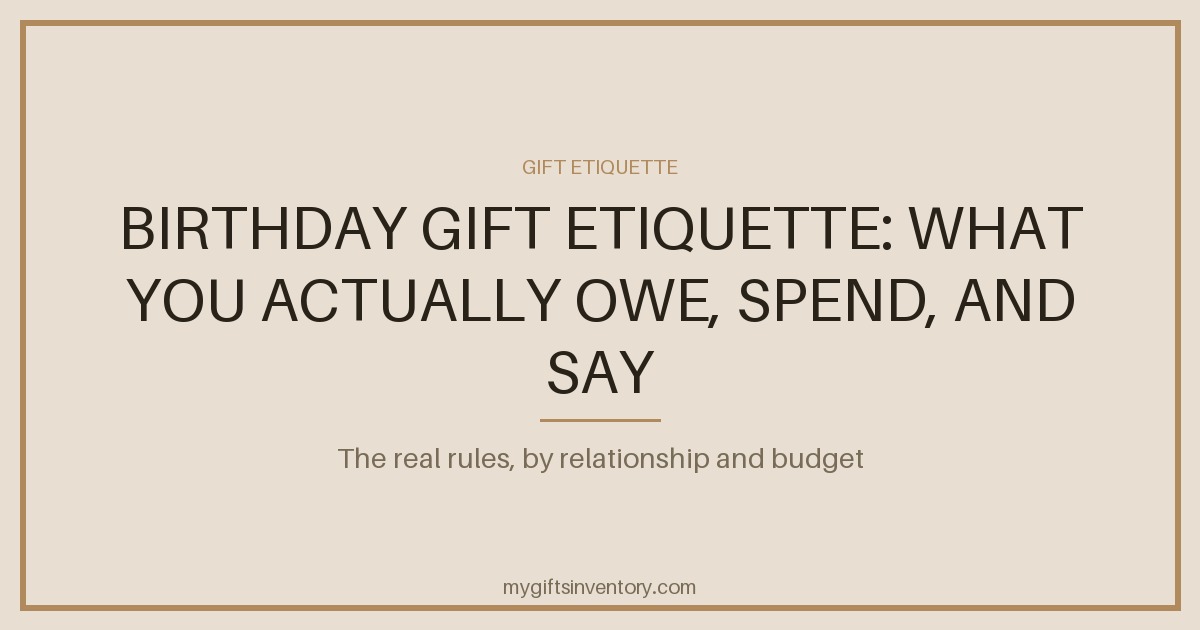
Budget is the question people search for most, and the honest answer is that it scales with closeness, not with how nice you want to seem. Here's how it typically breaks down.
Coworkers and casual acquaintances
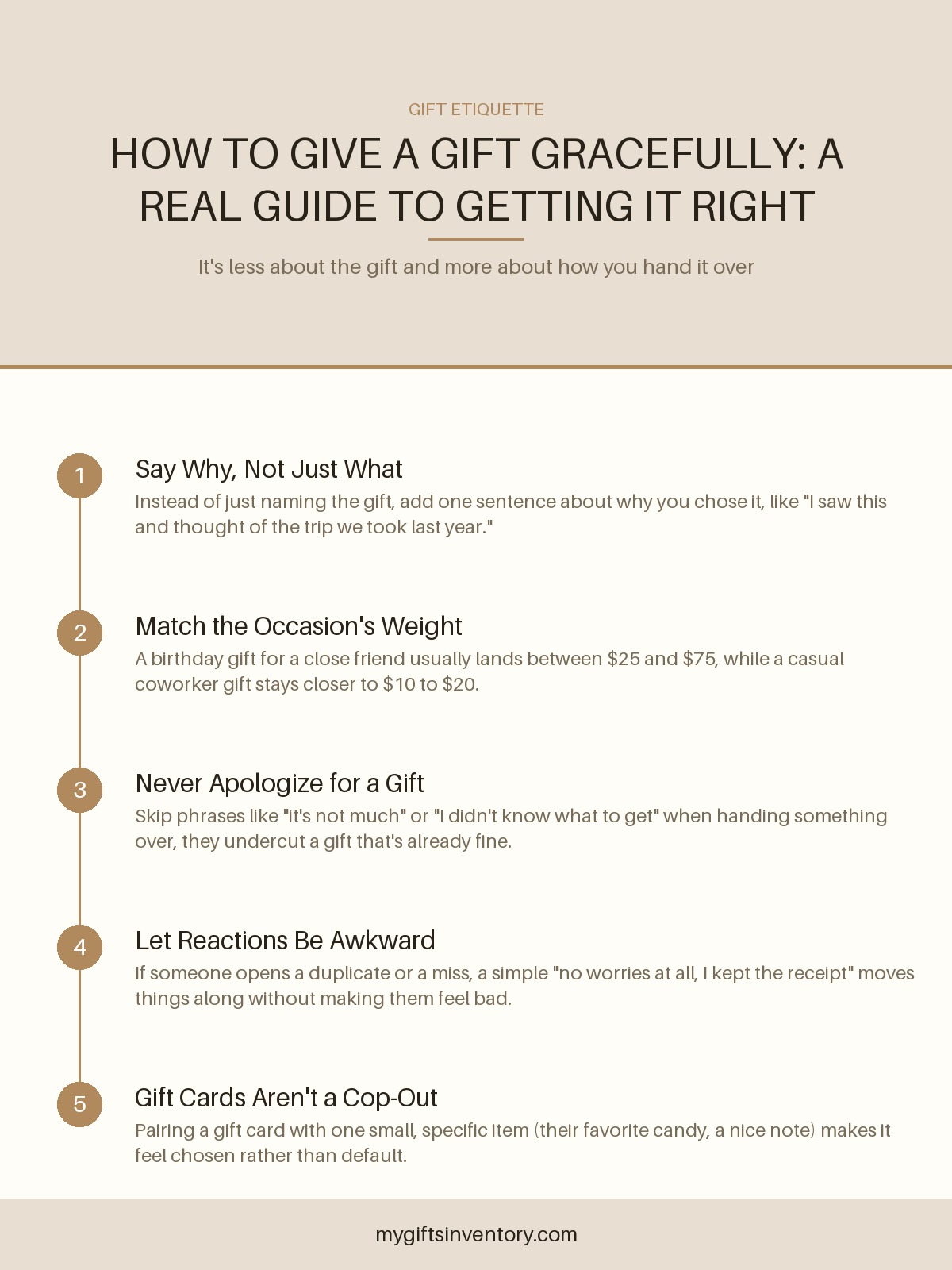
For a coworker, neighbor, or someone in your extended friend group you're not especially close to, $15 to $25 is the standard range. This is also the territory where a group card or pooled office gift makes more sense than everyone buying separately.
Friends
For a regular friend, $25 to $50 is comfortable. For a close friend, someone you'd call first with big news, $50 to $100 is common, especially if you're doing dinner or drinks together as part of the celebration. If you're shopping for a guy friend in this range, a guide like 20 Gift Ideas for Unique Birthday Gifts for Him Under $50 is a solid starting point, and for women in the same budget range, 20 Unique Gift Ideas for Women Under $50 covers similar ground.
Partners and immediate family
For a spouse, partner, parent, or sibling, there's no fixed rule, but $75 to $150 is a common middle ground for adults with steady incomes, and plenty of couples spend more depending on what else is going on that year. What matters more than the number is whether it reflects something specific about the person. A generic gift at $150 lands worse than a thoughtful one at $60.
Kids' birthday parties
For a child's birthday party, $15 to $30 per gift is the norm, and nobody expects more than that, even for a close friend's kid. If you're shopping for a ten-year-old and want something that won't feel babyish or land flat, 21 Gift Ideas for 10 Year Olds Under $30 is built exactly for that budget and age range.
Milestone birthdays
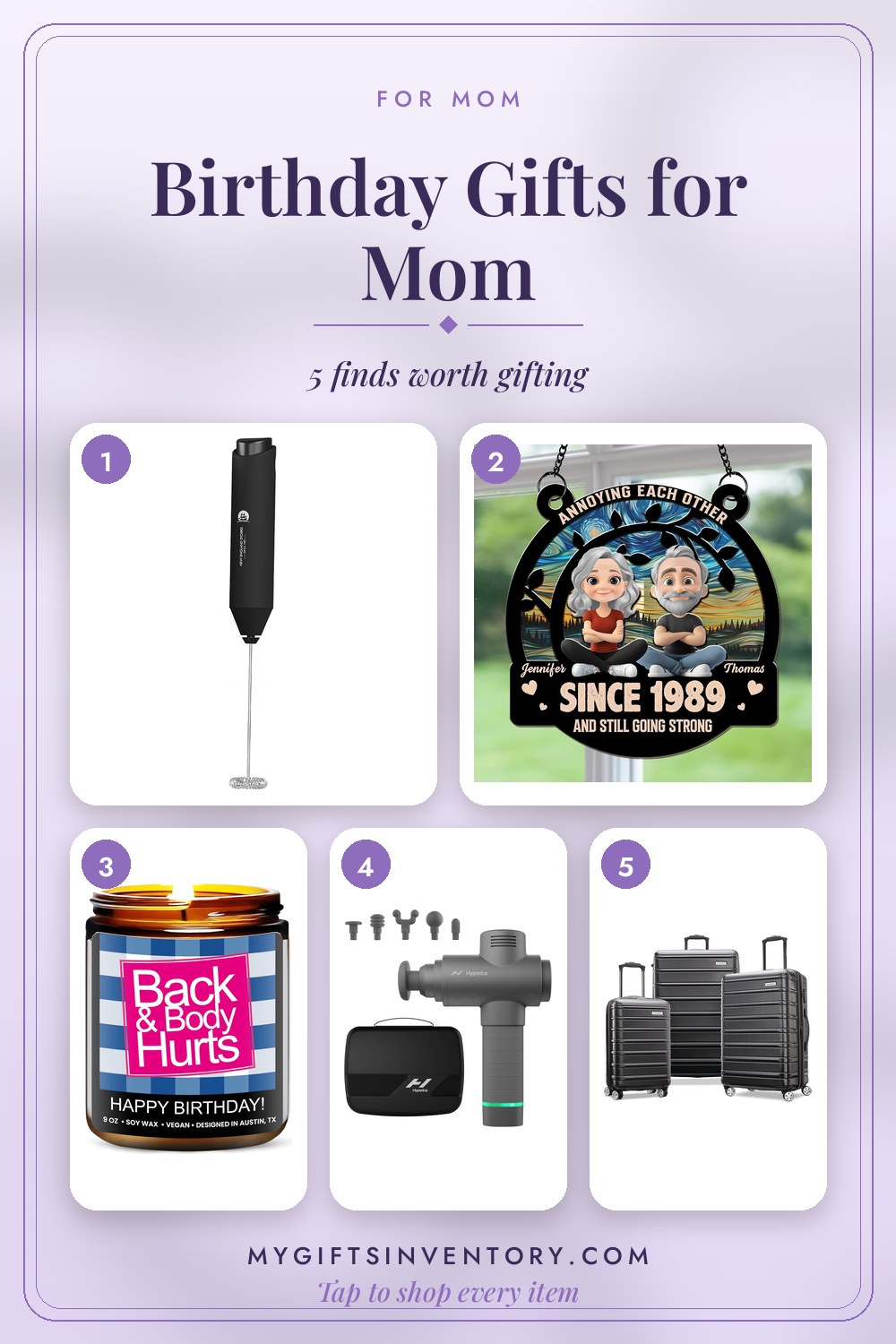
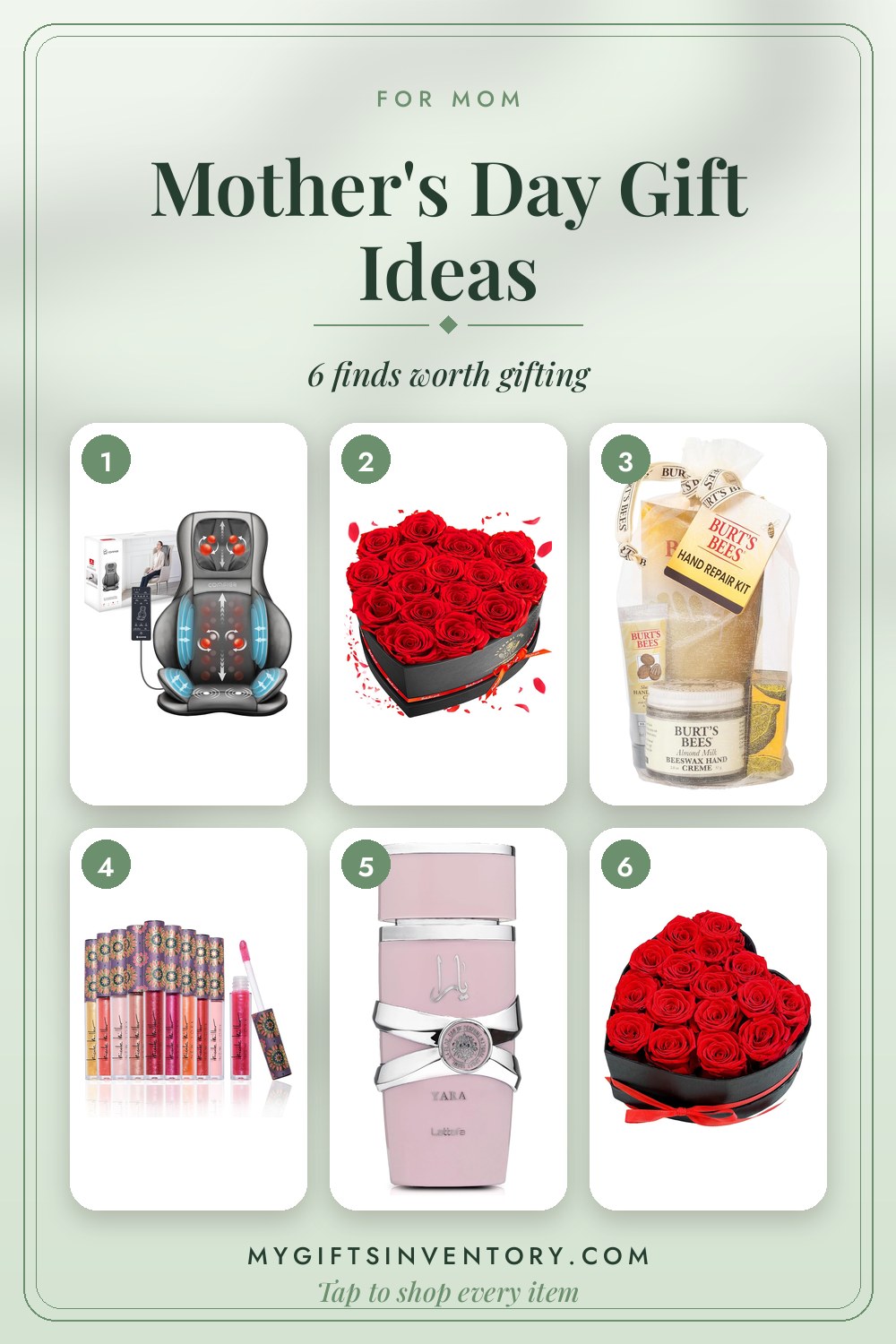
Turning 30, 40, 50, or 60 often comes with an unspoken expectation to go slightly bigger, particularly from close family and a partner. This doesn't mean doubling your usual budget out of obligation. It means putting more thought into something that marks the occasion, whether that's an experience, a piece of jewelry, or something they've mentioned wanting for years but never bought themselves. For moms hitting a milestone who seem to already own everything, 23 Gift Ideas for Mom Who Has Everything is worth a look, since it leans into experiences and consumables rather than more stuff to store.
Is cash or a gift card rude?
No, and this myth needs to die. Cash and gift cards are completely acceptable for teenagers, college students, coworkers, and honestly most adults, especially people who've told you outright they'd rather pick their own thing. The old etiquette rule that cash feels impersonal only really applies to young children, where the experience of unwrapping something matters more than the value inside.
If you do go the gift card route, the etiquette move is choosing a brand that actually fits their life. A gift card to a store they never shop at just becomes a chore for them to deal with. If you're not sure whether a card someone gave you still has a balance on it, or you're double-checking one before you hand it over, pages like the Amazon gift card balance checker or the Visa gift card balance checker make that quick to confirm.
Group gifts: how to split them without drama
When several people are chipping in on one bigger gift, the etiquette is simple but often skipped. Pick one organizer early, set a suggested contribution amount rather than demanding an exact figure, and give people at least a week's notice before the party. The organizer buys the gift, keeps a simple record of who paid what, and signs the card on everyone's behalf. Nobody should feel pressured into a specific dollar amount, and it's fine for the organizer to say "whatever you're comfortable with" rather than pinning people down.
Kids' parties: parent-to-parent etiquette
A few specific rules apply once children are involved. RSVP promptly, ideally within a few days of getting the invite, since the host is usually ordering food and party favors based on headcount. Bring the gift wrapped and ready, drop it on the designated table without a big presentation, and don't expect the birthday child to open every gift in front of every guest, since many parents now save that for after the party to keep things moving. If your child is invited to a classroom party where the whole class brings something small, a modest, uniform gift is more appropriate than an expensive standout, since it can create an odd dynamic among the kids.
Regifting: is it ever okay?
Regifting is fine under specific conditions. The item should be new, unused, and something you genuinely think the new recipient will like rather than just something you want out of your closet. Never regift something the original giver would recognize if they're in the same social circle, and skip anything monogrammed, custom, or clearly personal. When done thoughtfully, regifting an unused item that's genuinely well suited to someone is a lot better than it wasting away in a drawer.
What to actually write in the card
The card matters more than people think, and it doesn't need to be poetic. A short, specific line beats a generic one every time. For a close friend, something like "Thirty-four years of you being exactly this ridiculous and I wouldn't change a thing, happy birthday" lands better than "Have a great day." For a coworker or more distant acquaintance, simple and warm is the right register: "Happy birthday! Hope this year brings good things your way." For a parent or grandparent, naming something specific you appreciate about them tends to mean more than any gift inside the card: "Thank you for always being the person I call first when something good happens. Happy birthday, I love you."
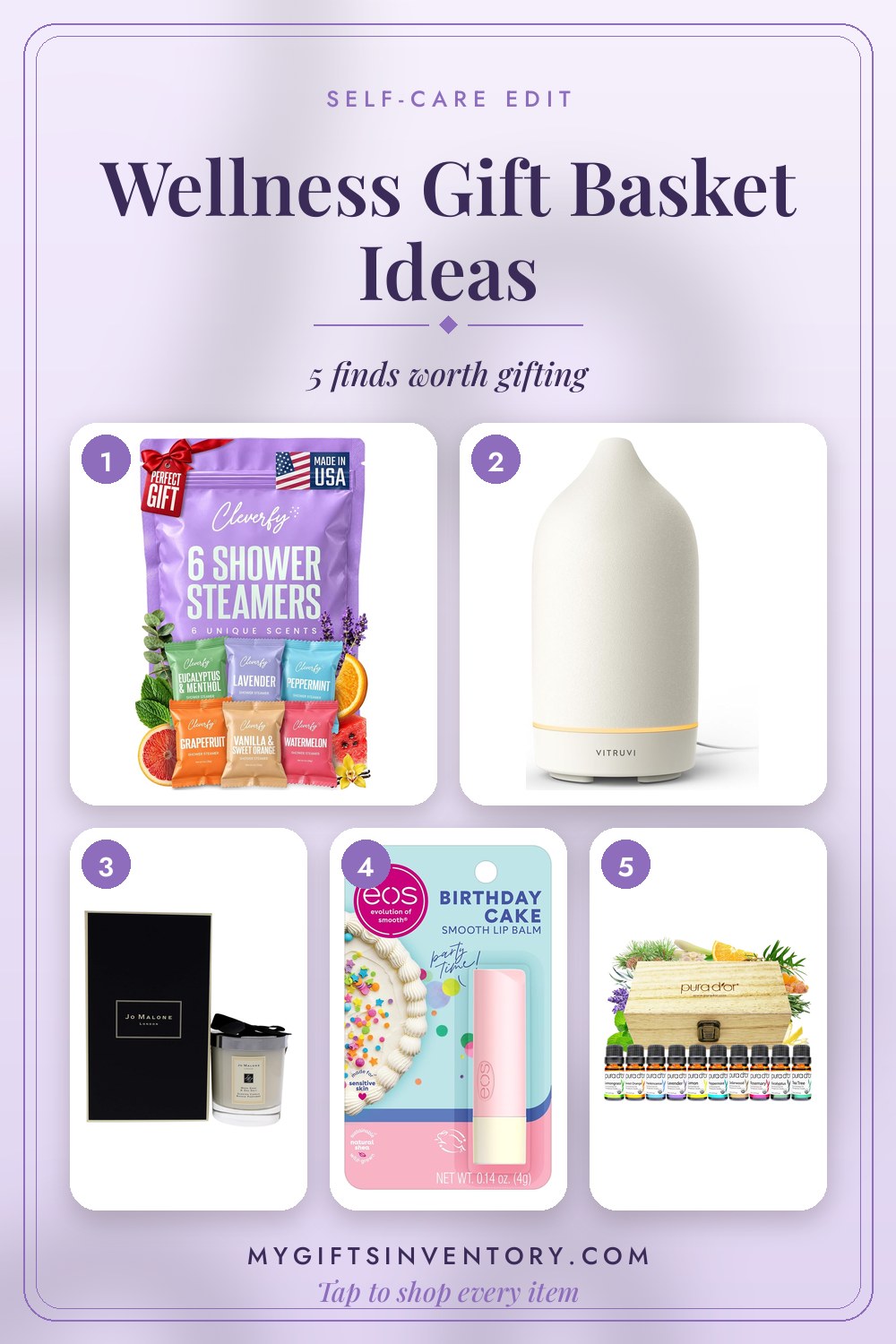
If you're stuck between a card and a small gift and want to combine sentiment with something tangible, pairing a heartfelt note with a personalized item works well. Something like 12 Personalized Jewelry Gifts for Her shows how a name or date engraved into a piece can carry as much emotional weight as the note itself.
Can you ask what someone wants, and is it okay to return a gift?
Asking directly what someone wants isn't rude, it's practical, and most people appreciate not having to pretend to love something that misses the mark. If you're stuck, asking a mutual friend or checking if there's a wish list somewhere is a reasonable middle ground between guessing and asking the person outright.
On the receiving end, it's generally fine to exchange or return a gift as long as you're not doing it in front of the giver or making a show of it. Most people would rather you actually use or enjoy something than keep a gift you'll never touch out of guilt. If a store gift card came with the item, that makes an exchange even easier, since you're not out any money either way.
Timing: when should the gift actually arrive?
The safest window is anywhere from a few days before the birthday to the day itself. If you're mailing something, aim to have it arrive on or slightly before the day rather than after, since a gift that shows up a week late reads as an afterthought even if that's not the intent. For parties happening on a different day than the actual birthday, bring the gift to the party rather than trying to time two separate moments.
Gift Ideas to Go With This


Want more ideas? Browse our full guide: 20 Best Gifts Under $100 (2026): Thoughtful Picks They'll Actually Use
Frequently Asked Questions
How much should you spend on a birthday gift for a coworker?
Somewhere between $15 and $25 is standard for a coworker, especially if the office is also doing a group card or shared gift. If you're particularly close with this coworker outside of work, it's fine to go a bit higher on your own, separate from any office collection.
Is it rude to give a gift card instead of a physical gift?
No, gift cards are widely accepted as a thoughtful option, particularly for teens, coworkers, and anyone whose taste you're not fully sure of. The key is choosing a brand or store that actually fits their life rather than grabbing whatever's near the checkout line.
Do you need to bring a gift to a birthday party if you can't stay long?
Yes, if you're attending at all, even briefly, a gift or card is still expected. The length of your visit doesn't change the expectation, since the gesture is tied to attending, not to how long you stay.
What do you do if you forgot someone's birthday?
Send a message as soon as you remember rather than letting it pass in silence, and keep it simple: acknowledge it was late, wish them well, and skip over-explaining why you missed it. A belated card or a small gift a few days later reads as thoughtful, not as making excuses.
Is it okay to ask someone what they want for their birthday?
Yes, asking directly is practical and usually appreciated, since it removes the guesswork on both sides. If you'd rather keep an element of surprise, asking a close friend or family member of theirs for ideas is a good middle ground.
Looking for an Actual Gift Instead?
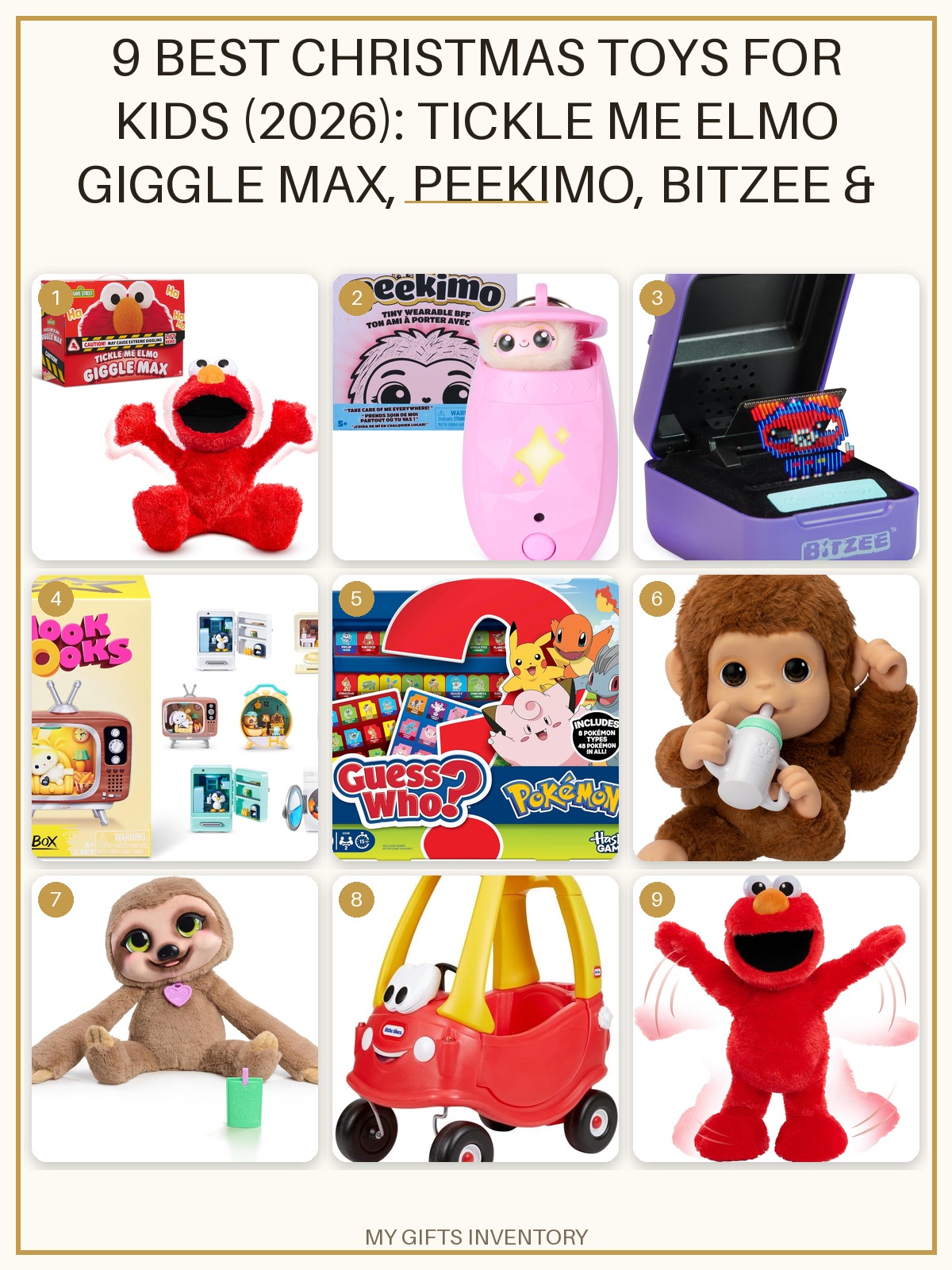
Gift Sets We Love Right Now
Every item picked, priced and linked, ready to buy.

More Gift Advice