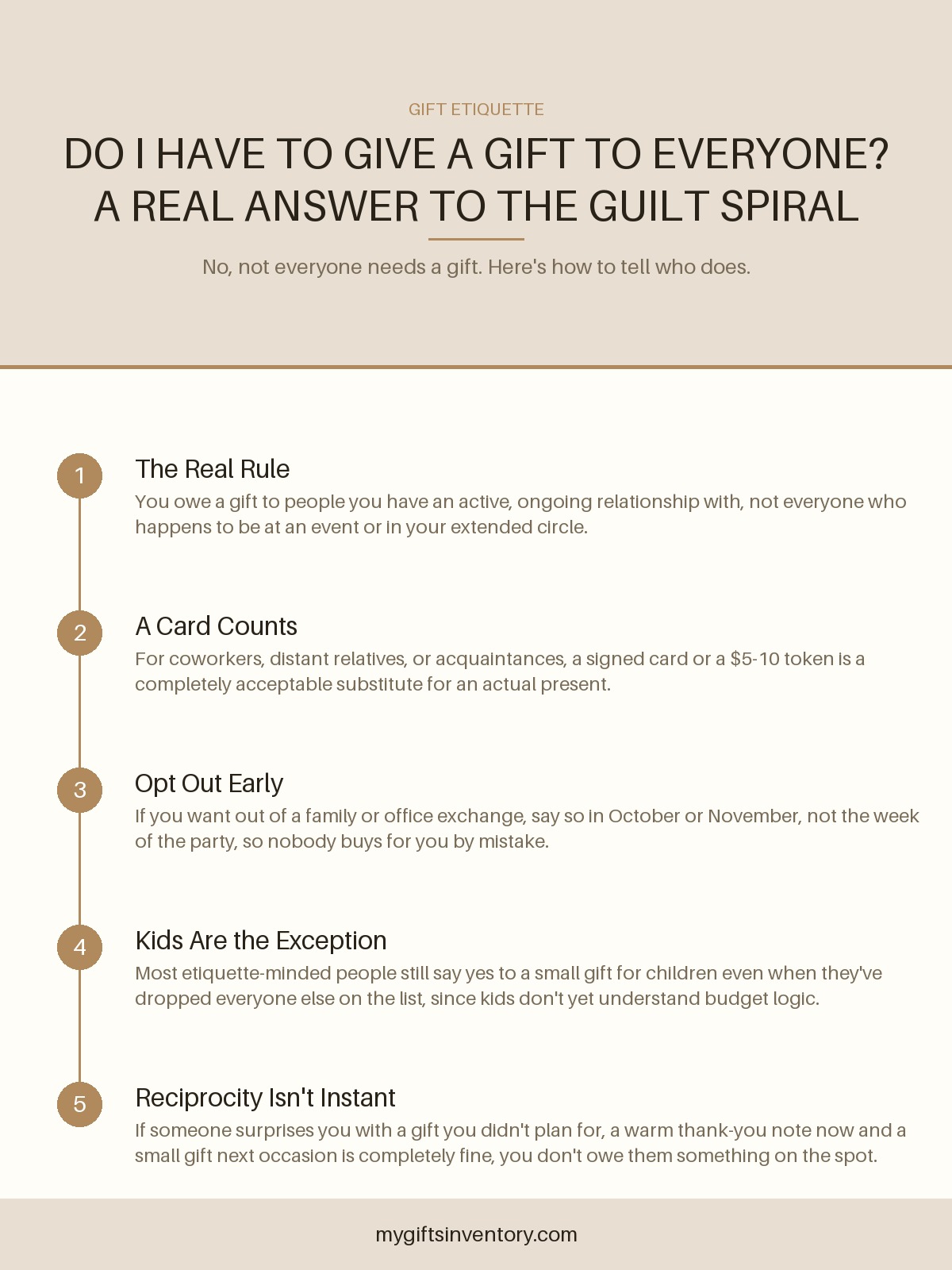
Do I Have to Give a Gift to Everyone? A Real Answer to the Guilt Spiral
No, you don't have to give everyone a gift, and here's how to figure out who actually needs one, who needs a card instead, and how to opt out without the awkwardness.

As an Amazon Associate, My Gifts Inventory earns from qualifying purchases. We only recommend products we'd genuinely consider buying ourselves.
It's the week before a holiday, a wedding, or your office party, and you're staring at a list that keeps growing: your actual family, your partner's family, three coworkers, a neighbor who always gives you something, your kid's four best friends, and a cousin you haven't texted since last year. The dread isn't really about money. It's about not knowing where the obligation actually ends.
So let's answer it directly: no, you do not have to give a gift to everyone. Gift-giving works best as a reflection of real relationships and real budgets, not as a tax you pay to avoid guilt. The harder part is figuring out where your specific line should sit, and that's what the rest of this is for.
The Short Answer: Obligation Follows Relationship, Not Proximity
A useful mental test is this: would this person notice and be genuinely hurt if you gave them nothing, given the history you actually have? If yes, that's usually someone worth a gift. If the honest answer is "they'd barely register it," you're probably dealing with a should, not a must. Being invited to something, being related by marriage, or being in a group text together does not automatically create a gift obligation. Closeness does.
Who You're Actually On the Hook For
Some relationships come with a pretty firm expectation, and skipping them without a heads-up will genuinely land wrong:
- Immediate family - parents, siblings, spouse or partner, and your own kids. This is the core list almost nobody skips entirely.
- Anyone hosting you - if you're a guest at someone's home for a holiday, a hostess gift (wine, flowers, something small for the house) is more etiquette than optional extra.
- Your kids' grandparents - even in blended or complicated family situations, this one tends to matter more than people expect.
- A close, established gift-exchange partner - if you and a sibling or best friend have swapped gifts every year for a decade, silently stopping without a word can read as a bigger statement than you intend.
When you're shopping for parents, in-laws, or a spouse who genuinely has enough stuff already, the trick is picking something that solves an actual want rather than adding clutter. Our guide to gift ideas for a mom who has everything is built exactly for this problem, and the same logic applies to any close relative you're struggling to shop for.
The Gray Zone: Where Most of the Anxiety Actually Lives
Coworkers
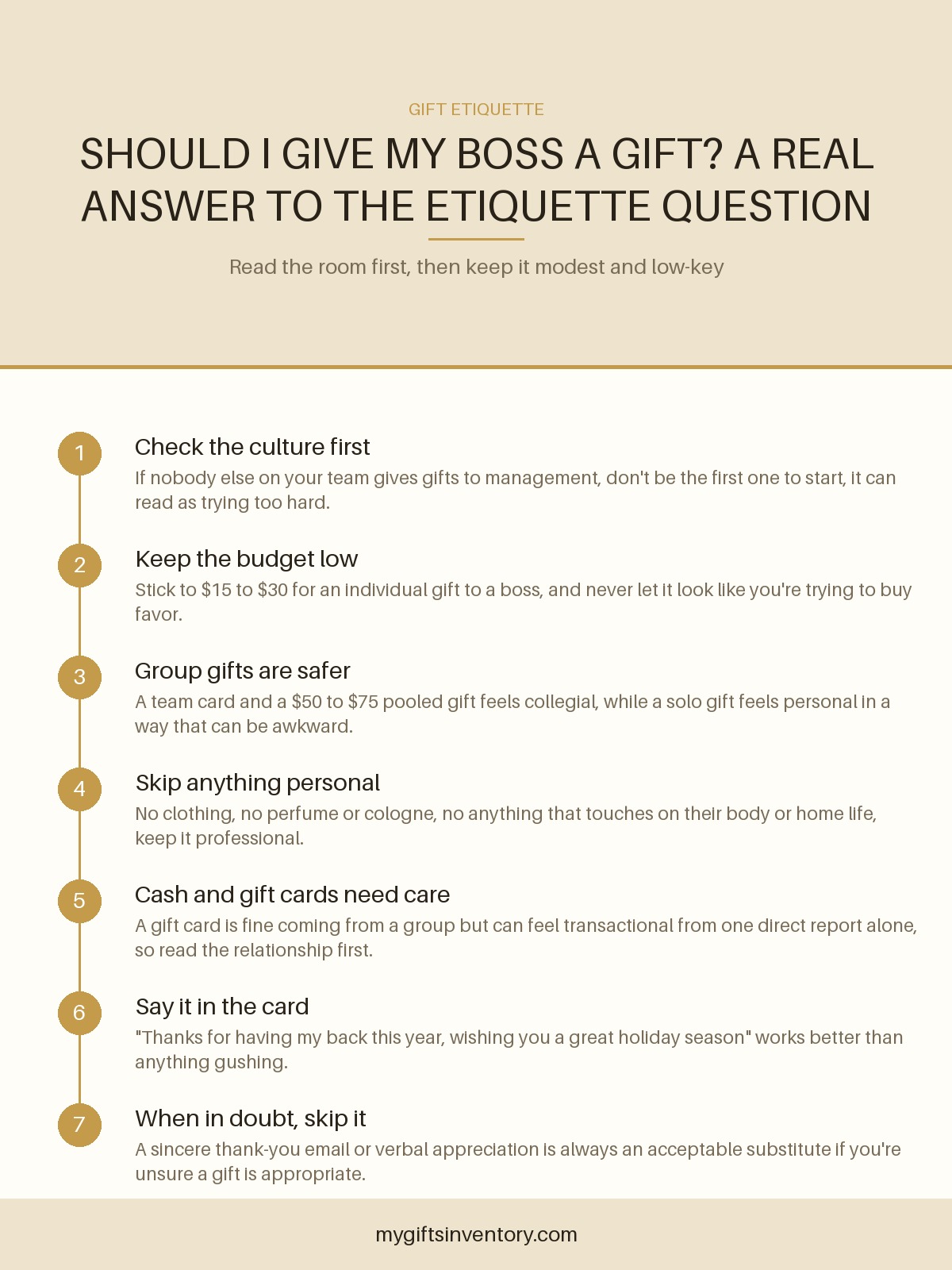
You don't need to give a gift to every person in your office. A card, a plate of cookies for the shared kitchen, or nothing at all is fine for most colleagues. The exception is a boss who's genuinely mentored you, a work friend who's become an actual friend outside the office, or an assistant/support person you rely on daily, where a modest $10-20 gift is a nice gesture rather than an obligation. If your office does a Secret Santa or gift exchange with an assigned budget, that's a separate commitment you agreed to when you opted in, and a small useful item like something from our tech gifts under $50 roundup covers that price point without overthinking it.
Extended Family
Aunts, uncles, cousins, and second cousins fall into "depends entirely on your family's culture." Some families do a full gift-for-everyone Christmas morning, others do a grab bag or Secret Santa specifically so nobody has to buy for fifteen people, and some just do cards. If your extended family has an unspoken norm, follow it or address it directly rather than guessing. It's completely reasonable to be the one who suggests a $20 grab bag limit instead of everyone buying for everyone.
Friends' Kids and Your Kids' Friends
You don't have to gift every child at a birthday party you didn't host, though most parents bring something small when their own kid is attending. For friends' children more broadly, a modest gift ($10-20) at a milestone birthday is generous but not required annually for every kid of every friend you have.
New Relationships
If you've been dating someone for six weeks and their birthday lands during that window, you're not obligated to go big. A thoughtful, modestly priced gift signals you're paying attention without implying more commitment than actually exists yet. Our birthday gifts for girlfriend under $50 guide is a good place to start if you're in that early, feeling-it-out stage.
Acquaintances, Neighbors, and "Weak Ties"
The mail carrier, the neighbor you wave to, the hairdresser you see quarterly, the teacher your kid has for one semester. None of these require a gift by any rule of etiquette, though small seasonal tokens (a $10-15 gift card, homemade treats) are a nice, low-pressure way to acknowledge people who make your life easier without turning it into a real financial commitment.
When a Card or Small Gesture Is the Right Substitute
A signed, specific card carries more weight than people give it credit for, especially for relationships that sit in the middle distance: a coworker you like fine but don't socialize with, a distant relative you see once a year, a friend's parent who's always been kind to you. The key is making the card feel personal rather than generic. "Thinking of you and hoping this year brings good things" reads very differently from a blank signature.
Gift cards work the same way for this tier of relationship, and they solve the sizing-and-taste problem entirely. If you're going this route, a card for somewhere universally useful, like a gift card people can check and use easily, removes the guesswork without requiring you to know their exact preferences.
How to Opt Out Without It Being Awkward
If you want to stop giving to a group you've historically bought for, timing and directness matter more than the reason itself.
- Say it early. Bring it up in October or November for holiday exchanges, not the week of the event, so nobody's caught buying for you when you've quietly opted out.
- Frame it around structure, not sentiment. "I'd love to just do a card exchange this year instead of gifts" lands better than explaining you're broke or busy, even if that's the real reason.
- Offer an alternative. Suggesting a grab bag, a spending cap, or a group experience instead of individual gifts gives people something to say yes to rather than just a no.
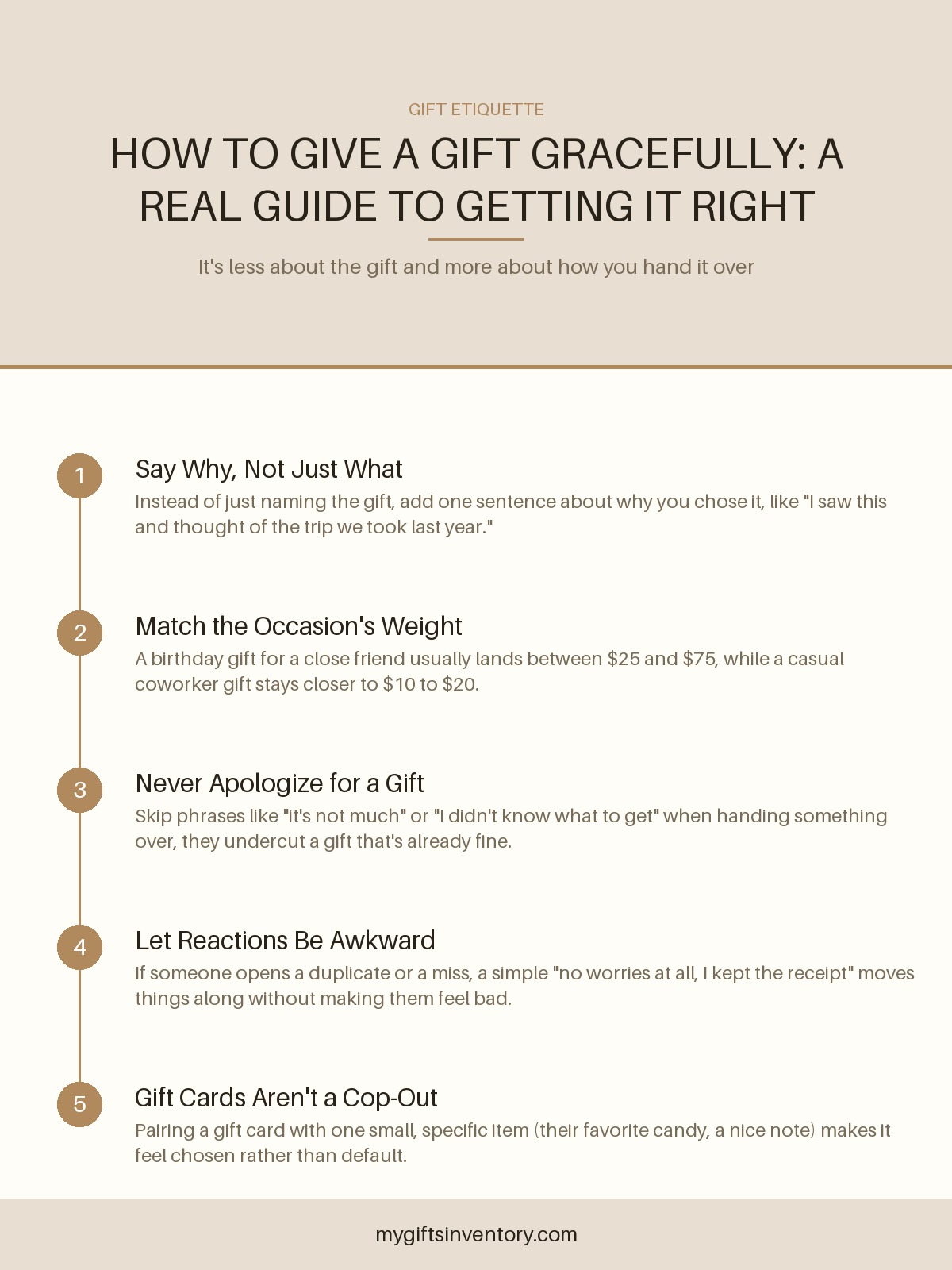
- Expect one awkward beat. Someone will probably still hand you something after you've opted out. Accept it graciously and don't feel obligated to scramble for a reciprocal gift on the spot.
Setting a Budget Before You Decide Who's On the List
A lot of the "do I have to" anxiety actually resolves itself once you set a total number first and work backward. If your holiday gift budget is $300 total, that might mean $75 each for two immediate family members, $20 each for four coworkers, and cards for everyone else. Deciding the ceiling before the list forces the prioritization question for you instead of leaving it to guilt in the moment. For lower-budget categories that still feel thoughtful, something like our coffee lover gifts under $50 collection is a solid way to cover several names on a modest total spend.
The Kids Exception
Even people who trim their adult gift list aggressively tend to keep children on it. Kids don't yet track budgets or reciprocity, and a gift means something different to a seven-year-old than it does to an adult who understands you're stretched thin this year. If you're cutting back broadly, it's worth protecting a small line item for nieces, nephews, or close friends' kids even while you scale back everywhere else.
What Happens If Someone Gifts You and You Didn't Plan to Reciprocate
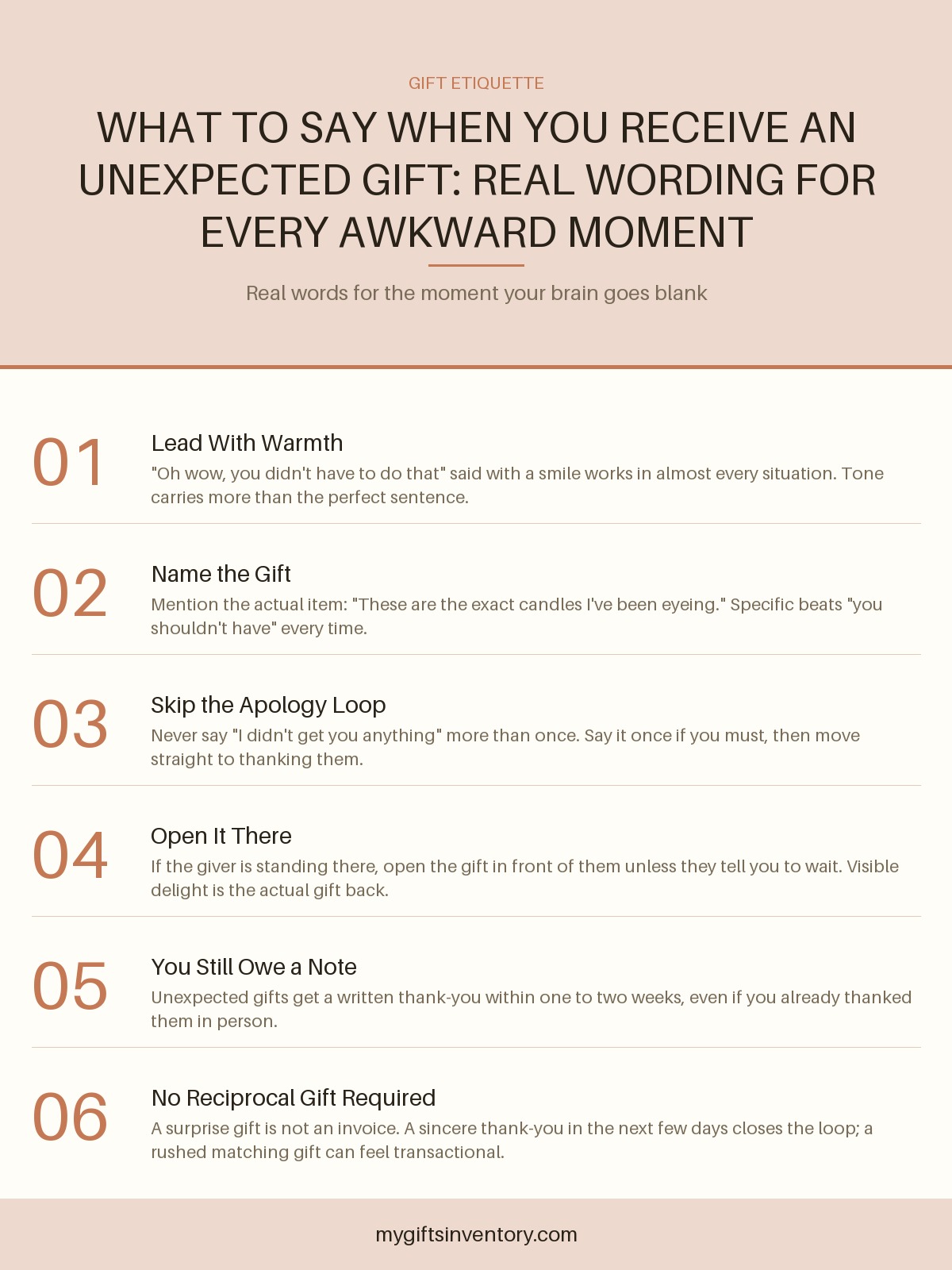
This happens to almost everyone at some point: someone hands you a gift you weren't expecting, and you have nothing for them. You don't owe an on-the-spot scramble. A genuine, specific thank-you (in person and later in a text or note) covers the moment, and if you want to reciprocate, doing it at the next natural occasion is completely normal. Nobody keeps a ledger this precisely except in your own head.
Gift Ideas to Go With This


Want more ideas? Browse our full guide: 20 Best Gifts Under $100 (2026): Thoughtful Picks They'll Actually Use
Frequently Asked Questions
Is it rude to not give a gift to a coworker?
No, it's not rude to skip individual coworkers unless you've committed to a specific office exchange with an assigned name. A general card or holiday greeting to the team covers most workplace relationships without requiring individual gifts for everyone in the office.
Do I have to give a gift if someone gives me one and I didn't expect it?
No, you don't need to reciprocate immediately or match the value of what you received. A sincere thank-you now, followed by a thoughtful gift at the next natural occasion if you want to, is completely appropriate.
How do I tell my family I want to stop doing gifts for everyone?
Bring it up well before the holiday season starts, ideally in early fall, and suggest a specific alternative like a grab bag, a spending cap, or gifts for kids only. Framing it as a structure change rather than an explanation of your finances tends to go over more smoothly.
Is a gift card an acceptable substitute for a real gift?
Yes, a gift card is a completely acceptable and increasingly common gift, especially for coworkers, distant relatives, or anyone whose taste you're unsure of. It removes the guesswork of sizing, style, or preference entirely.
Do kids need to give gifts to everyone in their friend group?
No, children (and their parents on their behalf) aren't obligated to gift every classmate or friend, typically just close friends or kids they're specifically celebrating with. Class-wide occasions like Valentine's Day cards are more of a social norm than gifts, and small non-gift tokens usually cover it.
Looking for an Actual Gift Instead?

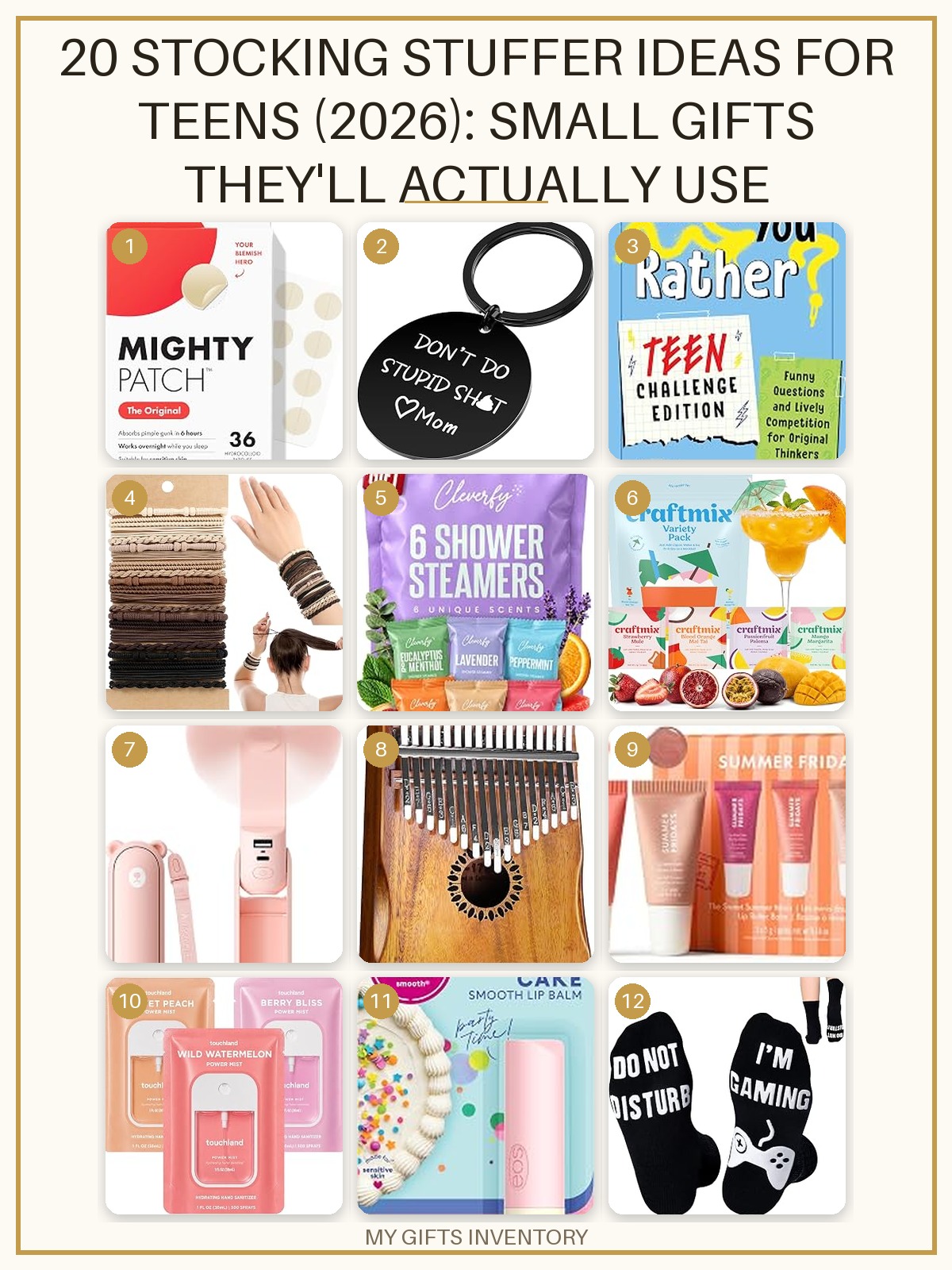
Gift Sets We Love Right Now
Every item picked, priced and linked, ready to buy.
More Gift Advice