Gift Budget Calculator: How to Set a Birthday Gift Budget in 60 Seconds
A fast, repeatable way to land on a birthday gift number you can actually afford, with real dollar ranges by relationship and a 60-second formula you can run in your head.
As an Amazon Associate, My Gifts Inventory earns from qualifying purchases. We only recommend products we'd genuinely consider buying ourselves.
You have a birthday party in four days, a cart full of maybe, and no idea what number is reasonable to spend. That's the exact moment most people overpay, because without a ceiling in mind the price tag of whatever looks nice becomes the budget. Here's a version you can run in your head in under a minute, plus the real dollar ranges we'd actually use.
The 60-Second Budget Calculator
Forget spreadsheet formulas. The fastest honest answer comes from three questions you can answer without looking anything up.
Step 1: What's my monthly fun money? Not your total disposable income, the amount you'd spend on restaurants, hobbies, and random things without feeling it. Say it's $200.
Step 2: How many birthdays land in a typical month? Most people have one or two. If you're buying for two this month, that fun money is effectively your birthday pool for those two people.
Step 3: Divide. $200 across two birthdays means roughly $100 each, but you probably still want to eat out and buy coffee. Halve it. Now you're at $50 per gift, which is a real, defensible number.
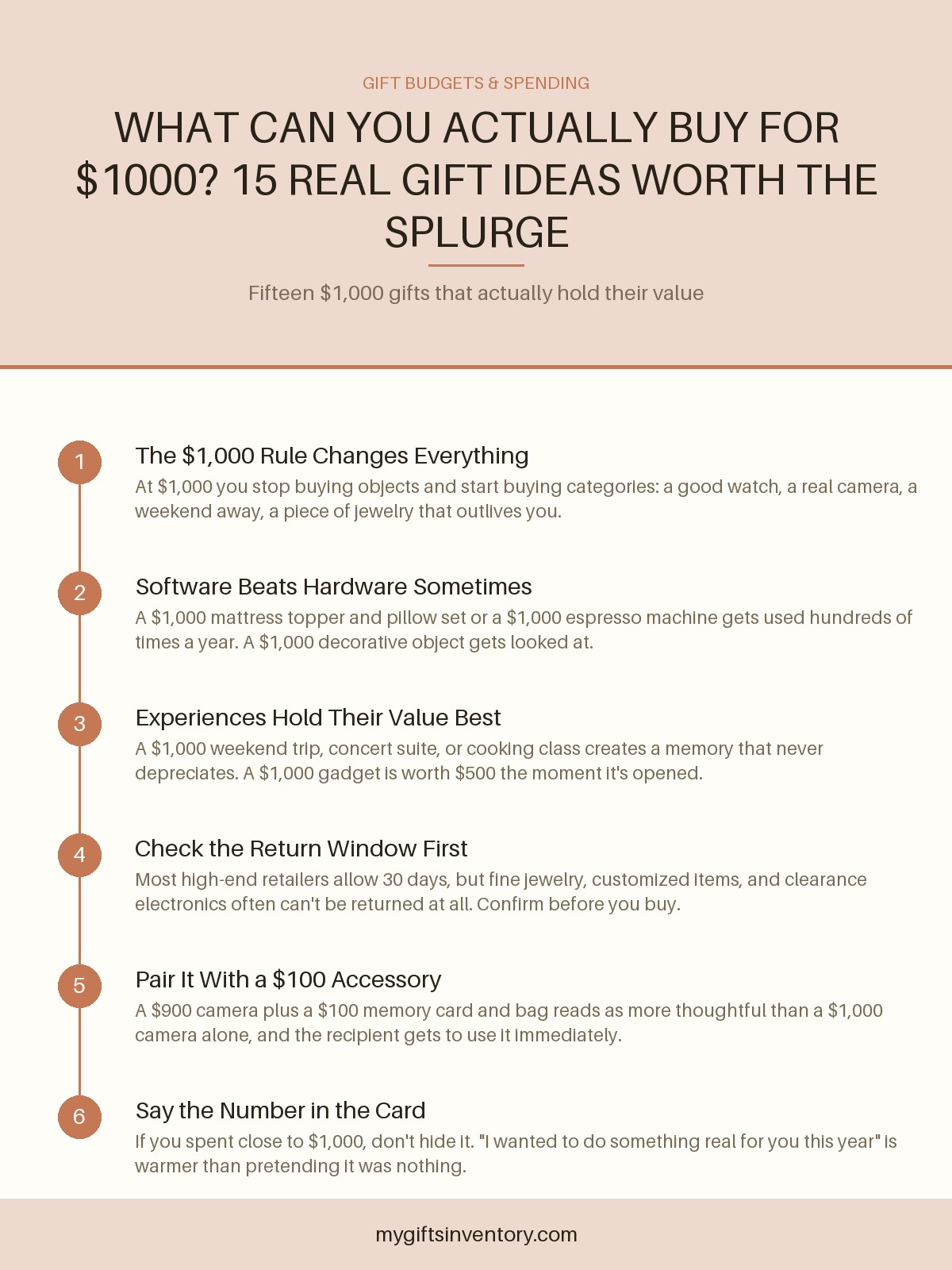
The one-line version: your single-gift cap is about a quarter of your monthly fun money. $200 fun money, $50 gift. $400 fun money, $100 gift. It's not a rule anyone handed down, but it keeps birthdays from quietly eating the whole month.
If you want the deeper version of this math, including how to handle it when three birthdays fall in the same week, our guide to how much to spend on a birthday gift walks through the whole framework.
Real Birthday Gift Ranges by Relationship
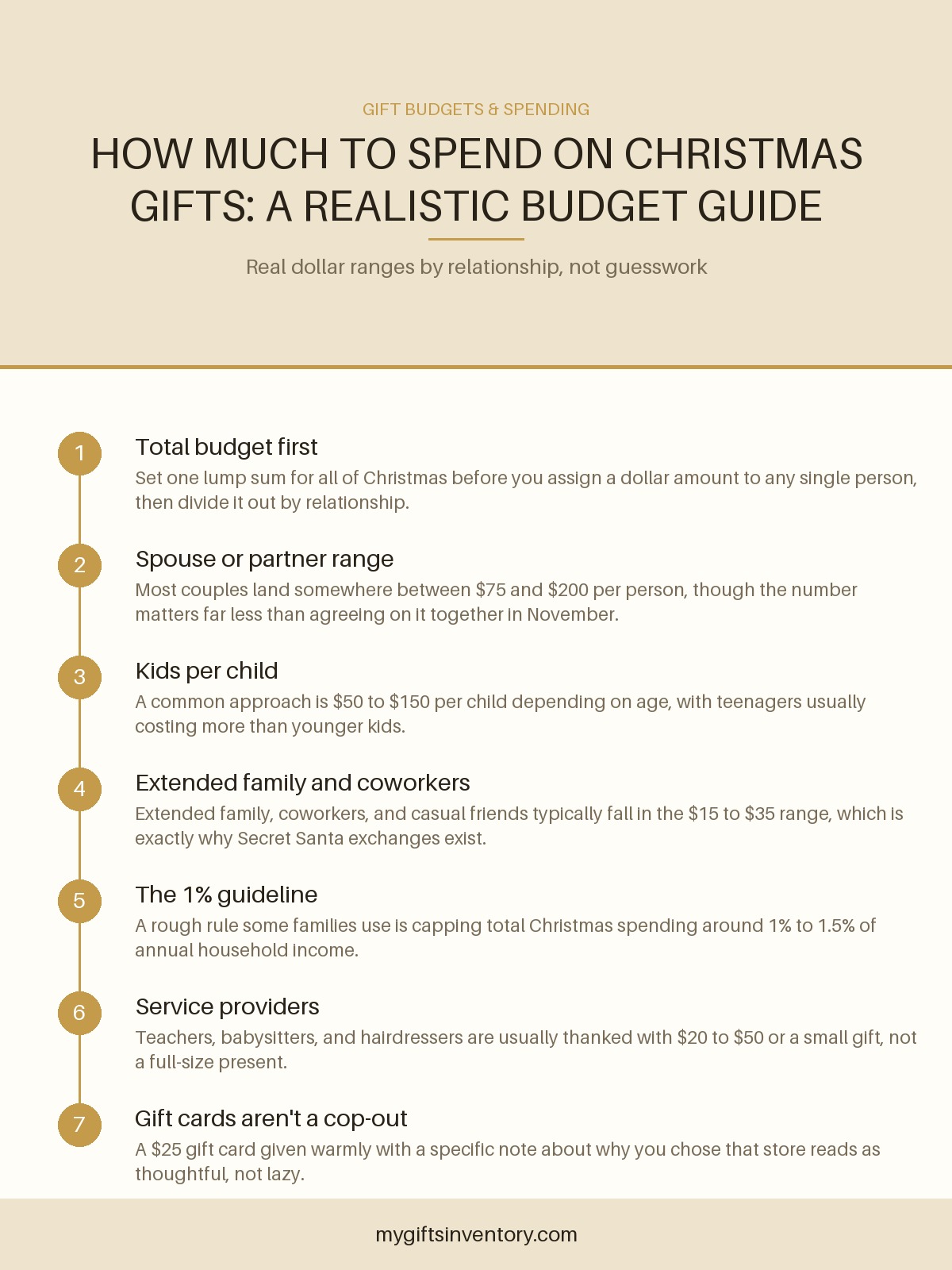
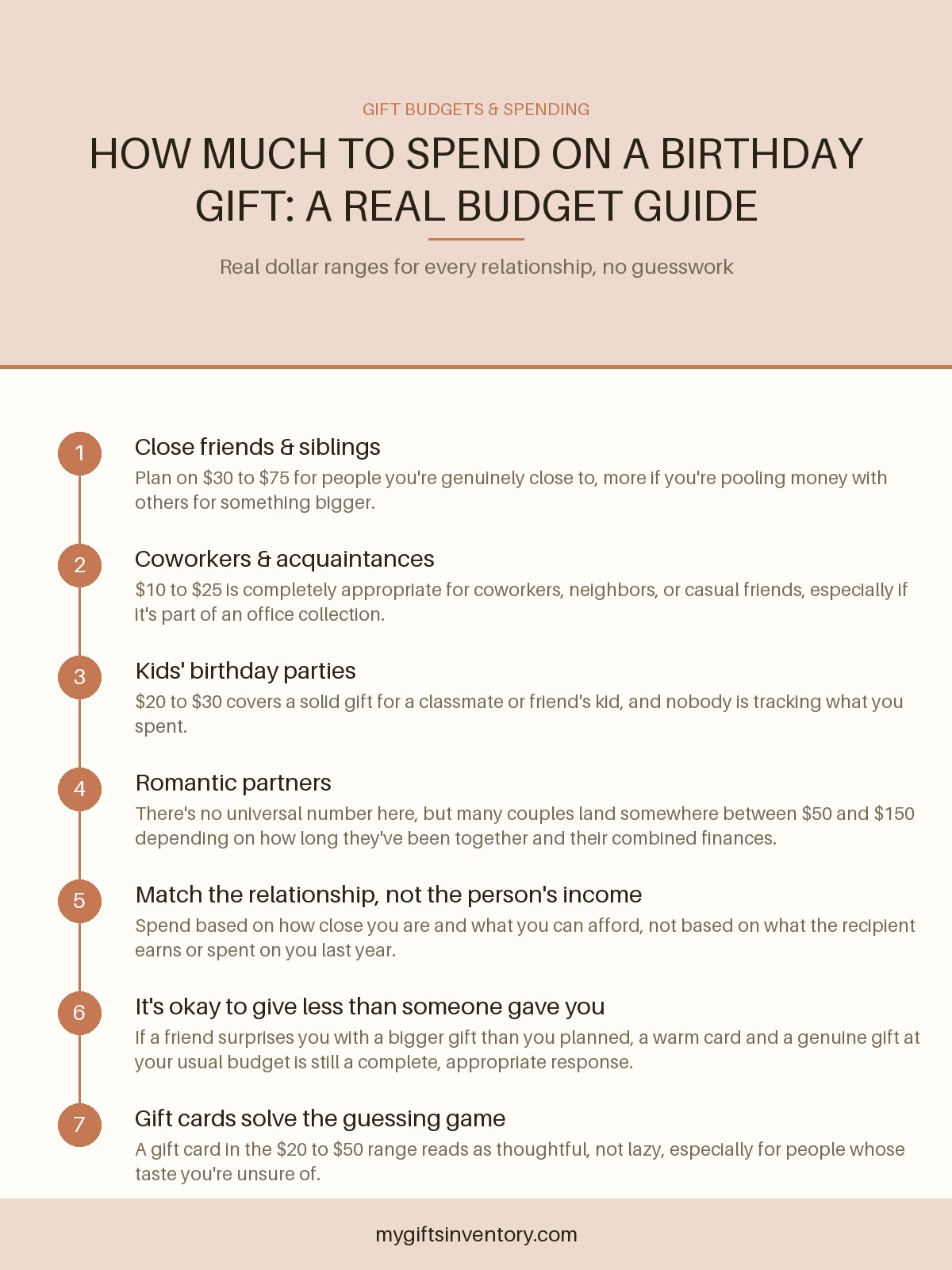
The formula gives you a ceiling. Relationship gives you the floor. Here's roughly where most people land, based on what we've seen actually get spent rather than what etiquette books claim.
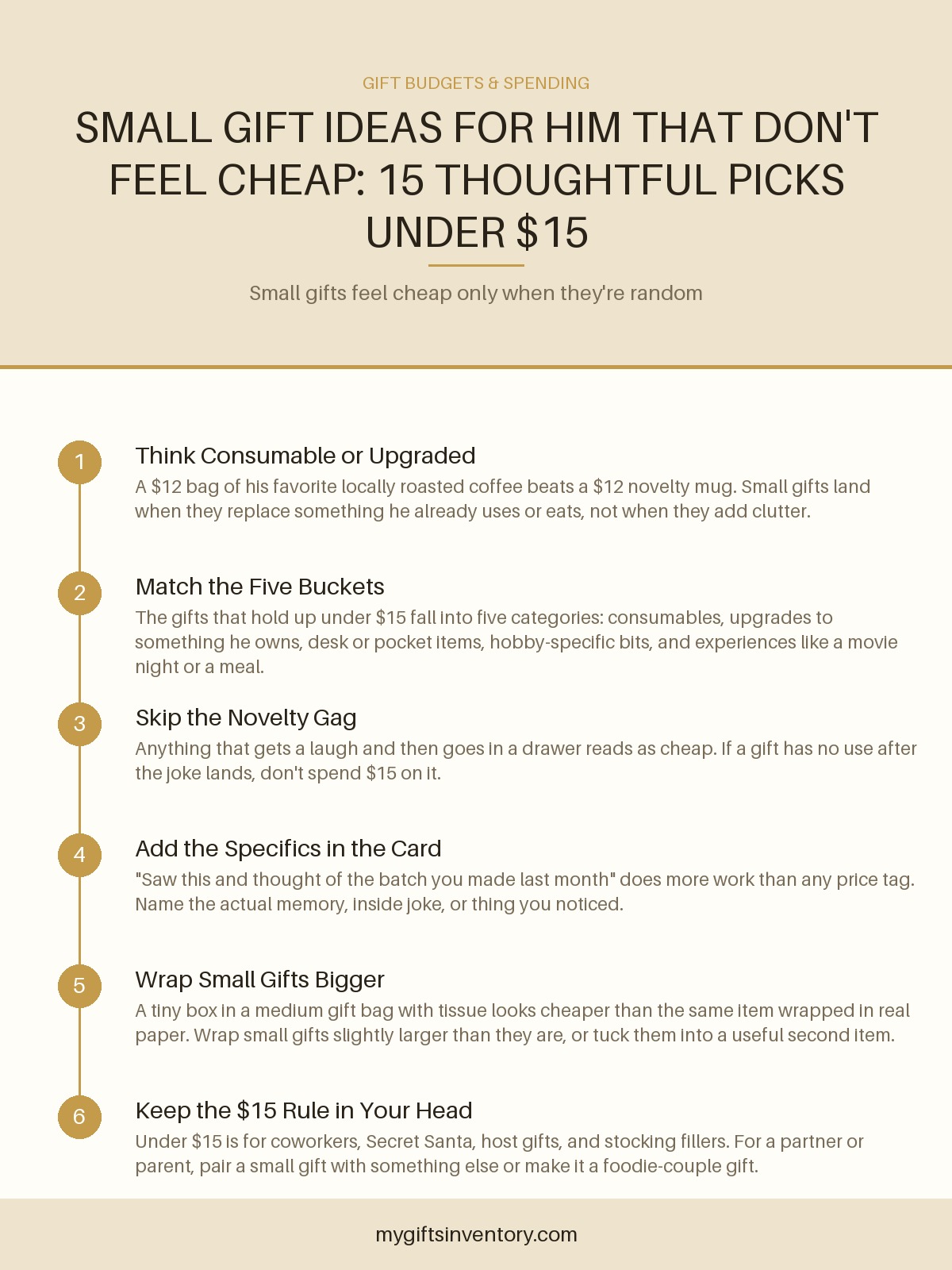
Casual friend, coworker, or acquaintance: $15 to $30
This is the tier where a $25 gift card plus a card is genuinely a complete gift, not a cop-out. Someone you chat with at the water cooler does not expect you to spend $60, and spending it can actually create an awkward obligation. If you'd rather give an object than a card, a quality insulated tumbler or a small candle set lands comfortably in range. We've rounded up plenty of options in our guide to the best insulated tumblers and bottles to gift, most of which sit right in this tier.
Good friend: $30 to $75
The friend you text weekly. This is the sweet spot where you can buy something genuinely nice, and it's also the tier where people overspend most often because they want the gift to feel meaningful. It doesn't need to cost more to feel meaningful. Cozy slippers, a weighted blanket, or a nice skincare set all fit here, and our weighted blanket gift picks are a good example of a $40 to $70 gift that reads as thoughtful rather than expensive.
Close family (parents, siblings, partner): $50 to $150
Here's where the range widens, and where the scoreboard thinking creeps in. Two things worth remembering: pooling with siblings almost always beats stretching your own budget, and an experience or a shared dinner often beats a bigger object. A $100 dinner you both enjoy is not a lesser gift than a $100 gadget.
Kids and teens: $20 to $50
Kids don't calibrate on price the way adults do. A $25 toy that matches their current obsession outperforms a $75 gift that doesn't, every single time. Our roundup of Christmas gifts for kids in the $20 to $40 range applies just as well to birthdays, and it's a good sanity check on what that money actually buys.
What If You're Buying for Ten People This Year?
This is where most birthday budgets actually break, and it has nothing to do with any single gift. You can spend a reasonable $40 on every single person and still end up $600 down if you're buying for fifteen people.
Do the multiplication once, in January. Ten birthdays at an average of $40 is $400. That's your real birthday number for the year, not $40. Once you see the total, two things usually happen: you drop a couple of people off the list (which is fine, and honestly a relief to them too), or you lower the average for the outer circle and protect it for the inner one.
A practical structure that works: three tiers. Inner circle gets the full amount, mid-tier gets half, outer circle gets a card and a $20 gift card or nothing at all. Nobody is keeping score of your spending except you.
Group Gifts and Pooling: The Cheapest Good Option
If four people each chip in $25, you have $100 for one genuinely nice gift, or a group dinner, or a weekend cabin. Pooling is the single most effective budget tool available and it's wildly underused, mostly because someone has to actually organize it.
Rules that keep it painless: set the per-person amount before you ask anyone (never ask "what do you want to contribute," always say "we're doing $25 each"), collect before you buy, and put one person in charge of the card. If you're the organizer, don't quietly cover the shortfall yourself. Ask the person who hasn't paid, once, and then let it go.
The Gift Card Escape Hatch
When the budget is tight or the person is genuinely hard to shop for, a gift card is a legitimate answer, not a failure. The trick is matching the amount to the tier so it doesn't read as thoughtless. A $25 card to a coffee chain for a coworker is perfect. A $10 card for your best friend is not.
One practical thing people forget: if the recipient isn't sure what's on the card, they'll stick it in a drawer and forget about it. A quick note on the card itself, or a text later, saves it from becoming clutter. Many of the bigger brands make this easy to sort out, including checking a Trader Joe's gift card balance if that's what you went with, or any of the restaurant and retail brands people actually use.
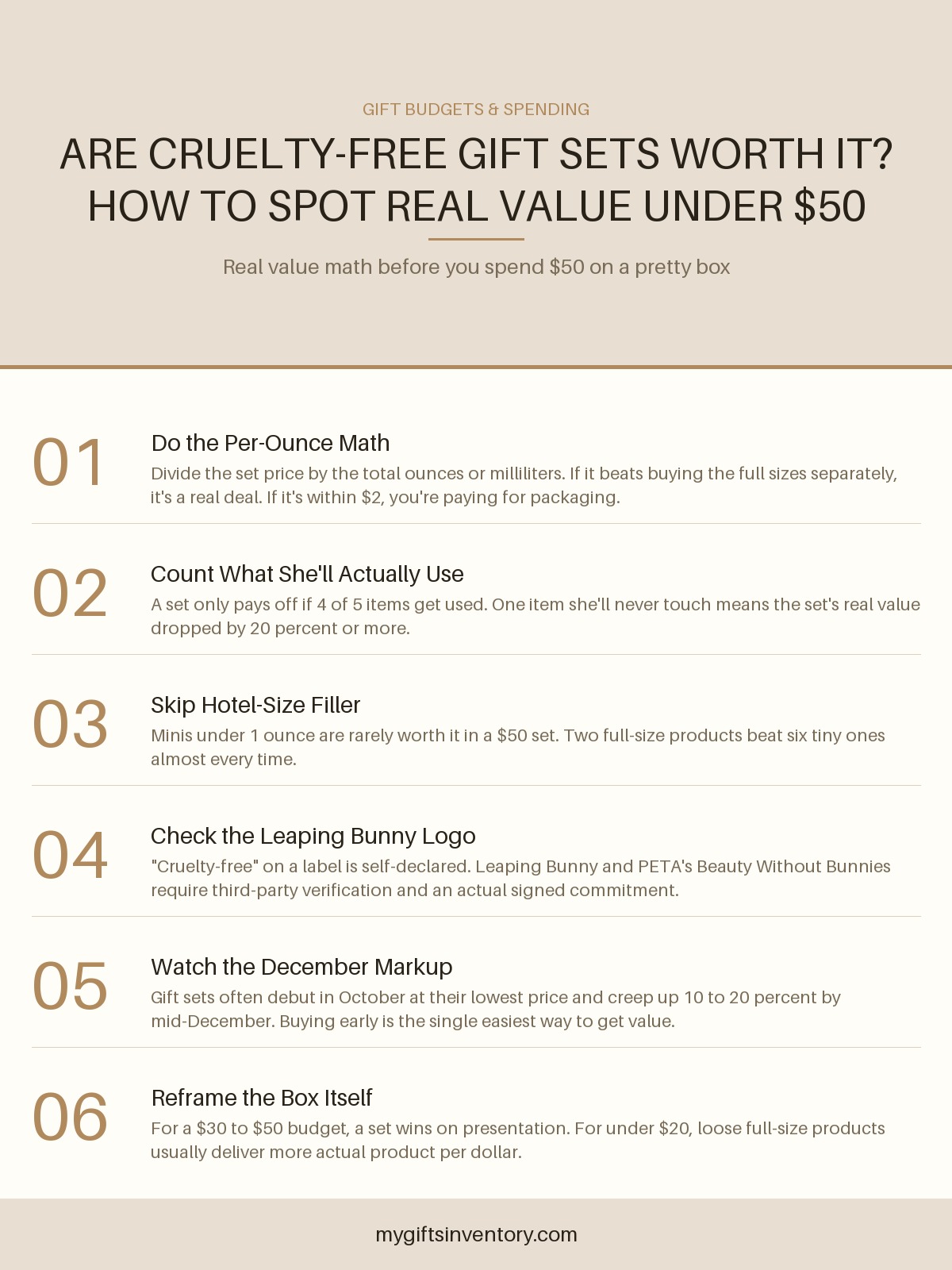
Buying gift cards on sale is another quiet budget win. Warehouse clubs and grocery stores regularly discount cards for restaurants, streaming services, and retailers, which effectively stretches your $50 birthday budget to $55 or $60 of value. We keep running lists of what's available at the major chains, like our breakdown of gift cards at Costco, which is often the best single source for discounted multi-brand packs.
When the Budget Is Genuinely Tight
If this is a lean month, the honest move is to lower the number and say nothing about it. Nobody needs to hear "sorry, money's tight right now" attached to a birthday gift. They need a card with a real sentence in it and something small.
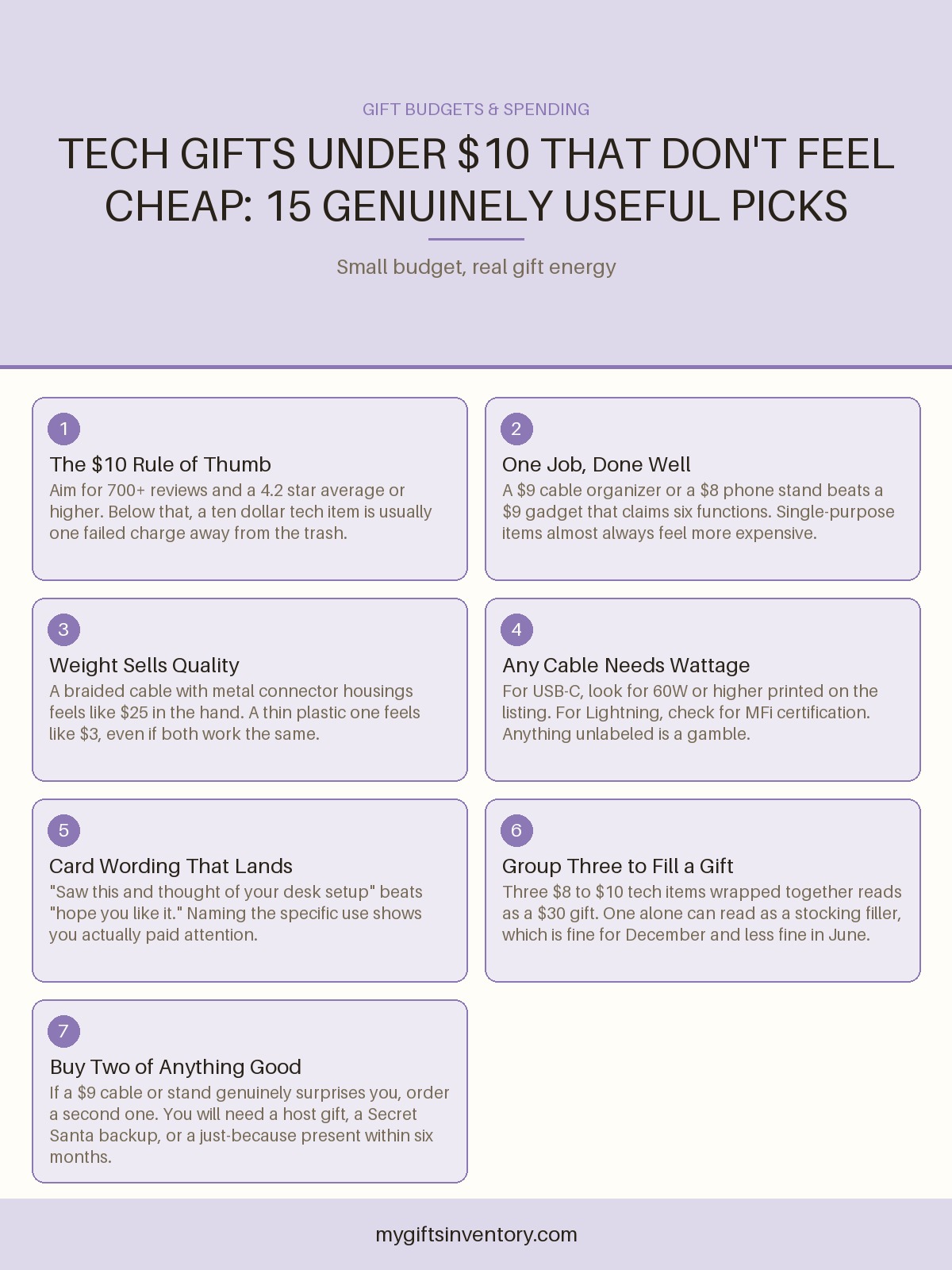
Three things that work at $10 to $20: a homemade baked item in a nice tin, a framed printed photo of the two of you, or a small plant. All three read as more personal than a $40 Amazon item bought on autopilot. The other thing worth doing is planning ahead one month. If you know three friends have birthdays in June, set aside $30 a month in March and April and the squeeze disappears.
Two Habits That Make This Automatic
Write the number down. Not in your head, in your phone notes. "Maya, March 14, $40." The decision happens once, in a calm moment, instead of in the checkout line when you're already emotionally invested in the nice version of the gift.
Keep a small running list of gift ideas. Half the overspend in birthday gifting comes from not knowing what to buy, so you default to the most expensive plausible option. When you see something in July that a friend would love, note it. By the time their birthday comes, you're shopping for a decision you already made, which is a lot cheaper than shopping under pressure.
Gift Ideas to Go With This


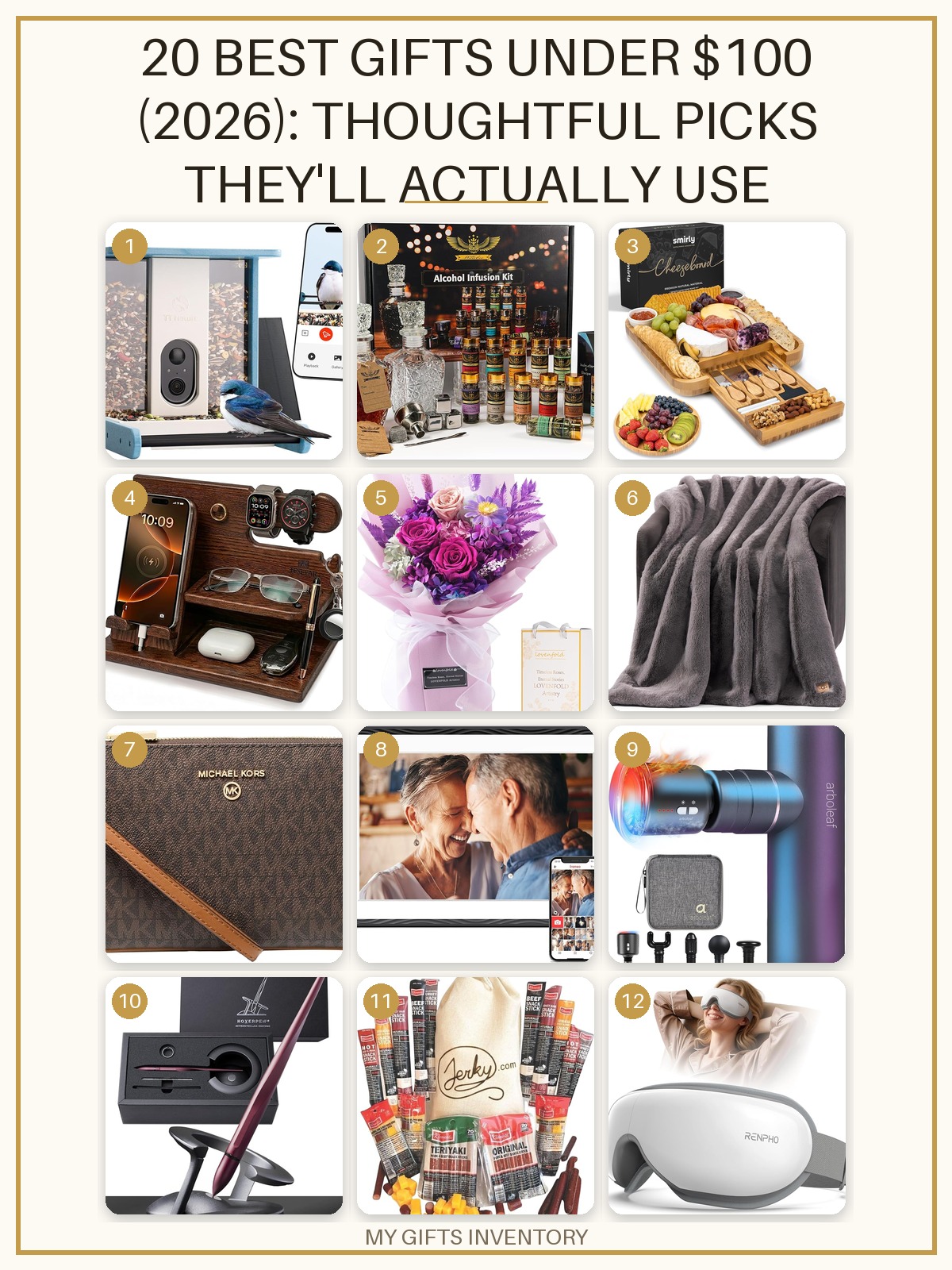
Want more ideas? Browse our full guide: 20 Best Gifts Under $100 (2026): Thoughtful Picks They'll Actually Use
Frequently Asked Questions
How much should I spend on a birthday gift for a friend?
For a casual friend or coworker, $15 to $30 is right. For a close friend you talk to regularly, $30 to $75 is the normal range. The ceiling should come from your monthly fun money (roughly a quarter of it per gift); the relationship sets where in that range you land.
Is $50 too much for a birthday gift?
Not at all, as long as it fits your budget and the relationship warrants it. $50 is right in the middle of the close-family and good-friend tier. It's too much only if spending it would make you stressed, or if it's for someone you barely know, where it can create an awkward sense of obligation.
What's a polite way to give a smaller gift than usual?
Just give it without explanation. A card with a genuine personal message does the heavy lifting. Apologizing for the amount or mentioning money trouble shifts the focus to your finances on their birthday, which no one wants. If you feel a need to say something, keep it to the thought: "I saw this and thought of you."
Should I give cash or a gift card instead of a present?
For teens, graduates, and people saving for something specific, yes. Cash or a card is often the better gift. For close friends and family, it depends on the person, but a gift card paired with a handwritten note about why you chose that store reads as thoughtful, not lazy.
How do I budget for birthdays across the whole year?
Add up how many people you buy for, multiply by your average spend, and treat that total as an annual line item you fund monthly. Ten people at $40 is $400 a year, or about $33 a month set aside. Seeing the yearly number is what usually prompts people to trim the outer circle, which is the real budget fix.
Looking for an Actual Gift Instead?
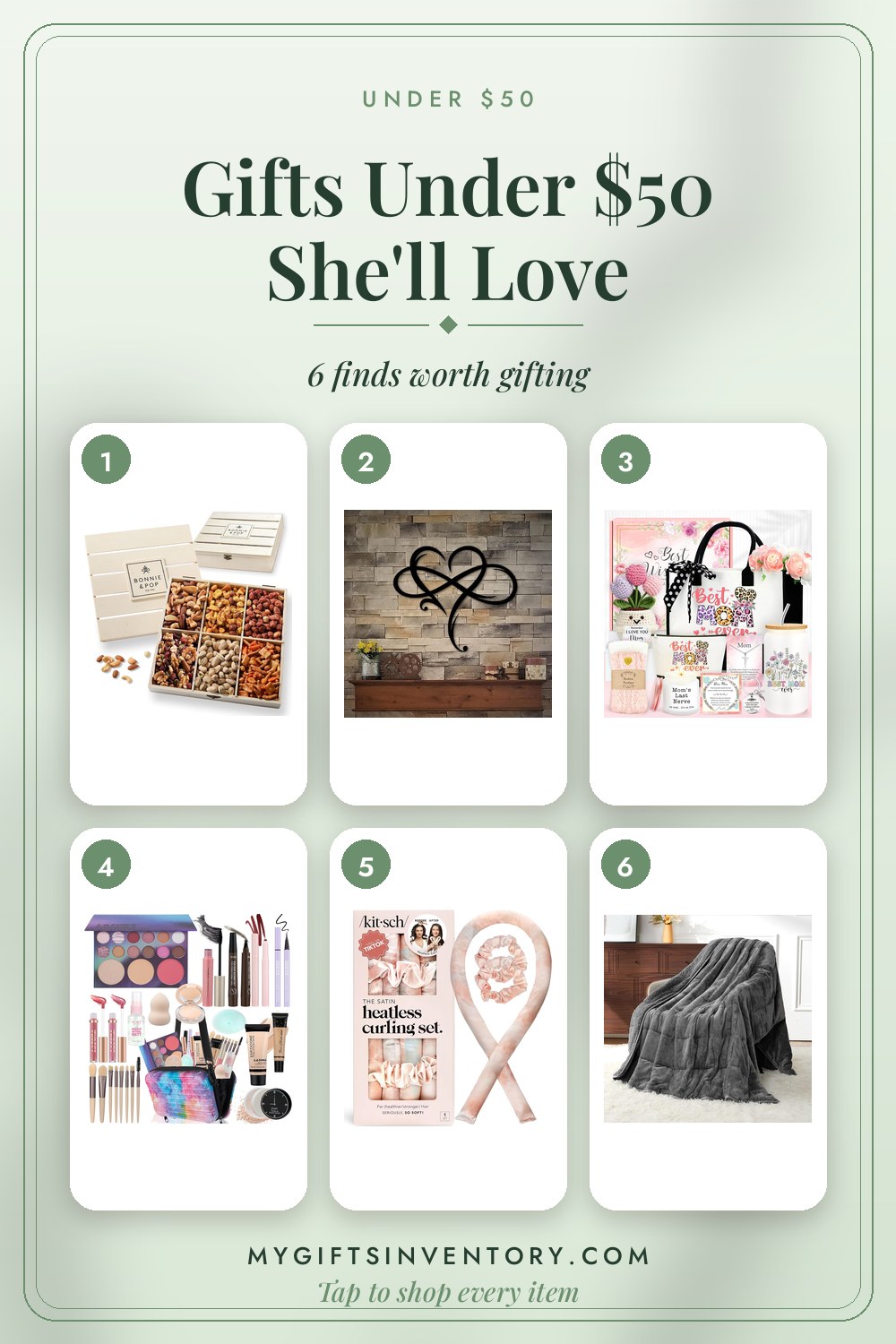
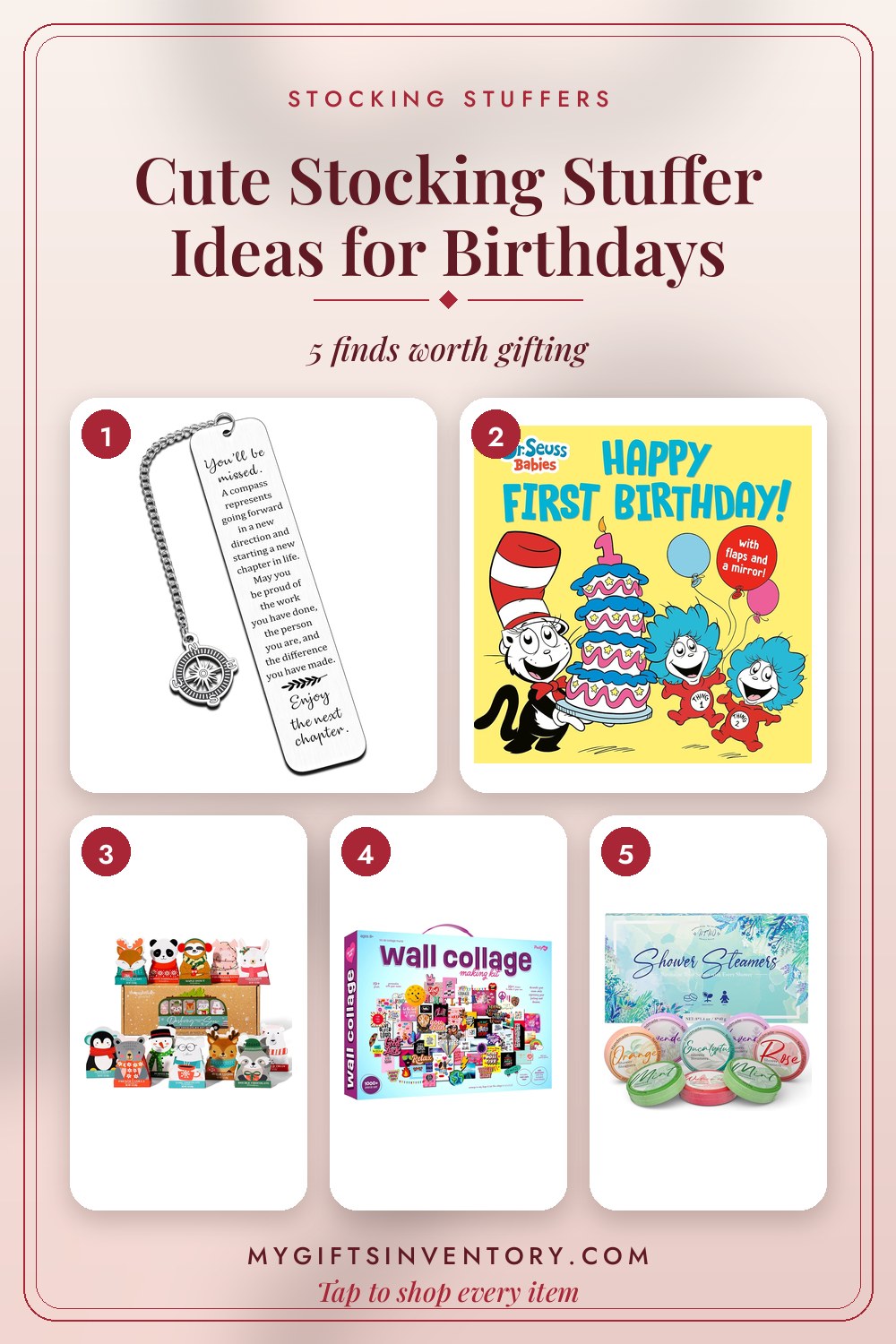
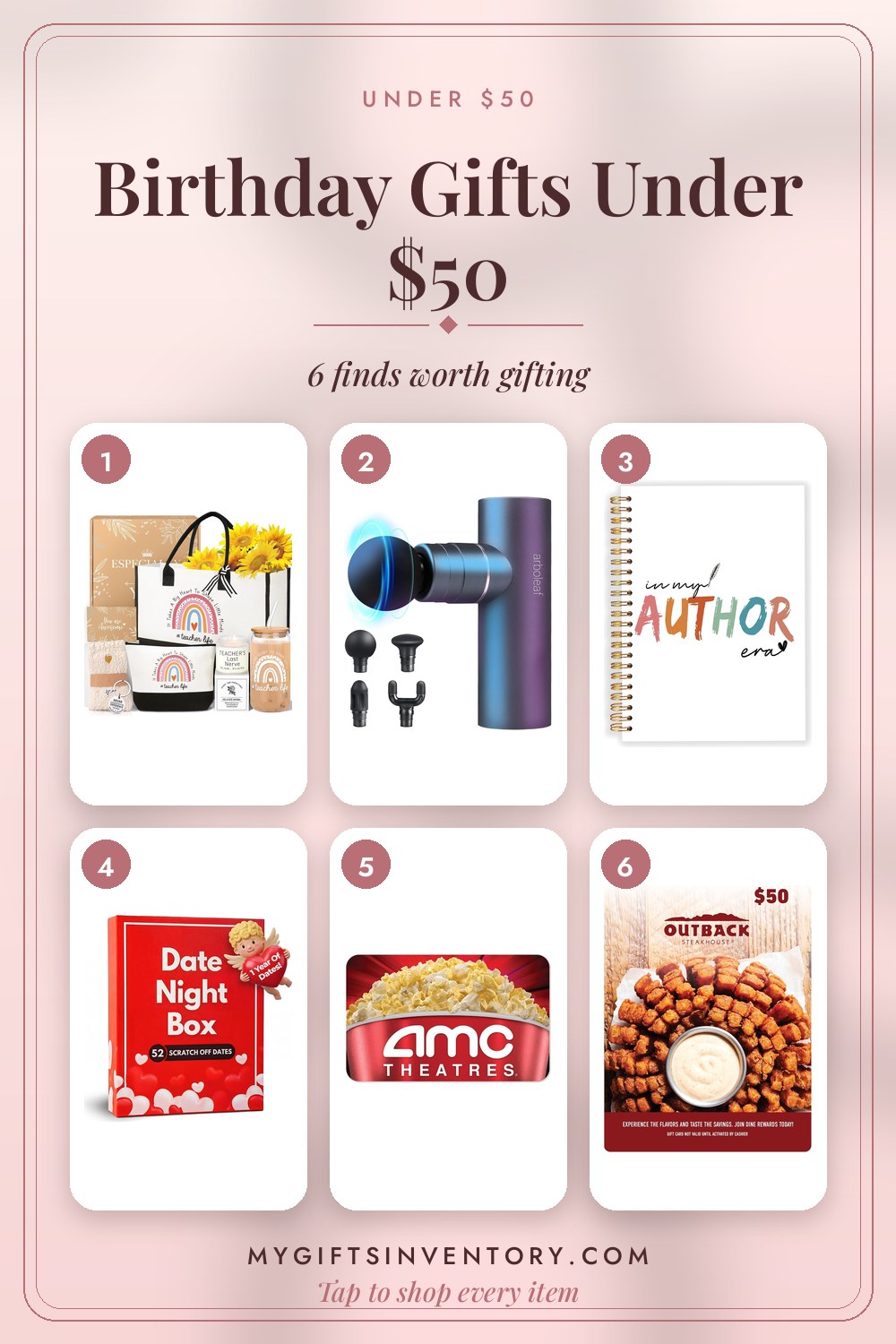
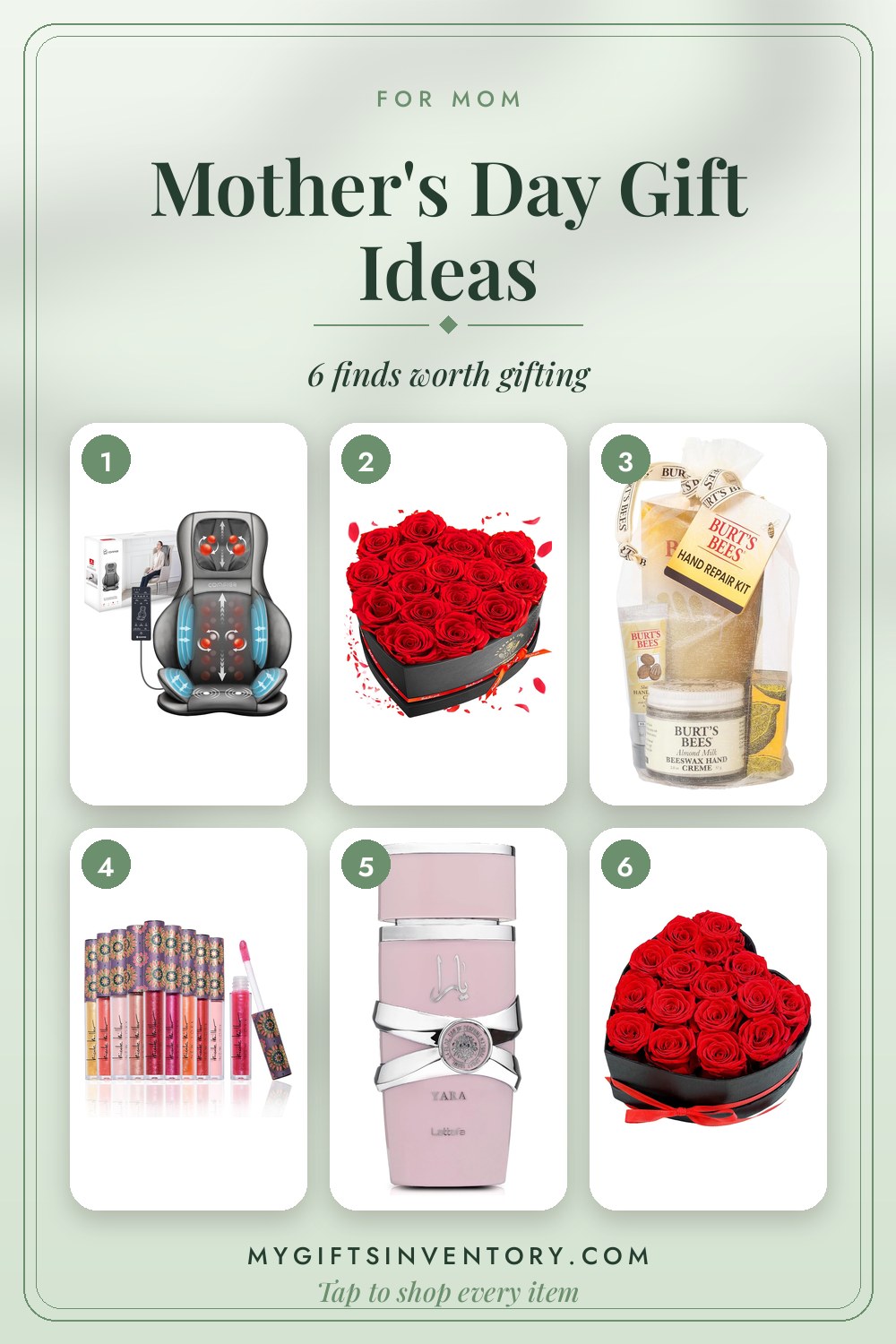
Shop Hand-Picked Gift Sets
Every item picked, priced and linked, ready to buy.
More Gift Advice