Gift Etiquette Do's and Don'ts: A Real Guide to Giving Well
The unwritten rules of gift-giving, from budget matching and registry etiquette to what to do when someone out-gifts you.
As an Amazon Associate, My Gifts Inventory earns from qualifying purchases. We only recommend products we'd genuinely consider buying ourselves.
You're here because a gift-giving moment coming up feels loaded in some way. Maybe your new boyfriend's family does a $200 Christmas exchange and yours does $30. Maybe your coworker gave you something and you gave them nothing. Maybe you're wondering if it's rude to check the registry twice or tacky to regift that candle you'll never burn. None of this is really about the gift. It's about not wanting to embarrass yourself or hurt someone you care about, and that anxiety is completely normal.
The Core Rules Everyone Actually Needs to Know
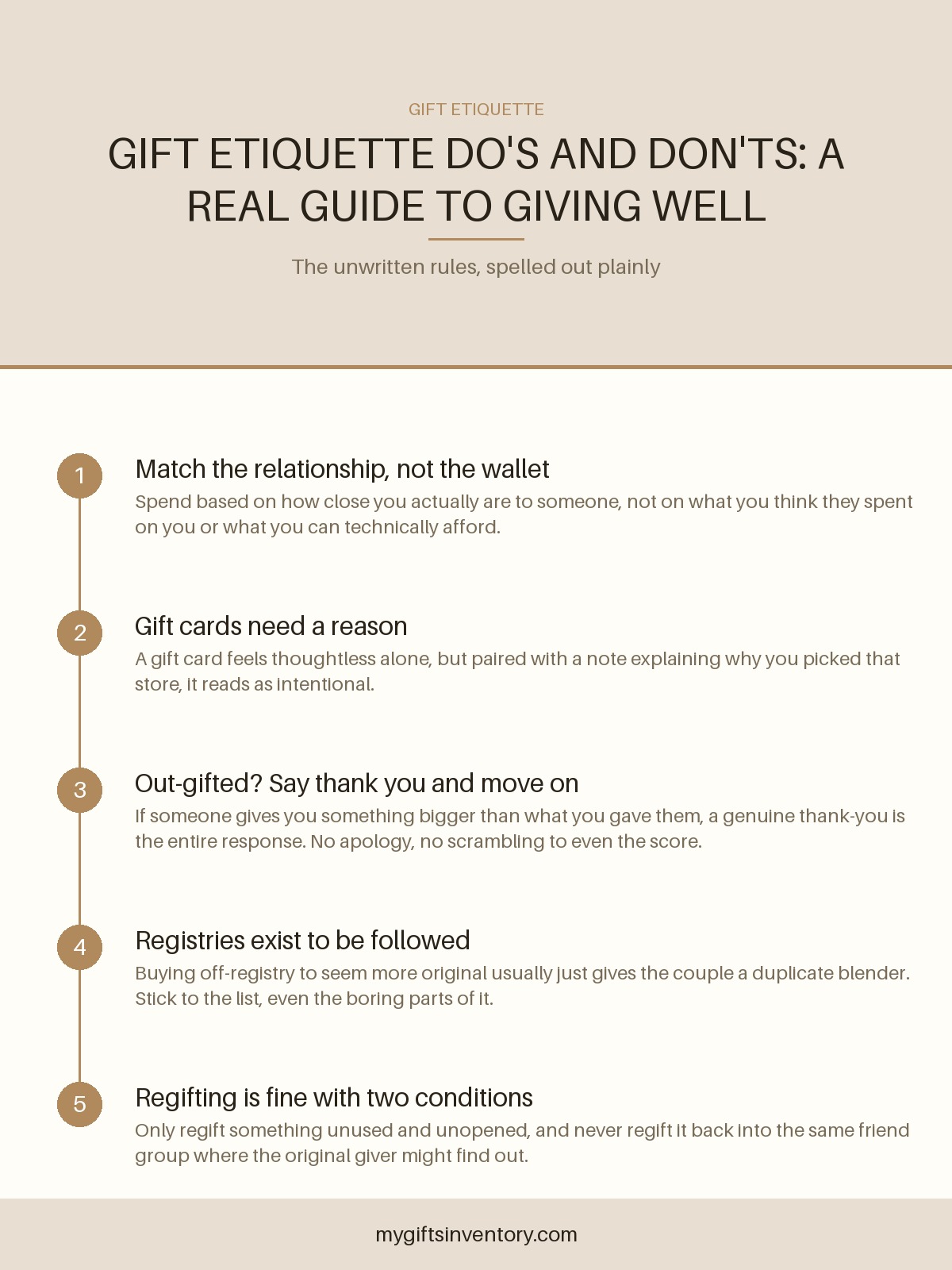
Most gift etiquette questions boil down to a handful of principles. Once you internalize these, the specific situations get a lot easier to navigate.
- Do match the gift to the relationship, not to a fixed dollar figure you saw online. A $15 gift from a work acquaintance and a $15 gift from your sister read completely differently, and that's fine.
- Don't ask what something cost or announce the price of your own gift. If a tag gets left on by accident, that's a small slip, not a scandal, but volunteering the number is a different thing entirely.
- Do give something even when you're not sure it's "enough." A thoughtful $20 gift with a specific reason behind it beats an anxious, over-budget gift every time.
- Don't give cash as a way to avoid thinking about the person, though cash given intentionally (weddings, grads, teens who'd rather choose their own thing) is a completely different and often welcome move.
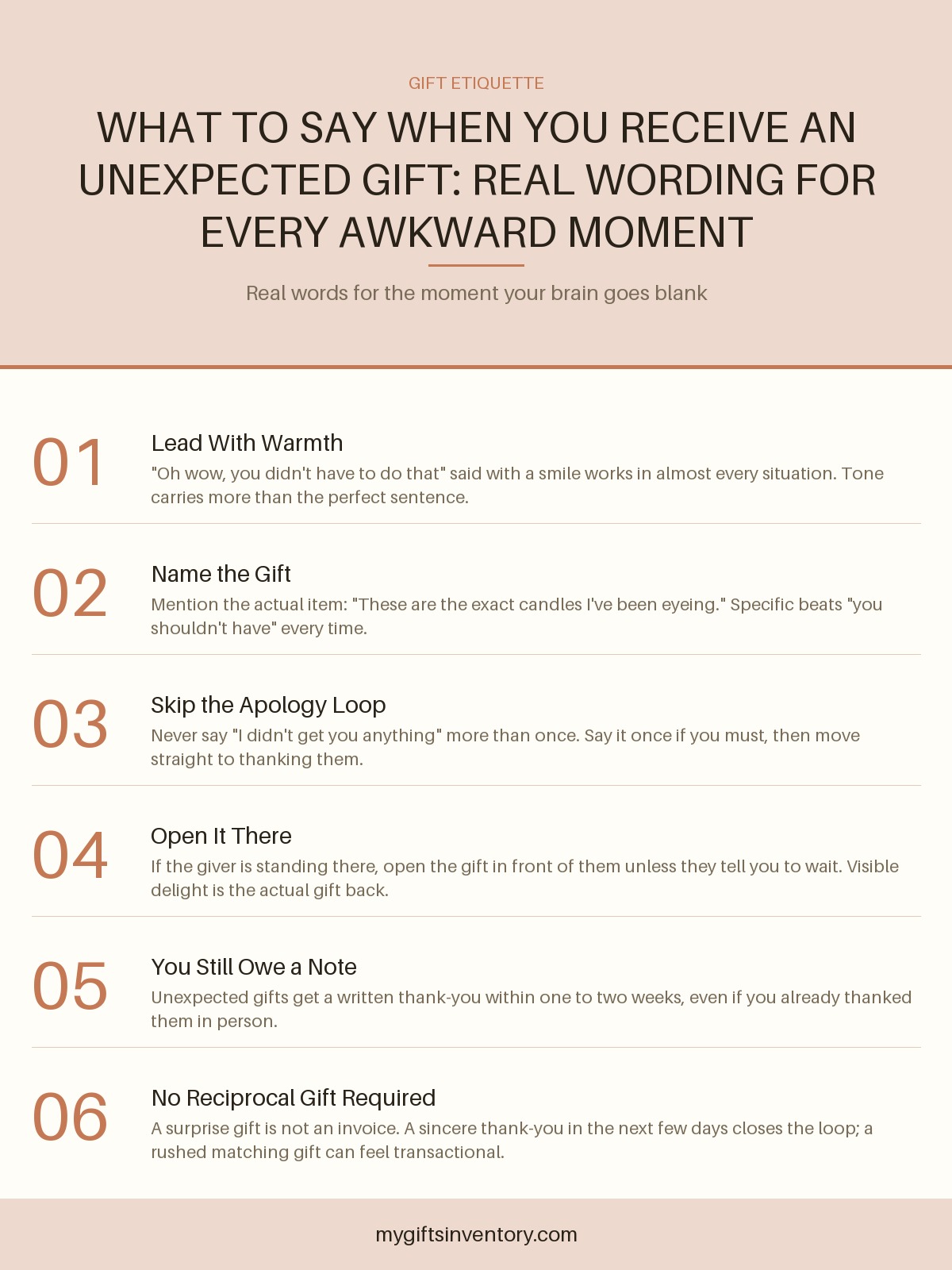
- Do open gifts with visible reaction, even mild ones. Silence while unwrapping something someone picked out for you can feel worse to the giver than an honest "this is great, thank you."
- Don't re-wrap and regift something that's monogrammed, opened, or came from someone still in your social circle. We'll get into the regifting rules in more detail below.
Budget Etiquette: How Much Is Too Much, and How Much Is Too Little
Budget confusion is probably the single biggest source of gift anxiety, so it helps to break it down by occasion rather than trying to find one universal number.
Kids' birthday parties
For a classmate's birthday party or a casual friend's kid, somewhere between $20 and $35 is the accepted range in most communities, and nobody is counting whether you hit exactly $25. If you're stuck on what actually lands well at that price point, a guide like 21 gift ideas for 10 year olds under $30 is useful precisely because it's built around that real budget ceiling rather than assuming you'll spend more.
Close friends and coworkers
For a good friend's birthday, $30 to $60 is typical, and it's fine to go lower if you're also doing something together like dinner or a low-key hangout, since the shared time counts as part of the gift. Office gift exchanges usually run $15 to $25 unless your workplace sets a different number, and it's worth checking that number before you buy so nobody feels either cheap or showy. For women in your life who are hard to shop for on a moderate budget, something like 20 unique gift ideas for women under $50 gives you real options in that middle range instead of forcing you toward either a candle or a splurge.
Weddings
The old rule that your gift should "cover your plate" at the reception isn't really true and never was, but it persists because it gives people a number to grab onto. A more honest guideline: $75 to $150 for most guests, $150 to $250 for close family or if you're part of the wedding party, and less than that is completely acceptable if you're a distant cousin invited mostly out of politeness. Attending the wedding itself is not obligation enough to require an extravagant gift.
Someone who has everything
Budget gets harder, not easier, when the person genuinely doesn't need anything. In that case the spend matters less than the specificity. A guide like gift ideas for the mom who has everything leans into experiences and consumables precisely because those solve the "they already own everything" problem better than another object does.
Corporate and Coworker Gift Etiquette
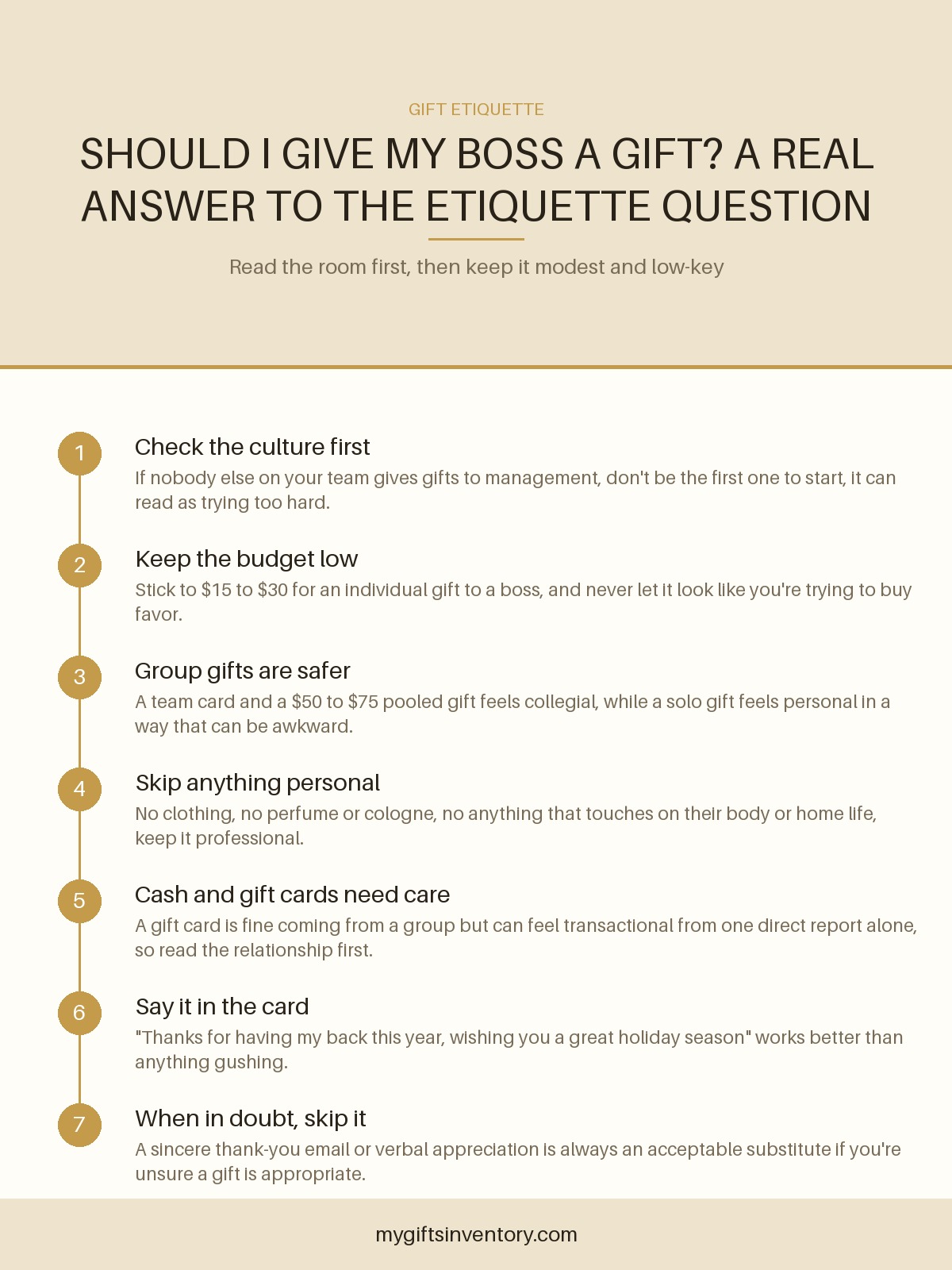
Workplace gifting has its own quiet rules. Don't give your boss anything that could read as currying favor, personal, or expensive. Group gifts pooled from the whole team are almost always safer than individual gifts up the chain of command. Gifting down (manager to employee) is more flexible, but keep it modest and universally appropriate rather than personal, since not every employee wants a gift that assumes closeness that isn't there.
For coworkers you actually like and want to acknowledge individually, a consumable gift sidesteps most of the awkwardness because nobody has to display it at their desk or figure out what to do with it later. Something practical like gifts for coffee lovers under $50 works well here because it's warm without being intimate, and it disappears after use instead of sitting around as a reminder of an office relationship that may not go anywhere personal.
Registry Etiquette: Follow the List, Even the Boring Parts
Registries exist because the couple or parent-to-be actually thought about what they need, and going off-script to seem more thoughtful usually backfires. If you want to add something personal, do it as a small addition alongside a registry item, not instead of one. It's fine to check a registry more than once as the date approaches since items get bought and new ones sometimes get added. If the whole registry is already claimed or out of your range, group gifting with another guest is a completely normal workaround, and most registry platforms have a way to note that a gift is coming from two people.
One real don't: skip the registry entirely to buy something "more meaningful" unless you know the couple extremely well. What feels sentimental to you might just be one more thing they now have to store or return.
Gift Cards, Regifting, and Returns: The Etiquette Nobody Explains
Gift cards get a bad reputation they don't fully deserve. The etiquette issue isn't the card itself, it's giving one with zero thought behind it. A gift card to a specific place tied to something you know the person loves reads as intentional. If you're giving one for a birthday or holiday, it's worth including a short note about why you picked that particular brand, and double-checking the card is loaded correctly before you hand it over. Pages like how to check an Amazon gift card balance or how to check a Visa gift card balance are worth bookmarking if you're the one receiving a card and want to confirm the amount before you spend it, since balances can occasionally load incorrectly or get partially used by mistake.
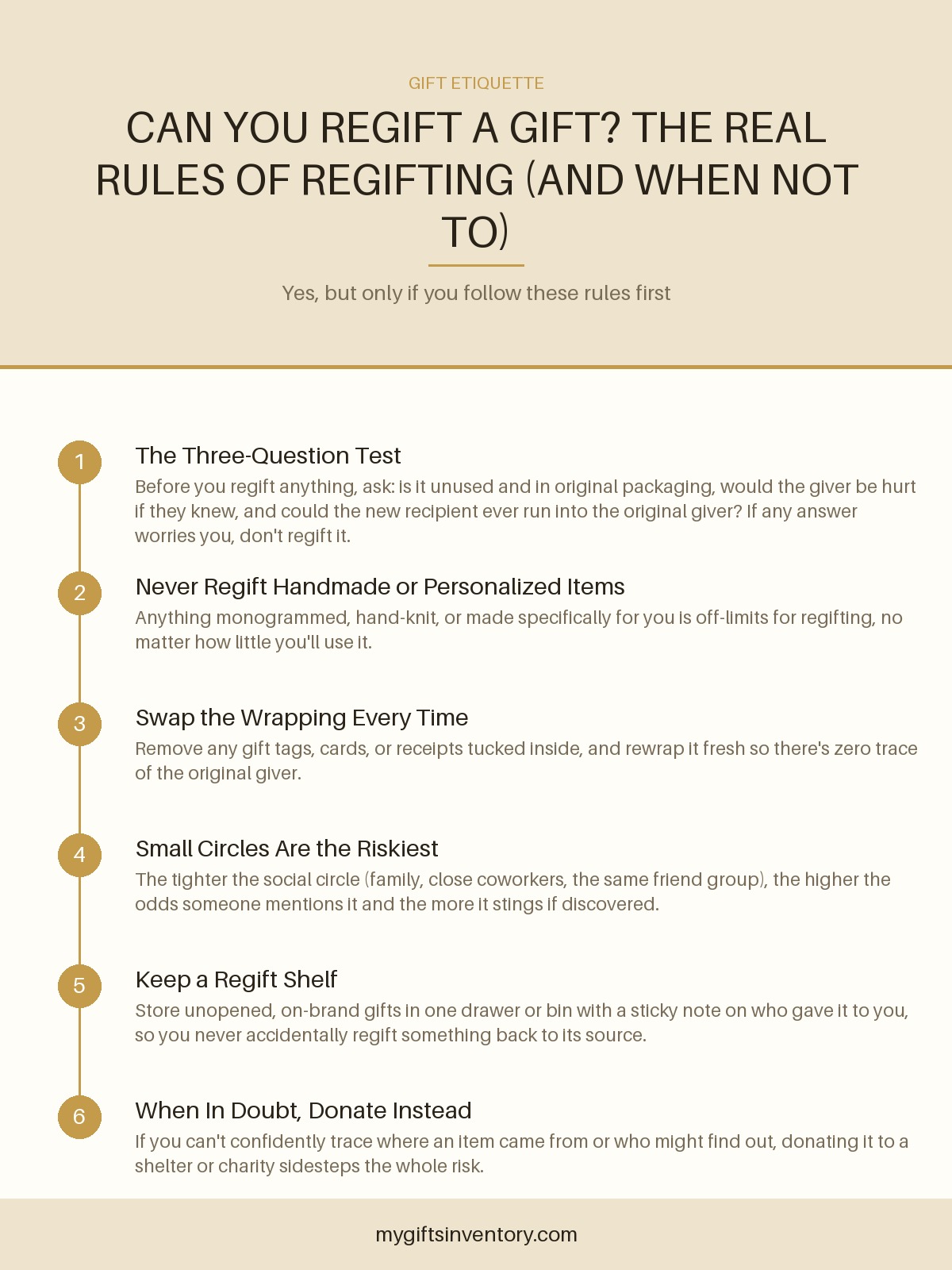
Regifting is fine under two conditions: the item is unused and still in its original packaging, and it's going to someone outside the circle of the person who originally gave it to you. Regifting a coworker's gift back into your same friend group is how people get caught, and it's an easy mistake to avoid if you just keep a small mental list of who gave you what.
On returns, don't ask a gift recipient whether they liked something in a way that fishes for an answer. If you suspect a gift wasn't right, it's kinder to simply mention where you bought it and that the receipt is in the box, rather than asking directly. As the recipient, returning or exchanging a gift is completely acceptable and doesn't require you to report back to the giver about it unless they ask.
Wrapping and Presentation: Small Things That Actually Matter
Presentation isn't about spending more, it's about signaling that you didn't grab something at the last minute and toss it in a bag with the receipt still inside (check for that receipt every single time). A gift bag with tissue paper is a perfectly acceptable default. Handwritten cards matter more than people think, even a short one, because a card is the one part of the gift that can't be bought and says something specific rather than generic.
What Not to Say or Do When Giving or Receiving
- Don't apologize for a gift while handing it over ("it's not much, sorry"). It puts the recipient in the position of having to reassure you instead of just enjoying the moment.
- Don't compare your gift to someone else's in front of the group ("I didn't spend as much as she did").
- Do say thank you specifically rather than generically. "Thank you for the scarf, I love this color" lands better than a flat "thanks."
- Don't immediately try to match or exceed a gift someone gave you if it turned out to be more generous than what you gave them. A sincere thank-you is the correct and complete response. Trying to even the score after the fact usually just makes both people more self-conscious.
- Do keep gag gifts genuinely lighthearted and clearly labeled as a joke gift, ideally alongside something real, so nobody walks away from a gift exchange with only a joke in hand.
Gift Ideas to Go With This


Want more ideas? Browse our full guide: 20 Best Gifts Under $100 (2026): Thoughtful Picks They'll Actually Use
Frequently Asked Questions
Is it rude to ask how much I should spend on a gift?
No, asking is far better than guessing wrong in either direction, especially for group gifts, office exchanges, or weddings where there's often an unspoken norm. A simple "what's everyone doing budget-wise?" to a mutual friend or coworker is a completely normal question and saves everyone from awkwardness later.
What do I do if someone gives me a much nicer gift than I gave them?
Say thank you sincerely and let it go. The value of a gift was never meant to be tracked like a ledger, and trying to immediately reciprocate with something bigger usually just draws attention to the imbalance instead of smoothing it over.
Is it okay to give a gift card instead of a physical gift?
Yes, gift cards are completely acceptable, especially for teenagers, coworkers, or anyone whose taste you're unsure of, as long as you pair it with a short note explaining the choice. A gift card with no context can feel impersonal, but one tied to something specific about the person reads as thoughtful rather than lazy.
How do I politely decline a gift exchange I can't afford?
Be upfront early, not on the day of the event. Something like "I'd love to be part of the group but I'm keeping gifts small this year, is there a spending cap?" gives the organizer room to adjust or reassure you without putting you on the spot.
Do I have to buy something for every single person in my office?
No, most workplaces don't expect individual gifts for everyone, and a group card or contribution to a shared gift for the team is a completely normal alternative. If you want to acknowledge one or two closer coworkers individually, a small consumable gift is an easy, low-pressure way to do that without setting an expectation for the whole office.
Looking for an Actual Gift Instead?



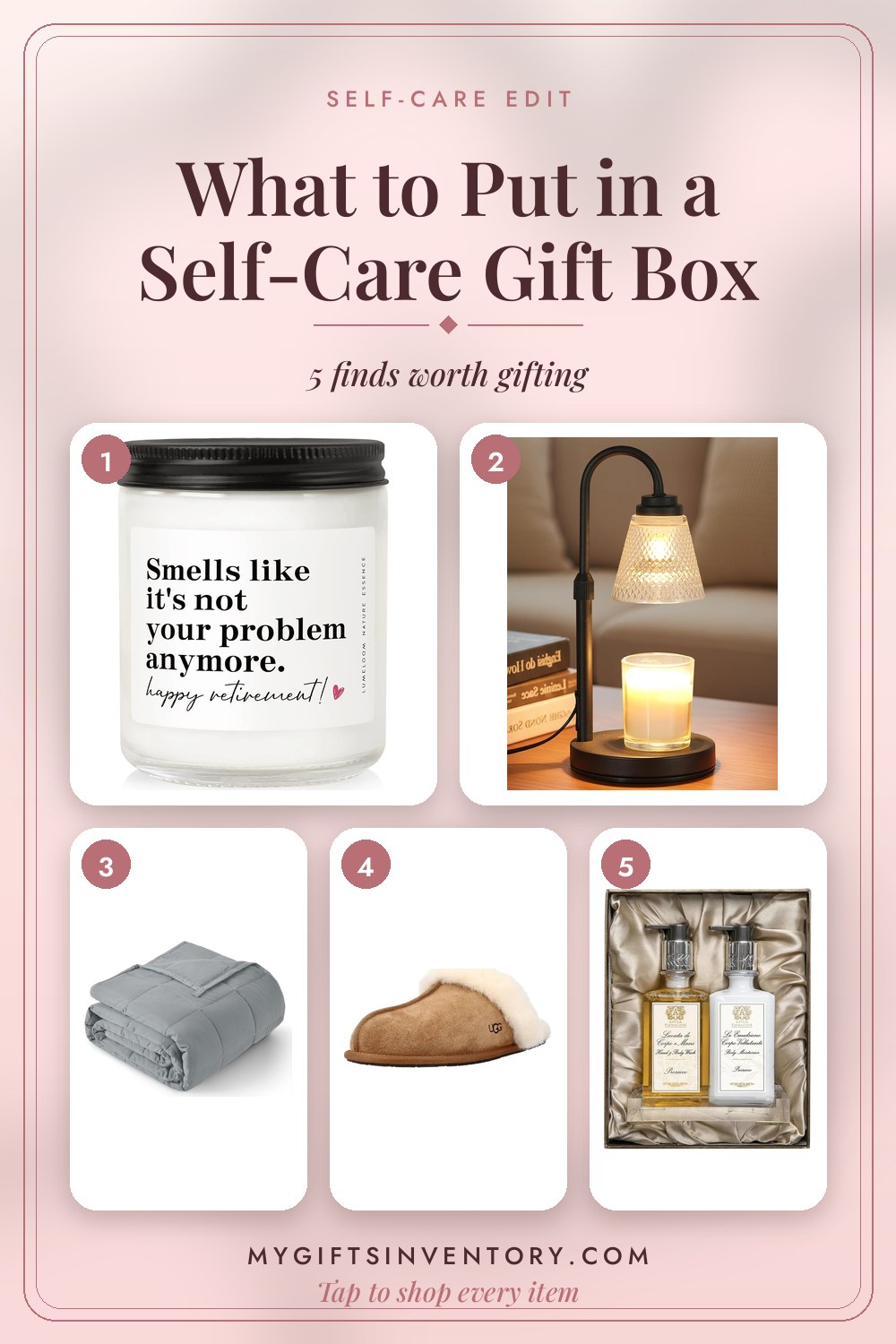
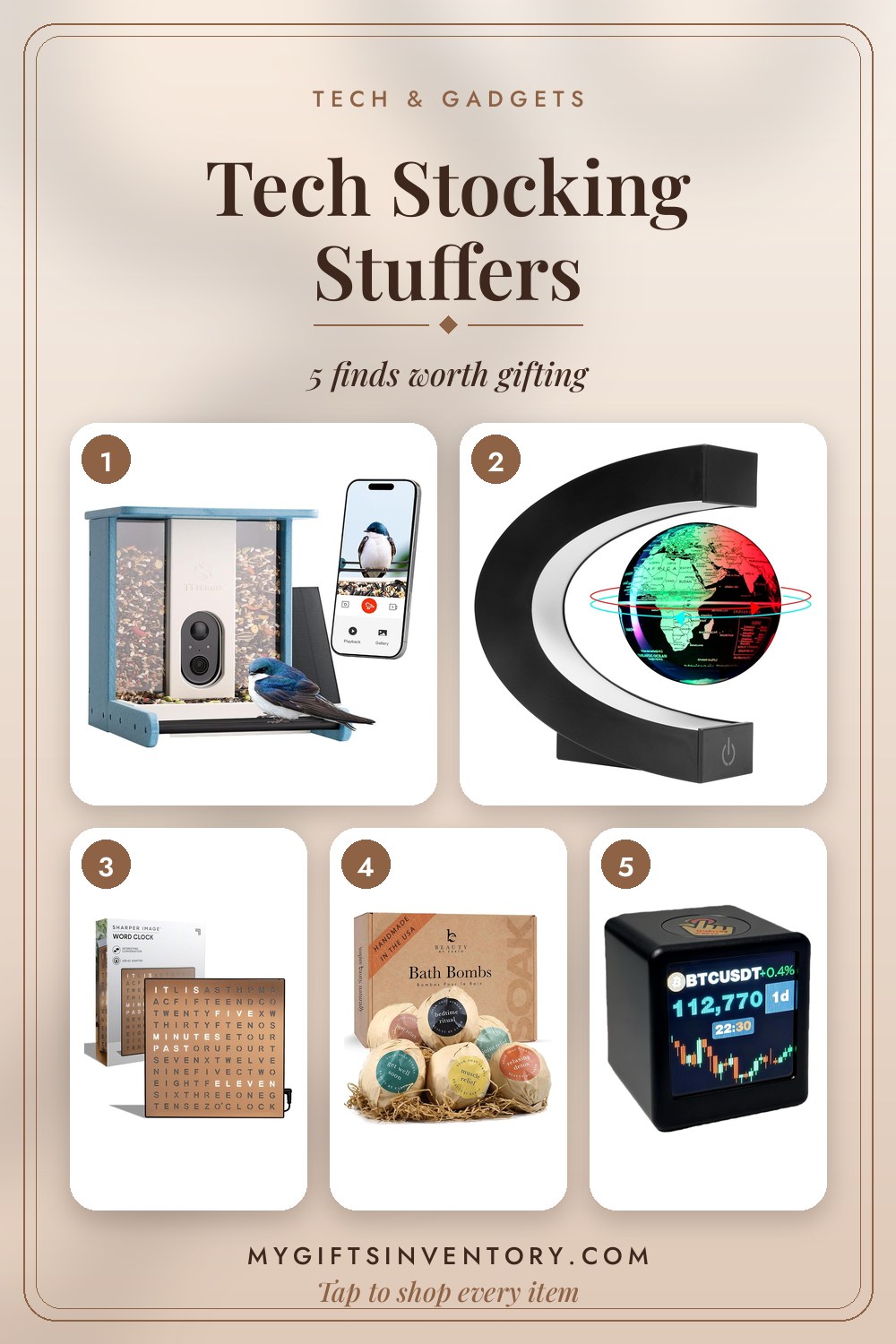
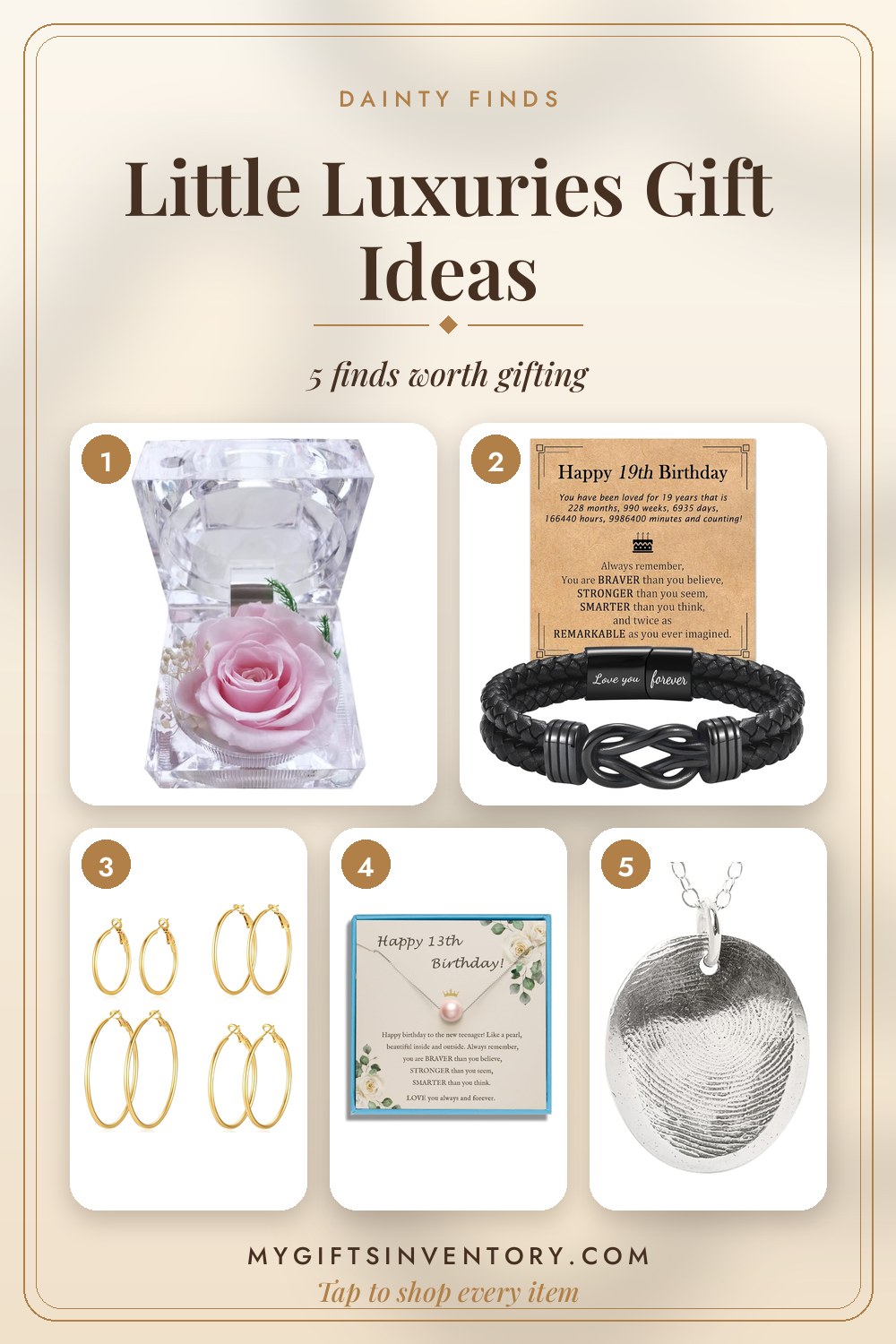
Gift Sets We Love Right Now
Every item picked, priced and linked, ready to buy.
More Gift Advice