Gift Giving Etiquette Rules: What's Actually Expected (and What Isn't)
A practical guide to the unwritten rules of gift giving, from budget matching and regifting to what to do when someone spends more on you than you spent on them.
As an Amazon Associate, My Gifts Inventory earns from qualifying purchases. We only recommend products we'd genuinely consider buying ourselves.
There's a specific kind of stress that comes from not knowing the rules of a game everyone else seems to already understand. Should you get your new boyfriend's mom a Christmas present the first year you're dating? Is it rude to regift the candle your aunt gave you last year? Do you have to spend the same amount on your sister-in-law that she spent on you? None of this is written down anywhere, which is exactly why it keeps people up at night before a holiday party or a baby shower.
We've pulled together the rules that actually matter, the ones that hold up across weddings, offices, holidays, and every awkward gray area in between. Some of it is common sense once you say it out loud. Some of it will save you from a genuinely uncomfortable moment.
The Three Rules That Underlie Everything Else
Almost every specific etiquette question traces back to three principles. Keep these in mind and you'll navigate 90 percent of situations correctly without needing a rulebook.
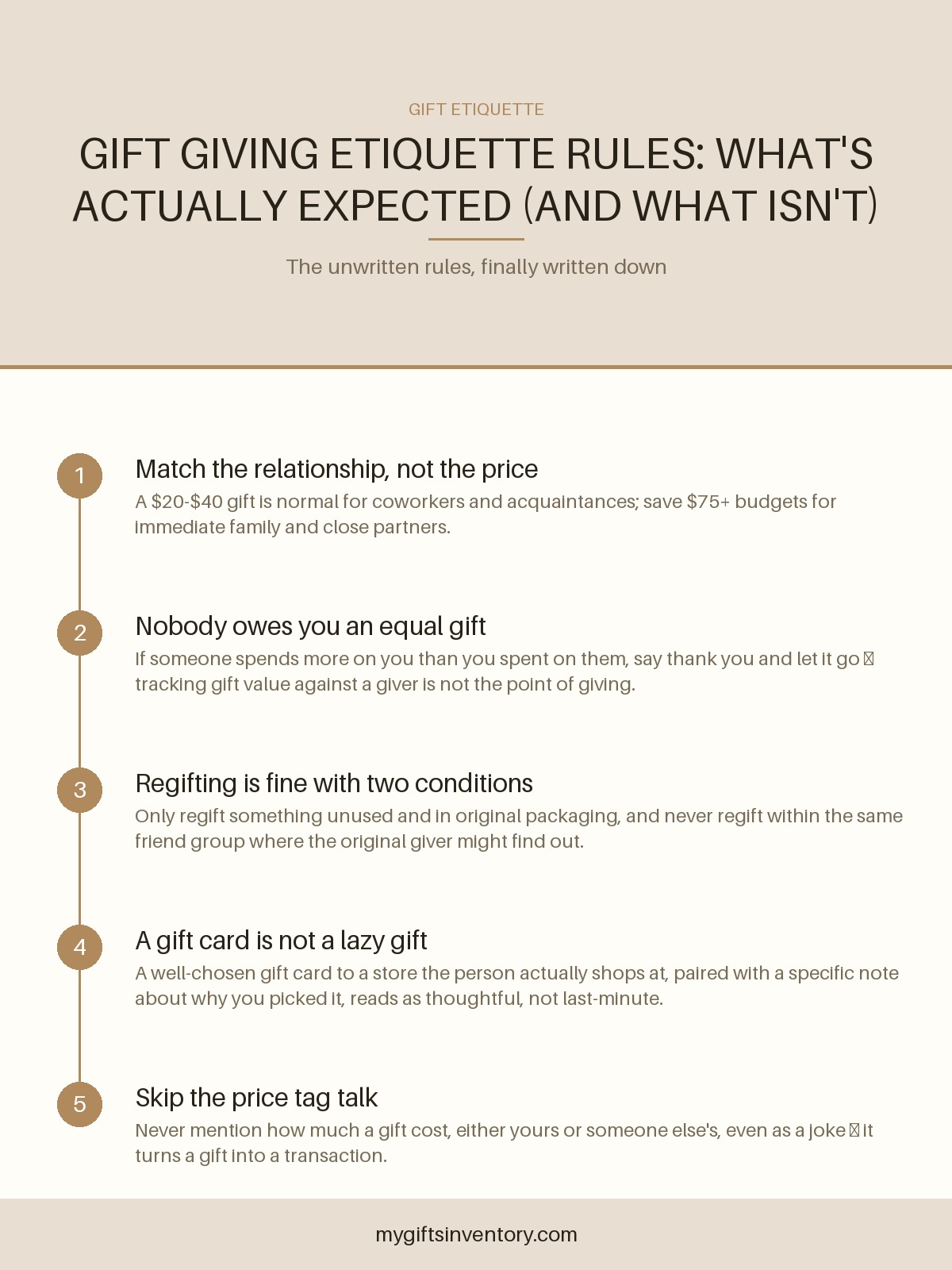
Thoughtfulness beats price, every time. A $25 gift that shows you paid attention to someone's actual life will always land better than a $100 gift that could have been bought for anyone. This isn't a platitude to make cheaper gifts feel better. It's genuinely how most people experience being given a gift: they notice whether you were thinking about them or just checking a box.
Match the occasion and the relationship, not the other person's spending. If your coworker gives you an expensive candle for Secret Santa and your budget was capped at $20, you don't owe her a $40 gift back. The obligation is to the agreed-upon parameters, not to whatever she personally decided to do.
Never comment on cost, ever. Not "you shouldn't have spent so much," not "I got this on sale so don't worry," not "this was expensive." Mentioning price turns a gift into a transaction and makes everyone uncomfortable, including you.
Budget Etiquette by Relationship and Occasion
People searching for etiquette rules are almost always really asking one question underneath: how much am I supposed to spend? Here's a realistic breakdown.
Coworkers and Office Gift Exchanges
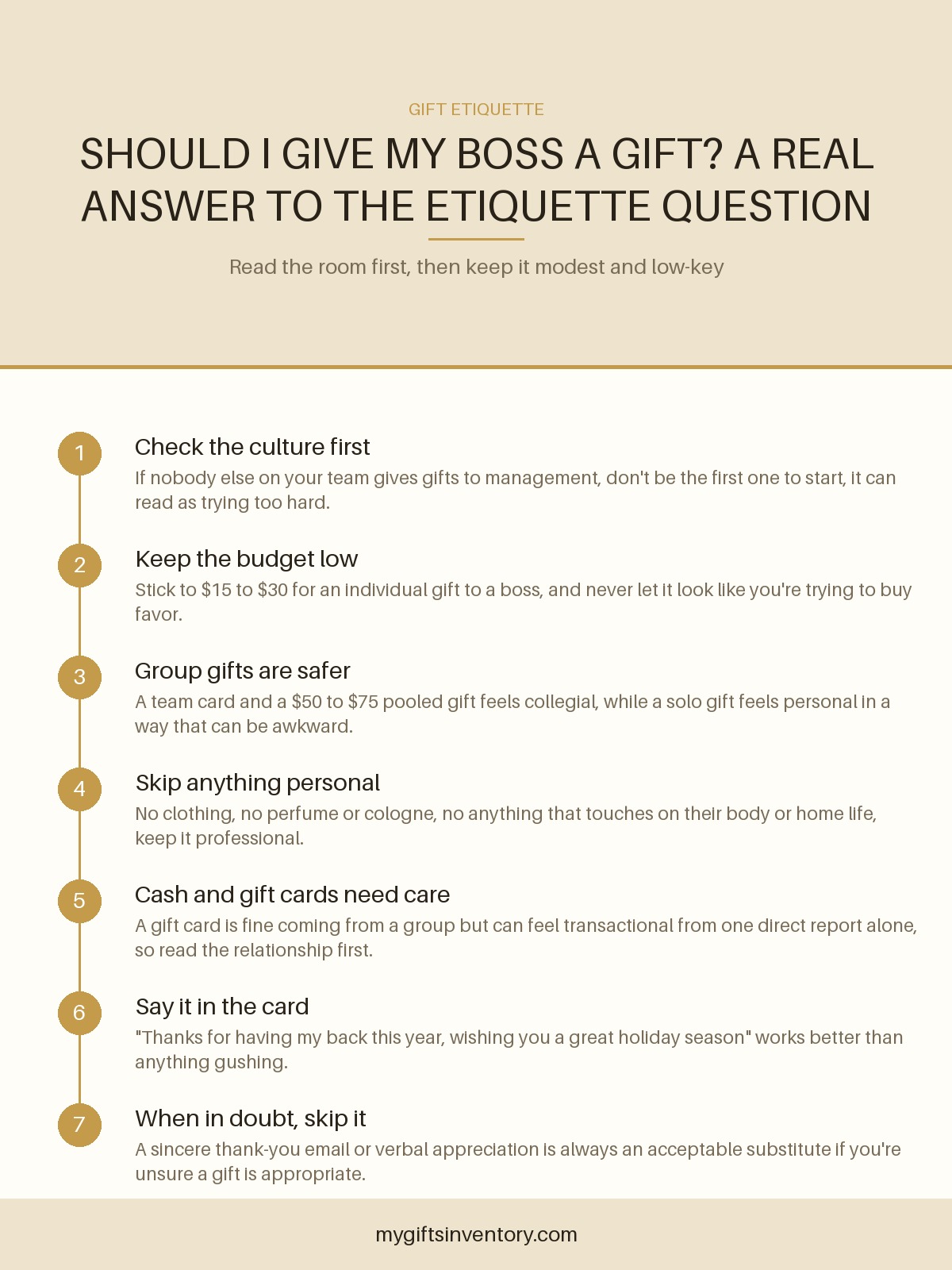
For a general coworker, $15 to $30 is the standard range, and most office Secret Santa exchanges set a cap somewhere in that zone for a reason. For a boss, keep it modest and non-personal, in the $20 to $40 range, and steer toward something like coffee, a nice notebook, or a small gift card rather than anything that could read as too personal. This is a good spot to lean on something practical rather than sentimental. Our tech gifts for men under $50 roundup has options that skew useful rather than intimate, which is exactly the tone you want for a work relationship.
Family Gifts
Immediate family (parents, siblings, adult children) tends to fall in the $50 to $150 range depending on your household's finances and the occasion. Extended family, like cousins or in-laws you see twice a year, usually sits closer to $25 to $50. If you're stuck on what to get a parent who genuinely doesn't need anything, our guide to gift ideas for a mom who has everything is built for exactly that problem, focusing on experiences and consumables over more stuff.
New Relationships
The first Christmas or birthday with a new partner is its own etiquette minefield. The general rule: keep it proportional to how long you've been dating, not how you feel about them. Three months in, a thoughtful $30 to $50 gift is appropriate even if you're wildly in love. Save the grand gesture for later. You also aren't obligated to buy for their parents or siblings until you've been together at least a year or have been explicitly invited into that circle.
Weddings and Housewarmings
For weddings, the old rule of "cover your plate" (spending enough to offset the cost of your dinner) has mostly fallen out of favor. A more realistic guide is $75 to $150 for a general guest, more if you're close to the couple or attending a destination wedding where you're already spending on travel. For housewarmings, $30 to $60 on something for the home works well, and this is where home decor gifts under $50 tend to perform better than generic kitchen gadgets, since decor feels more personal to a new space.
Kids' Birthday Parties
For a classmate's birthday party, $15 to $25 is standard. For a close friend's child or a family member, $30 to $50 is reasonable. Nobody is judging the exact number here nearly as much as adults imagine they are.
Handling the Awkward Gray Areas
When someone spends noticeably more than you did. This happens constantly and it is not a crisis. Say thank you sincerely, do not apologize for the gap, and do not scramble to buy something additional to even it out. The other person chose their budget; you're not required to match it after the fact.
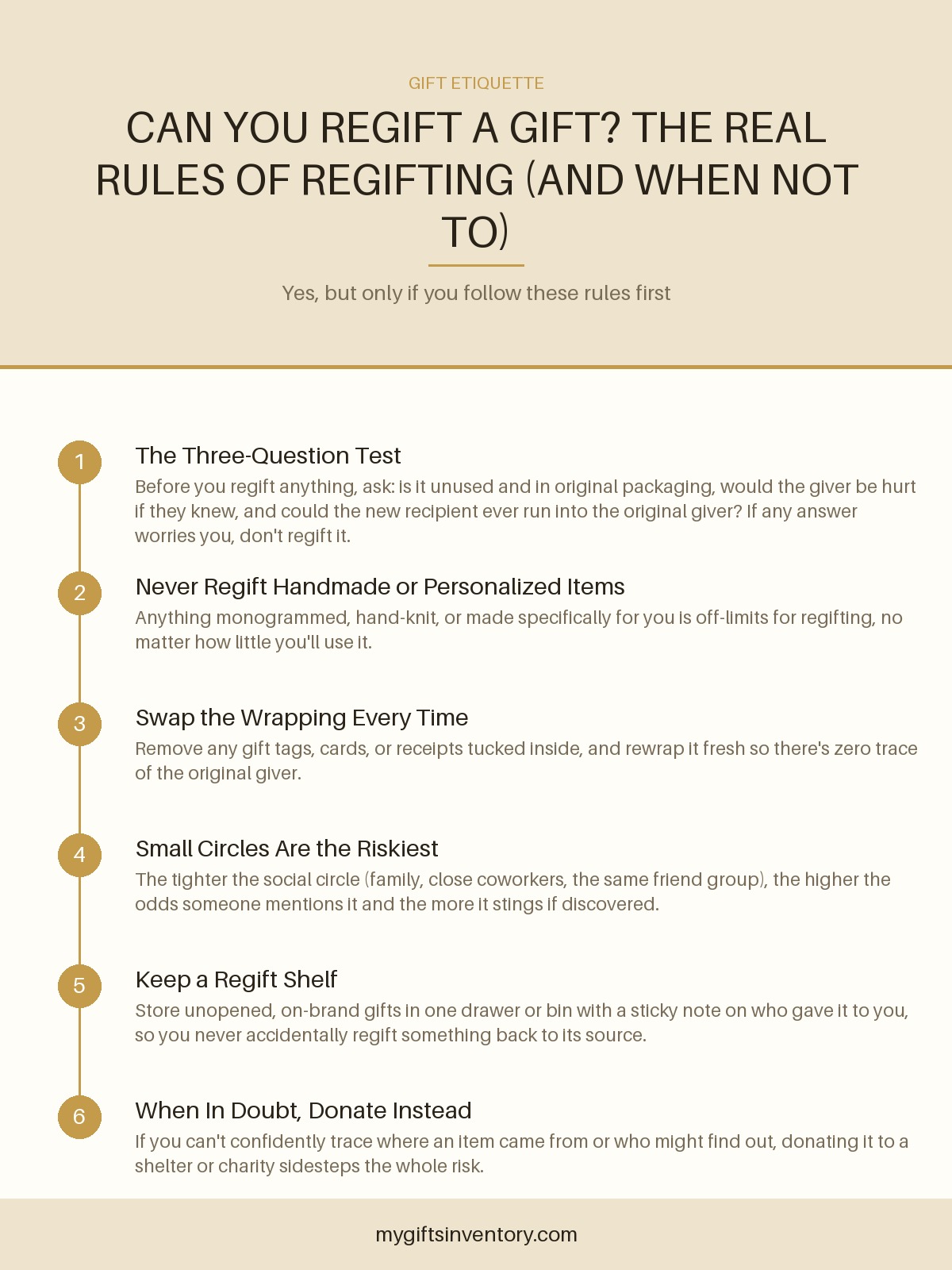
Regifting. It's acceptable as long as the item is unused, still in good condition or original packaging, and there's no realistic chance the original giver will find out (so don't regift within the same tight friend group or family branch). It's not acceptable to regift something clearly personalized, handmade, or given with obvious sentiment attached.
Group gifts. When pooling money for a bigger gift, whoever organizes it should set a clear suggested amount up front rather than letting people guess, and it should always be presented as optional. Nobody should be shamed for contributing less.
Gag gifts. These belong in situations where you also know the person well enough to be sure they'll laugh, and they work best alongside a real gift, not as a replacement for one, especially in a family gift exchange with mixed generations.
Gift cards. There's a persistent myth that gift cards are impersonal or lazy. They aren't, as long as you pick one tied to something the person genuinely uses. A well-chosen card to a specific coffee shop or store reads as thoughtful; a generic mall gift card does not. If you're on the receiving end of one, it's worth knowing how to check it, and pages like our Visa gift card balance guide or Amazon gift card balance guide make that quick.
Cards and Written Messages
A gift without a card feels unfinished, even a small one. The etiquette here is simpler than people think: you don't need poetry, you need specificity. "Happy birthday! Hope this year brings you everything you're working toward" beats a generic "Happy Birthday!" printed line every time, because it shows you actually thought about the person for ten seconds before writing.
For sympathy or more sensitive occasions, resist the urge to fill the whole card. A short, sincere line like "Thinking of you during this time, and I'm here whenever you need anything" carries more weight than a paragraph. For wedding cards, it's appropriate to include a personal memory or well wish alongside the practical note if you're giving cash: "So happy for you both. Wishing you a lifetime of the kind of love that makes everyone else a little jealous."
Wrapping and Presentation
Presentation matters more for etiquette than most people admit. A gift handed over in the store bag with the receipt still stapled to it reads as an afterthought, even if the gift itself is great. You don't need elaborate wrapping, but basic effort (actual wrapping paper or a gift bag with tissue paper, a card attached, tags filled out) signals that you took a few minutes to prepare rather than grabbing something on the way out the door.
For gifts given at someone's home, like a hostess gift or a gift exchange at a party, it's polite to make sure it's wrapped and ready before you arrive rather than assembling it in their driveway.
Registries: Giving and Receiving
If someone has a registry, use it. It exists specifically to remove guesswork, and going rogue to buy something "more thoughtful" often just means the couple or new parent ends up with a duplicate they now have to return. If you want to add something personal alongside a registry gift, keep it small, like a card with a handwritten note or a small extra item under $20.
On the receiving end, it's fine to include a range of price points on your registry, not just expensive items, so that guests at every budget level have something they can comfortably choose. It's also completely acceptable to include a few smaller, personal-taste items, like something from a gift ideas under $50 list style category, rather than filling the whole registry with big-ticket appliances.
Returns and Exchanges Without Hurt Feelings
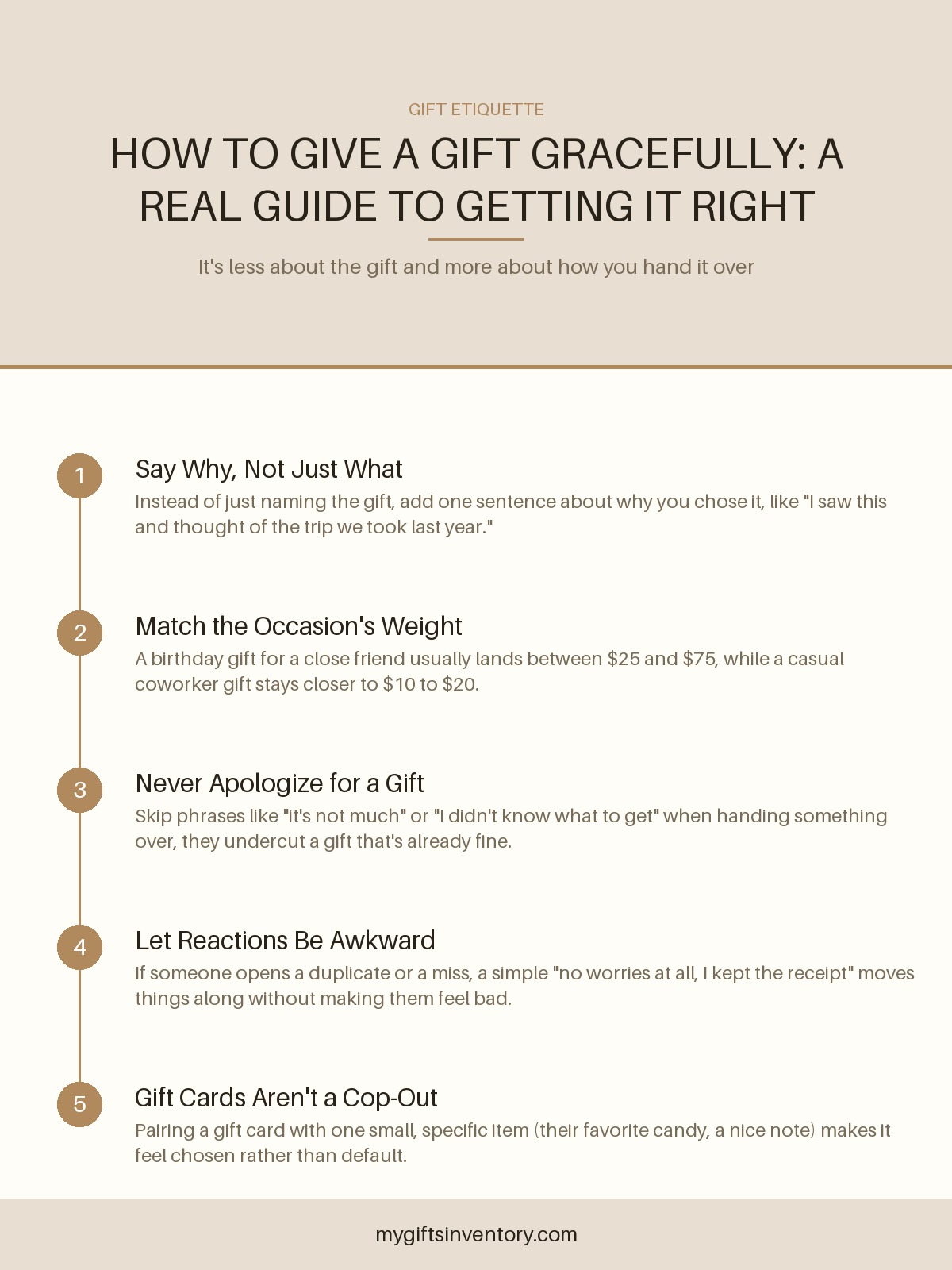
Most gift givers genuinely want you to use or enjoy what they gave you, which means an exchange is usually fine as long as you handle it quietly. Don't mention the return to the giver unless they ask directly, and if they do ask, keep it light: "I loved it, just needed a different size, so I swapped it for one that fits." Never return a gift in front of the person who gave it to you, and never post about returning something on social media in a way that could get back to them.
Workplace and Client Gifting
Corporate gifting has its own etiquette layer on top of everything else. Keep gifts to clients and business contacts modest and non-personal, generally under $75, and check whether the recipient's company has a gift policy, since many do (some cap external gifts at $25 or ban them outright). Avoid anything that could be read as too intimate, like clothing or perfume, and stick to consumables, desk items, or gift cards instead.
Gift Ideas to Go With This


Want more ideas? Browse our full guide: 20 Best Gifts Under $100 (2026): Thoughtful Picks They'll Actually Use
Frequently Asked Questions
Do I have to spend the same amount as the person spent on me?
No, you don't have to match anyone's spending. Gift giving isn't a running tally, and a generous gift from someone else doesn't create a debt you need to repay dollar for dollar.
Is it rude to ask what someone wants before buying a gift?
It's not rude at all, and for people who are genuinely hard to shop for, asking directly is far better etiquette than guessing and giving something unwanted. A simple "I want to get you something you'll actually use, any ideas?" is completely acceptable, even for close relationships.
How long do I have to send a thank-you note after receiving a gift?
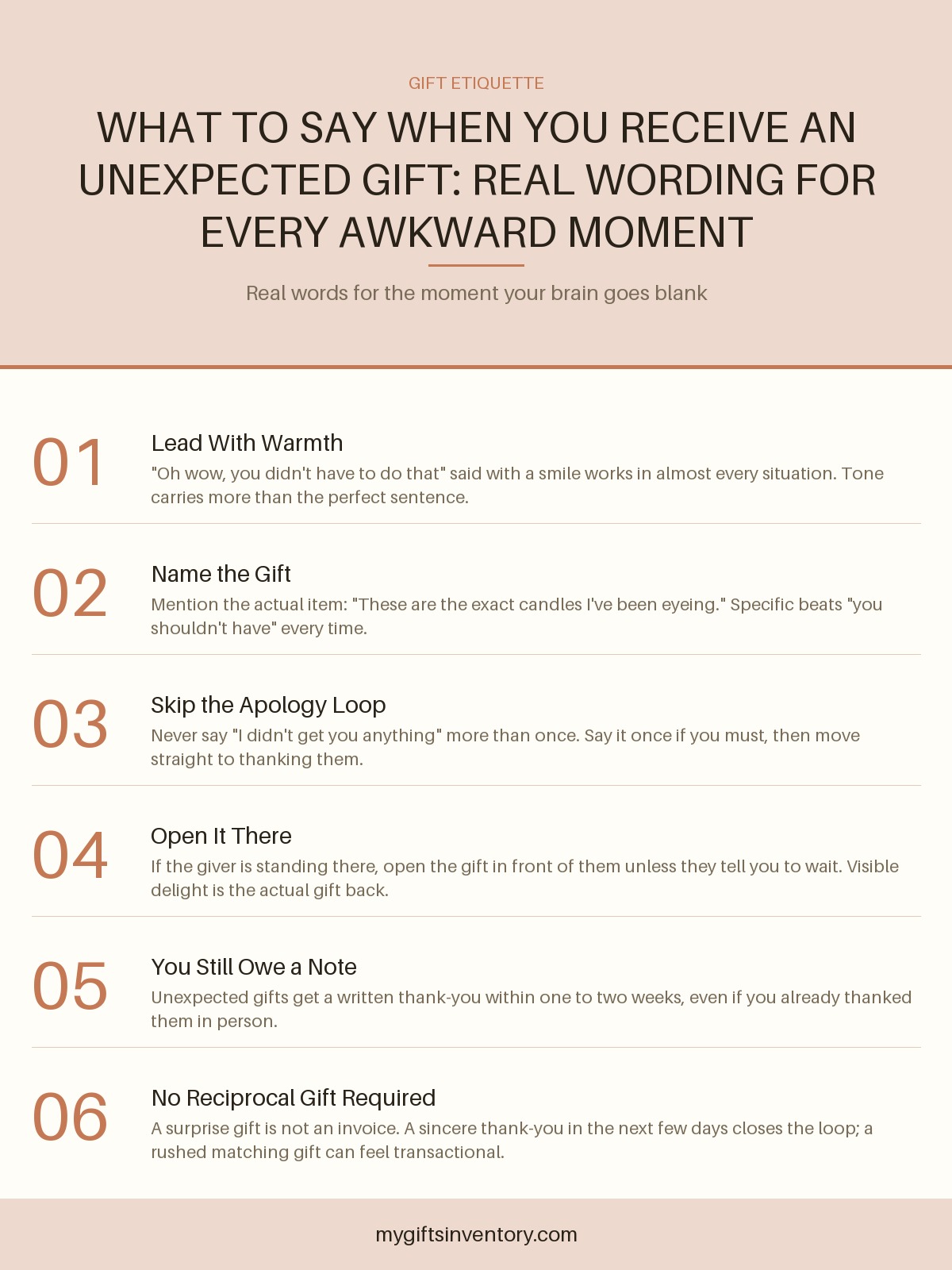
The general etiquette window is within two to three weeks for most occasions, though wedding thank-you notes are traditionally given a bit more grace, often up to a few months, given how much is happening around a wedding. Sooner is always better, and a quick text of thanks the same day is a fine placeholder before a more formal note follows.
Is it okay to give cash instead of a wrapped gift?
Yes, cash is appropriate for many occasions, especially weddings, graduations, and situations where the recipient is saving for something specific. It reads as impersonal only when given without any card or note, so always pair cash with a short handwritten message explaining the thought behind it.
What do I do if I forgot someone's gift or arrived empty-handed?
Acknowledge it briefly and sincerely rather than making excuses, something like "I'm so sorry, I dropped the ball on this one, let me make it up to you this week." Following through within a few days matters far more than the apology itself.
Looking for an Actual Gift Instead?
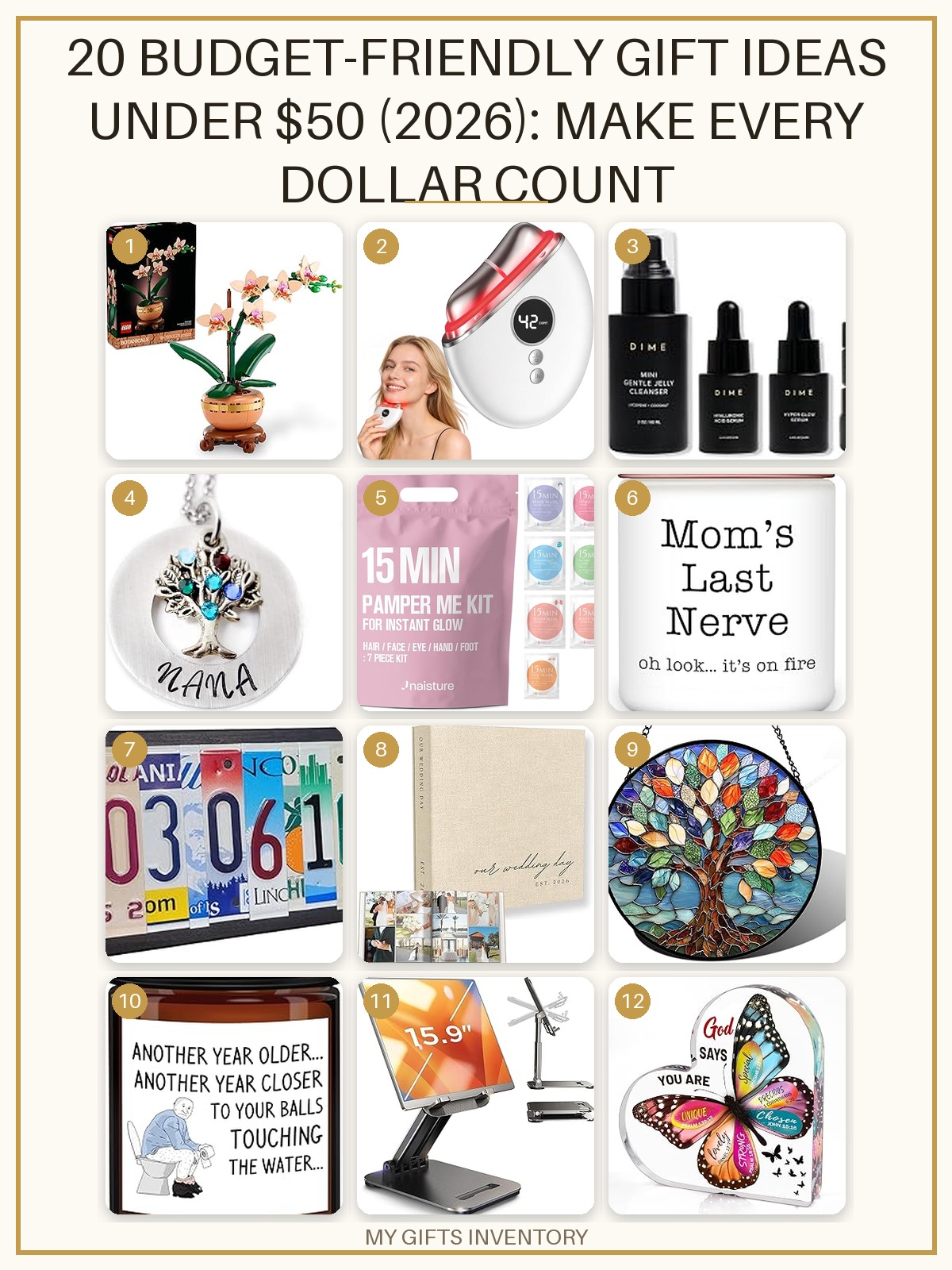
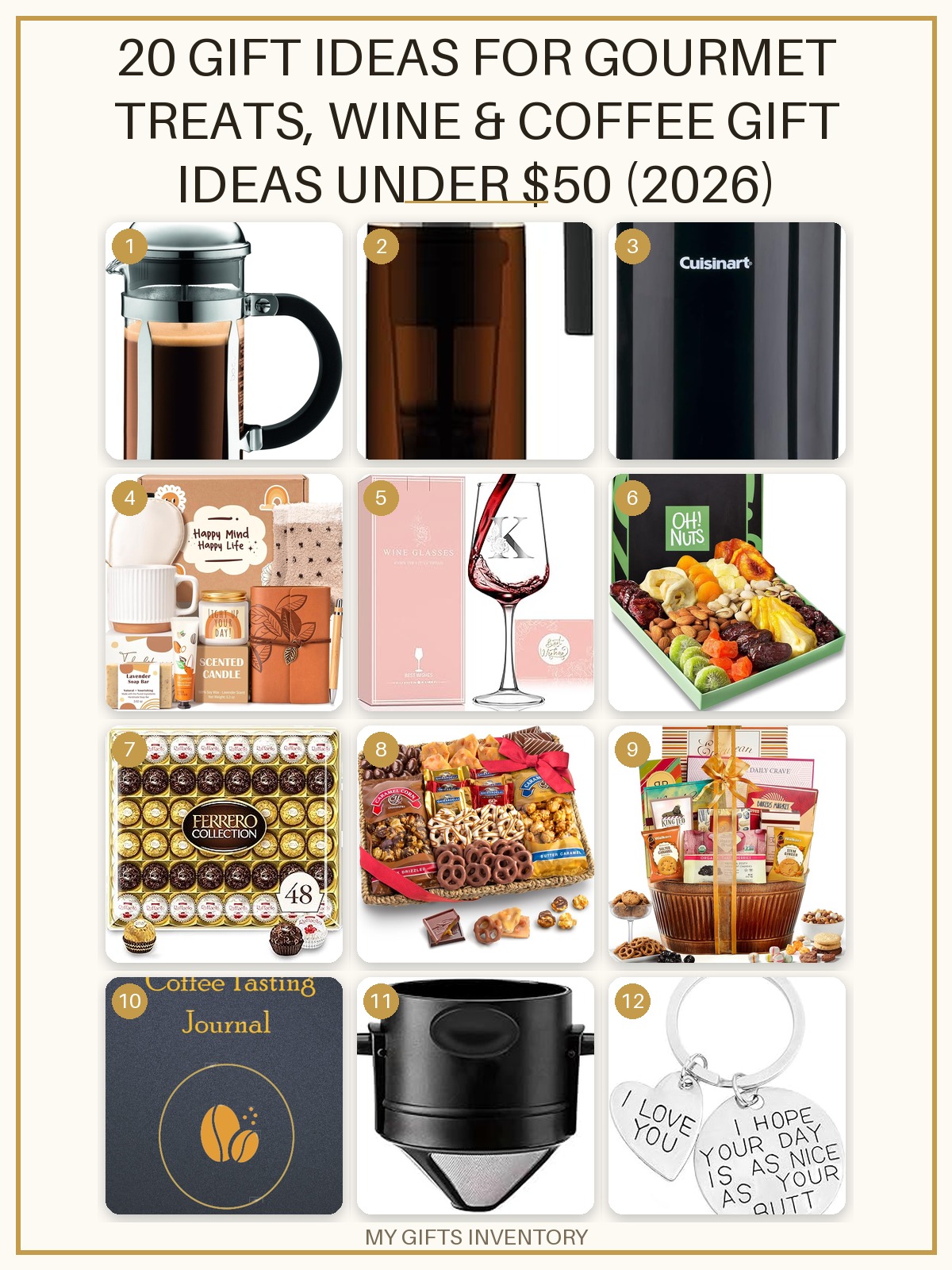
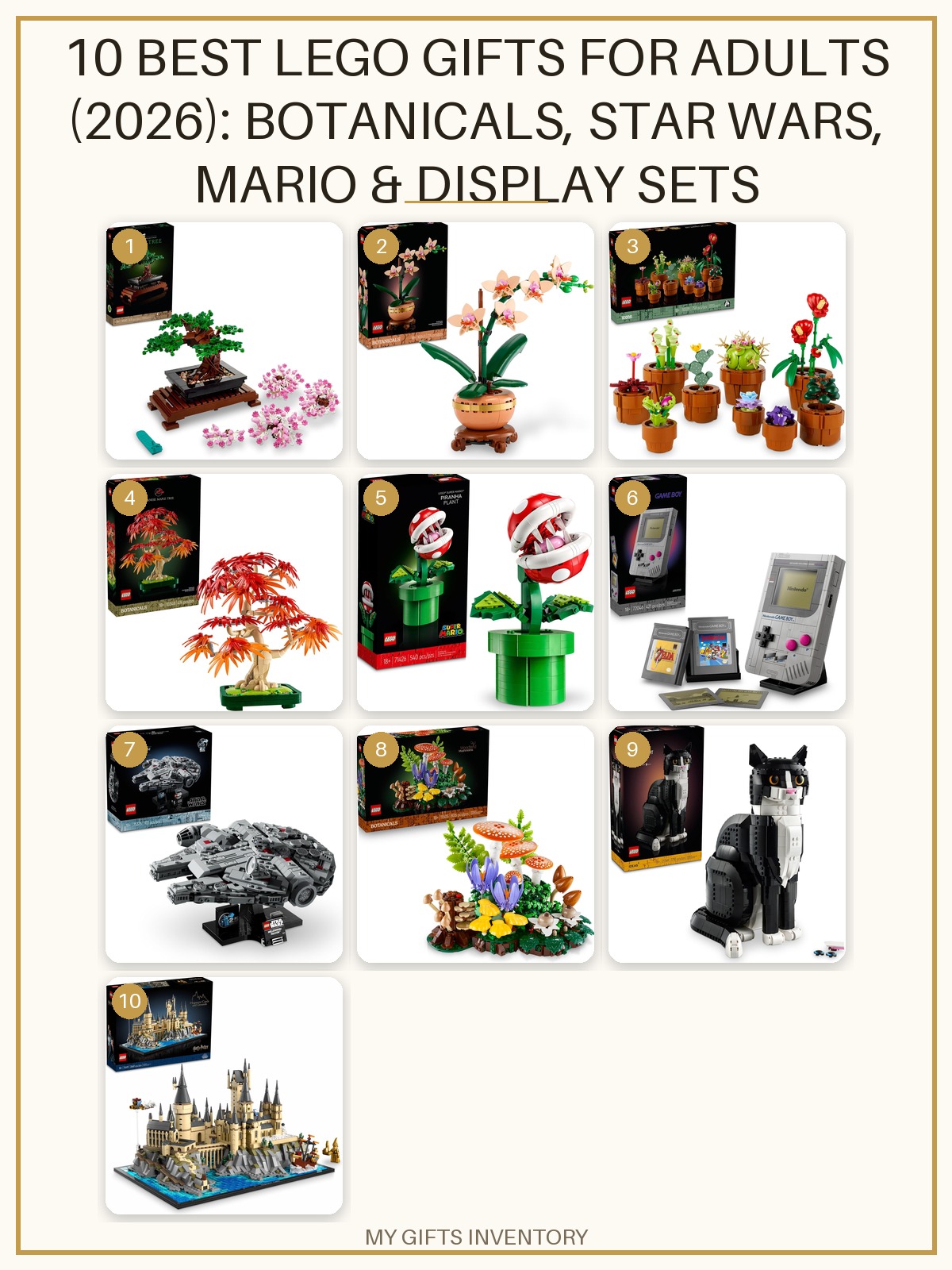
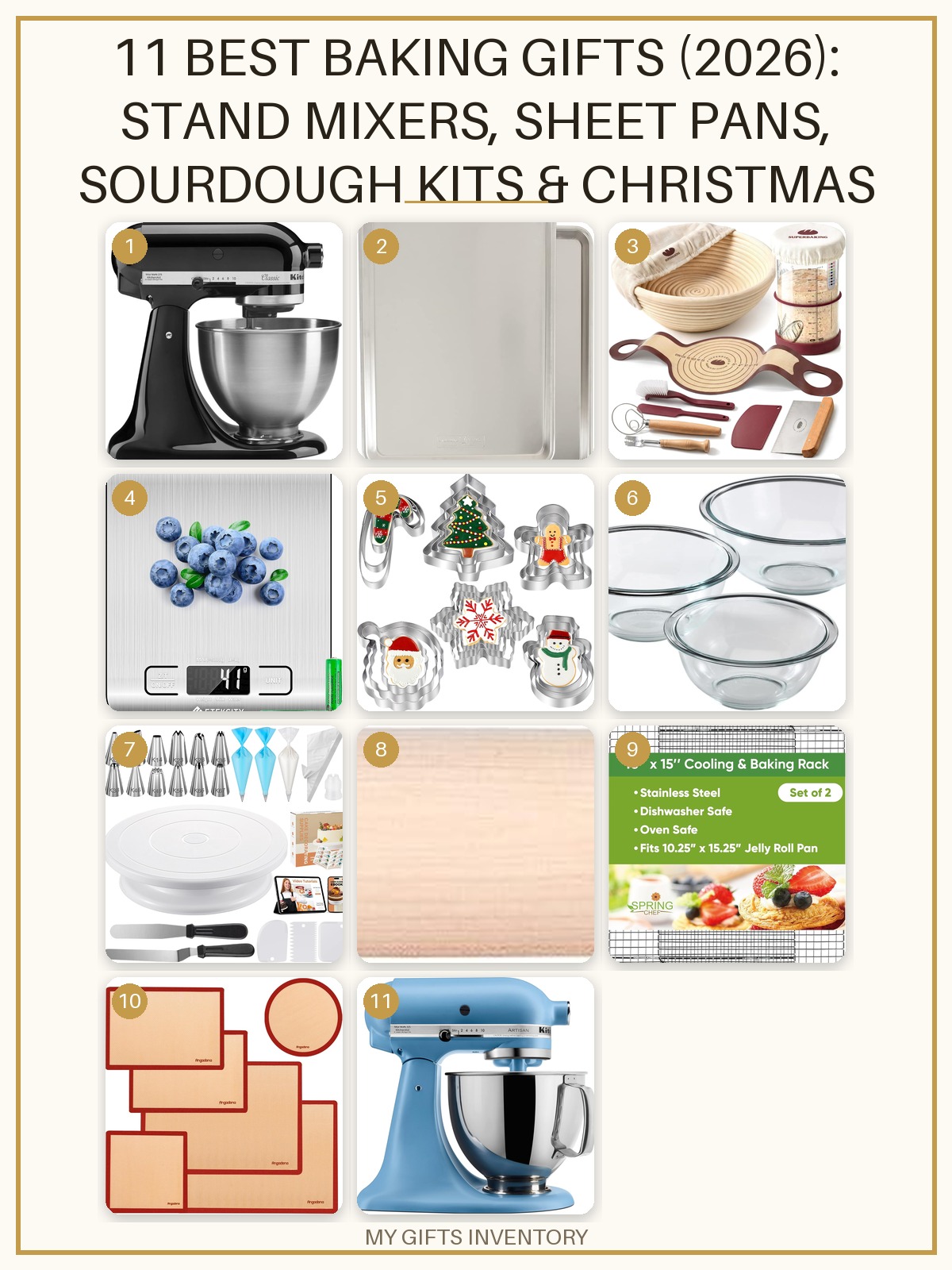
Gift Sets We Love Right Now
Every item picked, priced and linked, ready to buy.
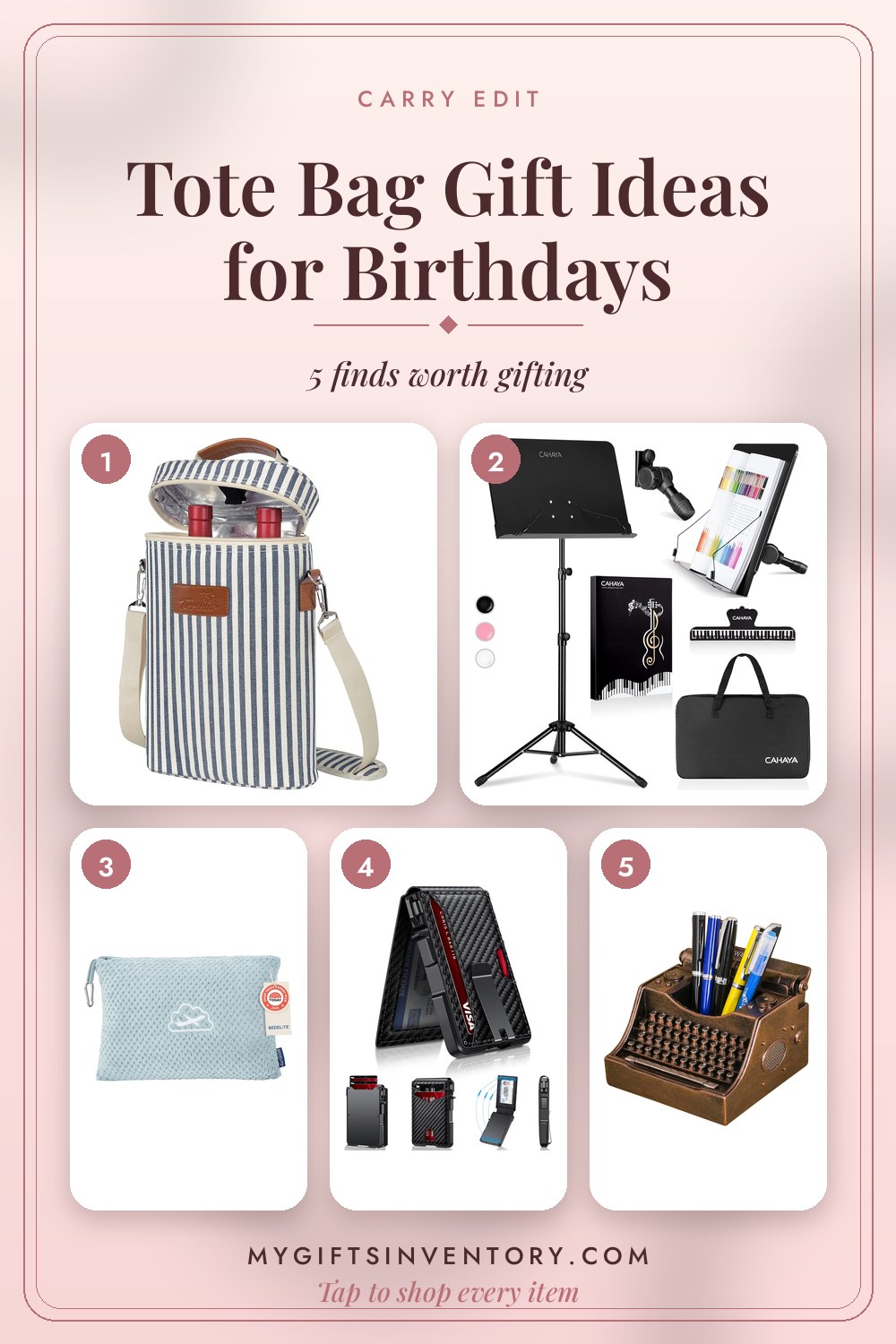
More Gift Advice