How to Give a Gift Gracefully: A Real Guide to Getting It Right
Giving well isn't about spending more or wrapping perfectly. It's about reading the room, choosing thoughtfully, and knowing what to say when the moment actually arrives.
As an Amazon Associate, My Gifts Inventory earns from qualifying purchases. We only recommend products we'd genuinely consider buying ourselves.
There's a particular kind of stress that kicks in right before you hand someone a gift. Will they like it? Should you have spent more, or less? What do you actually say in that three-second window between "here" and "thank you"? Giving gracefully isn't about having better taste or more money, it's about handling that whole moment, from choosing the thing to watching them open it, without making it awkward for either of you.
Start With the Relationship, Not the Occasion
Most gift anxiety comes from working backward. People search for "best gift for X" before they've thought about what their relationship with that person actually calls for. A gift for your sister who you talk to every day should feel completely different from a gift for a coworker you've had three real conversations with, even if it's technically the same birthday.
Before you buy anything, ask yourself what tier this relationship sits in: close (family, best friends), warm (good friends, close coworkers, extended family you see often), or polite (acquaintances, new coworkers, your kid's teacher). The tier tells you almost everything else, the budget, the level of personalization, whether a card alone would suffice. A close relationship can absorb a gift that's a swing and a miss because the thought carries it. A polite relationship needs something safer and more universally likeable, since there's less relational goodwill to cushion a mismatch.
Matching Budget to the Tier
Rough ranges that hold up across most situations:
- Close family or partner, big occasion: $75 to $200+, depending on your own finances and the specific relationship norms you've established.
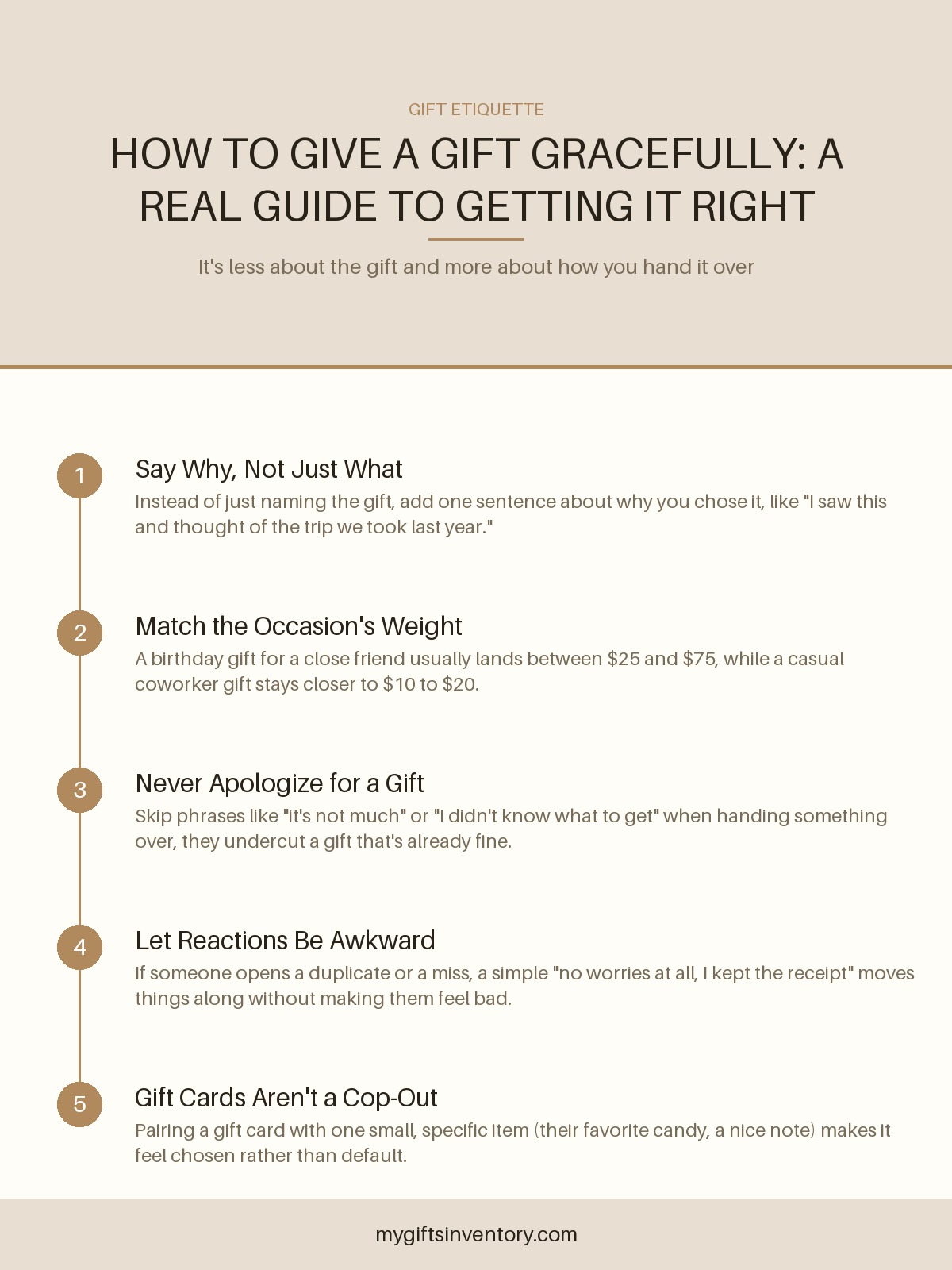
- Good friend, birthday or holiday: $25 to $75. This is the range where gift ideas for women under $50 or similarly priced options for men tend to hit the sweet spot of thoughtful without being showy.
- Coworker, casual friend, teacher: $10 to $25. This is where a well-chosen small item, like something from a list of gifts for coffee lovers under $50, does more work than a generic gift card.
- Kid's birthday party, classmate gift: $15 to $30 is the norm, and staying inside that range actually reads as more considerate than overspending, since it doesn't create pressure for other parents to match it. A list like gift ideas for 10 year olds under $30 is built around exactly this kind of budget.
The goal isn't to hit an exact number, it's to avoid the two failure modes: spending so little it reads as an afterthought, or spending so much it puts the other person in an uncomfortable position of feeling like they need to reciprocate at that same level.
Choose the Gift Like You're Solving Their Problem, Not Yours
A graceful gift usually solves something for the recipient rather than showcasing the giver's taste. This sounds obvious, but it's the single most common mistake, buying what you'd want to receive instead of what fits their actual life. If you're stuck on someone who genuinely seems to have everything, the trick is narrowing to a category they'd never buy for themselves, which is why a guide built around exactly that problem, like gift ideas for a mom who has everything, tends to be more useful than browsing bestseller lists.
If you genuinely don't know someone well enough to pick something personal, that's a real signal to lean toward a gift card rather than guessing. A gift card isn't a lesser gift when it's chosen deliberately for a place you know they actually shop or eat, whether that's Target, Amazon, or a specific restaurant they've mentioned. What reads as graceless is the vague, generic gift card given because you ran out of time, not the specific one given because you know their habits.
Presentation Is Part of the Gift, Not an Afterthought
How something is wrapped and handed over changes how it's received, even though the contents are identical either way. A gift in a gift bag stuffed with tissue paper feels casual and warm. The same item wrapped carefully in paper with a ribbon feels more formal and considered. Neither is wrong, but mismatching the wrapping style to the occasion (crumpled paper for a wedding gift, elaborate ribbon for a casual birthday drop-off) creates a small dissonance that people notice even if they can't name it.
A few presentation habits that consistently read as gracious:
- Remove price tags and stickers, always, even on gift bags.
- Include a card even for small gifts. A gift without any written note feels transactional, while a two-line card makes it feel personal.
- If you're gifting something from a home decor or personal category, like items from a home decor gifts for her list, consider whether the recipient would want it displayed or unwrapped privately, and let that guide whether you hand it over publicly at a party or privately beforehand.
- Don't over-explain the wrapping or apologize for it ("sorry it's not wrapped nicer"). Self-deprecating comments about your own effort put the recipient in the position of reassuring you, which flips the whole dynamic.
What to Actually Say When You Hand It Over
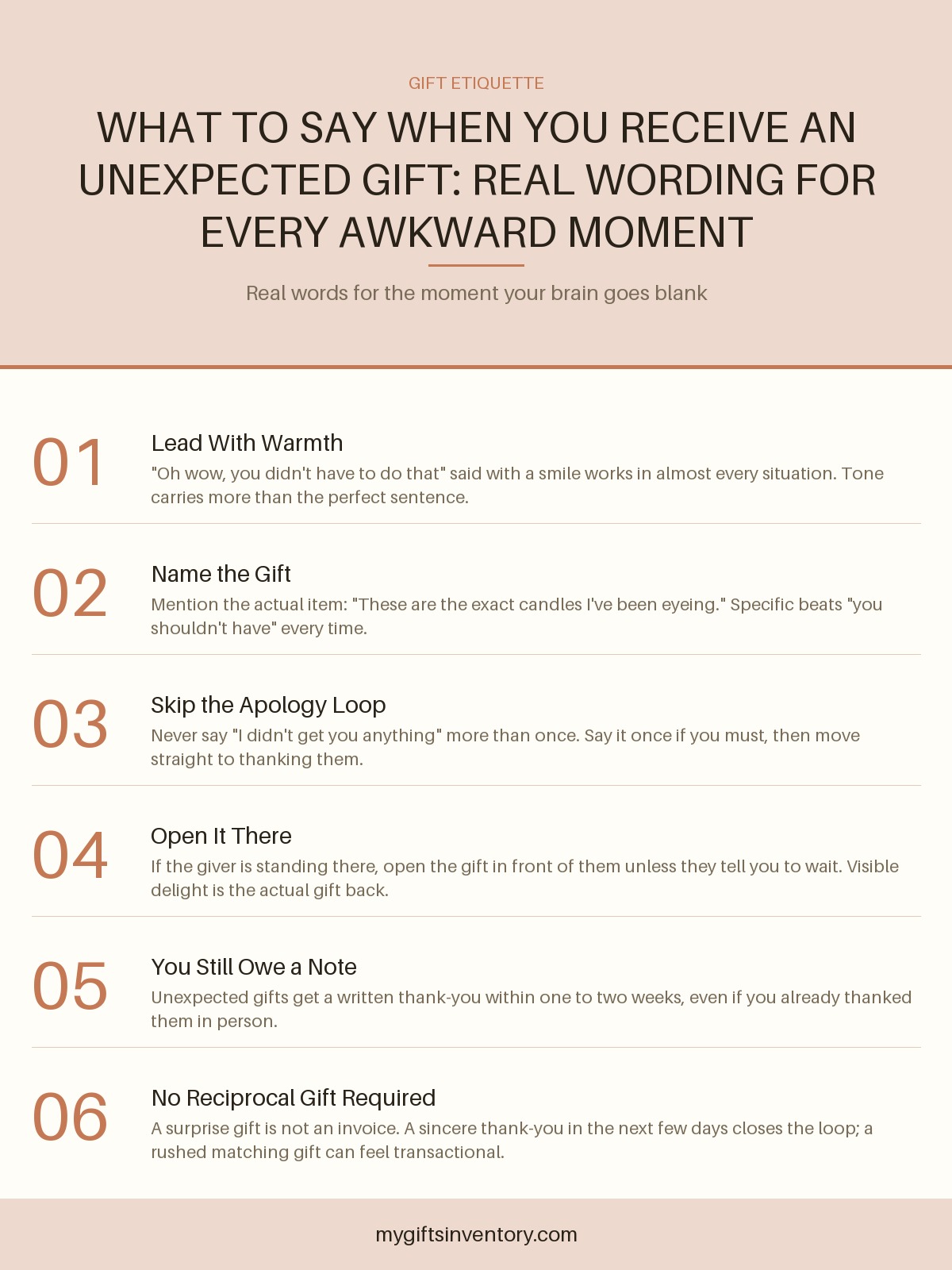
This is the part people underprepare for. The handoff moment benefits from one short sentence that gives context, not a speech. Some real examples that work across most relationships:
- "I saw this and thought of you immediately" (works for almost anything specific to their interests).
- "This is a small thing, I just wanted you to know I was thinking about you" (good for sympathy gifts or check-in gifts with no big occasion attached).
- "Happy birthday, I hope this is useful" (fine for practical gifts that don't need a story).
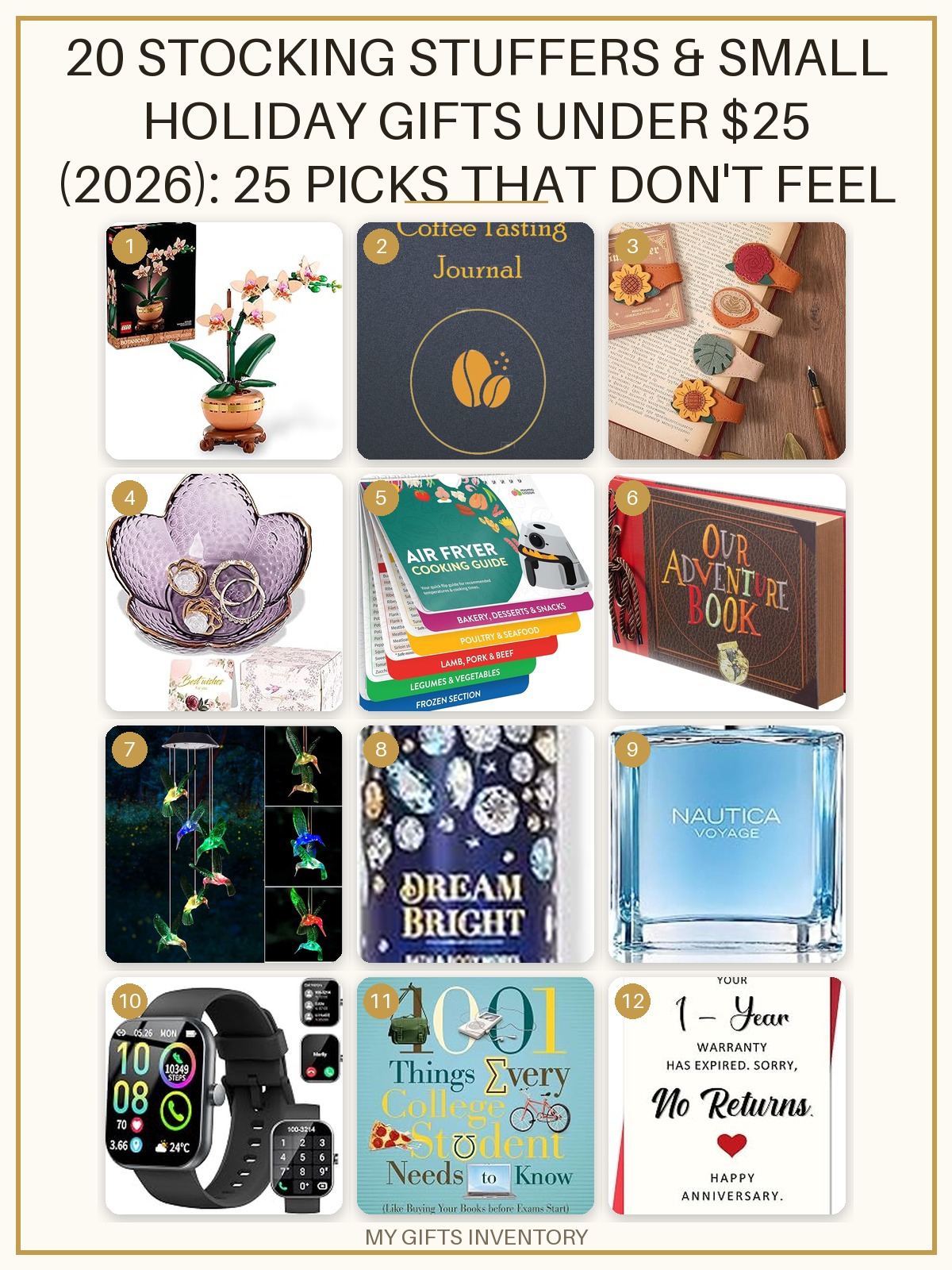
- "I know this is your thing, so I couldn't resist" (great for hobby-specific gifts, like something for a coffee obsessive or a smartwatch for someone tracking their runs, similar to picks from a smart watches for women under $100 list).
What to avoid saying: "it's not much" or "I didn't really know what to get you" or "you can return it if you don't like it" as your opening line. All three undercut the gift before they've even opened it. If a gift genuinely is modest, let it be modest without narrating that fact. Confidence in the gift, even a small one, reads as more gracious than an apology wrapped around it.
Handling Their Reaction, Whatever It Is
Graceful giving includes what happens after they open it. Most people react warmly even to gifts they don't love, so your job is to make that easy for them, not to fish for a bigger reaction. Don't ask "do you like it?" pointedly, and don't watch their face too intently while they unwrap it. Give them a beat of privacy even in a group setting by looking away or continuing conversation.
If it's clear the gift missed (wrong size, a duplicate, not their taste), the graceful move is to normalize it immediately rather than let the awkwardness sit. Something like "no worries at all, I actually wasn't sure on the size, the receipt's inside" takes the pressure off them to perform enthusiasm. This one habit, quietly building in an easy exit ramp, does more for the relationship than almost anything about the gift itself.
Group Gifts, Registries, and Knowing When to Opt Out
Group gifts (office collections, wedding registries, baby showers) come with their own etiquette. If you're contributing to a pooled gift, match your contribution to what feels comfortable, not what the organizer suggests if that number is out of your range, a quiet "I can do $15" is completely fine. If you're buying off a registry, resist the urge to go rogue and pick something more "meaningful" instead, since registries exist specifically to prevent duplicate gifts and mismatched taste, and going off-list undermines that.
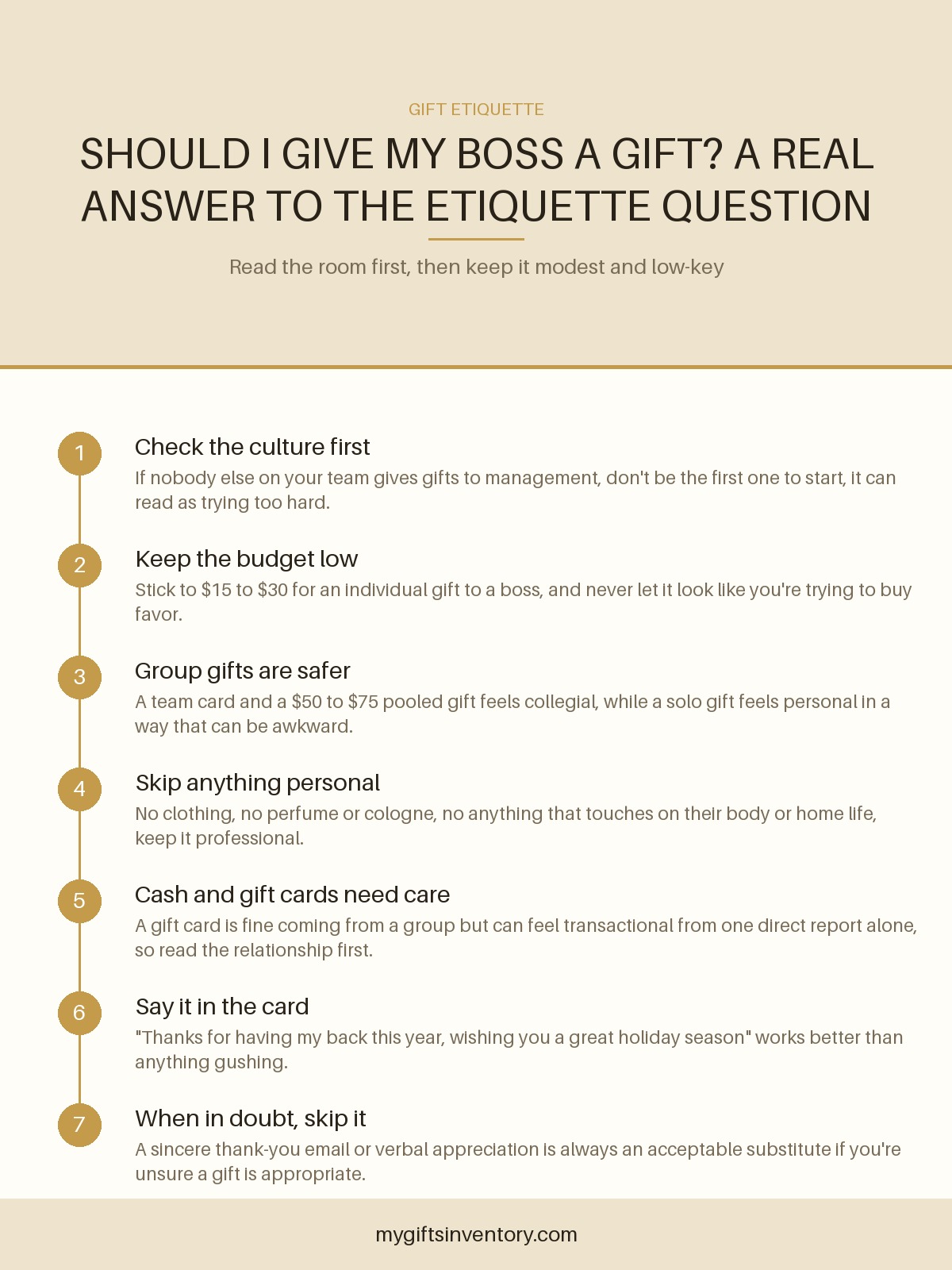
There's also real grace in knowing when not to give a gift at all, or when a card is enough. Coworkers you don't know well, casual acquaintances, or situations where a workplace has a no-gift culture are all places where a thoughtful card with a specific sentence about the person does more good than a gift that creates obligation or feels performative.
When a Gift Card Is the Graceful Choice
There's a lingering idea that gift cards are a lesser option, but that's really only true when they're chosen out of laziness rather than knowledge. A gift card becomes graceful when it's specific: you know they've been eyeing something at a particular store, or you know their daily habits well enough to pick the right one, whether that's Target for a home goods habit or a Visa gift card for someone who'd rather choose completely on their own. Pairing it with a small physical item, a nice card, or a specific note about why you chose that store turns a generic-feeling gift into a personal one.
Regifting and Returns, Handled With Grace
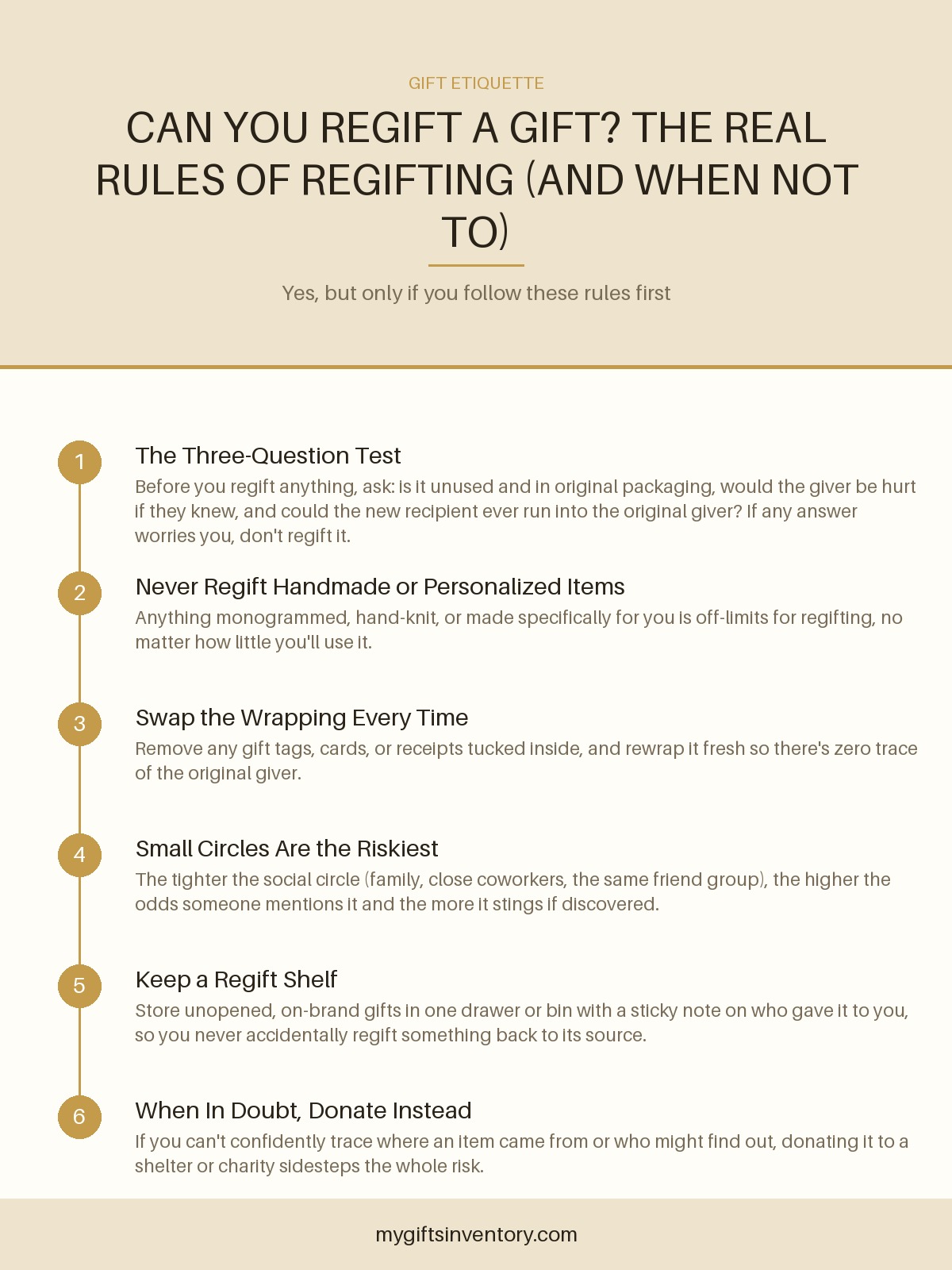
Regifting isn't inherently graceless, but it requires a bit of care. Never regift something that's monogrammed, clearly handmade for you specifically, or given by someone in the same social circle as the new recipient, since overlap gets discovered more often than people expect. If you do regift, treat it like any other gift: wrap it fresh, remove any old tags or cards, and don't mention its origin.
On the receiving end, if you get a gift you need to return or exchange, that's completely normal and doesn't require confessing it to the giver unless they ask directly. If they do ask, a simple honest answer ("I exchanged it for a different size, I loved the thought behind it") keeps things warm without making them feel bad about the choice.
Frequently Asked Questions
What do you say when giving someone a gift?
A short sentence about why you chose it works best, something like "I saw this and thought of you" or "I know you've been wanting this." Avoid apologizing for the gift or over-explaining your effort, since a confident, brief comment lands better than a long justification.
Is it rude to ask what someone wants before buying a gift?
No, asking directly is often more considerate than guessing, especially for people who are hard to shop for or in relationships where you don't know their taste well. The key is asking with enough lead time that it doesn't feel like a last-minute scramble, and framing it as wanting to get something they'll actually use.
How much should you spend on a gift without it feeling like too much or too little?
For most friend and family occasions, $25 to $75 is a comfortable range that reads as thoughtful without creating pressure to reciprocate at a higher level. Coworker and casual acquaintance gifts typically stay in the $10 to $25 range, and going noticeably above that can actually make the recipient uncomfortable.
What's the graceful way to react to a gift you don't like?
Focus your reaction on the thought rather than the item itself, saying something like "this is so thoughtful, thank you for thinking of me" rather than forcing enthusiasm about the object. It's fine to be honest later if the giver asks directly, but in the moment, gratitude for the gesture matters more than a perfectly matched reaction.
Should you always wrap a gift, even a gift card?
Wrapping isn't strictly required, but presentation still matters, even a gift card feels more considered tucked into a card with a handwritten note than handed over bare. A small gift bag or an envelope with a short message takes two minutes and changes how the gift is received.
Looking for an Actual Gift Instead?
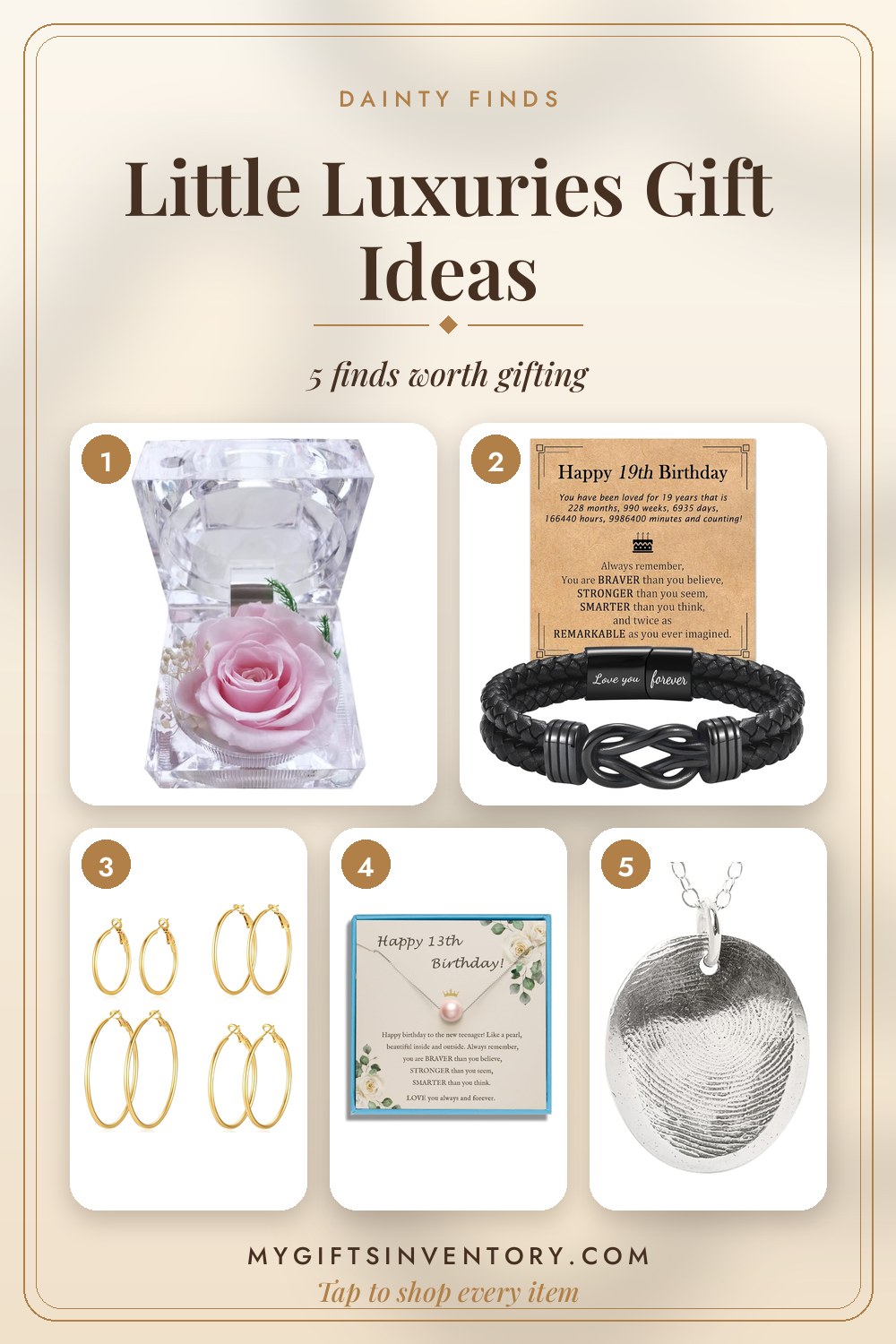
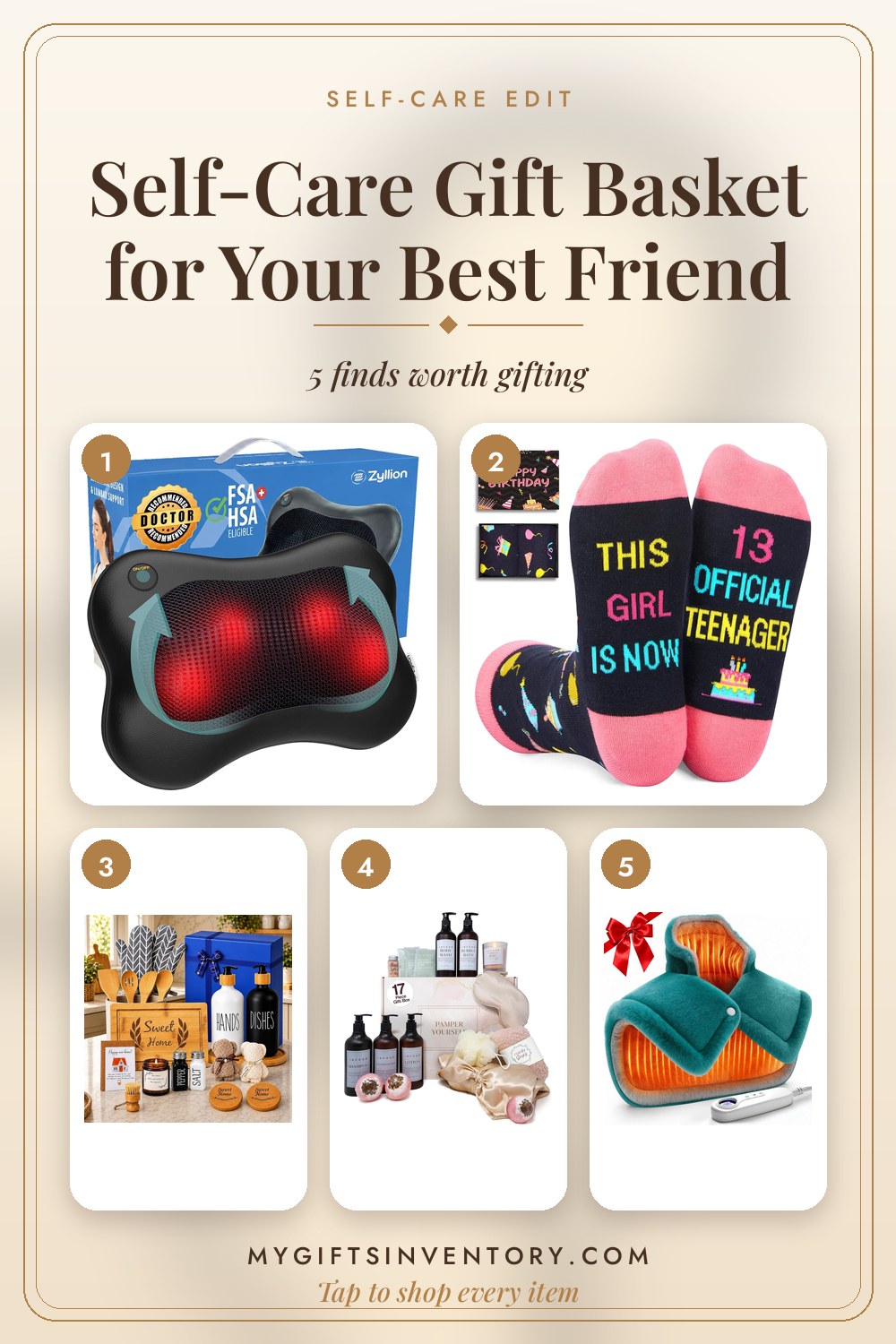
Gift Sets We Love Right Now
Every item picked, priced and linked, ready to buy.
More Gift Advice