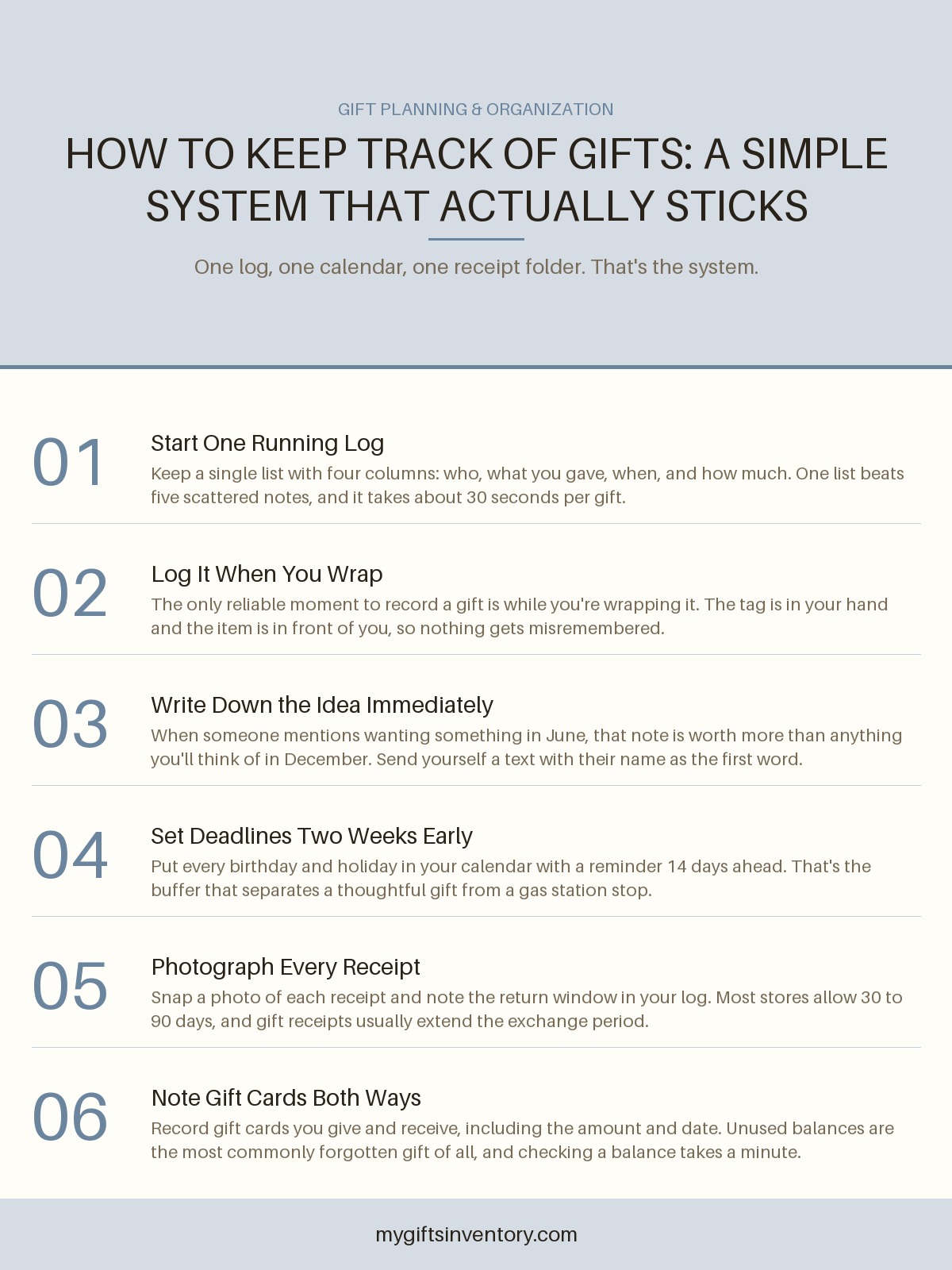
How to Keep Track of Gifts: A Simple System That Actually Sticks
A running gift log, a deadline calendar, and a receipt folder will save you from double-buying, forgotten birthdays, and that awful moment when you can't remember what you gave someone last year.

As an Amazon Associate, My Gifts Inventory earns from qualifying purchases. We only recommend products we'd genuinely consider buying ourselves.
You bought your sister a candle last Christmas. Or was it a scarf? And did you already get your coworker something for her birthday, or were you planning to? If that small panic sounds familiar, you're in good company. Most of us give more gifts than we can hold in our heads, and the result is a pile of half-remembered purchases, duplicate presents, and receipts lost somewhere in a coat pocket. Keeping track of gifts doesn't require an elaborate app or a color-coded binder. It requires one place to write things down, one prompt to write them, and a deadline or two so nothing sneaks up on you.
Start With One Running Log
The single biggest mistake is scattering information. A note in your phone here, a mental list there, a screenshot of something someone mentioned six months ago. When it's time to buy, none of it is where you need it. Pick one home for all gift information and commit to it. A basic spreadsheet works, and so does a notebook, a notes app, or a document you actually open. The container matters far less than the consistency.
Whatever you choose, give it four columns or fields: who the gift was for, what you gave, when you gave it, and how much you spent. That fourth column is easy to skip and quietly the most useful. By October, a running total tells you whether you're on pace or whether you've already blown through the holiday budget you set in September. If you haven't set one yet, our advice on how gift card balances work at Trader Joe's isn't the place to start. Start by deciding a number per person, then let the log keep you honest.
What to actually write down
Be specific enough that future you understands the entry. "Book for Dad" is thin. "Hardcover history book, WWII, $28, gave for Father's Day 2026" tells you what he already has, what it cost, and when he got it. If you gave a gift card, record the brand and the amount, because those details vanish fast. A note like "gift card to Olive Garden, $50, December 2026" is worth remembering, and if the recipient ever asks how to check the balance, you'll know exactly which card to point them to. Add a photo of the wrapped gift if you're a visual person. It takes two seconds and makes the log far more useful when you're standing in a store in November trying to recall what you bought last year.
Log It at the Moment You Wrap
Here's the thing about good intentions: they evaporate. You will not remember to update the log later, because "later" is when you're tired and the holidays are over. The reliable moment to record a gift is while you're wrapping it, or at the very least while you're putting it in the bag. The tag is in your hand, the item is in front of you, and the memory is fresh.
Make wrapping a two-part task: write the tag, then add the line to your log. If you wrap in batches, keep your phone or laptop nearby and update after each gift. This habit alone eliminates the most common tracking failure: knowing you gave something but being unable to say what.
While you're at it, note who you bought for and who you didn't. A quick checklist of names is easy to build from your contact list, and it prevents the awkward discovery on December 22nd that you've covered one side of the family and forgotten the other. This is also where a mental note about a specific person's interests pays off. If your brother-in-law has been talking about grilling, jot it down when you hear it. Come gift season, a browse through the best grilling and BBQ gifts takes minutes instead of hours.
Capture Ideas the Second They Surface
Gift ideas arrive at random, inconvenient times. Someone mentions a book they've been meaning to read, your mom points at a pair of pajamas and says "I'd live in those," a friend complains that her wallet finally fell apart. These are gold, and they're gone in 48 hours unless you write them down.
The fastest capture method is a text message to yourself with the person's name as the first word, because it's searchable later. A "Gift Ideas" note in your phone works equally well. The rule is simple: if you have a thought about a gift for someone, it goes in the log immediately, even if it's half-formed. "Maybe a book light for Anna" is a perfectly good entry, and it's the kind of thing that becomes a genuinely welcome present. When the time comes to buy, our best gifts for book lovers list is a natural next stop if the idea needs a little more shape.
This idea-capture habit does something else useful: it spreads your gift thinking across the whole year. By the time a birthday actually arrives, you may already have three ideas, which means you're choosing rather than scrambling.
Put Deadlines in a Calendar, Not in Your Head
"I'll remember her birthday" is a promise you will break. Calendars don't forget, and neither will you if the reminder comes early enough. The key detail is the buffer. A reminder on the day of a birthday is an alert, not a plan. Set it two weeks ahead.
Here's a workable timeline that covers most situations:
- 14 days before: reminder fires. This is the planning window. Look at your log, pick the gift, order it or buy it.
- 7 days before: the gift should be in hand. If it isn't, switch to a gift card or expedited shipping.
- 2 to 3 days before: wrap, tag, and log the gift. Card last.
For December, this matters more than any other month. Most people have a cluster of birthdays, holiday parties, and family obligations packed into four weeks. If you're doing a Secret Santa at work and your deadline is a week before the exchange, check your log first so you don't repeat last year's gift. Then browse the Secret Santa ideas that don't feel like filler and set the deadline in your calendar as a real event with a reminder. A single recurring "gift season planning" event in early November can save you a dozen small panics.
Keep a Receipt Folder (Or Take Photos)
Receipts are the paperwork side of gift tracking, and they're the part people skip until something needs to be returned. Two things to manage here: the physical (or photographed) receipt, and the return window.
The simplest system is a single envelope or folder labeled for the season, plus a note in your log of the return deadline for anything you're unsure about. If you shop online, forward the confirmation email to a dedicated folder. If you shop in person, take a photo of the receipt right at the register, then note in the log something like "return by Feb 1, needs receipt." Most retailers allow 30 to 90 days on returns, and gift receipts often come with a longer exchange-only window. Writing the deadline down is what actually protects you, because the receipt exists whether or not you remember it does.
One more receipt habit: keep gift card purchase confirmations. If a card gets lost or the balance looks wrong, that confirmation is your proof of purchase. It's also how you'd help someone check a balance they received. For example, if you gifted a card to a coffee lover, our guide on checking a Caffè Nero gift card balance walks through the process, and knowing that makes you a better gift-giver to begin with.
Track Gift Cards Both Directions
Gift cards are the most commonly mismanaged gift, for two reasons. The giver forgets whether they already bought one. The receiver forgets the balance exists. Both are solvable with a log entry that includes the brand, the amount, and the date.
Add a section to your log for cards you've given and another for cards you've received. When you receive one, check the balance within a week or two while it's still top of mind, then set a reminder to use it before it expires. Balances usually don't expire under federal rules, but fees and card terms vary, and some cards sit forgotten for years. A quick balance check takes a minute. A quick use of it takes a nice dinner. And when you're the one giving, the same discipline applies: record that you gave a $50 card to your nephew in March, so June doesn't bring a duplicate.
Make It a Monthly Ritual
The other failure mode isn't forgetting to log. It's logging once and never looking again. Ten minutes on the first of each month fixes this. Open the log, read it over, and ask three questions: What's coming up in the next 60 days? Do I have gifts for any of it? Did anyone mention something I should write down?
This small ritual does a lot of quiet work. It gives you a moment to notice a birthday you'd have missed. It lets you spot a spending trend before it becomes a December problem. And it keeps your ideas fresh enough to act on. If you want to go further, you can track other useful details too, like sizes and colors for the people you gift most often, or a short note on what they asked for last time.
You don't need an app. A spreadsheet, a notebook, or a running doc will do everything described here. If you're a spreadsheet person, add a simple filter so you can sort by person, and it becomes far more powerful than you'd expect. If you prefer paper, keep the notebook where you wrap gifts and nowhere else, so the two habits reinforce each other.
The whole system comes down to three pieces: one log that records who, what, when, and how much; one calendar reminder two weeks ahead of every deadline; and one place for receipts. Do those three things and the question "what did I get her last year?" gets an actual answer instead of a shrug.
Gift Ideas to Go With This




Want more ideas? Browse our full guide: 18 Holiday Gifts & Christmas Present Ideas Under $50 (2026): Thoughtful Picks for Everyone on Your List
Frequently Asked Questions
What's the easiest way to keep track of gifts?
Use a single running log with four fields: who, what you gave, when, and how much you spent. Update it the moment you wrap a gift, and set calendar reminders two weeks before each birthday or holiday. One list beats five scattered notes every time.
Should I use a gift-tracking app or a spreadsheet?
Either works, and the best choice is the one you'll actually open. A simple spreadsheet gives you sorting and totals, while a notes app is easier for capturing ideas on the go. If you want an app, pick one with a reminder system and a notes field. The format matters far less than consistency.
How do I remember gift ideas people mention throughout the year?
Write them down immediately, ideally as a text to yourself with the person's name as the first word, so you can search it later. Half-formed ideas are fine and worth recording. Review your ideas list monthly so the notes stay fresh enough to act on rather than becoming forgotten clutter.
How far in advance should I buy birthday and holiday gifts?
Two weeks before the date is the minimum planning window, and one week before is when the gift should physically be in hand. Order or buy at the two-week mark, wrap and log at the one-week mark, and keep a gift card as a backup for the final days.
What should I write down about gift cards I give or receive?
Record the brand, the dollar amount, and the date for every card in both directions. Check any card you receive within the first week or two and set a reminder to use it. For cards you give, the log entry prevents accidentally buying the same person another card for the next occasion.
Looking for an Actual Gift Instead?

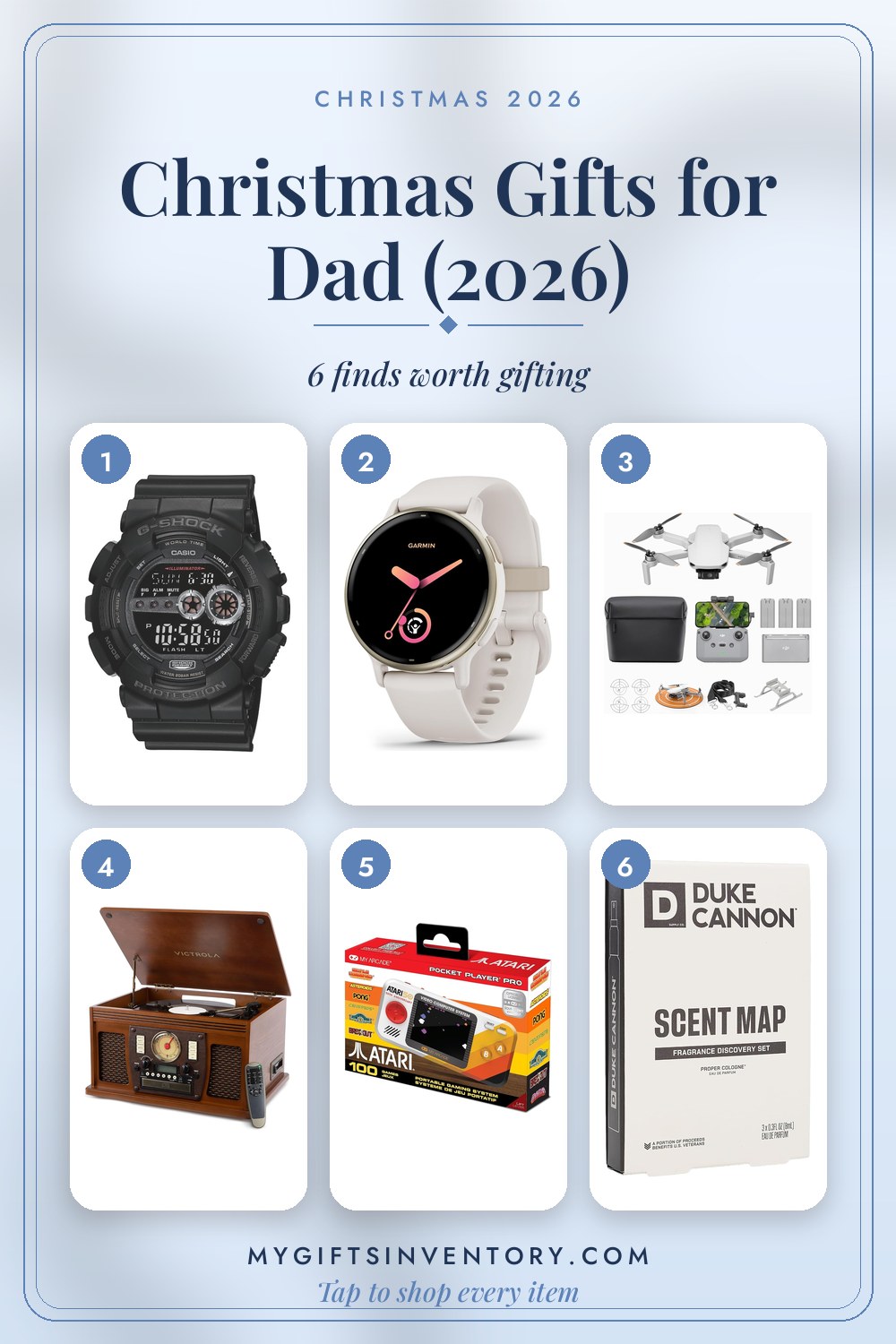
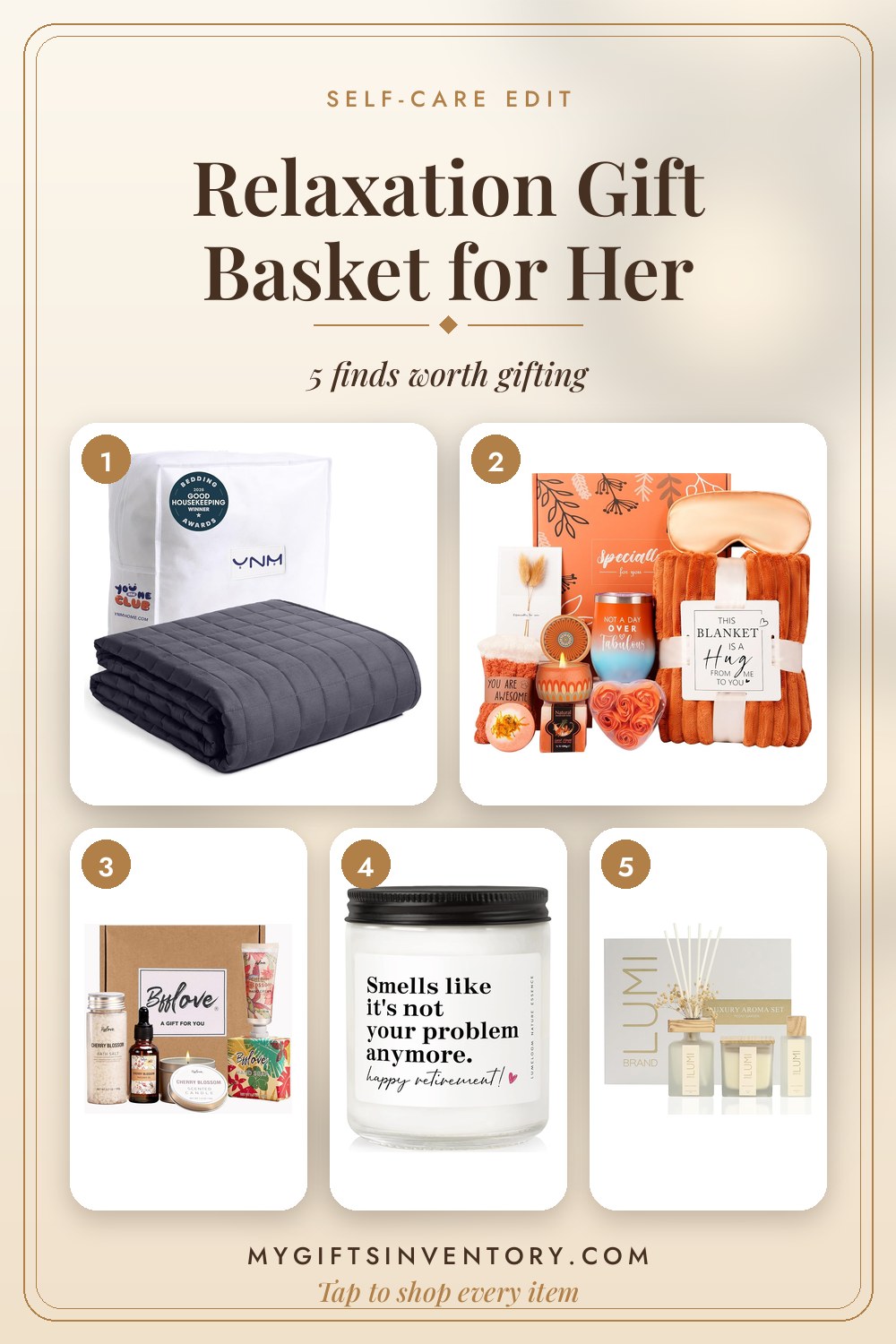
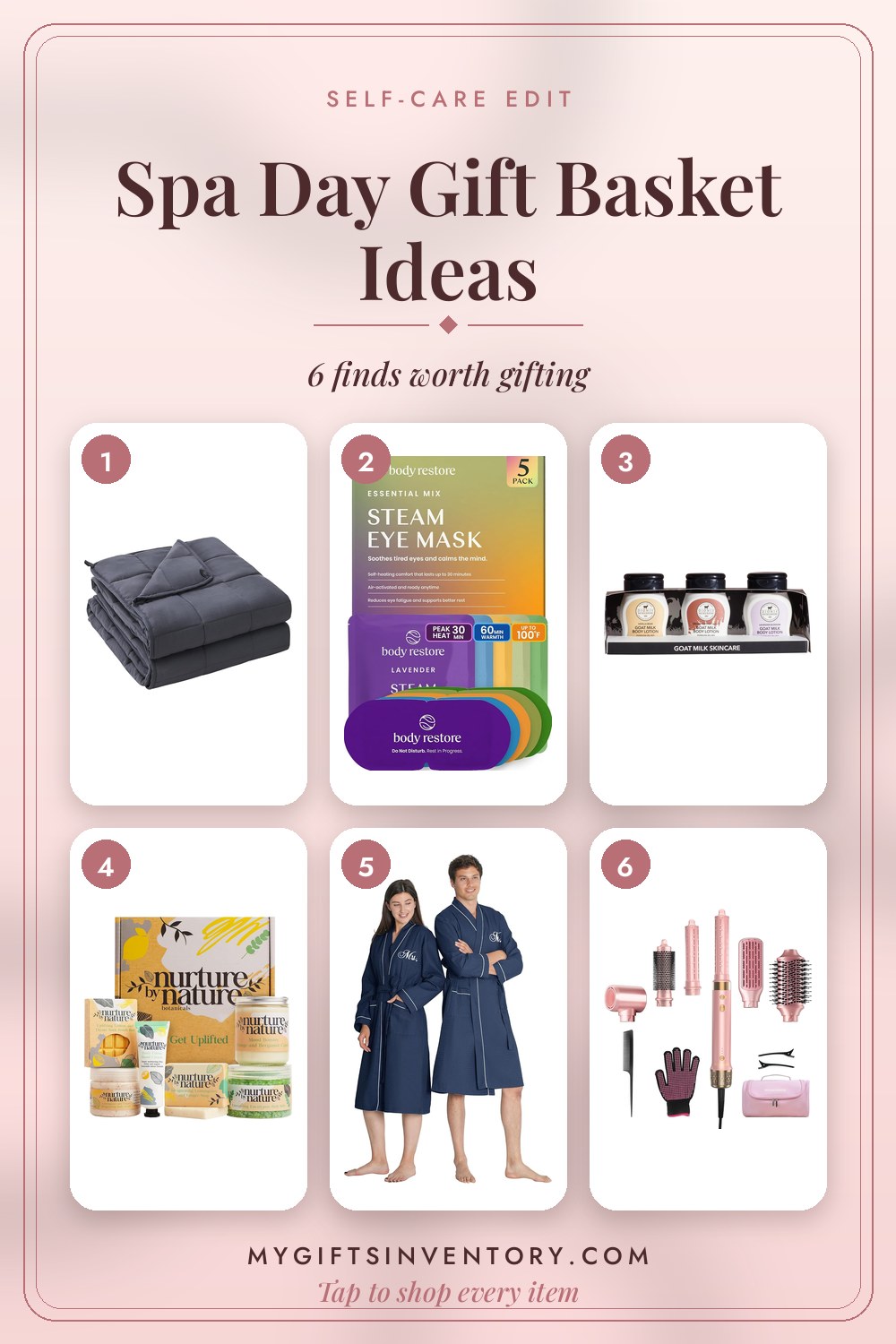
Gift Sets We Love Right Now
Every item picked, priced and linked, ready to buy.
More Gift Advice