How to Organize Gifts for the Year (Budget, Lists, Wrapping, and Cards)
We use a simple system that covers every birthday, holiday, and “just because” gift across the whole year. You’ll know what to buy, when to wrap it, and what to write so nothing gets rushed at the end.

As an Amazon Associate, My Gifts Inventory earns from qualifying purchases. We only recommend products we'd genuinely consider buying ourselves.
People don’t search “how to organize gifts for the year” because they love spreadsheets. They search because gift shopping has a way of turning into a last-minute scramble, and the feeling we want to avoid is that sinking moment when you realize birthdays are coming faster than your calendar.
We’ve built a system that works whether you’re buying for 8 people or 28, and whether your style is “I plan early” or “I shop when I can.” It’s about one thing: reducing decision fatigue and protecting your time, while still keeping gifts thoughtful.
Build a Year-Long Gift Plan That Actually Gets Used
Step 1: Create one master list (not five scraps of paper)
Start with a single list for the whole year. For each person, we add:
- Recipient name
- Event type (birthday, holiday, anniversary, housewarming, “just because”)
- Date or approximate window (month is fine for some events)
- Gift budget range (we’ll talk numbers below)
- Idea category (practical, pampering, hobby, home, sentimental, experience)
- Notes (sizes, likes/dislikes, past gifts, constraints like “no fragrance”)
- Status (not started, researching, bought, wrapped, card written)
If you’re the kind of person who already keeps a notes app or a calendar, that’s perfect. The only rule we recommend is: one master place where you update everything. When the list lives in multiple places, you end up duplicating effort and missing details.
Step 2: Set budget buckets that keep you flexible
Instead of one rigid amount, we like budget ranges per event. It gives you room to match the person’s real preference as you learn during the year.
Example budget ranges (adjust to your reality)
- Close family birthdays: $50 to $100
- Extended family or coworkers birthdays: $15 to $35
- Holiday gifts (per person): $40 to $120 depending on your closeness
- Anniversaries: $75 to $200 for a “celebration” level
- Small “just because” gifts: $10 to $25
One reason this helps: prices can shift and shipping can be unpredictable. With a range, you can still keep your plan intact even if you find a better match later.
Step 3: Assign “buy by” dates, not just event dates
This is where the stress goes down. Event dates are fixed. Your timeline isn’t. We build purchase deadlines so that returns and exchanges are possible, not just hopeful.
A simple timeline we use
- 4 to 6 weeks before birthdays and major holidays: start buying (especially if you’re ordering online).
- 2 to 3 weeks before: everything important should be purchased, so you can swap if needed.
- 1 week before: wrap and finalize cards.
If you tend to shop late, we recommend a “last possible calm moment” rule: after the two-week mark, only do small fixes. Big changes create chaos.
Organize by Occasion so You Don’t Miss Anything
Birthdays: plan for the “gift reality,” not just the date
For birthdays, we like to separate research from purchase. Research is when you gather ideas and notes. Purchase is when you confirm the gift and check for sizing and return windows. Keep the two separate in your status tracking.
We also keep a quick “gift memory” note for each person: what you gave last year, what they disliked, and what they talked about recently. That one line saves a lot of guesswork.
Holidays: treat it like a mini campaign
Holiday gifting often includes more people, and the range of budgets and preferences is wider. We plan holidays in three waves:
- Wave 1 (early): the people with the most constraints (hard-to-shop-for, size-sensitive items, or people who want something specific).
- Wave 2: your “comfortable choices” (reliable categories where you can still be thoughtful).
- Wave 3 (final shopping week): smaller items, gift cards if appropriate, and any missing card-only items.
If you’re the type who uses gift cards as a practical backup, we find it helps to plan them like a tool, not a defeat. For example, if you want a store option for someone who likes to browse, it can reduce decision fatigue because you’re not guessing the exact item. If that’s your approach, you may also appreciate our store-specific guides such as Gift Cards at Target: The Complete List of Brands, Fees & Where to Buy (2026) or Gift Cards at Walmart: The Complete List of Brands, Fees & Where to Buy (2026).
Anniversaries and special milestones: build in personalization time
For anniversaries and major milestones, the timeline should include time for personalization. If you write cards late, the words can turn generic. If you wrap late, the gift can feel rushed. We aim to draft card wording at least 7 days before gifting for these events.
We also keep a “memory prompt” note so we can mention something specific. Prompts can be simple: “What was our favorite moment together this year?” or “What did they help me with?” When you have the moment, you don’t have to invent sentiment.
Create a System for Buying, Wrapping, and Storing
Use a two-stage “ready” process
Instead of “bought” meaning everything is done, we use two stages:
- Ready-to-wrap: purchased, but still in its original packaging or a tote bag.
- Wrapped and labeled: wrapped, with a label that includes recipient and event.
This prevents a common problem: gifts sitting around untracked until the moment you need them. If a gift is already bought, it should move forward immediately or get clearly marked where it belongs.
Make wrapping easier with a “wrapping station” setup
We keep a small wrapping kit that stays in the same place all year. We include:
- Tape, scissors, and a basic craft knife
- Gift tags and a pen that writes well on coated paper
- A few ribbon options (enough to be cute, not enough to become a decision)
- Card envelopes and a small stack of blank cards
The point is not to buy everything once per year. It’s to avoid hunting for supplies on the night before a party.
Label gifts immediately, even if you plan to wrap later
Here’s a habit that keeps things tidy: when a gift is purchased, we label the bag or box with:
- Recipient name
- Event date or month
- Status note like “wrap next week”
We’ve found this is especially helpful when multiple birthdays happen close together. You don’t want to guess which “small item” you bought for which person.
Write Card Messages That Feel Personal (Without Needing a Writing Marathon)
Write the card before the wrapping day
Card writing gets harder when it’s paired with wrapping and multitasking. We do it in advance. A good structure is: one sentence for why you’re celebrating, one sentence that mentions something specific, and one sentence that looks forward.
Card wording examples we actually use
- Birthday + specific compliment: “Happy birthday, Alex. I loved hearing about your new project this year, and it’s been fun to watch you lean into it. Wishing you a day that feels as good as the progress you’ve made.”
- Holiday + gratitude: “Thinking of you and wishing you a calm holiday season. Thank you for being such a steady part of our year, in all the small ways. Can’t wait to celebrate together soon.”
- Anniversary + memory: “Happy anniversary. I keep thinking about that weekend when we did not have a plan and it turned out to be the best one. Wishing you more moments like that, and more reasons to laugh together.”
- “Just because”: “Just a note to say I’m grateful for you. I hope this brings a small smile on a regular day, because you deserve that kind of kindness.”
What to do if you forgot to write until the last minute
If you only have a few minutes, we recommend using a “minimal but warm” formula:
- Happy event sentence
- One specific observation (even small counts)
- One wish for their year ahead
Even a short note can land well because it shows you were paying attention.
Registries, Gift Receipts, and Returns: Make the “Can We Fix This?” Plan
If there’s a registry, use it without making it the whole point
Registries are meant to reduce stress for everyone. When we shop from a registry, we still add thought in one of two ways: we choose an item that matches their stated preferences (not just the top seller), or we pair a registry gift with a small personal add-on like a card with a specific memory, a snack they like, or something consumable.
When we’re choosing categories for ideas, we sometimes use gift guidance pages as a starting point so the process is faster and more deliberate. For example, if you’re shopping within a tighter range for kitchen or everyday items, 20 Kitchen Gadgets Gift Ideas Under $50 (2026): Gifts They'll Actually Use can help with the “what could be useful” brainstorming stage before you lock in the final purchase.
Always include a gift receipt when it’s not personal
If the gift is something that might not fit their preference, include a receipt or check the store policy if you’re not able to get one. This is not rude. It’s practical. We treat it like removing a small obstacle.
If you’re giving gift cards, a receipt is not the same thing as the balance, so you still want to make sure the recipient can use the card without hassle. Store-specific gift card guides can help you understand where and how those gift cards are used, such as Gift Cards at Kroger: The Complete List of Brands, Fees & Fuel Points (2026).
If you need to return something, don’t wait for the emotion to pass
Returning feels uncomfortable, but it becomes easier when you have a window. We recommend setting a reminder the day you buy. Then, if the gift needs to go back, you’re doing it during a normal return period, not while scrambling for replacements.
Make a “Year Intake” Routine So You Keep Updating All Year
Once a week, spend 10 minutes on gift maintenance
We find that one weekly check-in beats the big annual planning session. Ten minutes is enough to:
- Add new birthday dates or event reminders
- Capture notes from conversations (sizes, hobbies, things they mention)
- Update statuses: researching, bought, wrapped
- Adjust budgets if a gift turns out to be too expensive
Create “gift notes” during regular life
When someone says “I’ve been wanting…” or shows you something they love, we write it down immediately. If you wait, the memory turns vague, and vague is where bad gift guesses come from.
Last-Minute Without Chaos: What to Do When Time Is Short
Use a last-minute triage order
If you’re within two weeks of an event and you’re behind, don’t start from scratch. Start with this order:
- Card first: it can be personal quickly if you use a simple formula.
- Small, easy category: something that doesn’t require sizing or complicated scheduling.
- If needed, gift card backup: choose a card that matches their likely interests so it feels thoughtful, not generic.
Choose “safe plus one” gifts
When time is tight, “safe” means reliable: something in a category they already use or enjoy. “Plus one” means you add one personal detail, like a note about why you chose that category or an extra small item that matches something they mentioned.

Frequently Asked Questions
What is the best way to start organizing gifts for the year?
Start with one master list that includes each person, the event date, a budget range, and a few notes about their preferences. Then add “buy by” dates that are 2 to 6 weeks ahead of the event so shipping and returns are possible.
How much should we spend on gifts for different occasions?
We recommend using ranges, not one fixed number, because it keeps you flexible when prices change. For example, birthdays might be $15 to $35 for less-close relationships and $50 to $100 for close family, while holidays might be $40 to $120 depending on closeness.
How do we keep wrapping from becoming a last-minute mess?
Wrap as you go or, if you cannot, label everything immediately when you buy it. We also keep a small wrapping station stocked all year so the supplies are never scattered right when you need them most.
What should we write in a gift card message?
Use a simple structure: one sentence about the occasion, one specific line about something you noticed, and one wish for what’s ahead. If you’re short on time, keep it minimal but warm, and make sure it includes one real detail.
Should we use registries even if we want to personalize?
Yes. We like registries because they reduce guesswork, and personalization can still happen through the way you choose and pair the gift. A registry item plus a card that references a shared memory often feels both thoughtful and practical.
Looking for an Actual Gift Instead?
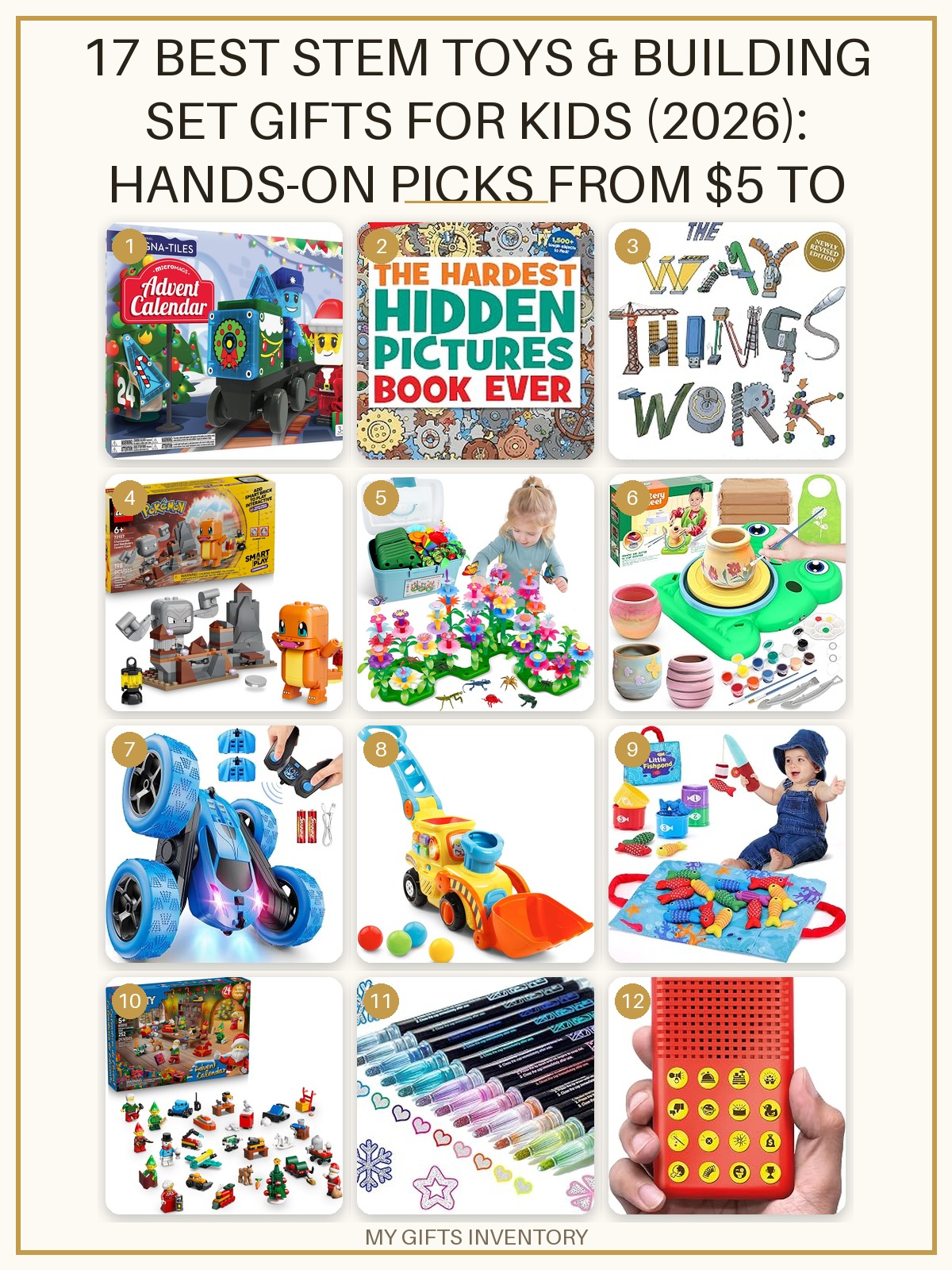
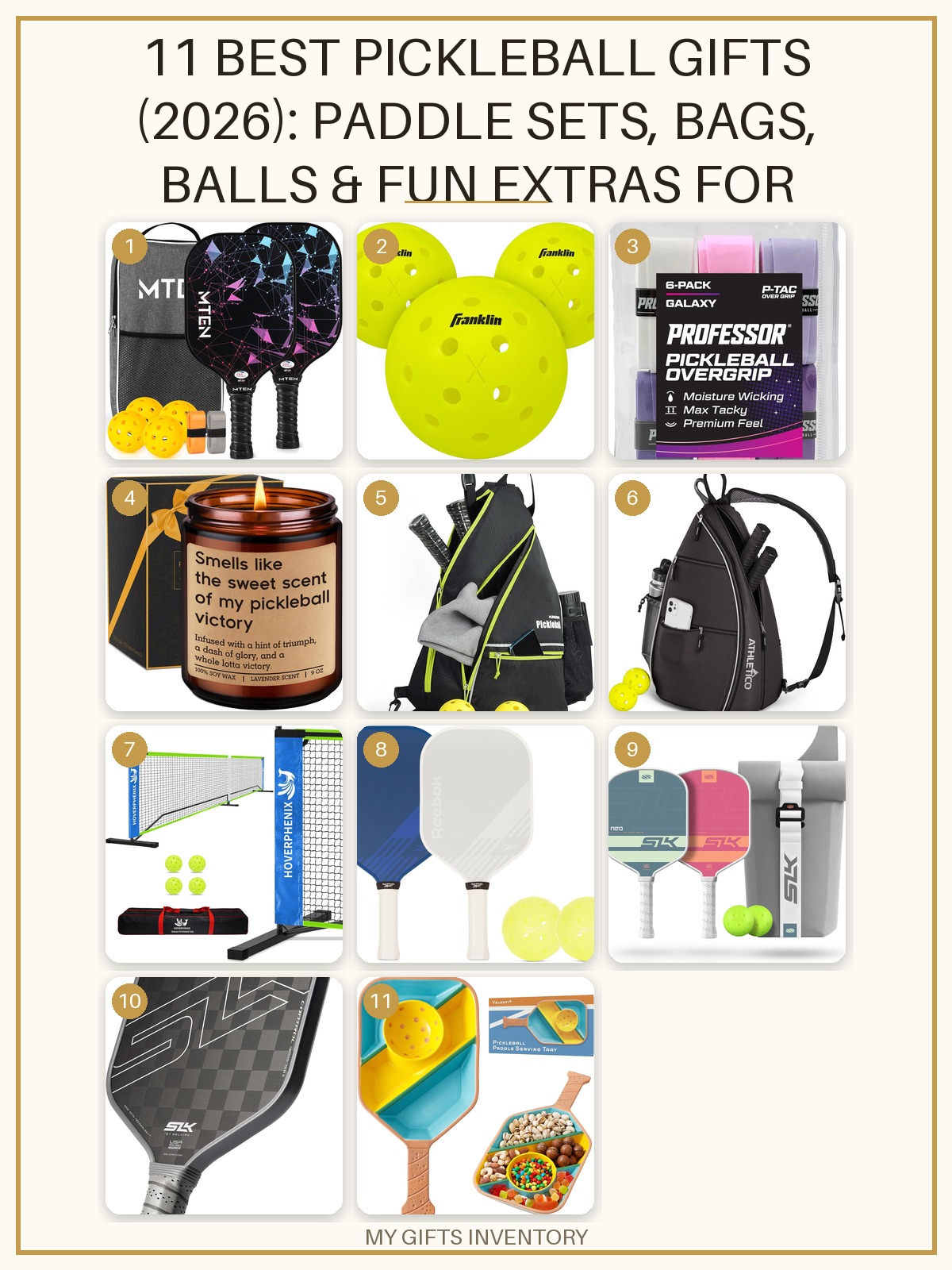
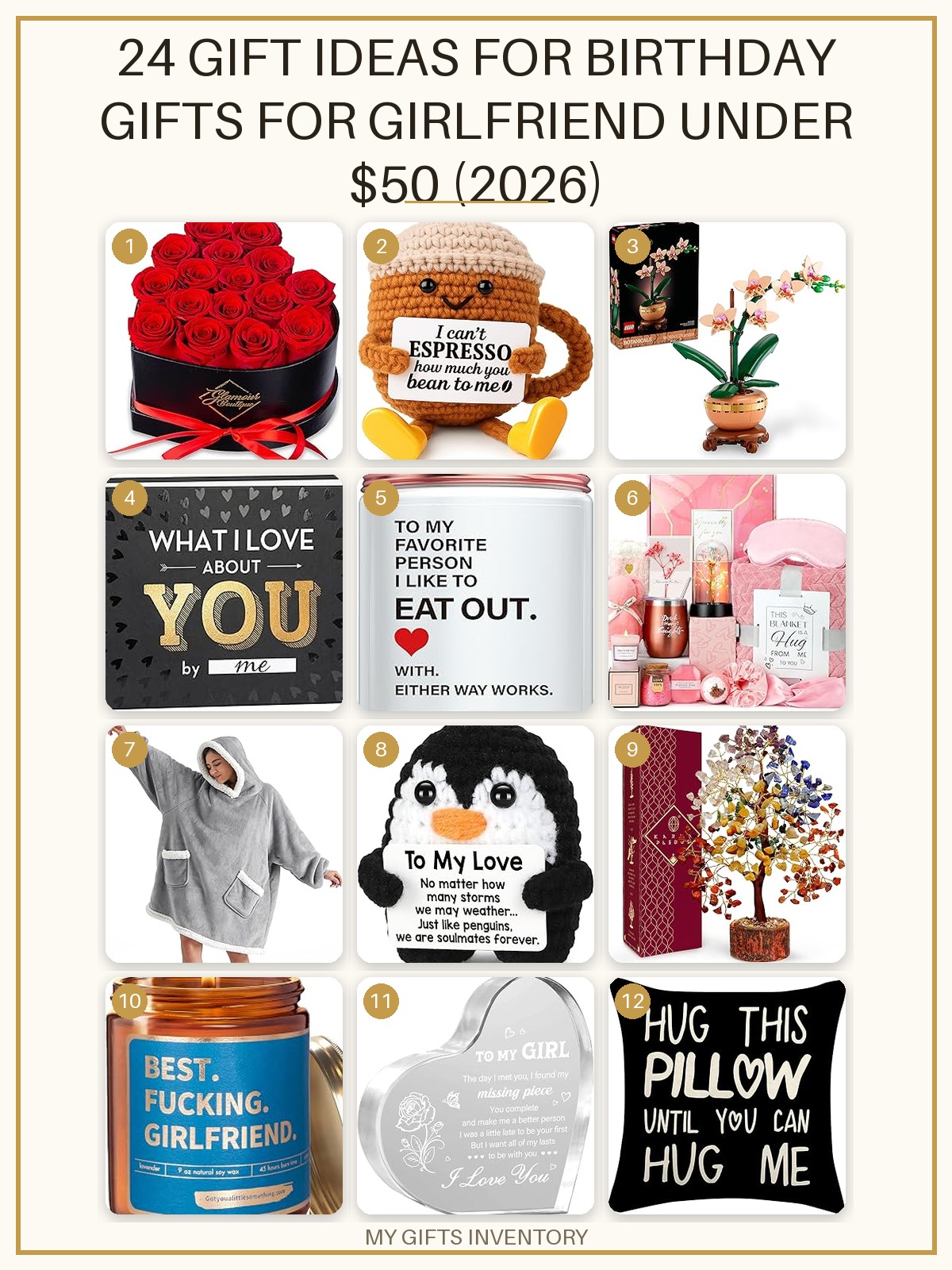
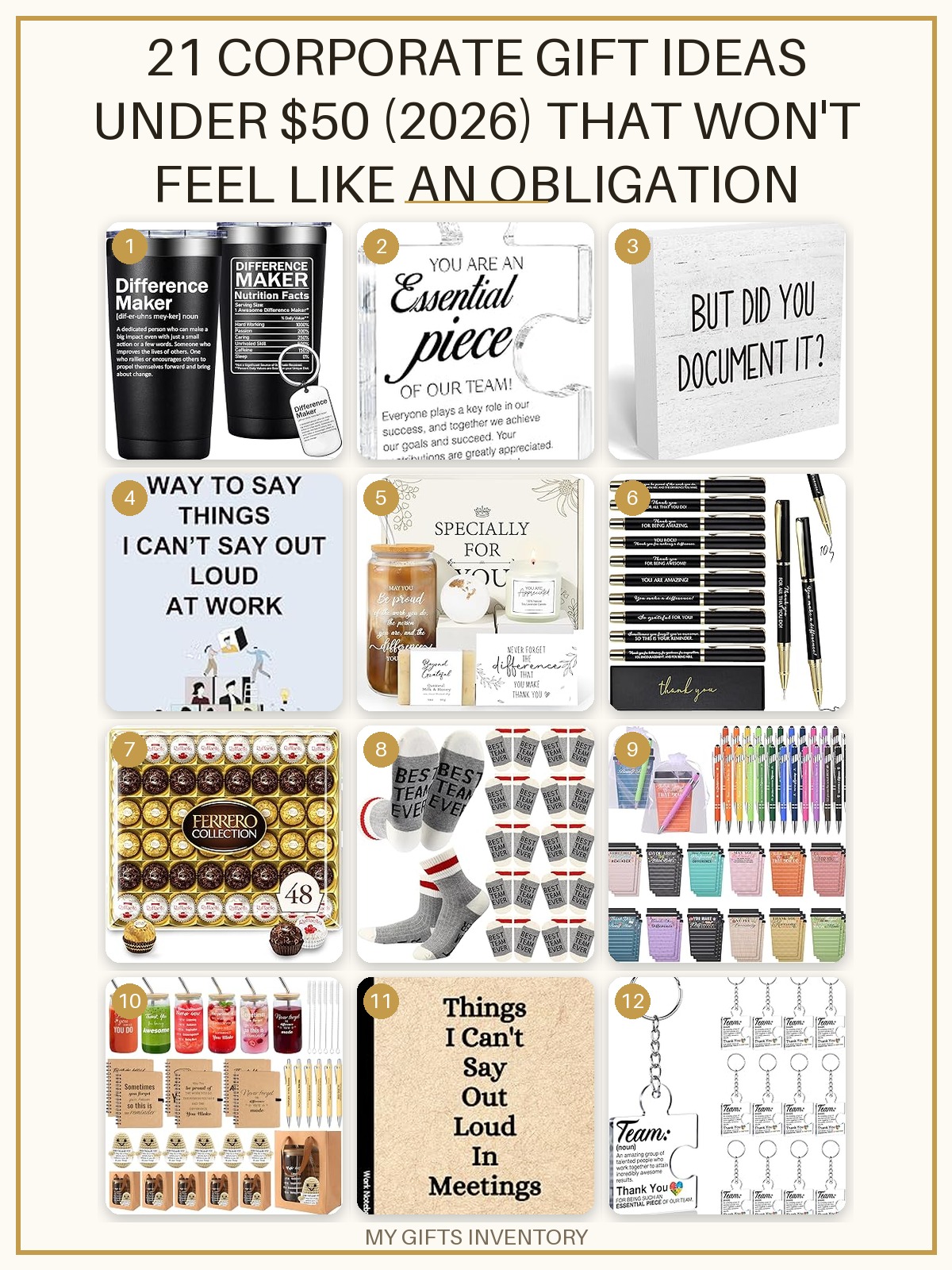
Shop Hand-Picked Gift Sets
Every item picked, priced and linked, ready to buy.
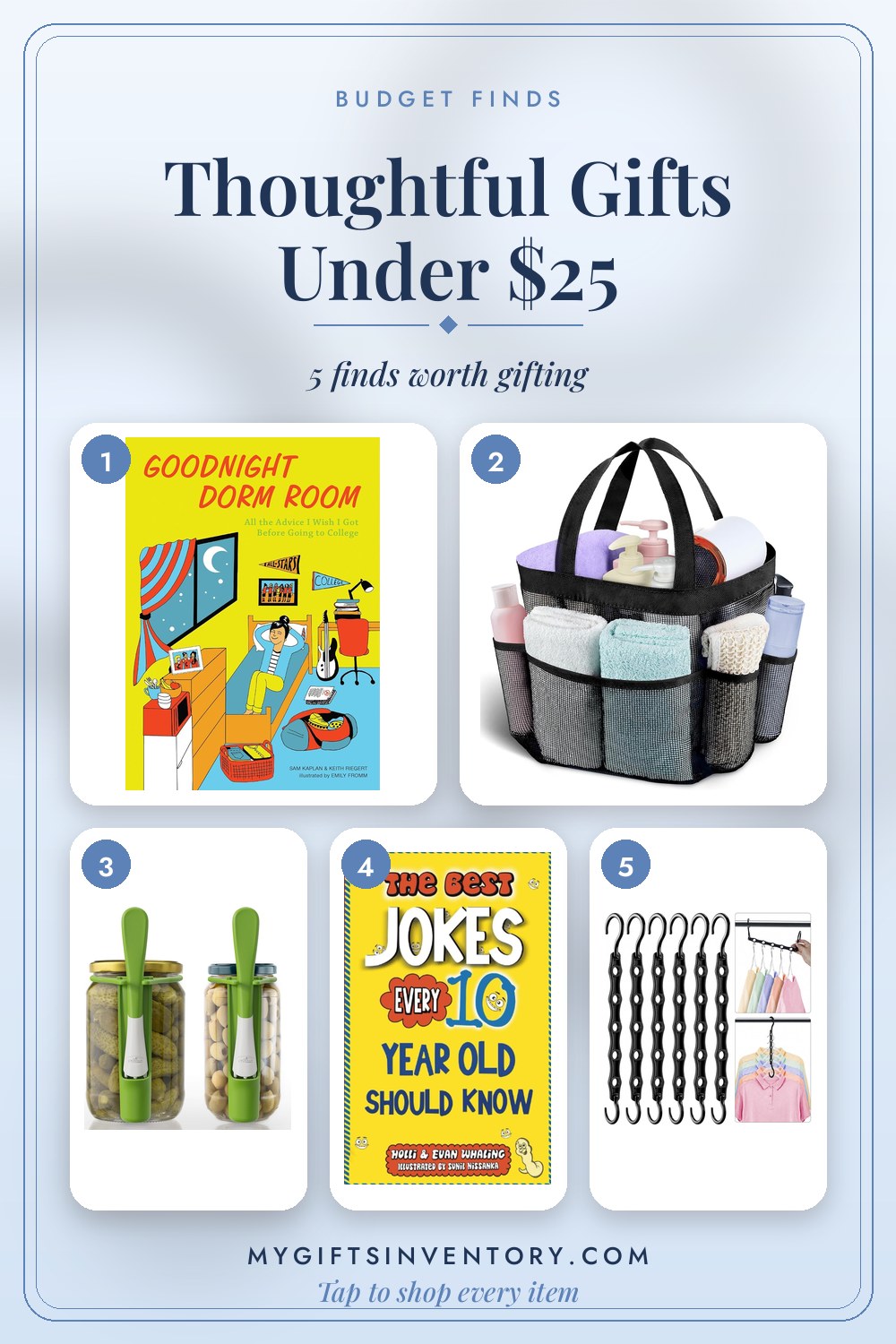
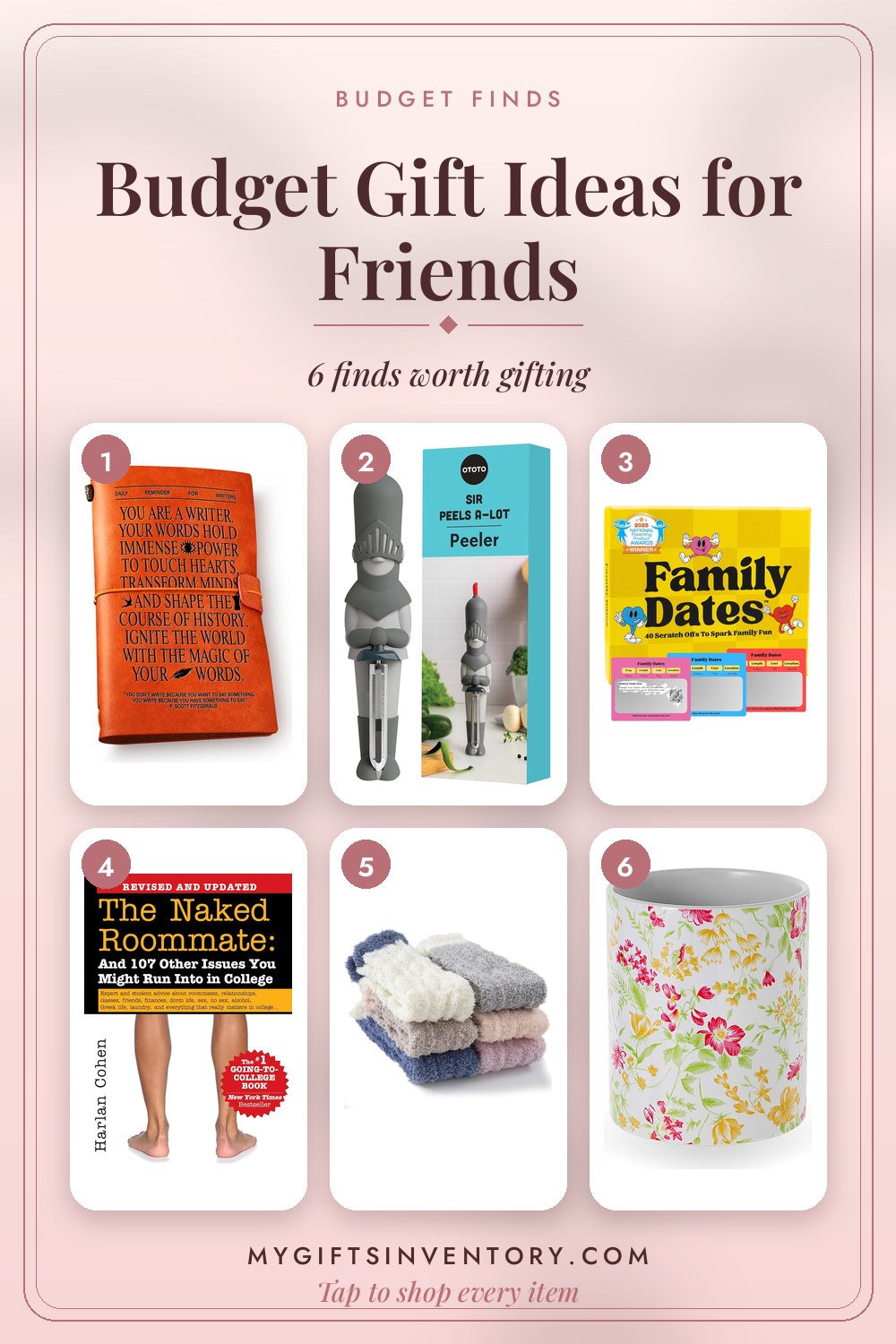
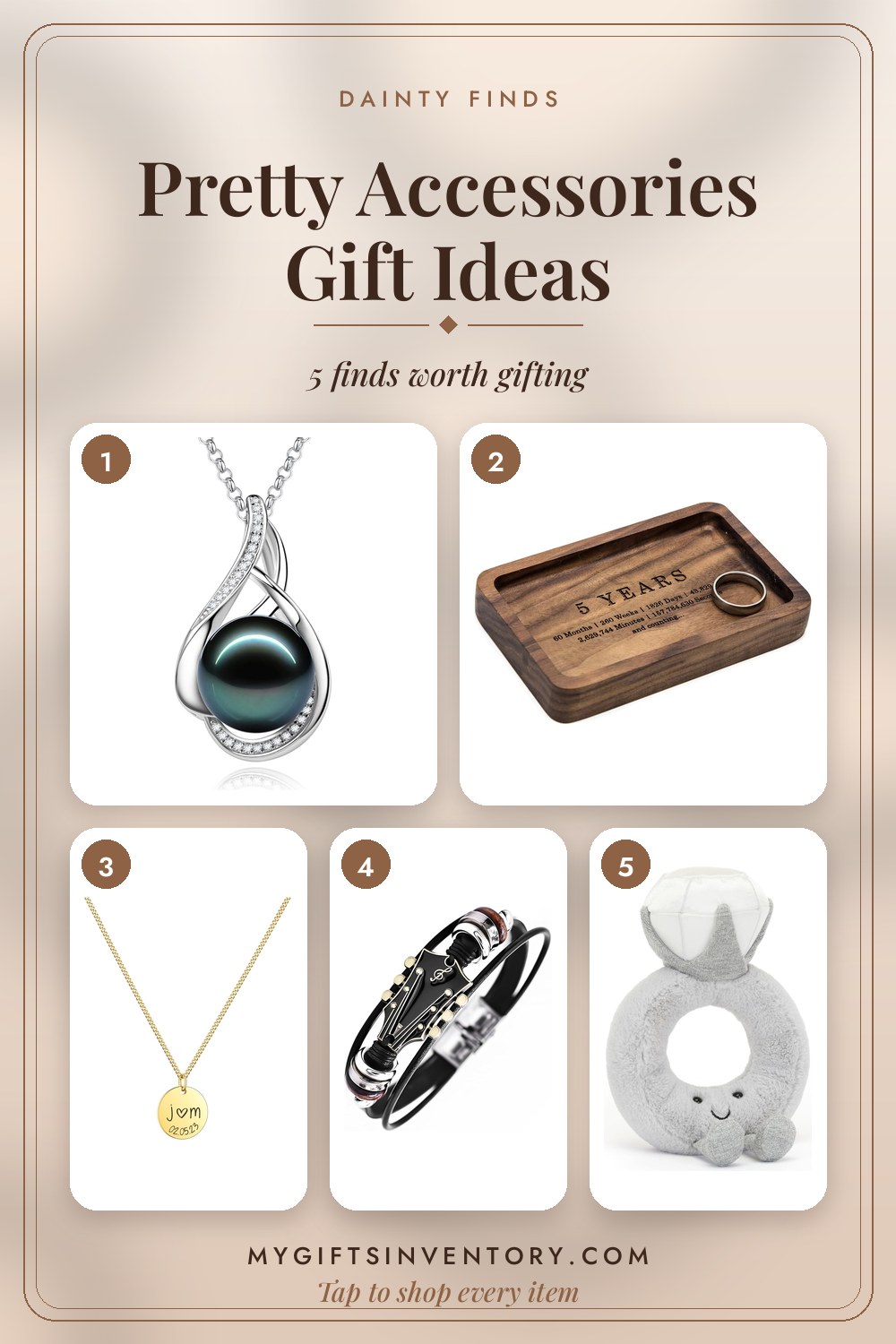
More Gift Advice