How to Keep Notes for Gift Ideas (So You Never Forget What to Buy)
We show you how to track gift ideas in a way that actually sticks, from what to write down to how to organize cards, budgets, and follow-up reminders.

As an Amazon Associate, My Gifts Inventory earns from qualifying purchases. We only recommend products we'd genuinely consider buying ourselves.
When we start hearing the same gift-hint three months in a row, we know we are going to regret it later if we do not write it down right away. The search for “how to keep notes for gift ideas” usually comes from that exact moment: we want to be thoughtful, but we do not want to end up rushing, guessing, or buying something that misses the mark.
Below, we share the notes system we use to capture ideas as they happen, organize them by occasion and budget, and keep card wording, wrapping details, and return info in one place. It is not complicated, but it is specific enough that it works when you are busy.
Start with the kind of notes that actually survive real life
The best gift notes are built for two situations: (1) you remember a detail later, and (2) you still know what you planned when you are trying to buy on a deadline. That means our notes need more than a vague idea. We keep four elements for every gift idea.
1) The “quote” line: what they said or did
We write the detail the way it shows up in memory. Not “she likes coffee,” but “She said she wants to try a pour-over setup, and she talked about the smell of fresh grounds.” If you can, include the moment: “on a walk,” “at dinner,” or “during a work trip.”
If the hint came from someone else, we still capture it. Example: “From cousin: he’s obsessed with grilling tools, mentioned a smoker he saw online.”
2) The “so what” line: why it fits them
After the quote, we add one line explaining the fit. This is where we prevent gift ideas from turning into random items we never quite feel good about.
Example: “Good fit because he likes practical upgrades and talks about cooking as a hobby.”
3) The occasion and timeline
Put the occasion directly in the note so it stays actionable. We tag it with one of these: birthday, holiday, anniversary, thank-you, wedding, housewarming, or “just because.” Then we add a date target if we know it.
Even if you do not know the exact date, you can still track timing. Example: “Likely December gift,” or “Next month’s celebration.”
4) The budget range you can stick to
We write a target range, not one fixed number, because real shopping always involves options.
Example ranges we commonly use:
- Under $20 for small thank-yous and stocking stuffers
- $20 to $40 for birthdays when we want it to feel “real”
- $50 to $100 when we want something more personalized or elevated
- $100+ for big milestones where we can plan for more research
This is also where we note constraints. Example: “Must arrive by Dec 10” or “No fragrance items, allergy.”
Choose a notes system you will actually open
Most gift notes fail because people put them somewhere inconvenient. We have tried a lot of methods, and the winning approach is simple: put the system where you already are, and make it easy to add one line.
Option A: A single “Gift Ideas” master note per person
We recommend one note or entry per recipient. Inside, we keep small sections you can scan later. Think: “Ideas,” “Budget,” “Card wording,” and “Shopping records.”
This works especially well for families where multiple occasions happen throughout the year. Instead of hunting across different apps, you open one place and you are ready.
Option B: A spreadsheet with recipient, occasion, and status
If you like structure, a spreadsheet is great. We use columns like:
- Recipient
- Occasion
- Idea (one short line)
- Details (optional second line)
- Budget range
- Status (saved, shopping, purchased, wrapped, gifted)
- Card draft (yes/no and a short excerpt)
- Receipt and return info
Status is the secret ingredient. It stops the “I have so many ideas” feeling because you can immediately see what is left.
Option C: Index cards for quick capture, then transfer weekly
This is old-school and it works when you do not want to type while you are out. We keep a small stack in one bag pocket, and when we hear a hint, we jot it down fast.
Then we do one weekly “transfer session” where we move those notes into our main system. We do not skip this step. Without a transfer rhythm, the cards just turn into an archive you never open.
Turn notes into decisions: tag and categorize like a planner
Saving ideas is easy. Making them usable later is what takes a little planning. We categorize in a way that answers the questions we will have when we are shopping.
Use “idea tags” that match how you shop
We use tags that reflect both the person and the format. Examples:
- Format: “small,” “main gift,” “bundle,” “experience,” “gift card backup”
- Interest: “coffee,” “kitchen,” “books,” “beauty,” “gaming,” “home decor”
- Person detail: “practical,” “sentimental,” “likes to cook,” “low clutter,” “hard to shop”
When we get close to the date, the tags help us narrow quickly without turning the shopping trip into a guess-and-grab.
Keep “idea pools” for different price levels
We also group ideas by budget. For instance, if we know someone is difficult to shop for, we will store two or three notes for that person at different spending levels.
That is where our holiday stress drops. If the month gets tight, we can still give something thoughtful without scrapping our plan.
If your saved ideas lean toward practical, everyday picks, we often pair that kind of gift planning with curated inspiration like 20 Kitchen Gadgets Gift Ideas Under $50 (2026): Gifts They'll Actually Use when we are expanding the “kitchen” pool.
Write card wording while the feeling is fresh
Most of us only think about the card after we buy the gift, and that is exactly when your memory gets foggy. We keep card-ready wording in the same notes entry as the gift idea.
How we capture card messages
We do it in two layers so we never start from scratch:
- Short line: one sentence you would be happy to put on the card.
- Detail line: one specific reference to them or to the moment (their project, their trip, their patience, a hobby they love).
Then later, when we sit down to write, we combine those two layers.
Card example starters we actually use
Pick one “starter” that fits the relationship and then swap in the specific detail you saved.
- Birthday: “Happy birthday. We hope this year brings you time to do the things you love.”
- Thank-you: “Thank you for everything you did. We noticed, and it mattered.”
- Encouragement: “Proud of you for how you showed up. We cannot wait to see what you build next.”
- Family milestone: “We are grateful for you and for the way you make life feel steadier.”
We keep those starters as reusable fragments, but we always attach one recipient-specific detail from our notes.
Planning help: build a timeline that prevents last-minute panic
Notes work best when they have deadlines. We do not wait until a week before to decide. We use a simple planning timeline that works for birthdays and most holidays.
A practical timeline (use it year-round)
- 6 to 8 weeks before: Capture or finalize ideas. Update budgets. Confirm whether anything needs special ordering.
- 3 to 4 weeks before: Start choosing the gift you will actually buy. Draft card wording. Check return policies.
- 1 to 2 weeks before: Purchase. Save receipts and return details. Plan wrapping and delivery logistics.
- Day before: Wrap, write the card, and keep everything together by recipient.
What to do if you are buying for someone “hard to shop”
This is where a notes system stops you from repeating past mistakes. We keep a “backup decision” plan inside the note.
For example, if we suspect the recipient might prefer flexibility, we can note that a gift card is acceptable and add a store they actually use. If we have done our notes work, we will already know the right shopping habits.
When gift cards are part of the plan, we also keep brand-specific details and where to buy them. For grocery-related choices, we use resources like Gift Cards at Kroger: The Complete List of Brands, Fees & Fuel Points (2026) so we do not waste time comparing options while we are stressed.
Gift wrapping and delivery details should live in the notes too
We have all had the experience: we bought the gift, then realized we had no bags, no ribbon colors we like, or we did not factor in shipping time. Our notes fix that by including wrapping and delivery logistics.
What to store for wrapping
- Wrapping style: “kraft paper and twine” or “holiday box” or “no wrap needed”
- Size category: small, medium, large, fragile
- Supplies needed: ribbon type, tape, gift bag, tissue
- Timing: “Wrap by Friday night” or “Wrap on the day we deliver”
What to store for delivery
- Delivery deadline: the latest date it must arrive
- Method: shipping, pickup, or hand-deliver
- Address check: “verify address with recipient” if you moved recently
Receipts, returns, and gift receipt etiquette belong in the same note
If you want gift notes to be a real time-saver, you need a “shopping record” section. That way, if something goes wrong, you already have the information you need.
What to record at purchase time
- Store or website
- Date purchased
- Order number or receipt photo
- Return window end date
- Whether the item is exchange-only
Gift receipts: how we handle them
We include a gift receipt when:
- We are giving clothing or sizing-based items
- We are buying something that could vary by preference
- We are not sure they will want it immediately
We also keep the card wording in mind. A simple line like “No pressure, just exchange if it is not your style” is usually more than enough, and we do not turn it into a long policy announcement.
Use notes to reduce overspending and duplicates
Gift notes are also a budgeting tool. When you track ideas carefully, you stop doing “impulse backups” that blow up your budget, and you stop accidentally buying the same thing twice.
Set a duplicate check habit
Before buying, we search our notes for the same tag and occasion for that recipient. Example: if we are buying for a birthday and we see we already have “kitchen” under $50, we either upgrade the kitchen idea or switch categories.
Write down the “what we already gave” memory
At least once per year, we add a quick section to each recipient note: “Recent gifts.” Not a huge list, just the last two or three. It keeps “same gift, different year” from happening.
If you are planning for bigger milestones where you tend to spend more, it can help to keep your notes organized into “splurge” and “mid-range” buckets, then browse inspiration to fill those gaps without losing your original budget. We often use 20 Gift Ideas for Splurge-Worthy Gifts Between $50 and $150 (2026) when we need to expand our ideas at that range.
Make it easy to review: a weekly 10-minute ritual
Our notes system does not work because we are “good at remembering.” It works because we review. Once a week, we spend about 10 minutes doing the smallest possible check-in.
Our weekly review checklist
- Any birthdays, anniversaries, or holidays coming in the next 4 to 6 weeks?
- Did we store a budget range and a status?
- Do we have card wording drafted (even a short starter)?
- Is there anything missing for delivery or wrapping logistics?
Then we update statuses. If a gift is purchased, it moves to “purchased” and we add the return info. If it is still an idea, it stays “saved.” That single change is surprisingly motivating.
FAQ
What is the best way to capture gift ideas in the moment?
We write the hint as a quote plus one line about why it fits, then add the occasion and a rough budget range. Even a quick note like “loves vanilla candles, brunch comment” is useful later when you are choosing.
Where should we store gift notes if we do not want a spreadsheet?
We use one note or page per recipient and keep sections for Ideas, Budget, Card wording, and Shopping records. That setup prevents the “I saved it somewhere” problem and makes it easy to act when a date is close.
How detailed should the card wording be?
We keep it simple: one short line you are comfortable writing, plus one specific detail pulled from your notes. When you write the card later, you just combine them and add the recipient’s name.
Should we include return information in our gift notes?
Yes, we do, because it saves time during exchanges. We store the store or order number and the return window end date, plus we keep a receipt photo if that is available.
What if we forget the hint we wrote down?
We set a weekly review ritual, so no idea sits untouched for months. If you open your recipient note every week and update the status, hints become decisions instead of lost fragments.

Looking for an Actual Gift Instead?

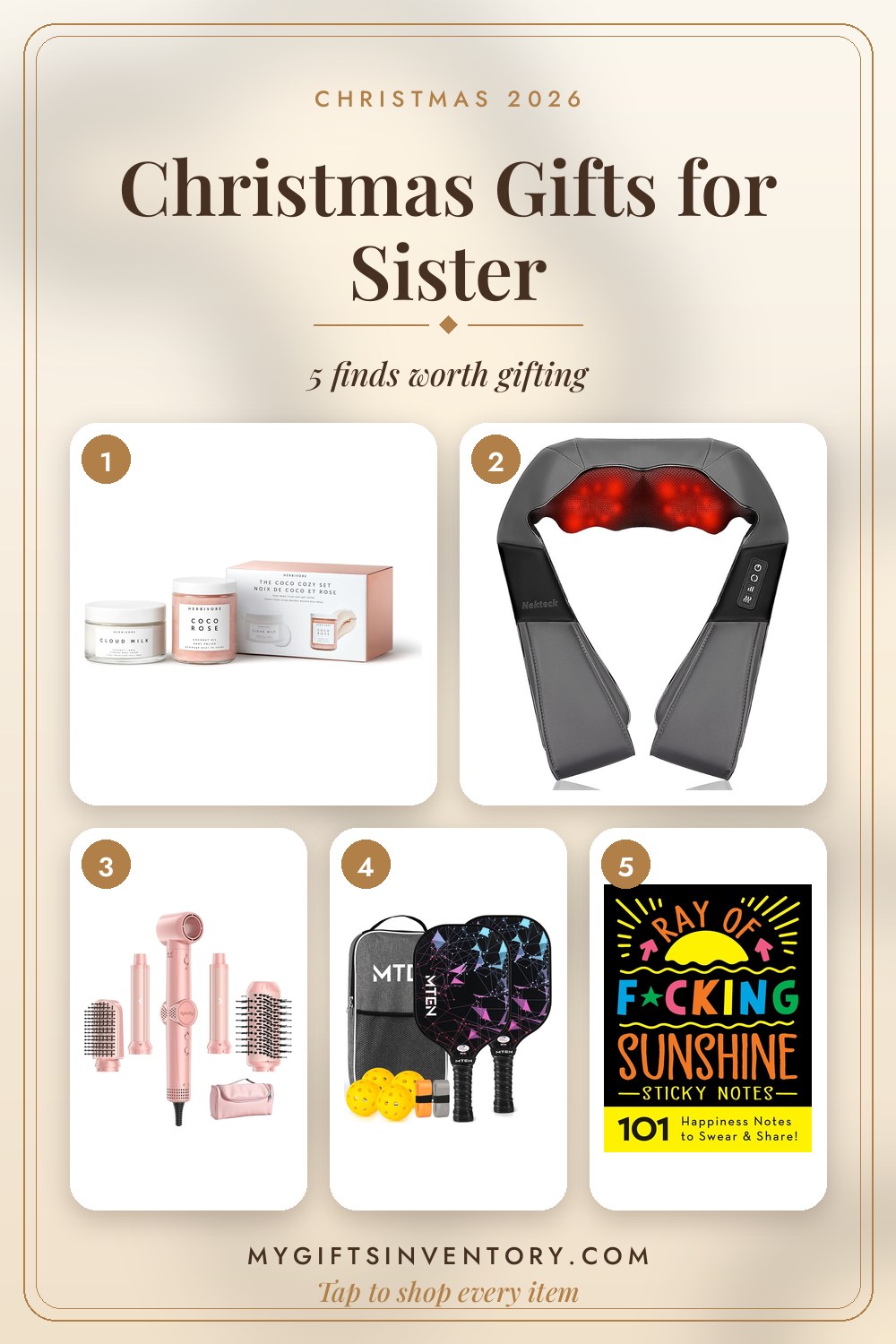
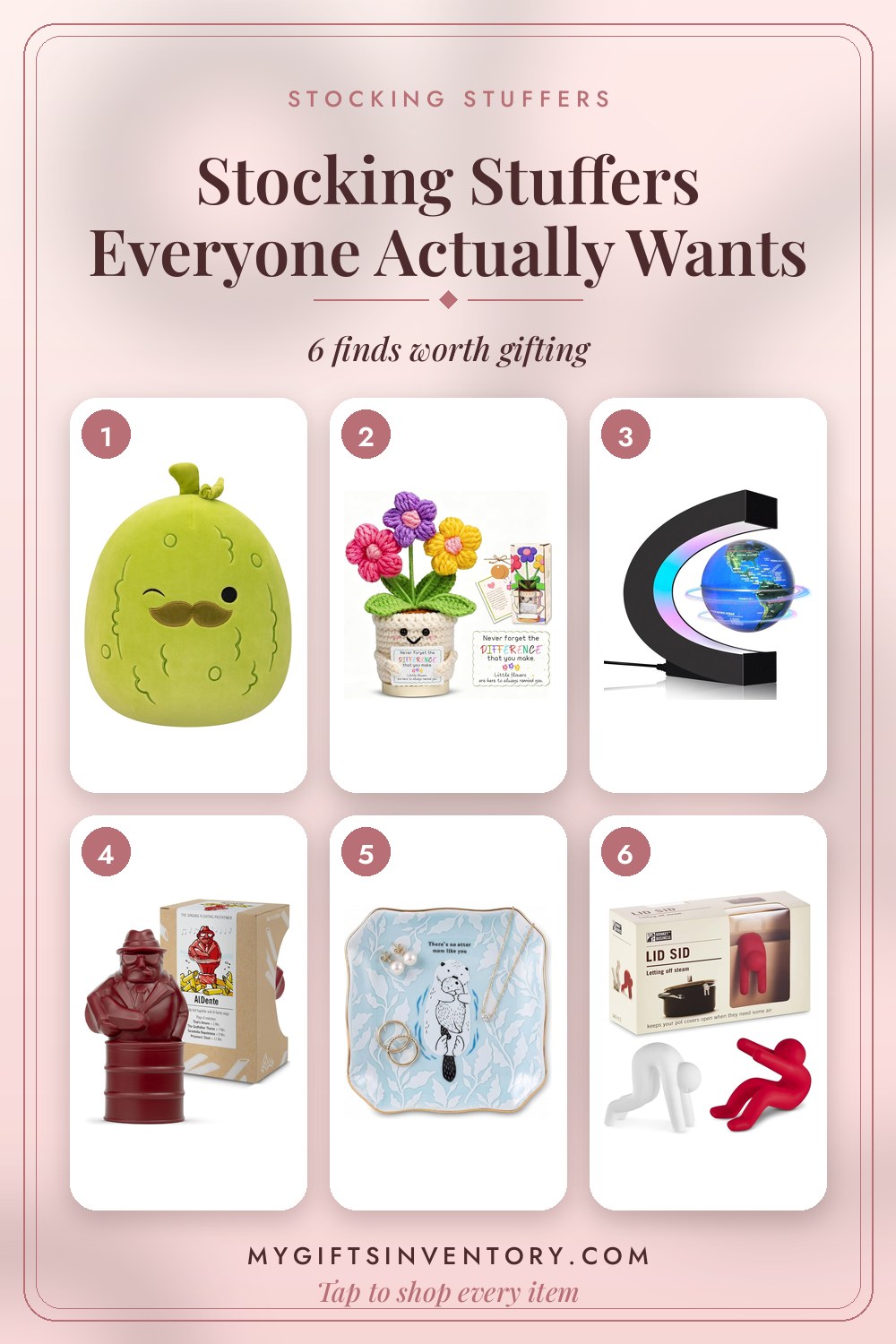
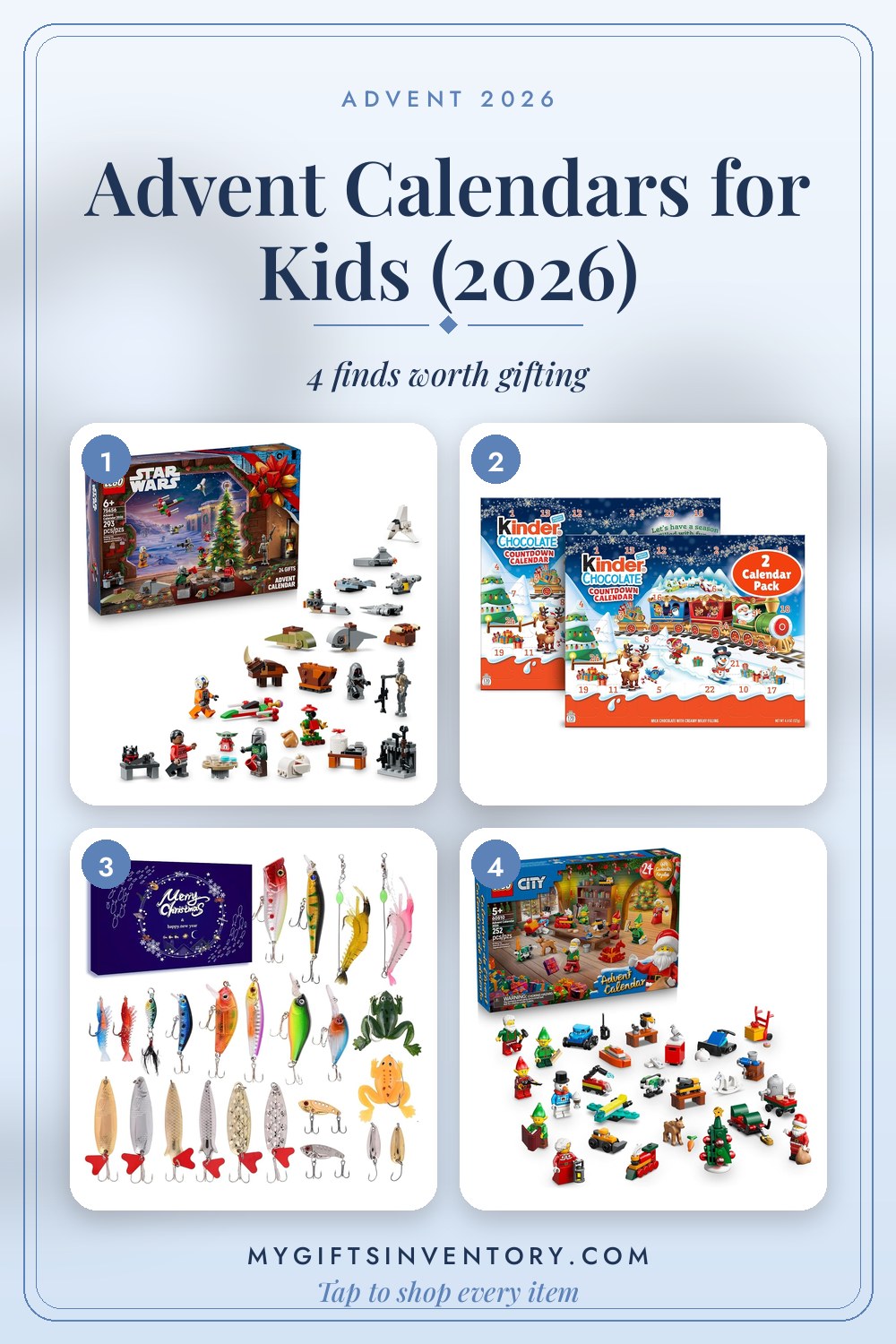
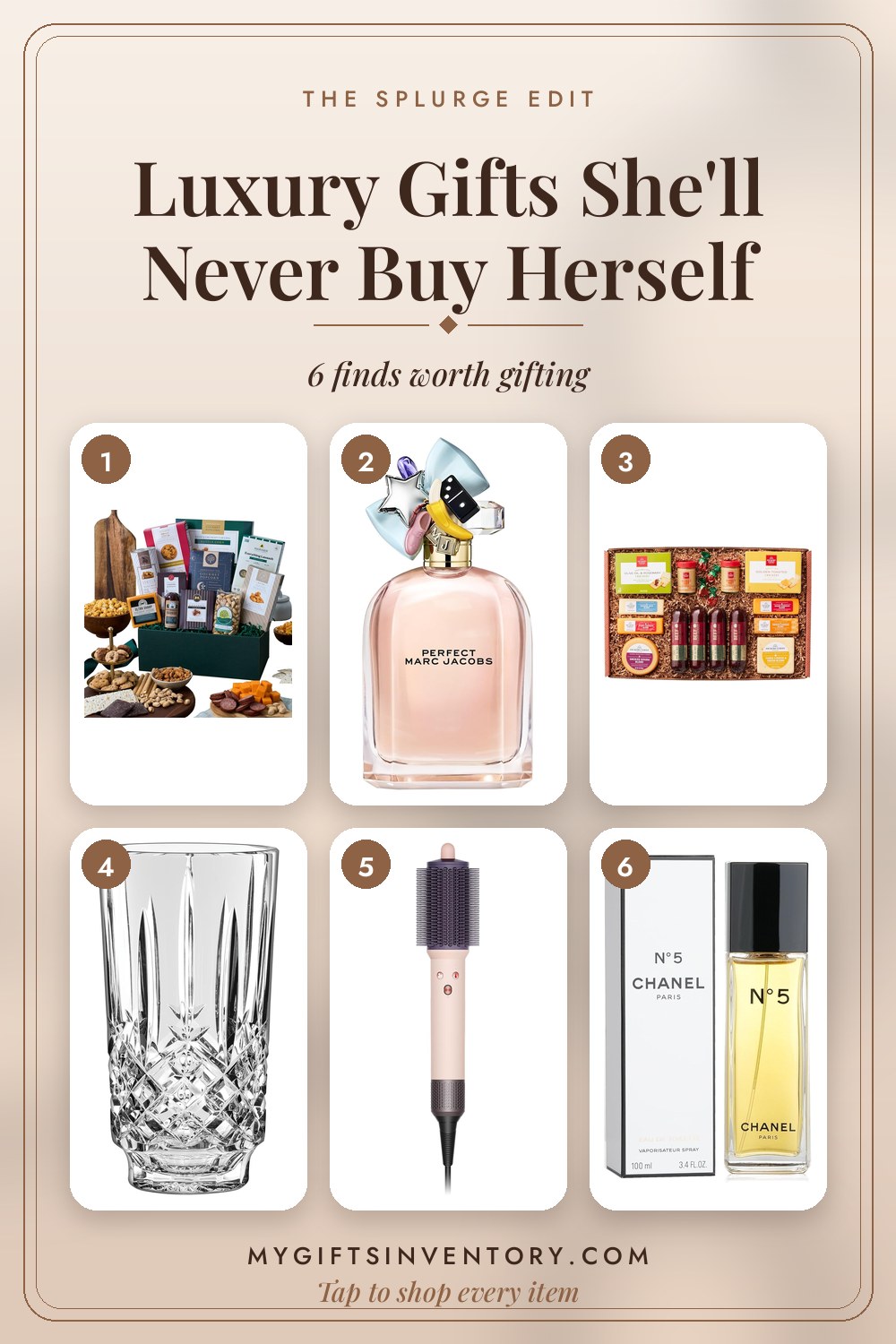
Gift Sets We Love Right Now
Every item picked, priced and linked, ready to buy.
More Gift Advice