How to Write a Thank You for a Gift (Card Messages + What to Say)
We show you exactly what to write in a thank-you card for every kind of gift, including gift cards, cash, and registry purchases. Includes ready-to-copy examples and timing tips.

As an Amazon Associate, My Gifts Inventory earns from qualifying purchases. We only recommend products we'd genuinely consider buying ourselves.
We know this search usually comes from that small, lingering panic: you want the card to sound grateful, not awkward, not too casual, and not like you forgot how manners work. Maybe you received the gift and you are still staring at a blank card, wondering what to say beyond “thank you so much.” Or you are thinking ahead and trying to write something that matches the relationship, the occasion, and whether the gift was from a registry or a last-minute shopping run.
We are going to make this easy. Below, we share practical etiquette, a simple formula you can reuse, and real card-message examples for birthdays, holidays, weddings, baby showers, and everyday gifts, including gift cards. We also cover timing, who gets a thank-you, what to do if you did not like the gift, and how to handle group gifts without losing the personal touch.
Start with the simplest thank-you formula (and why it works)
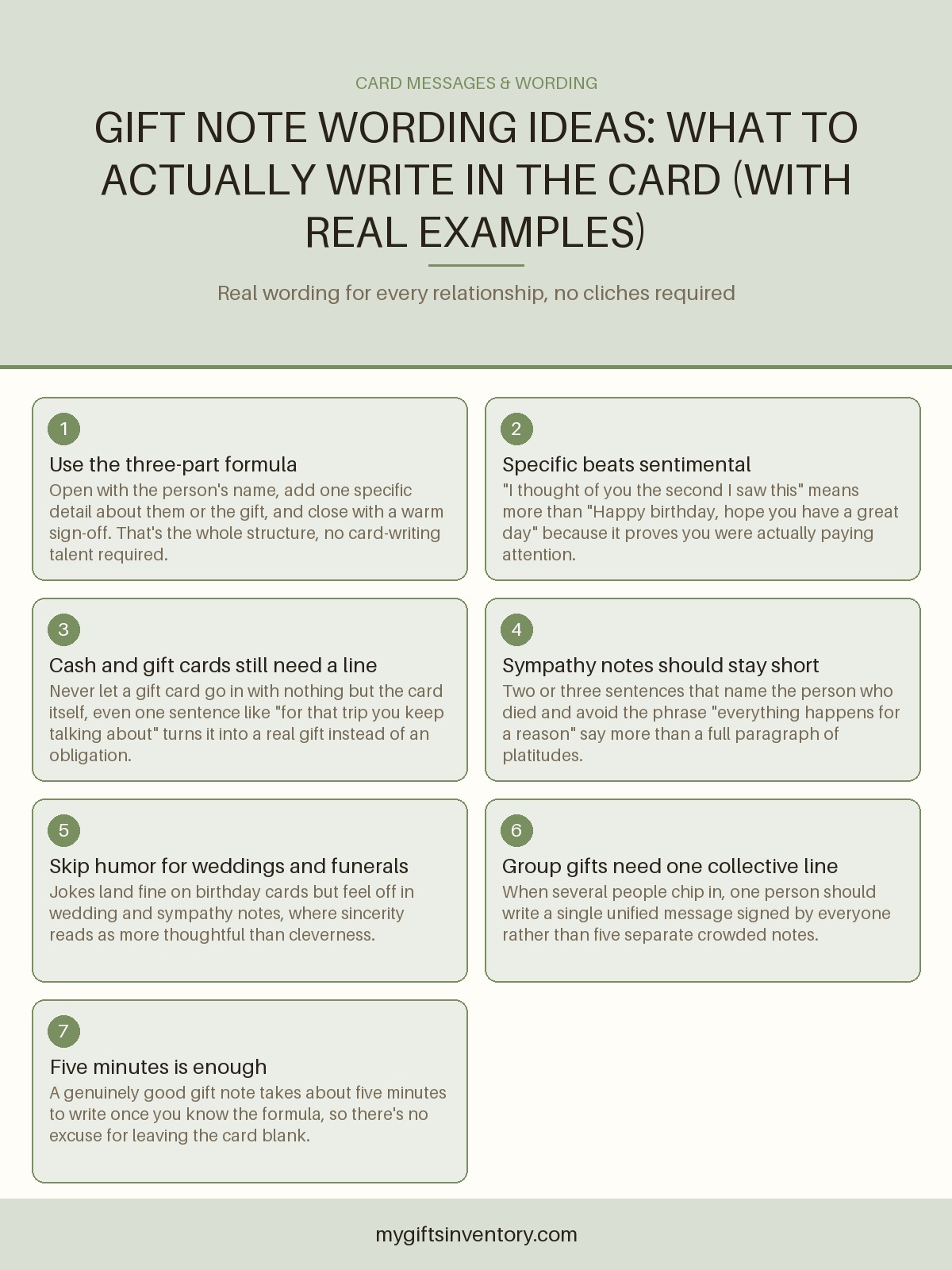
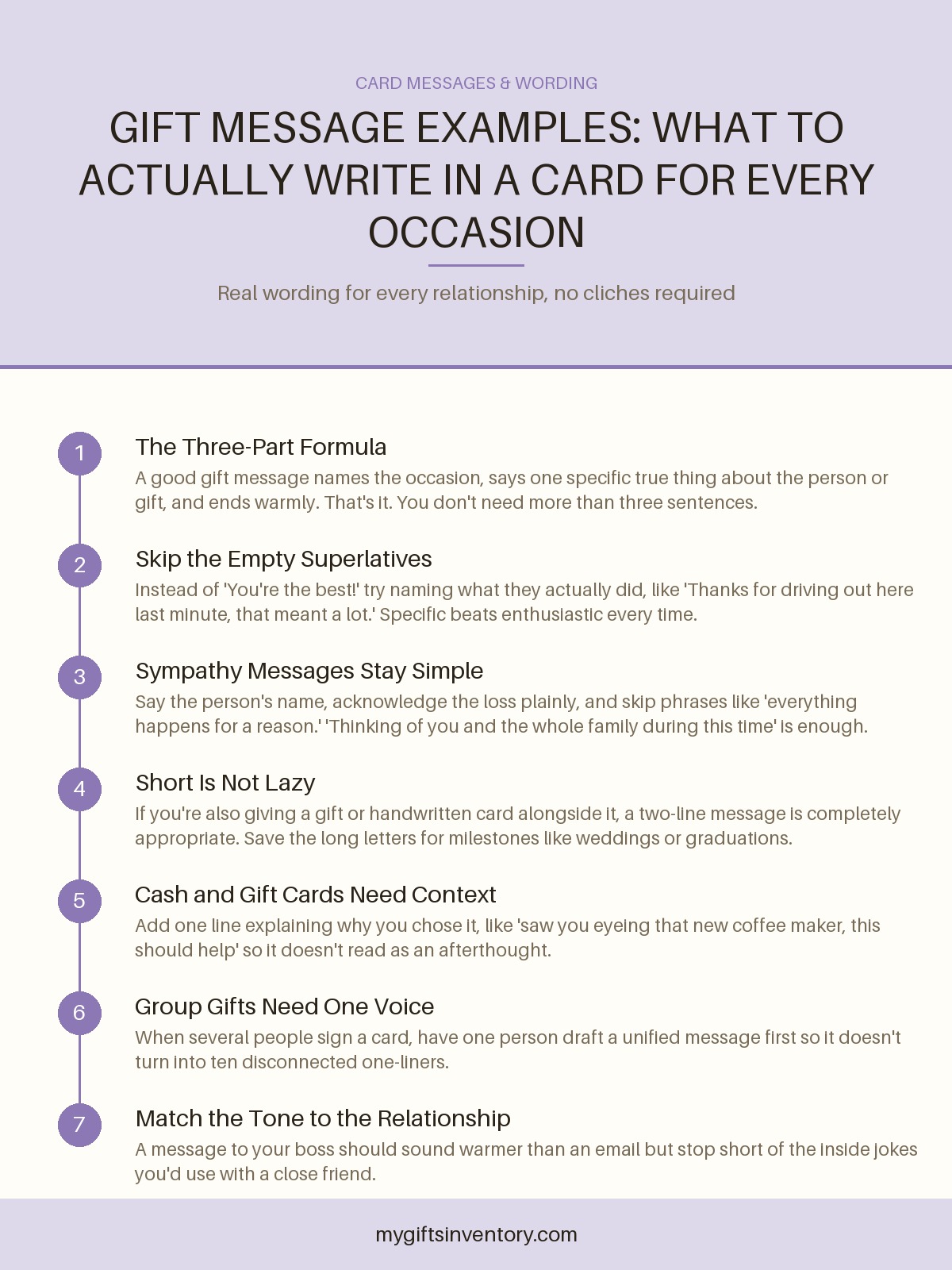
When we write thank-you notes, we lean on a repeatable structure that keeps things sincere and specific. It is hard to mess up if you hit these elements:
1) A warm opener
Use a greeting plus one clear statement of gratitude. No need for a performance. “Thank you for the thoughtful gift” and “We really appreciate your kindness” both work.
2) Name the gift (or the moment)
Specific beats vague. “The cozy throw blanket” lands more than “the gift.” “Your suggestion about the book” is better than “everything was great.”
3) Explain how you will use it
This is the part that makes the giver feel seen. One detail is enough: where it will go, when you will use it, or how it helped.
4) Close with connection
End with a gentle, human ending like: “We are looking forward to seeing you soon,” or “It meant a lot.”
If you only remember one thing, it is this: we are thanking them for the gift and for thinking of us, not for the act of shopping itself.
What to write when you do not know what to say
Some thank-you moments are straightforward. Others are tricky because the gift is unexpected, you are shy, or you are not sure what the recipient was thinking. Here is a way out of the word trap.
If you are stuck, answer these three questions in your own voice
- What is the gift, exactly?
- What did you feel when you received it?
- When will you use it, and what will it help with?
Then turn your answers into 2 to 4 sentences. If you can write a text message, you can write a thank-you note.
Examples for the “I want it to sound sincere” problem
Short and safe: “Thank you so much for the gift. I love it, and it will get used right away. Thank you for thinking of me.”
A bit more specific: “Thank you for the thoughtful gift. The idea behind it made me smile, and I am already using it during my mornings. I really appreciate your kindness.”
Thank-you messages by occasion (copy, then personalize)
Birthday thank-yous
Birthday thank-you notes often need to strike a balance between “fun” and “grateful.” We keep it warm and a little lively, but we still include one real detail.
Example: “Thank you for the birthday gift. I cannot wait to use it, especially for the thing we talked about. It meant a lot to celebrate with you in mind.”
If it was a clothing or practical item: “Thank you for the gift. It fits perfectly, and it will be my go-to for the days I’m running errands. I appreciate you so much for thinking of me.”
Holiday thank-yous
For holidays, we often receive many gifts and cards. The goal is to be both gracious and realistic. You can personalize each note by naming the gift and one connection (favorite holiday tradition, shared meal, or how you will enjoy the item).
Example: “Thank you for the gift. We’re looking forward to using it during the season, and it makes the house feel extra cozy. I hope your holidays were wonderful, too.”
Wedding thank-yous
Wedding thank-yous should feel extra intentional because the gifts support a shared future. We include one line about how it fits your home plans, your routines, or the way you will enjoy it together.
Example: “Thank you so much for your wedding gift. We are excited to put it to use in our home, and it will be part of our everyday meals. Your support means a lot to us.”
If you are addressing a kitchen or household item: “Thank you for the thoughtful gift. We love that it will help us make weeknight dinners easier. We truly appreciate your generosity.”
Baby shower thank-yous
When we write baby shower thank-yous, we keep the language gentle and forward-looking. Mentioning a care need, a routine, or a comfort moment can make the note feel real without oversharing.
Example: “Thank you for the baby shower gift. We are so grateful, and we cannot wait to use it as we settle into our new routine. It meant so much to have you celebrate with us.”
Thank-yous for “just because” gifts
For smaller, everyday surprises, we keep the note warm and light, but still specific. “Just because” gifts deserve gratitude, not formality.
Example: “Thank you for the gift. It was such a sweet surprise, and it made my day. I am really grateful you thought of me.”
How to write thank-yous for gifts from a registry
If the gift came from a registry, we recommend acknowledging that it was chosen thoughtfully. You do not need to say “off the registry” unless it helps, but naming the item and how you plan to use it will do the heavy lifting.
Example: “Thank you for the registry gift. We are excited to use it, and it will be a real help in our home. Thank you for being part of this with us.”
If you are using a separate thank-you system, also consider pairing your notes with what you already know about the person who gave it. If your giver is the type who likes practical updates, you can mention how the item is working in real life after a week or two.
A quick tip if you are worried about getting the item name wrong
Look at your receipt email, the packaging, or your confirmation from the registry purchase. If you truly cannot confirm the exact name, you can describe it accurately without being overly technical: “the blanket,” “the dinnerware set,” or “the organizer for the desk.”
What to write for gift cards (and when it feels awkward)
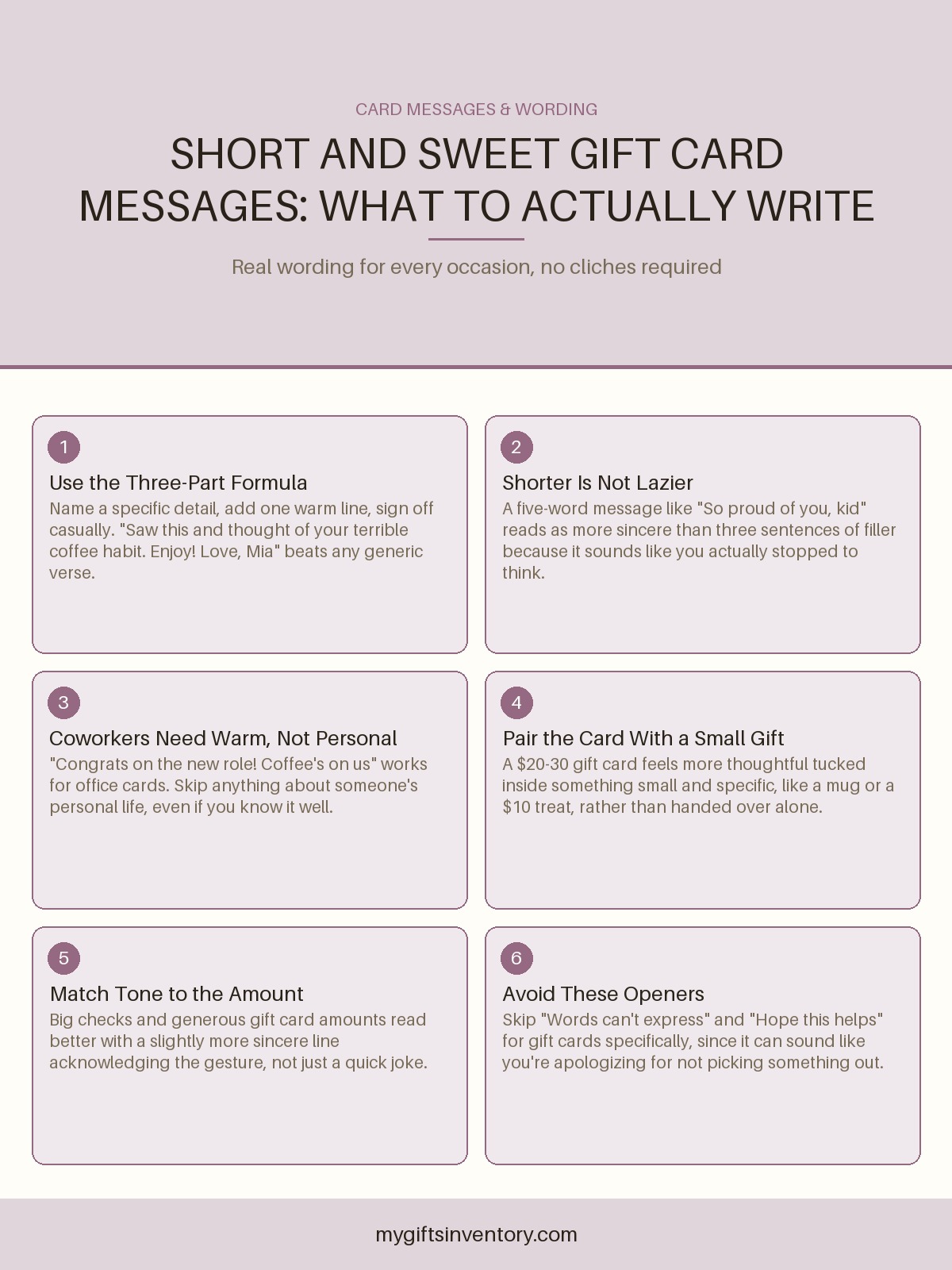
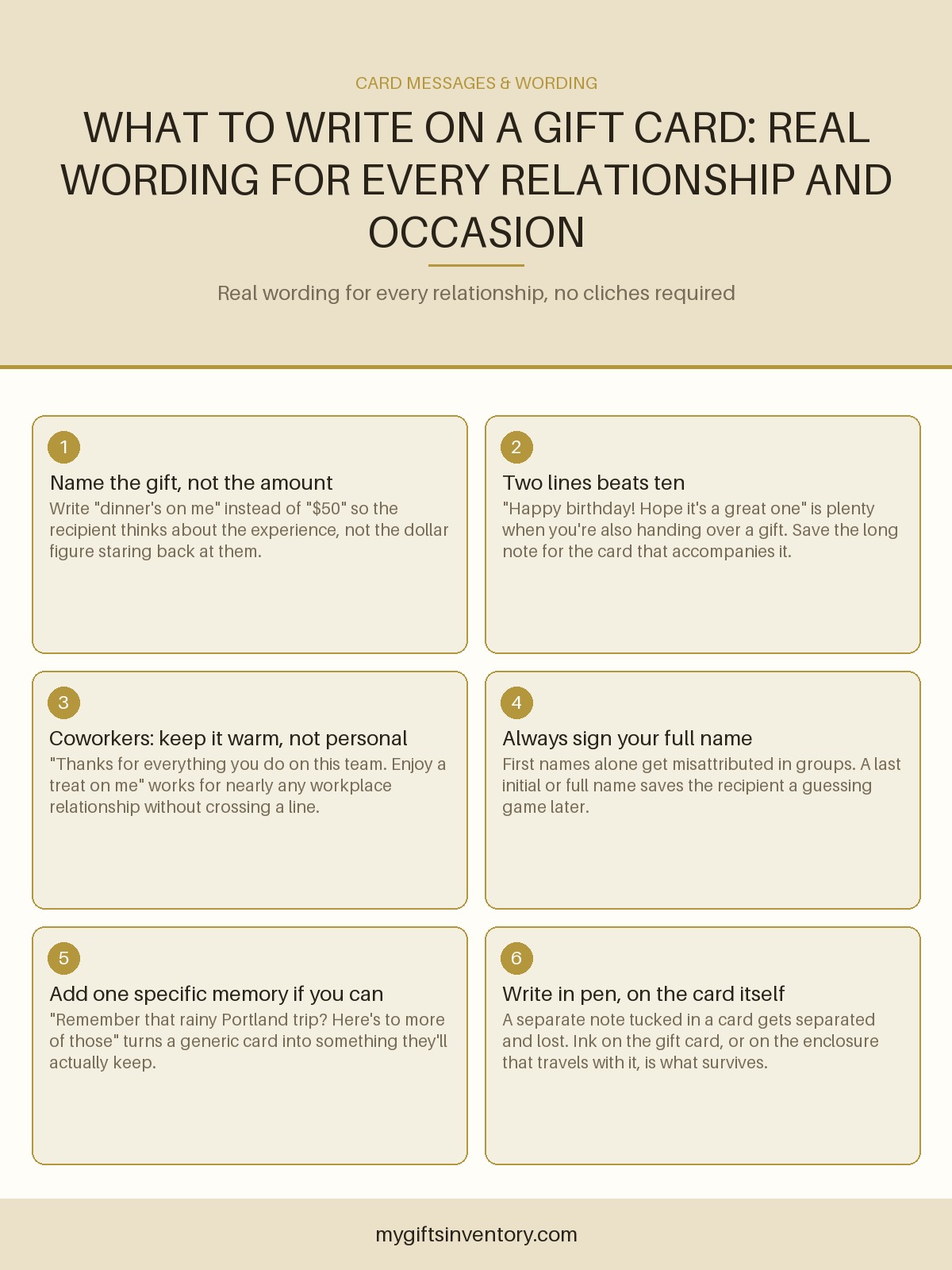
Gift cards are not “lesser” gifts. People choose them because they care about flexibility. Still, the card-message can feel tricky because there is no tangible item to admire. The fix: tell them what you will do with it and how it benefits you.
Simple gift-card wording that still feels thoughtful
Example: “Thank you for the gift card. I really appreciate it, and I’m planning to use it for [a specific thing] so it will be something I can enjoy right away.”
Example for a restaurant gift card
“Thank you so much for the gift card. We are really looking forward to using it for dinner, and it will be such a nice treat. Your generosity means a lot.”
If you got a gift card from a big retailer
We have seen a lot of people want to add logistics because they received the card and are wondering what to do next. If you also need to check the balance or confirm how the card works, you can use a dedicated balance guide. For example, if you were given a card from Kroger, you can use the Kroger balance page for the steps: Gift Cards at Kroger: The Complete List of Brands, Fees & Fuel Points (2026). (Your thank-you note can still stay personal. The card mechanics belong to a separate checklist.)
Gift cards also pair well with an “I will update you” line. Not “I will send a picture,” but “We will think of you when we use it.”
Timing: when to send thank-yous so they do not feel late
Timing is where most people get anxious. We recommend a practical timeline we can actually follow.
General timeline we aim for
- Fast gifts (most occasions): send within 48 hours to 2 weeks after you receive the gift.
- Big events (weddings, baby showers, holidays): start right away, even if you do not finish in one sitting. We like to set a target window of 2 to 4 weeks for completion.
- It is late: include a brief apology line and still send. Something like: “I’m sorry this took me longer than I planned. Thank you for your kindness and generosity.”
If you are sending thank-yous for many people
We do not recommend writing nothing but signatures because you are overwhelmed. Instead, we suggest drafting a template with placeholders. Fill in the gift name and the “how it will be used” line, then sign.
Who should receive one?
In general, we send thank-you notes to anyone who gave a gift, participated meaningfully in the event, or helped in a way that you would want to acknowledge. That includes family, friends, coworkers, and anyone who traveled or contributed to a group gift. If you received a card and no gift, you can still thank them for the message and for thinking of you.
Envelope details and etiquette that people actually notice
We often think etiquette means complicated rules. Most of the time, it is simpler than that. Here are the details we would not skip.
Use a proper greeting and closing
We like “Dear [Name]” and “With love,” “Warmly,” or “With appreciation.” If you are close with the person, you can lean slightly more personal, but still respectful.
Write as the recipient, not as an obligation
If it is a couple’s gift, use “we” language for shared items. For example: “We love how it will work in our home,” not “I love it” unless the item is clearly for one person.
Sign your name(s)
Two names is best when appropriate. If you share a card, make sure your signatures match the relationship context.
What if you did not love the gift?
This is a real concern, especially for people who think thank-you notes are supposed to be truthful in every detail. The etiquette move is to focus on gratitude and practical appreciation, without criticism.
Example of graceful phrasing: “Thank you for the thoughtful gift. I’m grateful you picked something for me, and I appreciate your kindness.”
If the gift is something you might exchange, you can handle that privately. In the thank-you note, do not mention the exchange or any disappointment. The thank-you is about the giver’s effort.
Corporate and group gifting: how to write without sounding like a robot
If you received a work gift, or a group gift came from a team, we keep the note more direct. You still personalize it, but you do not make it sound like a personal memoir.
Work-appropriate thank-you wording
Example: “Thank you for the thoughtful gift. I appreciate your generosity, and I’m grateful you included me. Please let me know if there’s ever a way we can return the favor.”
If you are supporting an office culture where small gifts happen, you might also want to align your thank-you style with the way gifts are handled. For broader context on business gifting norms, you can refer to 21 Corporate Gift Ideas Under $50 (2026) That Won’t Feel Like an Obligation for ideas on how to keep the gift side comfortable, which makes the thank-you card feel more natural too.
Short templates you can reuse (2 sentences to 4 sentences)
When we want consistency without sounding generic, we rotate among a few core templates. Pick the one that matches your situation.
2-sentence thank you
“Thank you so much for the gift. I truly appreciate your thoughtfulness, and it means a lot to me.”
3-sentence thank you (our favorite for most situations)
“Thank you so much for the gift. I love [gift] and plan to use it [when/how]. It was so thoughtful of you to think of me.”
4-sentence thank you (best for weddings and showers)
“Thank you for the wedding/baby shower gift. We are really excited about [gift], and we will use it [specific way]. Your support means a lot to us. We’re grateful you helped make the day/special time even more meaningful.”
Last-minute reality: what to do if you only have one day
Sometimes we are actually busy. Sometimes we have forgotten. If you need a thank-you quickly, you can still do it well.
What still counts as a good thank-you
- Write it today, not “sometime.”
- Keep it to 2 to 4 sentences.
- Include the gift name and one detail about how you will use it.
- Send it, even if it is not perfect.
If you are choosing between a card and a quick note
A short handwritten note is better than no note. If the relationship is close and the timing is impossible, we would rather you send something smaller now and follow up later if needed.
How to connect your thank-you to the gift itself (without rambling)
People like specificity, but too many details can turn your note into a journal entry. We recommend choosing one “use detail” and stopping there.
Use-detail ideas that are easy to customize
- “I’m keeping it on the counter for quick mornings.”
- “We used it right away, and it made our weeknights easier.”
- “I’ll bring it to [event] so it gets used beyond the shelf.”
- “It’s going to be part of our holiday routine.”
- “I’m planning to gift it forward when the timing feels right.”
If you want more structure for picking gifts in the first place so your thank-you writes itself, a general gift-planning guide can help. You might find Choosing the Perfect Gift: Tips and Ideas for Every Person and Occasion useful as you think about how to name the gift and what to say about it.
Gift advice when you are also budgeting
If part of your anxiety is “what if they spent too much?” you do not need to match their spending. In a thank-you, gratitude matters more than price.
What to say if the gift was expensive
We like one respectful line that does not compare value. Example: “Thank you for such a generous gift. I’m very grateful for your thoughtfulness.”
What to say if the gift was modest
We recommend the same energy: “Thank you for the thoughtful gift.” Then add use detail. Small gifts can feel meaningful when the note is specific.
If you also want gift ideas that fit different budget levels so you feel confident writing a matching thank-you, those gift guides can reduce the awkward guesswork. For example, 45 Best Gifts Under $20 (Highly-Rated Picks) for 2026 can help you choose items that naturally give you something to mention in your card, like “I love the idea of using this for daily routines.”

Frequently Asked Questions
Gift Ideas to Go With This


Want more ideas? Browse our full guide: 18 Keepsake Gifts Worth Holding Onto (2026): Personalized Picks They'll Treasure Forever
Frequently Asked Questions
What is the best length for a thank-you card?
Two to four sentences is usually perfect. If you include the gift name and one detail about how you will use it, that short length reads warm and complete instead of rushed.
When should we send a thank-you after receiving a gift?
We aim for 48 hours to 2 weeks after you receive the gift. For big events like weddings and baby showers, start right away and try to finish within 2 to 4 weeks, then send immediately even if you are late.
What should we write if the gift was a gift card?
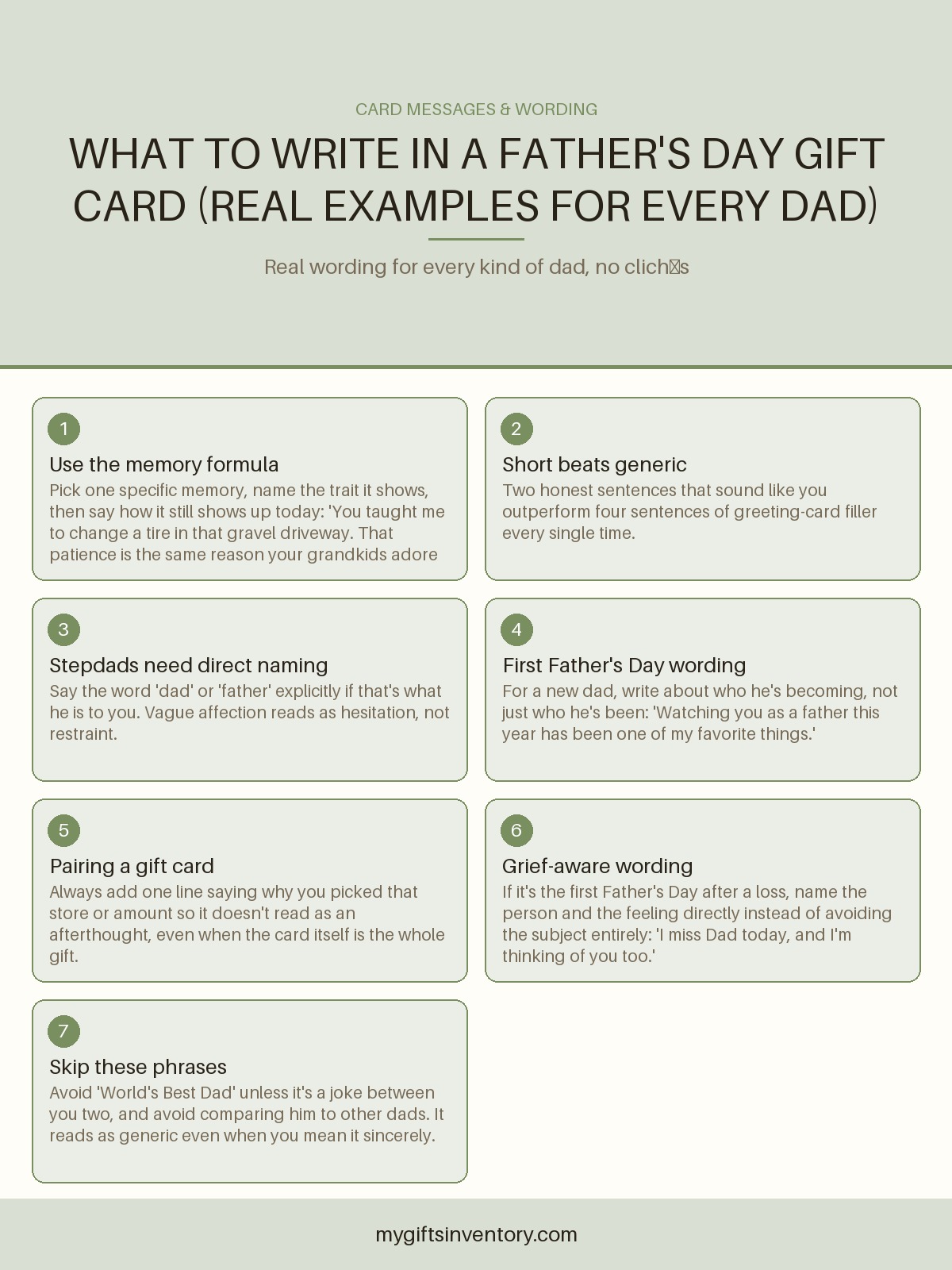
We recommend thanking them and telling them what you plan to buy or do with it. For example: “Thank you for the gift card. I’m planning to use it for [specific thing], and it will be such a treat.”
Do we need to send a thank-you for every small item?
In general, yes, if someone gave a gift with thought behind it. If they gave multiple small items, one note that mentions a couple of the highlights is totally fine.
What if we do not like the gift or already have it?
Thank them anyway for their thoughtfulness. You can keep the note simple: thank them, mention the gift in neutral terms, and avoid any criticism; handle exchanges privately.
Looking for an Actual Gift Instead?
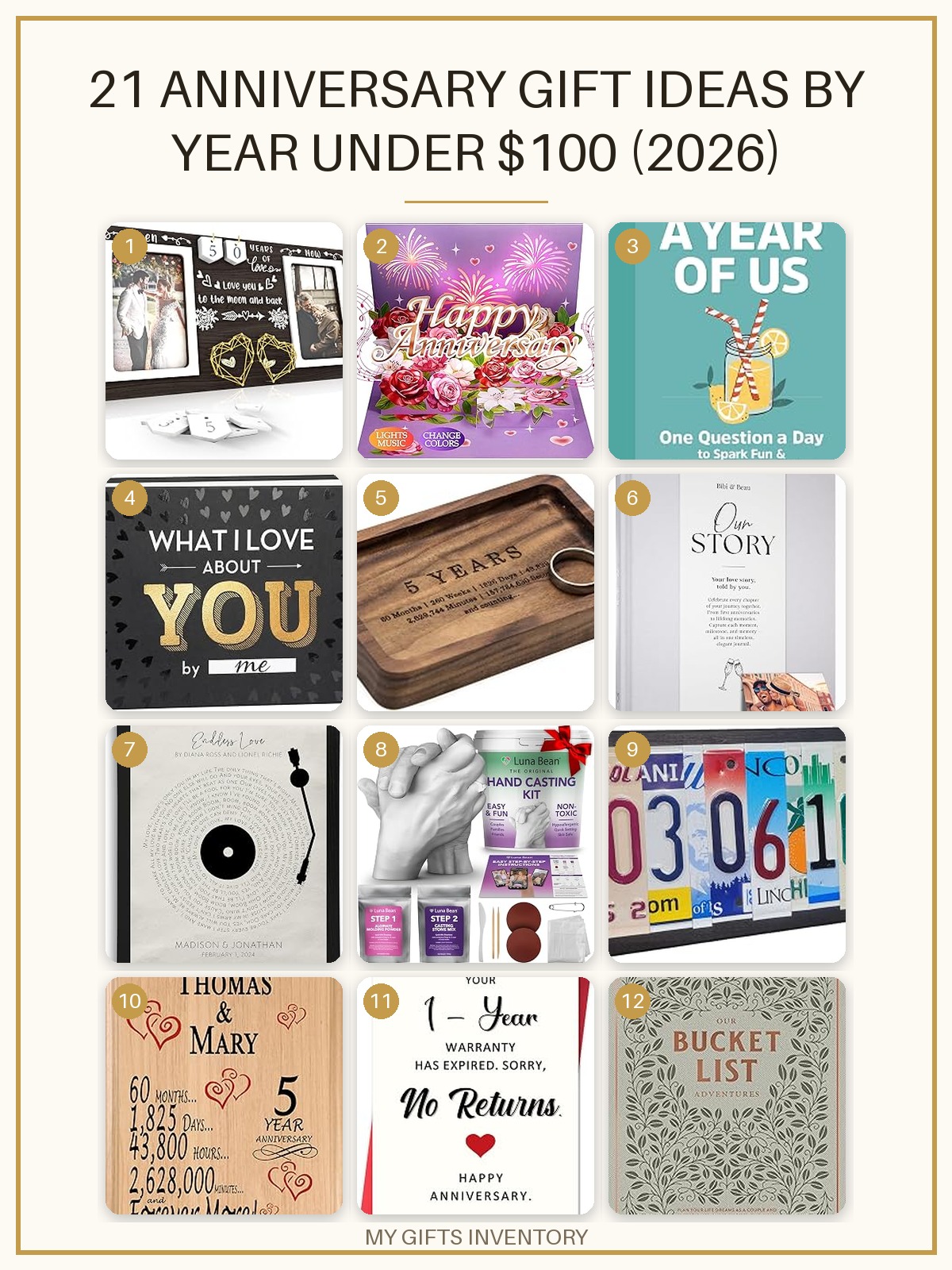
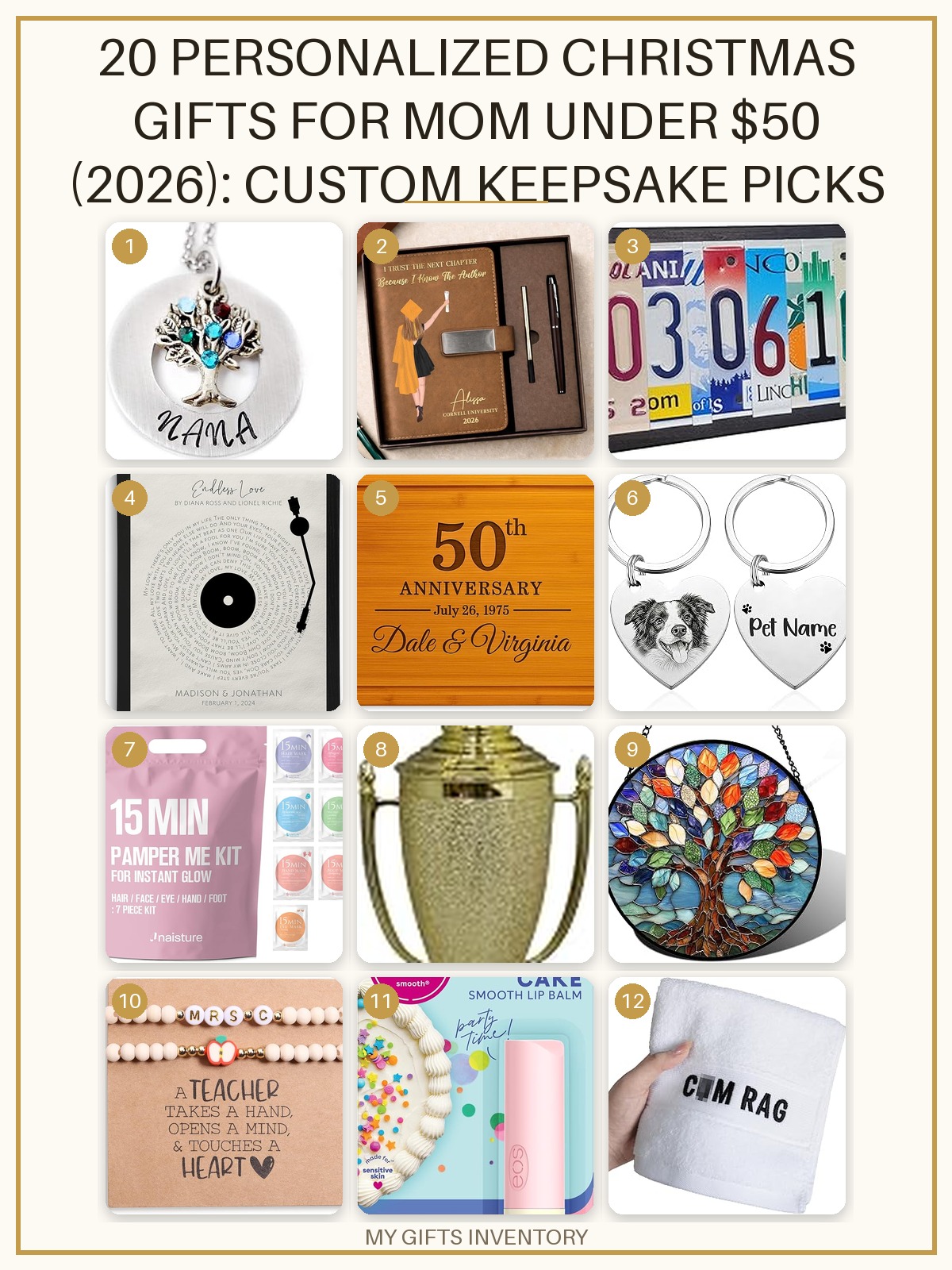
Shop Hand-Picked Gift Sets
Every item picked, priced and linked, ready to buy.
More Gift Advice