Rustic Gift Wrapping Ideas: A Complete Guide to Natural, Handmade-Looking Presents
From kraft paper and twine to dried oranges and evergreen sprigs, here's how to wrap a gift so it looks like it came from a farmhouse table, not a big-box store.
As an Amazon Associate, My Gifts Inventory earns from qualifying purchases. We only recommend products we'd genuinely consider buying ourselves.
You've got the gift picked out, and now you're staring at a roll of shiny foil paper thinking it's completely wrong for what you're giving. Maybe it's a jar of homemade jam, a bottle of wine for a farmhouse-style dinner party, or a Christmas gift for someone whose whole aesthetic is exposed wood beams and dried florals. Whatever the reason, you want the outside of the gift to match the thought that went into the inside, and that usually means trading gloss for texture.
Rustic wrapping isn't really a style you buy so much as one you assemble from a handful of humble materials. The good news is that it's often cheaper than traditional gift wrap, not more expensive, because half the appeal comes from things you probably already have in a junk drawer or garden.
What Actually Makes Wrapping Look "Rustic"
Before getting into specific ideas, it helps to know what separates rustic from just plain or cheap-looking. Rustic wrapping leans on natural materials, muted or earthy colors, visible texture, and a slightly imperfect, handmade quality. Think unbleached paper instead of bright white, jute twine instead of curling ribbon, and dried botanicals instead of plastic bows. The goal is something that looks like it was tied together at a kitchen table, not run through a machine.
Three things tend to ruin the effect fastest: anything glittery, anything in a saturated primary color, and anything that looks too polished or symmetrical. A slightly crooked bow or a piece of paper with visible creases actually helps here.
The Base Layer: Paper and Fabric Options
Kraft and Brown Paper
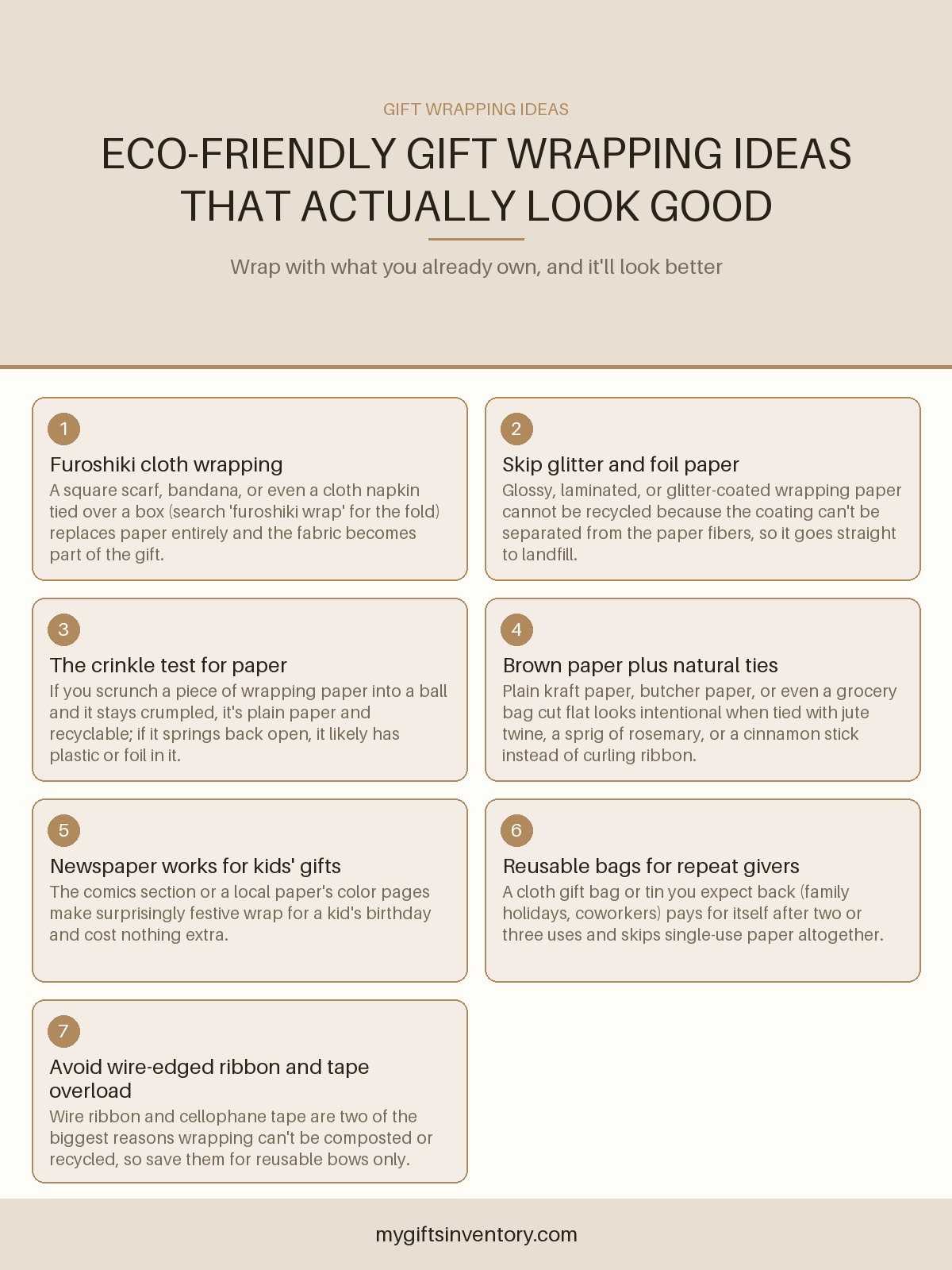
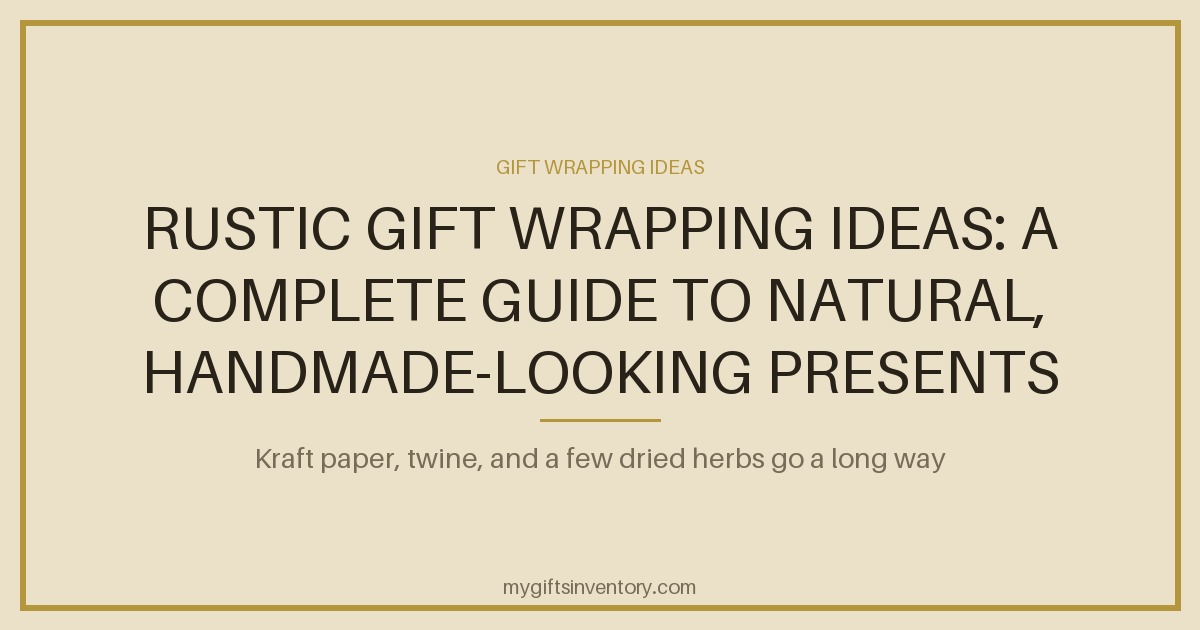
Unbleached kraft paper is the workhorse of rustic wrapping. It's inexpensive, comes in wide rolls, and takes stamps, stencils, and handwriting beautifully. Plain brown paper grocery bags cut open at the seams work just as well in a pinch and cost nothing extra.
Butcher Paper and Newsprint
Butcher paper has a slightly heavier, waxier feel that holds a crease well, which makes it good for boxy gifts. Plain black-and-white newsprint (not the glossy magazine kind) gives a nice vintage newspaper look for a more industrial-farmhouse take.
Fabric Wrapping (Furoshiki)
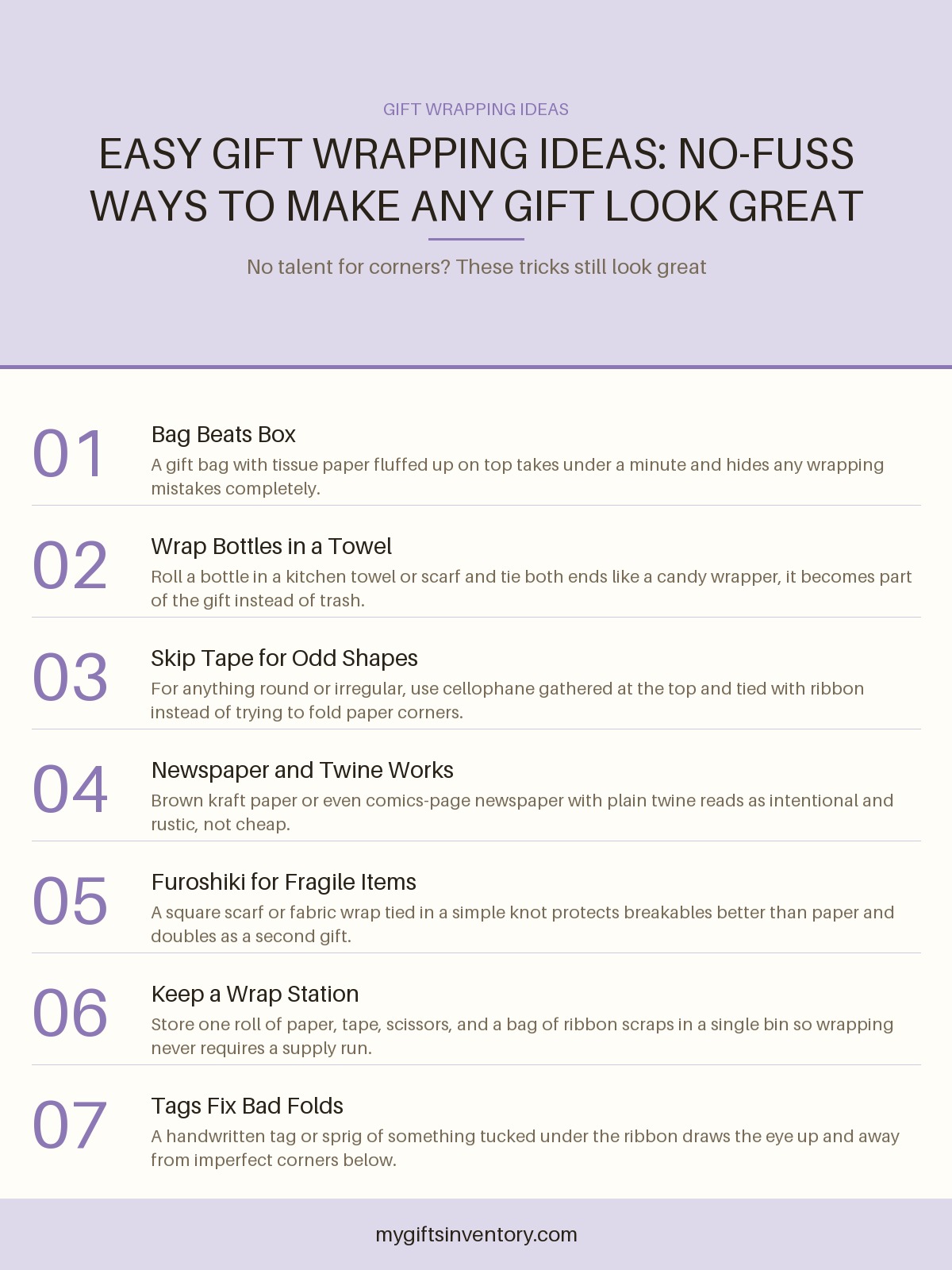
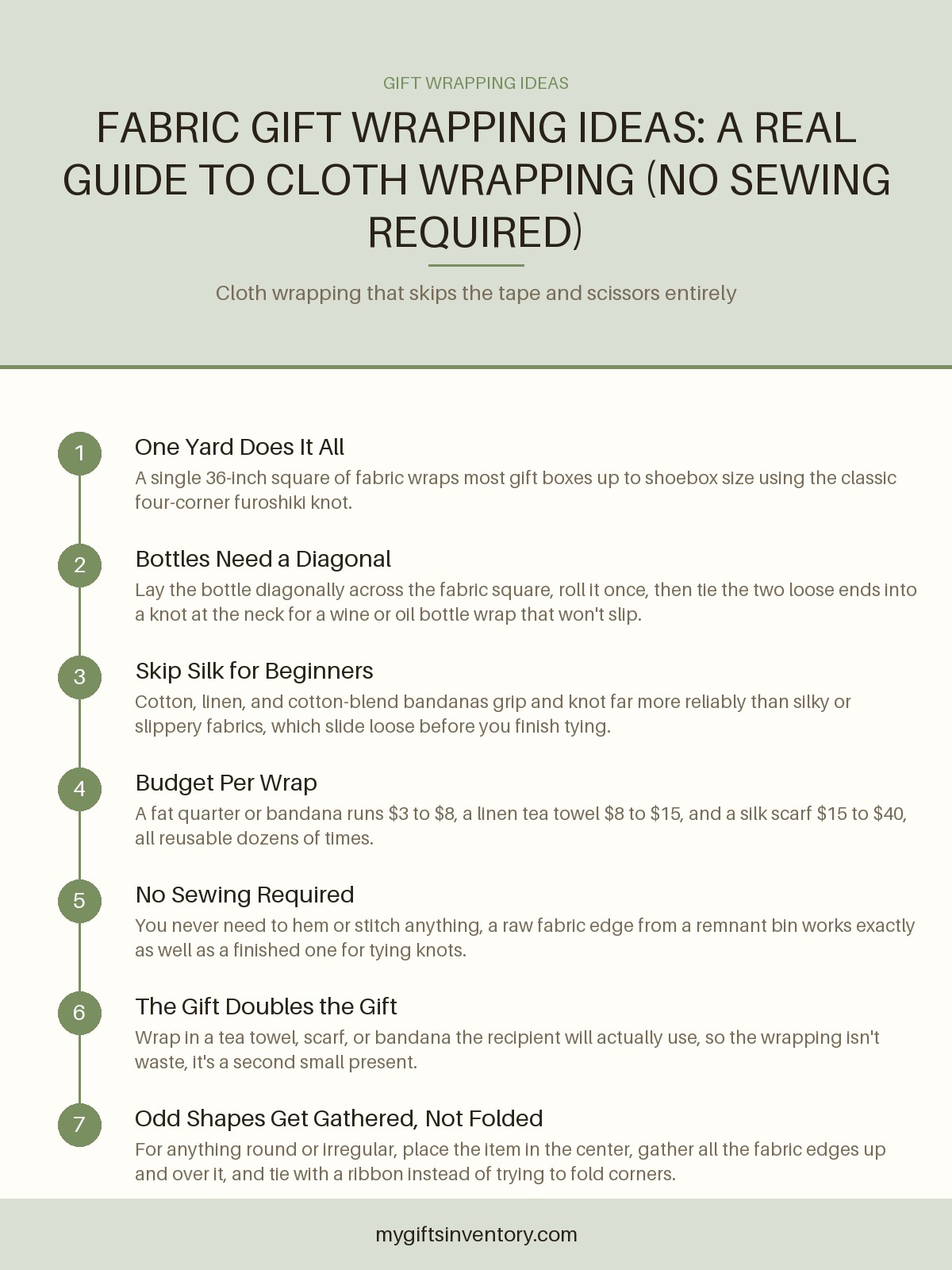
Borrowed from Japanese furoshiki tradition, wrapping a gift in a square of cotton, linen, or burlap fabric is a great option for bottles, oddly shaped items, or anyone trying to skip tape and waste entirely. A simple technique: lay the fabric in a diamond orientation, set the gift in the center, bring two opposite corners up and tie them in a knot on top, then do the same with the remaining two corners. The fabric itself becomes part of the gift, since it can be reused as a scarf, napkin, or produce bag.
Ties, Trims, and Textures
This is where rustic wrapping earns its look. Skip anything shiny or synthetic and reach for:
- Jute or sisal twine, wrapped two or three times around and tied in a simple double knot rather than a formal bow
- Cotton butcher's twine, which is a bit softer and comes in muted colors like red, white, and natural beige
- Raffia, especially for a beach-house or garden-party feel
- Strips of burlap or linen torn (not cut) for a frayed, organic edge
- Leather cord or waxed thread for a more rugged, cabin-style look
A trick that makes a real difference: leave the tails of your twine a little long and let them hang loosely rather than trimming them close to the knot. It reads as effortless instead of accidental.
Natural Embellishments That Don't Look Cluttered
The temptation with rustic wrapping is to pile on every natural element within reach. Resist it. One or two well-placed accents look intentional; five start to look like a craft table exploded. Some reliable options depending on the season:
Fall and Winter
A cinnamon stick tucked under the twine, a sprig of fresh or dried rosemary, a small pinecone, a slice of dried orange (bake thin orange slices at 200°F for about 2-3 hours until leathery), or a few sprigs of evergreen like cedar or pine.
Spring and Summer
Dried lavender, a single stem of baby's breath, a small bundle of wheat or dried grasses, or a pressed flower slipped under the ribbon.
Year-Round
A small wooden ornament, a sprig of eucalyptus (dries beautifully and holds its color), or a tiny bundle of cinnamon sticks tied with extra twine.
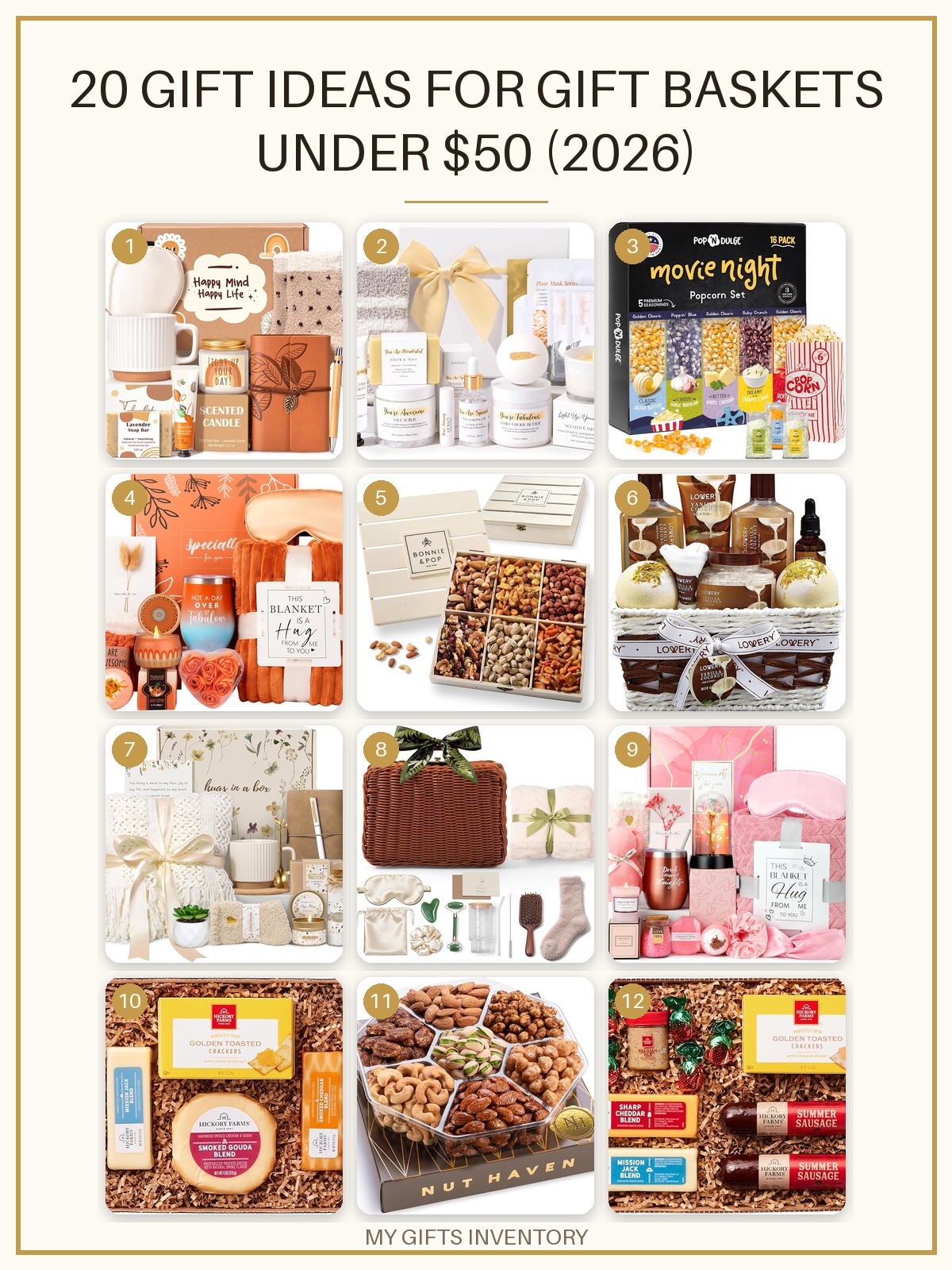
This same idea works well if you're putting together a gift basket rather than a single wrapped box. If you're building one from scratch, our guide to gift baskets under $50 has ideas for what to fill it with, and a rustic wrap on the outside (a length of burlap draped over the top, tied with jute) finishes it off without hiding the contents.
Tags and Handwriting
Skip the printed sticker tag. A tag cut from a scrap of leftover kraft paper, a thin wood slice (craft stores sell pre-cut ones for under $1 each), or even a piece cut from a brown paper bag all fit the aesthetic. Write the name in your own handwriting with a fine-tip black marker or a calligraphy pen rather than typing it. If you want to lean further into the handmade feel, a small botanical stamp or a simple line drawing of a leaf next to the name adds character without much effort.
Simple Techniques Worth Learning
Stamping and Stenciling
A basic wood-handle rubber stamp set, or a simple stencil with a small sponge dauber, lets you print a repeating pattern, a monogram, or a single motif (a pine branch, a wheat stalk, a moon) directly onto plain paper. This turns a $3 roll of kraft paper into something that looks custom.
Layering Two Papers
Wrap the box first in a plain kraft base, then add a strip of a second paper (a scrap of patterned paper, a page from an old book, or a piece of brown grocery bag with a hand-drawn design) as a band around the middle, secured with the twine. This gives visual interest without needing to pattern the whole surface.
The Newspaper-and-String Look
For a market-stall feel, wrap in plain paper, then cross two lengths of twine over the top in a plus-sign pattern before tying, rather than a single wrap-around. It mimics old-fashioned butcher's parcel wrapping.
Budgeting for Rustic Wrapping
One of the nicer things about this style is that it rarely requires spending more than you would on regular wrapping paper, and it's very forgiving if you're doing several gifts.
- Bare minimum ($5-10 total): A roll of kraft paper, a spool of jute twine, and whatever greenery you can snip from your own yard or a neighbor's overgrown rosemary bush.
- Nicely done ($15-25 total): Add a small stamp set, a bundle of dried oranges or cinnamon sticks, and wood slice tags.
- Full setup ($30-50 total): Includes fabric squares for furoshiki wrapping, a variety of dried botanicals, leather cord, and a proper wax seal stamp for envelopes or tags.
This scales well whether you're wrapping one gift or a dozen for a holiday gathering, since the twine, stamps, and tags are reusable across multiple presents.
Matching the Wrap to the Occasion
Rustic wrapping suits some gifts more naturally than others. It works especially well for anything homemade or food-related, for cozy gift baskets, for wine or spirits, and for home decor items with a natural or farmhouse aesthetic, like the kind featured in our home decor gifts for her under $50 roundup. It's also a natural fit for gourmet food gifts. If you're putting together something from our gourmet treats, wine, and coffee guide, a kraft paper wrap with a sprig of rosemary tucked into the twine says "thoughtfully chosen" far more than a foil bag ever could. Same goes for coffee gifts specifically; if you're shopping from our list of gifts for coffee lovers under $50, a burlap coffee-sack-style wrap or a plain brown bag folded over and stapled with a coffee bean glued to the front ties the whole thing together thematically.
It's a slightly trickier fit for very formal gifts (fine jewelry, luxury watches) or corporate gifting where a cleaner, more polished look is usually expected, though a toned-down version, like plain kraft paper with a simple ribbon and no botanicals, can still work for a client gift with a warmer, less corporate feel. If you're wrapping something from our corporate gift ideas under $50 list for a small business or a client with a rustic brand identity, a restrained version of this style (paper, twine, no more than one small accent) reads as thoughtful rather than casual.
Mistakes That Undercut the Look
A few things quietly work against a rustic presentation even when the intention is right. Curling ribbon and shiny bows are the biggest offenders, since the glossy plastic finish clashes with everything else. Bright, saturated colors do the same thing. Overloading the top with too many botanicals or trinkets makes it look cluttered instead of curated. And using printed "rustic-style" paper with a busy pattern of fake wood grain or printed twine graphics tends to look more like a costume of the aesthetic than the real thing. Plain, real materials almost always outperform a printed imitation.
When You Don't Have Time to DIY
If wrapping isn't realistic given your timeline, a well-chosen gift card presented in a small kraft envelope with a wax seal and a sprig of dried lavender tucked into the flap still carries the aesthetic, even without a box to wrap. If you're going this route for a grocery, retail, or restaurant gift card, our guide to choosing the perfect gift has more on how to make a gift card feel personal rather than like an afterthought.
Gift Ideas to Go With This


Want more ideas? Browse our full guide: 34 Stocking Stuffers & Small Holiday Gifts Under $25 (2026): Thoughtful Picks That Don't Feel Like Filler
Frequently Asked Questions
What paper is best for rustic gift wrapping?
Unbleached kraft paper is the most versatile choice because it's inexpensive, widely available, and takes stamps, stencils, and handwriting well. Plain brown paper grocery bags cut open at the seams work just as well if you don't want to buy a roll, and butcher paper is a good option for boxier gifts that need a slightly sturdier hold.
How do I wrap a gift rustic style without ribbon?
Jute twine, cotton butcher's twine, or raffia all work better than ribbon for this look, wrapped a couple of times around the box and tied in a simple knot with the tails left a little long. You can also skip ties entirely with a furoshiki-style fabric wrap, using a square of cotton or linen tied at the corners.
What can I use instead of a bow for rustic wrapping?
A sprig of fresh or dried greenery like rosemary or eucalyptus, a cinnamon stick, a dried orange slice, or a small pinecone tucked under the twine all serve the same visual purpose as a bow without looking overly polished. One accent is usually enough; adding several at once tends to look cluttered rather than intentional.
Is rustic wrapping cheaper than traditional gift wrap?
Often, yes. A roll of kraft paper and a spool of twine typically cost under $10 total and can wrap a dozen or more gifts, and natural accents like herbs or dried orange slices can come from your own kitchen or yard at no extra cost. A more elaborate setup with stamps, fabric, and wax seals still usually stays under $50 even for a full holiday's worth of gifts.
How do I make rustic wrapping look intentional rather than sloppy?
Keep the color palette limited to two or three earthy tones, use real natural materials instead of printed imitations, and stick to one or two accents per gift rather than piling several on top. A neat, even wrap underneath with a slightly imperfect knot on top usually strikes the right balance between polished and handmade.
Looking for an Actual Gift Instead?

Gift Sets We Love Right Now
Every item picked, priced and linked, ready to buy.
More Gift Advice