Beautiful Gift Wrapping Ideas: A Practical Guide to Wrapping Gifts People Save
Real techniques, materials, and small touches that make a wrapped gift look like it came from a boutique, without a boutique budget or an art degree.
As an Amazon Associate, My Gifts Inventory earns from qualifying purchases. We only recommend products we'd genuinely consider buying ourselves.
You bought the gift. Now it's sitting on the kitchen table in a store bag while you stare at a roll of paper that seems determined to wrinkle no matter what you do. We've all been there. The good news is that beautiful wrapping is not about being crafty. It's about a handful of small decisions that most people skip, and once you know them, the wrapped present on the table starts looking like the ones in the catalogs.
Below are the ideas that actually move the needle, organized by what you're working with: paper, ribbon, the little extras, and how to handle the gifts that refuse to be wrapped. We've also included budgets, real color combinations, and the packaging tricks that make a $20 gift look like a $60 one.
Start With the Paper, Not the Bows
The single biggest reason most home-wrapped gifts look homemade in the bad way is thin, shiny paper. Glossy wrapping paper on the cheap end runs about 60gsm or less. It tears along the fold lines, it shows every fingerprint, and it reflects light in a way that makes even a clean wrap look creased.
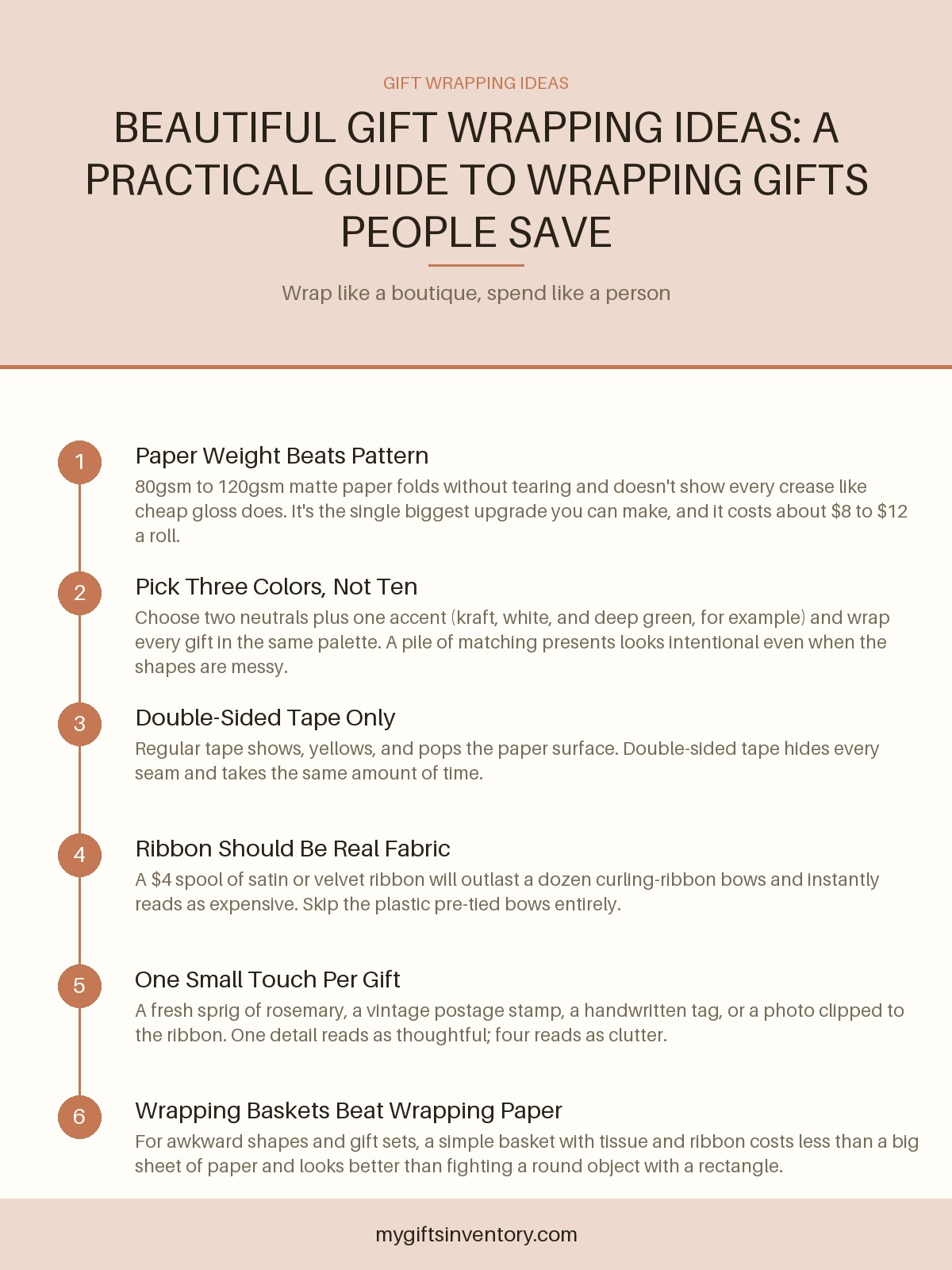
Look for matte paper in the 80gsm to 120gsm range. It folds crisply, it hides scuffs, and it photographs beautifully, which matters if you post any of your gift photos. A standard roll (about 30 square feet) of good matte paper runs $8 to $12, and one roll wraps roughly 8 to 10 average-size gifts. If you buy two rolls of the same color, you can cover almost a full holiday list for under $25.
Papers That Always Look Good
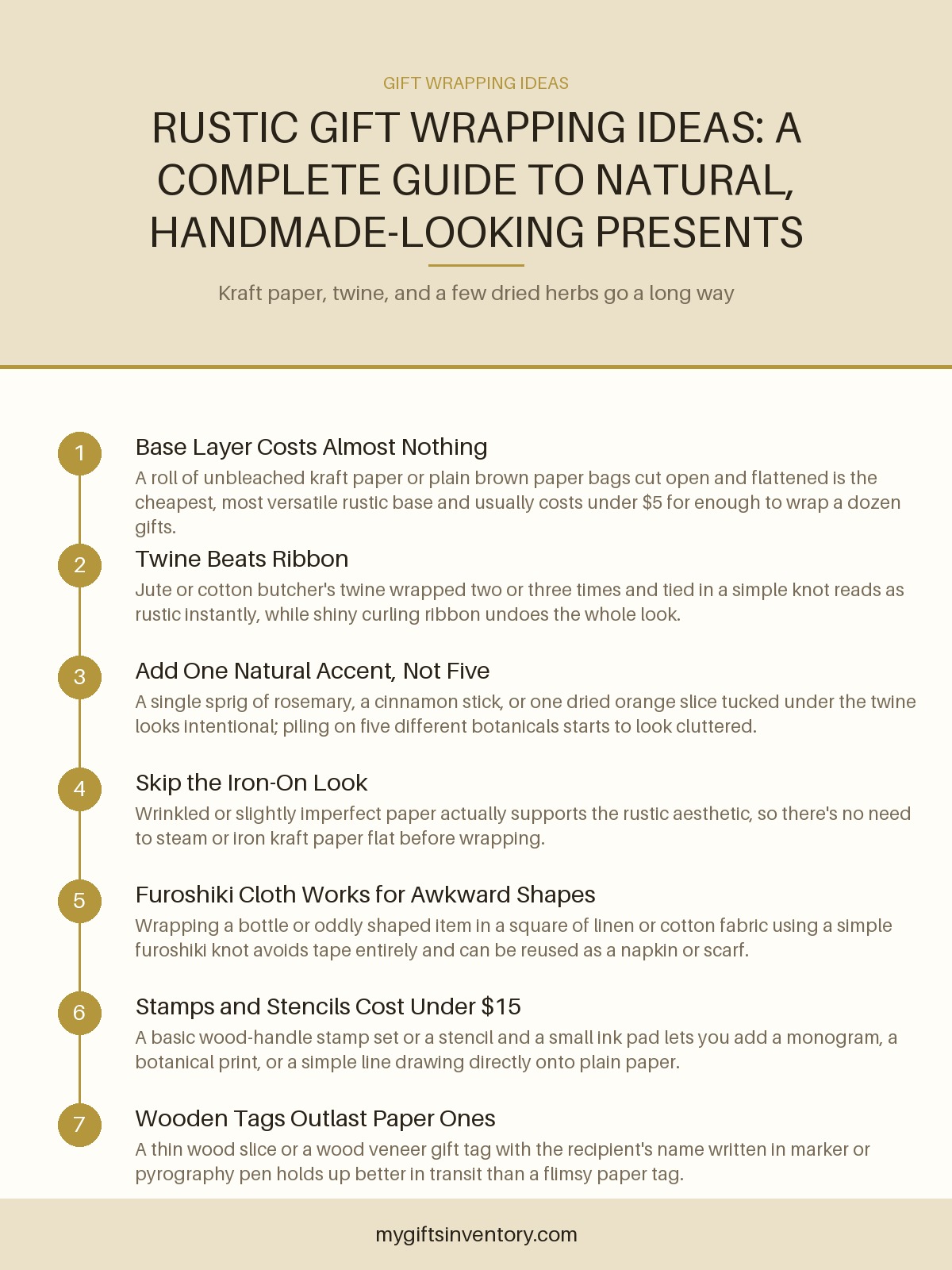
Kraft brown is the workhorse. It's cheap, it takes any ribbon color, and it looks intentional rather than default. White matte is the second-easiest base and works for weddings and baby showers, not just holidays. If you want a pattern, pick one large-scale motif rather than a busy repeat, because a big design hides imperfect folds and a small one highlights them.
Skip Printed Paper for a Specific Person, Sometimes
If you're wrapping a gift for someone whose interests you're already shopping around (a gamer, a makeup lover, a dad who wants home tech), a themed paper can be a nice wink, but it can also feel like the wrapping is doing the heavy lifting. If you've found a gift you're genuinely proud of, let the paper stay quiet. That matters more when the gift itself is niche; for example, if you're working through a list like our home tech gadgets for him picks, the gadget is the star and the paper should be a supporting actor.
The Three-Color Rule (And How to Pick Yours)
This is the trick that makes a whole pile of gifts look coordinated even when you wrapped them on three different nights with different amounts of coffee in your system. Pick three colors: two neutrals plus one accent. Wrap everything in those three. That's it.
- Holiday classic: cream, kraft, deep forest green (accent: burgundy ribbon)
- Modern winter: white, light gray, icy blue (accent: silver ribbon)
- Warm and cozy: kraft, oatmeal, terracotta (accent: mustard or cinnamon ribbon)
- Birthday, any age: white, kraft, hot pink or bright yellow
- Baby shower: white, soft gray, sage (accent: pale peach or dusty blue)
If you're wrapping for a household rather than one person, keep the palette the same and vary the tag color so people can tell whose gift is whose without unwrapping it. That small move alone makes a tree look styled.
Ribbon: The Cheapest Way to Look Expensive
A pre-tied plastic bow costs about 50 cents and looks like it. A $4 spool of satin ribbon, or a $7 spool of velvet ribbon, will wrap 15 to 20 gifts and instantly reads as luxury. This is the highest-return upgrade in the entire process.
Three Ribbon Techniques Worth Learning
The classic cross wrap is what most people already do: ribbon around one way, ribbon around the other, tie at the intersection. The parallel wrap (two or three ribbons running the same direction) looks modern and works beautifully on flat boxes like books or board games. The belly band is the laziest elegant option: wrap a wide strip of contrasting paper or fabric around the middle of the box and tape or glue the ends underneath. No bow required.
What to Do With Stubborn Ribbon
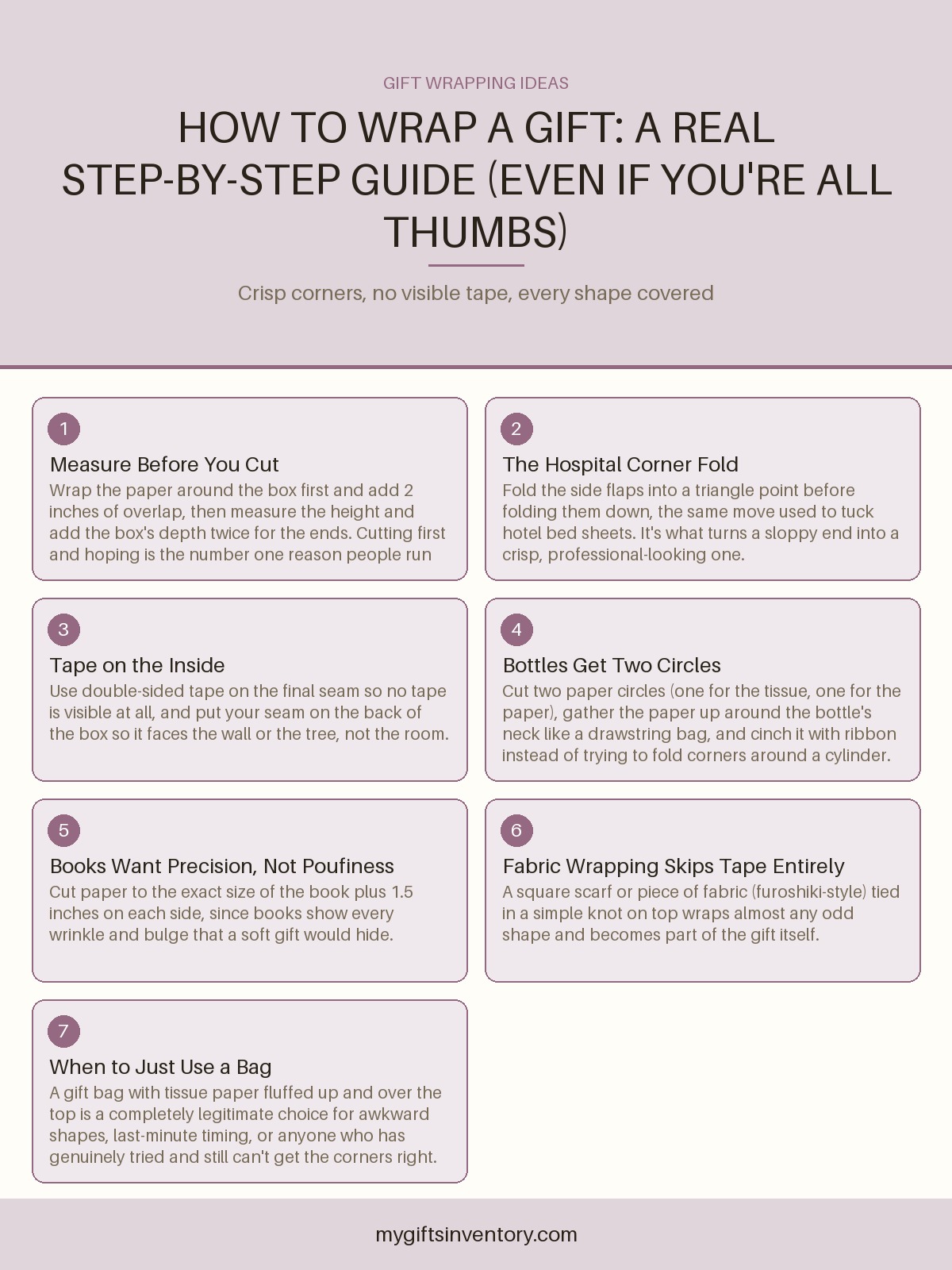
Satin slips on matte paper. If your bow keeps loosening, cut a small square of double-sided tape and stick it where the ribbon crosses on the bottom of the box. Problem gone. For velvet or grosgrain, tie tight, since those hold their own knot better than satin.
The Small Touches That Do the Heavy Lifting
Once your paper and ribbon are sorted, one or two tiny details will push a wrapped gift from nice to memorable. One is the number to aim for. Four details read as clutter.
- A real handwritten tag, not a sticker label. Even three words on a kraft tag with a fine-tip pen beats a printed label every time.
- A sprig of rosemary or a single dried orange slice tucked under the ribbon. Both cost pennies and both dry well, so the gift can sit under the tree for a week without browning.
- A vintage postage stamp on the corner of an envelope-shaped envelope wrap or gift tag. Bundles of 50 mixed stamps run about $6 online and last years.
- A polaroid or printed photo clipped to the ribbon with a small brass or black paper clip. This works especially well for gifts where the photo is a memory: a trip, a pet, a concert.
- A tiny household item that goes with the gift. Batteries taped to the outside of a toy box, a spare lens cloth taped to a camera case, a tea bag taped to a mug. Useful and specific.
One thing we'll say specifically about themed gifts: if you're wrapping something that comes in its own beautiful display packaging (a big LEGO set, for example), sometimes the smartest move is to skip paper entirely and just add a wide ribbon around the box. If you've gone deep into that category, our LEGO gifts for adults picks are almost all display-box items, and the boxes are half the appeal. Let them show.
How to Wrap the Gifts That Refuse to Be Wrapped
Round or Bulky Items
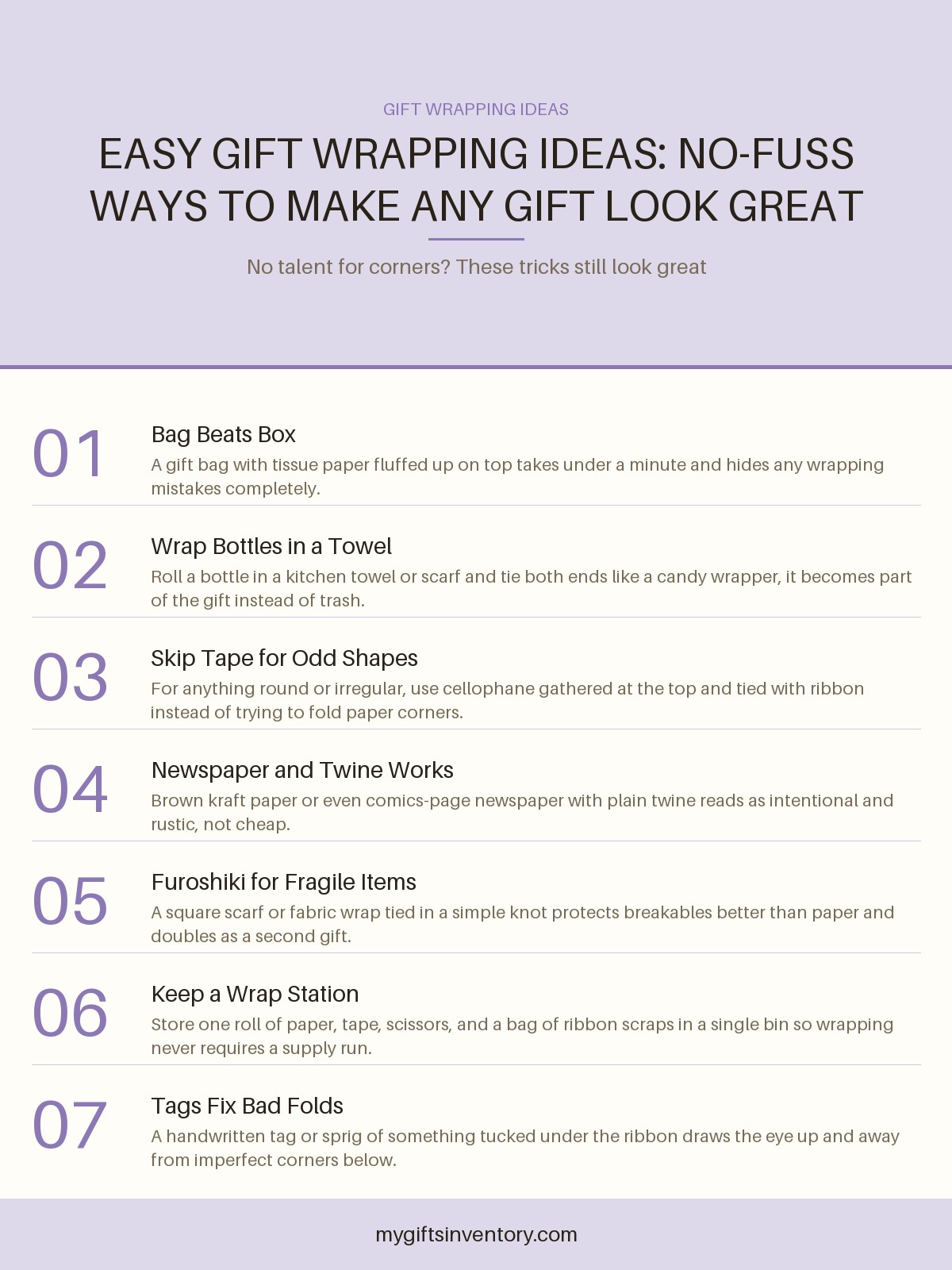
A basketball, a big bag of coffee beans, a round wreath: none of these cooperate with a flat sheet of paper. Use a basket or a deep bowl lined with crinkle-cut tissue paper, then add a ribbon handle or a tag. A felt or seagrass basket runs $5 to $12 and becomes part of the gift, which paper never is.
Gift Cards and Small Flat Items
A gift card in an envelope feels lazy even when the card is generous. Slip it into a small gift box with a single piece of confetti or a folded tissue, tie with a thin ribbon, and tag it. If the card is for a specific place, coordinate the ribbon color to the brand (red for a coffee card, for example). If you go that route, it's handy to know the balance details; our guide to checking an Netflix gift card balance is the kind of thing your recipient will end up googling anyway, so you can mention it in the card and save them the step.
Odd Shapes and Multi-Piece Gifts
When a gift has three or four small parts (a crafting kit, a spa set, a cocktail making kit), don't try to wrap each piece. Use a single box, line it with tissue, and wrap the box once. This is where gift sets quietly outperform loose gifts, and it's why our list of premium gift hampers works so well for the person you can't wrap: the packaging is already half the answer.
A Realistic Budget for Beautiful Wrapping
You don't need to spend $40 a gift. Here's what a thoughtful wrapping kit costs, whether you're covering five gifts or twenty-five.
- Under $25: two rolls of matte kraft paper, one spool of velvet ribbon, a bag of kraft tags, and a roll of double-sided tape. That covers roughly 15 small-to-medium gifts.
- $25 to $50: add a third paper color, a second ribbon in the accent shade, a set of mixed postage stamps, and one small basket for the odd-shaped gifts.
- $50 to $80: add fabric ribbon in two widths, a wax seal kit (around $18), a set of good fine-tip pens for tags, and a second small basket or hat box.
If your household wraps 30 or more gifts a season, buying in bulk (100 tags, multiple ribbon spools, standard rolls rather than small ones) is cheaper than buying per gift, and the leftovers keep for two or three seasons if you store them somewhere dark and dry.
Timing: When to Actually Wrap
Wrapping in one marathon session on December 23rd is how good intentions turn into sloppy edges. Split it up. Wrap the gifts you've already bought as you buy them, or set aside 45 minutes a day for the week leading up to the event. Wrapping in daylight helps more than you'd think, since artificial light hides crease lines and makes ribbon look darker than it is.
If your gift list is big and you're wrapping for a lot of people at once, one habit helps: cut all your paper rectangles for a batch of gifts at the same time, then wrap. It sounds odd but it doubles your speed because you're not stopping to measure for every single item.
Gift Ideas to Go With This


Want more ideas? Browse our full guide: 34 Stocking Stuffers & Small Holiday Gifts Under $25 (2026): Thoughtful Picks That Don't Feel Like Filler
Frequently Asked Questions
What is the best paper weight for gift wrapping?
Aim for 80gsm to 120gsm matte paper. In that range the paper folds cleanly without tearing, holds a crease, and doesn't show every fingerprint the way glossy or lightweight paper does. Kraft paper and matte recycled papers sit right in that zone and cost $8 to $12 for a standard 30-square-foot roll.
How do I make cheap wrapping paper look expensive?
Swap the paper for matte (not glossy), pair it with a real fabric ribbon instead of a printed or plastic bow, and add one small touch like a handwritten kraft tag or a sprig of rosemary under the ribbon. Those three changes cost about $10 total across many gifts and make a bigger visual difference than buying fancier patterned paper.
How much does it cost to wrap a gift nicely at home?
About $2 to $4 per gift if you've bought supplies in bulk, and closer to $1.50 for small items. A $25 starter kit (two rolls of kraft paper, one velvet ribbon, a bag of tags, and double-sided tape) covers roughly 15 gifts, which works out to under $2 each.
What can I use instead of wrapping paper?
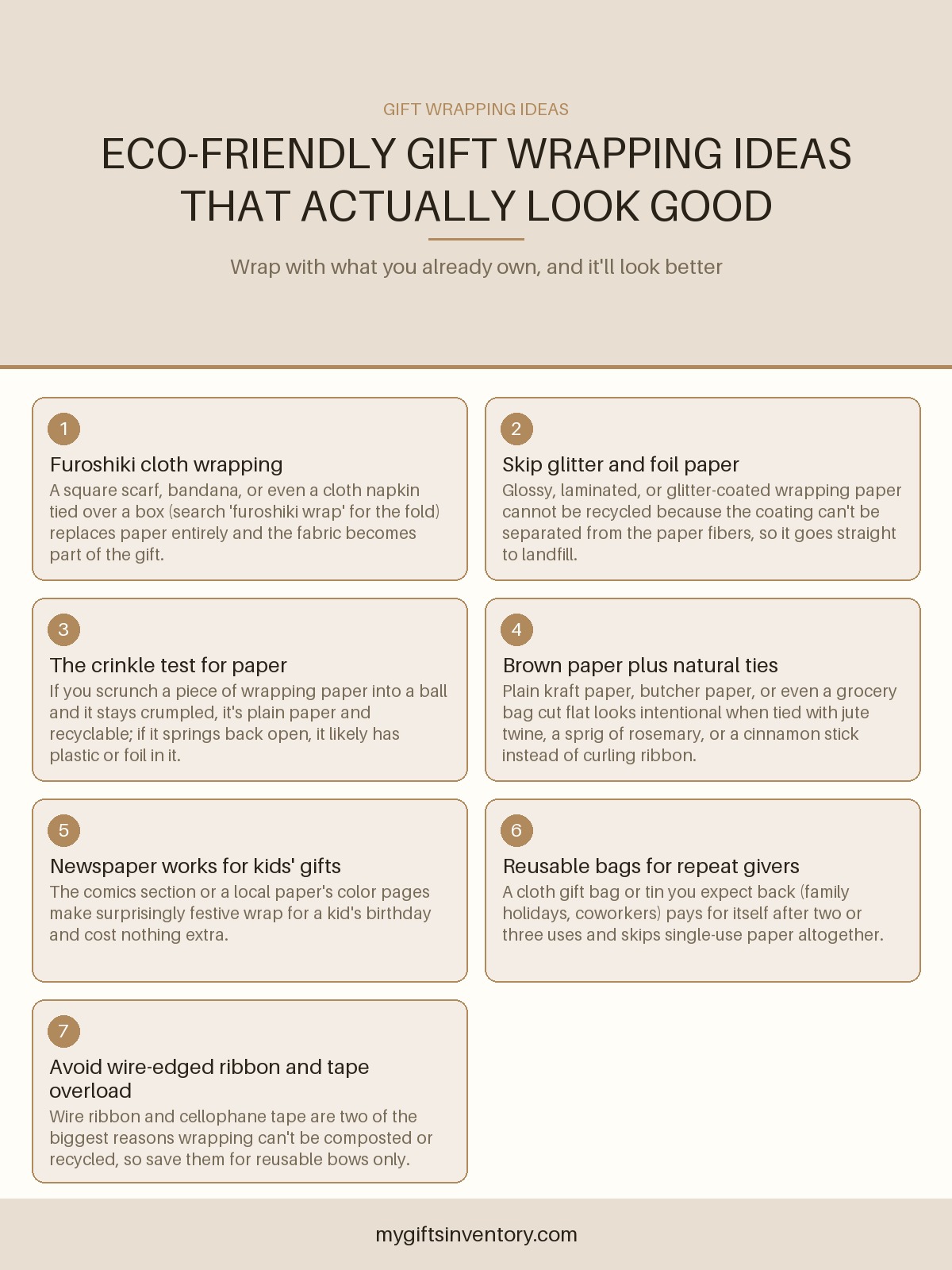
Baskets, felt bags, fabric squares tied at the corners (sometimes called the Japanese furoshiki method), reusable gift boxes, and even plain brown grocery bags cut open and ironed flat all work well. For odd-shaped gifts, a basket lined with tissue paper usually looks better than paper and doubles as part of the gift.
Why does my wrapping look messy compared to store-wrapped gifts?
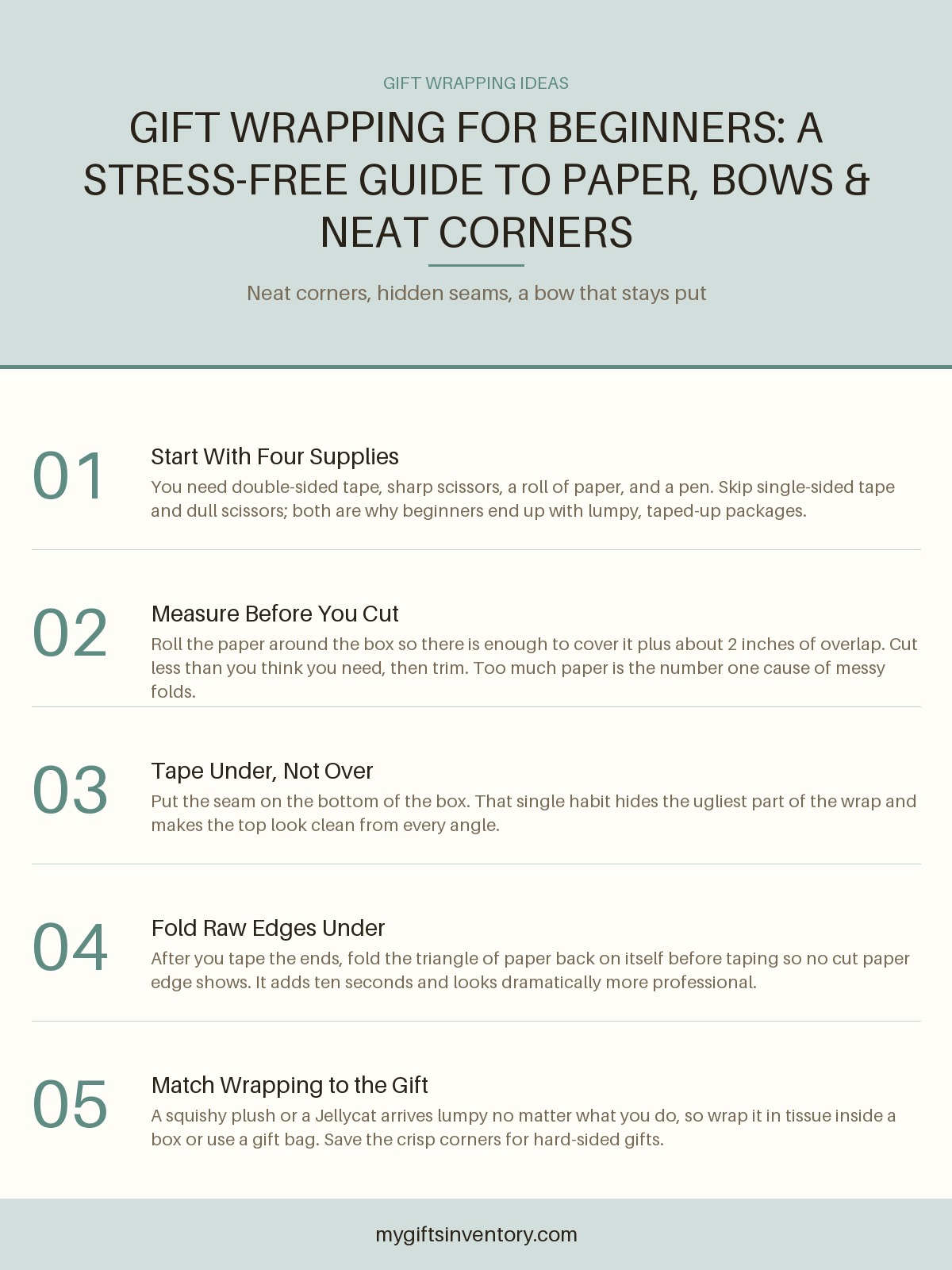
Three usual culprits: thin or glossy paper, visible tape, and too much paper for the size of the box. Switch to matte paper at 80gsm or above, use double-sided tape so no seams show, and cut your paper to roughly two-thirds the width of the box plus 2 inches of fold on each side. Trimming down and using the right tape fixes almost every messy-wrap problem.
Looking for an Actual Gift Instead?
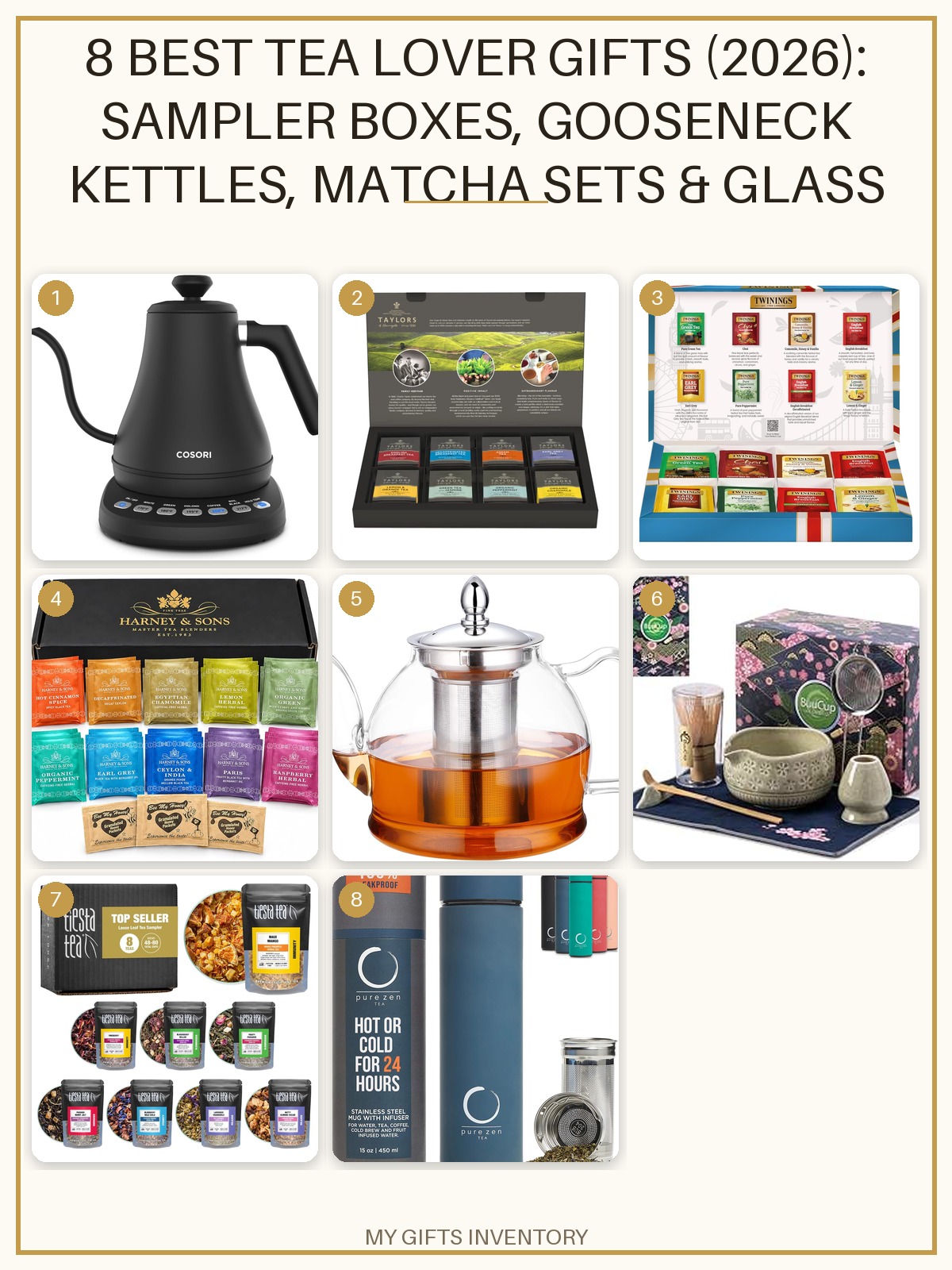
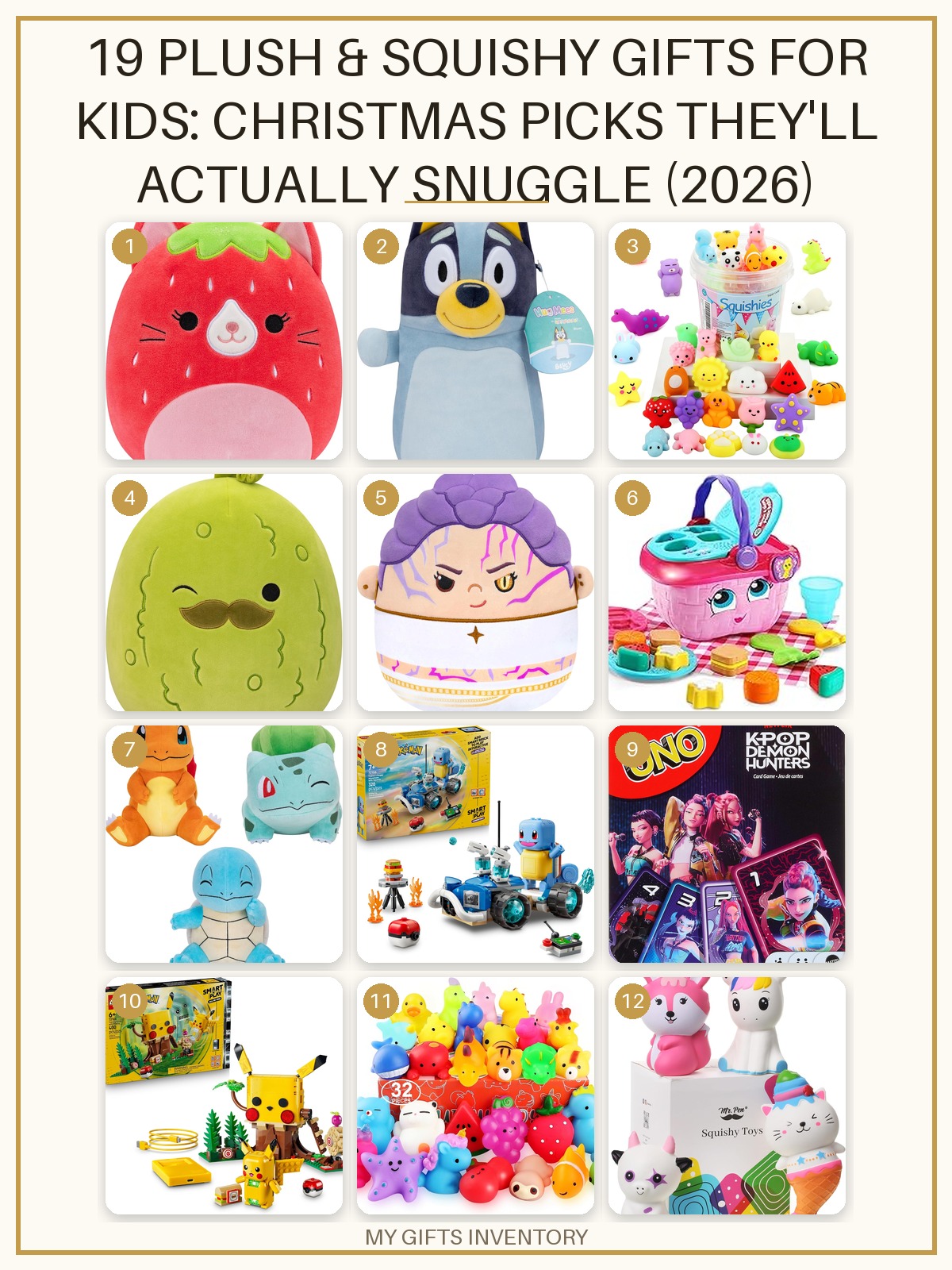
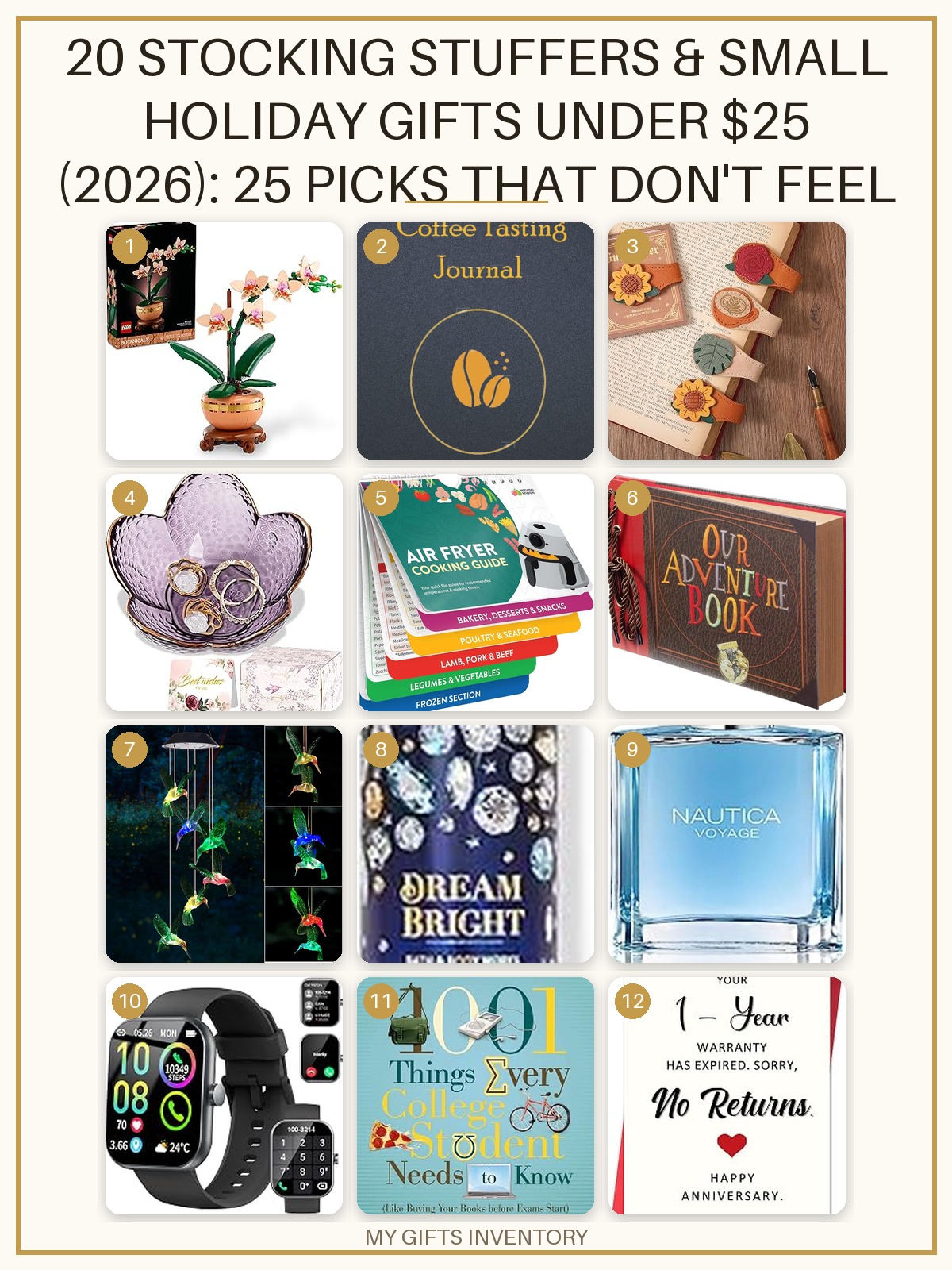
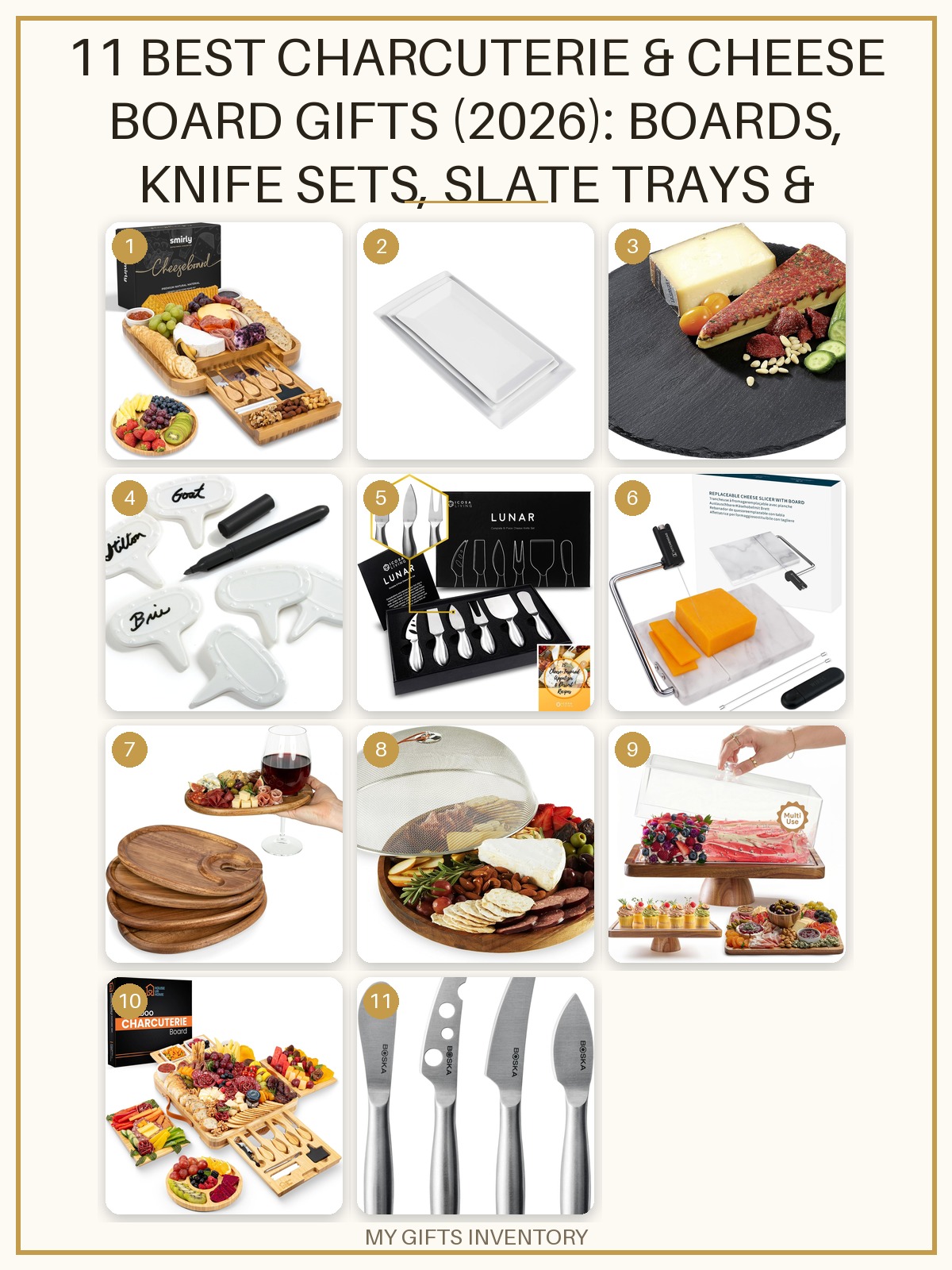
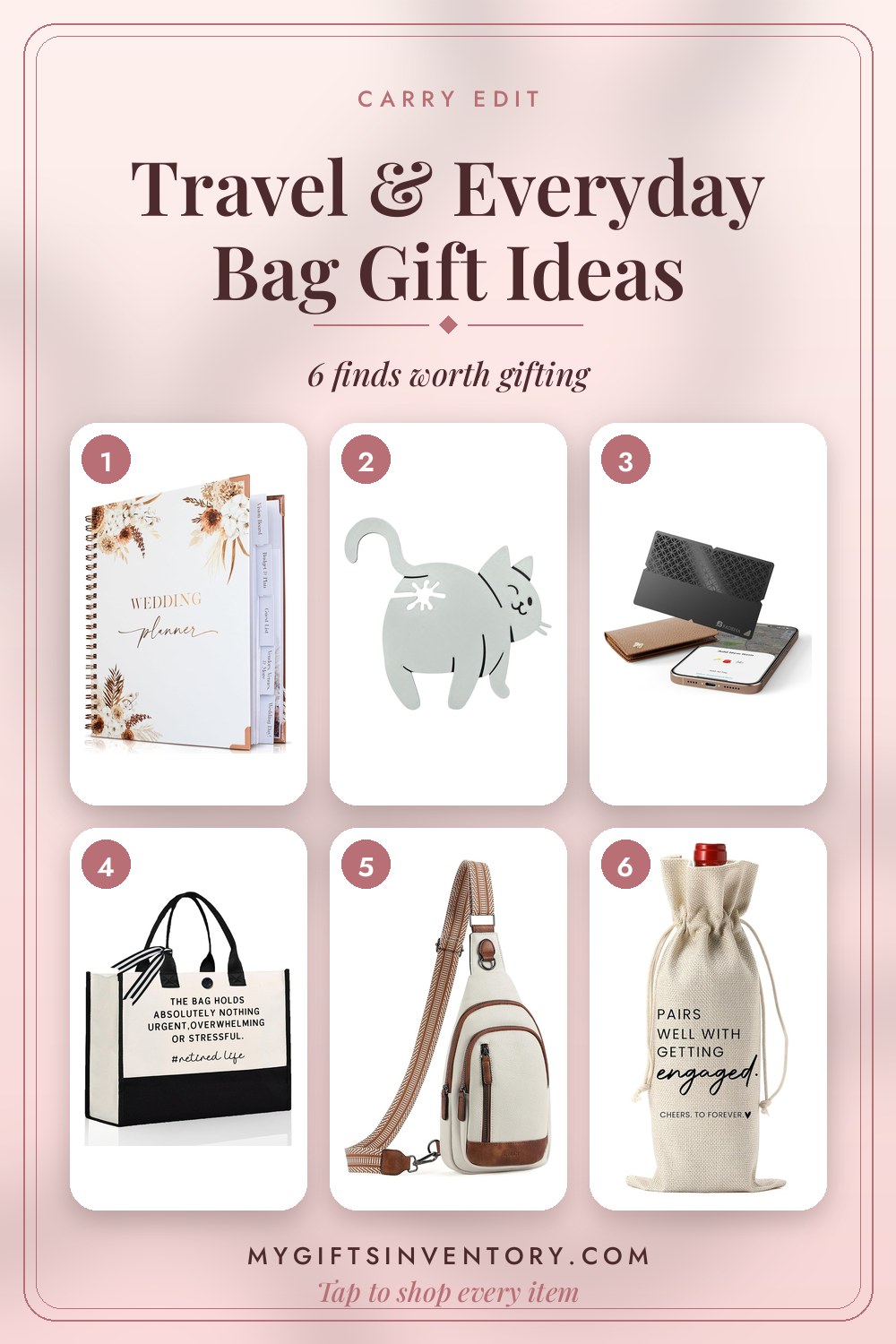
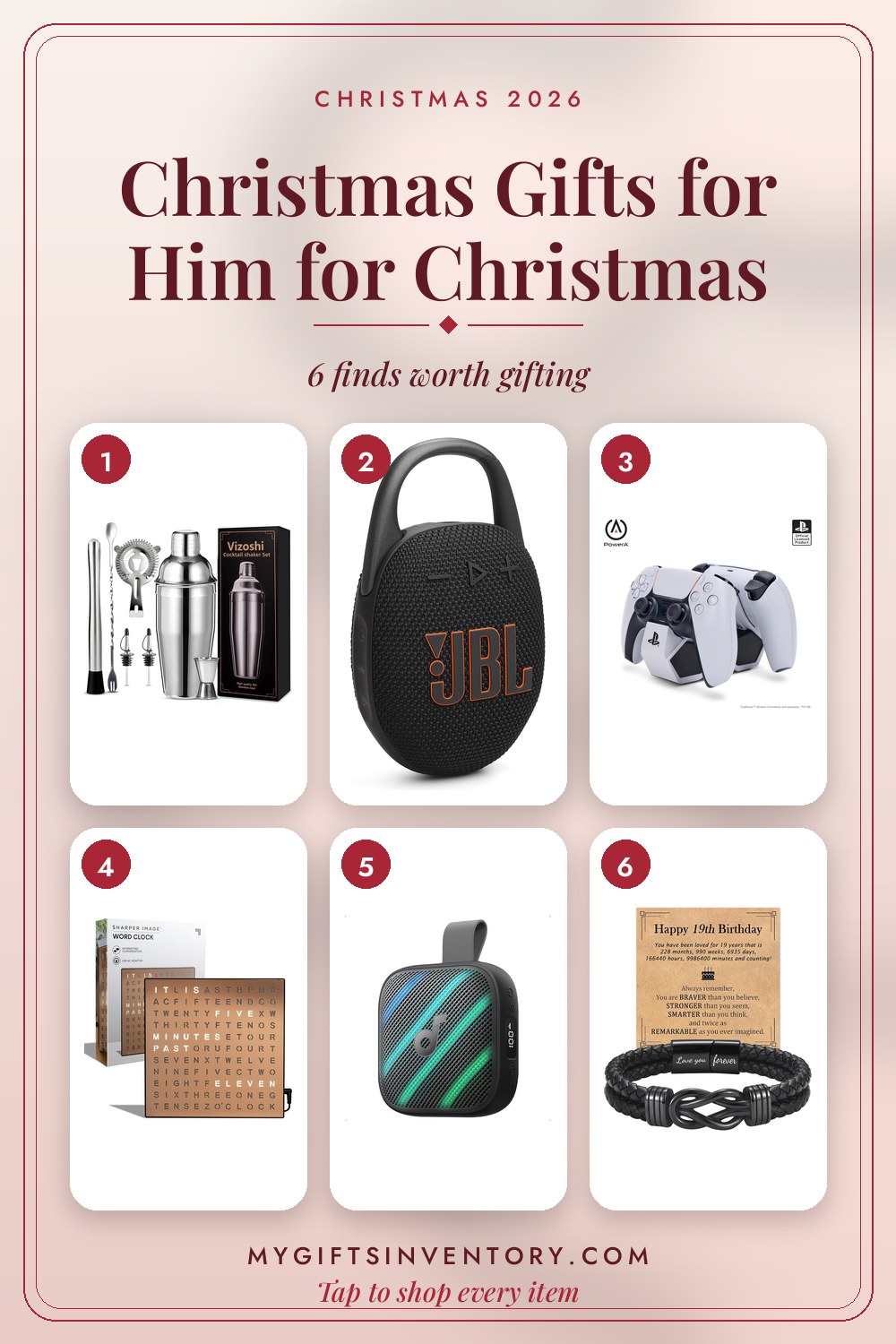
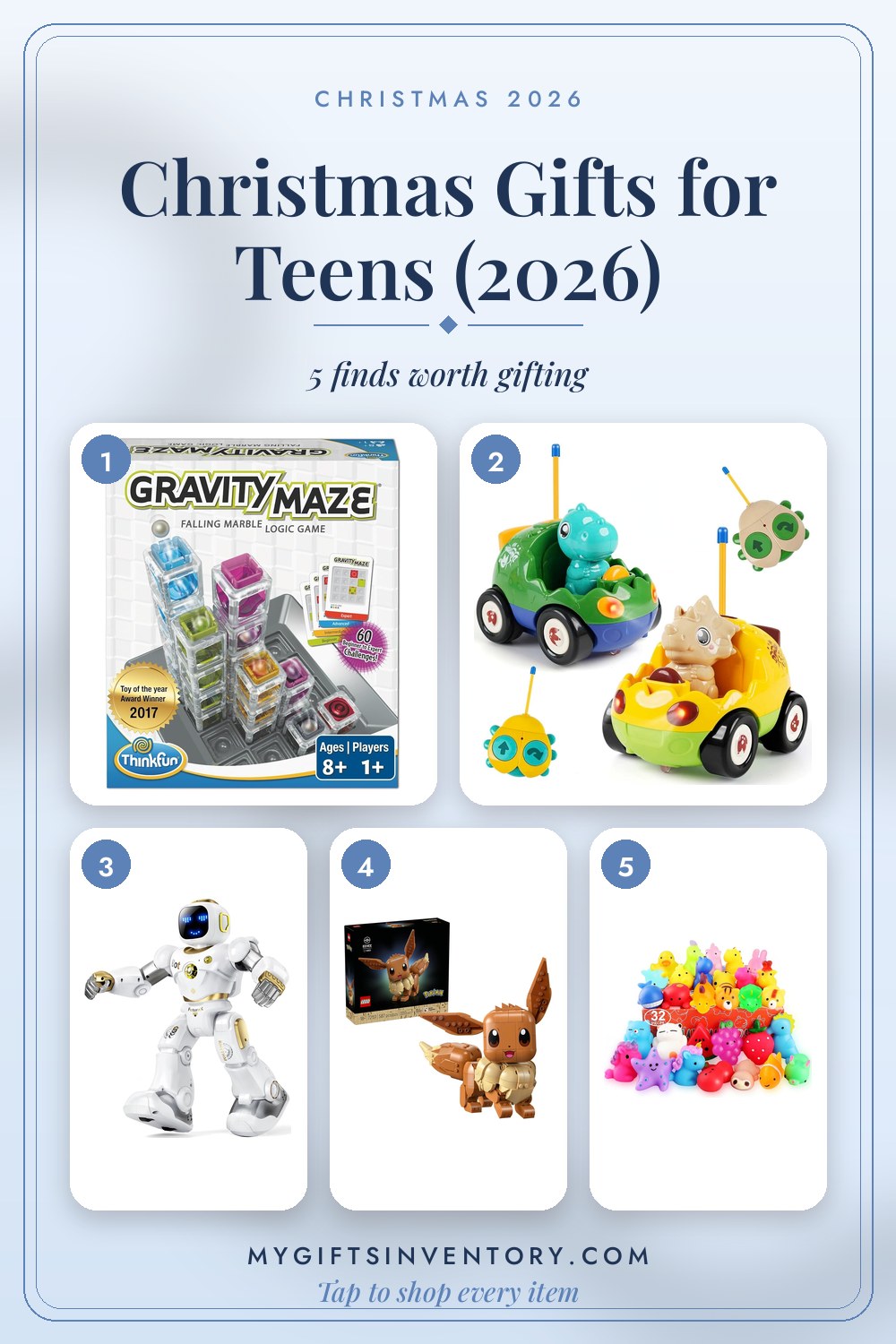
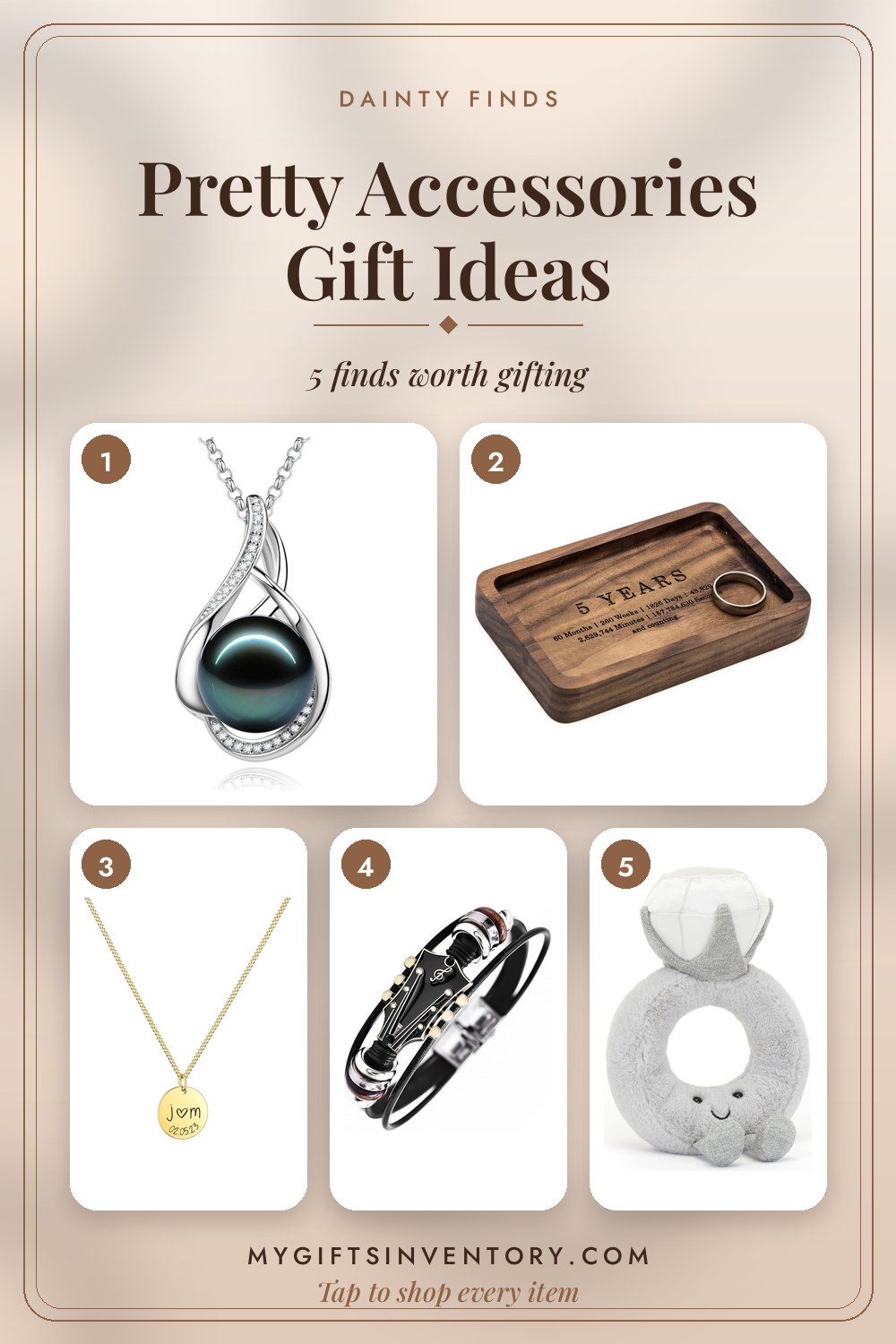
Gift Sets We Love Right Now
Every item picked, priced and linked, ready to buy.
More Gift Advice