Birthday gift calendar: what to buy, when to buy it, and what to write in cards
A practical birthday gift calendar helps us avoid last-minute stress, manage budgets, and still give thoughtful gifts with the right card wording.

As an Amazon Associate, My Gifts Inventory earns from qualifying purchases. We only recommend products we'd genuinely consider buying ourselves.
When we search for a “birthday gift calendar,” we are usually not trying to be Pinterest-pretty. We are trying to stop that tight, late-night feeling of, “Wait, it’s this week?” and we want a simple plan that still ends with something thoughtful, correctly timed, and not awkward in the moment.
This guide turns birthdays into a schedule we can actually follow: what to do, when to do it, how to budget by relationship, and what to write in the card so our gift feels personal even when life is busy.
Build a birthday gift calendar that reduces stress (not adds tasks)
Our goal is twofold: first, remove the panic, and second, protect the quality of the gift. A calendar works best when it has “touchpoints,” not a single deadline. We use a few repeating checkpoints for every birthday so we never start from zero.
Set your “planning window” by relationship
Here’s a starting point we can use right away. Adjust if our circle is small or we routinely shop early.
- 3 months to 8 weeks ahead for close family and partners, or anyone who would notice if we got the date wrong. This window is where we figure out sizes, shipping realities, and whether we need reservations.
- 6 weeks to 4 weeks ahead for close friends and frequent hangout people. We can still make it thoughtful without overthinking.
- 3 to 4 weeks ahead for coworkers, neighbors, and less-known friends. This is where we prioritize easy-to-use gifts and clear card wording.
- 10 to 14 days ahead for last-resort shopping, focusing on flexible options like gift cards and practical treats.
Use a simple tracking system
We do not need fancy software. We need one place where we can see: name, date, budget target, and what stage we are in.
- Create columns (or fields) for: Birthday date, Relationship, Budget, Gift idea, Status (planned, bought, wrapped, card written, mailed, delivered), and Receipt saved.
- Set one recurring reminder each week: “Check birthdays in the next 2 weeks.” This catches the people we might otherwise forget.
Set guardrails so the calendar does not become decision fatigue
We add rules that keep us from spiraling:
- We never start designing the gift the day before.
- We pre-decide a backup category (gift card plus a small add-on, or self-care treat plus card) so we do not waste time when we run into shipping delays.
- We write the card message early enough that it can be revised once we confirm the gift.
Budget planning in the calendar: what to spend without guilt
Budget is where people hit the wall. If we wait until we shop, we end up overpaying out of stress or underpaying out of fear. A calendar helps because it makes budgeting a decision we can set ahead of time.
Use relationship-based ranges
These are common, reasonable starting ranges for many households. We adjust up or down based on what feels fair for our family and our social norms.
- $15 to $30: casual friends, acquaintances, coworkers (especially if we are already doing a group gift)
- $25 to $60: close friends, neighbors, people we see often
- $50 to $100: best friends, godparents, frequent party hosts, close family beyond immediate circle
- $100 to $250+: immediate family and partners, depending on what they typically value (experiences, higher-value items, or a mix)
Pick a “spend strategy” per birthday
We do not always need to spend more. We need a strategy.
- Strategy A: One great item for people who love a clear, specific category (hobbies, wellness, coffee, home).
- Strategy B: Gift + practical add-on for people who appreciate usefulness. Example: a small home treat plus a practical stationery or kitchen item.
- Strategy C: Gift card with a personal touch when we are unsure what they want. A good card message bridges the gap.
- Strategy D: Self-care as a safe win when we do not know their exact tastes but we know they deserve a break. If this fits our friend group, we often use our self-care gift ideas like “20 Gift Ideas for Self-Care & Spa Gift Sets Under $50 (2026)” as a brainstorming starting point.
How to handle last-minute budget crunch
If we are late, we keep the budget range and simplify the plan. For example:
- If we were aiming for a $70 personalized item but time is tight, we switch to a $40 gift card plus a $15 practical add-on.
- We choose something they can use right away, not something that needs a long lead time.
What to buy: a calendar-friendly approach to picking gifts
The easiest way to pick gifts is to match the method to the time we have. Our calendar should guide the decision, not just record it.
6 to 8 weeks ahead: confirm needs and sizes
Use this time for gifts that require details: clothing sizing, reservations, engraving, or anything seasonal.
- If the birthday person is into wellness, we can choose a category and then decide on the exact item later.
- If they are a coffee person, we often start broad and then shop closer to the date, using a list like “20 Gift Ideas for Gourmet Treats, Wine & Coffee Gift Ideas Under $50 (2026)” to keep it simple and cohesive.
4 to 3 weeks ahead: lock in practical winners
This is where we aim for “use it soon” gifts: kitchen helpers, desk-friendly things, or experiences that do not require long planning.
If we need inspiration for smaller budget-friendly options, we rely on practical lists like “20 Kitchen Gadgets Gift Ideas Under $50 (2026): Gifts They’ll Actually Use” when we want something safe that still feels curated.
2 weeks ahead: decide on flexible gifts
This is the time for gift cards with personality, because we can stop guessing. If we go this route, we should still give them a reason to be excited on their day.
And we should remember that each retailer can have different brand options, so it helps to know our local choices. For example, if your household likes store cards, we might review a guide like “Gift Cards at Walmart: The Complete List of Brands, Fees & Fuel Points (2026)” to avoid surprises about where and how they can use the card.
Less than 10 days ahead: gifts that survive shipping delays
We keep it simple:
- Gift cards (with a specific card message)
- Small-ready items from local stores
- Same-day or next-day delivery when possible
Card message timing and wording: what we write when we want it to matter
People search for gift calendar ideas because the card is where their anxiety shows up. We can’t always control the gift, but we can control the words.
Write in two passes
We do this because it keeps the message warm instead of last-minute:
- Pass 1 (early, right after we pick the gift): write 3 bullet notes: what we appreciate, a shared memory, and a wish for their year.
- Pass 2 (the day before): turn those bullets into a short card paragraph and add one personal line that feels like us.
Use a simple card structure that works for everyone
Here’s the formula we keep returning to:
- Sentence 1: appreciation or a specific observation
- Sentence 2: a shared moment or how we’ve seen them grow
- Sentence 3: a birthday wish for their year
Ready-to-use card wording examples
- For close friend: “Happy birthday, [Name]. I’ve really loved seeing you show up for the people you care about, and it inspires me. I hope this year brings you calm mornings, fun plans, and a lot of wins you get to celebrate.”
- For coworker we like: “Happy birthday, [Name]. Thanks for being the kind of colleague who makes work feel easier. Wishing you a great day and a year ahead with plenty of good momentum.”
- For family member: “Happy birthday, [Name]. I’m grateful for you and for the way you always make space for everyone. I hope your year feels light, joyful, and exactly how you want it.”
- For partner: “Happy birthday, my love. I appreciate who you are, not just what you do. I’m excited for this year with you and all the small moments we’ll laugh about later.”
If we are giving a gift card
We make it feel intentional by pairing the card amount with a personal line.
- “Happy birthday, [Name]. I hope you use this on something that feels fun and easy for you. You deserve that kind of joy.”
Wrapping and delivery: the calendar details that people forget
Even thoughtful gifts can fall flat if they arrive late or look rushed. Our calendar should include wrapping and delivery steps, not just shopping.
Wrapping timeline
- 1 day before: wrap gifts that need no customization besides the card.
- Day of: add the card only when we are ready to avoid smudges, smears, and “did we remember to sign?” moments.
- For mailed gifts: wrap after we confirm the final gift fits and the shipping box is sturdy enough for the journey.
Mailing timelines that keep us from guessing
As a practical rule, we aim to mail gifts 7 to 10 days before the birthday if we want time for delays. If we are close, we default to flexible delivery options and keep the card wording ready to print or write quickly.
Registry gifts: what the calendar should include
If there is a registry, our calendar should capture one key task: confirm what has already been purchased and check if substitutions are allowed.
- We follow the registry when the person wants it to guide them.
- If we choose something off-registry, we match the spirit and stay respectful of the household’s needs.
- We keep receipts for off-registry purchases, especially if we know the person values specific brands or sizes.
Returns and receipts: the “adulting” step we should not skip
Return headaches are preventable. Our calendar can include a quick “receipt check” step the moment we buy.
- We save receipts in the same envelope as the card or in a digital folder.
- We track the return window so we do not attempt a return after it expires.
- If a store gives a gift receipt, we keep it intact and do not throw it away with packaging.
Experience gifts and group planning: how to schedule joy
Some birthdays deserve more than an object. Experiences can be easier because they are fewer decisions, but they require timing.
When we should plan an experience
- 3 months ahead for anything with limited availability: popular shows, flights, or classes that fill quickly.
- 6 weeks ahead for local reservations that usually have openings but still require planning.
- 2 to 3 weeks ahead for flexible options like brunch reservations or casual outings.
Group gifts: avoid the spreadsheet chaos
If a birthday needs a group gift, the calendar should include:
- One person who collects money (or we use a shared method)
- A deadline for contributions (for example, set it 10 days before)
- A single plan for what we are buying and how we are handing it over
Birthday gift calendar templates we can copy (and actually use)
Below are two practical ways to structure the calendar. Pick the one that matches how we live.
Template A: the “one-touch-per-week” plan
- Week -8: list upcoming birthdays, assign budgets, decide gift categories
- Week -5: choose exact gifts for the people with the most detail work
- Week -3: buy, confirm receipt/return details, draft card notes
- Week -1: wrap, finalize card messages, schedule mailing or handoff
- Day -0: sign and check everything is ready
Template B: the “per-birthday checklist” plan
- 10 days before: confirm gift is in hand (or delivery confirmed), confirm receipt saved
- 7 days before: write card, order delivery if needed, plan wrapping
- 2 days before: wrap and set gift + card together
- Day of: bring gift and card, or set it for a delivery window

Frequently Asked Questions
When should we start planning a birthday gift?
For close family and partners, we start about 3 months ahead if the gift needs sizing, reservations, or shipping. For most friends and coworkers, starting 4 to 6 weeks ahead is enough to choose something thoughtful without rushing.
How much should we spend on birthdays?
We usually set budgets by relationship so we do not decide from scratch at checkout. A common approach is $15 to $30 for casual friends or coworkers, $25 to $60 for close friends, and $100 to $250 for immediate family or partners, depending on what fits your household.
What should we write in a birthday card?
We write one specific sentence about what we appreciate plus one warm wish for their year. Example: “Happy birthday, [Name]. I’ve loved seeing how you show up for people, and I’m grateful for you. I hope this year brings you restful joy.”
Is it rude to give a gift card?
It is not rude if we pair it with a personal message and an appropriate amount. If we are unsure what they want, a gift card plus a thoughtful line in the card is a respectful way to give them choice.
Should we keep receipts for registry gifts and store gifts?
Yes, we keep receipts when the gift is off-registry or when there is any chance of the person needing a different size or version. For registry purchases, we still save order confirmation details because it can simplify resolution if anything is wrong.
Looking for an Actual Gift Instead?
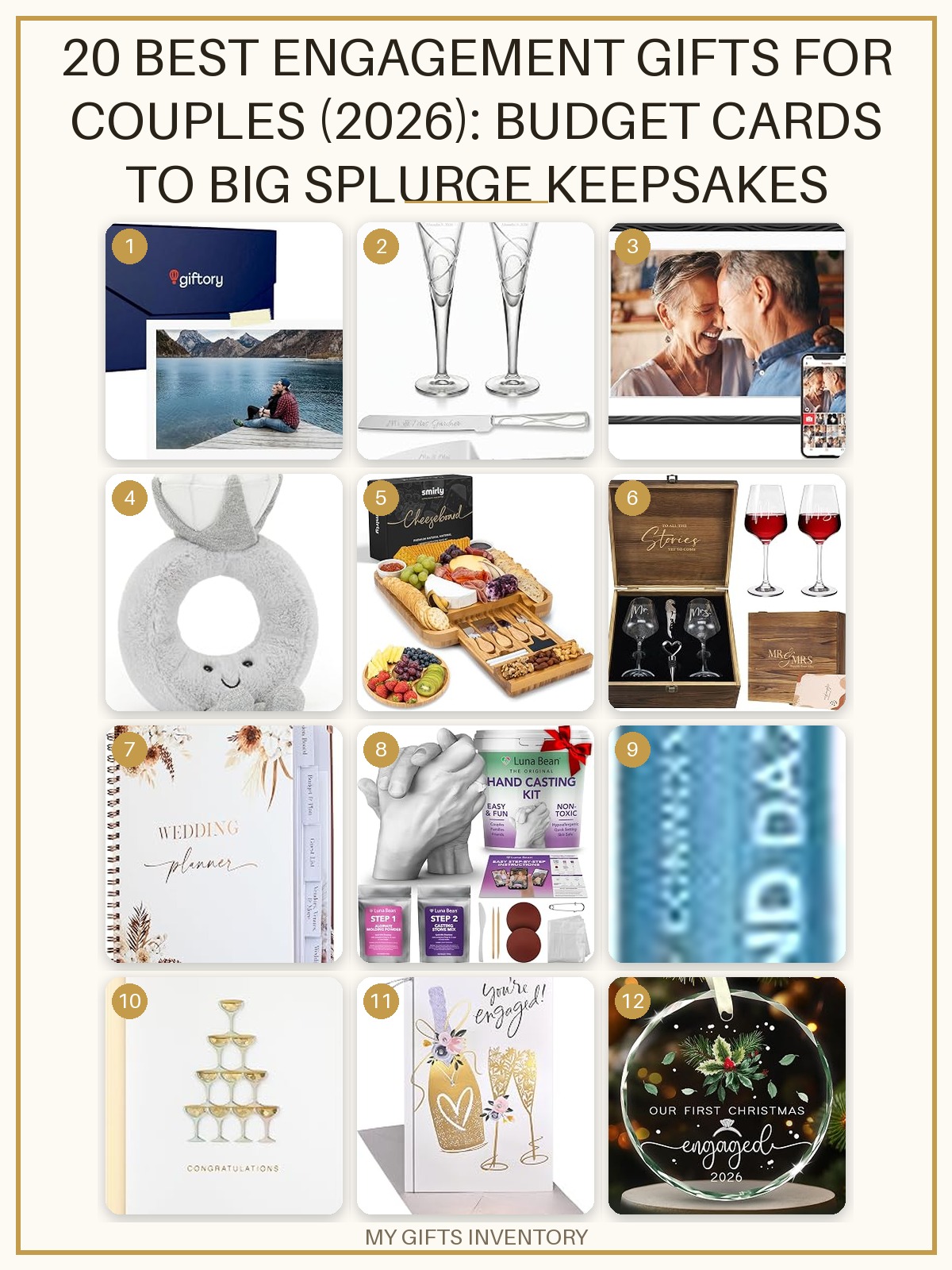
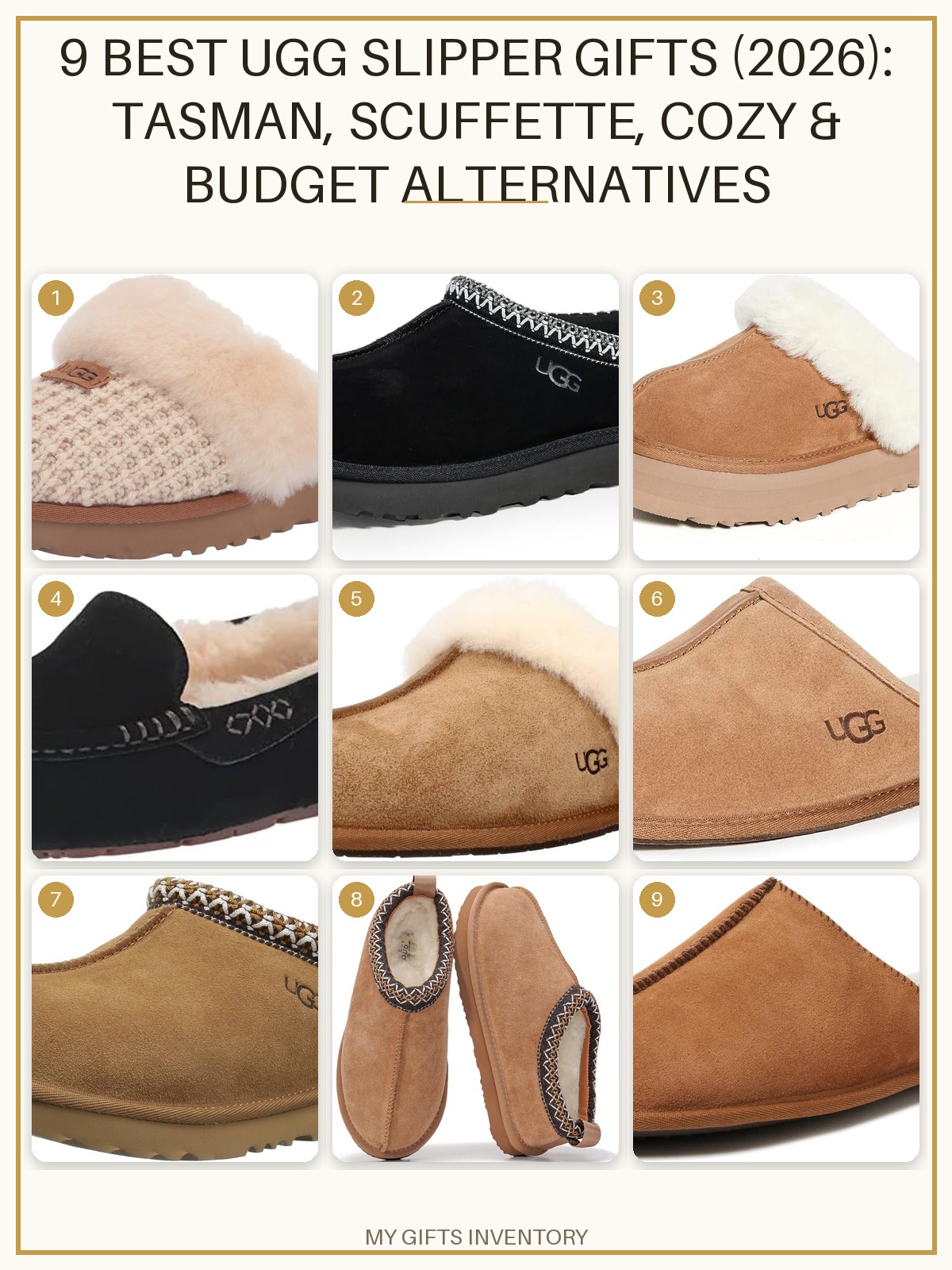
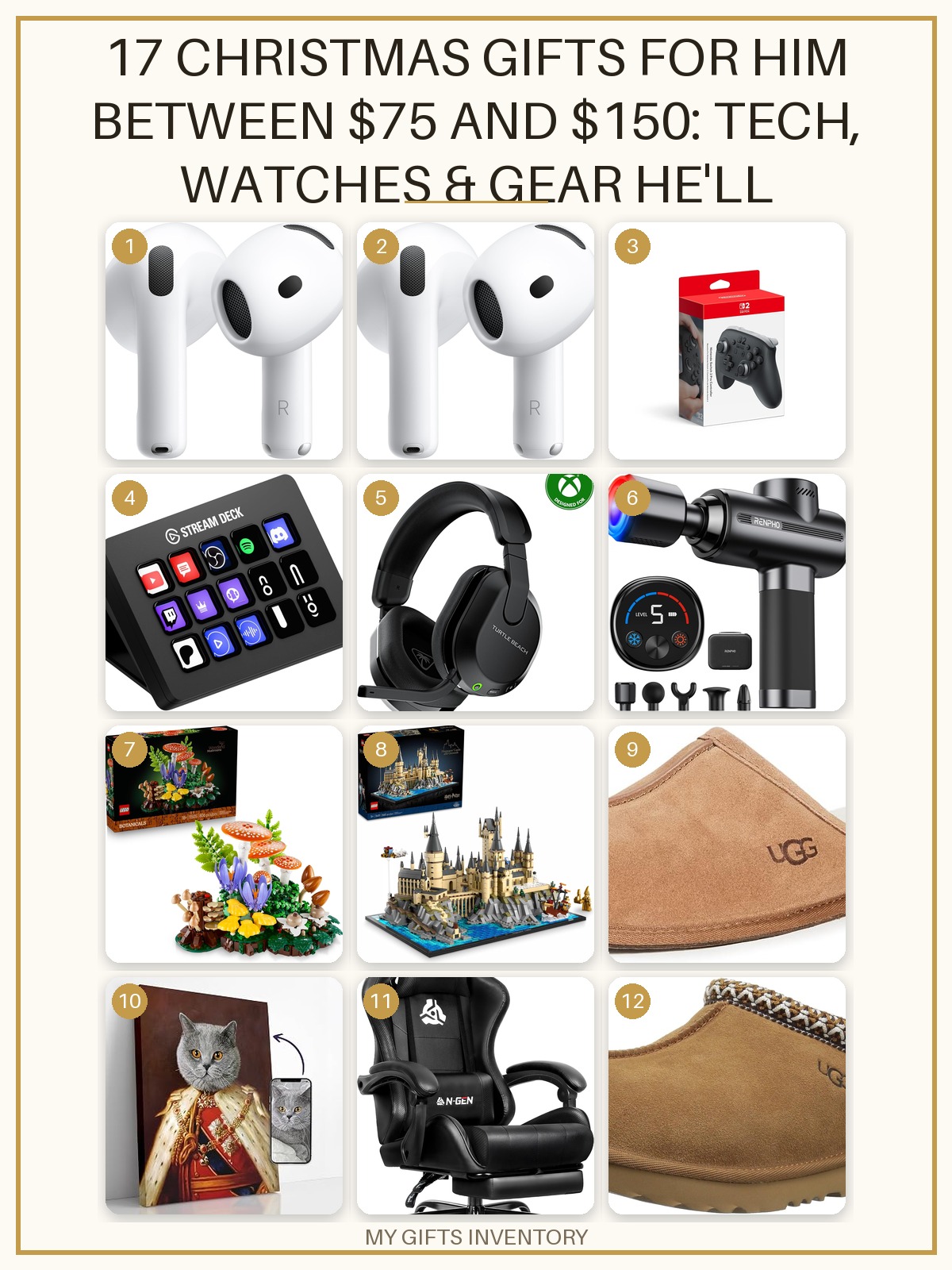
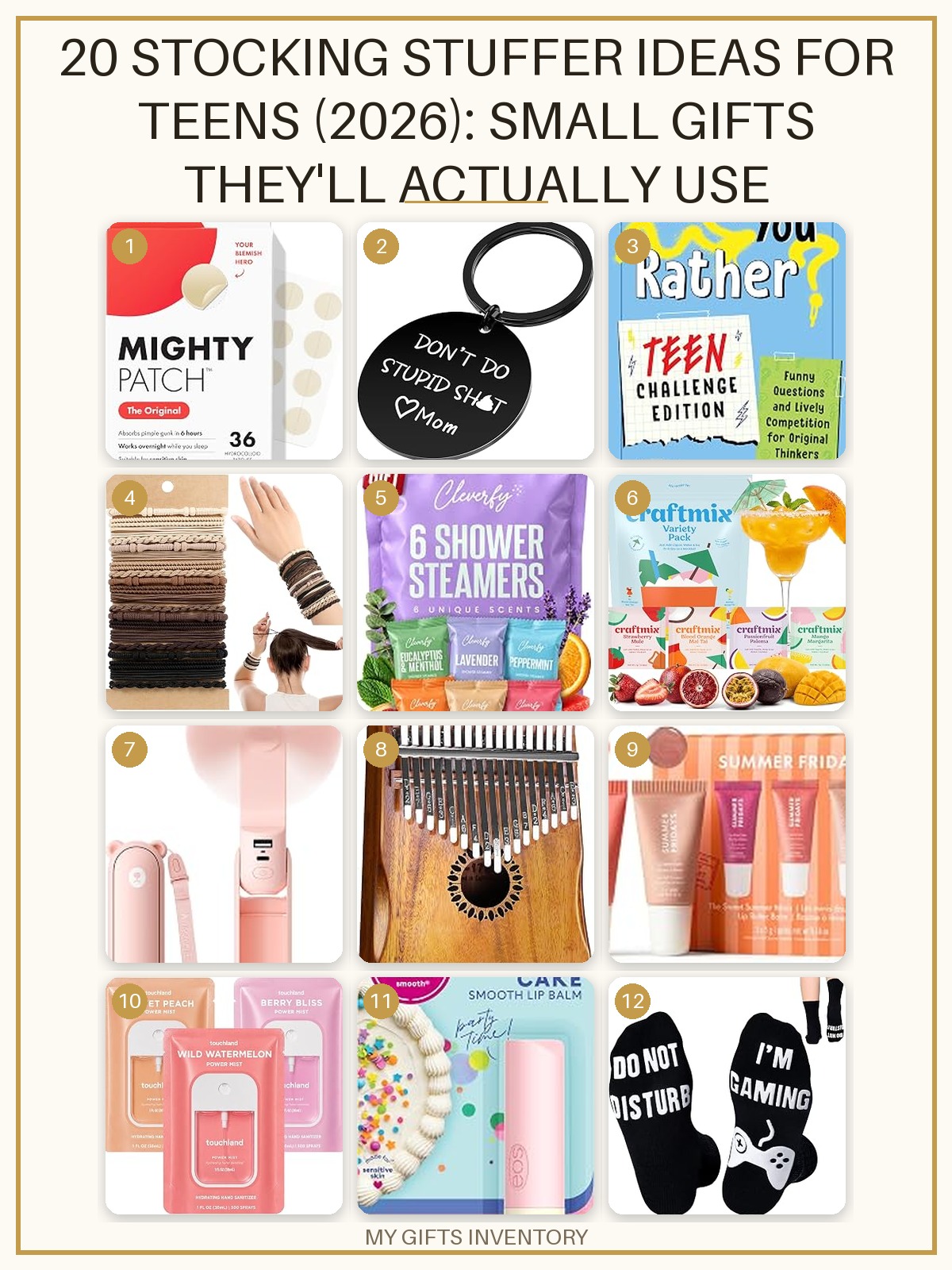
Shop Hand-Picked Gift Sets
Every item picked, priced and linked, ready to buy.
More Gift Advice