How to Plan Ahead for Gifts: Budgets, Timelines, Cards, and Returns
We share a real planning system for gifts, including budgets, purchase timelines, card wording, wrapping, and how to handle exchanges and returns without stress.

As an Amazon Associate, My Gifts Inventory earns from qualifying purchases. We only recommend products we'd genuinely consider buying ourselves.
If you’re searching how to plan ahead for gifts, it’s usually because something feels tight. Maybe you’re juggling work and travel, or you promised you’d be “better prepared” this year, and now it’s time to actually do the prep. We’ve all been there: the shopping rush, the wrong-size guess, the card you can’t find, and the sudden scramble to solve a return.
So we plan gifts like we plan anything else that matters: with a clear list, a realistic timeline, and a few simple guardrails for budgets, cards, wrapping, and returns. Below is a system we use that turns “I’ll do it later” into calm, confident choices.
Start With a Gift Plan, Not a Shopping List
Make a one-page “gift map” for the whole season
Before we buy anything, we write down every recipient in one place. For each person, we add four quick notes:
- Occasion and date: birthday, anniversary, holiday, thank-you, or “just because,” plus the exact day you need it.
- Your target budget: what you want to spend before tax and add-ons.
- What you already know: a specific interest, a style clue, or a “they said they needed” detail.
- Backup option: if we get stuck, what could we give that still feels thoughtful?
This matters because it stops the most common last-minute problem: buying the first thing that’s available instead of the best thing that fits them.
Assign one “decision day” per person
For each recipient, we pick a date by which we will decide the gift. The decision date is earlier than the purchase, because shipping delays and sizing mistakes happen when you leave everything to the last week.
Even if you don’t do this perfectly, choosing decision days gives you control. Without them, you’re relying on motivation. With them, you’re relying on a calendar.
Build a Timeline That Accounts for Shipping, Returns, and Wrapping
Use a simple deadline ladder
Planning ahead isn’t about picking “the perfect system.” It’s about building enough time for the parts that usually go wrong. Here’s a practical ladder we use for gifts that need time to arrive, get wrapped, and possibly be exchanged.
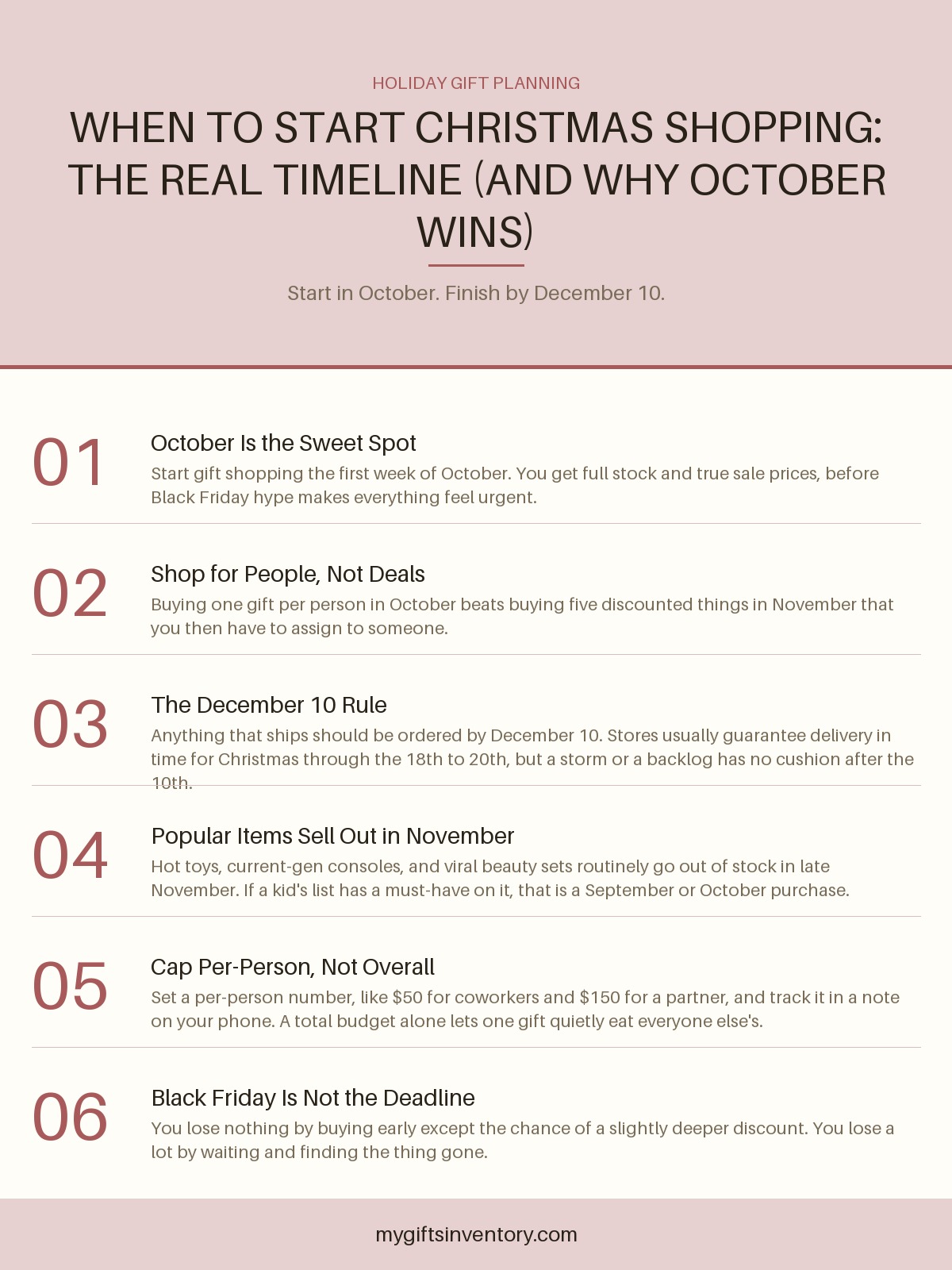
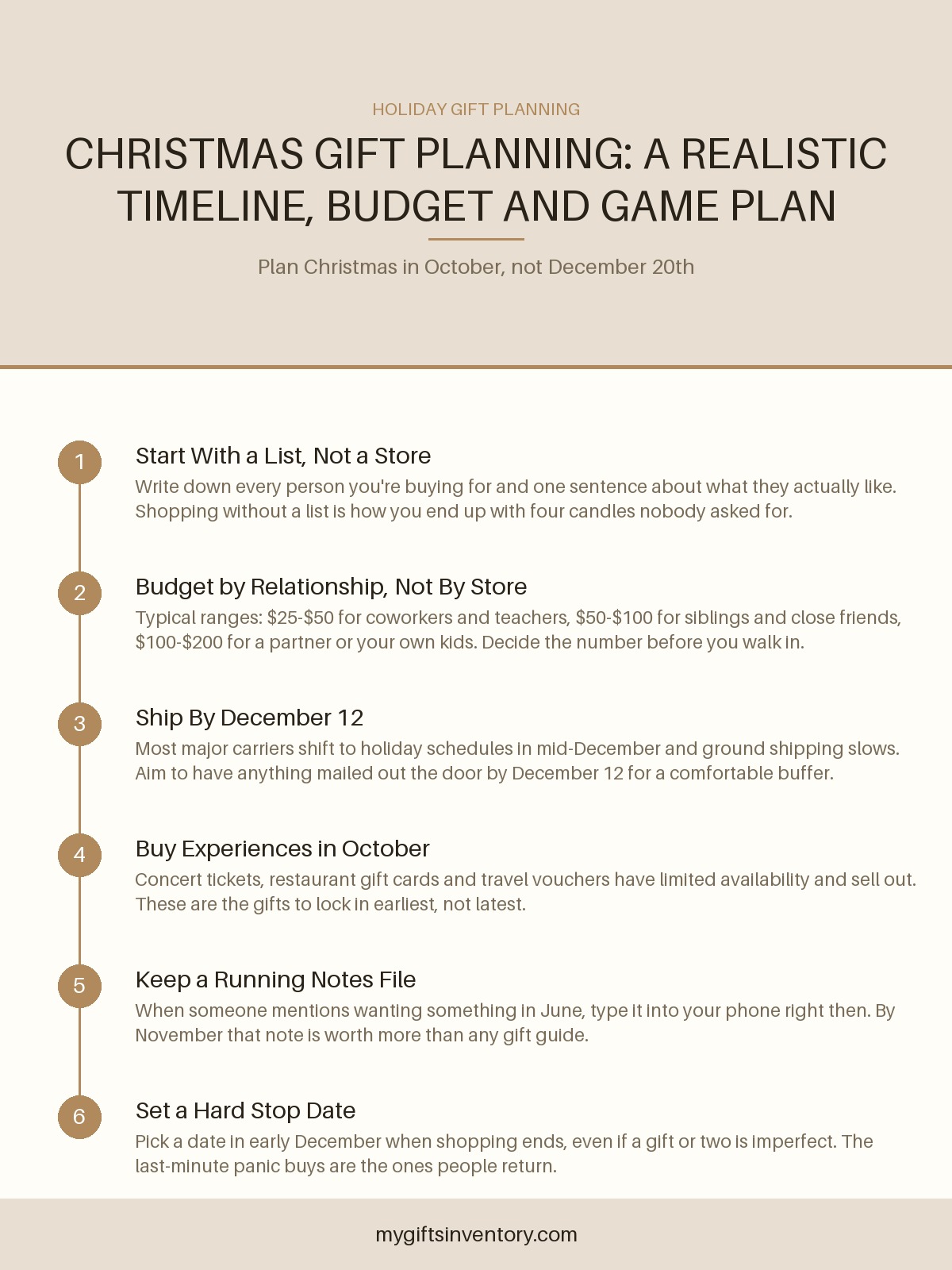
- 4 to 6 weeks before your deadline: decide on gifts for the people you’ll overthink, and order anything that must be shipped.
- 2 to 3 weeks before: buy the rest of the gifts, especially for any that could need exchanges.
- 1 week before: finalize card wording, print or pick out cards, and gather wrapping supplies.
- 3 days before: wrap everything that’s ready, label it by recipient, and set it aside.
- The day before: do “finish work” only, like swapping a backup, filling in last-minute card details, and double-checking schedules.
If your season is less traditional or you have scattered occasions, we still use the same ladder. The spacing is the key: decide early, buy with a cushion, then wrap and prep communications when you’re not rushing.
Make a “wrapping and card” buffer
We treat cards and wrapping as their own mini-deadline. It’s easy to underestimate how long it takes to find the right envelope size, write legibly, locate tape, and deal with the moment you realize you used all the gift wrap last year.
Our rule: once we buy the gifts, we immediately add cards and basic wrapping supplies to the same shopping trip or order. That way the gifts don’t sit waiting while the card section becomes an emergency.
If you want an easy starting point for choosing budget-friendly gift types, our gift guides can help you narrow categories so your decisions happen sooner. For example, if you’re working with a tight budget, browse 45 Best Gifts Under $20 (Highly-Rated Picks) for 2026 to speed up picking something usable without overthinking.
Set a Budget You Can Actually Stick To
Pick a target amount, then add a cushion
We recommend budgeting in two layers:
- Target: what you want to spend per person.
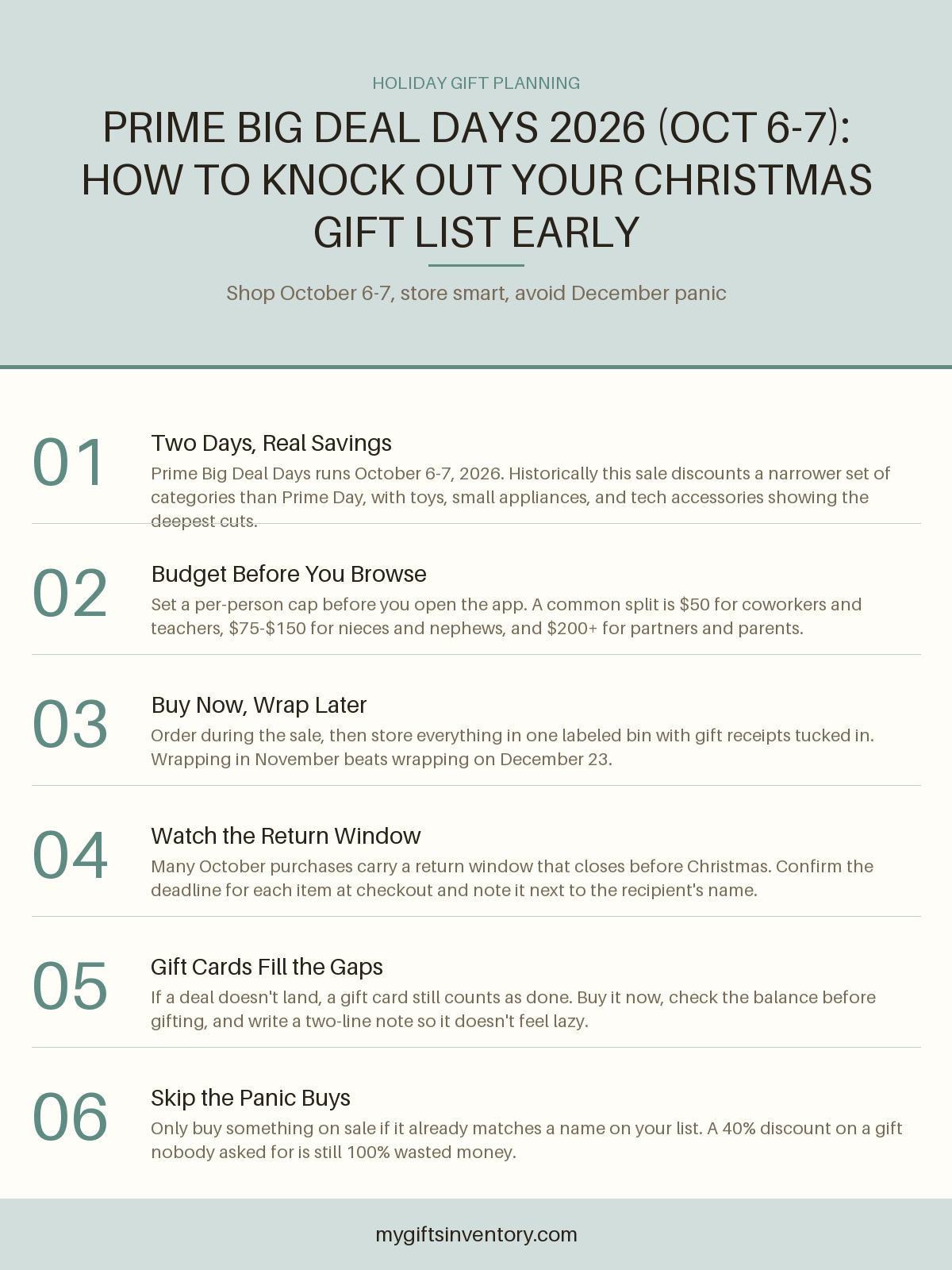
- Real number: target plus about 10% for tax, gift wrap, shipping, and the “oh no” item you forgot (like an extra card or a bag).
That cushion is what keeps you from pulling money from other gifts or skipping the card. When people feel the care, they also tend to forgive the price. When you skip the care, they notice.
Plan your spending by “effort level”
Not all gifts require the same mental effort. If someone has clear preferences, we spend more time choosing the right style. If someone is hard to shop for, we spend more time making a backup plan so we don’t get stuck late.
Try this distribution:
- Low-effort gifts: people you can shop for quickly. Do these first, so you build momentum.
- Medium-effort gifts: people with a few known likes. Decide on a category early.
- High-effort gifts: the people you fear getting wrong. Start earliest and schedule your decision day.
Know when to use experiences or categories that stay safe
Planning ahead often becomes easier when you choose gift types that match real life. If you’re stuck on “what do they like,” experiences and consumables reduce the “will they use this?” question.
If you want a structured way to pick categories around your price range, you could also use guides like 20 Gift Ideas for Gourmet Treats, Wine & Coffee Gift Ideas Under $50 (2026) to keep your choices practical and timely.
Choose Gifts With a “Use It Right Away” Goal
Ask yourself two questions
Before we commit, we run each gift through two quick filters:
- Could they use it within two weeks? If yes, you reduce the odds it becomes clutter.
- Does it connect to them specifically? Even a small personalization helps, like choosing a scent they mentioned or a style that fits their home.
Write down what would make it feel personal
If you’re shopping from a distance, the gift itself might be only half the personalization. The other half is the card message and the way you frame the moment.
We keep a note on each recipient in our gift map: “What I want them to feel when they open this.” Then we choose the gift and card to match that feeling.
Card-Writing That Does Not Feel Awkward
Use a three-part card message
We like cards that sound like a real person wrote them. To make that easy, we use a three-part formula:
- One specific line about them: reference something true.
- One line about the occasion: connect it to the moment.
- One warm close: sign-off with love, gratitude, or best wishes.
Card wording examples by situation
Here are examples we’ve used because they don’t try too hard, but they still feel thoughtful.
- Birthday, friend: “I really appreciate how you show up for people. Hope this year brings you good surprises and plenty of time to recharge. Happy birthday, with love.”
- Holiday, family member: “Thank you for the traditions and the little things you always remember. Wishing you a warm holiday season and a happy new year. Love always.”
- Thank-you, coworker: “Thank you for helping me get through that project. I noticed the care you put into the details, and it made a real difference. Grateful for you.”
- Anniversary: “Still choosing you is the easiest part of my day. Thank you for building a life that feels steady and joyful. Happy anniversary, always.”
What to avoid (so the card doesn’t flop)
- Too generic: “Hope you like it!” is fine for a text, not a card you want to land emotionally.
- Over-explaining the gift: you do not need to justify why you chose it.
- Leaving it until late: when we wait, we write shorter messages. If you plan ahead, your tone has time to soften.
Wrapping and Presentation: Make It Easy on Yourself
Wrap in batches based on what you already have
Once gifts are bought, we wrap in batches. It’s faster than doing one-by-one when you’re tired. A good batch order looks like this:
- Gifts for people you will see first (those go first).
- Any items that need extra protection (breakable things, bottles, glass).
- Everything else.
Label gifts to avoid mixing up sizes or tags
We label each package with the recipient name. It sounds obvious, but it saves time when you’re carrying bags, juggling kids, or trying to load up the car.
Include the card early, not at the finish line
We like to place the card inside the wrapping before we tape everything closed. That way you avoid the classic “card is written, but now it’s missing.” If you’re adding a gift receipt or instructions, put them in a consistent place across all gifts.
Registries Without Losing the Thought
Registries can be a lifesaver, especially when you’re uncertain about sizing, brands, or compatibility. The key is using them as a guide, not as a shortcut that removes personality.
How to approach a registry
- Check the full list: some people add “everyday” items, not just big-ticket ones.
- Choose a priority item: if you can tell what they truly care about, that usually feels more thoughtful.
- Add a card that acknowledges the moment: the card is where you create connection even when the item comes from a registry.
If you cannot access the registry
If you are shopping without a registry link, we look for “safe specificity”: something that matches their likely routine. For example, if they talk about cooking, we pick a category that fits how they already spend time. Planning ahead helps here because you have time to observe and ask rather than guess in panic.
When You Use Gift Cards, Plan for the Practical Stuff
Gift cards can be a kind option when you are trying to reduce the “will they like it?” risk. The etiquette is simple: make it feel intentional, and plan for the practical side like store rules and timing.
If you want to go with a store gift card, planning ahead is where you win. For example, if you’re considering a big-box store option, you can review details in our guides like Gift Cards at Walmart: The Complete List of Brands, Fees & Where to Buy (2026) or Gift Cards at Target: The Complete List of Brands, Fees & Where to Buy (2026) so you know what you’re buying and where it’s easiest to purchase.
Include gift cards thoughtfully
We like to pair a gift card with one small personal touch when we have time, such as a note about why we picked that store based on something they already do. That keeps the card from feeling like a last-minute substitute.
Keep track of balances when it matters
If you’re sending a gift card you are not sure will get used right away, balance checks can prevent awkward situations later. We have dedicated balance-check pages for lots of specific brands, including Kroger Gift Card Balance: How to Check It. It’s a small planning move that can make everything smoother after the holiday rush.
Returns, Exchanges, and Receipt Keeping (The Part Nobody Plans)
Do a “return readiness” checklist before checkout
When we plan ahead, we set ourselves up so a mistake does not become a disaster. Here’s our return readiness checklist:
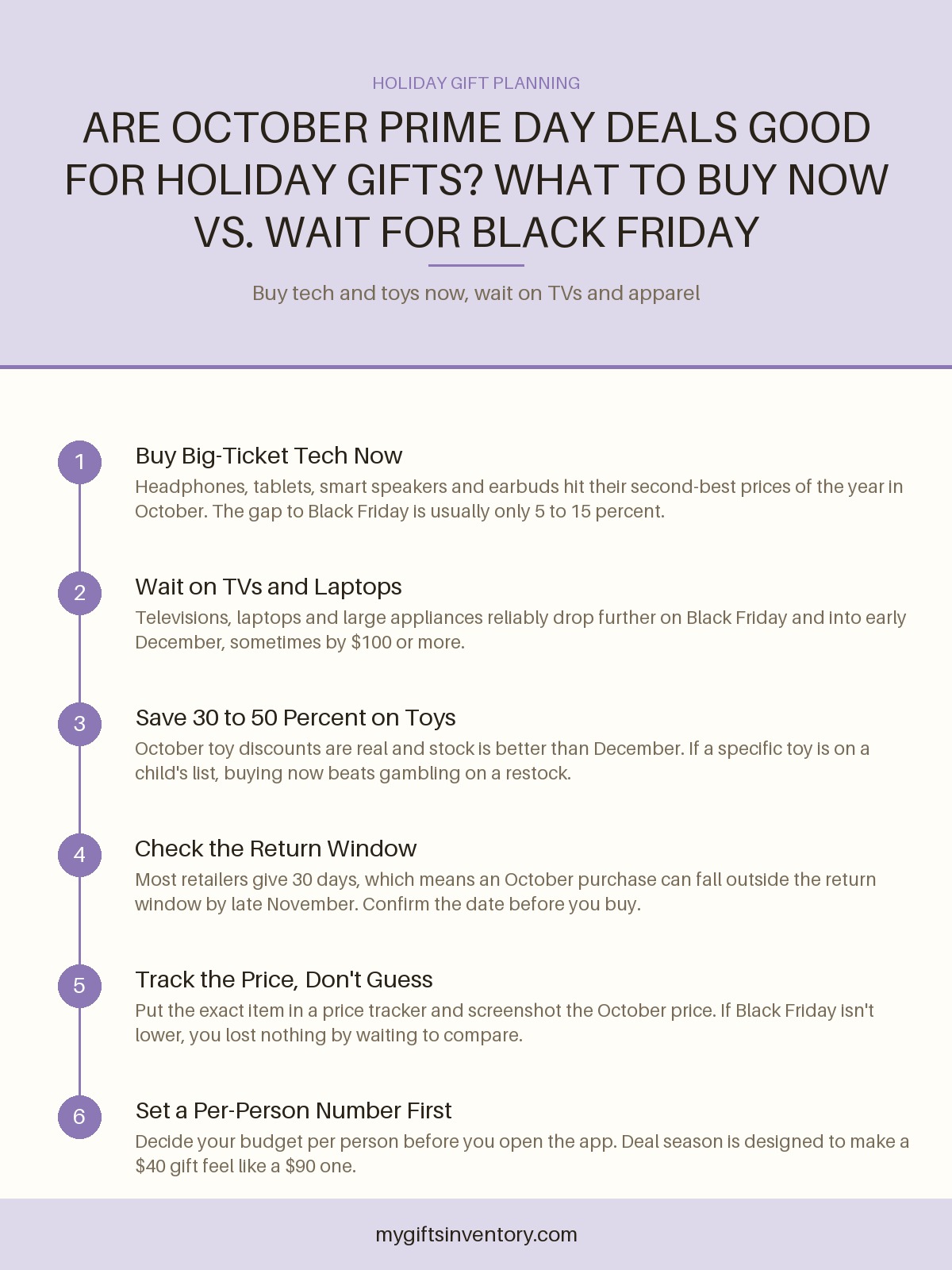
- Know the return window: check the store policy right when you buy.
- Save proof of purchase: receipt, order email, or screenshot of the order page.
- Keep tags on anything that might be exchanged: if you wrap something with tags removed, your future self will pay for it.
- Store gift receipts in the same labeled envelope: one envelope per recipient works well.
How to handle size and taste risks
We plan differently for different risks.
- Clothing and footwear: this is where we prioritize exchanges, and we avoid wrapping so tightly that we cannot access tags.
- Beauty and fragrance: we think about skin sensitivities or scent preferences. If we’re unsure, we lean toward something that doesn’t require a perfect match.
- Electronics and tech: we include receipt plans and check compatibility early.
What to do if something must be returned
If a gift needs to go back, we handle it with the same respect we would want. We keep receipts, we return through the correct channel, and we do not wait so long that the return window closes. When planning ahead, the exchange is just a scheduled task, not an emergency.
Last-Minute Planning That Still Feels Thoughtful
Even with the best system, life happens. If you are truly late, planning ahead still helps because you can choose “high-likelihood” gifts that require the least personalization risk.
Use a late-stage gift strategy
- Choose something practical: the best late gifts are likely to be used quickly.
- Keep it flexible: if returns are likely, keep proof of purchase and keep tags.
- Make the card carry the emotion: when the gift is generic, the card is what makes it feel real.
If you need a way to narrow choices fast, we often start with a budget-based guide like 20 Gift Ideas for Gift Baskets Under $50 (2026) when we need something that looks good, feels curated, and stays within a reasonable spending ceiling.
Holiday Gift Planning for Different Types of People
For the person who “has everything”
We plan for them by giving time, convenience, or something that fits a specific routine. The more you can connect the gift to their actual day-to-day, the less “stuff” it feels like.
For kids and teens
We plan ahead by picking categories that match their current interests and by checking expectations around packaging and age-appropriateness. A gift that is safe and usable right away is always a win.
For coworkers and group gifts
We plan group gifting with clear agreements early. Who is contributing, what budget range are you using, and how will you sign the card? When you set those rules, the gift becomes a team win rather than a confusing scramble.

Frequently Asked Questions
How far ahead should we start buying gifts?
We recommend starting with decisions 4 to 6 weeks before you need the gifts, especially for anything that might ship slowly or require exchanges. Then we handle the bulk buying 2 to 3 weeks before. Card writing and wrapping prep works best 1 week before, so you are not doing it while stressed.
What budget should we set per person?
We suggest choosing a target per person and adding about 10% as a cushion for tax, shipping, and small missing items like tape or an extra card. This keeps you from cutting corners at the last moment when you discover you need one more thing to make the gift feel complete.
What should we write in a gift card?
We aim for a three-part message: one specific line about the recipient, one line about the occasion, and a warm close. For example: “Thank you for making weekends feel easy. Happy birthday, with love.” Specific beats clever every time.
Should we include a receipt?
If there is any chance of needing an exchange, we include a receipt or gift receipt and keep it in the same labeled place for each recipient. Planning return readiness before checkout reduces stress later and makes it easier to fix mistakes kindly and quickly.
Are gift cards appropriate, and how do we make them feel thoughtful?
Yes, gift cards are appropriate when you are aiming to reduce the risk of a wrong gift. To make it feel thoughtful, we add a personal note about why that store or category fits them, and we plan the practical details so the recipient can use it smoothly.
Looking for an Actual Gift Instead?
Shop Hand-Picked Gift Sets
Every item picked, priced and linked, ready to buy.
More Gift Advice