Charity donation in lieu of gifts wording: what to write on the card or invitation
We share clear, kind donation-in-lieu wording you can copy for invites and cards, plus budget and timing tips so it feels thoughtful, not awkward.

As an Amazon Associate, My Gifts Inventory earns from qualifying purchases. We only recommend products we'd genuinely consider buying ourselves.
If you’re searching “charity donation in lieu of gifts wording,” you’re probably trying to solve the same problem we’ve all hit at least once: you want the gesture to be meaningful, but you do not want it to sound like an order or a guilt trip. Maybe you’re planning a birthday when everyone asks what you want, or a wedding where you’ve run out of space to store more stuff. Or you’re the person who wants to give something thoughtful without turning the day into a shopping list.
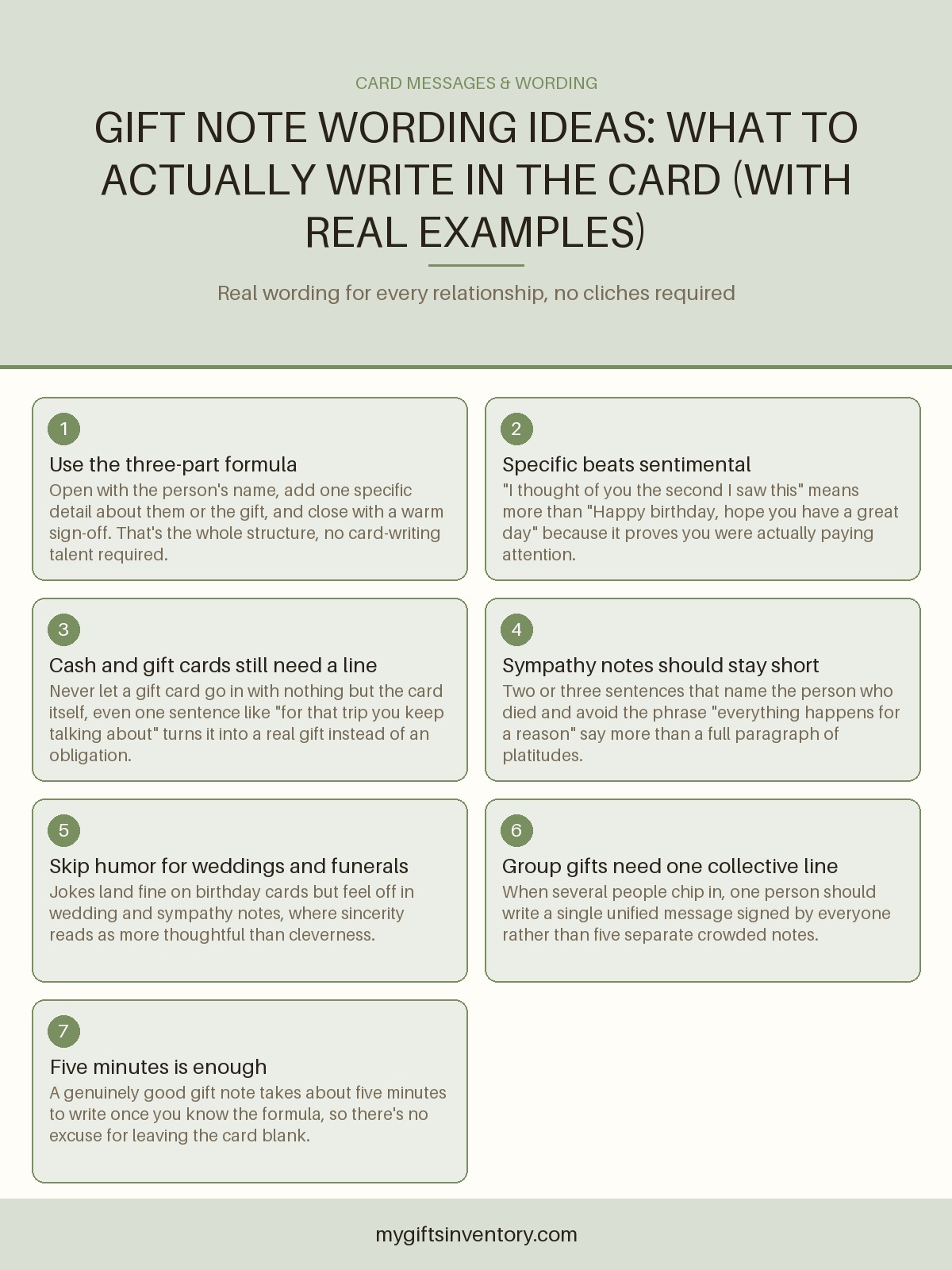
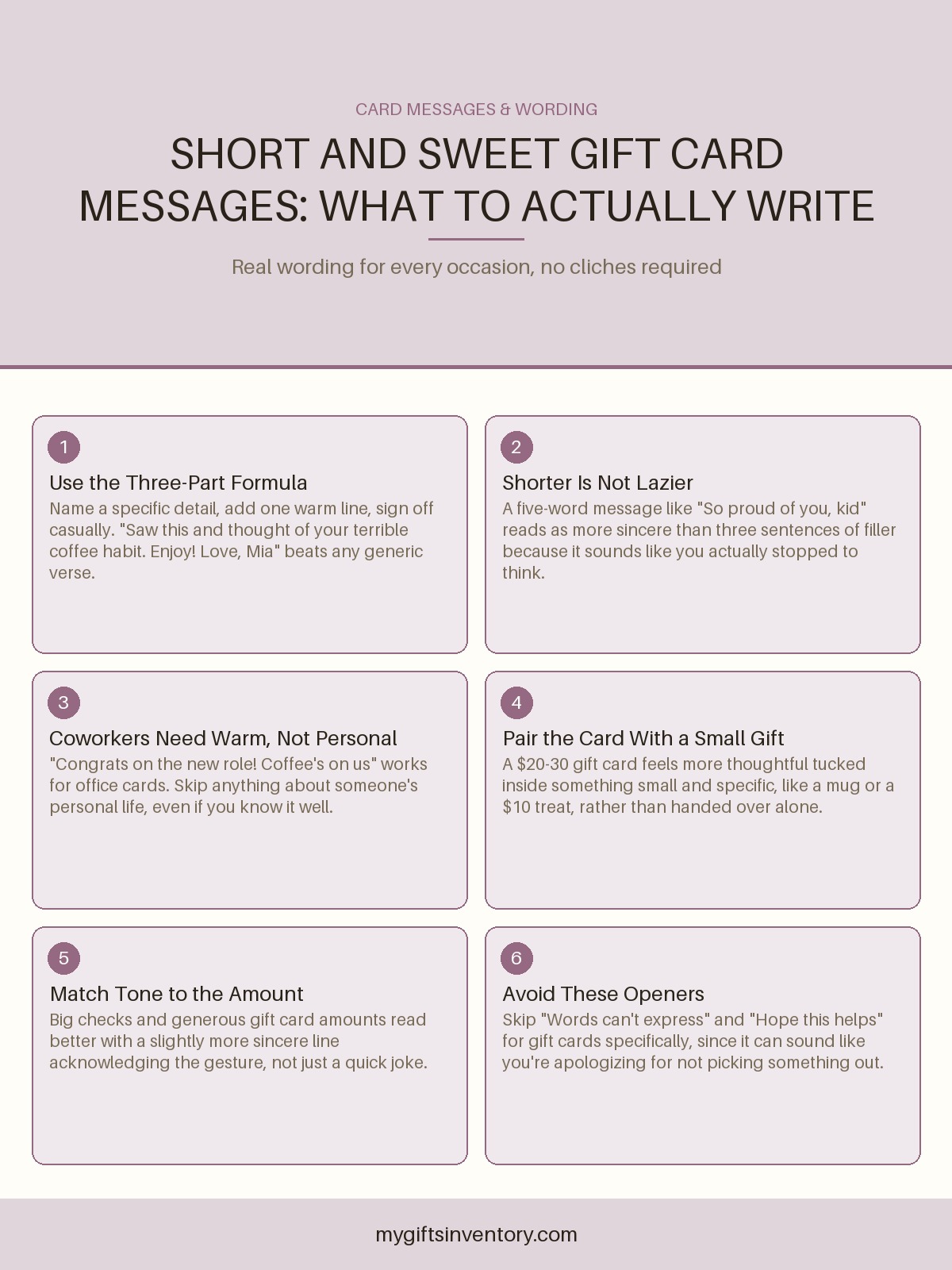
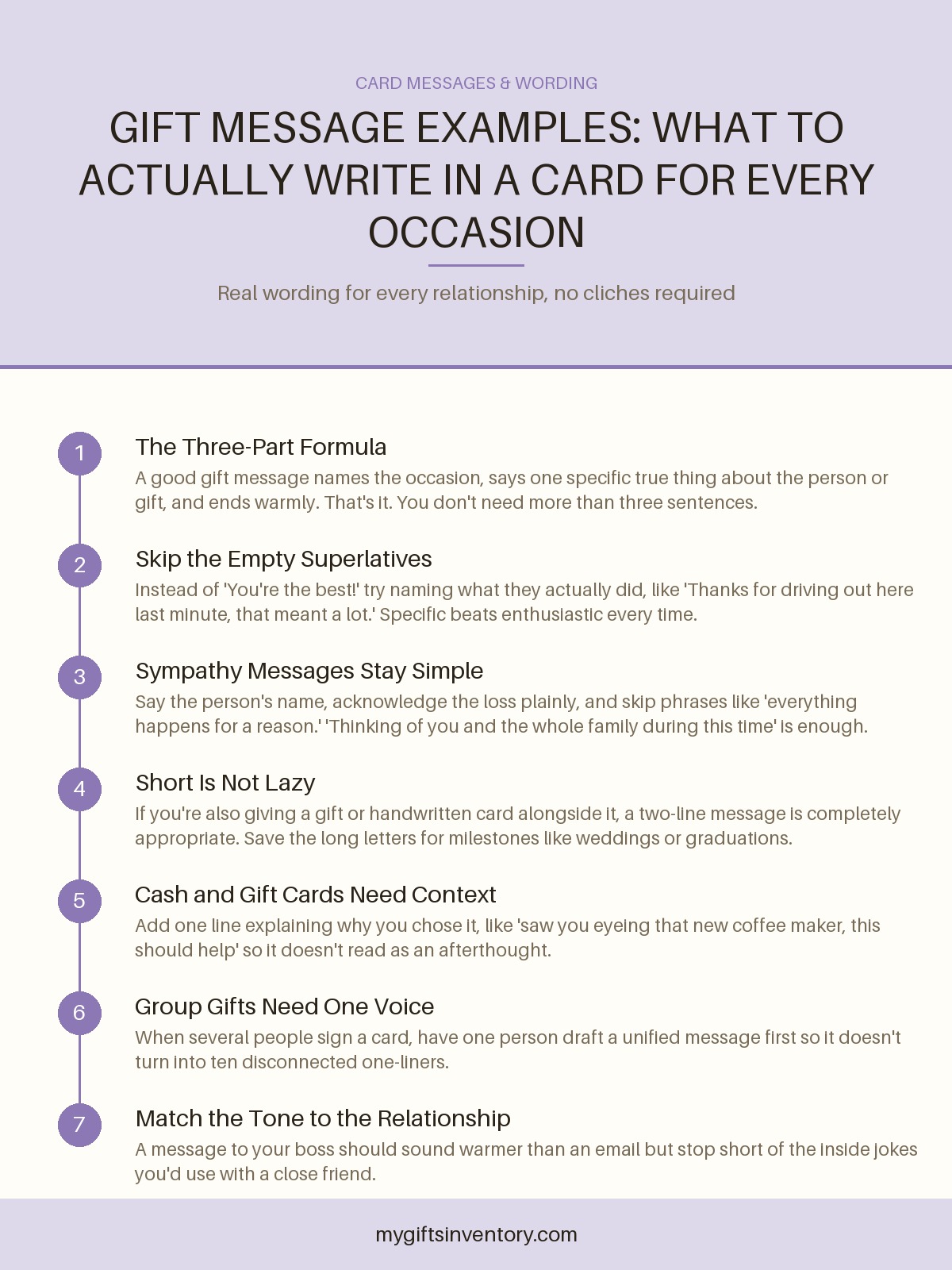
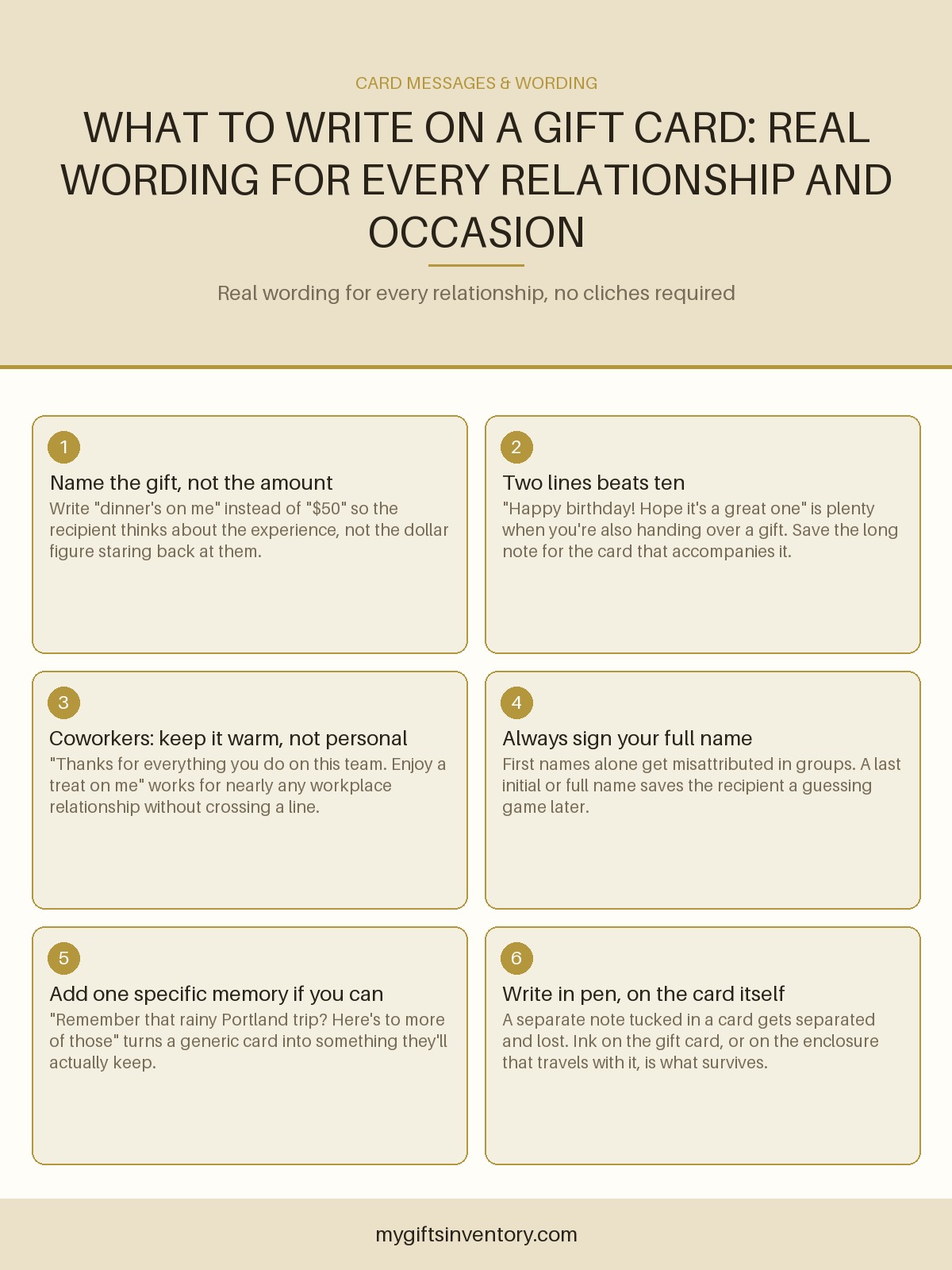
We’ll help you say it with warmth, clarity, and just enough structure that people know what to do. Below are copy-ready templates for invitations, emails, and card messages, plus the etiquette details that keep donation-in-lieu requests feeling gracious.
Donation in lieu of gifts wording basics (what to include every time)
1) Put appreciation first
In our experience, the smoothest wording follows a simple order: gratitude, celebration, optional donation. That way, the donation is an extra way to participate, not the headline.
Strong opening examples:
- “Your presence means everything to us.”
- “Thank you for celebrating with us.”
- “We’re so grateful you’re part of our day.”
2) Use “in lieu of gifts” and a softer qualifier
“In lieu of gifts” is clear, but it can feel formal. Adding one gentle line makes it feel human.
Good qualifier lines:
- “If you’d like to give, we’re asking for donations instead of gifts.”
- “Donations are completely optional, and we’ll be happy with cards and well wishes.”
- “If you’d prefer a traditional gift, please know it’s never expected.”
3) Name one cause and one giving path
People act faster when the ask is specific. Share the organization name and, if you have it, one easy giving option like a donation page link or a mailing address. If you do not want to include details in the invite, you can say “details on our registry page” or “details in the RSVP email,” as long as you actually provide them.
Try not to list five charities and three methods. One cause plus one method is usually enough.
4) Keep the tone short enough for printed invitations
Printed cards have limited real estate. A two-sentence request is often perfect. Save longer explanations for the RSVP follow-up email or your wedding website update.
Quick invitation-style formula:
Sentence 1: “Your presence means everything to us.”
Sentence 2: “In lieu of gifts, we’d be honored if you considered a donation to [Cause].”
Copy-ready wording for invitations and announcements
Wedding invitations (classic, still warm)
Template:
“Your presence means everything to us. In lieu of gifts, we would be honored if you considered a donation to [Cause].”
With “no pressure” qualifier (recommended):
“Your presence means everything to us. In lieu of gifts, we would be honored if you considered a donation to [Cause]. If you prefer a traditional gift, please know it is never expected.”
Birthday invitations (especially good for older family members)
Template:
“Thank you for celebrating with us. In lieu of gifts, we’re hoping you’ll consider a donation to [Cause].”
With a tribute angle:
“Thank you for celebrating with us. In lieu of gifts, donations to [Cause] would mean the world, in honor of [Name].”
Baby shower (gentle and practical)
Template:
“Your love and support mean everything. In lieu of gifts, we’d be grateful for donations to [Cause], helping [brief one-line mission].”
If you’re doing this because you want to avoid duplicates or have storage limits, you can add a single plain sentence:
“We have all we need for baby and would love to put the focus on giving back.”
Holiday gatherings (when people ask “what do you want?”)
Template for a card, email, or group text:
“If you’re looking for a gift, we’d love it if you considered a donation to [Cause] in our honor. We’re grateful for your time, and your kindness will make a difference.”
Holidays are the time when “in lieu of gifts” can sound a little intense if you do not soften it. We strongly prefer at least one “thank you for being here” line.
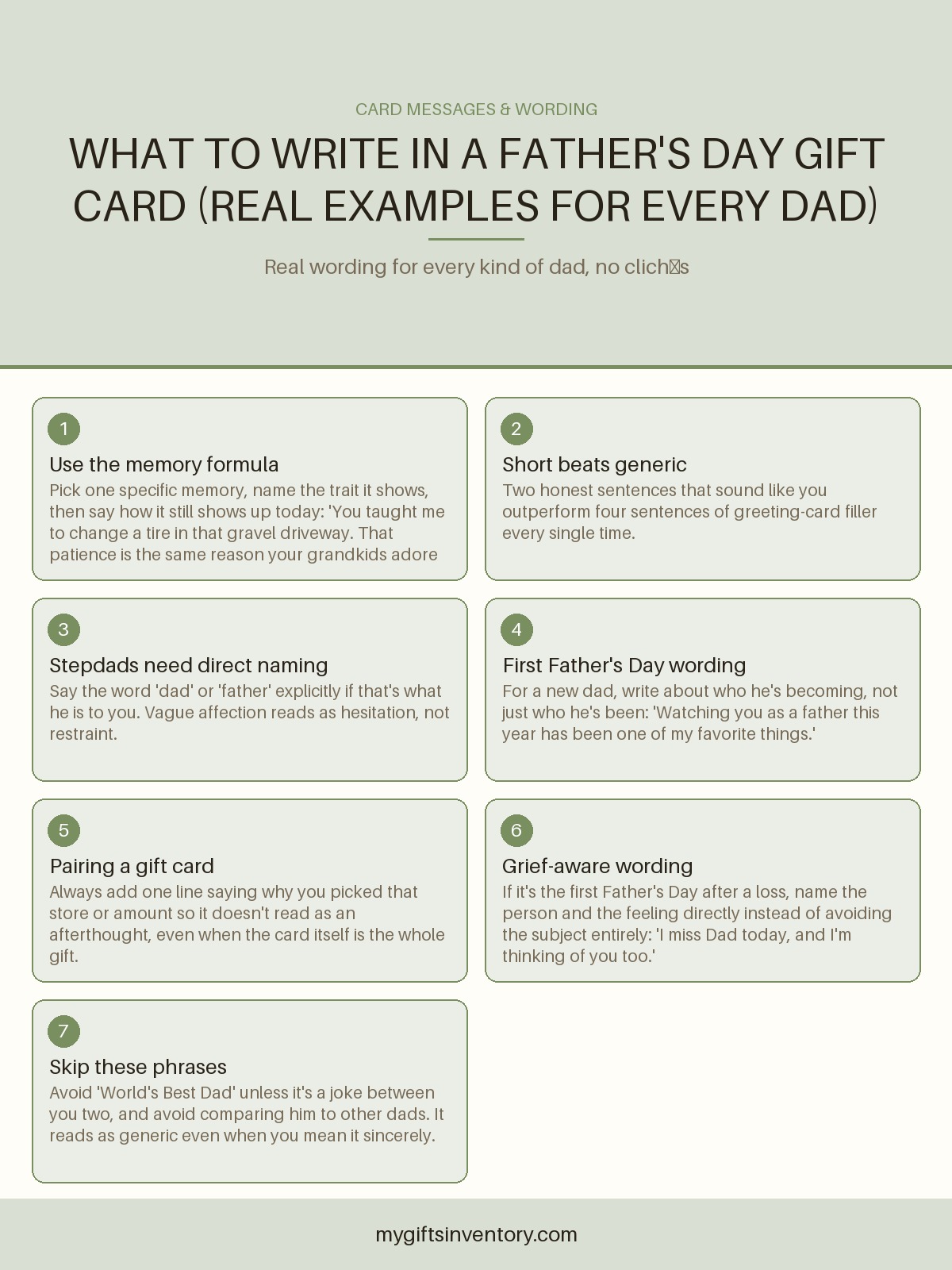
Wording for a gift card or donation acknowledgment (what to put on the card)
If you’re the one giving the donation
Sometimes you’re not asking people to donate, you’re making a gift to the cause yourself. In that case, your card can be direct and simple.
Short card message ideas:
- “Thank you for celebrating with us. We’re donating to [Cause] in your honor.”
- “Your kindness means a lot. Your gift will support [Cause].”
- “We appreciate you. This donation is made in celebration of [Name].”
If you’re giving a card plus a donation option
We like wording that acknowledges the card is already meaningful, then explains how the donation connects.
Example card message:
“Your card and your presence are the best gifts we could ask for. If you’d like to give, we’ve chosen to support [Cause] in lieu of additional presents.”
How to write the “donation details” section without making it weird
Where the details belong
For printed invitations, we suggest keeping the ask brief. Put the details in one of these places:
- In the RSVP follow-up email
- On your wedding or event website page
- On a separate “event information” card enclosed with the invitation
We do not recommend writing a donation link and a long mission statement on a small invite. People want to read it, not decode it.
What to say if you do not want to share the link publicly
If you want privacy, you can say: “Donation details are included in your RSVP email” and stop there. The ask still works, and people who truly want to participate can reach out.
Template:
“In lieu of gifts, we’d love donations to [Cause]. Donation details will be shared with your RSVP confirmation.”
Budget guidance: what donation-in-lieu usually looks like
Budget is where people feel most uneasy, because they worry they’ll be “behind” someone else. Here’s what we recommend for keeping it fair and calm.
How much to aim for (and how to avoid competition)
Donation amounts vary by culture, relationship, and event size. Rather than putting a number in the invite, we recommend giving a gentle expectation only if you truly need it. If you choose to share guidance, it can be a range.
Practical donation range guidance many hosts use:
- Small get-togethers: $25 to $50 per guest is common when the cause is a nonprofit with clear community impact.
- Weddings or big events: $50 to $100 is a frequent comfort zone, especially for guests who would otherwise buy a physical gift.
- Close family or VIPs: People may give more or choose a personal tribute amount, but the host does not need to set that expectation.
If you decide to include a suggested donation, use wording like:
“Many guests choose to donate around $50 to $75.”
Then add: “Any amount is appreciated.” That line prevents awkward side-eye and keeps it supportive.
Planning tip: decide your approach early
If your event is coming up, give yourself time to confirm what you want guests to do. For most donation requests, this schedule keeps everything smooth:
- 4 to 6 weeks before: confirm the cause and whether donations can be made easily (online or by mail).
- 2 to 3 weeks before: finalize the invitation wording and the details location.
- 1 week before: send any RSVP follow-up email with donation instructions.
If you’re also planning practical gift-flow logistics, it can help to think about alternatives people can still “unwrap.” For non-donation situations, we often see hosts shift toward gift cards as an option. If that’s relevant to your event, you can compare how different retailers present cards in our guides like Gift Cards at Walmart: The Complete List of Brands, Fees & Where to Buy (2026) and Gift Cards at Target: The Complete List of Brands, Fees & Where to Buy (2026).
Donation-in-lieu etiquette: what to avoid
Avoid sounding like you’re judging gifts
Even if you want to reduce clutter, do not imply guests are doing something “wrong” by giving. Keep your language nonjudgmental. You can say “we’re hoping,” “we would be honored,” or “we’d love it if.”
Avoid multiple causes unless you’re ready to explain
If you list several charities, guests may freeze because they are not sure which one is “right.” One cause is usually kinder.
Avoid tax wording you cannot verify
Do not promise tax deductions in your invite unless you are certain what applies and how. If you want to say something, keep it general: “Some donations may be eligible for tax benefits depending on your circumstances.”
Avoid last-minute donation asks by text
Group chats make donation requests feel sudden. If you change your mind, send a calm follow-up with appreciation and a clear link or instructions, not a surprise pop-up request.
When people ask “wait, is that the only gift option?”
This question comes up constantly, especially with weddings and milestone birthdays. Our best rule of thumb: give guests permission to choose comfort.
You can use one of these lines:
- “If you’d rather bring a traditional gift, please know we’ll be grateful for anything heartfelt.”
- “Cards and well wishes are absolutely enough. If you’d like to give, donations are appreciated.”
- “We’re not expecting gifts, and your presence is the best part.”
This keeps the tone respectful even if someone insists on bringing something, and it prevents resentment if one person gives more than another.
Examples for specific scenarios
Example: wedding, both traditional and donation-friendly
Invite wording:
“Your presence means everything to us. In lieu of gifts, we’d be honored if you considered a donation to [Cause]. If you prefer a traditional gift, it is never expected.”
Example: graduation party, simple and youthful
Text to send with the invite:
“Thanks for celebrating with us. Instead of gifts, we’re collecting donations for [Cause]. Your card and your good wishes are the best gift of all.”
Example: retirement party, dignity and clarity
Host wording:
“Thank you for joining us to celebrate [Name]. In lieu of gifts, we invite you to support [Cause]. Donations are completely optional, and cards are always appreciated.”
Example: family member wants to donate, but others worry
If you’re responding to a guest who asked about what to do, you can reply with reassurance:
“Donations are a meaningful option, but you do not need to worry about it. A card is wonderful, and any support you choose will be appreciated.”
This is also a good place to remember that not every gift has to be physical. If your group tends to do “practical gifts,” you might keep the donation message alongside a general gift idea instead of replacing it entirely.
For those situations, we sometimes suggest mixing “gift energy” with clarity. If you’re also considering store gift cards as a fallback option, see Gift Cards at Kroger: The Complete List of Brands, Fees & Fuel Points (2026) for how people typically approach gift card giving and what guests might expect to use them for.

Frequently Asked Questions
What’s the best wording for charity donation in lieu of gifts?
The most effective wording leads with gratitude and then offers the donation as an option, not a requirement: “Your presence means everything to us. In lieu of gifts, we’d be honored if you considered a donation to [Cause].” Add a simple line like “If you prefer a traditional gift, please know it’s never expected” if you want it to feel extra welcoming.
Should we include the donation website or mailing address on the invitation?
If it’s a printed invitation, keep the ask short and move the details to the RSVP follow-up email or event website. Guests are more likely to read a short invitation, and you avoid clutter. If your event details are already centralized, include the cause name on the invite and the giving instructions in the next step.
How do we phrase “no pressure” without sounding defensive?
Use kind permission language, not explanations. Examples include “Donations are completely optional,” “Cards and well wishes are enough,” or “If you’d prefer a traditional gift, it’s never expected.” These lines tell people they can choose what feels comfortable.
How much should we ask guests to donate?
We usually recommend not listing a specific amount. If you want to give guidance, offer a range like “Many guests choose to donate around $50 to $75,” and always add “Any amount is appreciated.” That keeps the tone inclusive and removes competition.
What do we write if we are donating in someone’s honor instead of asking guests?
Keep it brief and personal. Try: “Thank you for celebrating with us. We’re donating to [Cause] in your honor.” If you’re sending a card with no donation receipt, that one sentence still connects the gesture to meaning.
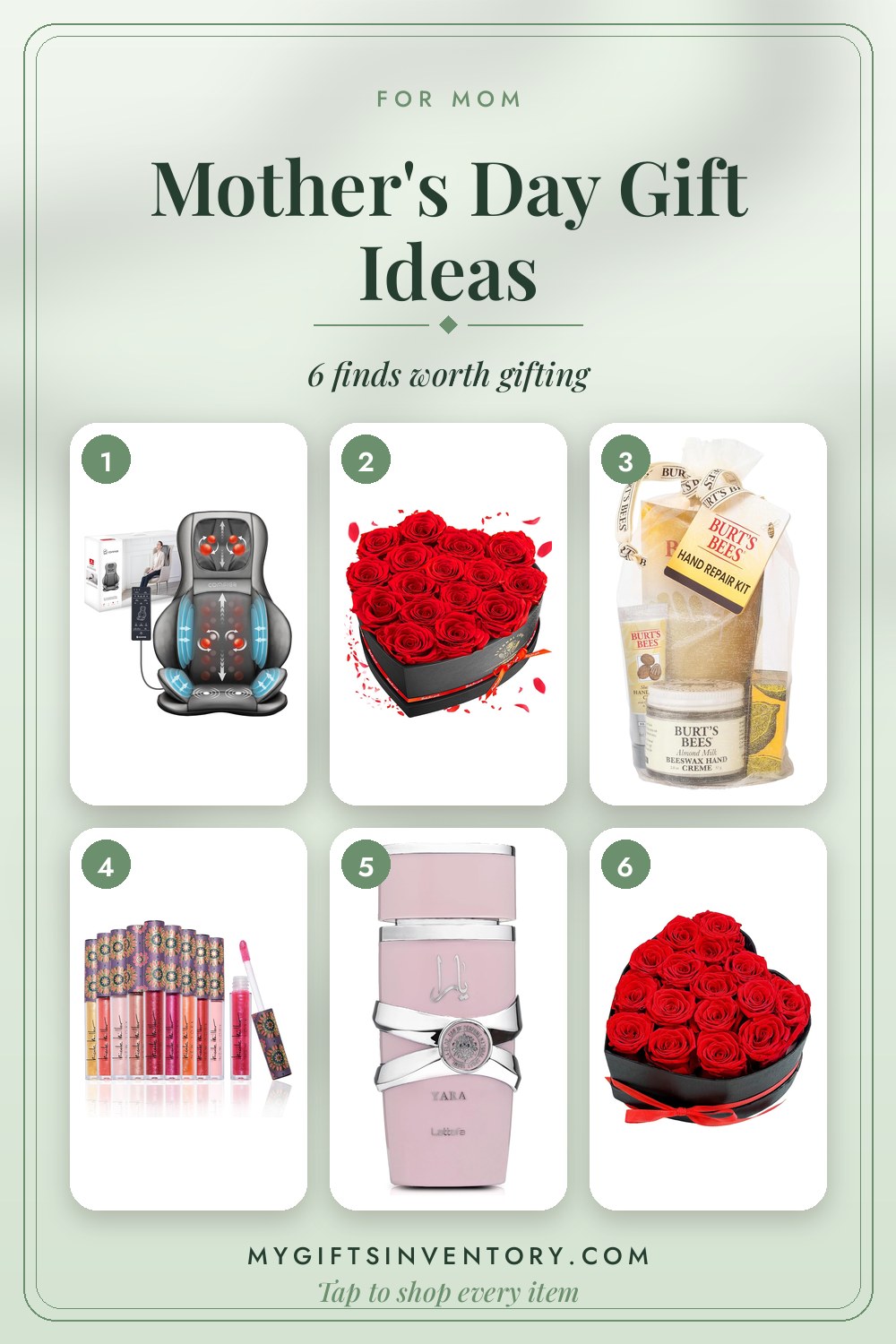
Looking for an Actual Gift Instead?



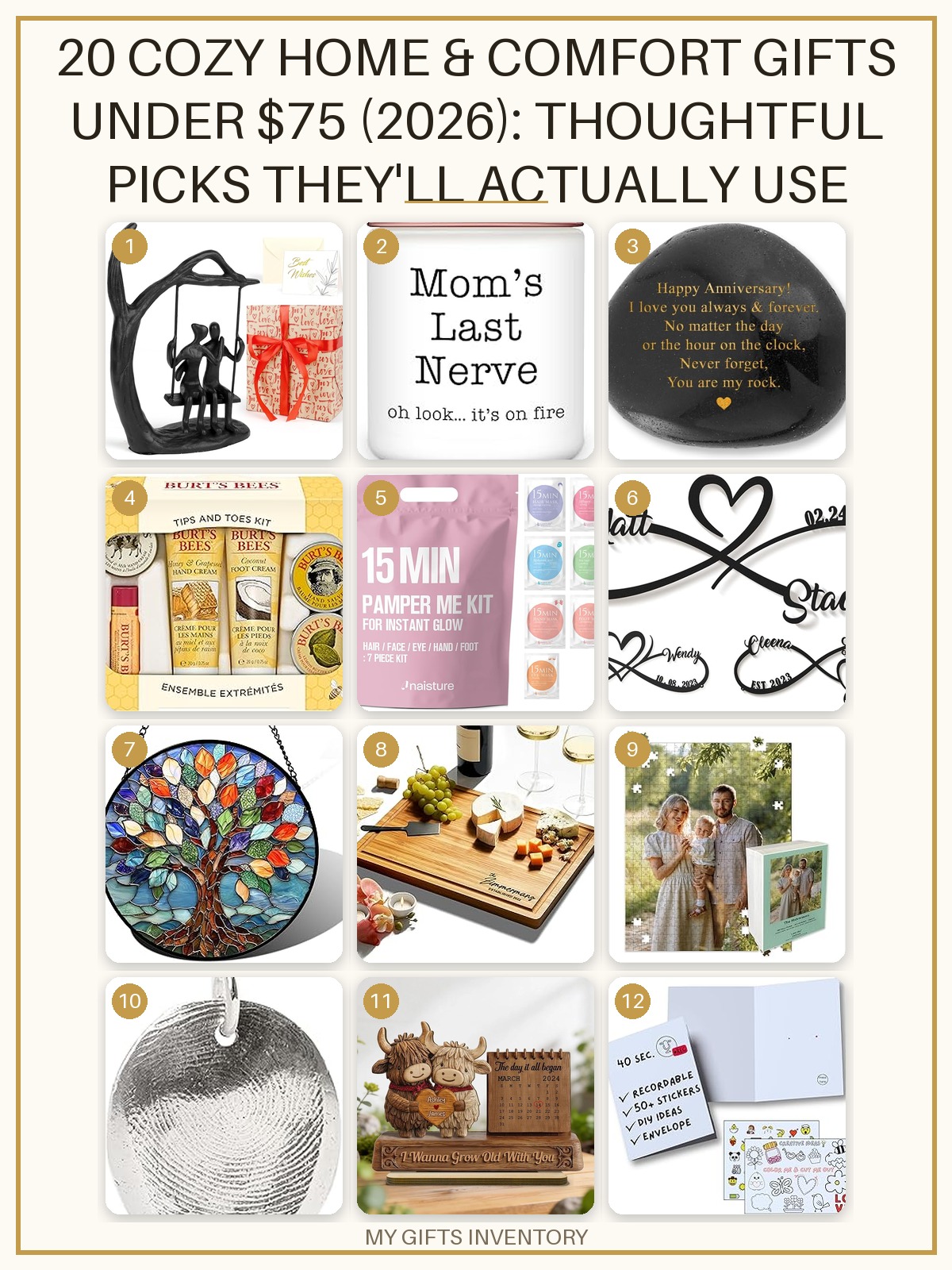
Gift Sets We Love Right Now
Every item picked, priced and linked, ready to buy.


More Gift Advice