Frugal Gift Wrapping Ideas That Still Look Beautiful
Real, resourceful ways to wrap gifts using what's already in your house, plus a few dollars' worth of extras, so the presentation never feels like an afterthought.
As an Amazon Associate, My Gifts Inventory earns from qualifying purchases. We only recommend products we'd genuinely consider buying ourselves.
You've got the gift sorted, or maybe you're still figuring that part out, but now there's this second problem sitting on the counter: wrapping paper that costs almost as much as the gift itself, a roll of tape you can't find, and a birthday party in two hours. Frugal gift wrapping isn't about the presentation looking cheap. It's about realizing that most of what makes wrapping look good has never actually been the paper.
Why store-bought wrapping paper is the wrong place to spend
A single roll of decent wrapping paper runs $4 to $8 and usually covers two, maybe three gifts before it's gone. Add a bow, a gift tag, and some tape, and you've spent $10 to $15 on packaging for what might be a $20 gift. That math never made sense, and it especially doesn't make sense once you realize that paper gets torn open and thrown away within about four seconds of being handed over. The visual impact people remember is color, texture, and a little bit of care taken with the finish, not the brand of paper.
What's already in your house that wraps just as well
Paper you were going to recycle anyway
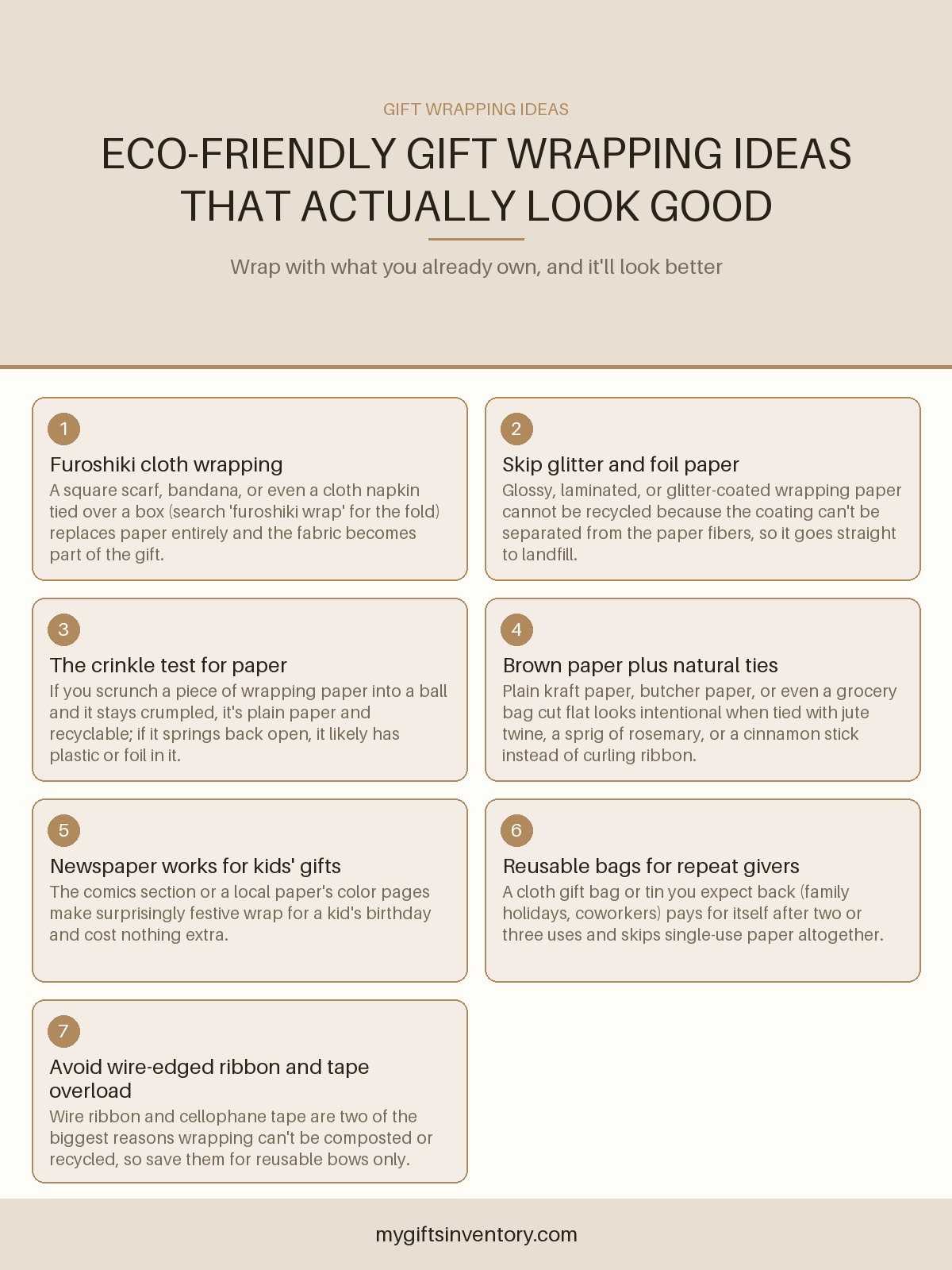
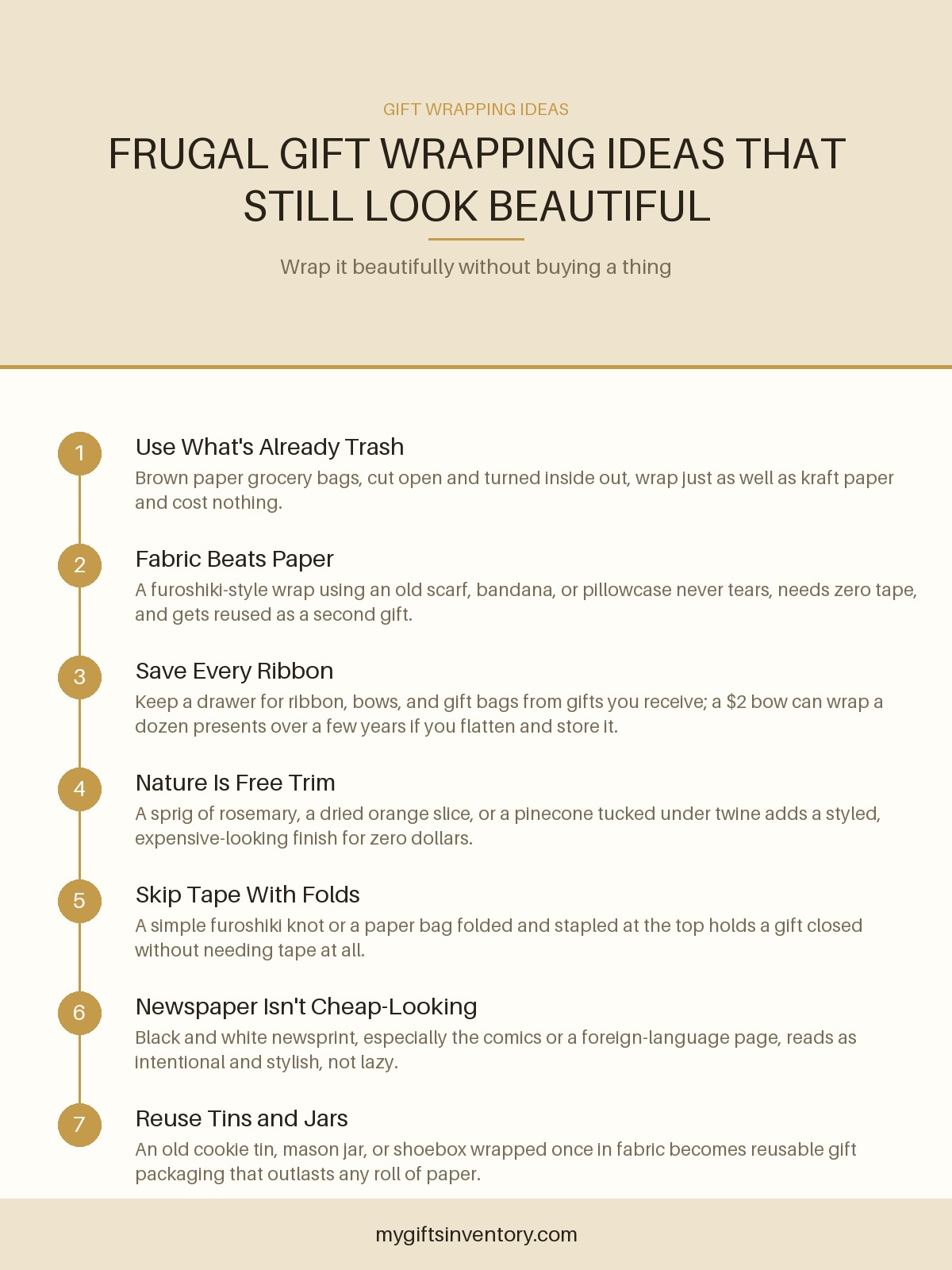
Brown paper grocery bags, cut along one seam and flattened, wrap almost exactly like kraft paper because that's essentially what they are. Newspaper, especially the comics page or a section with a bold headline font, gives a gift a lived-in, almost vintage look that a lot of people pay extra for on purpose. Old maps, sheet music, and even leftover pages from a wall calendar work the same way. If you've got a paper shredder pile or a stack of newspapers headed for recycling, you've got wrapping paper.
Fabric you already own
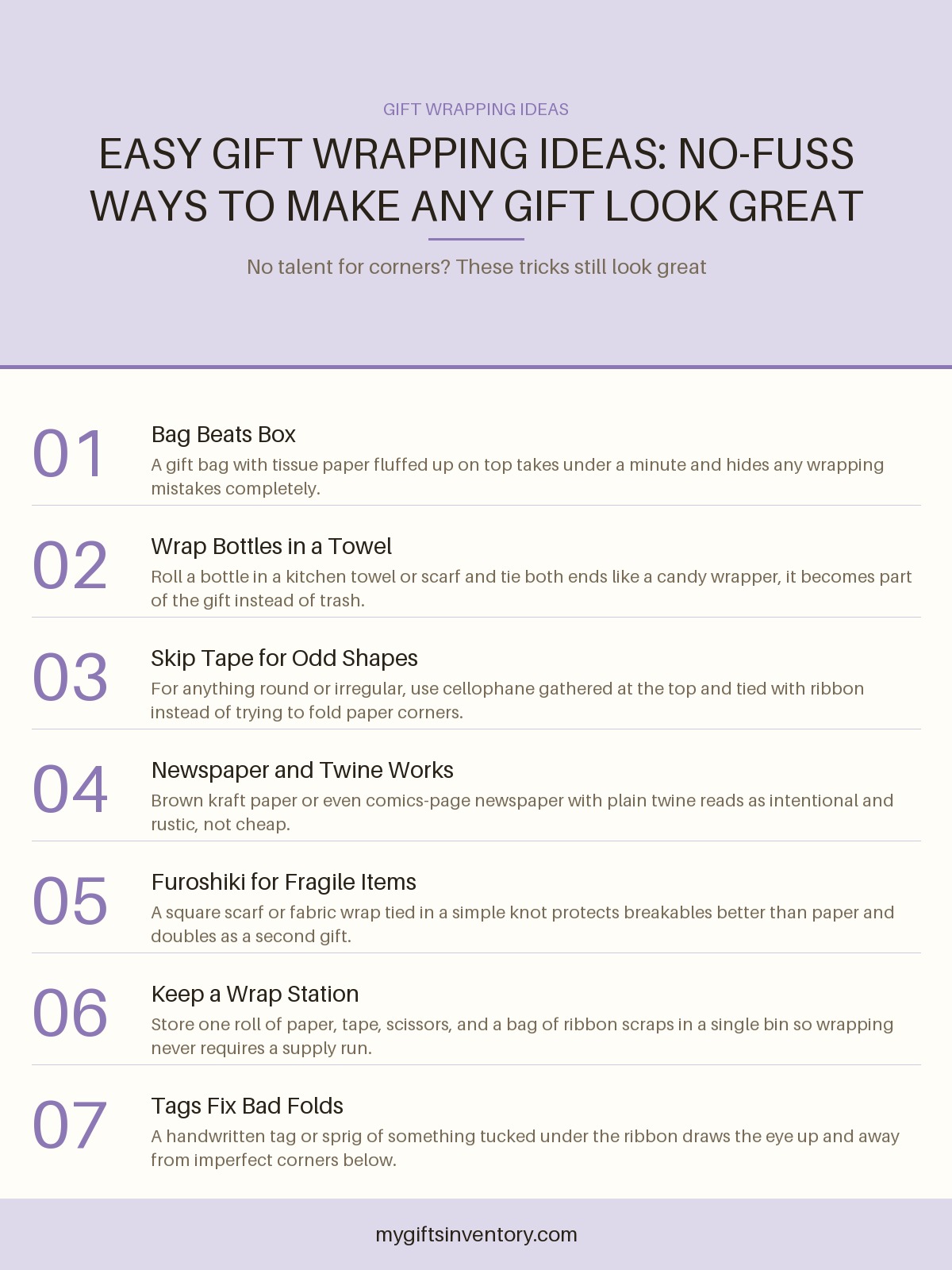
Furoshiki, the Japanese method of wrapping gifts in cloth, uses a square of fabric folded and knotted around the item instead of paper and tape. A bandana, a scarf, a cloth napkin, even a clean pillowcase for something larger, all work. The knot itself becomes the bow, so there's nothing extra to buy, and the fabric becomes part of the gift, something the recipient can actually keep and reuse rather than throw in the trash. This is genuinely one of the more elegant-looking options on this list, not just a fallback.
Reusing what other people already wrapped for you
Gift bags are the most under-appreciated resource in frugal wrapping because almost nobody actually needs a new one. If you keep even a handful of bags from gifts you've received, flattening the bottom crease and storing them flat in a closet, you'll have a small rotating supply that costs nothing per use. The same goes for tissue paper, which can be smoothed out and reused two or three times before it starts looking tired, and ribbon, which can be untied gently instead of cut and saved in a drawer specifically for this purpose. Tins, decorative boxes, and glass jars from candles or food gifts also make excellent reusable containers, especially for smaller items where the box itself becomes part of the presentation.
Making it look intentional without spending much
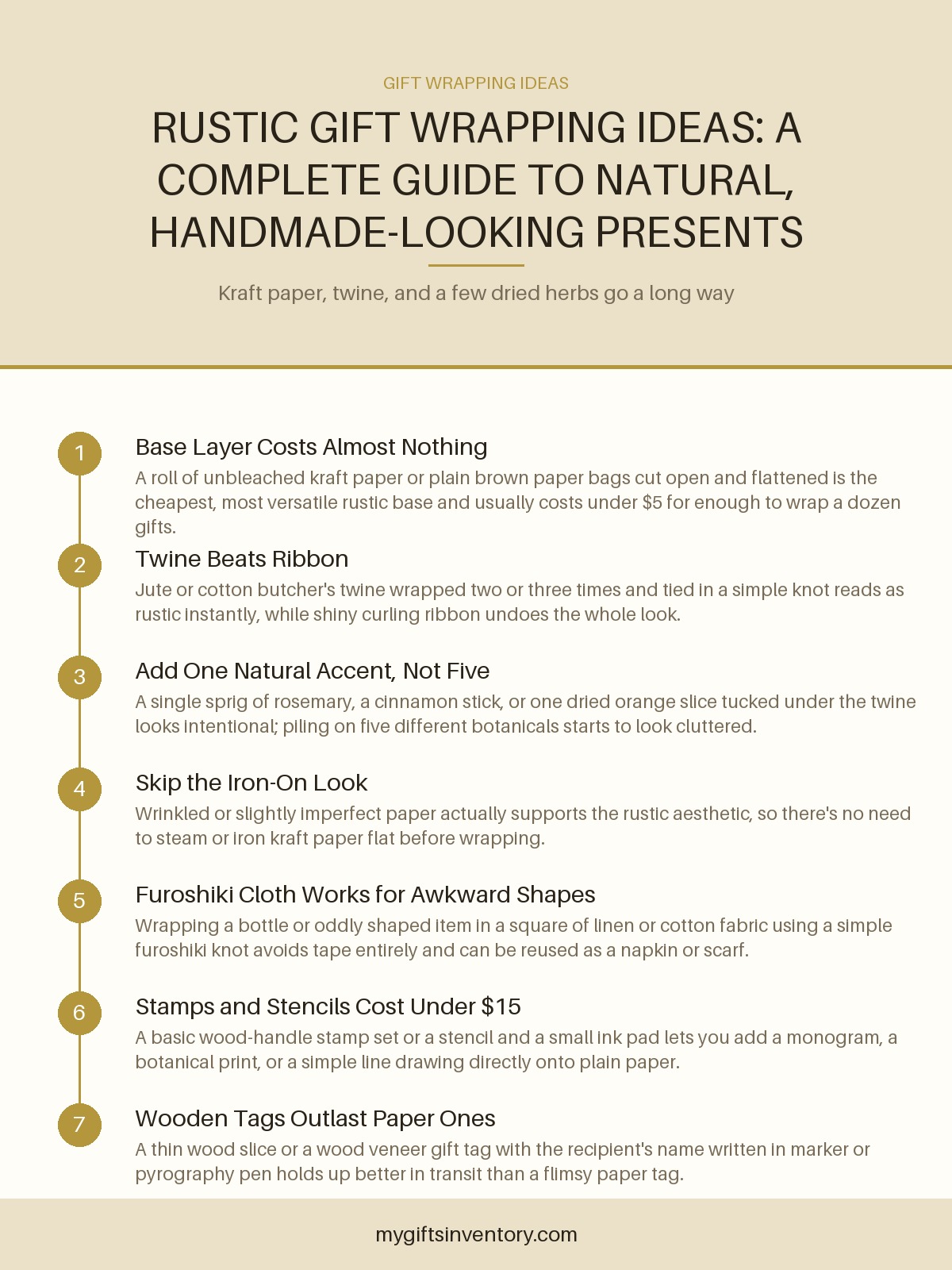
The details that make wrapping look styled rather than rushed are almost always small and cheap. A length of garden twine or kitchen string does the job of ribbon for a fraction of the cost and looks more textured against plain paper. A sprig of rosemary or a small pinecone tucked under the twine adds a natural, put-together look that costs nothing if you've got a yard or a spice rack. Dried orange slices, which you can make in a low oven overnight, add color and scent for the cost of an orange. Even a rubber stamp or a handwritten name in nice handwriting on plain paper reads as more personal than a printed tag ever does.
If you've got kids in the house, their drawings make genuinely charming gift wrap, especially for grandparents or family who will treasure that more than anything from a store. A drawing on plain paper, folded around a small gift, tends to get kept long after the gift itself is used up.
Wrapping smaller or trickier gifts frugally
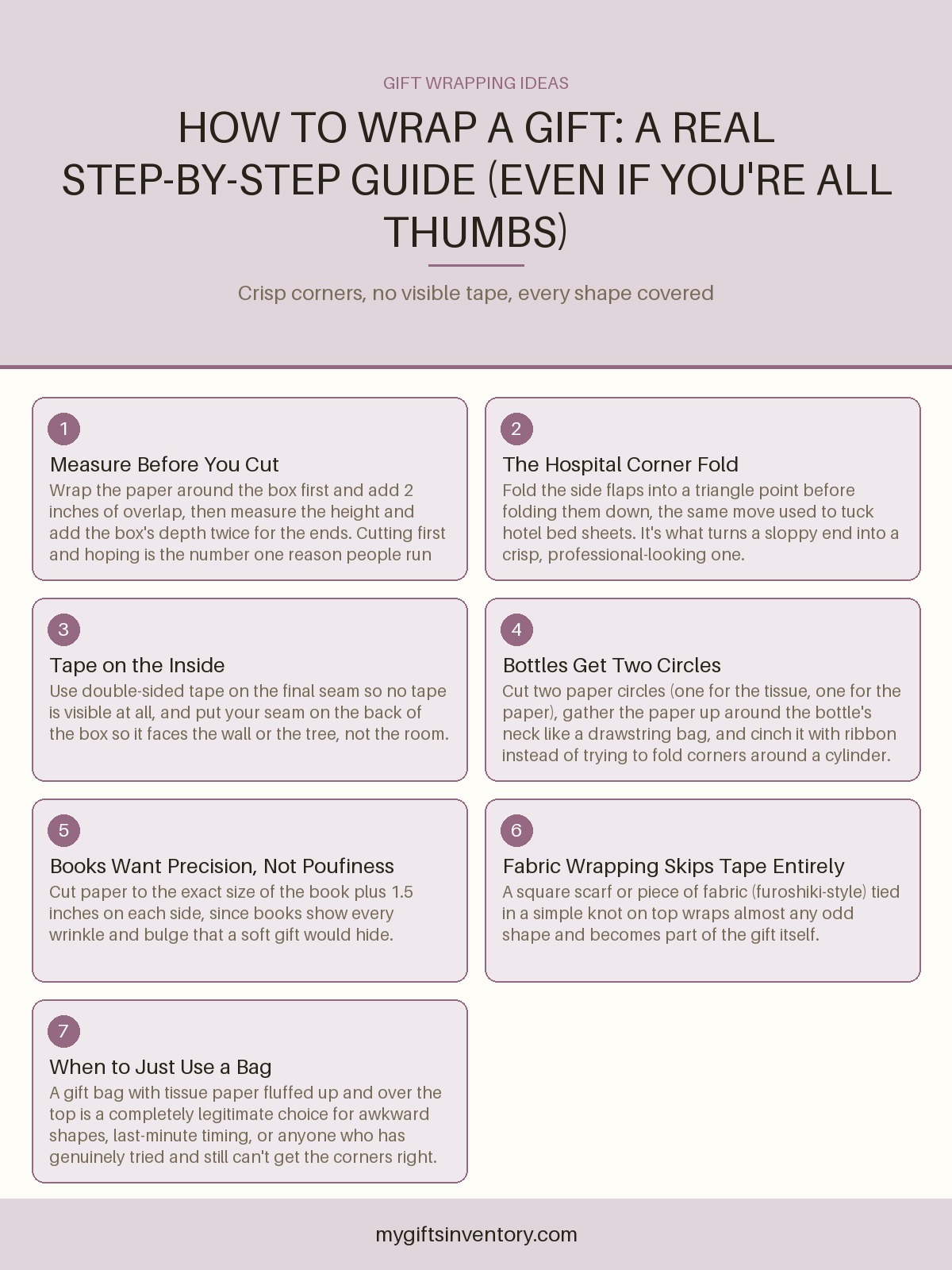
Bottles of wine or oil are easiest wrapped in a piece of fabric gathered at the neck and tied with twine or a strip of ribbon, no box or bag purchase required. Books can be wrapped in a single sheet of paper folded like an envelope, no tape needed at all if you tuck the final flap under. Gift cards, which are one of the more frugal gifts to begin with, look far better presented in a small handmade paper sleeve or tucked into a folded card than handed over bare in an envelope. If a gift card is the actual gift, it's worth checking our guides on Walgreens gift cards and CVS gift cards for options that are easy to pick up on a quick errand and dress up at home with almost no cost.
When the wrapping needs to match a truly tight gift budget
Sometimes frugal wrapping is really about the whole gift being modest, and that's fine. Plenty of great gifts cost very little, and a thoughtfully wrapped $15 item reads as more considered than a $50 item shoved in a bag. If you're shopping on a tight budget to begin with, our guide to dorm gift ideas under $20 has plenty of small items that wrap beautifully in nothing more than a scrap of fabric and some twine. For general guidance on matching the gift to the person and the occasion before you even get to wrapping, our piece on choosing the perfect gift is worth a read.
Frugal wrapping for corporate and group gifts
Wrapping several gifts at once, say for a team at work or a group of coworkers, is where frugal choices matter most because the cost multiplies fast. Buying one large roll of plain kraft paper and one spool of ribbon in a single color, then varying the look with different stamps or handwritten tags, keeps the whole batch consistent and cheap. If you're sourcing the gifts themselves for a group, our list of corporate gift ideas under $50 is a good starting point before you get to the wrapping stage.
Frugal wrapping for mailing gifts
If a gift is being shipped rather than handed over in person, the wrapping paper often gets crushed or torn in transit anyway, so this is one place where spending less is also the smarter choice. Wrap the gift simply in whatever you have, then place it inside the shipping box with padding, and consider including a small card or note that explains what's inside since the paper likely won't survive intact. Saving the pretty wrapping for gifts given in person, and keeping shipped gifts simple, is a practical split that a lot of people don't think about until their carefully wrapped box arrives looking like it went through a dryer.
A few habits that make frugal wrapping easier every time
Keep a small bin or drawer specifically for gift wrapping scraps: leftover ribbon, gift bags, tissue paper, twine, and any nice boxes you don't want to throw away. Every time you receive a gift, take thirty seconds to save what's reusable instead of tossing it straight in the trash. Over a year or two this drawer ends up holding more wrapping material than most people buy new, and it means the next gift, even a last-minute one, never requires a store run.
Gift Ideas to Go With This


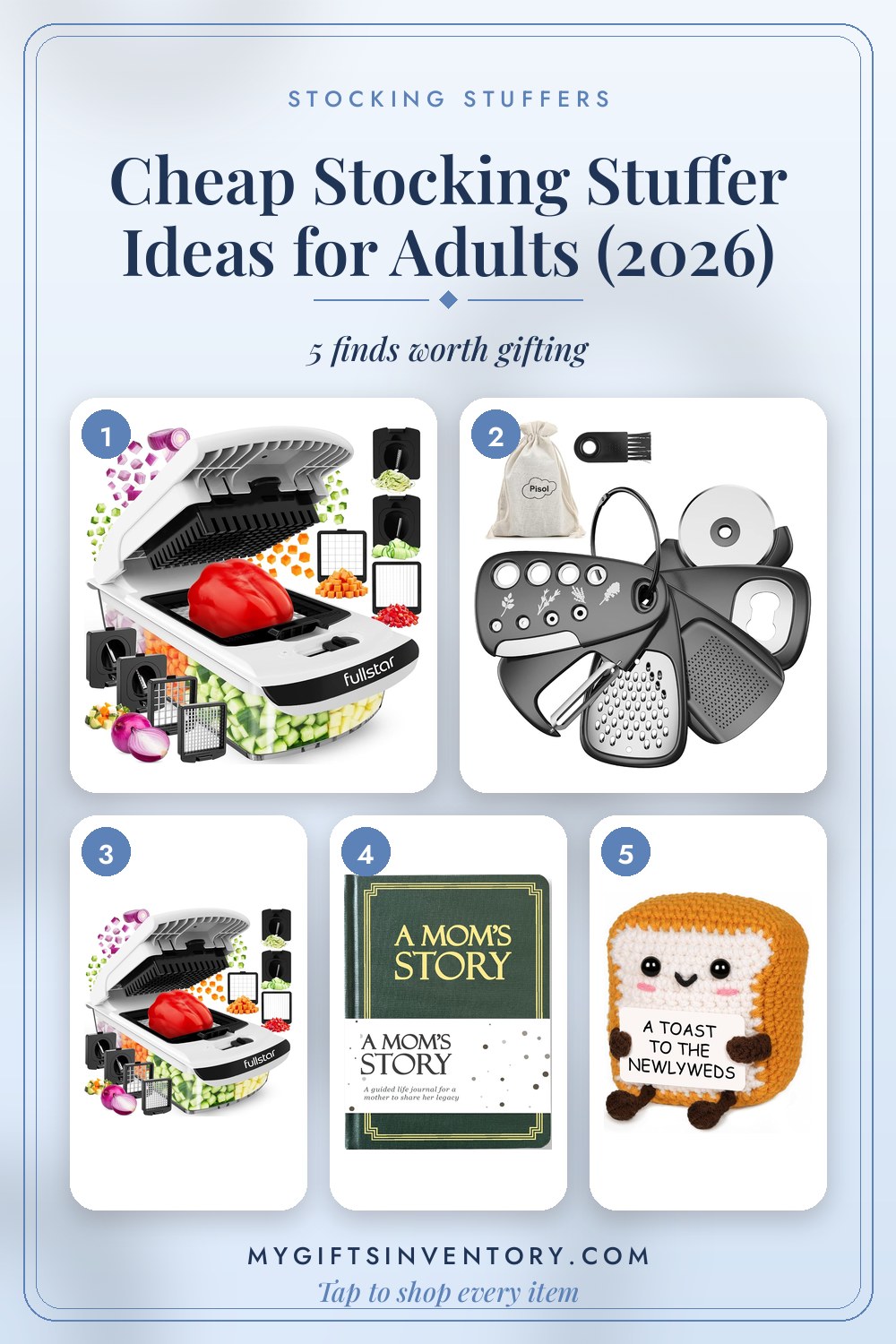
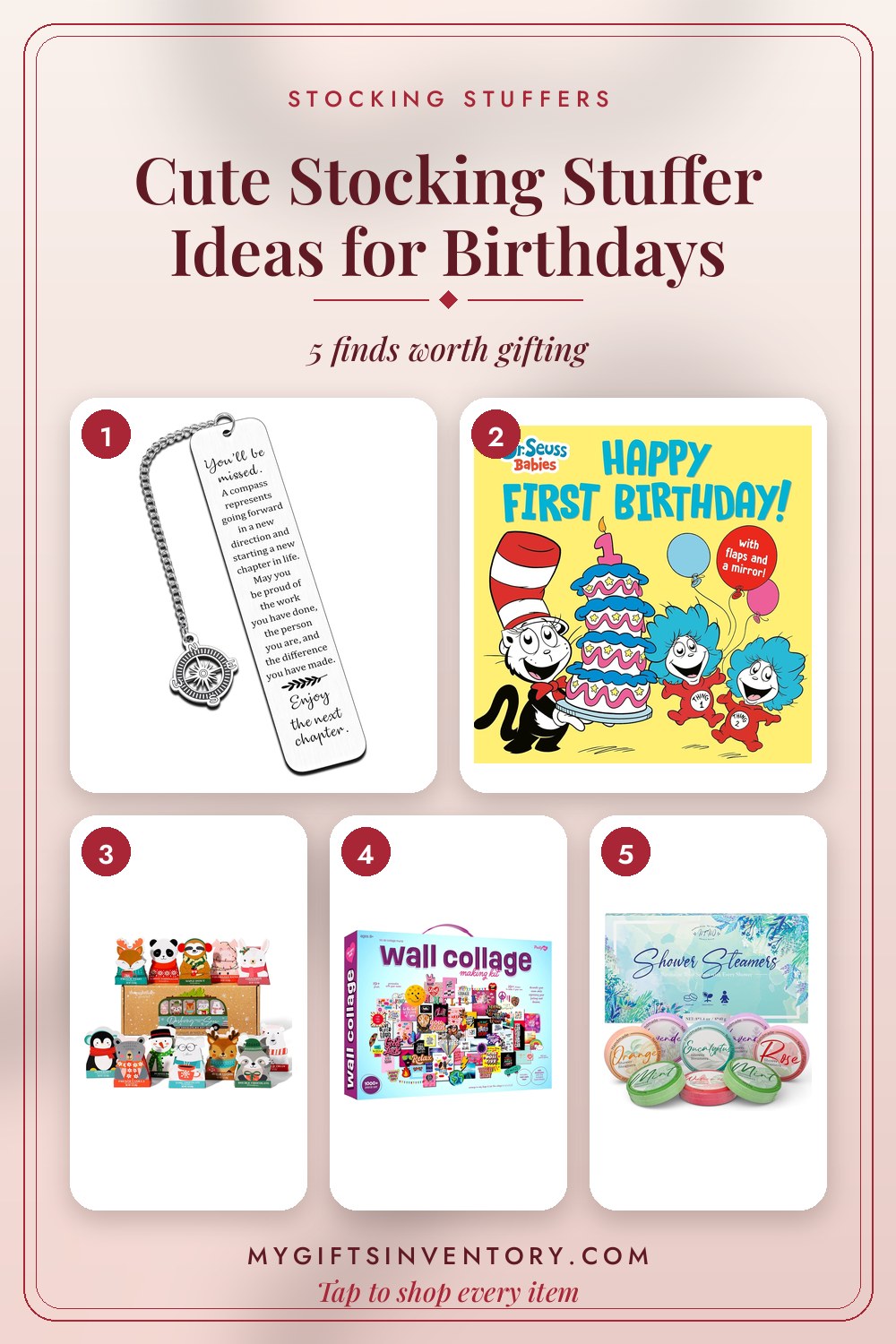
Want more ideas? Browse our full guide: 34 Stocking Stuffers & Small Holiday Gifts Under $25 (2026): Thoughtful Picks That Don't Feel Like Filler
Frequently Asked Questions
What can I use instead of wrapping paper?
Brown paper bags, newspaper, old maps, fabric scarves or bandanas, and reused gift bags all work as well as store-bought paper and usually cost nothing. Fabric wrapping in particular tends to look more polished than paper because the fabric itself becomes part of the gift.
How do you wrap a gift with no tape?
Fabric wrapping solves this completely since the ends are knotted rather than taped, and a paper bag can simply be folded over at the top and stapled or tied closed with string. Envelope-style folds, where you tuck the final paper flap underneath the gift, also hold without any tape at all.
Is fabric wrapping actually cheaper than paper long term?
Yes, because a single scarf or piece of fabric can be reused dozens of times across different gifts, while paper is torn and discarded after one use. Even a fabric square bought specifically for wrapping pays for itself after just a few uses compared to buying paper each time.
What's the cheapest way to wrap a gift card?
Fold a small envelope out of a single sheet of plain or patterned paper, or tuck the card into a handwritten card with a slit cut for it to slide into. This costs essentially nothing and looks far more considered than handing over a bare gift card.
How do I make an inexpensive gift look more expensive?
Focus on texture and finish rather than cost: natural trim like a sprig of greenery or a dried orange slice, a hand-stamped or handwritten tag, and a neatly tied knot in twine or ribbon all read as intentional. A plain-wrapped gift with one or two thoughtful details usually looks more expensive than an elaborately printed paper with nothing added.
Looking for an Actual Gift Instead?
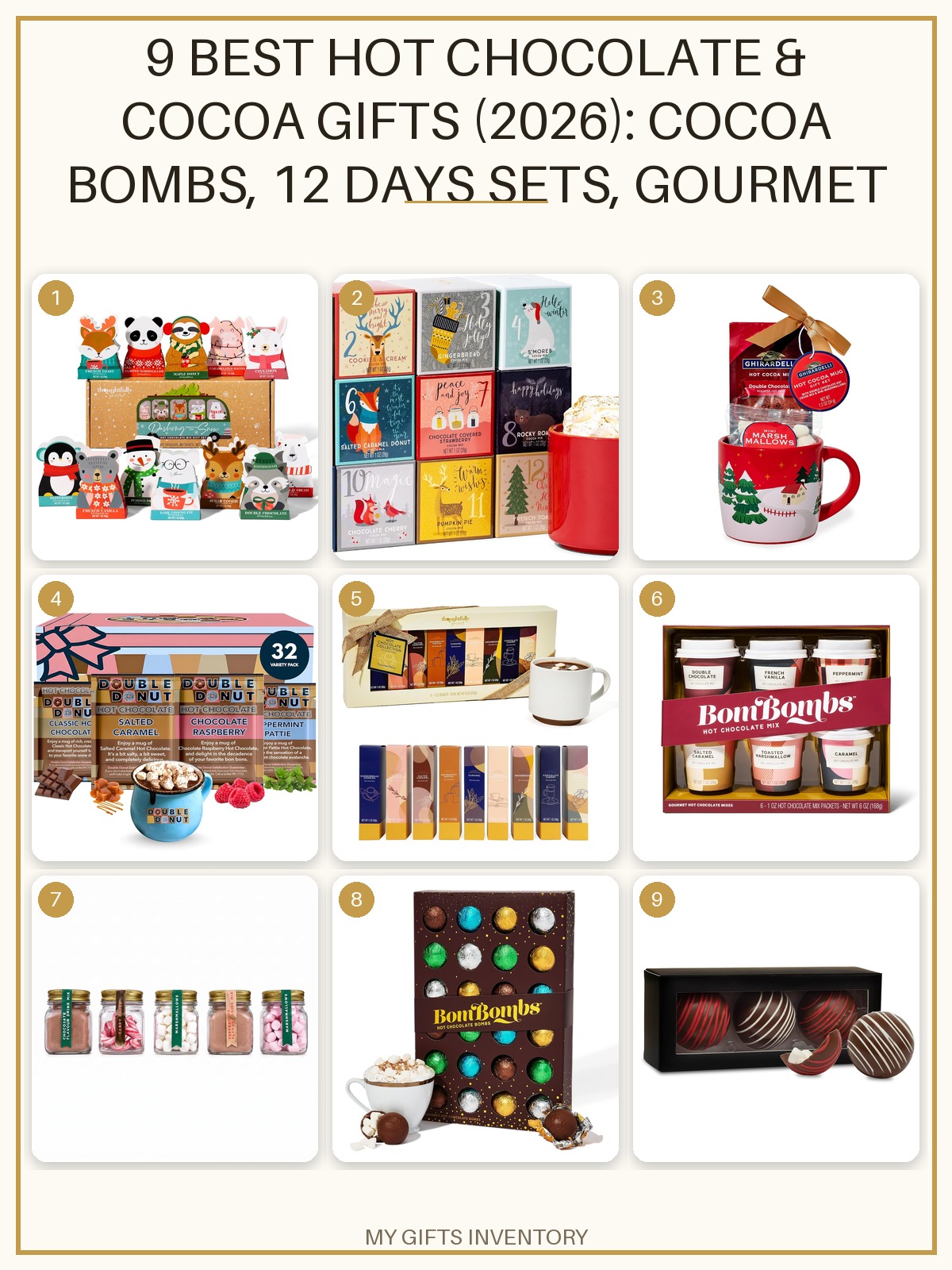
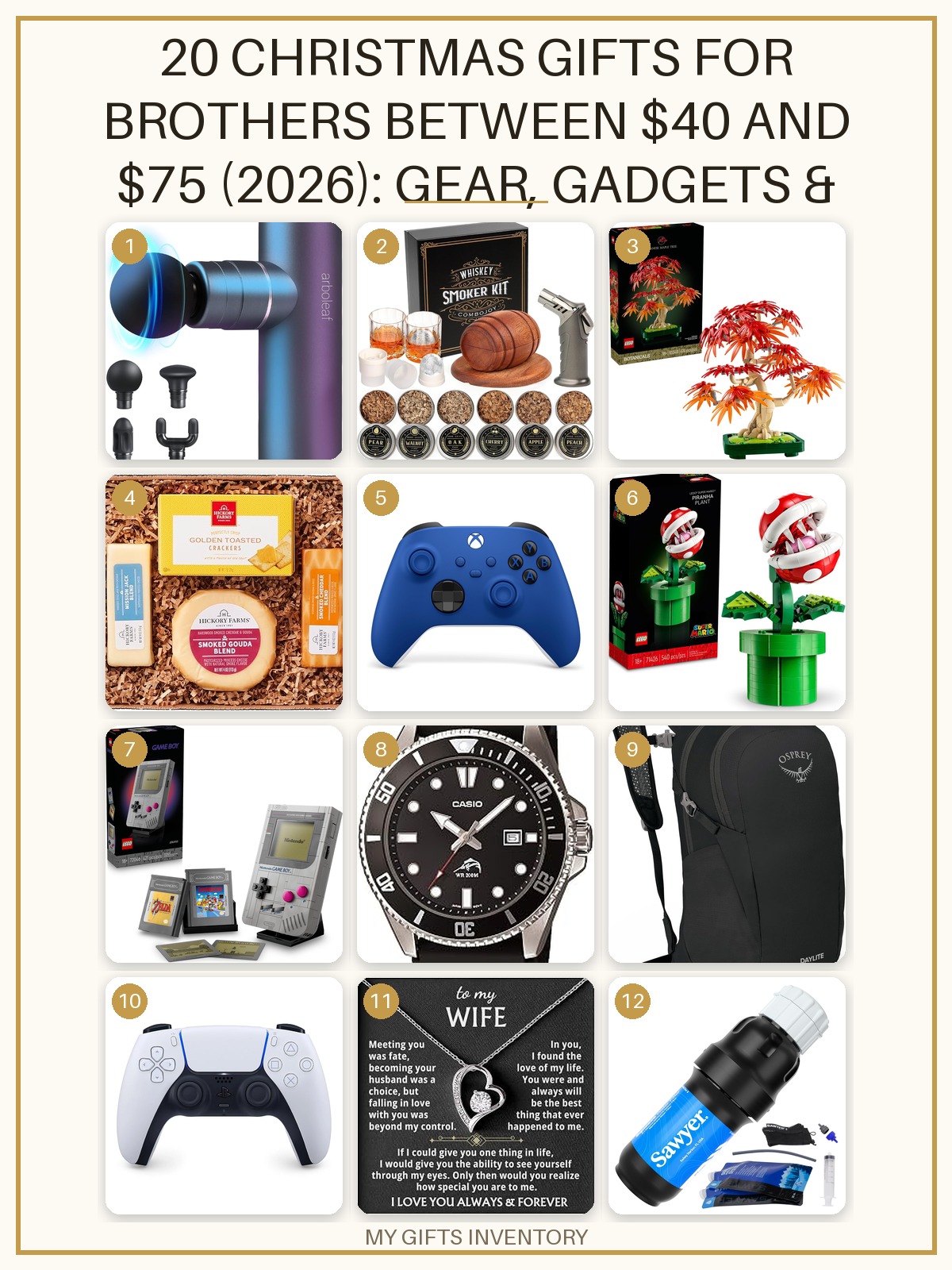
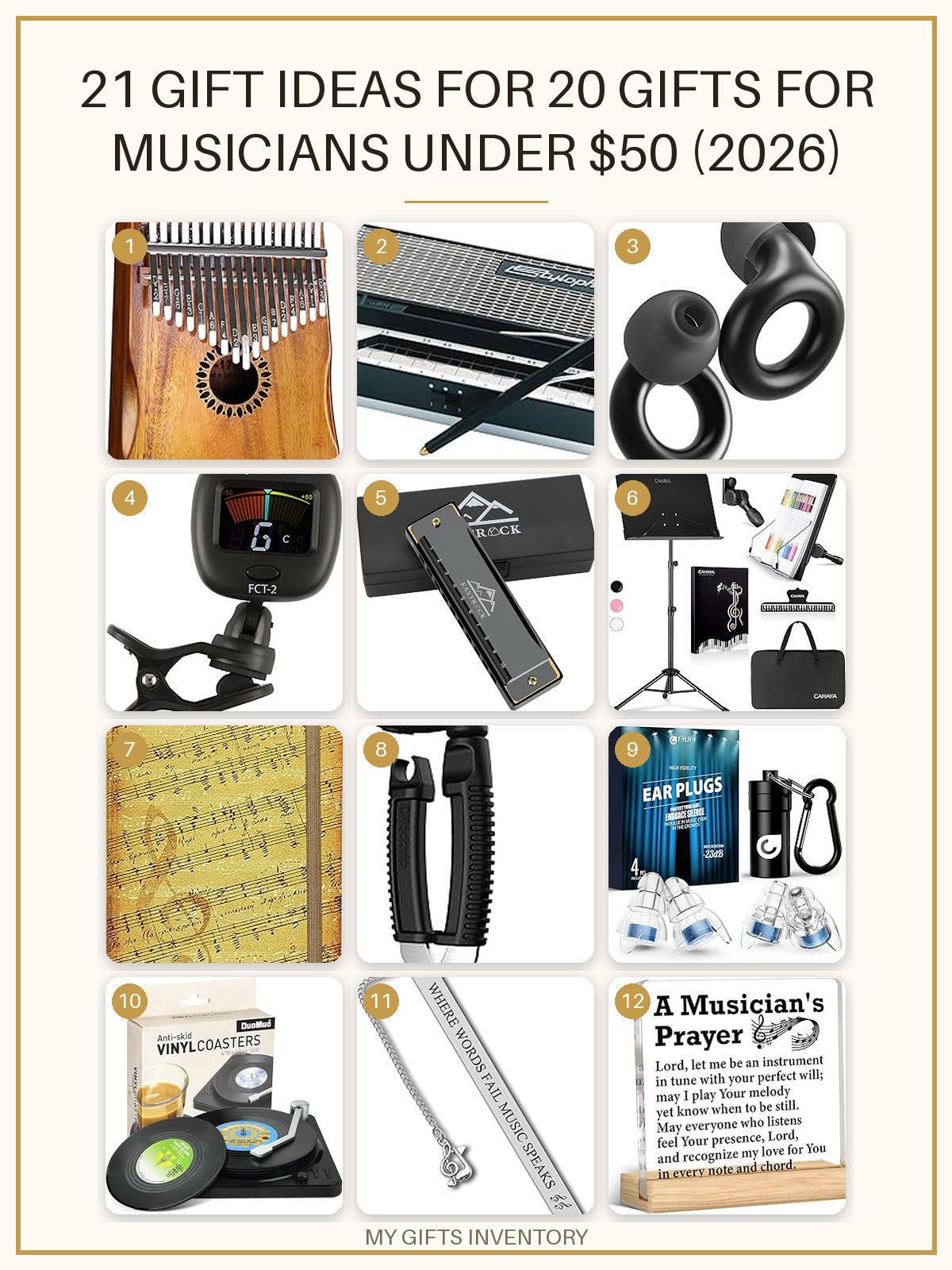
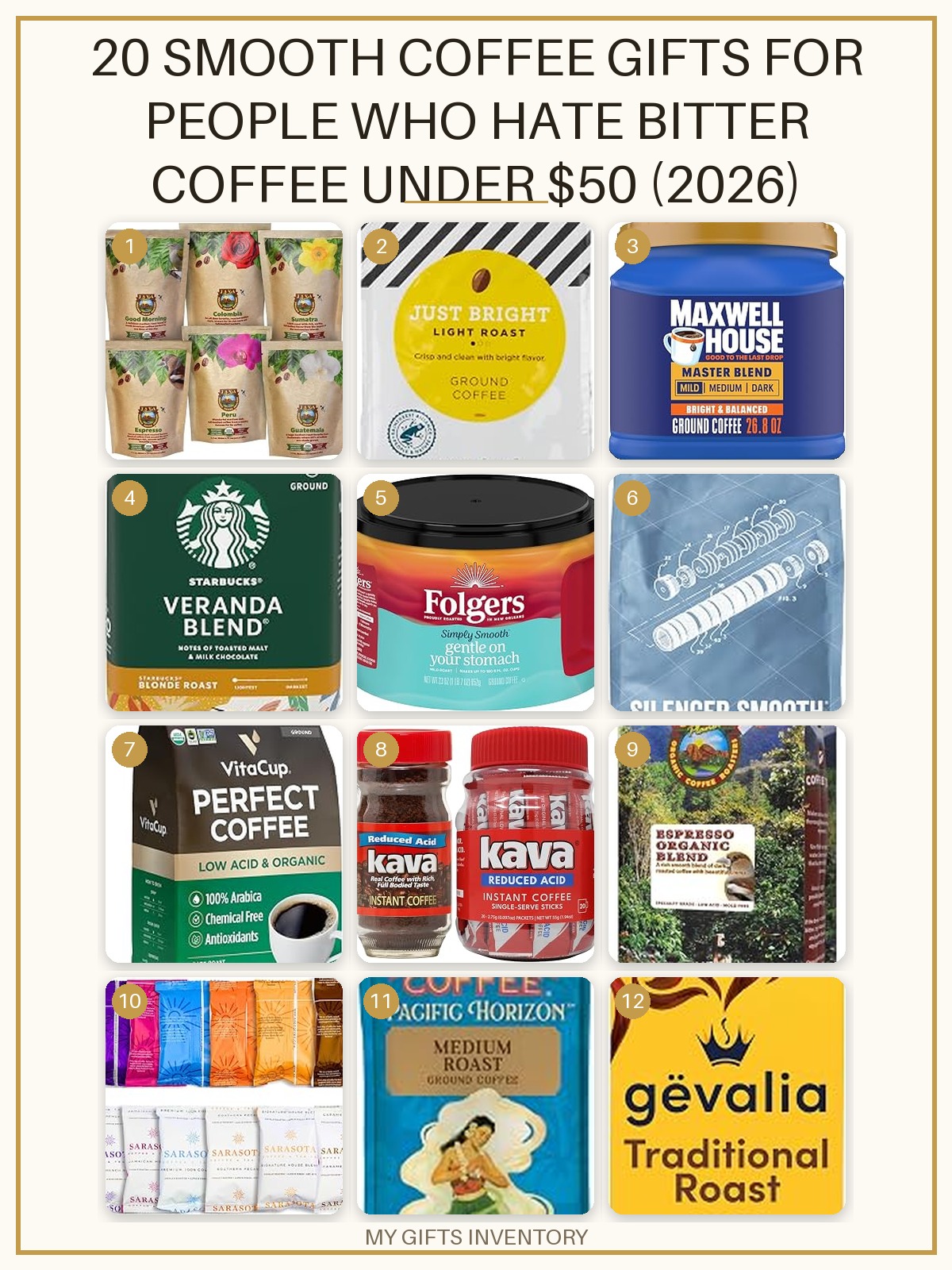
Gift Sets We Love Right Now
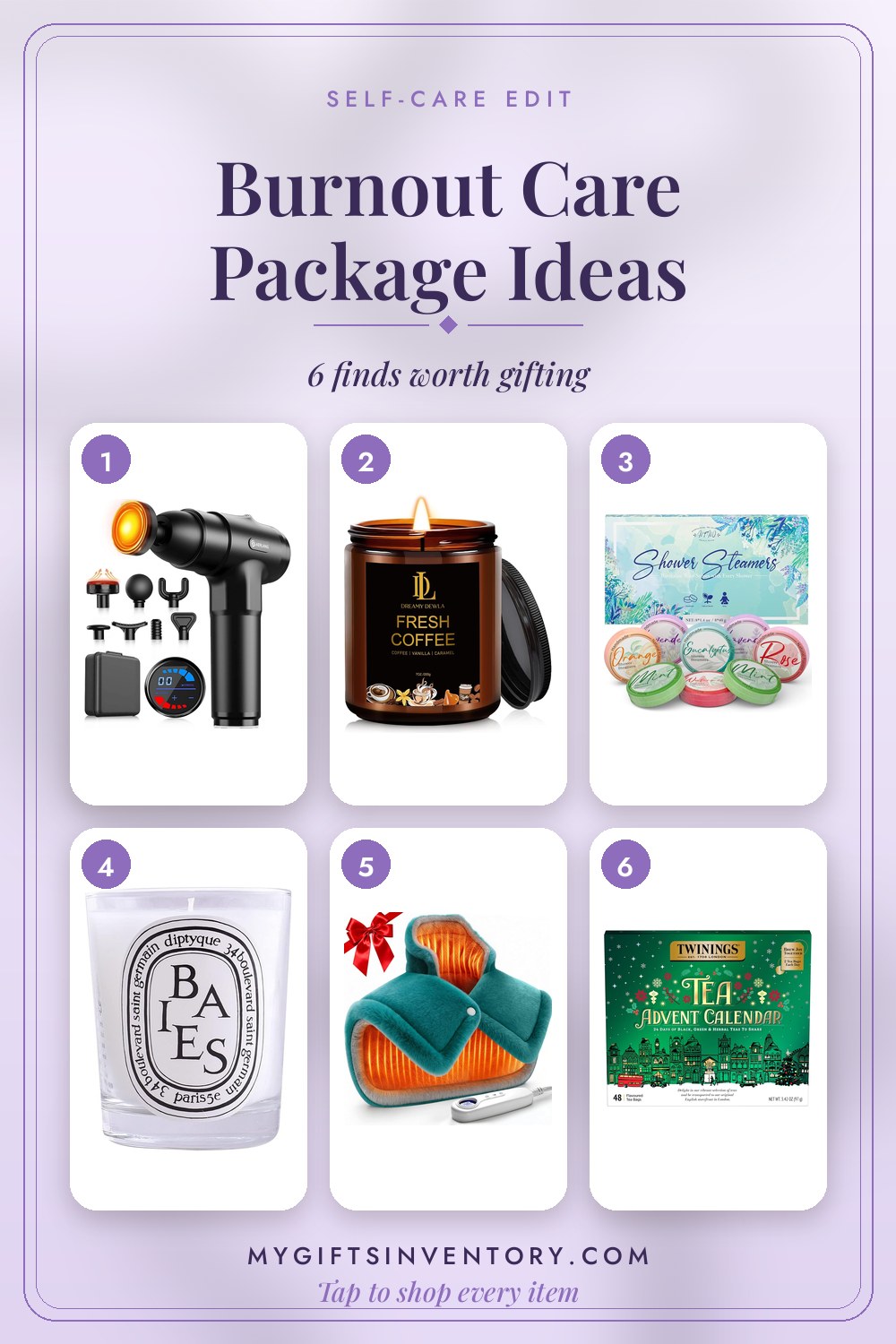
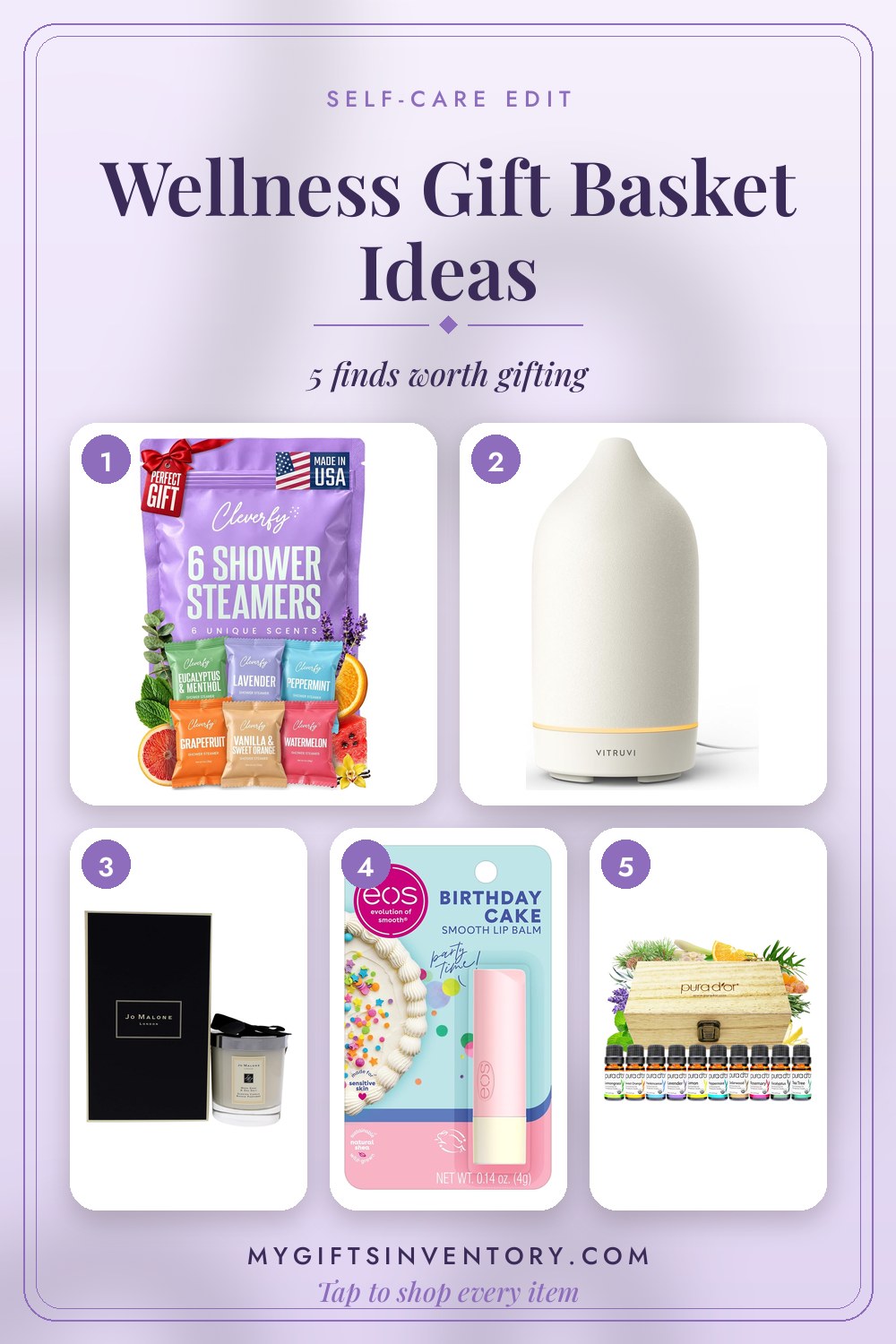
Every item picked, priced and linked, ready to buy.
More Gift Advice