Holiday Gift Planning: A Realistic Timeline, Budget, and Strategy Guide
A practical system for planning holiday gifts without the December panic: when to start, how much to spend, how to track everyone, and how to handle the awkward stuff.
As an Amazon Associate, My Gifts Inventory earns from qualifying purchases. We only recommend products we'd genuinely consider buying ourselves.
If you're reading this in late November with a vague list in your head and no idea what you spent last year, you're in the majority. Holiday gift planning is not really about being organized for its own sake. It's about avoiding the fourth week of December, when you're buying a $60 thing you don't like for someone you love because you ran out of time and options. The fix is a system, and the system is not complicated. It just has to start earlier than your instinct says it should.
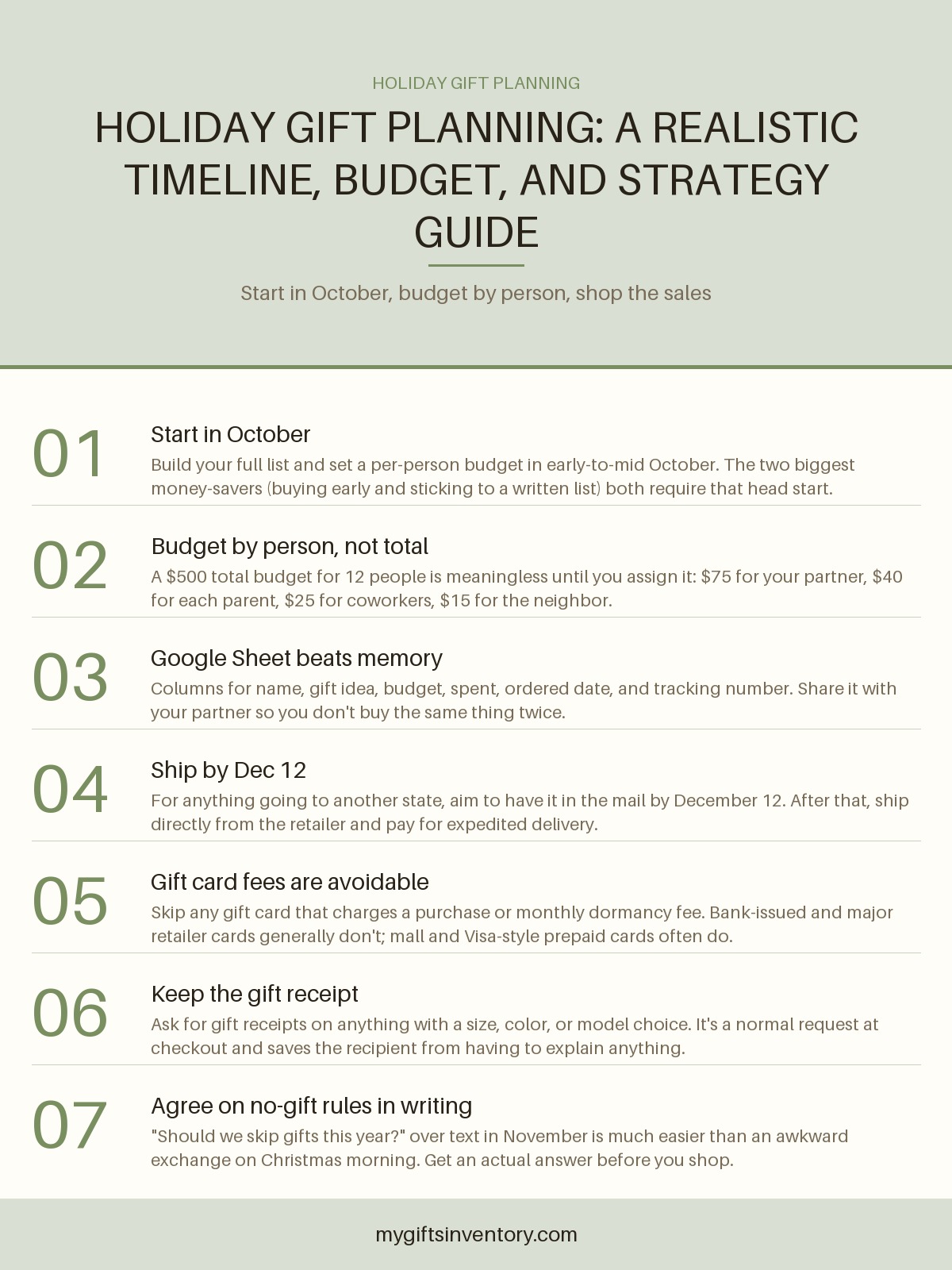
When to actually start planning holiday gifts
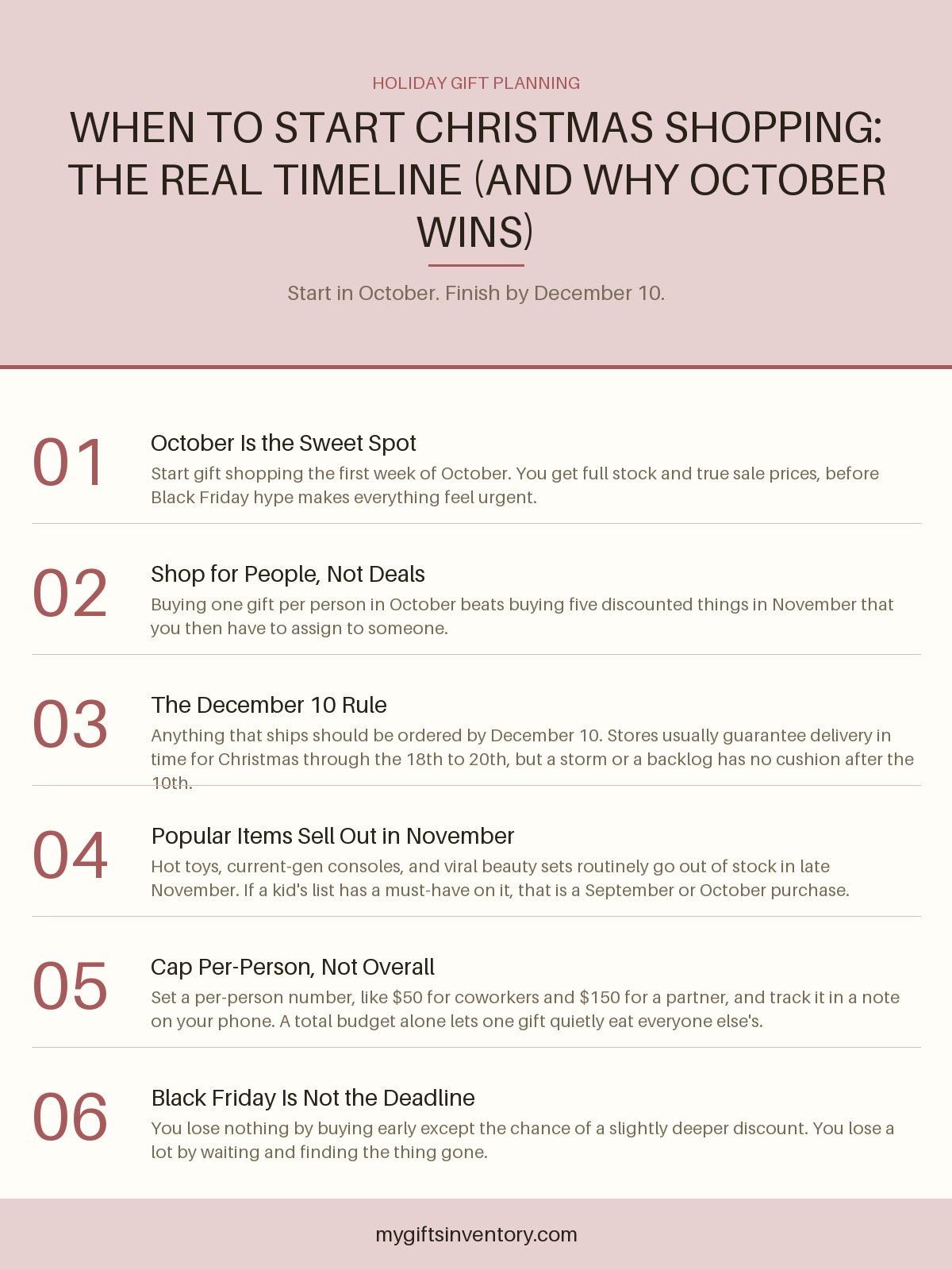
The honest answer is October. Not because you need to buy anything in October, but because October is when the list gets built, the budget gets set, and the black Friday and Cyber Monday sales become something you shop intentionally rather than reactively.
Here's a workable timeline that most people can actually follow:
Early to mid-October: build the list
Write down every single person you plan to give something to. Not "family" and "friends," but actual names. Partner, both parents, both in-laws, your two siblings and their partners, the four nieces and nephews, your three closest friends and their partners, the office gift exchange, your kid's teacher, the mail carrier if you do that. Count them. Most people guess "about 15" and are actually buying for 24 people. That gap is where budgets fall apart.
While the list is in front of you, write one rough idea next to each name, even if the idea is "no idea yet, maybe a book." A placeholder is enough to trigger ideas over the next six weeks. When you're standing in a store in November, the difference between "I need a gift for my brother" and "I need a gift for my brother, who mentioned wanting a better coffee grinder" is enormous.
Late October: set the budget, person by person
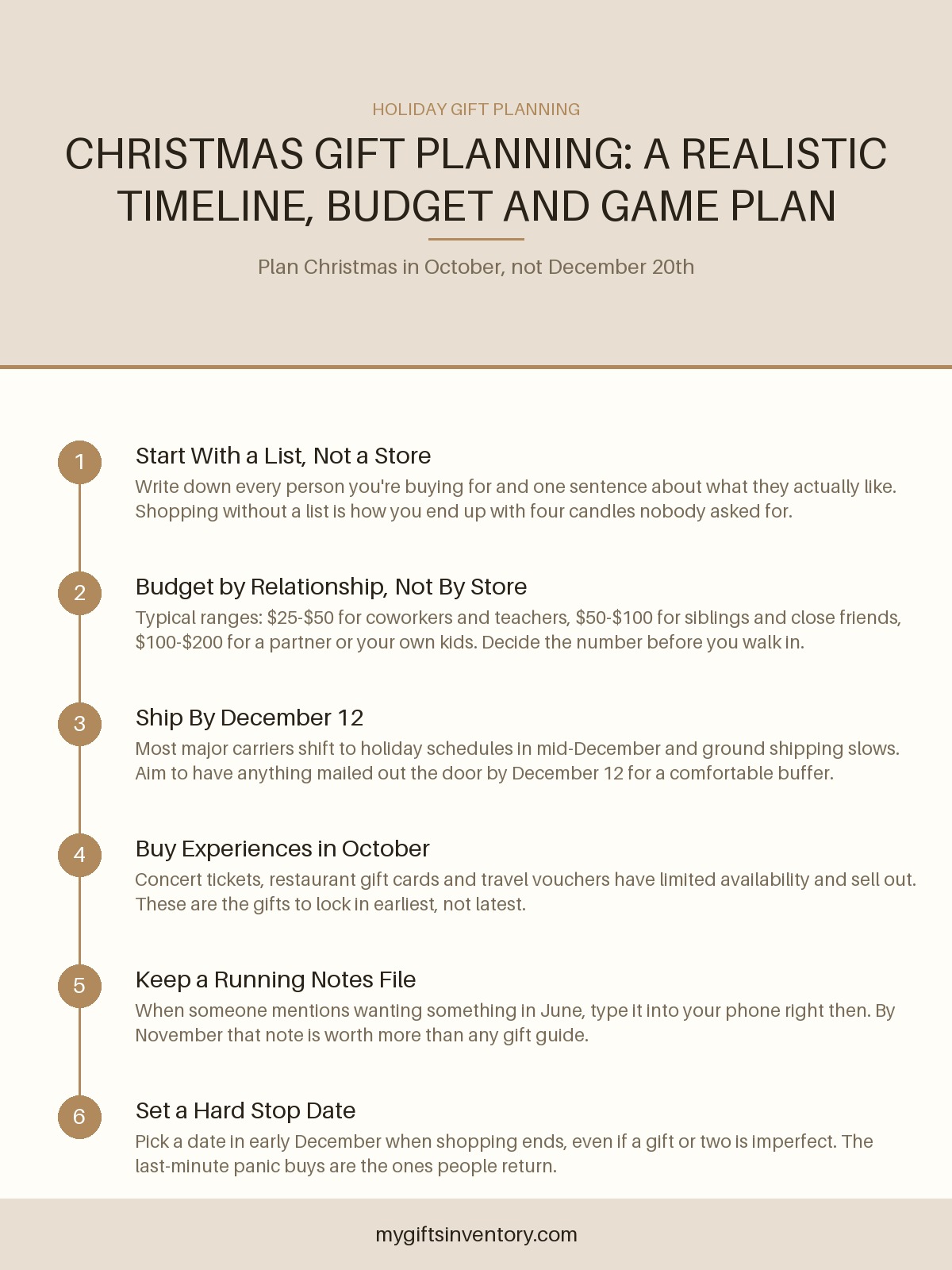
A total budget like "$800 for Christmas" is useless because you have no way to know if you're over or under until it's too late. Assign a number to each name. It feels clinical and it works. A realistic starting structure based on what most households actually spend:
- Partner or spouse: $100 to $300, depending on whether you've agreed on a cap
- Parents and in-laws: $40 to $75 each
- Siblings and their partners: $25 to $50 each
- Nieces, nephews, and kids' friends: $15 to $30 each
- Coworkers, teachers, neighbors: $10 to $25 each
Add it up before you buy anything. If the total is more than you want to spend, cut now rather than later. December is not the time to discover you've spent $1,400.
November: shop the sales with the list already in hand
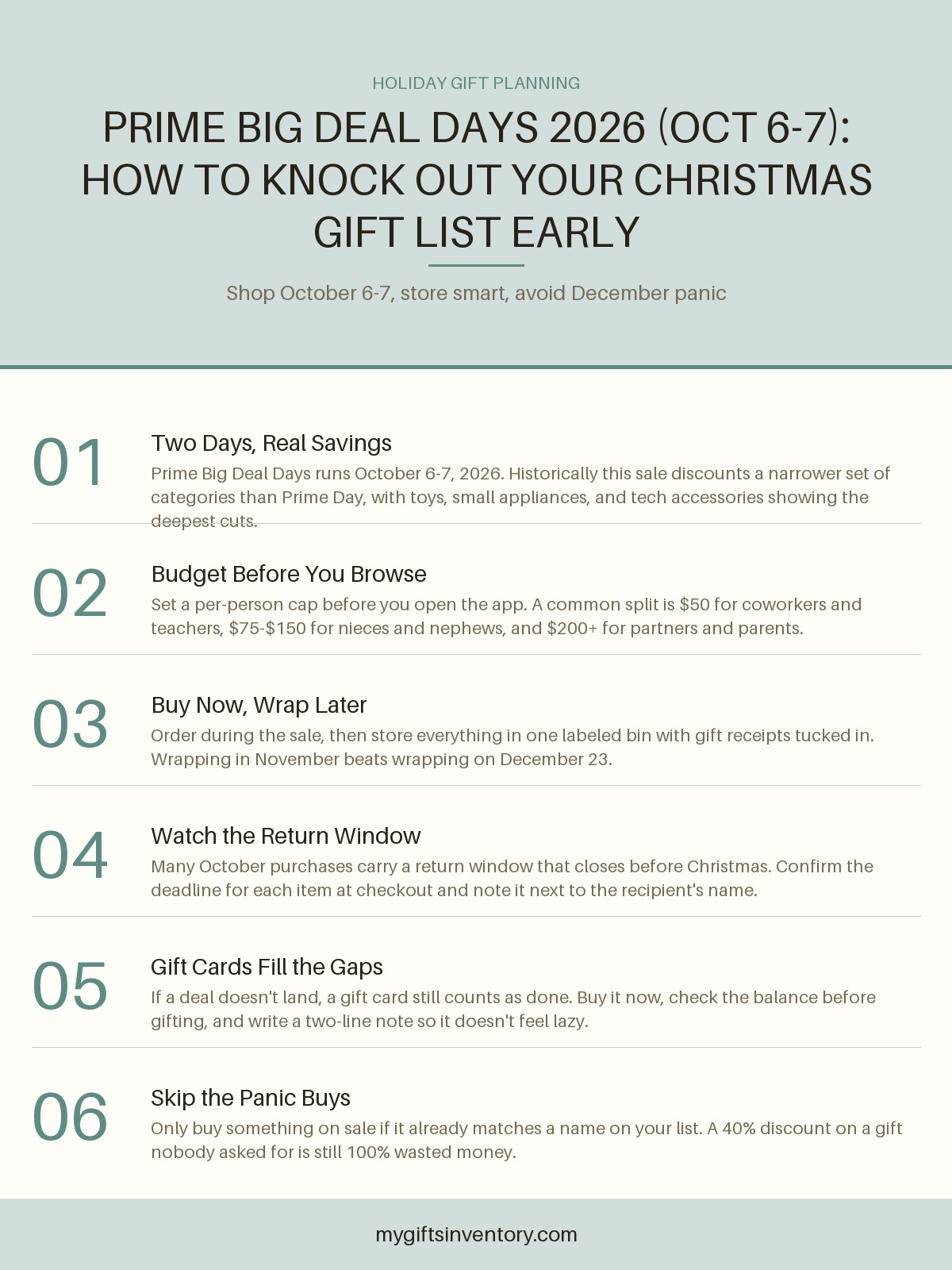
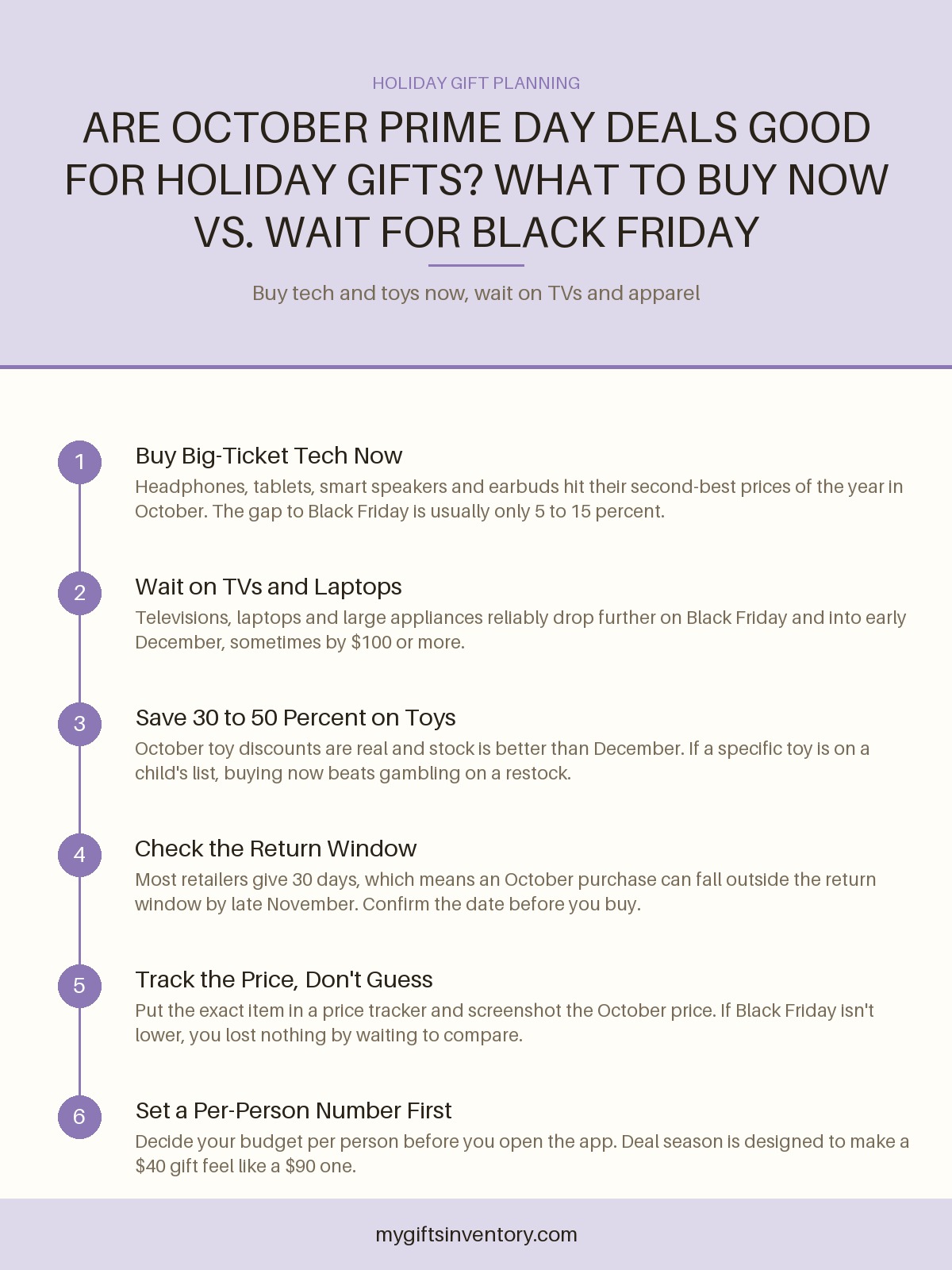
Black Friday and Cyber Monday are genuinely useful if you arrive with a list. They are expensive if you arrive looking for ideas. Prices on the items in our hottest gifts of 2026 roundup tend to bottom out during the late-November window, so if something on your list overlaps with a trending pick, that's the moment to buy.
December 1 to 10: finish the buying
Anything ordered online after December 10 is a gamble. Standard shipping windows get unreliable, and some retailers quietly stop guaranteeing delivery before Christmas around the 12th to 15th. If you're still buying on December 15, you have two good options: buy in person, or ship directly to the recipient from the retailer and pay for expedited delivery. Don't buy a thing, have it shipped to you, wrap it, and then ship it. That's three shipping windows stacked back to back and it's how gifts arrive in January.
December 15 to 24: the last-minute scramble, which you can plan for
Even with a system, there will be one or two people you don't solve for. Keep a small stash of universally-good gifts around $20 to $30 for this: a good candle, a nice bottle of olive oil, a box of really good chocolate, a cozy throw. If it turns out you don't need them, you have a head start on next year or a hostess gift for the January party.
How to track everyone and everything
A single shared spreadsheet is the right tool, and it does not need to be fancy. Six columns: name, gift idea, budget, actual spent, ordered date, and tracking number. That's it.
Two reasons this matters more than you'd think. First, when you and your partner both buy your mother-in-law a scarf, the spreadsheet catches it. Second, when a package doesn't arrive on December 20, you have the tracking number in one place instead of digging through four email accounts.
If you hate spreadsheets, a notes app works, as long as you write down the tracking number the moment the order confirms. Screenshotting the confirmation email is fine too. What doesn't work is remembering.
Setting a realistic holiday budget
There is no correct number, only a number you can pay without carrying a balance into February. A few things worth being honest about:
Include the costs that aren't gifts
Travel, the hostess gift, the teacher gifts, the office gift exchange, the extra groceries for the holiday meal, the wrapping paper, the cards and postage, the tip for the delivery driver. For a lot of households these add up to several hundred dollars and don't feel like "gift spending," so they never make it into the budget. Put them in on purpose.
Set a per-person cap and hold it
The cap is what prevents a $40 gift from becoming a $90 gift because you found something "slightly better." If you genuinely find a better gift, swap it for the original idea. Don't stack them.
Have an honest conversation about caps with the people you exchange with
The awkwardness of suggesting a spending limit is nothing compared to the awkwardness of realizing your sibling spent $150 on you and you spent $35. Say it directly: "Want to set a $50 cap this year?" Almost everyone says yes with visible relief. This is especially worth doing with extended family, friend groups, and any gift exchange that's grown over the years beyond what anyone actually wants to spend. Coworker exchanges are a common pressure point, which is why we put together a guide to coworker gifts under $25 if you need a landing spot for that category.
Decide the gift card question in advance
Gift cards get a bad reputation they don't deserve. For a teenager, a teacher, a coworker, or anyone whose tastes you genuinely don't know, a gift card is often the better gift. The trick is to pick a card that matches something the recipient actually does. A gift card to a place they've never been is just a small errand. If the brand is one you're unsure about, checking a Netflix gift card balance page is a quick way to see how redemption actually works before you buy, and it's the same process for most major gift cards.
Choosing gifts when you have no idea what to get
Two principles cut through most of the paralysis.
First, think consumption, not possession. Gifts that get used up (good coffee, a nice bottle of something, fancy snacks, a candle, a bath set) almost never create clutter guilt and almost always get used. Gifts that get displayed require the recipient to have room and taste that matches yours.
Second, match the gift to a moment in their week, not to their personality. "She's into wellness" is too vague to shop from. "She complained that her gym is dark in the mornings" points you straight at a sunrise alarm clock, which is why that category has become such a reliable gift over the last few years. If it helps, our roundup of sunrise alarm clocks to gift covers the range from budget wake-up lights to the nicer Hatch and Philips models.
For anyone who's hard to read, lean into a category where the recipient's taste doesn't matter much: a cozy blanket, good socks, a massage gun, a really nice pen. These are the gifts people keep using for years and rarely dislike. We've got a guide to massage gun gifts if that's the direction you're going, along with worth-it alternatives to the premium names.
And for the person who genuinely has everything, a gift card from a store that matches something they already do is not a cop-out. It's a good gift. Nobody has ever been disappointed to receive a card to the place where they already spend money.
Wrapping, cards, and the finishing touches
Wrapping does not need to be Pinterest-level. It needs to be legible so people know whose gift is whose. Kraft paper, a roll of ribbon, and a marker are plenty. If you're buying for kids, wrapping paper that shows which gift is which matters more than the pattern; a small sticker or a colored tag on each box avoids a ten-minute sorting exercise on Christmas morning.
Cards are where people freeze up, and they shouldn't. For most recipients, one or two sentences is right. For a coworker: "Thanks for everything this year, hope you get a real break." For a parent: "Thank you for hosting, I know how much work it is." For a partner, write more, and write something specific. "I noticed you've been exhausted lately and I wanted you to have something that makes the mornings easier" reads as thoughtful. "Merry Christmas, love you" reads as a default. Specificity is the whole thing.
Sign your name. Skip the pre-printed message. That's the bar, and it's lower than people think.
Gift receipts, returns, and shipping what happens next
Ask for gift receipts on anything with a size, color, model, or fit choice. This is a completely normal request at checkout and it saves the recipient from having to mention the return at all. Most major retailers print them automatically if you ask, and online orders let you mark gifts at checkout so no price shows on the packing slip.
If you're shipping, put the tracking number in the spreadsheet and tell the recipient roughly when to expect it. Someone waiting on a package that hasn't arrived by the 23rd is going to text you, and it's better to have the answer ready.
If a gift doesn't land, don't over-explain. "Totally fine, I kept the receipt, let's swap it for something you'll actually use" is the whole script. The gift was for them, not for you.
Handling the tricky situations
When you can't afford to buy for everyone
Tell people early and plainly. "I'm keeping the holidays small this year and doing cards instead of gifts" is a complete sentence and nobody has ever pushed back on it in a way that was worth caring about. Doing it in November avoids the moment in December when someone hands you a gift and you have nothing in return.
When someone gives you a gift and you didn't plan one for them
Keep two or three wrapped, unlabeled, generic gifts on hand for exactly this. A nice candle, a good bottle of wine, a box of really good chocolate. If you're caught empty-handed, accept graciously, don't apologize excessively, and follow up with something that arrives in January. A late gift is not a failure. An awkward silence is worse than a late package.
When you're uncomfortable with how much someone spends on you
Say so once, kindly, and move on. "This is way too generous, thank you so much." Then let it go. Refusing a gift or making the giver feel bad about it is a worse outcome than the discomfort of receiving it.
One more pass before you buy anything
Before you hit purchase, run through this: Is this person on the list? Does this fall inside their budget number? Do I already have something for them? Does this need a gift receipt? Will it arrive before the date I need it? Five questions, four seconds, saves a surprising amount of money and re-buying.
Gift Ideas to Go With This




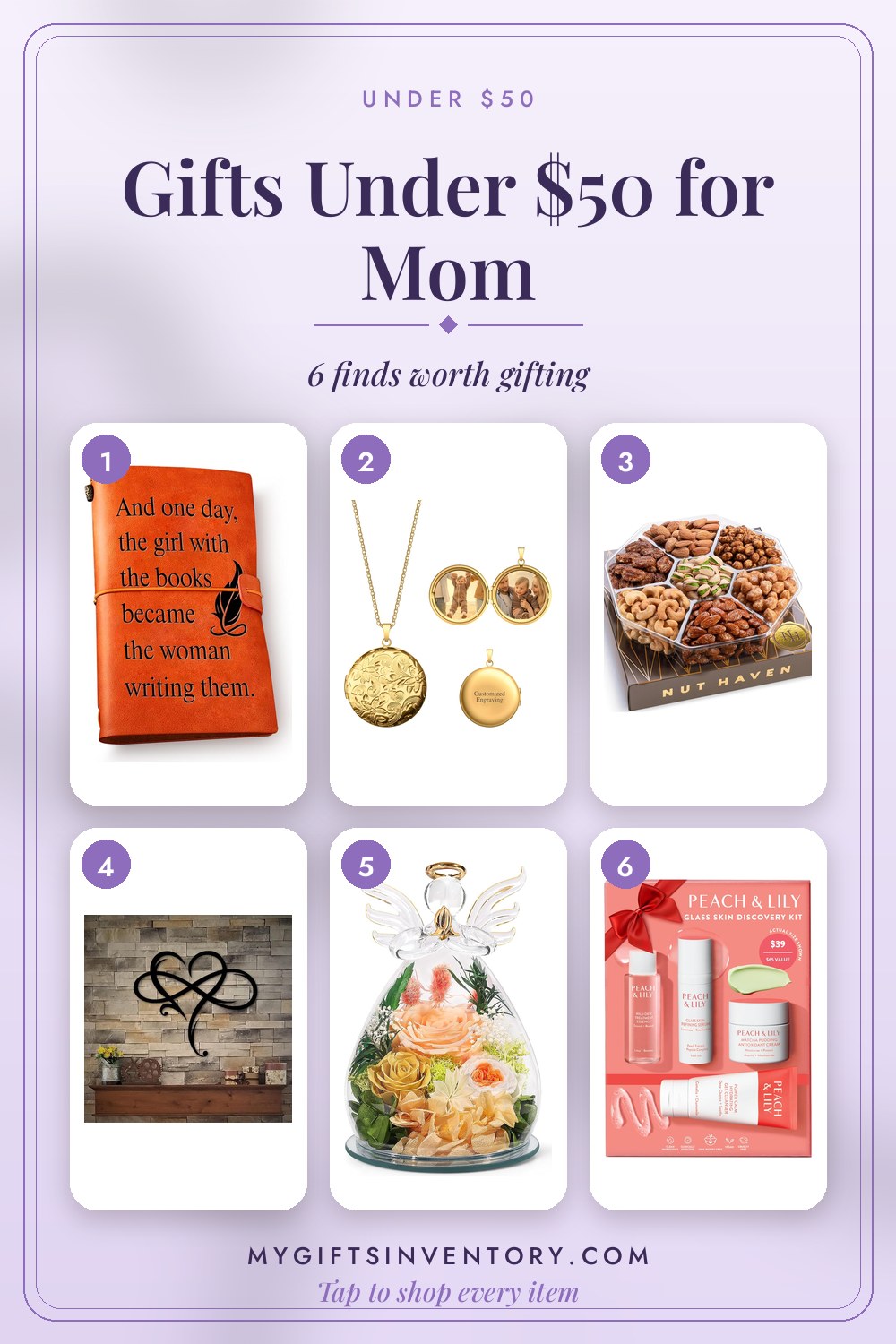
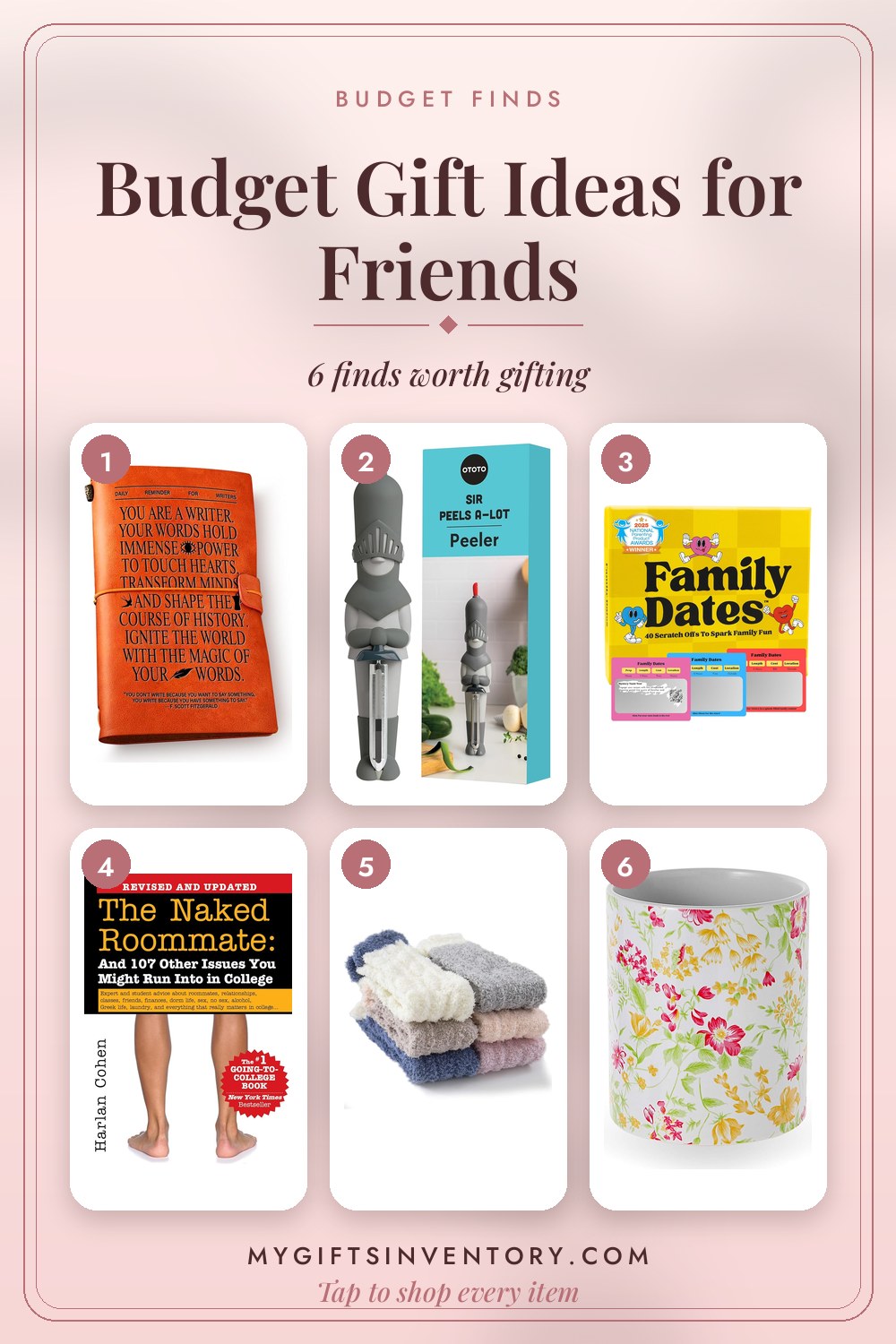
Want more ideas? Browse our full guide: 18 Holiday Gifts & Christmas Present Ideas Under $50 (2026): Thoughtful Picks for Everyone on Your List
Frequently Asked Questions
How early should I start holiday gift shopping?
Start building your list and setting per-person budgets in early October, and do the actual buying during the late November sales. That gives you the prices of Black Friday and Cyber Monday without the last-minute shipping risk of December. If you can only do one thing early, do the list, because everything else depends on knowing how many people you're buying for.
What's a reasonable holiday gift budget per person?
It depends entirely on your income, but a workable structure many households use is $100 to $300 on a partner, $40 to $75 on each parent or in-law, $25 to $50 on siblings, $15 to $30 on kids and friends' children, and $10 to $25 on coworkers, teachers, and neighbors. Add the total up before you shop, and don't forget travel, cards, postage, and hostess gifts when you do.
Is it rude to give someone a gift card?
No, and the "gift cards are impersonal" rule has been dead for years. A gift card to a place the recipient already shops or eats is a genuinely good gift. The situation to avoid is giving a card to somewhere they've never been, which just creates an errand. Match the card to something they actually do and include a short handwritten note so it doesn't feel like a default.
What should I do if someone gives me a gift and I didn't get them one?
Accept it warmly, thank them, and don't make a big deal about the imbalance. Then send something in January with a note that says you wanted to pick the right thing rather than grab something. Keeping two or three small, generic wrapped gifts on hand during December is the simplest way to avoid the situation in the first place.
When should I ship gifts to arrive before Christmas?
For anything going out of state, aim to have it in the mail by December 12. After that, order from the retailer and ship directly to the recipient with expedited delivery rather than shipping to yourself first. Shipping to yourself and then re-shipping doubles the transit time and is the most common reason gifts arrive after the holiday.
How do I stop holiday gift spending from getting out of control?
Assign a dollar amount to each name on your list and add it up before you buy anything, then hold those caps when you shop. The two biggest budget leaks are buying for more people than you realized and upgrading each gift by "just a little" once you're in the store. A written list with numbers prevents both.
Looking for an Actual Gift Instead?
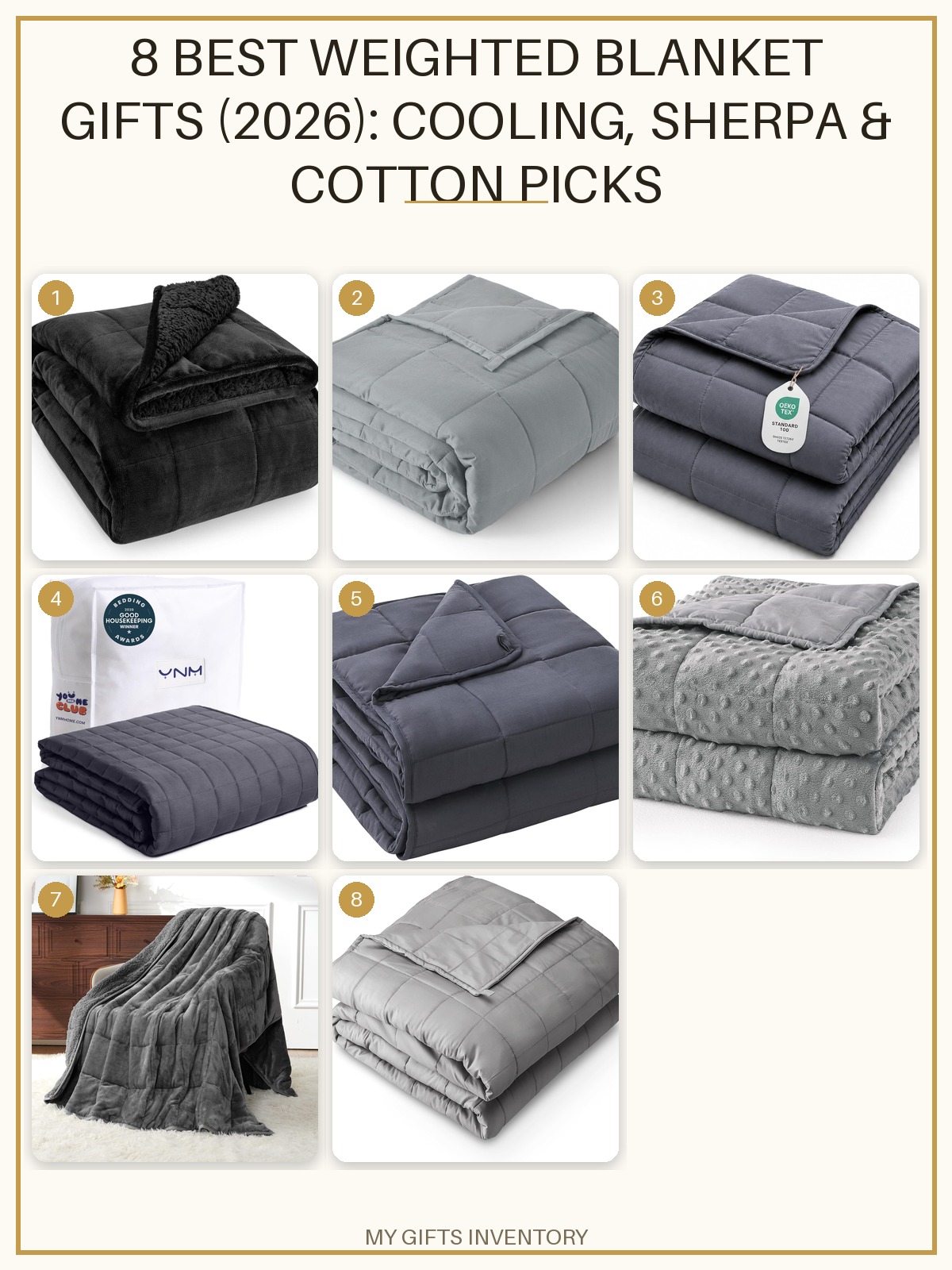
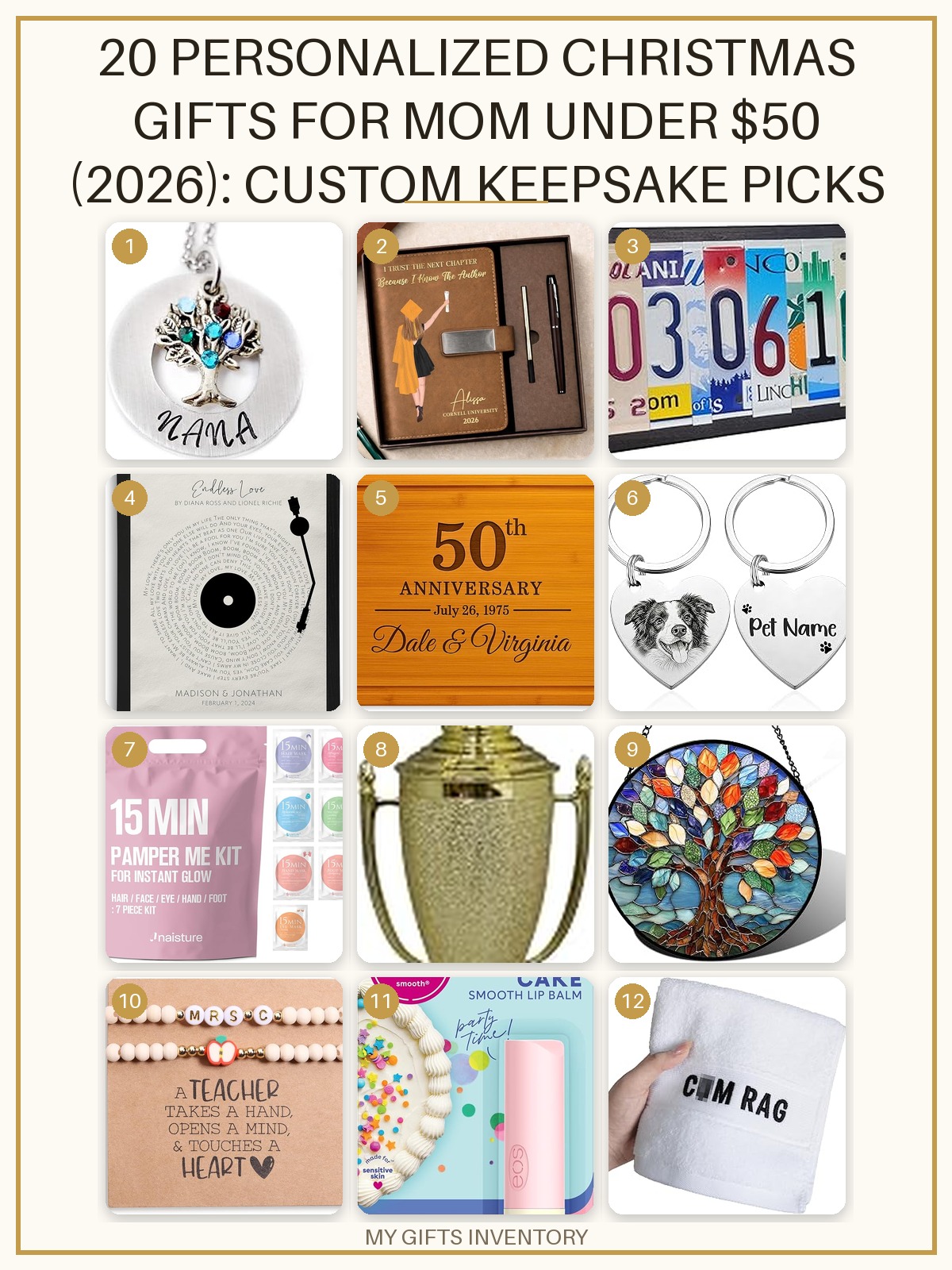
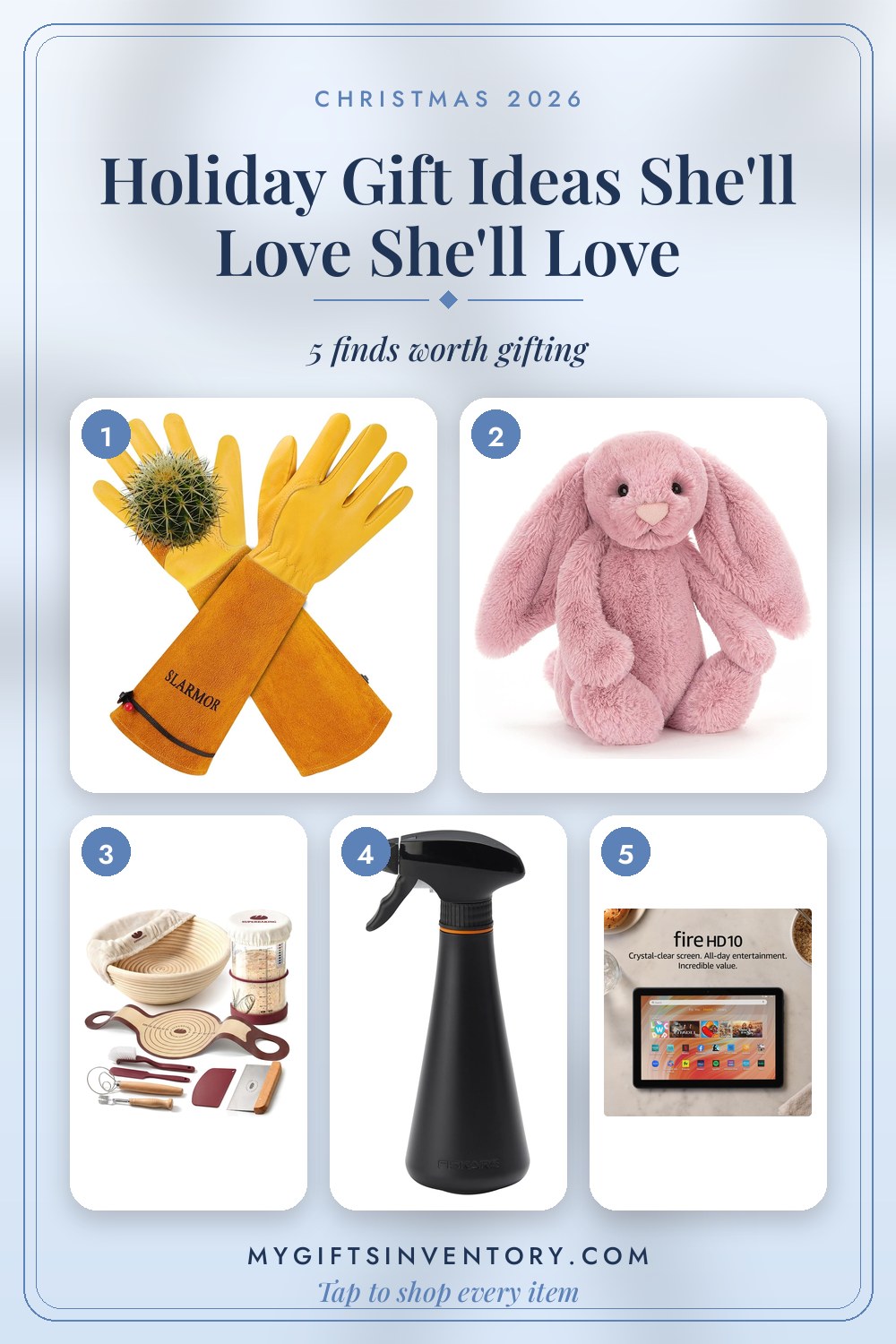
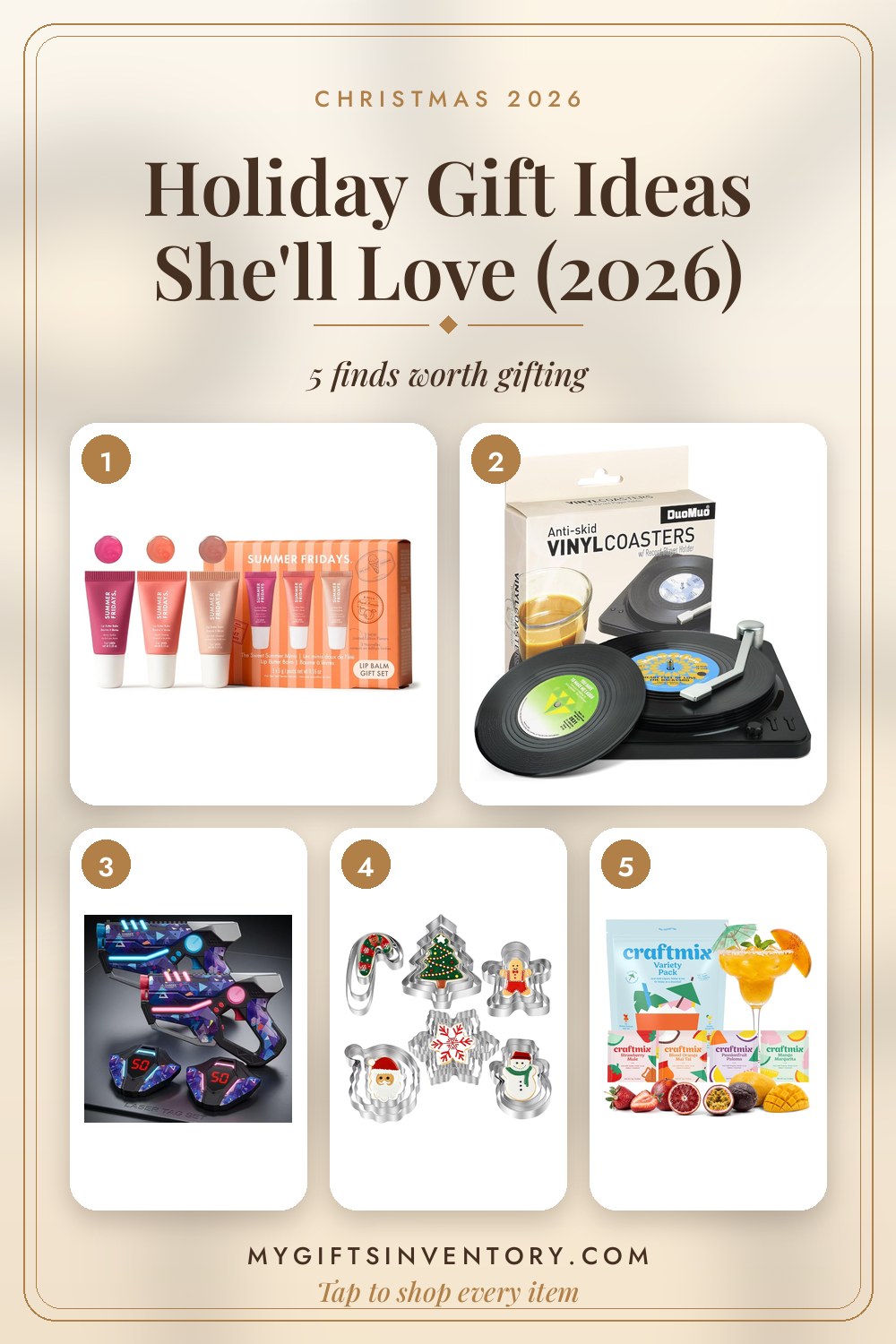
Shop Hand-Picked Gift Sets
Every item picked, priced and linked, ready to buy.
More Gift Advice