Gift tracker printable: what to track, what to write, and when to send
We use a simple printable gift tracker to prevent missed birthdays, double-buys, and last-minute card panic. Here is exactly what to include and how to use it week by week.

As an Amazon Associate, My Gifts Inventory earns from qualifying purchases. We only recommend products we'd genuinely consider buying ourselves.
We get why people search for a “gift tracker printable” right before shopping season, birthdays, or a busy stretch at work. The stress is rarely about the gift itself. It is the fear of forgetting someone, buying the same thing twice, losing the receipt, or staring at a blank card five minutes before you have to leave.
So we treat a gift tracker like the quiet backbone of the gift-giving process. Below is a practical way to use a printable tracker, what to record, and how to build in timelines so nothing slips.
What a gift tracker printable should do for you
When we are at our best, our tracker does three jobs: it prevents missed dates, it keeps purchasing details in one place, and it makes card writing and returns feel routine instead of chaotic.
One row per person, not per gift
We like a single table where each recipient gets their own row. Even if someone has multiple gifts, the row stays the “home base” for that person. That way, you can look up their occasion, budget, gift decisions, and follow-ups in seconds.
Track both the decision and the logistics
A surprising number of gift problems are logistical. We recommend columns for:
- Recipient
- Occasion (birthday, anniversary, holiday, housewarming, etc.)
- Date due (the day you need it in hand)
- Budget (and optional “max spend”)
- Gift idea (short and specific)
- Where purchased (store or website name)
- Price paid
- Receipt location (email, envelope, drawer name)
- Return by date
- Gift status (idea chosen, bought, wrapped, card written, ready to deliver)
- Card message draft
- Gift type (wrapped item, gift card, experiences, consumables)
Printable gift tracker layout we recommend
If we were building our own printable, we would keep the design simple enough that it works in a kitchen, on a couch, and at the kitchen counter while you wrap.
Section 1: “At-a-glance” planning
Start with a small top box on the printable called “This week’s priorities.” We use checkboxes for things like:
- Card drafting
- Final shopping
- Pickup or delivery tracking
- Wrap night
- Receipt capture
That reduces decision fatigue. When you open the printable, your brain already knows what to do next.
Section 2: The tracker table
Use a grid with enough room to write short notes. We do not want full paragraphs here. Think “keywords that jog your memory.” Example: “Kitchen gadgets for Sara” is not enough. “Food storage upgrade set, silicone lids” is better.
Section 3: A separate page for gift cards
If you plan to give gift cards, we suggest one extra mini-table just for them. Gift cards are easy to forget because they feel “instant.” Our rule: if it is a gift card, we still track it with the brand and balance check notes.
If you are thinking about convenience stores, grocery, or big-box options, our brand-specific guides help you decide where to buy and what to expect for fees and logistics. For example, we often point readers to Gift Cards at Walmart: The Complete List of Brands, Fees & Where to Buy (2026) when they want one place to compare options.
Budgets that actually work in a tracker
Budgets are where people either thrive or spiral. Our favorite budget approach is to set a target number and a max number so you can adjust without guilt.
Use a 3-tier budget per person
- Target: what you want to spend
- Max: the ceiling
- Backup (optional): a smaller plan if something changes
How to budget by relationship (simple, not rigid)
We do not like pretending every relationship is the same. But we do like a default that keeps us from overspending without thinking.
- Close family: plan for your target
- Friends: plan target, keep max flexible
- Acquaintances and coworkers: set a firm max and stick to it
- “Multiple small gifts” people: cap the total, then split into smaller items
If you need quick ideas under common budgets
Sometimes the budget question is really a “What should I buy?” question. If you want inspiration in the tracker stage, we like using curated idea lists to get unstuck without turning shopping into a long research rabbit hole. For instance, you might start with 20 Gift Ideas for Gift Baskets Under $50 (2026) if you know you want something giftable but not complicated.
Timelines: the dates that keep gift giving from unraveling
We are all capable of chaos. The point of a tracker is to schedule around your real life: work deadlines, shipping delays, and the fact that you cannot wrap at the last second if you also have dinner plans.
A reliable “no panic” timeline (use this year-round)
- 6-4 weeks before: decide recipients, pick gift types, and set budgets. Record your top two options if you are unsure.
- 3-2 weeks before: buy gifts or place orders. Add return deadlines to the tracker immediately.
- 1 week before: wrap and finalize cards. Write card messages into the tracker first.
- Delivery or event week: do a “ready to go” sweep: gifts wrapped, card signed, receipts stored, gift cards added with one note.
When shipping might be the risk
If you are buying online or expecting delivery, we add an extra buffer by using the tracker’s “due date” as the day you need the gift in hand, not the day the recipient gets it. For example: if you need it at a party on Saturday, we aim to have it by Thursday afternoon. That gives us time to troubleshoot.
What to write in the card (with examples we would actually send)
Card wording is where our brains want to overthink. The tracker helps because you draft the message once, then copy or personalize it quickly when it is time to sign.
Our card message formula
- Warm opening (a short line that fits the relationship)
- Specific detail (one sentence about what you admire, remember, or appreciate)
- Good wish (a forward-looking line tied to the occasion)
- If needed: mention the gift briefly without sounding like you are apologizing
Examples by relationship and occasion
Birthday (friend)
“Happy birthday, Maya! I love how you always show up for the people you care about. I hope this year brings you the kind of fun and calm you deserve. So excited to celebrate you.”
Anniversary (partner)
“Happy anniversary. I am grateful for the way we keep choosing each other, even in the busy seasons. Thank you for being my team and my favorite person. I hope today is full of warmth and a little laughter.”
Housewarming (new neighbors)
“Congratulations on your new place! I hope your home fills up with good routines and comfortable memories fast. Wishing you an easy first month and a lot of cozy nights in.”
Holiday (coworker, neutral tone)
“Wishing you a restful holiday season and a great start to the new year. It has been a pleasure working with you this year. Thank you.”
Gift card note (direct, not awkward)
“I hope you pick something you really love. Thinking of you and wishing you a wonderful day. Love,”
Wrapping and labeling: simple systems that prevent last-minute mistakes
Wrapping is where we see the same mistake repeated: the gift is wrapped, but you have no idea who it is for when the chaos hits. Our tracker fixes this with labeling rules.
Use a “label first” method
Before wrapping, write the recipient’s name on a small tag or on the outside of the wrapping paper (light pencil mark works too). Then, after you tape it closed, confirm the recipient matches the tracker row.
Label card and receipt separately
We keep two items together for each person:
- The card (signed, if possible)
- The receipt note (a folded paper with the purchase date and return location, or a copy of the email confirmation)
This makes returns less painful and also helps when someone asks, “Where did you get this?”
Registries and substitutions without awkwardness
Registries are meant to reduce uncertainty, but they can create their own stress if you do not plan your “what if.” We recommend recording what you bought and, if applicable, what you did when your first choice was unavailable.
If you are shopping from a registry
- Record the item name and the store or website used.
- Record the expected delivery date.
- Record the receipt location.
If something is out of stock
In the tracker row, write a quick note like “Subbed: similar size, same color theme.” If you end up needing to explain your choice later, you will be glad you wrote it down in advance.
If you are unsure where a gift might go over well, it can help to use a general gift-planning approach instead of hunting aimlessly. Our guide Choosing the Perfect Gift: Tips and Ideas for Every Person and Occasion is useful when you are in the early “decision” stage and need a way to narrow options.
Returns and receipts: how to keep your future self sane
Returns are not fun, but they are part of gift reality. The tracker is where you prevent “I think I bought it somewhere” moments.
What to record for every gift
- Store name and whether it was in-store or online
- Purchase date
- Receipt location (email, paper envelope, app order history screenshot)
- Return deadline as a date, not a vague timeframe
Gift cards and balance checks
Gift cards feel easy until you need to confirm they will work. If you are giving a specific brand, we recommend checking the balance as part of your wrapping workflow and writing it down in the tracker.
For example, if you bought a gift card from a major grocery retailer, you can use the balance-check page for that brand. We often send people to Kroger Gift Card Balance: How to Check It when they want a straightforward way to confirm the amount is still available before gifting.
Gift ideas are part of the plan, not a separate project
Even though this article is about the printable tracker, we know you still need to choose gifts. The trick is to make that decision process short and structured so it fits inside your timeline.
Use “gift types” to reduce decision fatigue
- Consumables: coffee, snacks, treats
- Usable home items: kitchen upgrades, small organizers
- Personal: monogram, custom message, a favorite theme
- Experience: tickets, classes, event passes
- Gift cards: used when you truly want flexibility
Once you decide the gift type for each person, the tracker keeps you on rails. You record the idea, the budget, and the due date. Then you move on with less mental clutter.
Make a simple “last week sweep” checklist
This is the step we love because it catches mistakes without blaming anyone. When you are within the final seven days of the event or delivery, do a sweep in the tracker for every recipient.
- Gift status: marked “bought” and “wrapped”
- Card status: card draft written and signed
- Receipt note: stored and easy to find
- Gift card note: balance checked and recorded
- Due date: gift due date is not just “sometime this week”
If you are also thinking about gift shopping options by store, you can combine the tracker approach with a quick reference guide for gift cards, like Gift Cards at Target: The Complete List of Brands, Fees & Where to Buy (2026), so you do not end up researching on the day you need the gift.

Frequently Asked Questions
Do I really need a gift tracker printable if I use my phone calendar?
Yes, because your calendar tracks dates, but your tracker tracks decisions and details. The printable is where you store budgets, gift ideas, purchase info, and card drafts so you can act quickly when something changes.
What information should I put on the tracker for gift cards?
Write the brand, the exact amount, the purchase date, and where you stored the confirmation. Add a short note like “balance checked on (date)” and record the result so you are not scrambling later.
How do we choose card wording without writing a different message for everyone from scratch?
Use templates and swap one or two specific lines. Draft a message in your tracker first, then personalize the detail that fits each person so every card feels thoughtful without taking hours.
How early should we buy gifts to avoid return and shipping problems?
Aim to purchase gifts 3 to 2 weeks before you need them in hand. That window usually gives you enough time for deliveries and return requests if a size, preference, or stock issue comes up.
What if we do not know the recipient’s preferences yet?
Start with a gift type that is easier to match to preferences, like consumables, a small usable home item, or a registry-based choice. In your tracker, note two backup options so you can pivot quickly when you learn more.
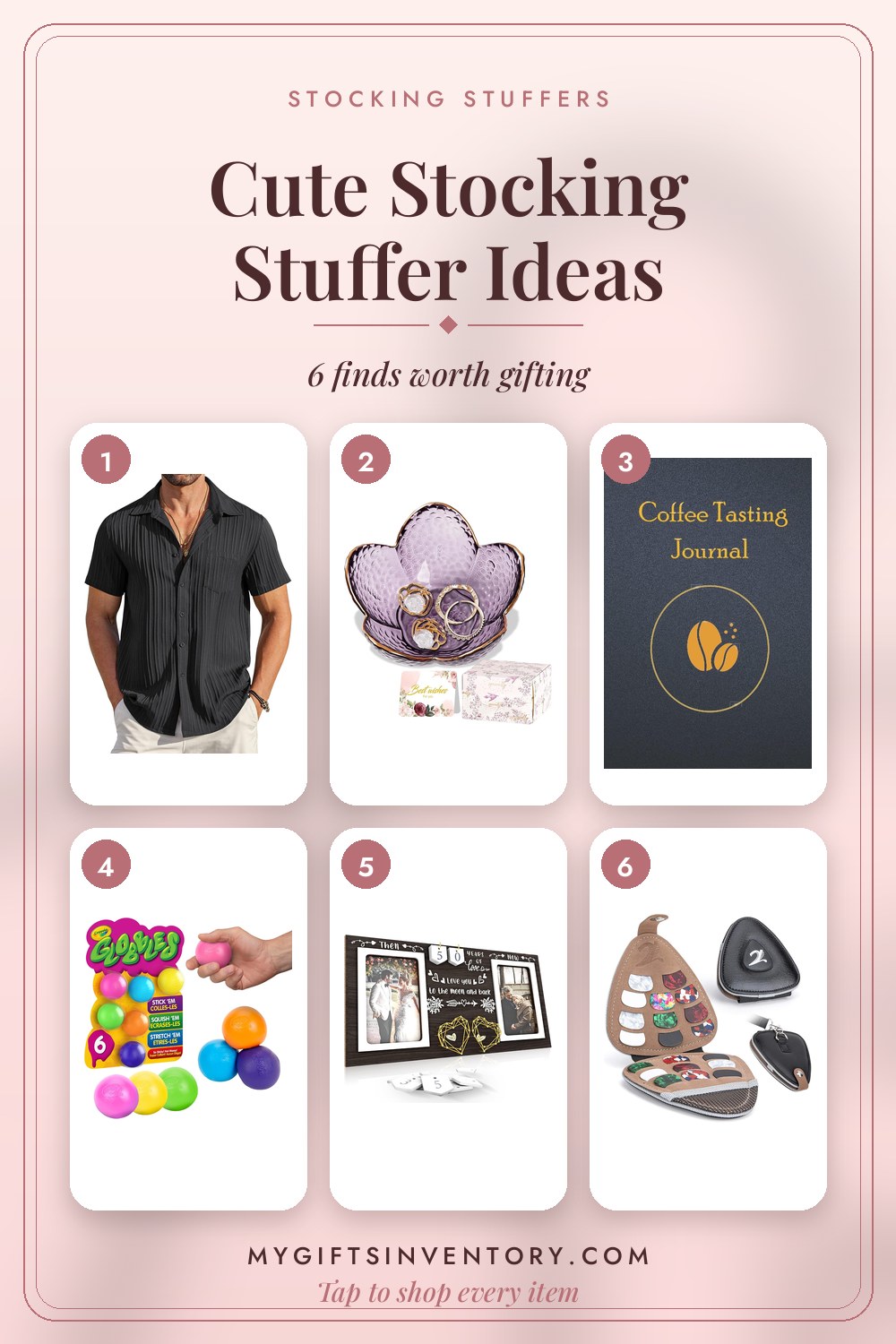
Looking for an Actual Gift Instead?
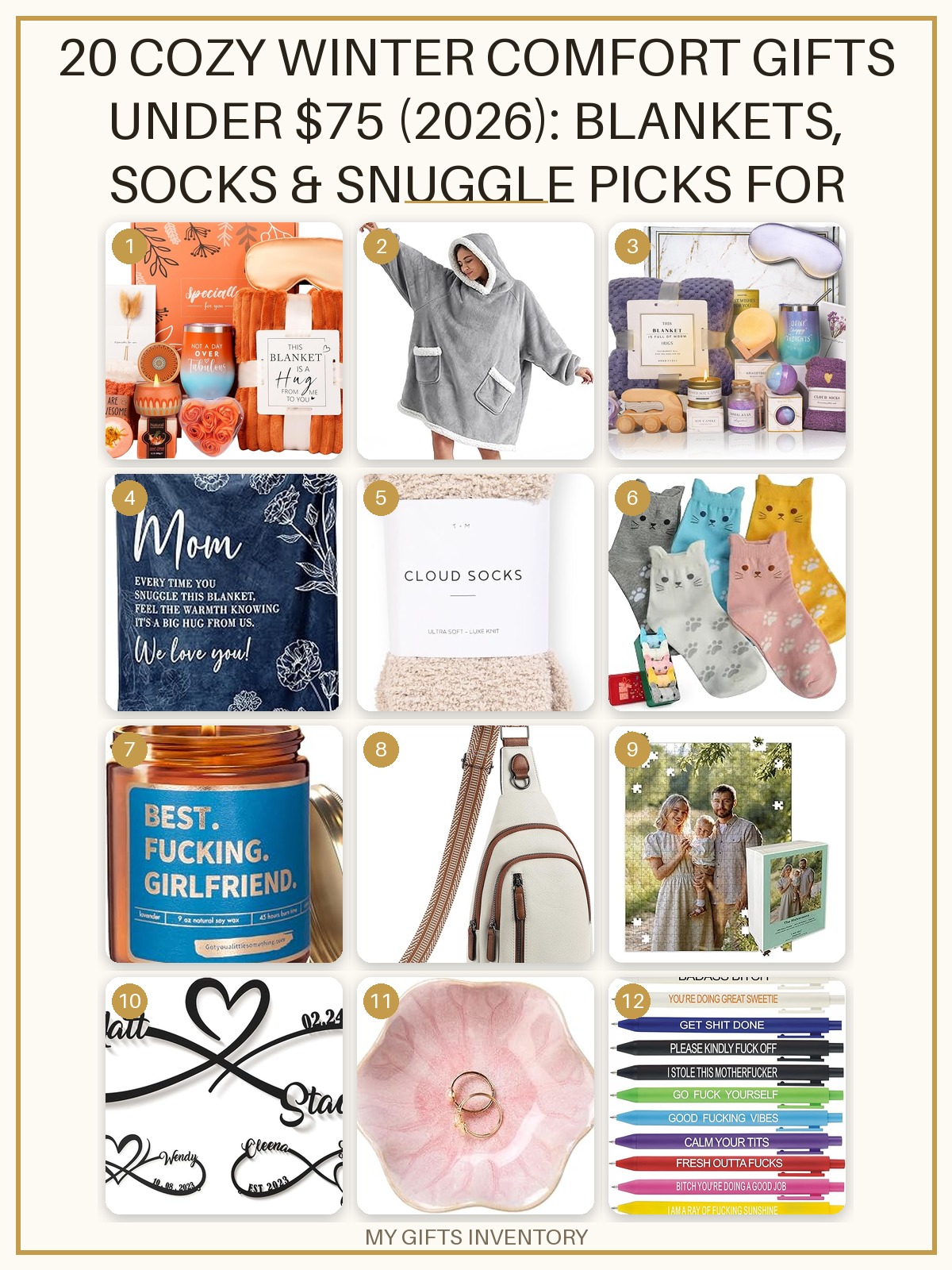
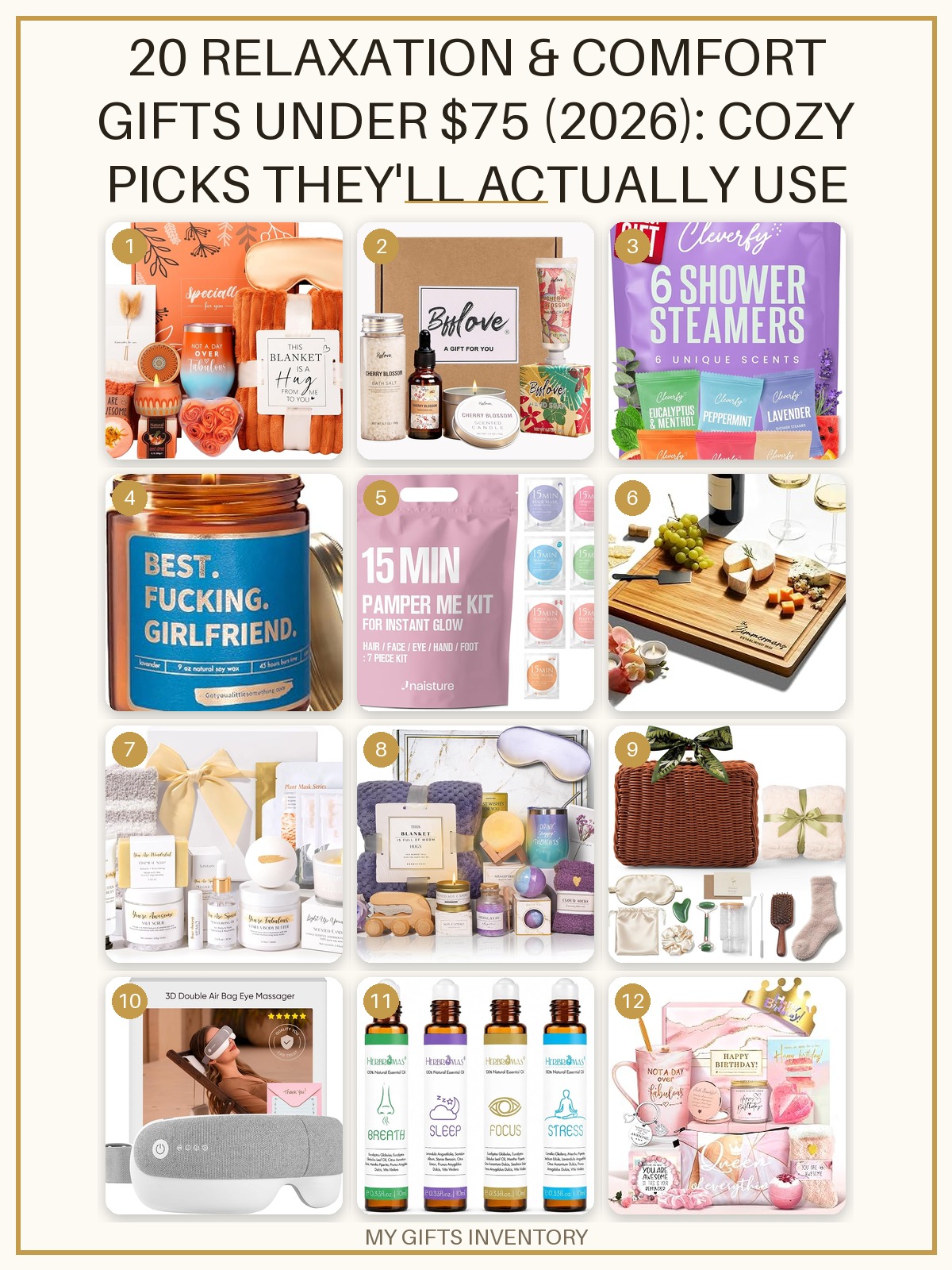
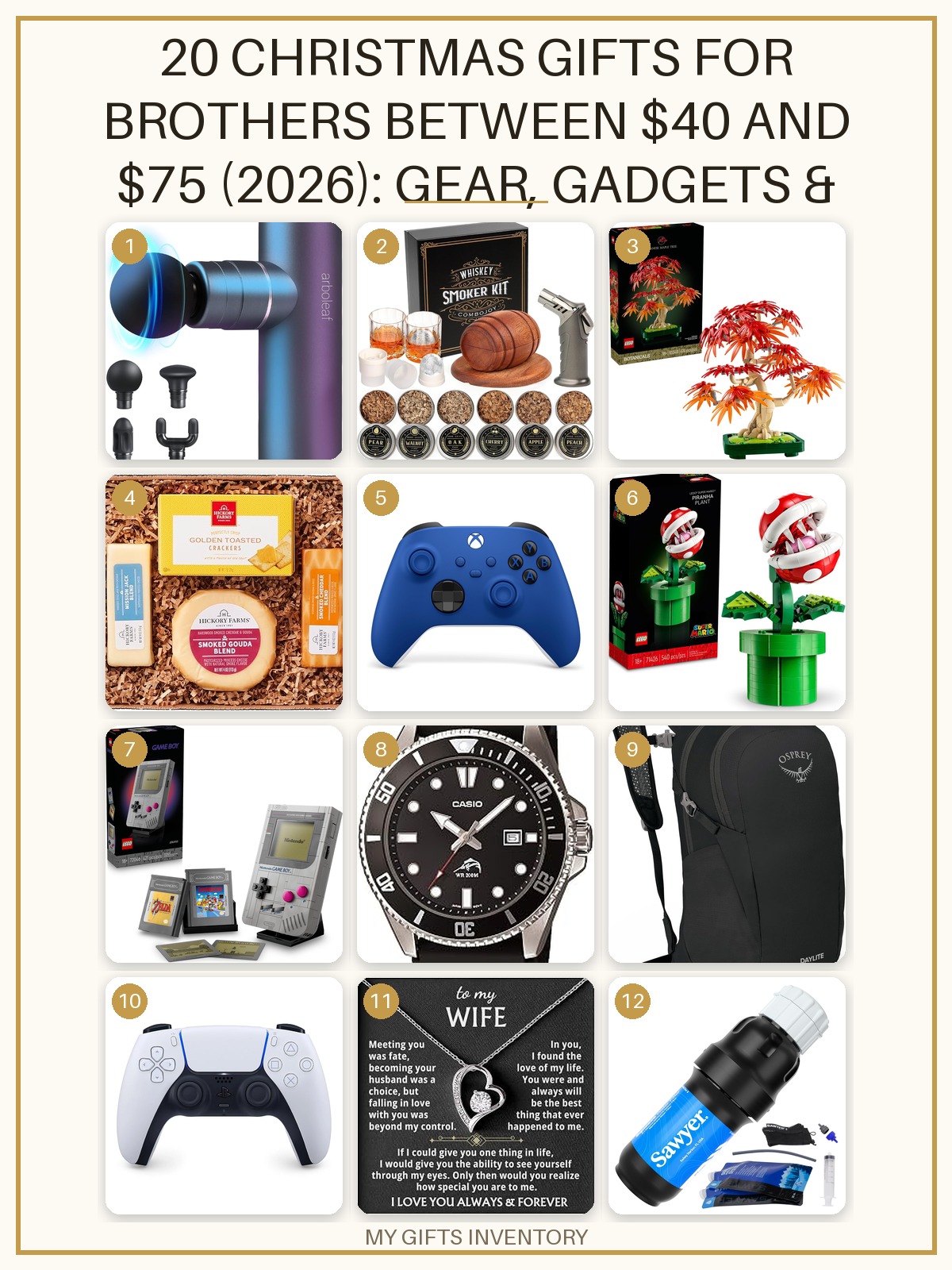
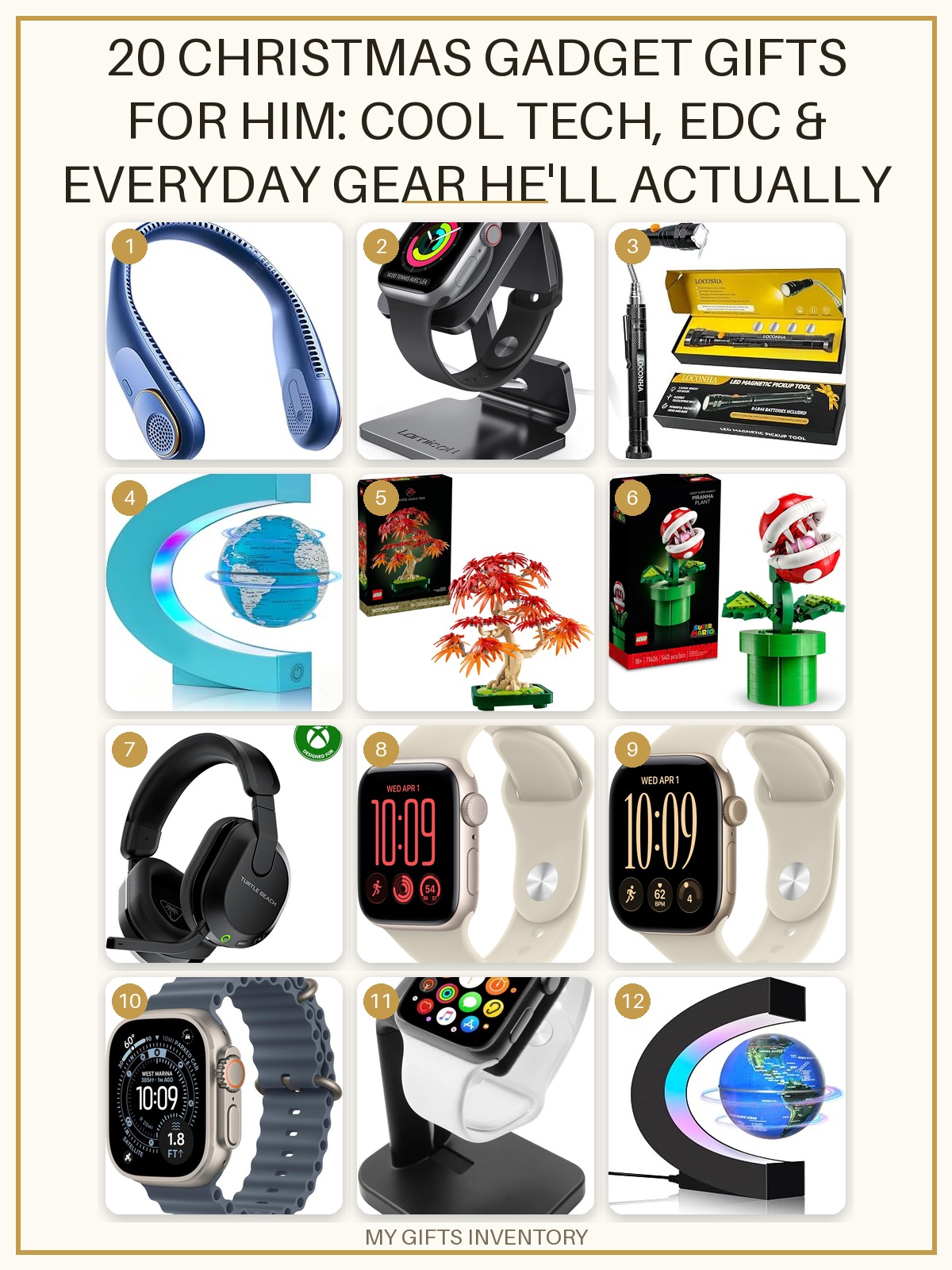
Gift Sets We Love Right Now
Every item picked, priced and linked, ready to buy.
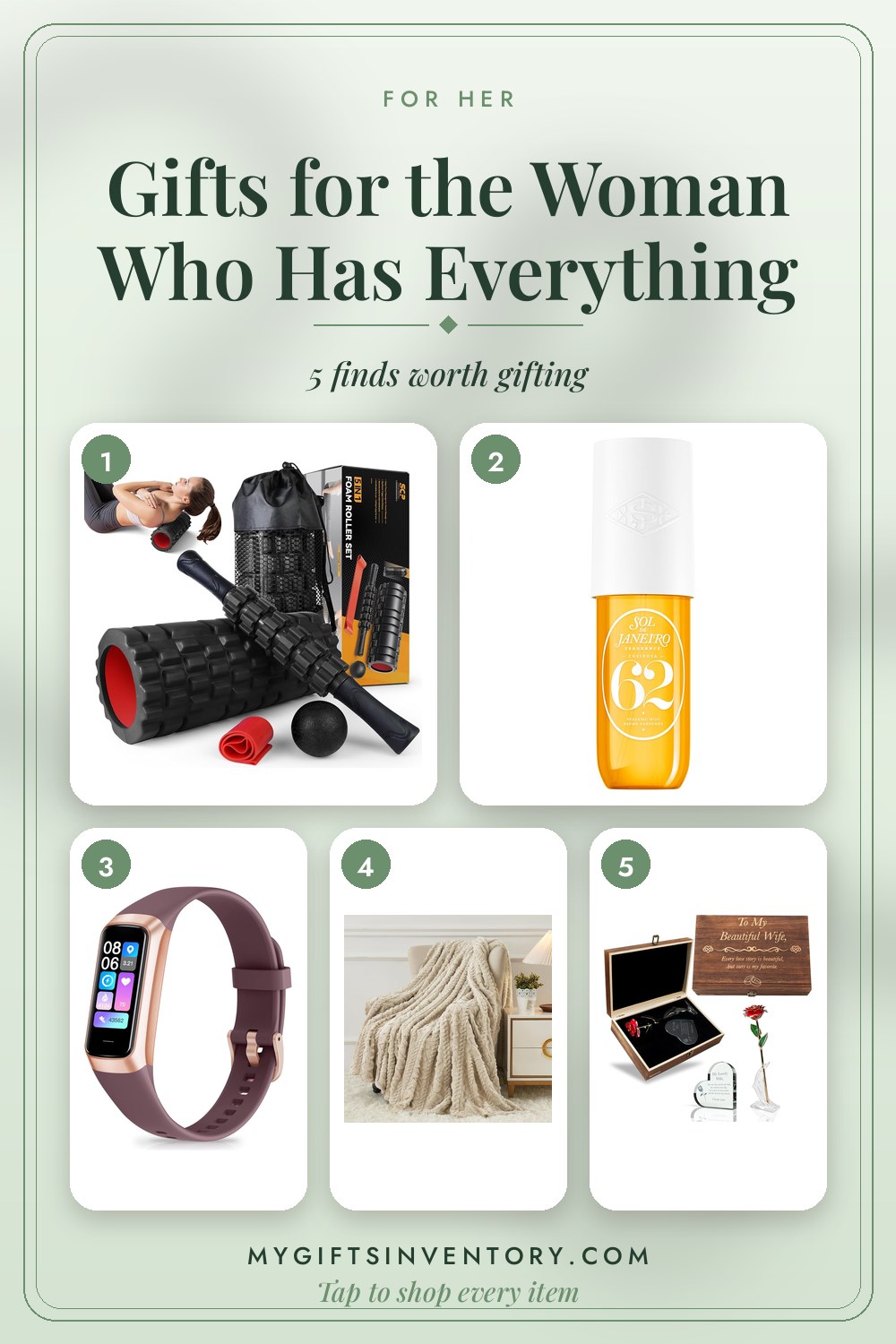
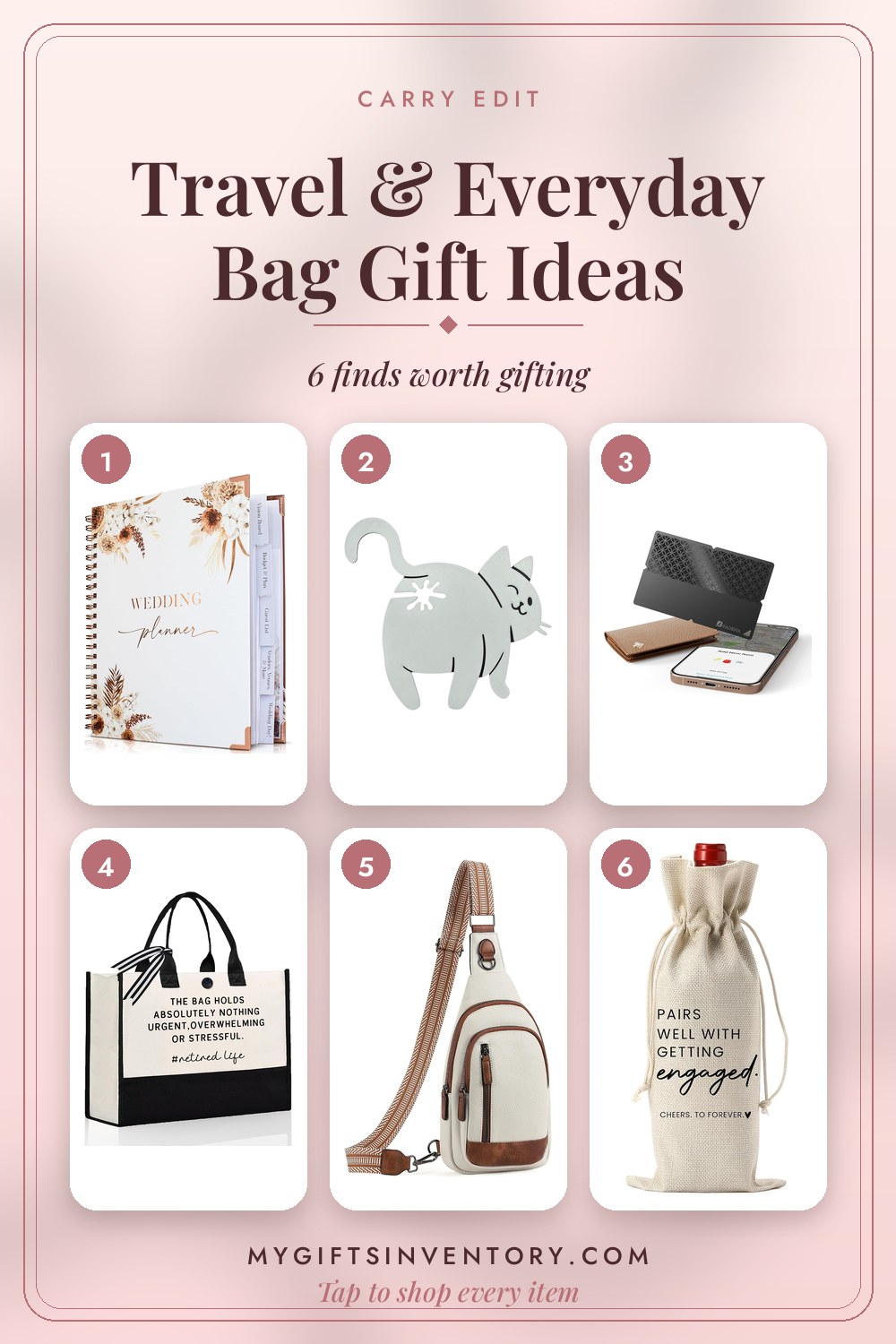
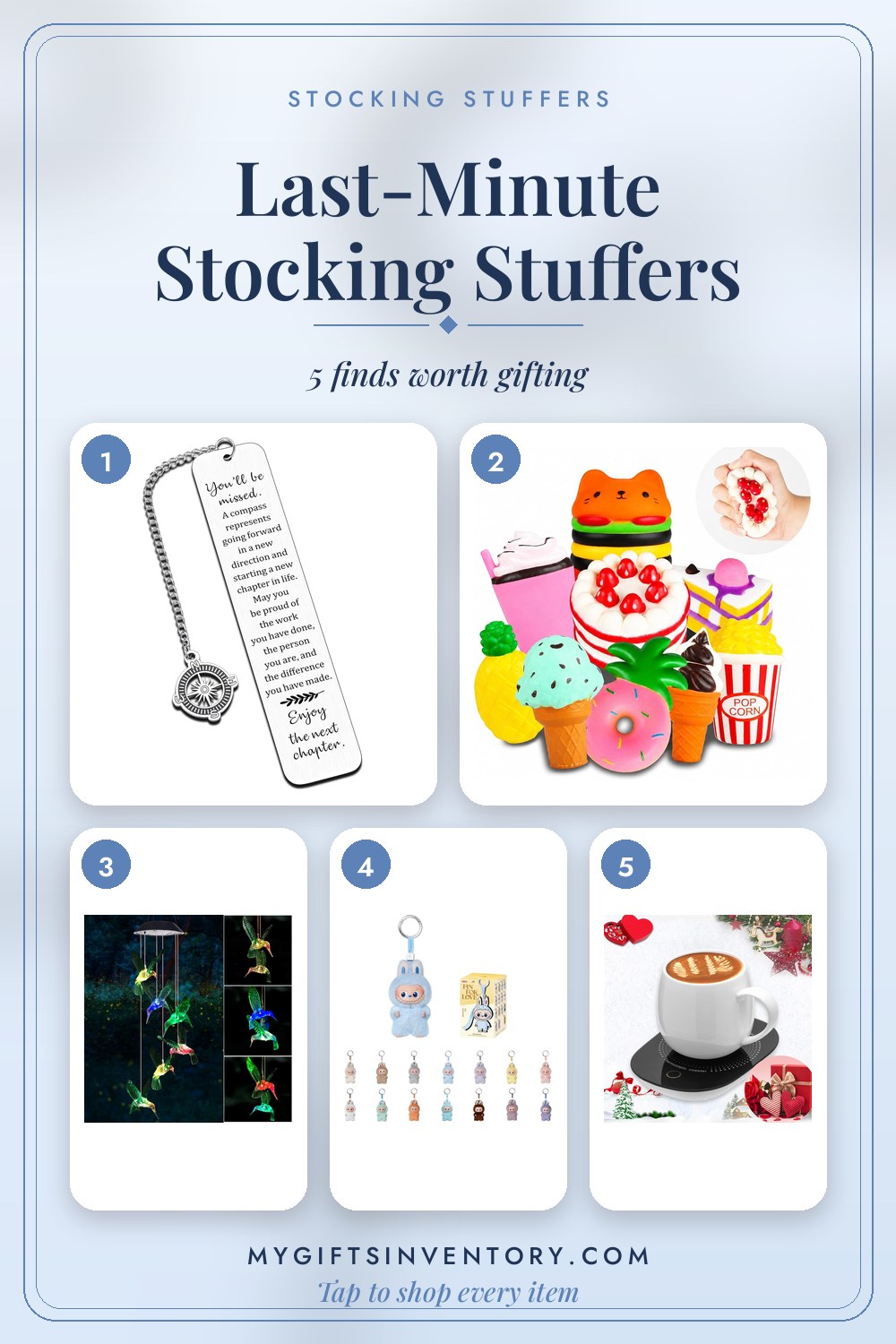
More Gift Advice