How to Remember What People Want (Gift Ideas Without Guessing)
We use a simple, low-effort system to capture hints, track sizes and preferences, and turn them into gifts that feel personal. No awkward follow-ups required.

As an Amazon Associate, My Gifts Inventory earns from qualifying purchases. We only recommend products we'd genuinely consider buying ourselves.
People search this because gift season can feel like a live memory test. We are not only trying to pick something nice, we are trying to get it right without making it weird or asking too many follow-up questions.
We use a method that turns “I love that” and “I have been meaning to…” into gifts that match the real want behind the words. It is part attention, part organization, and part etiquette.
Start with the goal: remember wishes, not just items
The fastest way to fail at remembering what people want is to record only objects. A book is not the want. A “cozy mystery series with a strong female lead” is the want. A perfume is not the want. “Vanilla-forward but not cloying, and I hate headache-y scents” is the want.
When we capture a wish correctly, the gift becomes easier even if the exact product changes. That is the whole point of tracking: you are building a personal preference profile you can shop from later.
Use a “want behind the words” note
Every time someone drops a hint, we write three quick pieces: the wish, the reason, and the constraint.
- Wish: “A rolling pin for sourdough.”
- Reason: “They want to bake more at home.”
- Constraint: “Small kitchen, limited storage” or “they already have a stand mixer.”
That constraint is what saves you from buying something that looks right but does not fit their reality.
Set up a tracking system that you will actually use
Most “gift tracking” advice fails because it is too complicated. We want something light enough to update in under 30 seconds, and stable enough that you can trust it later.
Keep one place for everyone’s wish notes
Pick a single home for notes. For us, it is less about the app and more about the habit. If the system lives in three different places, we stop trusting it and start re-guessing.
We recommend a structure like:
- Contact/Person: one entry per person
- Wish notes: bullet points you can add anytime
- Occasion: birthday, holiday, anniversary, thank-you
- Timing: “need by first week of May” or “sometime before December”
- Details: sizes, colors, brands, allergies, preferences
Tag notes so they do not get buried
We add simple tags like:
- Fit/Size: clothing, shoes, rings, watches
- Consumable: coffee, skincare, candles, wine accessories
- Try-it-first: experiences, restaurant choices
- Nice-to-have: low stakes gifts
- Priority: “they mentioned it twice” or “they were excited”
This keeps us from overthinking everything the same way. Size and fit notes need earlier confirmation than a mug or a book.
How we remember what people want (without being creepy)
The truth is: people want you to pay attention. The trick is to make that attention feel normal and supportive, not interrogative.
Listen for three “giftable” kinds of hints
When someone talks, we try to identify what kind of hint they are giving.
- Capability hints: “I wish I had…” or “I keep forgetting…” (they want something that fixes a pain point)
- Preference hints: “I love the smell of…” or “I only wear…” (they want to feel understood)
- Future plans: “Next month I am starting…” (you have timing to work with)
Capability and preference hints are the easiest to shop for. Future plans are the ones that need timeline notes so you can buy at the right moment.
Save quote-level wording for cards and conversation
If someone says, “I have been looking for something for my desk that does not take over the whole room,” we save that phrasing. It becomes usable later, not just a shopping clue. It also makes your gift feel like it was chosen for them, not for a demographic.
This is also where we lean on real gift ideas you can adapt to a want. If we know they love calm routines, we might start from a wellness direction like the kind of options we cover in 20 Gift Ideas for Self-Care & Spa Gift Sets Under $50 (2026). But the tracking system tells us which specific “type” of self-care matches their life.
Remember details that change what the gift means
Two people can both “want kitchen stuff,” but one wants tools for everyday quick meals and the other wants baking confidence. If you track the wrong level of detail, you will remember “kitchen” and still miss.
Track sizes and “fit logic” early
If they mention clothing, shoes, rings, or watches, we treat that as a category that needs early confirmation. We never wait until the last minute because returns and exchanges are harder the closer you get to the date.
We note:
- Actual size they said
- What size they buy even if it is different from the tag
- Brand preferences, if they name them
- Fit preference like “slim,” “oversized,” or “not tight at the wrists”
Track lifestyle constraints
Constraints are where “thoughtful” becomes “perfect.” Examples we write down:
- Storage limits: “tiny apartment,” “small closet”
- Allergies and sensitivities
- Noise sensitivity: “needs quiet”
- Commute constraints: “loves podcasts but only on long drives”
- Schedule: “they only have time on Sundays”
If we know a constraint, we can choose better even when we pivot at the last minute.
Use budgets to remember what they can say “yes” to
We do not just remember wishes. We also remember what is reasonable to spend for that person and occasion. A gift can be exactly right and still feel disappointing if it clashes with their expectations.
Build “budget bands” by relationship
Instead of one number, we use bands. For example:
- Friend: $25 to $60 for most occasions
- Close friend or partner: $60 to $150 if it is a birthday or major holiday
- Parent or sibling: $50 to $120 depending on how personalized you go
- Casual coworker: $15 to $35
These are starting points. The point is that you can shop within a band when the exact item is unavailable. That is how you remember what they want without panicking.
When you should consider a gift card (and how to do it right)
Sometimes the want is too changeable. A person might be rebuilding their home, starting a new hobby with unknown equipment, or simply tired of guessing. In those cases, we treat a gift card as a choice tool, not a cop-out.
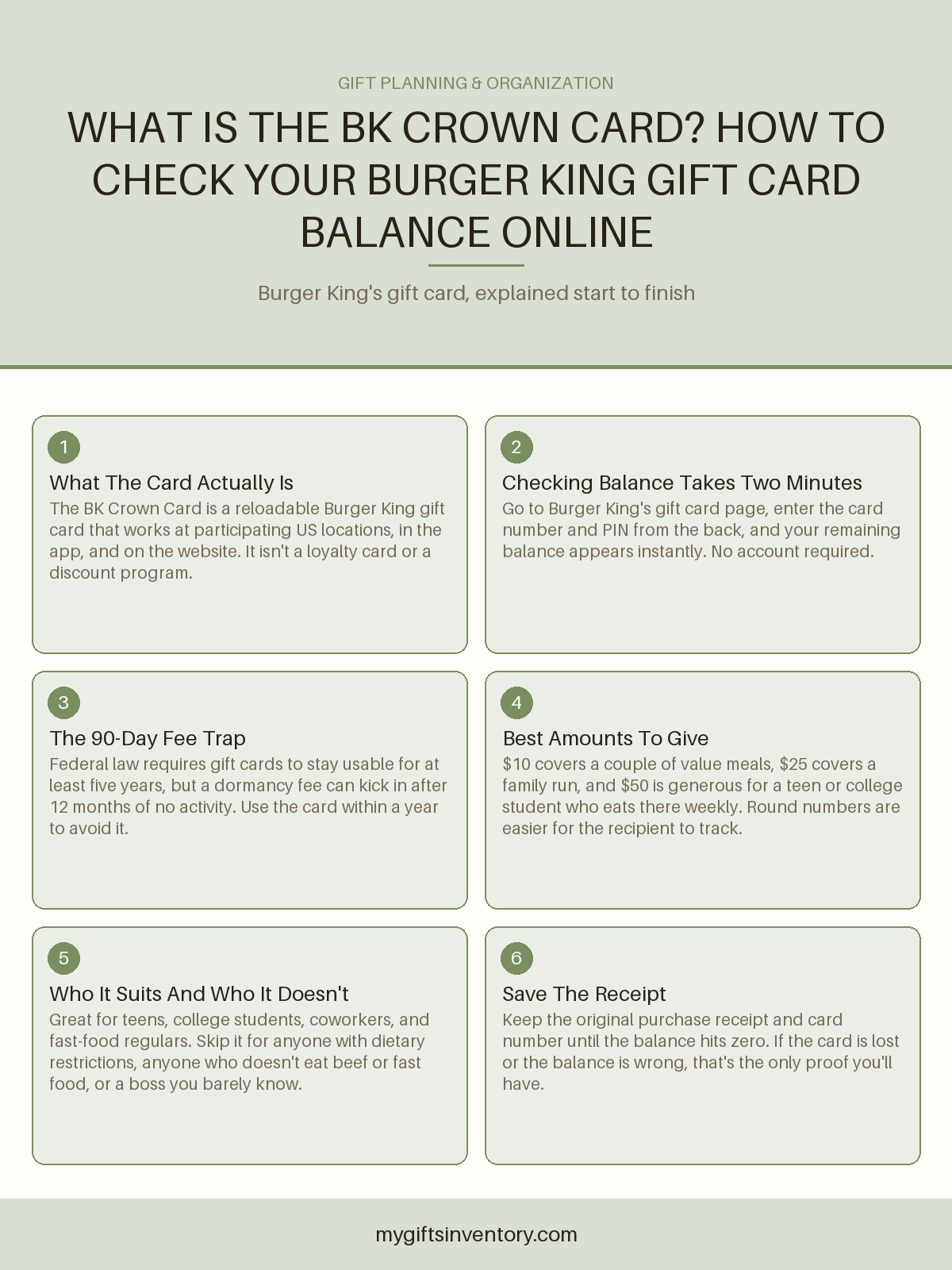
We remember what kind of store fits their life. If your recipient already buys groceries at a specific chain, a card there can feel seamless. For example, we may follow up on local habits using guidance like Gift Cards at Kroger: The Complete List of Brands, Fees & Fuel Points (2026) or Gift Cards at Walmart: The Complete List of Brands, Fees & Where to Buy (2026). The “remember” part here is knowing where they already spend money calmly and regularly.
If we go this route, we also write the card message with care so it does not sound like we gave up.
Turn wish notes into real options during planning time
Remembering what people want is half the work. The other half is timing. We plan in waves so we are not relying on memory when we are also stressed.
Use a simple timeline that covers the whole year
Here is a planning rhythm that works for most households.
- 8 to 10 weeks before: capture or confirm wish notes for that occasion. Pull any “fit/size” items forward to the confirm stage.
- 4 to 6 weeks before: shortlist what you will buy. If you are ordering online, account for shipping and processing time.
- 1 to 2 weeks before: fill gaps with flexible choices like experiences, subscriptions, or gift cards when appropriate.
- Gift day: do not improvise the card. Draft the message earlier so you can write it clearly while you are calm.
Even if you do not follow this perfectly, the habit of thinking in windows keeps your wish notes from going stale.
Do a “confirmation pass” for anything time-sensitive
When something requires specific details, we confirm in a way that does not feel like we are dragging a confession out of them.
Examples of confirm questions that feel normal:
- “I found a couple options for that thing you mentioned. Do you prefer the smaller or the bigger one?”
- “Are you more of the daily version or the set-it-and-forget-it version?”
- “What size do you usually buy for that brand?”
We only ask questions for details that genuinely change the outcome. If the gift does not need a choice, we do not ask.
Card-message strategy: remember what they want emotionally
Even the best gift can fall flat if the card message misses the feeling behind the wish. We use card writing as a way to show we remembered the real person, not just their shopping list.
Choose one card “theme” per person
We do this before we write. Themes might be:
- Gratitude: “Thank you for how you show up.”
- Celebration: “You deserve a moment that feels like you.”
- Support: “I hope this makes your routine easier.”
- Excitement: “I cannot wait for you to use this.”
Then we connect the gift to their real want using one sentence from your wish notes.
Example card wording for common “remembered” wants
- If they wanted a practical upgrade: “You mentioned wanting something that makes your mornings smoother, so we picked this with your routine in mind. Hope it turns your ‘someday’ into ‘done.’”
- If they wanted comfort or calm: “When you talked about needing a more relaxing reset, it clicked. This is our small way of cheering for your quiet time.”
- If they wanted a hobby tool: “You have been so excited about getting into this, and we wanted to help you start right. Can’t wait to hear what you make with it.”
- If you used a gift card: “We wanted to give you the freedom to pick exactly what you want. Use it whenever it feels fun, and let us know what you choose.”
A quick wrapping note that signals you paid attention
Wrapping is not just decoration. If we wrapped with a theme related to their hint, it reinforces remembering.
Examples:
- If they mentioned being desk-bound, we add a note like “For your desk era” on a small tag.
- If they like cooking, we tie it with a kitchen-specific ribbon or add a recipe card from a favorite family-style meal.
- If they are into self-care, we choose calming colors and keep the inside tissue simple and clean.
How to pivot when you cannot find the exact thing they wanted
Sometimes you remember the want but the product you pictured is out of stock, too expensive, or just not available in time. This is where your wish notes save you.
Pivot by matching the “want category,” not the object
We ask: What did they actually want to feel or solve?
- If they wanted less clutter, choose something that reduces steps or storage, not another decorative item.
- If they wanted confidence, choose something that helps them practice or learn.
- If they wanted a treat, choose something with a similar “ritual” (same time of day, same vibe, similar intensity).
If you are shopping within a theme, we also keep ideas in our back pocket. For example, if their hint was “a little luxury,” you can shape your pick around a price range like 15 Luxury Gifts Worth the Splurge: Best Picks Over $150 (2026) and then match the specific preference from your notes.
When you should return or exchange
Our rule is simple: if the gift needs a size, fit, or specific choice, plan for exchange before it becomes a scramble. If your timeline is tight, do a confirmation pass early so you are less likely to need it.
We also remember that returns are easier when you kept packaging and you know the retailer’s return policy rules in advance. (If you are offering a gift card because you cannot confirm, that is also a way to avoid the return problem entirely.)

Frequently Asked Questions
How can we remember what people want without taking notes all the time?
We use “capture moments” instead of constant writing. The moment someone mentions a wish, we jot one short line with the context, then we clean it up later in one session.
Is it okay to ask follow-up questions about what someone wants?
Yes, if you ask early and in a way that gives them an easy choice. We like questions that sound like help, such as “Do you prefer the smaller or the bigger version?” and we only ask when the details genuinely affect the outcome.
What if we only remember a vague hint, like “they like cozy stuff”?
We translate vague hints into a preference profile. Cozy usually means comfort, soothing colors or scents, and lower effort routines, so we look for gifts that match that emotional category rather than a single item.
How do we handle remembering what people want when we give a gift card?
We remember the store or category they already use, so it feels like a tailored convenience. Then we write a card message that focuses on intention, like giving them freedom to pick what they truly want.
What is the best way to remember sizes and avoid mistakes?
We treat size and fit as an early-confirm category, not a last-minute guess. We capture the exact size they said, note brand preferences, and confirm anything that can change based on fit around the time we shop.
Looking for an Actual Gift Instead?
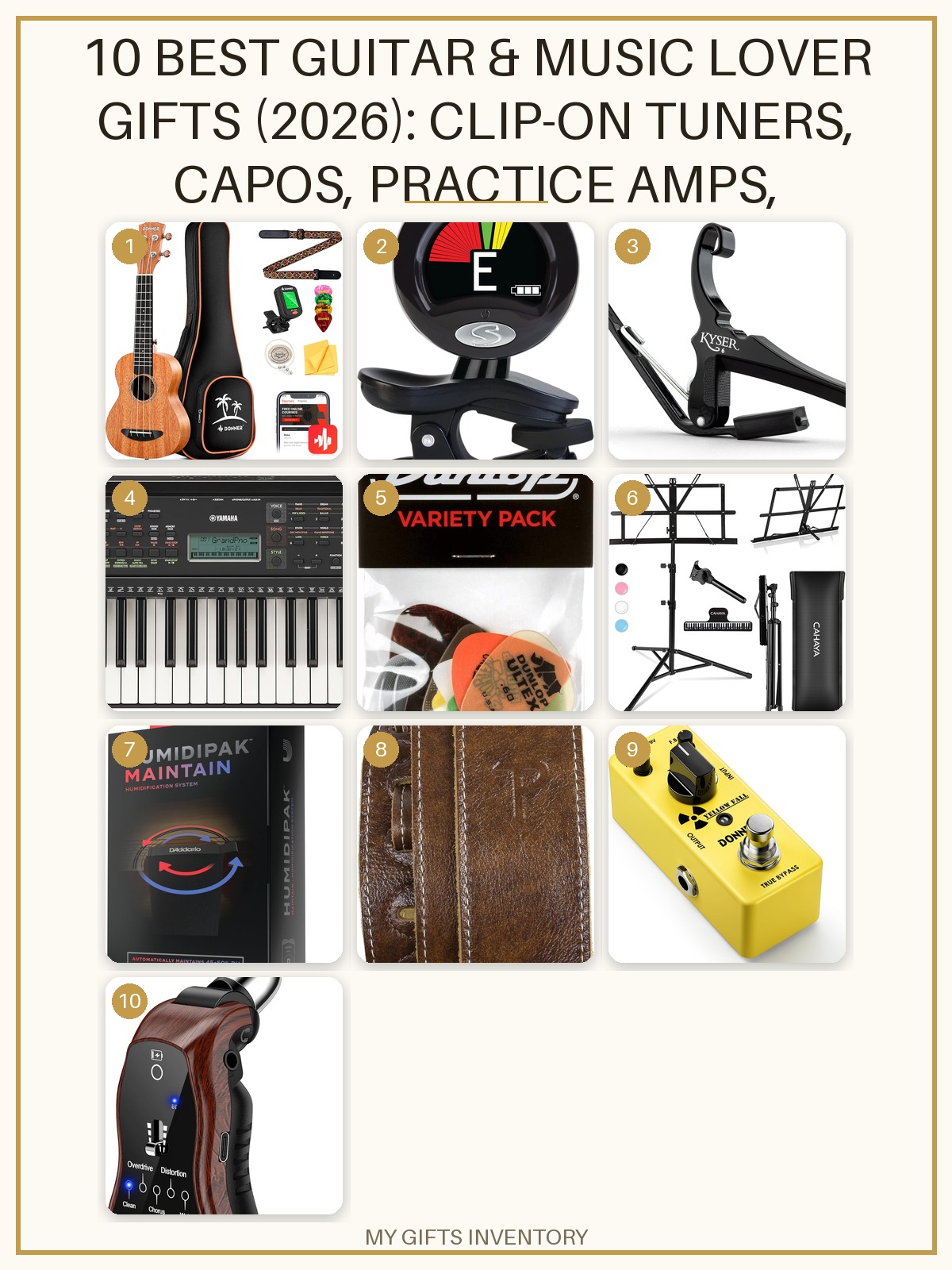
Gift Sets We Love Right Now
Every item picked, priced and linked, ready to buy.
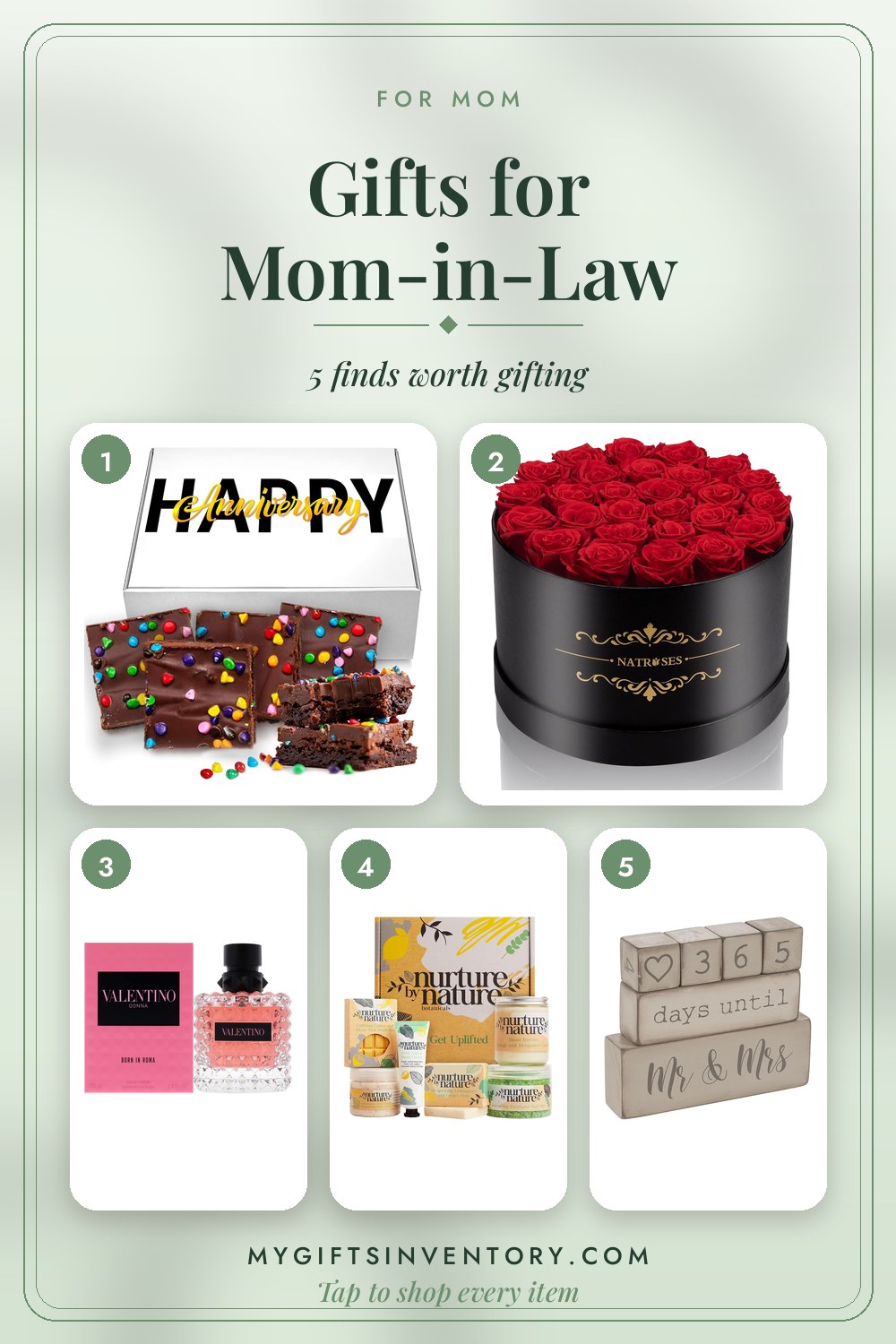
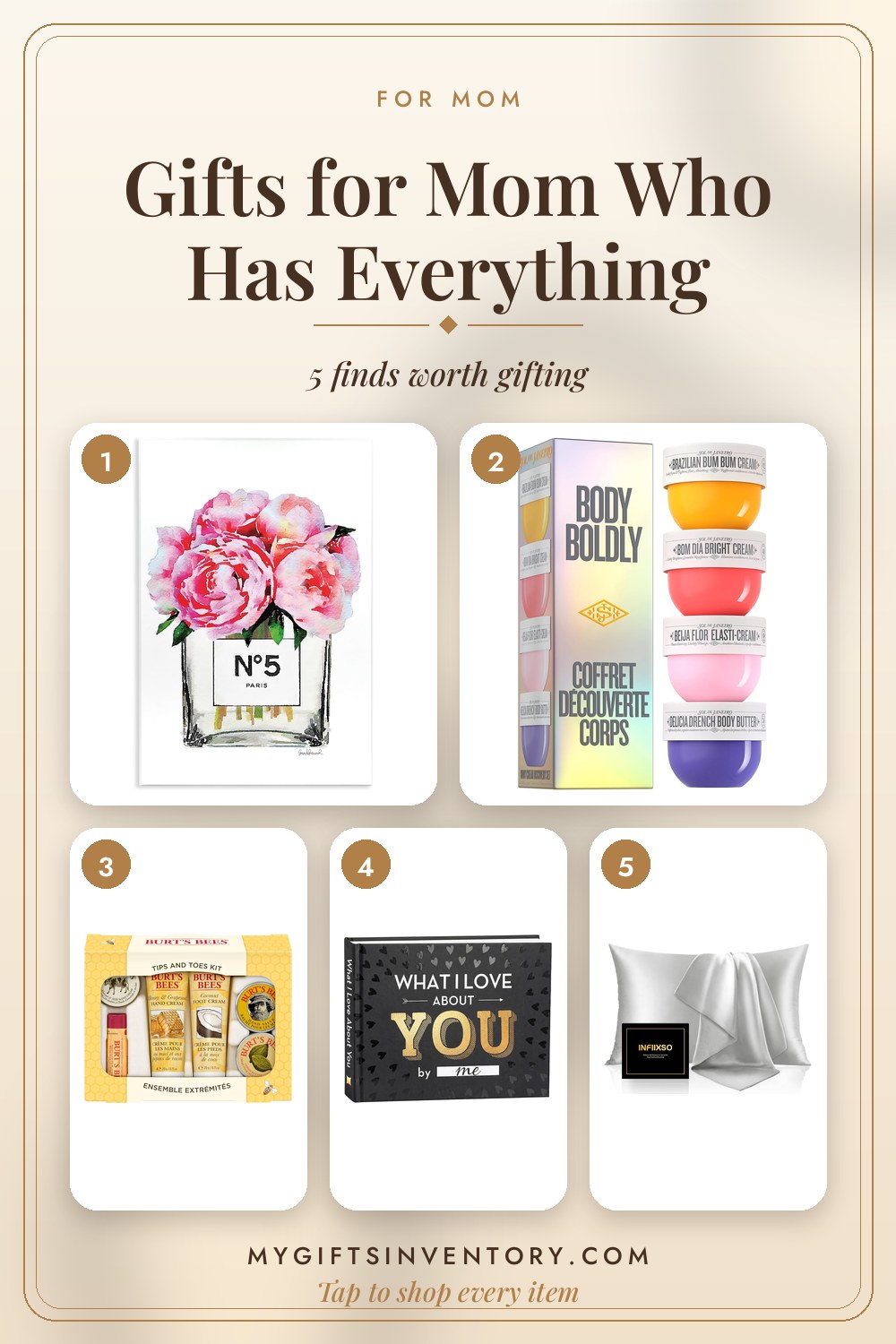
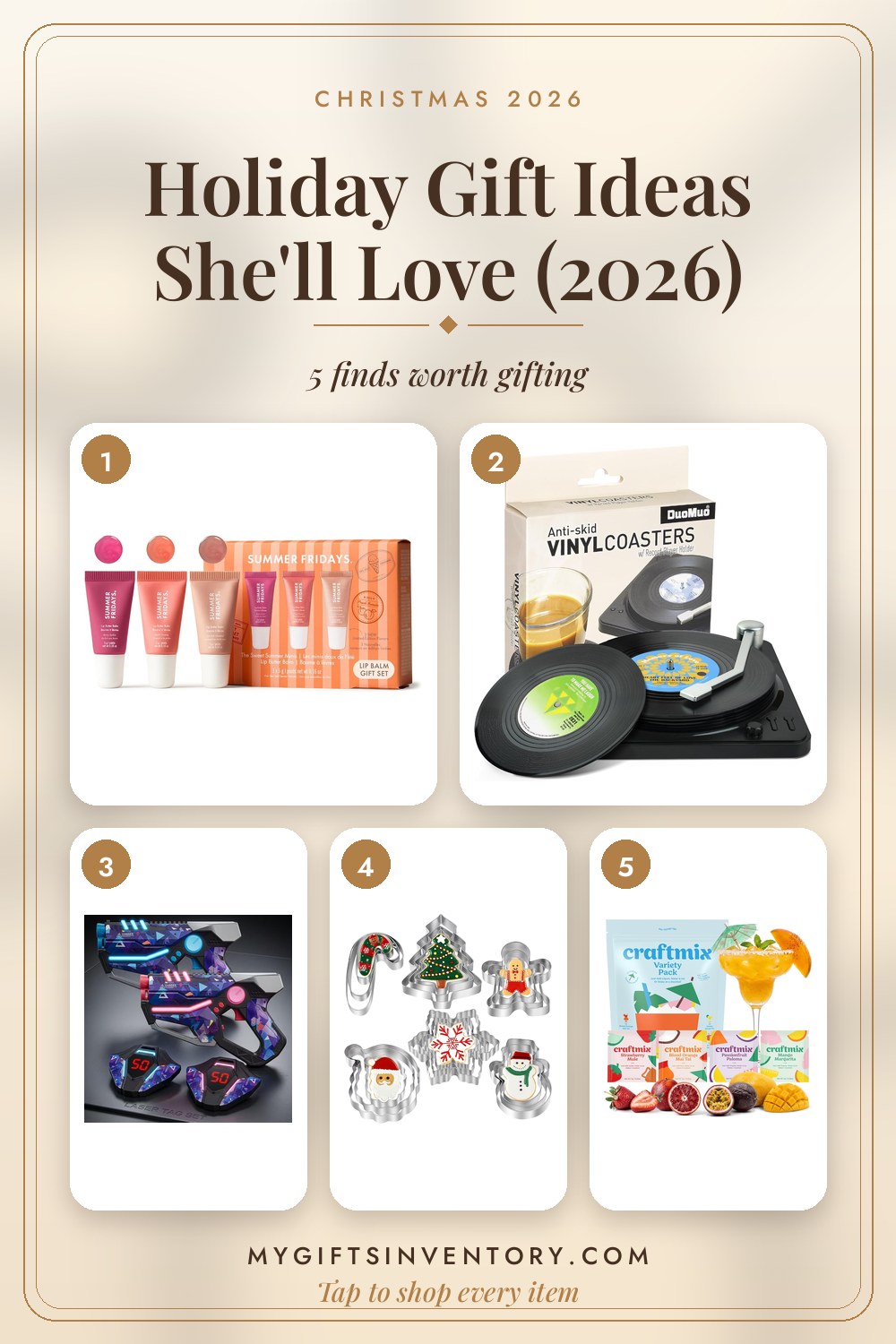
More Gift Advice