How to Wrap a Gift Without Tape (Folds, Fabric, and Ribbon Tricks That Actually Hold)
No tape in the house and the store is closed? Here's how to wrap a gift so it stays closed using nothing but folds, ribbon, string, or a scrap of fabric.
As an Amazon Associate, My Gifts Inventory earns from qualifying purchases. We only recommend products we'd genuinely consider buying ourselves.
Maybe the tape roll is bone dry and every drawer in the house has come up empty. Maybe it's 9pm the night before a birthday and the only store still open doesn't sell it. Or maybe you've just decided you're done with sticky plastic tape tearing your good wrapping paper, and you'd rather wrap the way people did before tape existed at all. Whatever brought you here, the good news is that tape was never actually necessary. Paper has held itself closed for centuries using nothing but folds, and fabric and ribbon do the job just as well, sometimes better.
Why People End Up Wrapping Without Tape
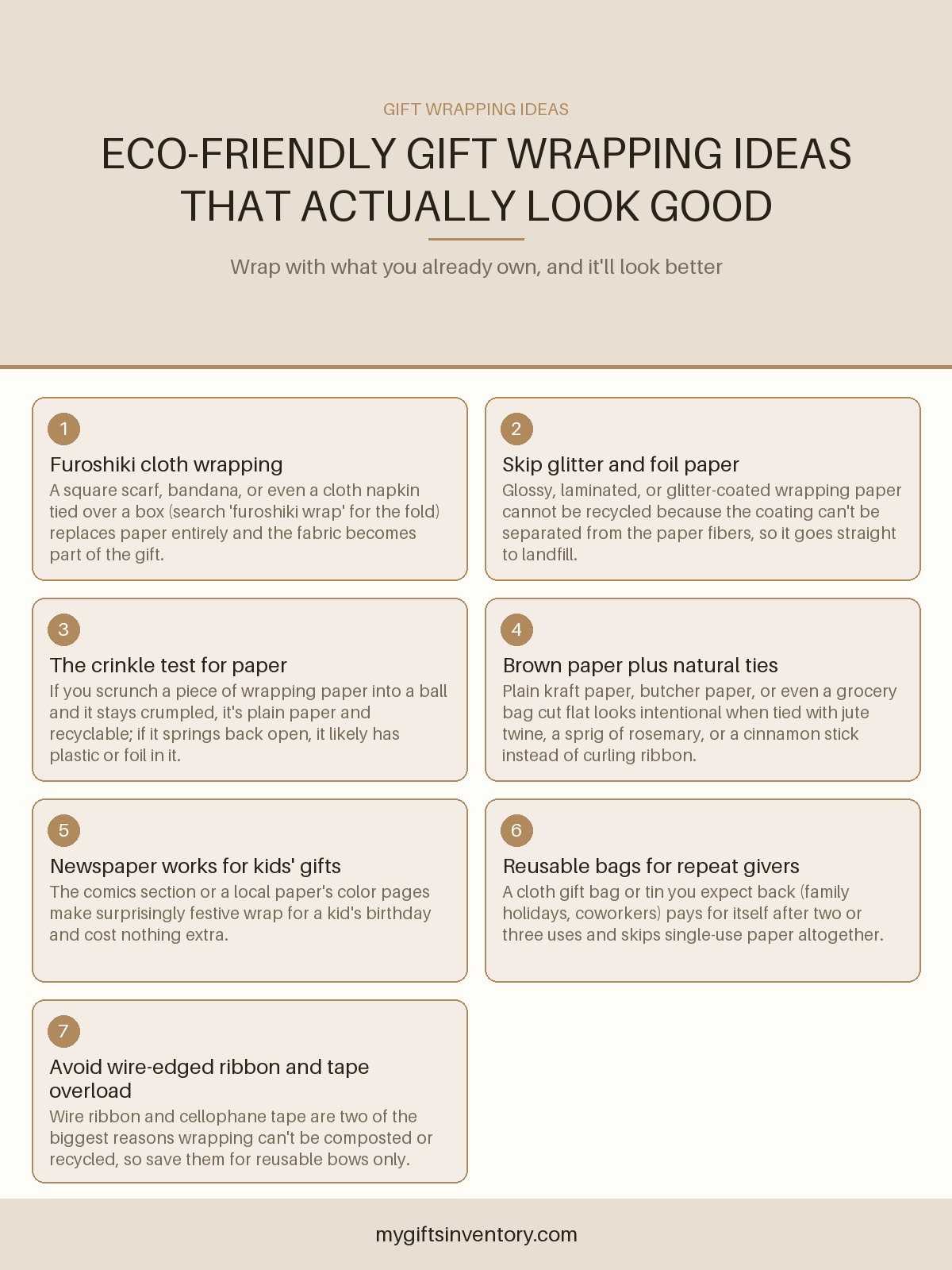
This isn't just a last-minute-panic problem. Plenty of people wrap without tape on purpose. Tape leaves residue on nice paper, it doesn't stick well to foil or kraft paper, and it's one more piece of plastic in the trash if you're trying to keep a gift low-waste. Others simply prefer the look of a tightly folded package or a fabric bundle tied with a bow, because it reads as more thoughtful than a taped-up box, even though it usually takes less time once you know the fold.
The Tuck-and-Fold Method (No Tape, No Glue)
This is the classic technique gift shops used long before tape became standard, and it still works on any box with reasonably firm sides.
Step by step
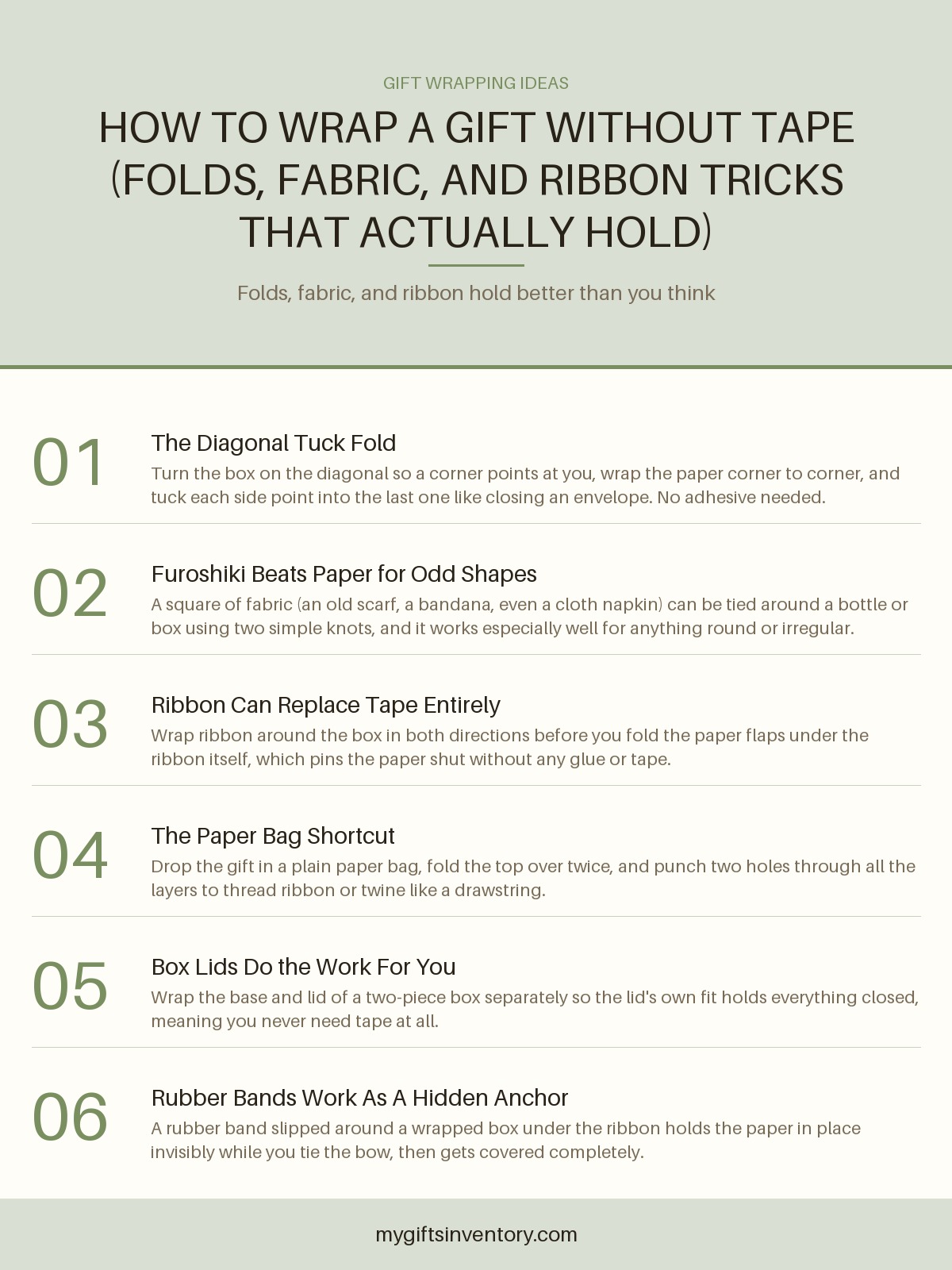
Lay your box on the paper at a diagonal, so one corner of the box points toward you like a diamond rather than a square. Bring the near corner of the paper up and over the top of the box, then tuck the point underneath the box or fold it flat against the top. Repeat with the far corner, folding it down over the top and tucking the tip under the near flap you already placed, the same way you'd close a cardboard shipping box without tape. Bring the two side corners in last, folding each into a crisp point and tucking it into the fold made by the corner before it. Done correctly, each flap holds the next one in place, and the whole package stays shut through its own tension.
This method works best on sturdier paper, so if you're using something thin or slippery, go over the diagonal wrap twice, or switch to fabric instead. It's also the technique worth practicing if you're wrapping something for a corporate gift under $50, since a clean tuck fold reads as more polished than a piece of paper stuck down with visible tape.
Wrapping in Fabric Instead of Paper (Furoshiki)
Furoshiki is the Japanese practice of wrapping gifts in a square of cloth, and it solves the tape problem entirely because fabric ties itself closed. You don't need anything special, an old scarf, a bandana, a cloth napkin, or even a yard of fabric from a craft store all work.
The basic knot
Lay the fabric in a diamond shape with the gift in the center. Bring two opposite corners up and tie them together in a simple knot on top. Bring the remaining two corners up and tie them together as well, either in a second knot or a bow. For a bottle, wrap the fabric around the neck and tie a single knot, then let the excess fabric fan out like a flower. This technique is especially good for anything round or oddly shaped that paper never sits flat on anyway, and it feels appropriately elevated for something like an anniversary gift, where the wrapping itself can double as a small extra gesture the recipient keeps using afterward.
Let Ribbon or Twine Do the Job Tape Usually Does
Ribbon isn't just decoration, it can physically hold your wrapping closed if you place it before you finish folding rather than after.
Wrap a length of ribbon around the box lengthwise first, leaving it loose, then wrap the paper around the box as usual. Instead of taping the final flap down, tuck it under the ribbon so the ribbon itself pins the paper in place. Then wrap a second length of ribbon around the width of the box, tuck the side flaps under that ribbon the same way, and tie the two ribbons together in a bow where they cross. The bow becomes the closure, not just the decoration. Butcher's twine or plain kitchen string works the same way if you're going for a more rustic look, and it's a nice finish for something like a bundle of mugs or beans from a coffee lovers gift guide, where a simple cellophane bag cinched with twine looks more intentional than a heavily taped box.
Paper Bags and Box Lids: The Two Easiest Shortcuts
The paper bag fold
Skip wrapping paper altogether and drop the gift into a plain paper bag, the kind you'd get from a bakery or a craft store. Fold the top over about two inches, fold it over again, and then punch two holes through all the layers with a hole punch or the tip of scissors. Thread ribbon or twine through both holes and tie it in a bow or a knot. This closes the bag completely without a single piece of tape and takes under a minute once you've done it once.
Let a two-piece box close itself
If you have any box with a separate lid, like the kind jewelry or small home goods often come in, wrap the base and the lid as two separate pieces rather than trying to wrap the whole box as one unit. Wrap the lid first with paper folded neatly underneath it, then wrap the base the same way. When you put the lid back on, the box's own construction holds everything shut, no tape required. This is a good option for anything delicate, and it works well for items from a home decor gift guide, where boxes are often sturdier and better suited to this two-piece approach than a flimsy retail box would be.
Handling Odd Shapes Without Tape
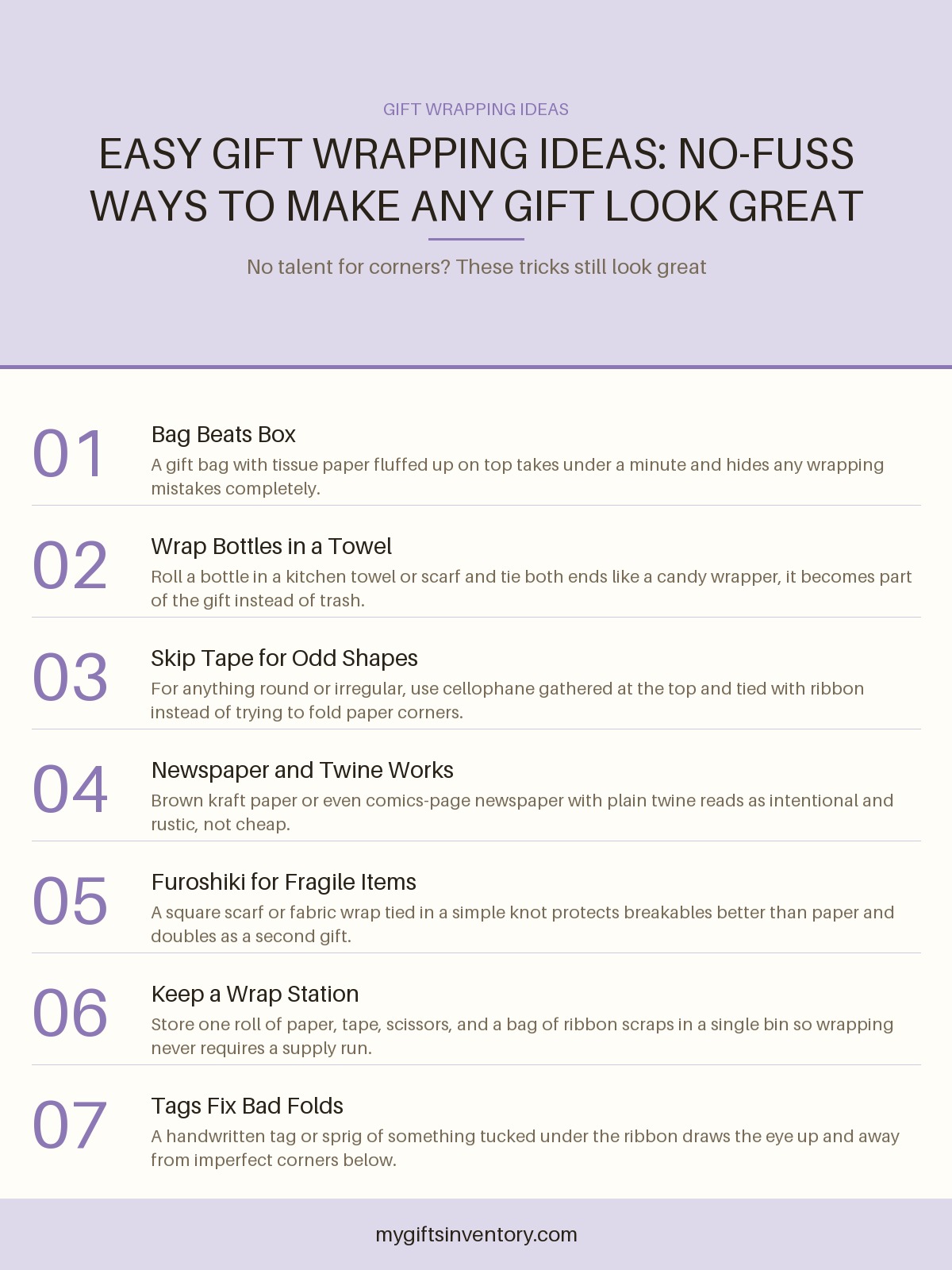
Round, lumpy, or irregular gifts are where tape usually gets overused anyway, since it's the only thing holding paper onto a shape it doesn't naturally wrap around. For these, fabric wrapping is almost always your best bet, since a knot adjusts to any shape a fold can't. If you'd rather stick with paper, a large cellophane bag or clear cone bag, gathered at the top and tied with ribbon, works well for gift baskets and anything bulky, similar to how a lot of the arrangements in a gift basket guide are finished, cinched and tied rather than folded and taped.
For small awkward items, a plain box lined with tissue paper sidesteps the whole problem, since you're wrapping a rectangle instead of the object itself.
Finishing Touches That Make It Look Intentional
A tape-free wrap can look even more finished than a taped one if you spend the extra thirty seconds on the closure. A rubber band slipped around the box before you add ribbon acts as an invisible anchor, holding the paper shut while you tie the bow, and it disappears completely under the ribbon once you're done. Sealing wax stamps, a sprig of greenery tucked into the bow, or a folded paper tag threaded onto the ribbon all add a finished look without a strip of tape in sight. None of this needs to be complicated, and if you're still narrowing down what's actually going inside the wrapping, our guide to choosing the perfect gift is a good place to sort that out before you start folding paper at all.
Gift Ideas to Go With This



Want more ideas? Browse our full guide: 34 Stocking Stuffers & Small Holiday Gifts Under $25 (2026): Thoughtful Picks That Don't Feel Like Filler
Frequently Asked Questions
What can I use instead of tape to wrap a gift?
Ribbon, twine, string, rubber bands, and fabric knots all work as substitutes for tape. Folding techniques like the diagonal tuck fold also let paper hold itself closed without any adhesive at all.
How do you wrap a gift with just paper and no tape?
Place the box diagonally on the paper, wrap the four corners up and over one at a time, and tuck each point under the fold before it, similar to closing an envelope. The final flap tucks under the first one you folded, which locks the whole wrap shut.
What is furoshiki wrapping?
Furoshiki is a Japanese method of wrapping gifts in a square piece of fabric instead of paper, using knots instead of tape to hold everything closed. It works especially well on bottles, oddly shaped items, and anything round that paper wouldn't wrap around cleanly.
Can I use a rubber band to wrap a gift?
Yes, a rubber band wrapped around a box under the ribbon or bow acts as a hidden closure that holds folded paper in place. It gets covered by the ribbon once you tie it, so it's invisible in the finished wrap.
Is wrapping without tape actually more eco-friendly?
It can be, since most tape isn't recyclable and often keeps wrapping paper itself from being recycled. Fabric wraps are reusable entirely, and paper closed with ribbon or folds alone is easier to reuse or recycle afterward.
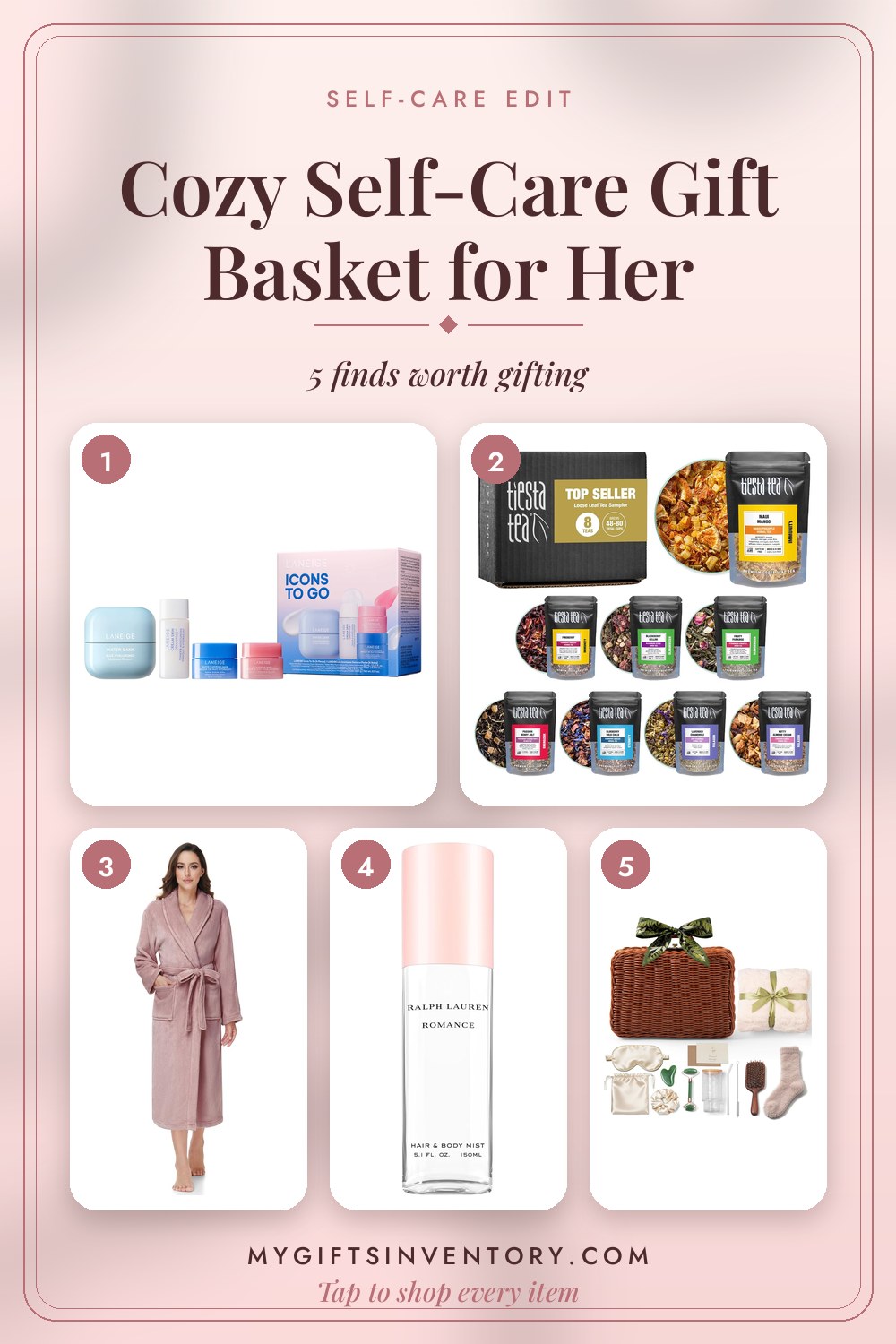
Looking for an Actual Gift Instead?
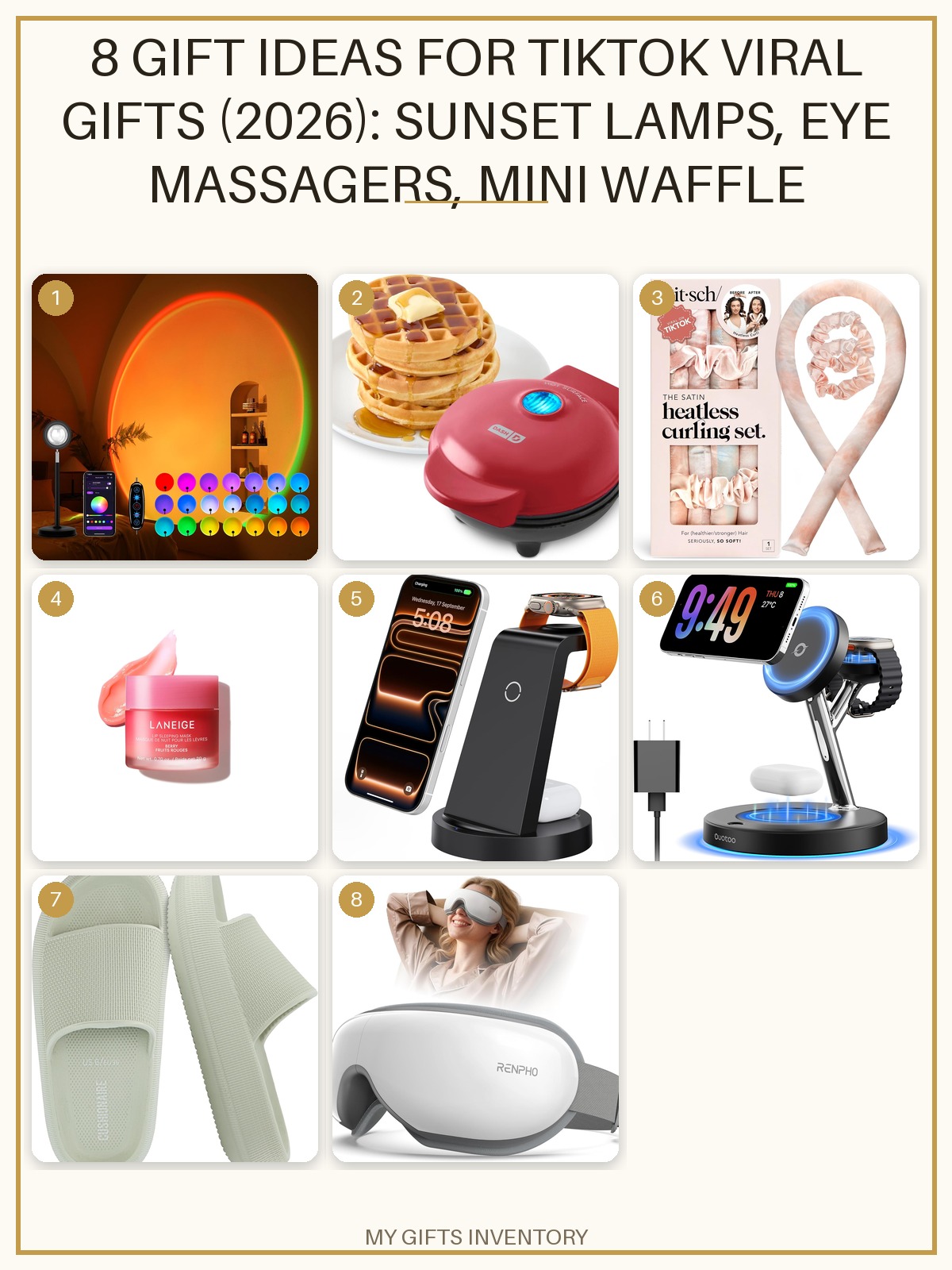
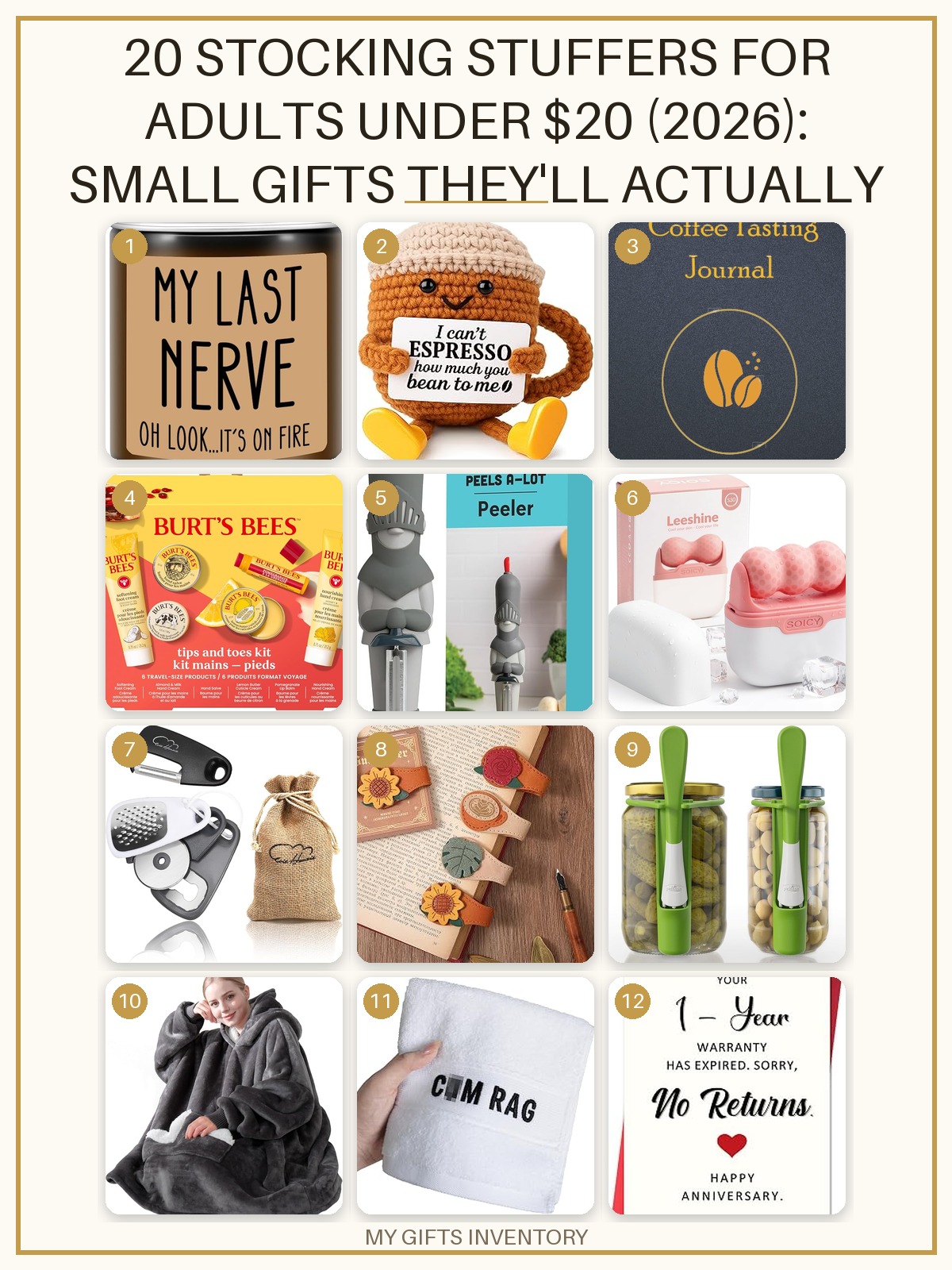
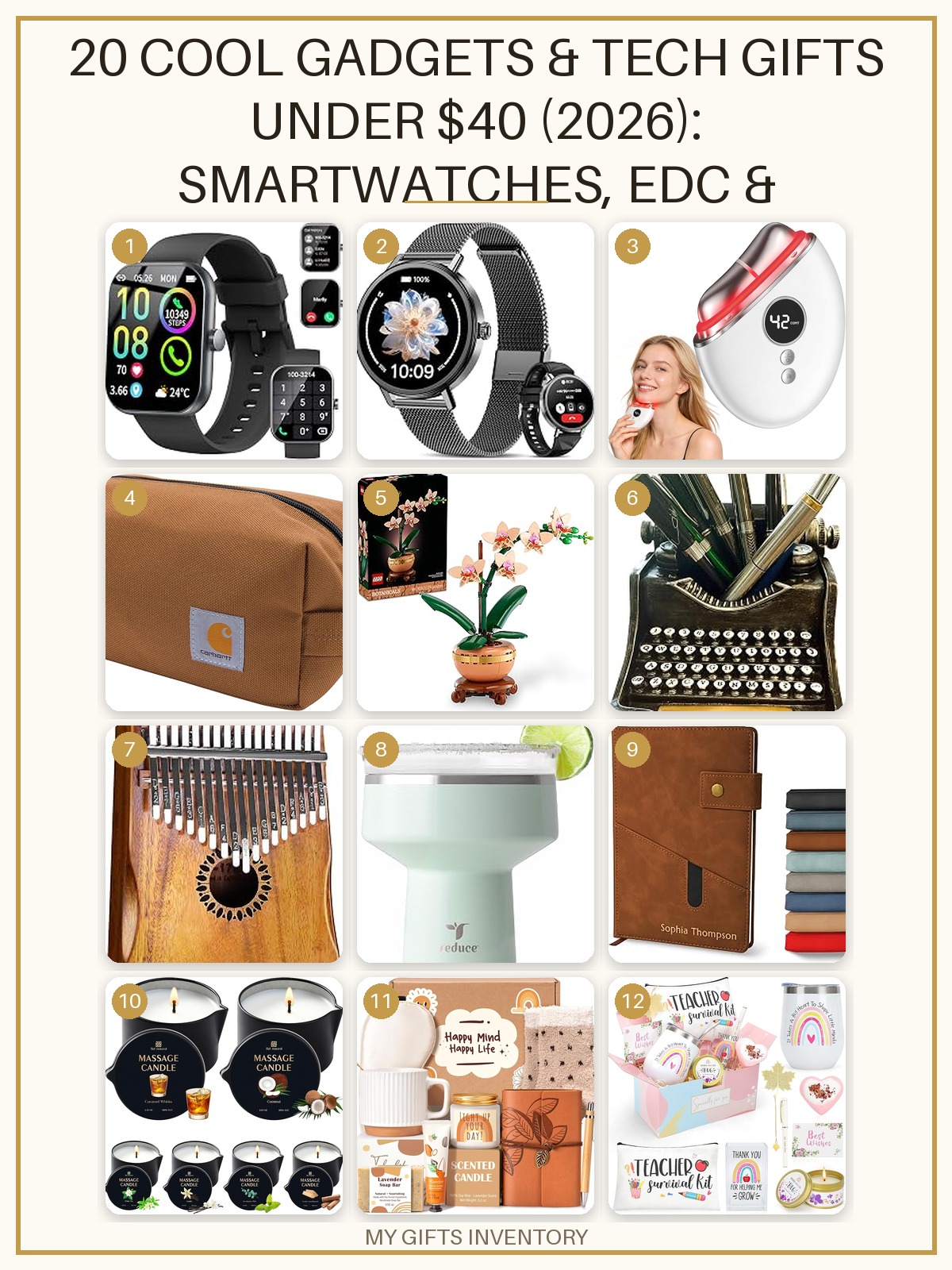
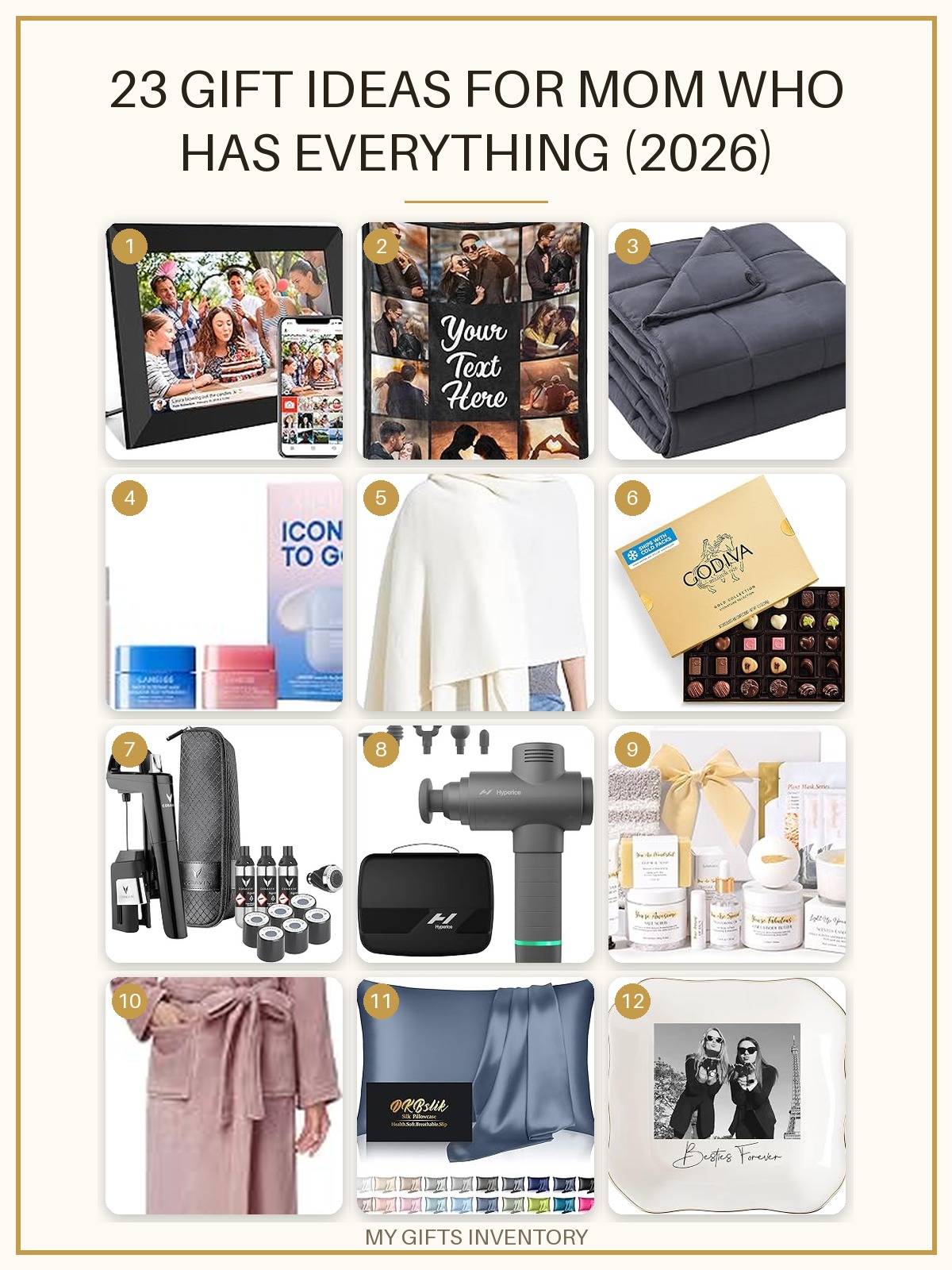
Gift Sets We Love Right Now
Every item picked, priced and linked, ready to buy.
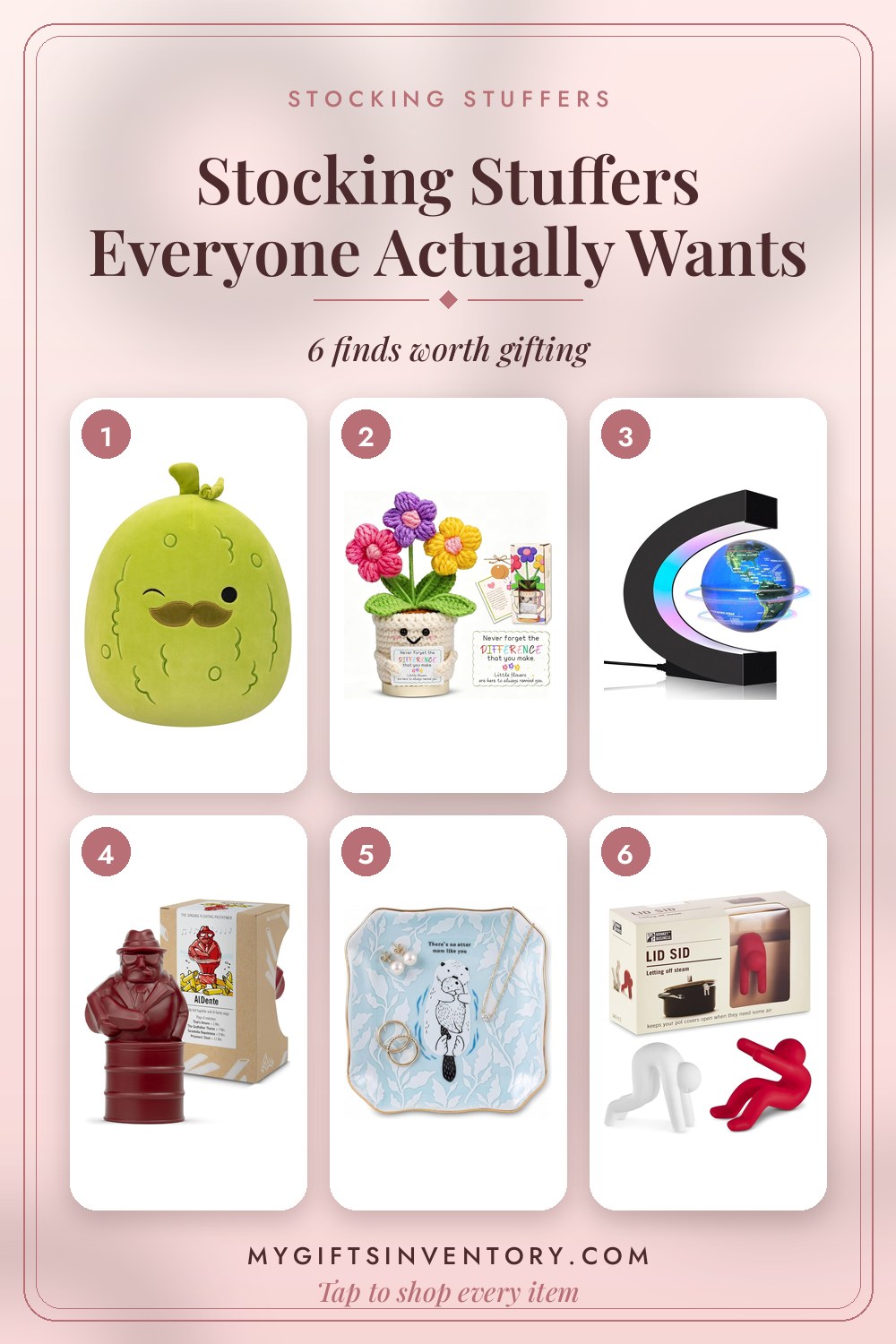
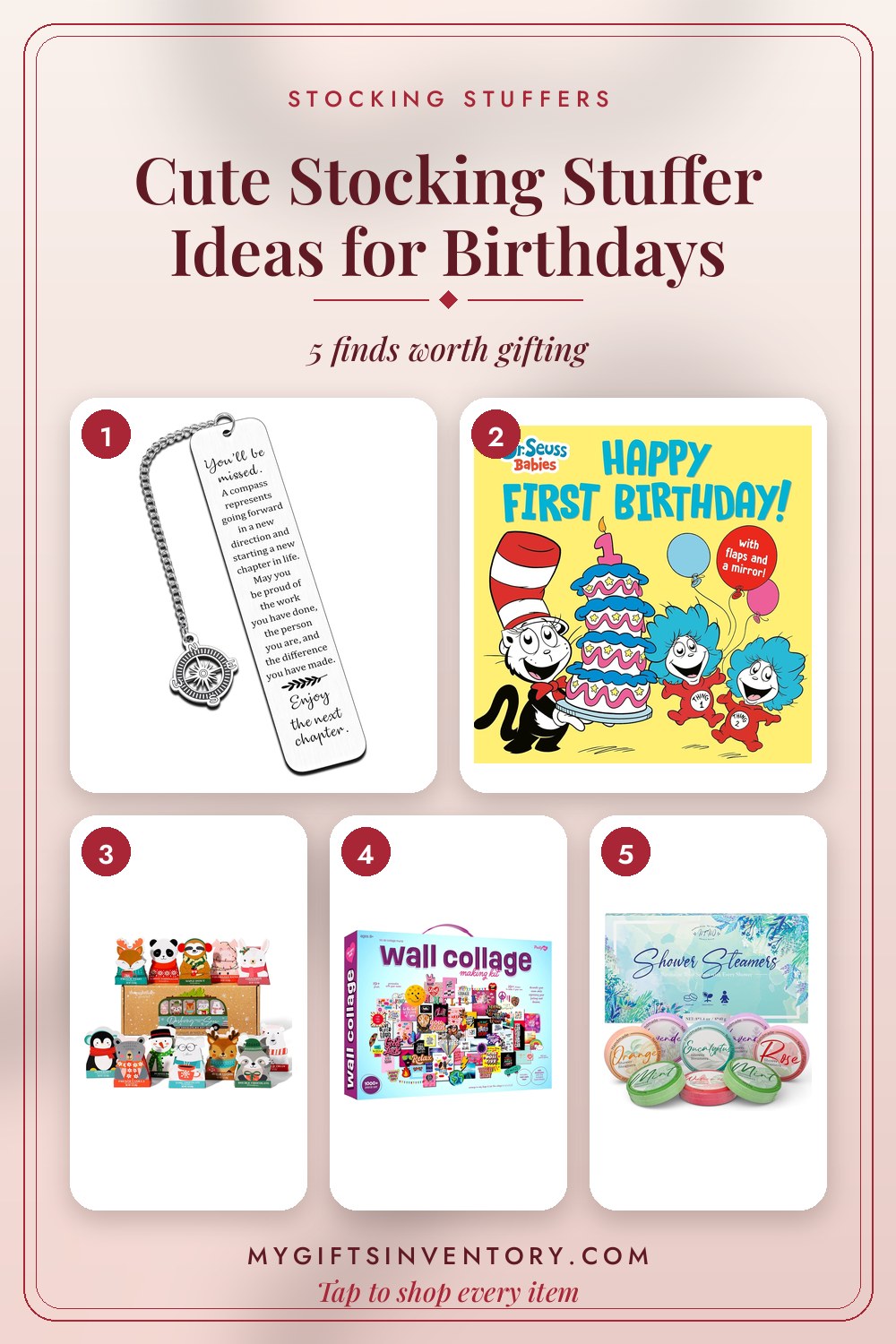
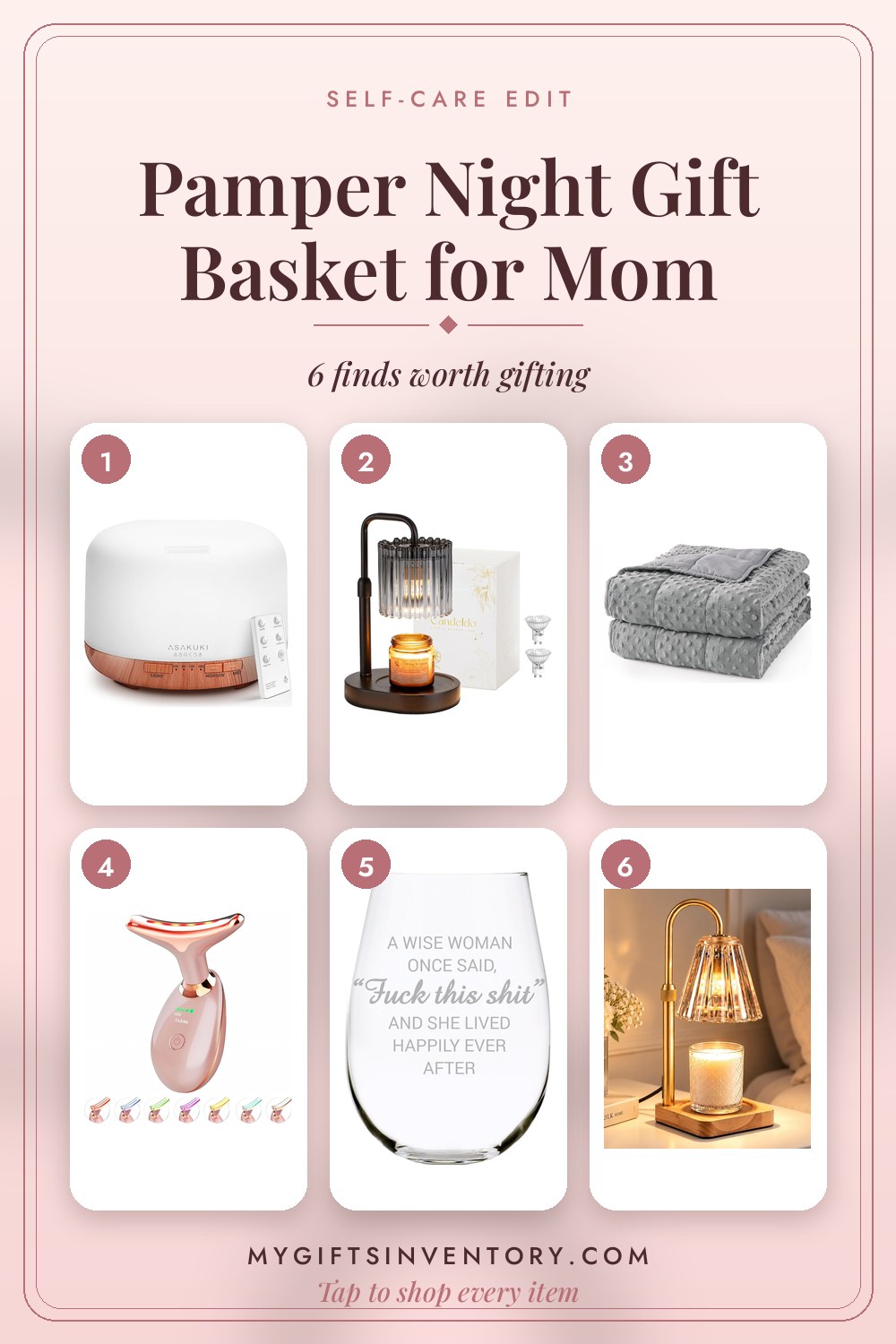
More Gift Advice