Plastic-Free Gift Wrapping Ideas That Still Look Festive
You can skip the shiny plastic wrap and still make every present feel special. Here is how we wrap gifts without plastic, from simple kraft paper to reusable fabric techniques that recipients actually keep.
As an Amazon Associate, My Gifts Inventory earns from qualifying purchases. We only recommend products we'd genuinely consider buying ourselves.
We have all stood in the wrapping aisle staring at rolls of shiny plastic-coated paper and curly ribbon, knowing the whole pile will be in the trash five minutes after the gift is opened. The good news is that plastic-free wrapping does not mean plain or sad. With a few reliable materials and simple techniques, presents look intentional, thoughtful, and often more personal than anything that comes off a commercial roll.
Here is everything we actually use and recommend when we want zero plastic in the wrapping layer, without spending a fortune or turning gift-giving into a craft project that takes all afternoon.
Why Plastic-Free Wrapping Matters (and Why It Can Look Better)
Traditional gift wrap is frequently coated or laminated so it is not recyclable. The ribbons, bows, and stickers that come with it are usually plastic too. Multiplying that by every birthday, holiday, and hostess gift adds up fast. Switching materials cuts waste immediately and often costs less over a full year because kraft paper, fabric, and twine get reused or recycled cleanly.
The aesthetic side surprise is that many plastic-free options look more considered. A neatly folded cloth, a sprig of rosemary tucked under twine, or a page of vintage sheet music signals that someone paused and chose rather than grabbed the nearest roll. Recipients notice. They also keep the nice fabric pieces, which quietly builds your reusable stash.
Core Materials That Work Every Time
Kraft paper and plain paper options
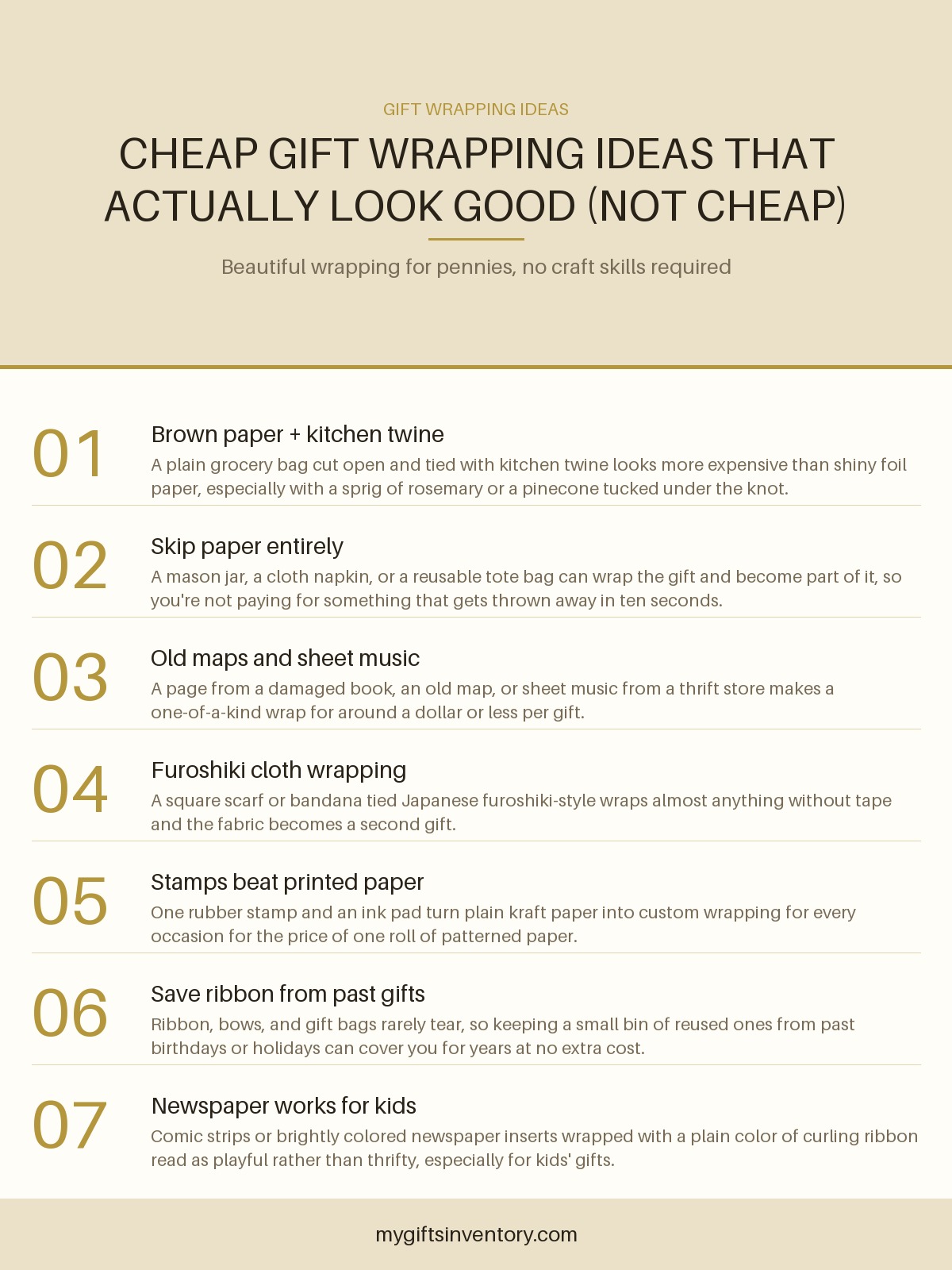
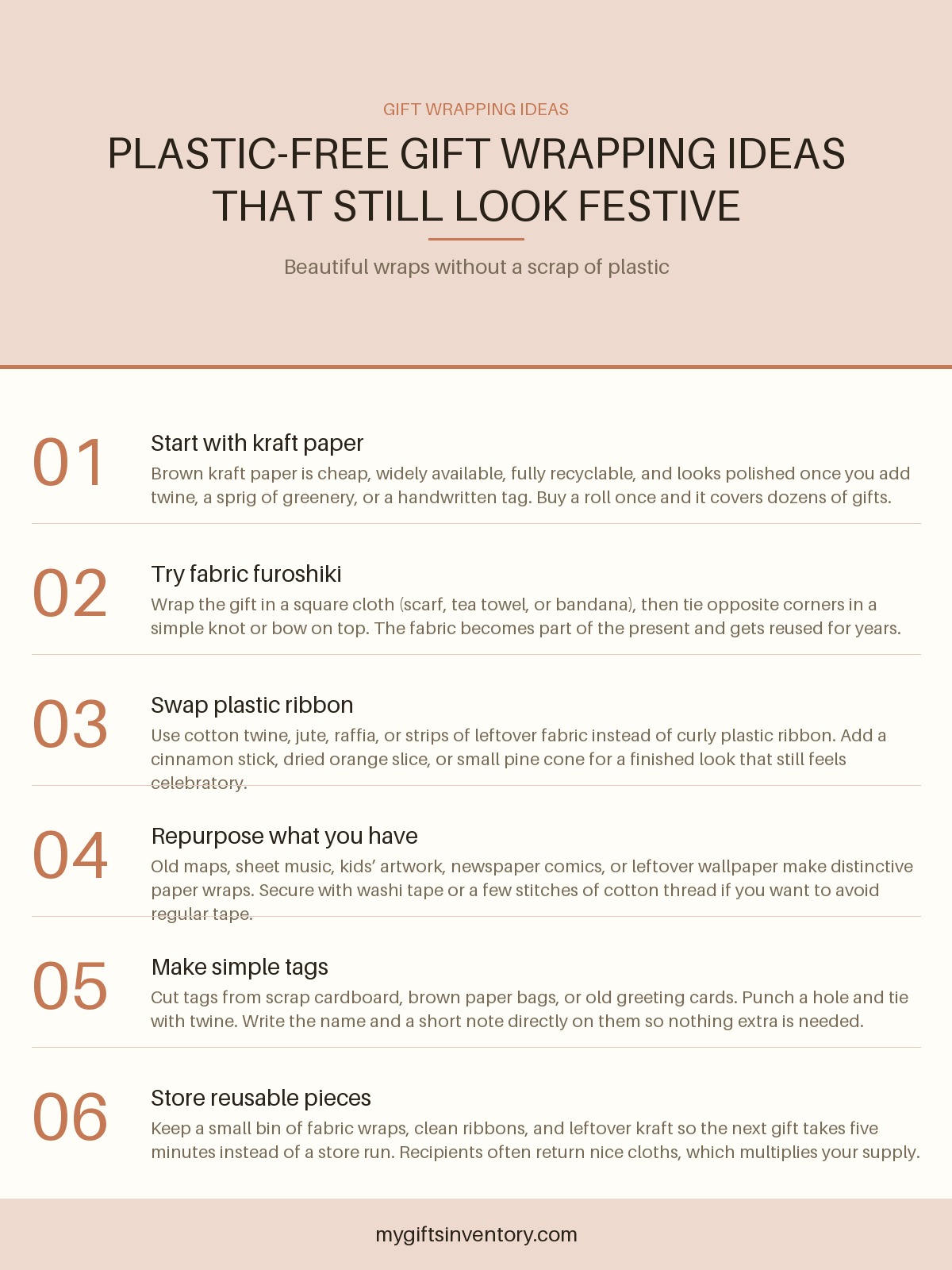
Brown kraft paper is the workhorse. It is inexpensive by the roll, tears or cuts cleanly, takes stamps, drawings, or washi tape well, and recycles without drama. White butcher paper or plain newsprint give a cleaner look if brown feels too rustic for a particular person. For something more graphic, save old maps, sheet music, comic pages, kids’ drawings, or leftover wallpaper samples. These turn ordinary boxes into conversation pieces.
Avoid anything glossy, metallic, or glitter-coated if true plastic-free is the goal. Those finishes usually contain plastic film. Matte paper or uncoated stock is safer.
Fabric and reusable cloth
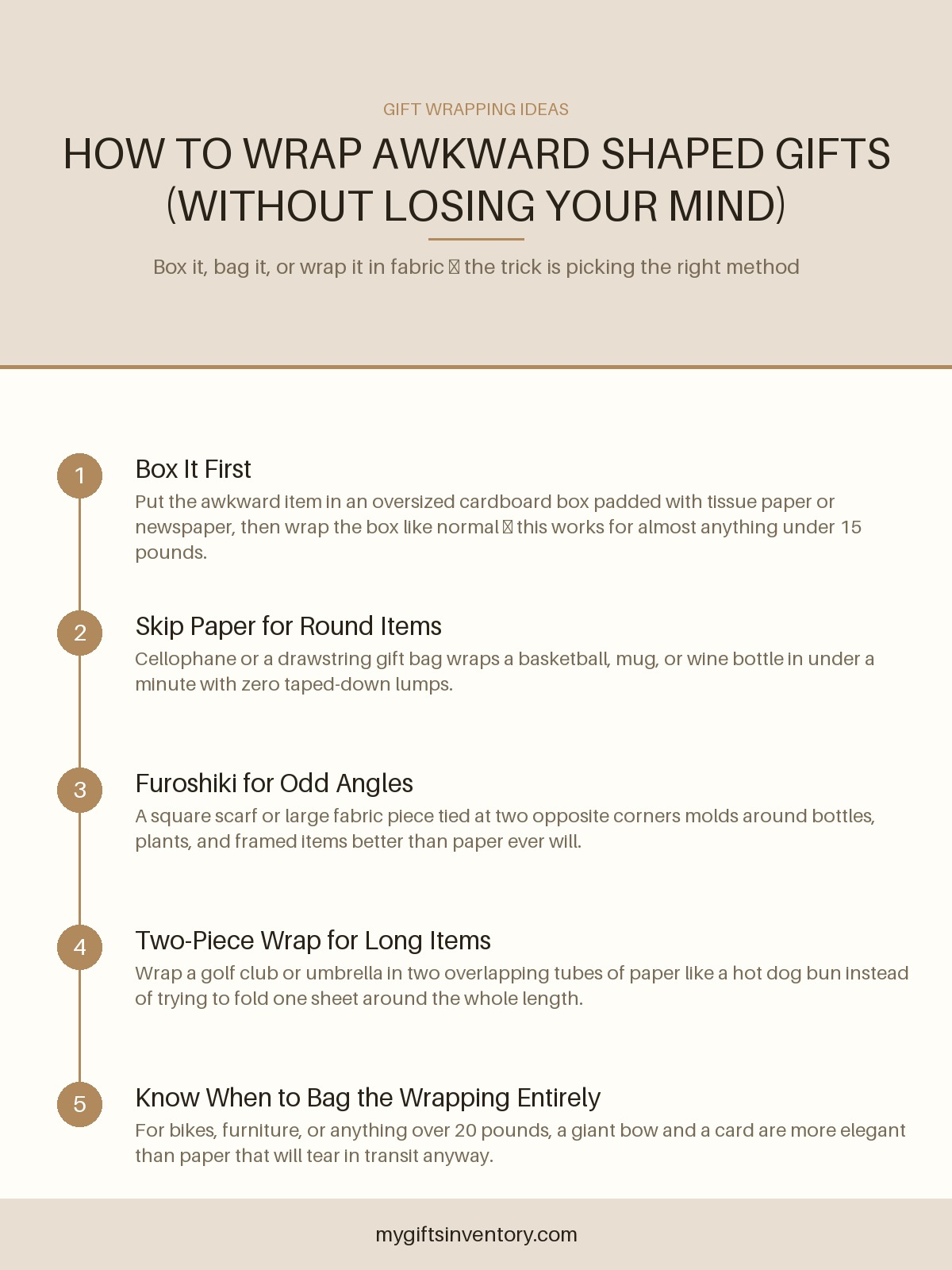
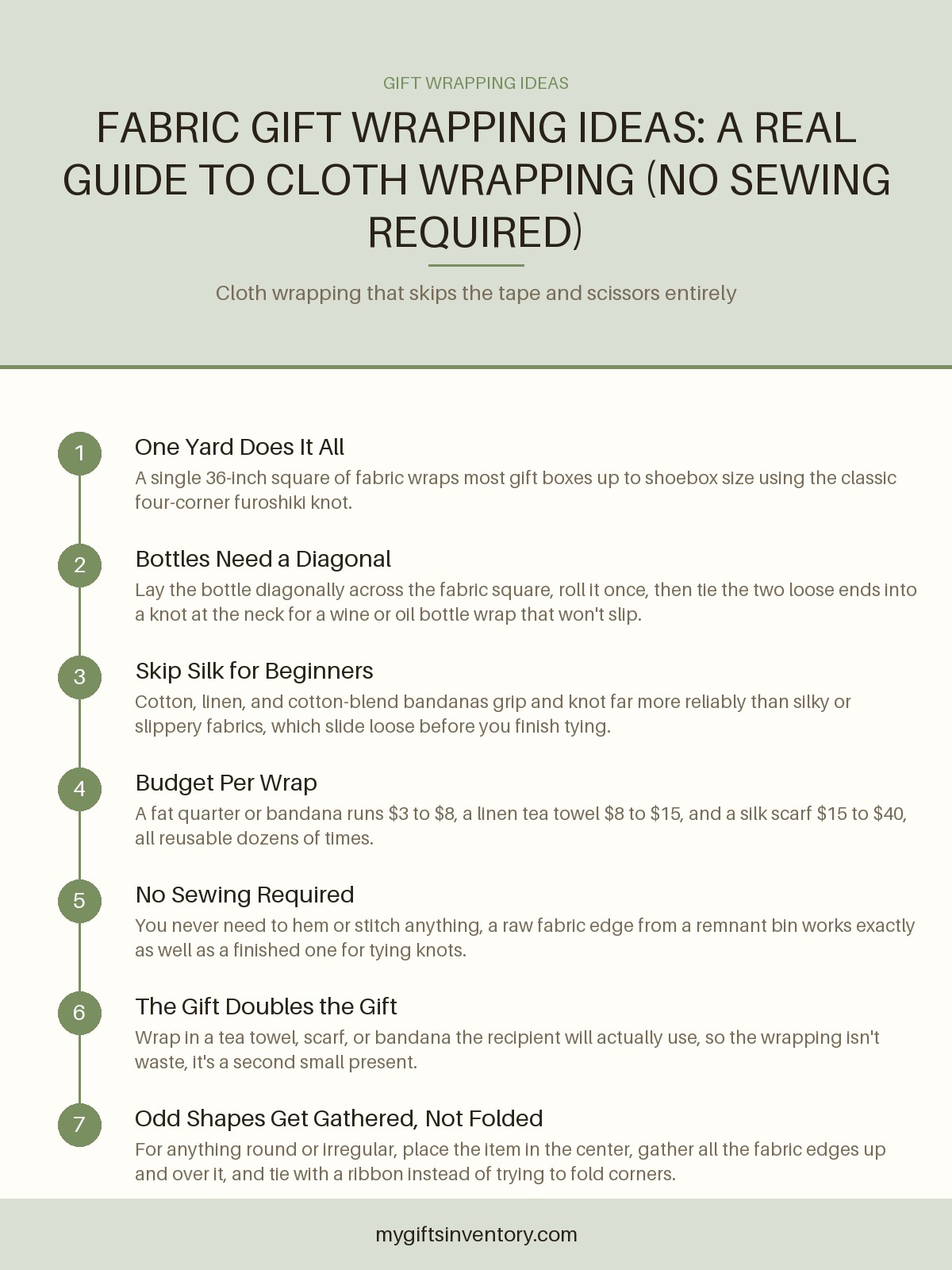
This is where wrapping becomes part of the gift. Furoshiki-style wrapping uses a square of fabric large enough to cover the item with room to tie opposite corners. A tea towel, bandana, scarf, cloth napkin, or remnant from a fabric store all work. Cotton and linen are easiest to tie and wash. The recipient can reuse the cloth for the same purpose, as a kitchen towel, or as a scarf, so nothing is discarded.
For bottles, candles, or awkward shapes, a simple drawstring bag sewn from scrap fabric or a ready-made muslin bag does the job and gets used again. We keep a small collection of these for last-minute needs.
Natural fillers and layers
If you are building a basket or open presentation, skip plastic grass and bubble wrap. Shredded kraft paper, crumpled newspaper, dried leaves, or fabric scraps cushion items nicely. For fragile pieces, wrap first in tissue (unbleached if possible) or a soft cloth before the outer layer.
Gift baskets themselves pair especially well with plastic-free wrapping because the container often becomes the lasting part of the present. If you are putting one together, our roundup of gift basket ideas under $50 has combinations that travel well in fabric or kraft without needing plastic filler.
Ribbons, Ties, and Embellishments Without Plastic
Curly plastic ribbon and pre-made bows are the first things we drop. Cotton baker’s twine, jute, raffia, hemp cord, or thin strips torn from fabric scraps give a clean finish and are easy to tie tightly. A double wrap of twine with a simple bow on top already looks finished.
For a little extra, tuck in something natural and biodegradable: a sprig of evergreen, dried orange slice, cinnamon stick, small pine cone, pressed leaf, or a single flower from the garden. These add color and scent without plastic. If you want a pop of pattern, cut a strip of leftover wrapping paper or fabric and use it as a belly band held by the twine.
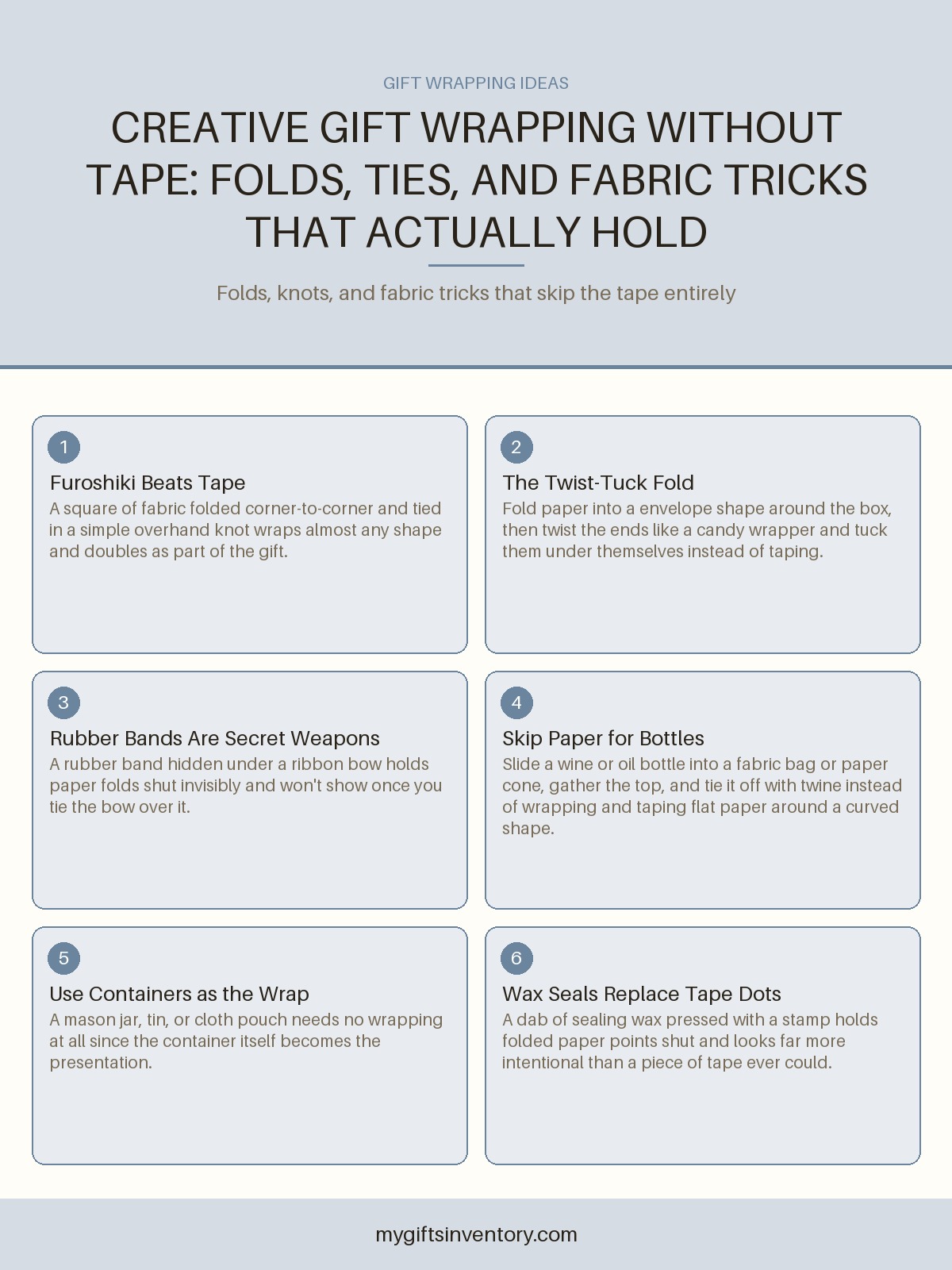
Washi tape (paper-based) is useful for sealing edges when you do not want traditional plastic tape. Some plant-based or paper tapes also exist, though availability varies. In a pinch, a few stitches of cotton thread or a strategically placed sticker made from scrap paper hold things closed.
Techniques That Look Polished, Not Crafty
Classic paper wrap with a twist
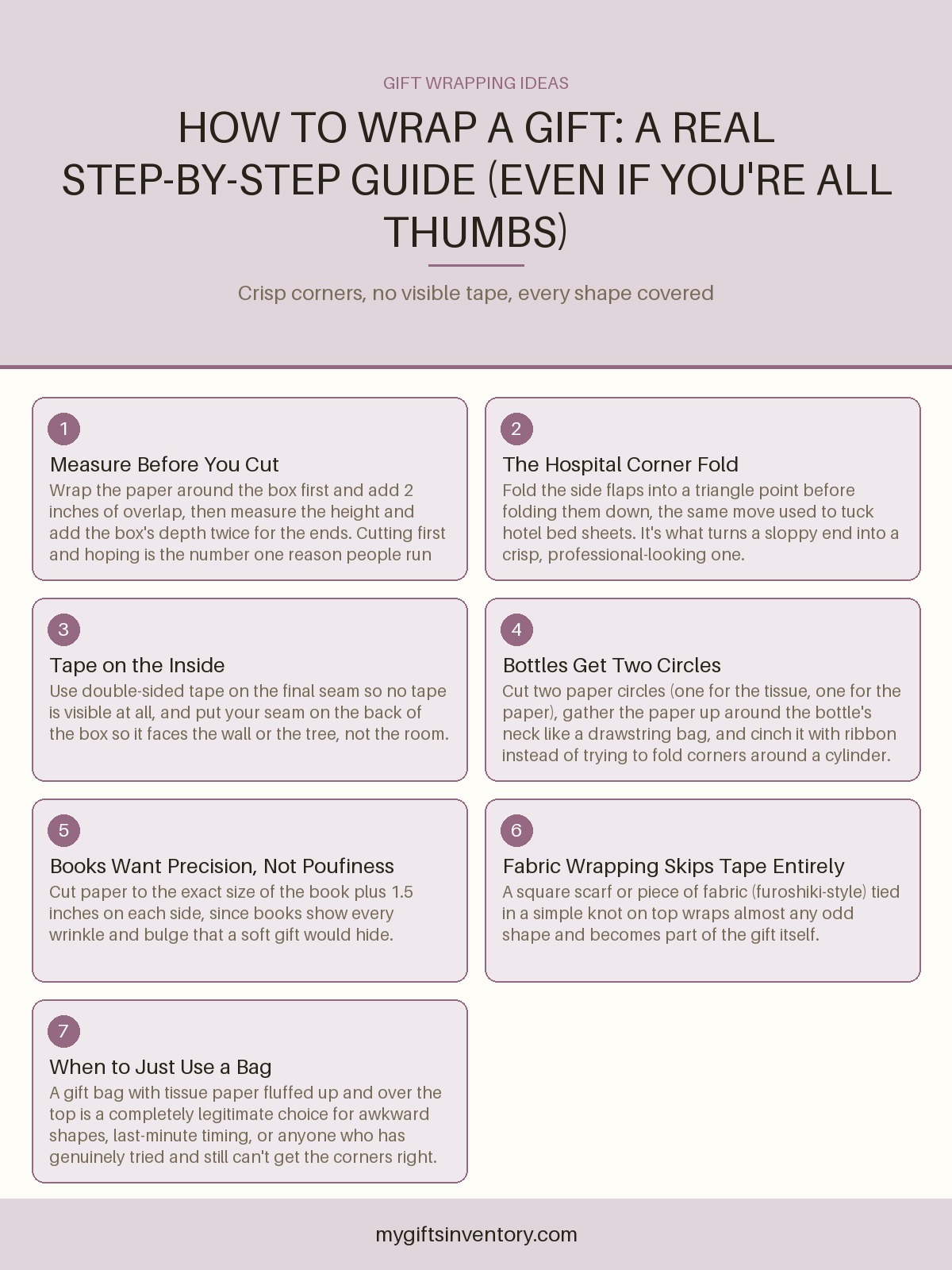
Wrap as usual with kraft or plain paper. Instead of a big plastic bow, run twine around the package twice in each direction and finish with a small natural accent. Hand-letter the name directly on the paper with a nice pen or attach a tag cut from a brown paper bag. The whole thing takes the same time as conventional wrapping once you have the materials on hand.
Basic furoshiki knot
Place the gift in the center of the square cloth diagonally or squared up, depending on shape. Bring two opposite corners together over the top and tie a firm knot. Bring the remaining two corners up and tie them over the first knot, or leave them as a decorative bow. Adjust the fabric so edges look even. Practice once on a book and it becomes second nature. Larger items just need a bigger cloth.
Bottle and cylinder wraps
For wine, olive oil, or tall candles, roll the item in paper or fabric and twist or fold the ends like a candy wrapper, then secure with twine. Or stand it on a square of fabric, gather the fabric up around the neck, and tie tightly just below the cork or lid. A small tag dangles from the tie.
Open presentation and baskets
Arrange items in a wooden crate, enamel bowl, sturdy basket, or even a nice tote bag that the recipient keeps. Nestle everything in shredded paper or cloth. Tie a wide fabric ribbon or length of twine around the whole container if you want a “wrapped” signal. This style works especially well for food, self-care, or home items where the vessel has lasting value. When we put together spa-type presents, we often reach for ideas from our self-care and spa gift sets under $50 and then wrap the finished collection in fabric or kraft so the presentation stays plastic-free.
Budget and Occasion Notes
Plastic-free does not have to cost more. A single roll of kraft paper covers a surprising number of gifts. Fabric can be thrifted, leftover, or chosen so it doubles as part of the present (a tea towel for a cook, a scarf for a friend who loves accessories). Twine is cheap by the spool. Over a holiday season the savings versus specialty paper and endless plastic bows usually show up clearly.
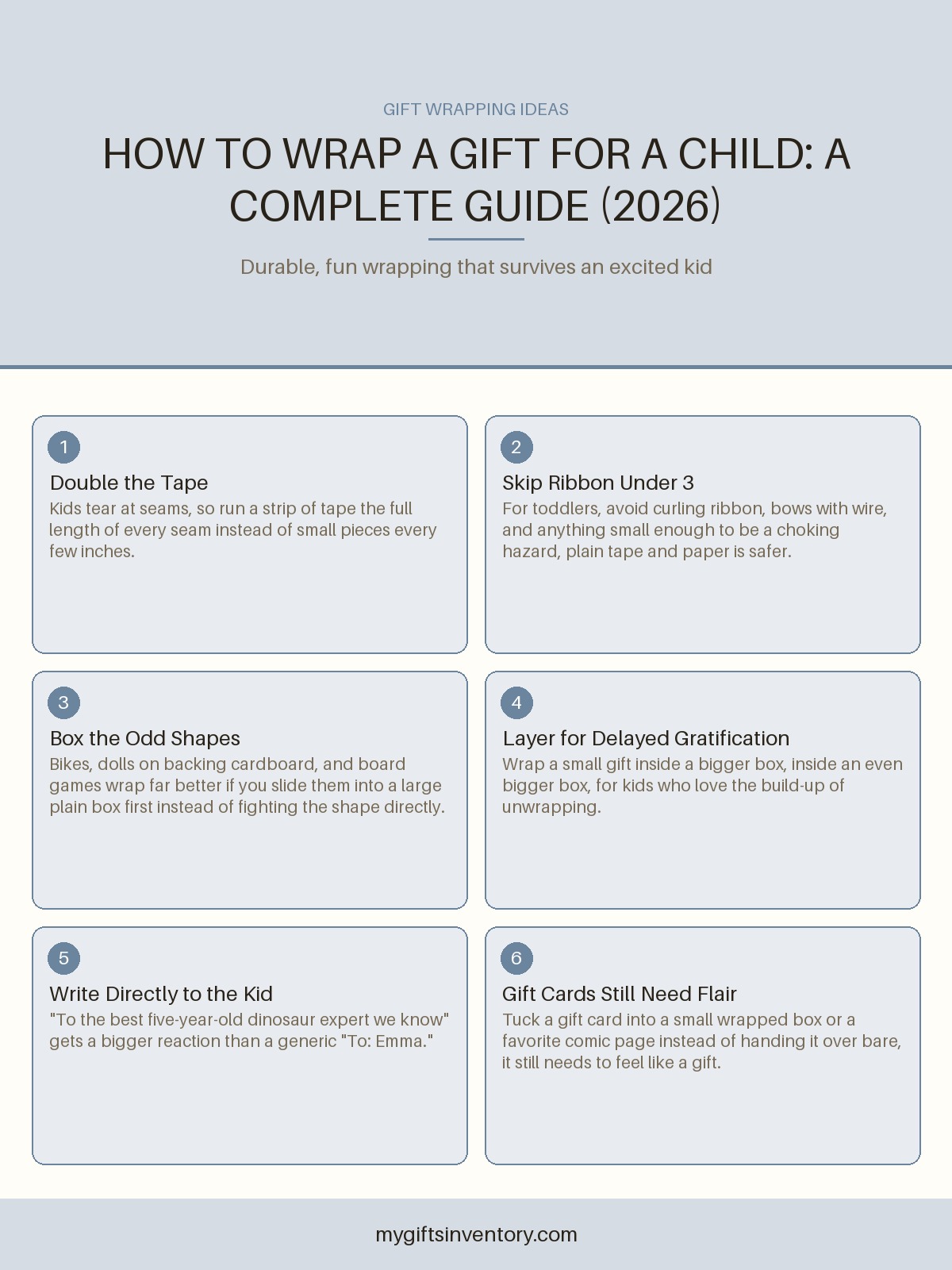
For kids’ gifts, comics pages or their own artwork as the outer wrap become part of the fun. For corporate or host gifts, clean kraft with twine and a small sprig looks professional and restrained. For weddings or more formal moments, white or cream fabric or high-quality paper with simple cotton ribbon keeps the tone elevated without shine.
If you are still deciding what goes inside the wrap, start with the person rather than the paper. Our guide to choosing the perfect gift for every person and occasion helps narrow the actual present so the wrapping can stay simple and supportive instead of trying to compensate.
Smaller budgets pair nicely with this approach too. Many of the highly rated options in our best gifts under $20 list are compact and easy to wrap in a single sheet of kraft or a bandana, so the presentation stays generous even when the price is modest.
Home-focused presents also shine with fabric or paper wraps. A candle, frame, or small décor object tucked into a cloth or neatly papered box feels complete. Browse home decor gift ideas under $50 if you need concrete starting points that work well with these methods.
Practical Habits That Make It Sustainable
Keep a dedicated bin or drawer with the kraft roll, a few fabric squares, twine, scissors, and a marker. When leftover paper or nice ribbon comes back with a returned gift, drop it in. Over time you stop buying new materials for every occasion.
Ask recipients to pass nice cloths back if they do not need them. Many people are happy to keep the cycle going. Wash fabric wraps as needed and store them flat or rolled.
For shipping, use recycled kraft paper or newspaper as the outer wrap and cushion with more paper rather than plastic air pillows when possible. Note on the packing slip that the wrapping is plastic-free so the recipient knows it can go straight into recycling or reuse.
If you need a quick tag, cut rectangles from cereal boxes, paper bags, or old cards. Punch a hole, thread twine, and write directly. No plastic tags required.
Common Pitfalls and Easy Fixes
Do not overcomplicate the first few tries. A clean kraft wrap with twine already beats plastic-coated paper on both looks and waste. Fancy folds can come later.
Watch for hidden plastic: some “eco” papers still have a thin poly coating, and many adhesive bows are pure plastic. Stick to materials you can verify.
If a shape is truly awkward, a fabric bag or a simple open basket presentation is better than fighting with paper and ending up with excess tape.
Finally, match the energy of the gift. A very casual present does not need elaborate cloth. A more significant one can carry a nicer scarf or tea towel that becomes a second gift.
Plastic-free wrapping is less about perfection and more about a handful of reliable swaps that become automatic. Once the kraft, twine, and a couple of fabric pieces live in your house, you stop defaulting to the shiny rolls. The presents look better, the trash bag is lighter, and the whole process feels more like the thoughtful act gift-giving is supposed to be.
Frequently Asked Questions
Is kraft paper really recyclable and plastic-free?
Yes, plain uncoated kraft paper is recyclable in standard paper streams and contains no plastic. Avoid versions with heavy glossy coatings, metallic finishes, or glitter, which often include plastic film. When in doubt, tear a small corner: if it rips like regular paper and has no shiny layer, it is fine.
What can I use instead of plastic tape?
Paper washi tape, certain plant-based tapes, or simply folding edges tightly and securing with twine or a fabric tie work well. For fabric wraps the knots themselves hold everything. A few hand stitches with cotton thread are another low-tech option for paper packages that need to travel.
How do I wrap an oddly shaped gift without plastic?
Use a fabric square large enough to gather and tie at the top, or place the item in a drawstring muslin bag, tote, or basket. Soft items can be rolled in paper or cloth like a burrito and tied at the ends. Baskets and open presentations remove the need for a perfect rectangular wrap entirely.
Will plastic-free wrapping look cheap?
Not if the materials are neat and the finishing is simple and consistent. Clean kraft with good twine, a fabric wrap with even knots, or a well-arranged basket read as intentional rather than inexpensive. The natural accents (greenery, dried citrus, handwritten tags) elevate the look further without adding plastic.
Can I still make it festive for holidays?
Absolutely. Use red-and-white baker’s twine, add evergreen sprigs or cinnamon, stamp simple stars or trees onto kraft with ink, or choose fabric in seasonal colors. The absence of plastic shine does not remove color, texture, or celebration. Many people now prefer the warmer, less disposable look.