What to Say in a Gift Card: Real Wording for Every Relationship and Occasion
From birthdays to sympathy to handing someone a $50 gift card that needs a little warmth attached, here's exactly what to write so it doesn't sound like a form letter.
As an Amazon Associate, My Gifts Inventory earns from qualifying purchases. We only recommend products we'd genuinely consider buying ourselves.
You've picked out the gift, maybe even wrapped it, and now you're sitting there with a blank card and a pen, completely stuck. This happens more with gift cards than almost any other kind of present, because handing someone a piece of plastic with a dollar amount on it can feel a little cold if the words next to it are just as flat. The good news is you don't need to be a writer to fix this. You need a structure, a few honest sentences, and permission to keep it short.
Why the message matters more when the gift is a gift card
A sweater or a book carries some of its own meaning because you had to think about the person to choose it. A gift card doesn't do that work for you, so the card itself has to carry a little more weight. This doesn't mean you need three paragraphs. It means the few lines you write should show that you were thinking about them specifically, not just checking a box. If you're weighing whether to give a physical item versus a card in the first place, our guide on choosing the perfect gift walks through when each approach actually lands better.
The formula that works for almost any card
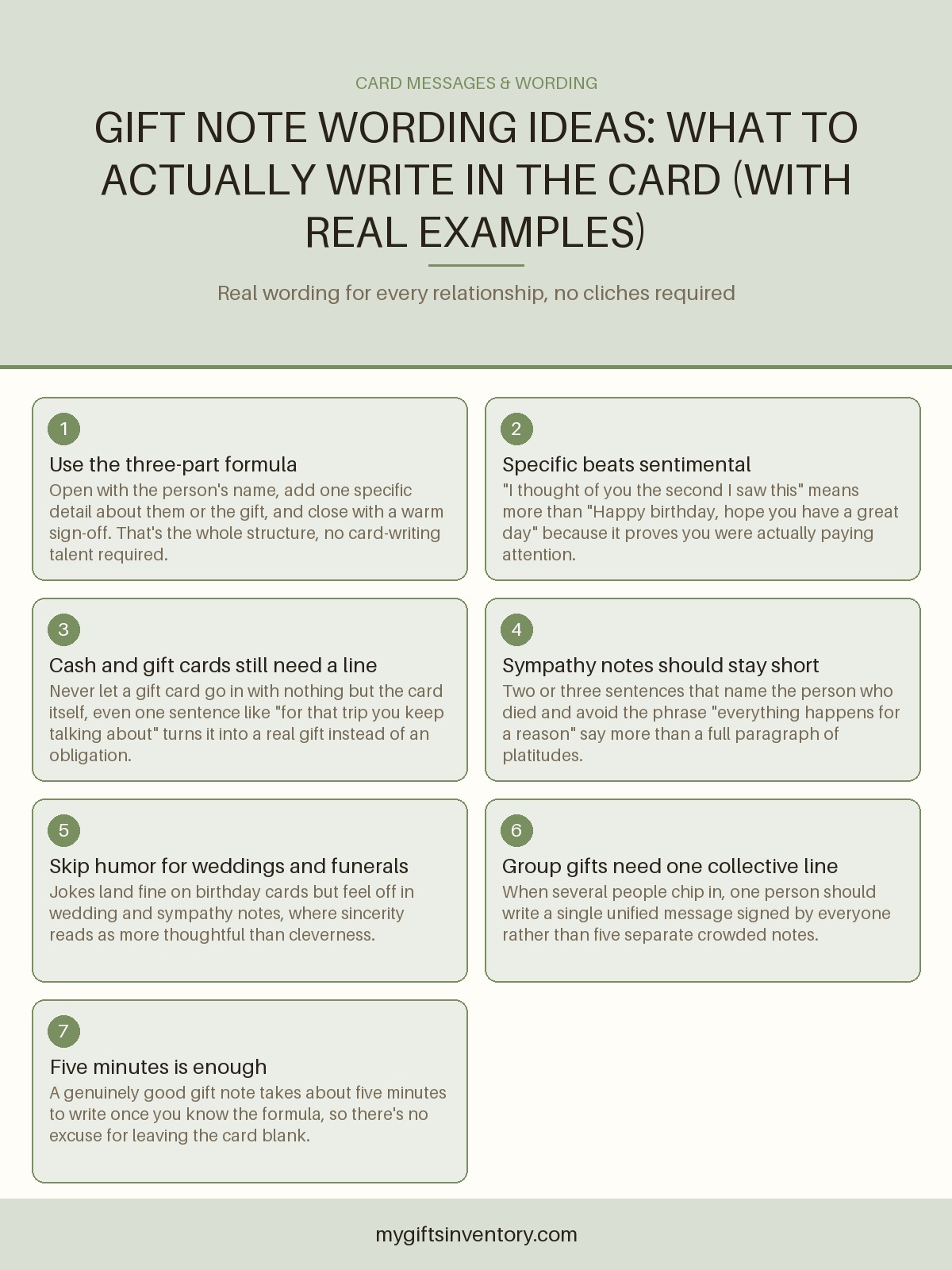
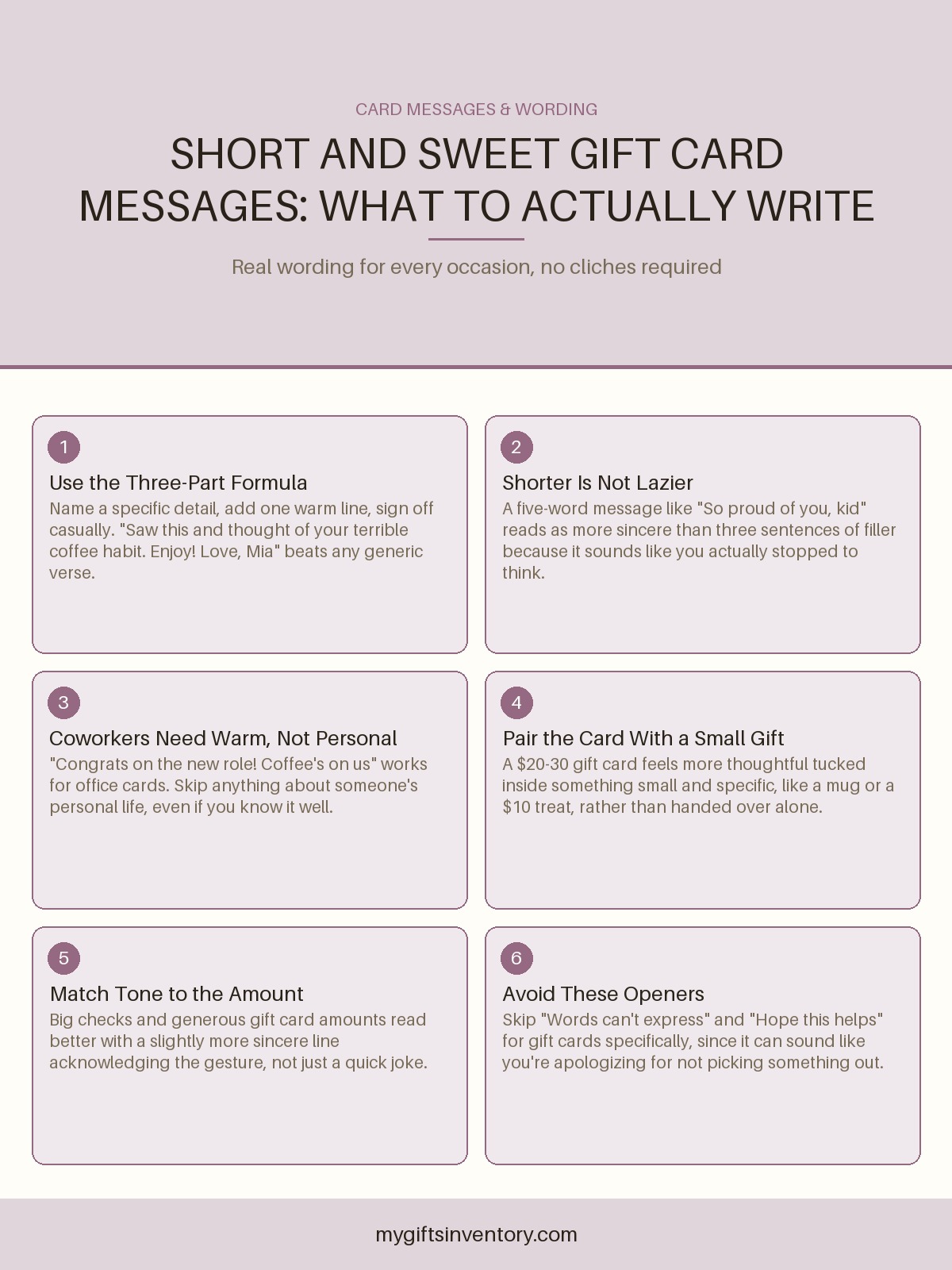
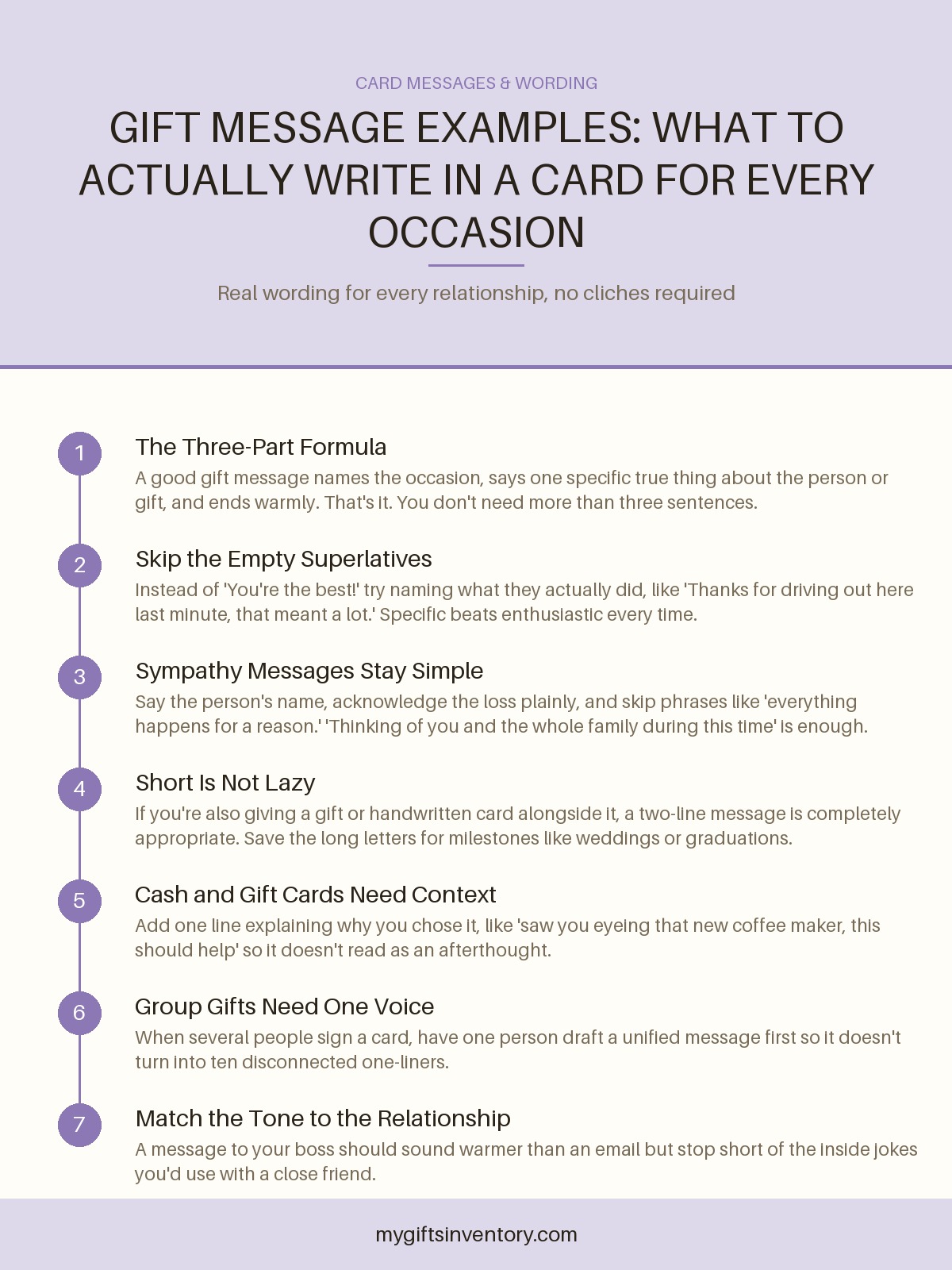
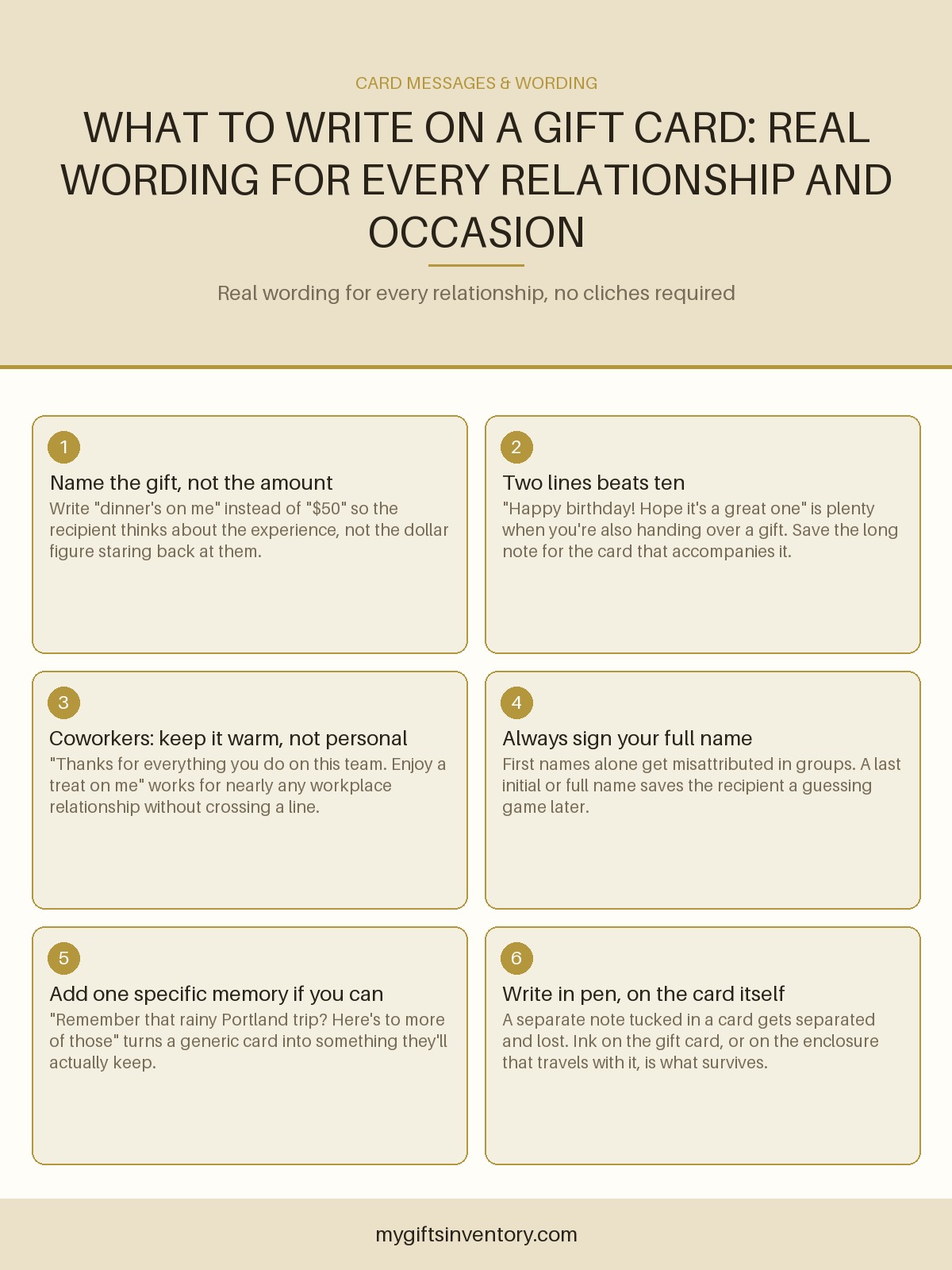
Every good card message has three parts, and once you see them separately they're easy to fill in on your own:
- The greeting"Happy birthday," "Congratulations," "Dear Sarah," whatever fits the occasion and how formal your relationship is.
- The specific lineone sentence that could only be about this person, this moment, or this gift. This is the part people skip, and it's the part that actually matters.
- The close"Love," "With love," "Best," "Cheers," or your name, matched to how close you are.
Example: "Happy birthday, Marcus! Remember how you wouldn't stop talking about that new grill last month? Consider this your excuse. Love, the Petersons." That's a complete card in three sentences, and it works whether there's a gift card inside or a wrapped box.
What to say by relationship
Family (parents, siblings, grandparents)
Family cards can afford a little more warmth and a little less polish. "Mom, thank you for absolutely everything this year, you deserve every bit of this. Love you always" works better than something stiff. For grandparents, naming something specific tends to land well: "Grandpa, I saw this and thought of your garden right away. Can't wait to see what you do with it."
Friends
This is where you can be funniest and most casual. "Happy birthday to the person who has somehow put up with me for a decade. Go treat yourself" is a completely fine message between close friends. You don't need to explain the friendship, you just need to sound like yourself.
Romantic partners
Even a small gift or a gift card to a partner benefits from one genuinely personal line rather than generic romance. Something like "I know this isn't the most creative gift, but I wanted you to pick out exactly what you want this year. Love you more every day" acknowledges the gift card honestly instead of pretending it's a surprise.
Coworkers and bosses
Keep professional cards warm but not overly personal. "Congratulations on the promotion, you've earned every bit of this" works for a manager, while "Happy retirement, it won't be the same around here without you" fits a coworker moving on. If you're organizing a group gift for the office, our roundup of corporate gift ideas under $50 also covers how to word a card that multiple people are signing.
Kids and teens
Keep it short and enthusiastic. "Happy birthday! Hope you get something awesome with this" is exactly the right length for a kid who wants to open presents, not read a letter.
What to say when the gift itself is a gift card
This is the exact situation most people are Googling when they land on this question, and the anxiety is real: gift cards can feel impersonal if the card accompanying them doesn't do any work. The fix is simple. Name the store, name the reason, and let the sentence do what the card can't.
- For a store gift card: "I know you've been redoing your kitchen, so I figured a little Target money couldn't hurt." If you went that route, it's worth double-checking the balance loaded correctly before you hand it over, which our Target gift card balance guide walks through in under a minute.
- For an online retailer: "You always know exactly what you want anyway, so here's an Amazon card to go find it." Same idea applies if you want to confirm the amount actually landed on the card using our Amazon gift card balance lookup before gifting.
- For a hobby or interest-specific card: "Saw this and thought of your new setup. Go pick out whatever you actually want." This works well whether it's a gaming store, a coffee shop, or a clothing brand, and naming the interest is what makes it feel chosen rather than default.
The pattern across all of these: name something true about the person, not the card itself. Nobody wants to read "here's some money" written more politely.
What to say by occasion
Birthdays
"Happy birthday! Hope this year brings exactly what you're hoping for" is a safe, warm default. If you know them well, swap in something specific about the year they've had.
Weddings and anniversaries
Weddings call for a slightly more formal tone: "Wishing you both a lifetime of happiness together, starting today." For anniversaries, naming the years together adds weight, and if you're stuck on what fits a specific milestone year, our guide to anniversary gifts by year includes tone suggestions that pair naturally with the traditional themes for each year.
New baby
"Congratulations on your new arrival! Wishing you all the rest you can get and endless joy along with it" acknowledges both the excitement and the exhaustion, which new parents actually appreciate.
Sympathy and get well
These cards need fewer words, not more. "Thinking of you and your family during this time" or "Wishing you comfort and peace in the days ahead" is enough. Resist the urge to fill the whole card here. Restraint reads as respect.
Graduation
"Congratulations, all that hard work paid off. Excited to see what you do next" hits the right note of pride without being over the top.
Thank you cards
Be specific about what you're thanking them for: "Thank you for the thoughtful gift, and for always remembering the little things about me" reads far better than a generic "thanks so much."
Common mistakes that undercut a good message
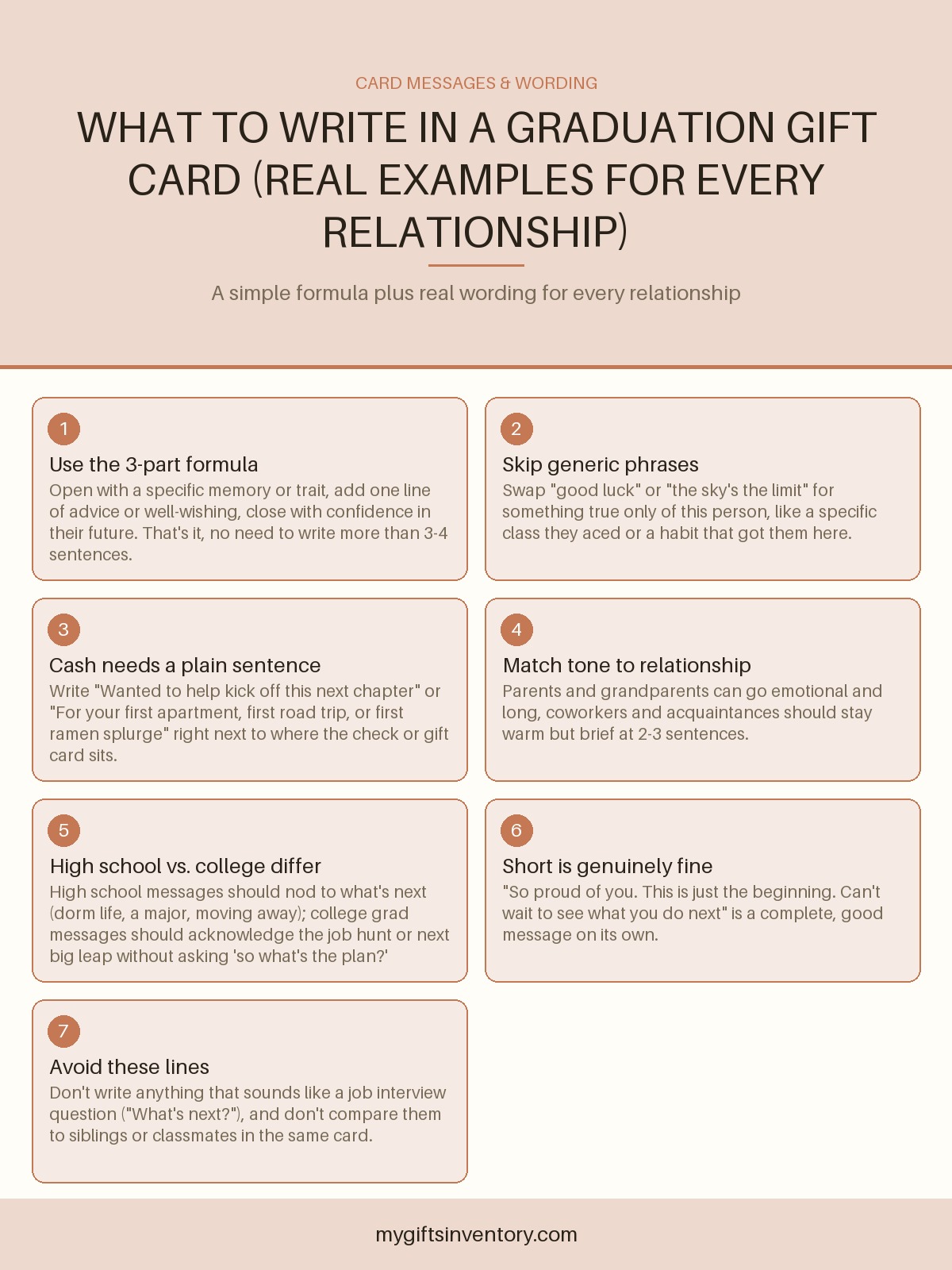
A few phrases tend to work against you even when the intention is good. Avoid apologizing for the gift ("Sorry I didn't know what to get you"), avoid mentioning money directly ("Money's tight this year, so"), and avoid jokes about the gift card being "basically cash," which can come across as dismissive of the thought you actually put in. Also avoid writing the card before you've wrapped or chosen the final gift, since the wording often needs to match what's actually inside.
When you genuinely don't know what to write
Short and sincere beats long and generic every time. "Happy birthday! Hope it's a great one" is completely fine on its own, especially when the gift or gift card is doing the heavy lifting. You're not being graded on card-writing. You're just letting someone know you thought of them, and a few honest words does that job.
Gift Ideas to Go With This


Want more ideas? Browse our full guide: 18 Keepsake Gifts Worth Holding Onto (2026): Personalized Picks They'll Treasure Forever
Frequently Asked Questions
What do you write in a gift card for someone you don't know well?
Keep it simple and occasion-focused, something like "Congratulations, wishing you all the best" or "Happy birthday, hope you have a wonderful day." You don't need personal details to write a warm, appropriate message, and generic-but-sincere is always better than forced familiarity.
Is it rude to just give a gift card with no note at all?
It's not rude, but it does read as less thoughtful than adding even one sentence. A single line like "Thought you'd enjoy picking out something you actually want" takes ten seconds to write and changes how the whole gift feels.
How much should I write in a sympathy card?
Less than you think. A short sentence like "Thinking of you during this difficult time" is appropriate and expected, and longer isn't better here. Grieving people often don't have the bandwidth to read paragraphs, so brevity is a kindness.
What's a good message for a work gift card, like for a boss or coworker?
Keep it warm but professional, such as "Congratulations, you've earned every bit of this" for a promotion or "It won't be the same without you" for a farewell. Avoid anything too personal or joking that might not land the same way with a professional relationship.
Should I mention the dollar amount of the gift card in the note?
No, it's generally considered poor etiquette to reference the specific value in writing. Focus instead on why you chose that particular store or brand for them, which makes the gift feel intentional rather than transactional.
Looking for an Actual Gift Instead?
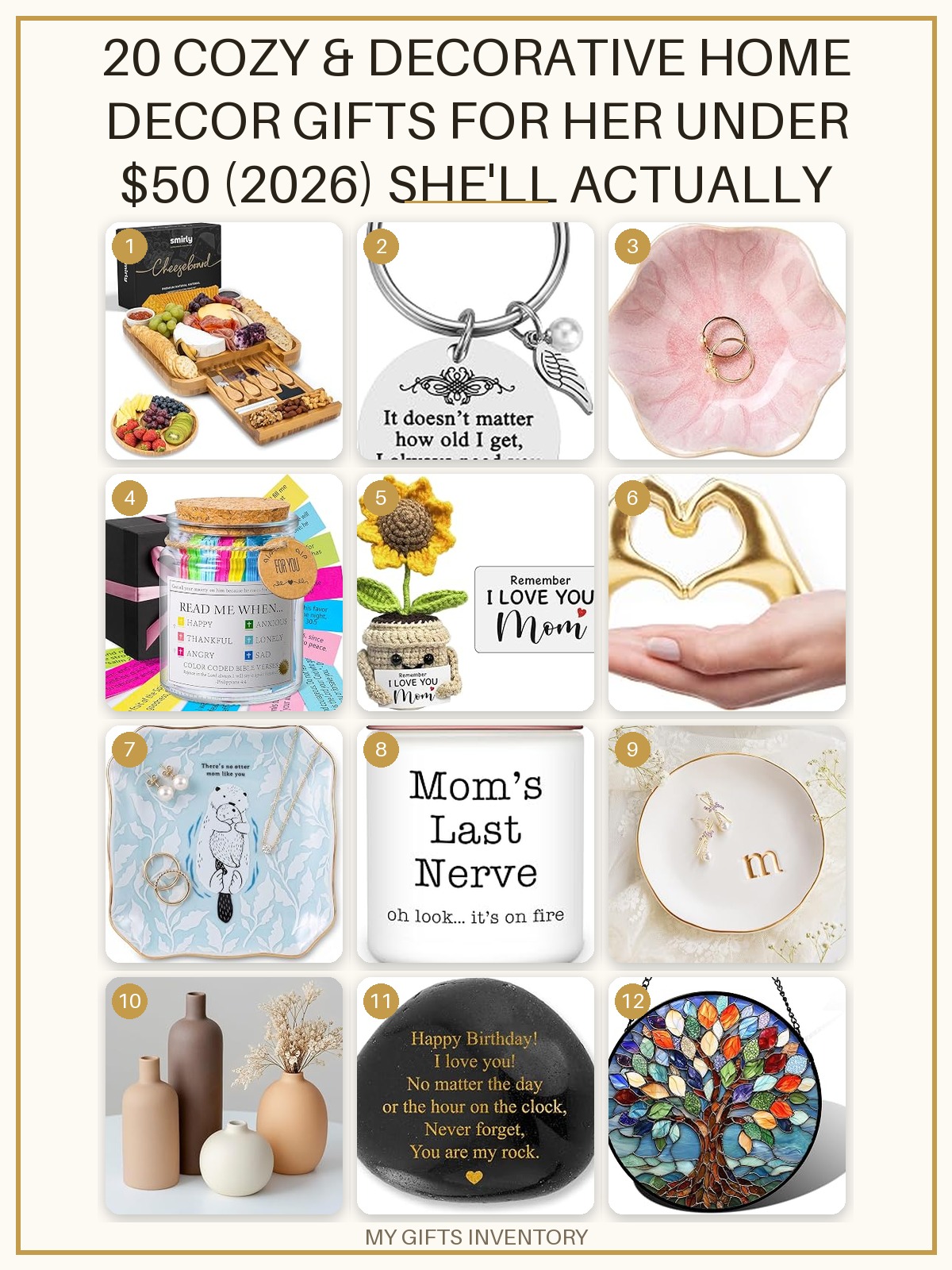
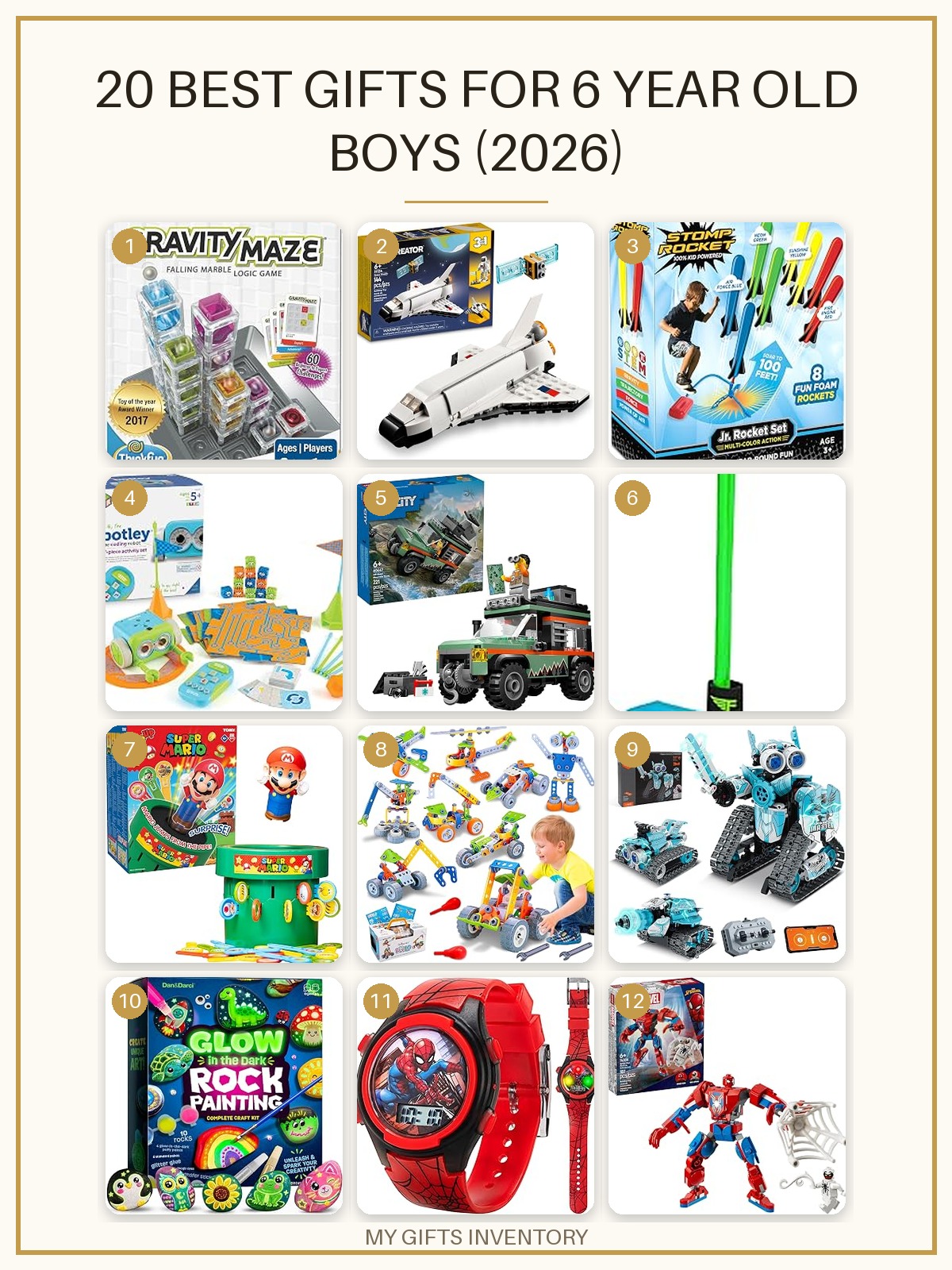

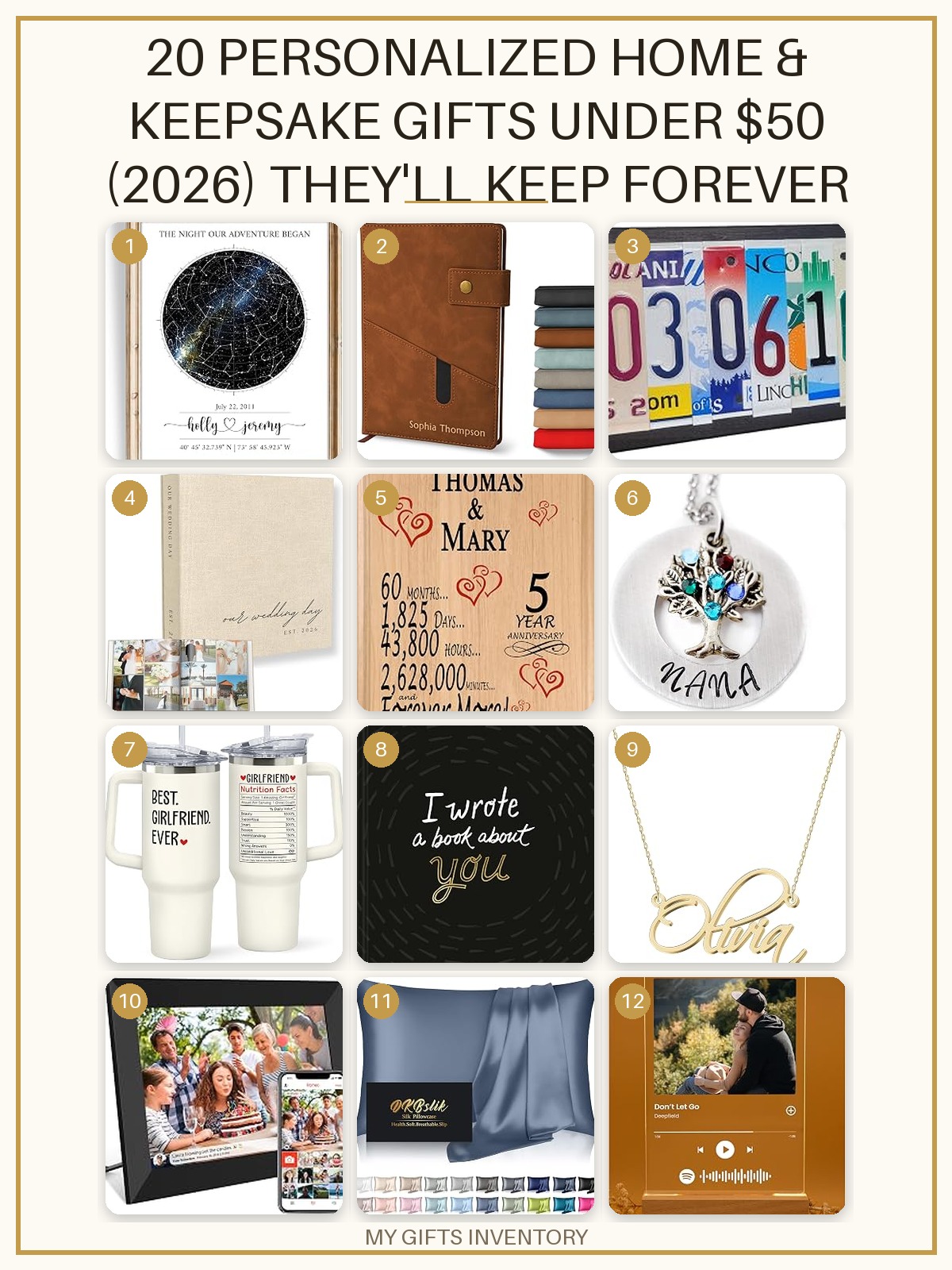
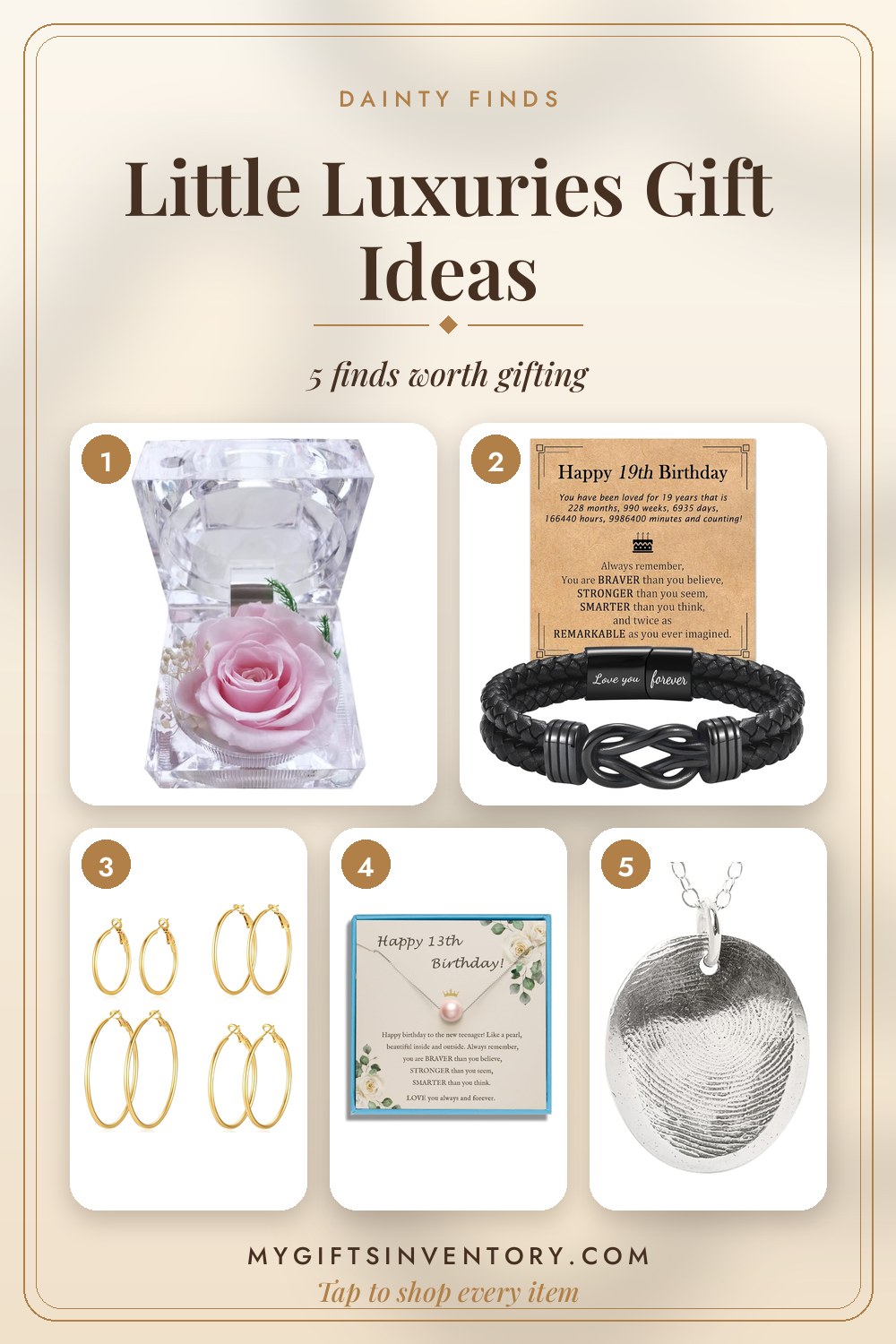
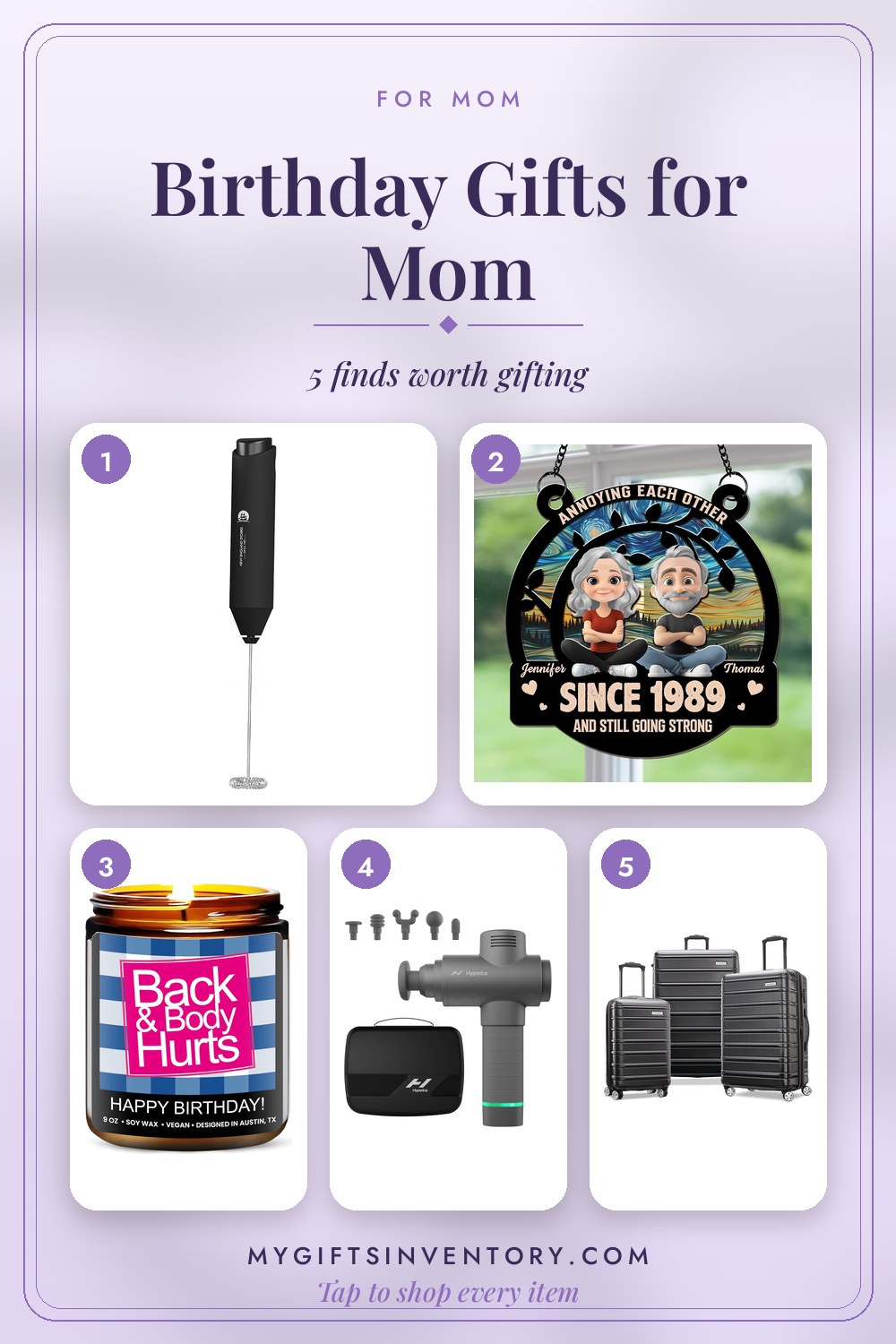
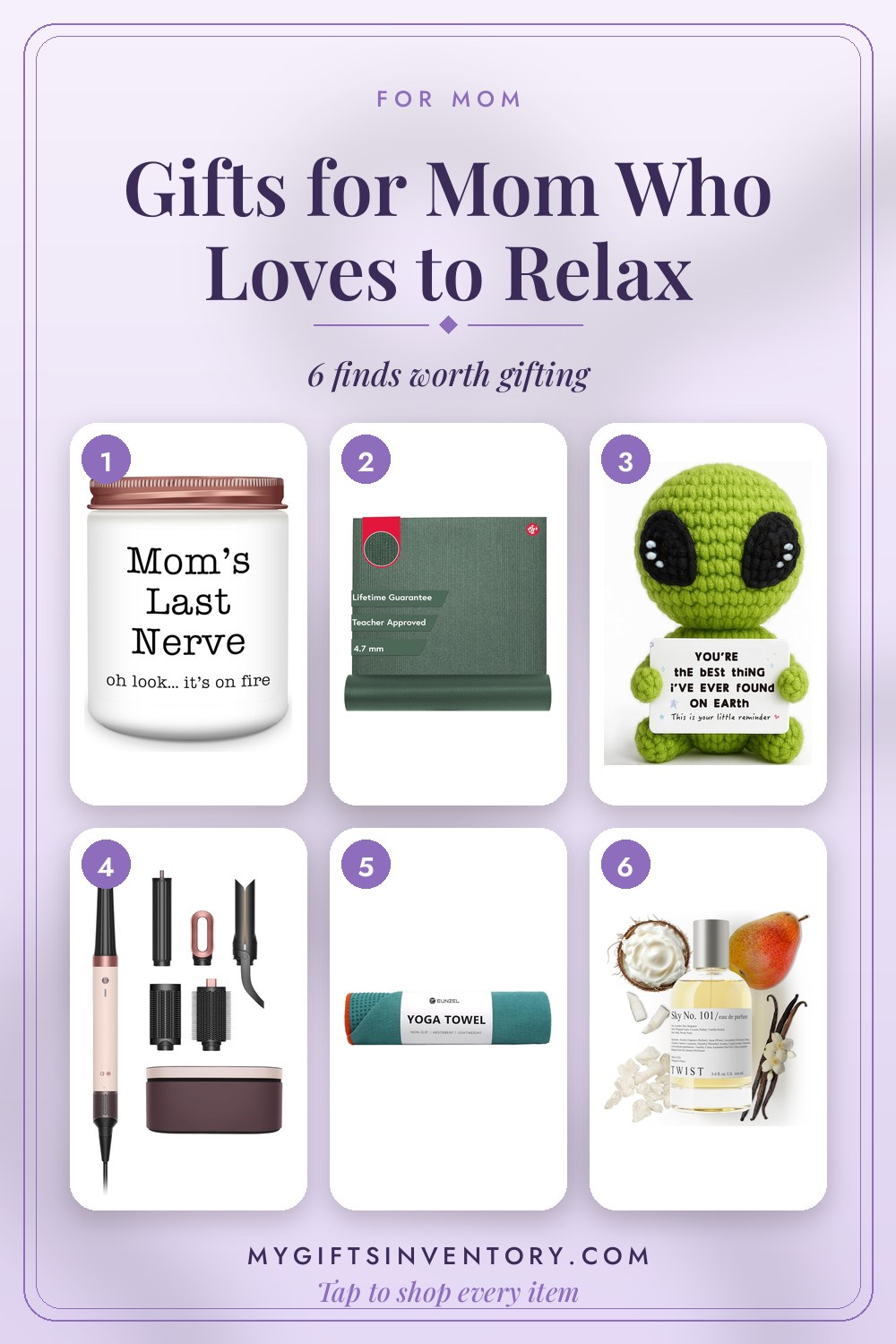
Gift Sets We Love Right Now
Every item picked, priced and linked, ready to buy.
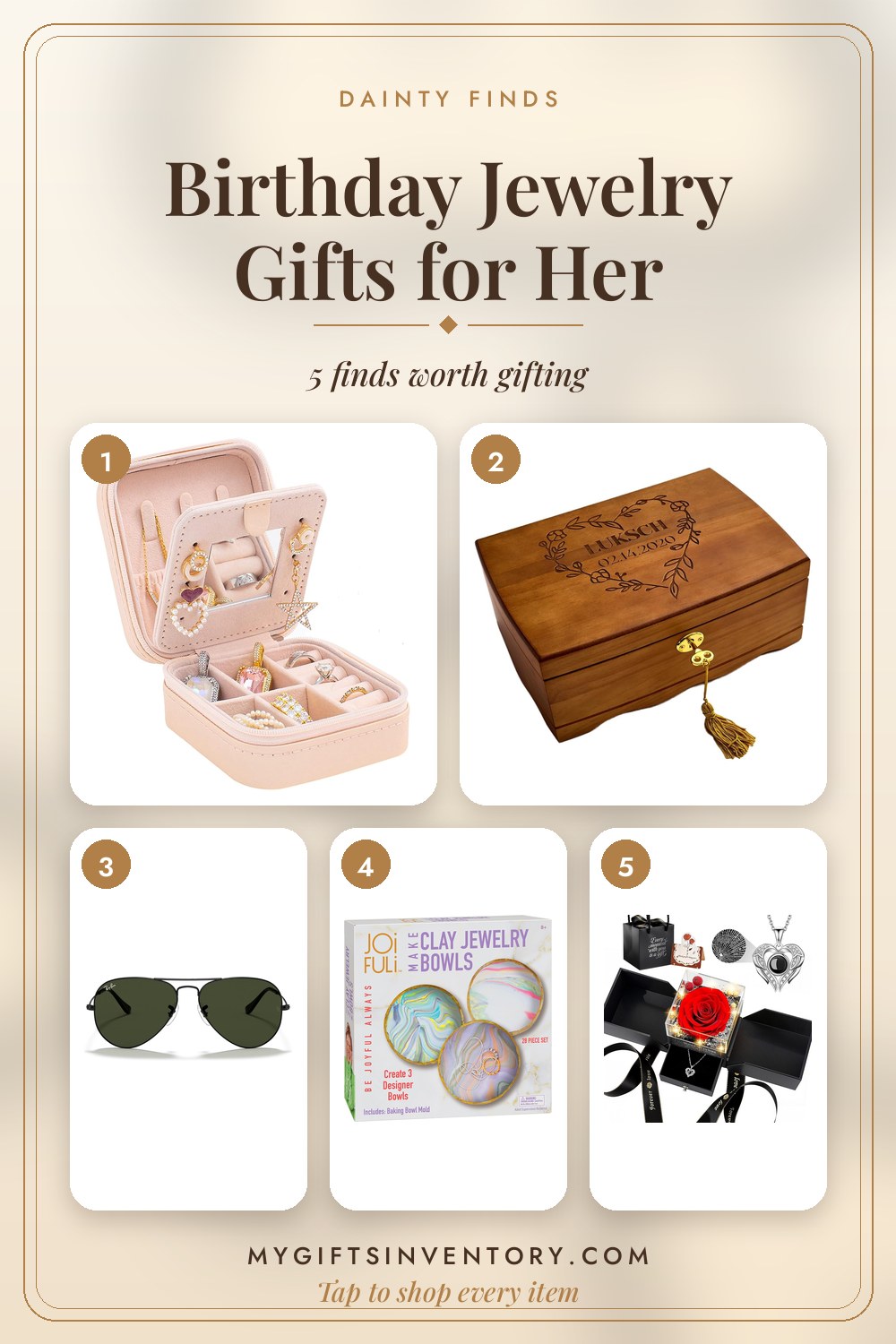
More Gift Advice