Employee Gift Giving Guidelines: Etiquette, Budgets, and What to Write in the Card
Practical rules for workplace gift exchanges, from how much to spend on a boss to who buys the retirement gift, plus real card wording you can steal.

As an Amazon Associate, My Gifts Inventory earns from qualifying purchases. We only recommend products we'd genuinely consider buying ourselves.
If you have just been handed the job of coordinating the team holiday gift, or you are standing in a store wondering whether a $30 candle is too much for your boss, you are in the right place. Office gift giving is one of those things everyone does and nobody quite knows the rules for, and the stakes are weirdly high: too cheap can read as careless, too expensive can feel like pressure, and a gift with a personal edge can land badly in a way you never intended. This is the framework we use to keep it simple.
The floor rules: who gets gifts and who does not
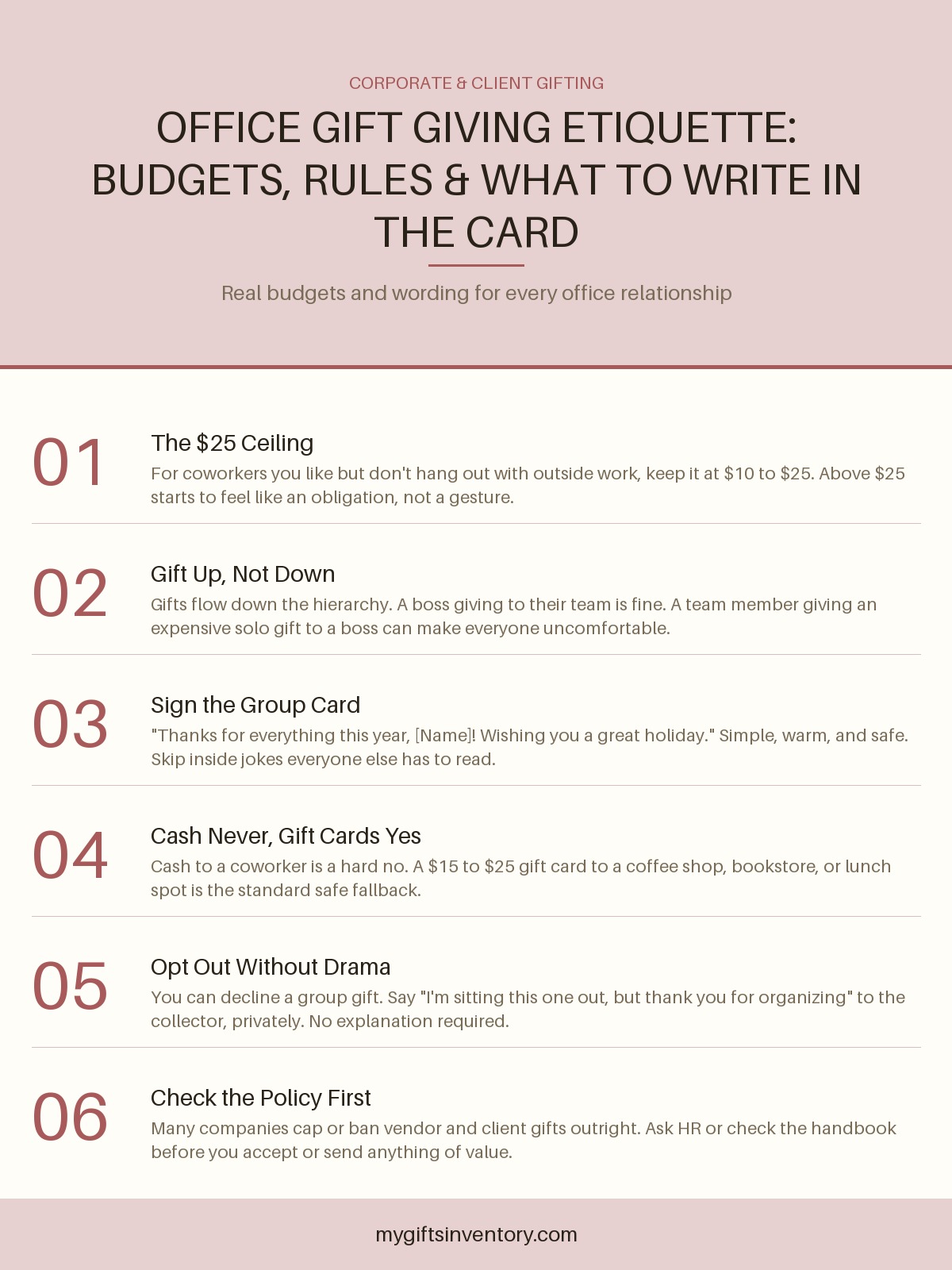
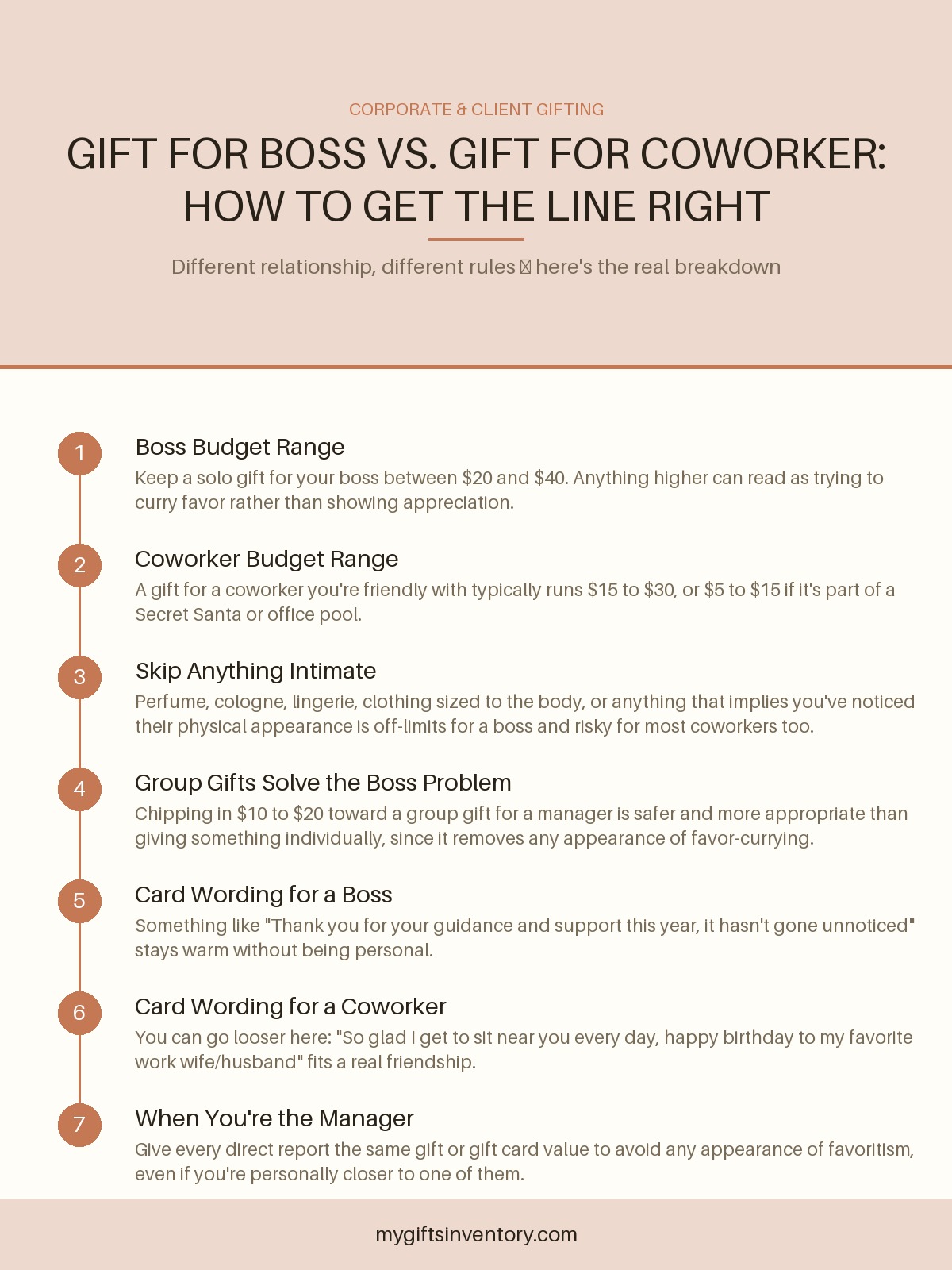
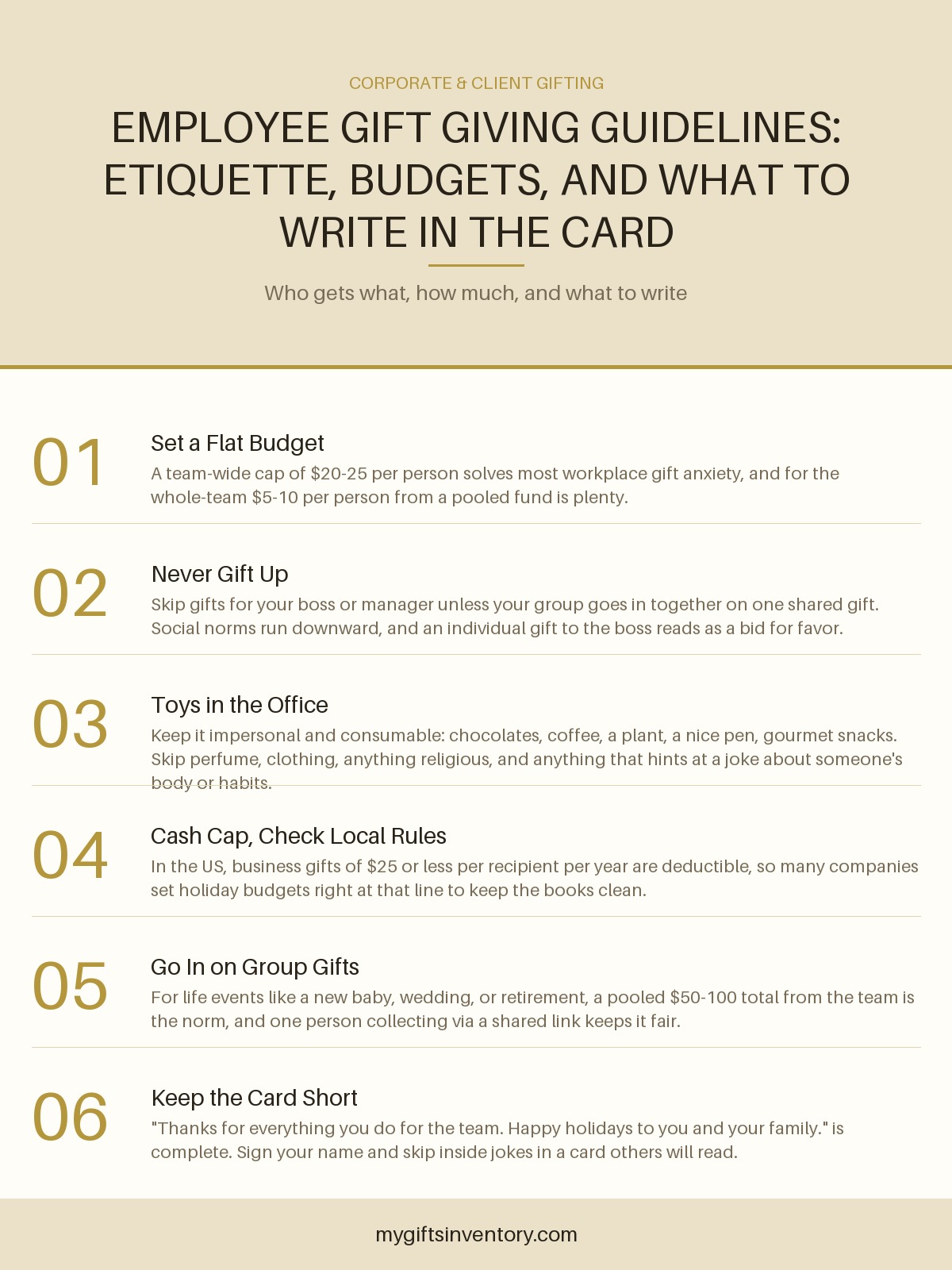
The single most useful principle in workplace gifting is that gifts move down or sideways, never up. That means a manager giving to their team is normal and generous. A colleague giving to a peer is normal if there is a real relationship. An employee giving an individual gift to their manager or director is the one move that reliably creates awkwardness, because it can be read as currying favor even when it is completely innocent.
In practice, that gives you a few clean cases:
When you are the manager
Give to your direct reports and expect nothing back. A modest gift per person, around $15 to $25, is plenty and is far more about recognition than dollar value. A handwritten note saying something specific about their work this year beats most objects. If you have a large team, a shared treat plus individual cards is a completely respectable option.
When you are the employee
Participate in the group gift for your manager or for anyone having a life event, and skip the individual gift. A holiday card with a sincere line or two is always welcome and costs nothing. If your team does a Secret Santa or white elephant exchange, joining in is the most socially graceful move, and the guidelines below keep it painless.
When it is a peer or a close work friend
This is where individual gifts are genuinely fine, but keep it modest and keep it private. A $10 to $15 consumable, given quietly at the end of the day, is the safest version. Anything that looks performative in front of the rest of the team can leave other people feeling odd, so read the room.
One more floor rule that saves a lot of grief: nobody should feel obligated to spend money at work. If there is a pooled collection, participation must be voluntary and, ideally, the amount you contribute is not announced. A shared online collection link with a modest suggested amount handles this better than a card passed around that shows everyone's numbers.
Setting a budget that actually works
Budget questions are the most-searched part of this topic, so here are the ranges we would use without hesitation. These are per-person figures for a typical workplace, and they assume you are buying for one exchange, not outfitting the entire office.
Holiday and year-end budgets
- Secret Santa or gift exchange: the cap should be stated, and $20 to $25 is the most common sweet spot. Under $15 starts to feel like filler, over $30 and people start to worry about being outmatched.
- Team member from a manager: $15 to $25 per direct report is a good default; with a team of five, that is a $75 to $125 commitment total, which is where most managers land.
- Peer to peer: $10 to $15 if you give at all. Nobody expects a gift from a coworker.
- Group gift for a manager: $5 to $10 per person from a pooled fund is the norm, so a ten-person team gives a $50 to $100 gift together.
Life-event budgets
- New baby: a pooled $50 to $150 from the team, or $25 to $50 if you are giving solo. Stick to practical items. We keep a running guide to gifts for new moms that leans into the things people actually use in the first weeks, which is exactly what a team gift should aim for.
- Wedding or engagement: follow whatever the couple registered for, or go in together for one bigger gift from the whole team rather than five small ones.
- Retirement: $100 to $300 from the whole team is typical, scaled to how long the person has been with you. Retirement is the occasion where a more substantial group gift reads as appropriate rather than showy.
- Sympathy: flowers or a donation, no spending contest, and never a "gift" in the festive sense. This is the one case where the group should quietly cover it and spare the family any admin.
Keeping it within tax-friendly lines
In the US, the IRS generally allows businesses to deduct gifts to individual recipients of up to $25 per person per year, so many companies deliberately set employee holiday budgets right around that line. (Amounts above that are not automatically forbidden, they just are not deductible as business gifts.) Check with your finance team before you assume a number, since it can change and your company may set its own stricter cap. If you are buying for someone whose tastes you genuinely cannot guess, a small gift card is a legitimate answer, and our page on checking an Olive Garden gift card balance is a handy reminder that restaurant cards get used and appreciated more often than most swag does.
Choosing a gift that will not backfire
The safest workplace gifts share three qualities: they are consumable, they are impersonal in a good way, and they do not presume anything about the person's life. Coffee, good chocolate, gourmet snacks, a nice candle, a plant, a quality pen, a desk accessory. A box of good tea and a small tin of cookies from a local bakery will never offend anyone and will get eaten.
Things to actively avoid: anything scented or perfumed for someone you do not know well, clothing and sizing, anything religious or political, gag gifts that hinge on a coworker's appearance, habits, or personal life, and alcohol unless you know the person drinks. Also avoid gifts that require the recipient to do something, like a gym membership or a spa voucher for someone who has never mentioned wanting either.
For the person who genuinely has everything, the honest answer is either a very good consumable or a small donation in their name to a cause you have confirmed they care about. For teams where people have very different tastes, a themed group gift works surprisingly well, and we find that hobby or fandom-based picks do the work for you. A colleague who is a cycling obsessive will actually use something from our cycling gift guide, and a comic-book fan on the team is easy to buy for with the picks in our roundup of Marvel gifts. Just be careful that you actually know the interest rather than assuming it, and if you do not, default back to the coffee and chocolate rule.
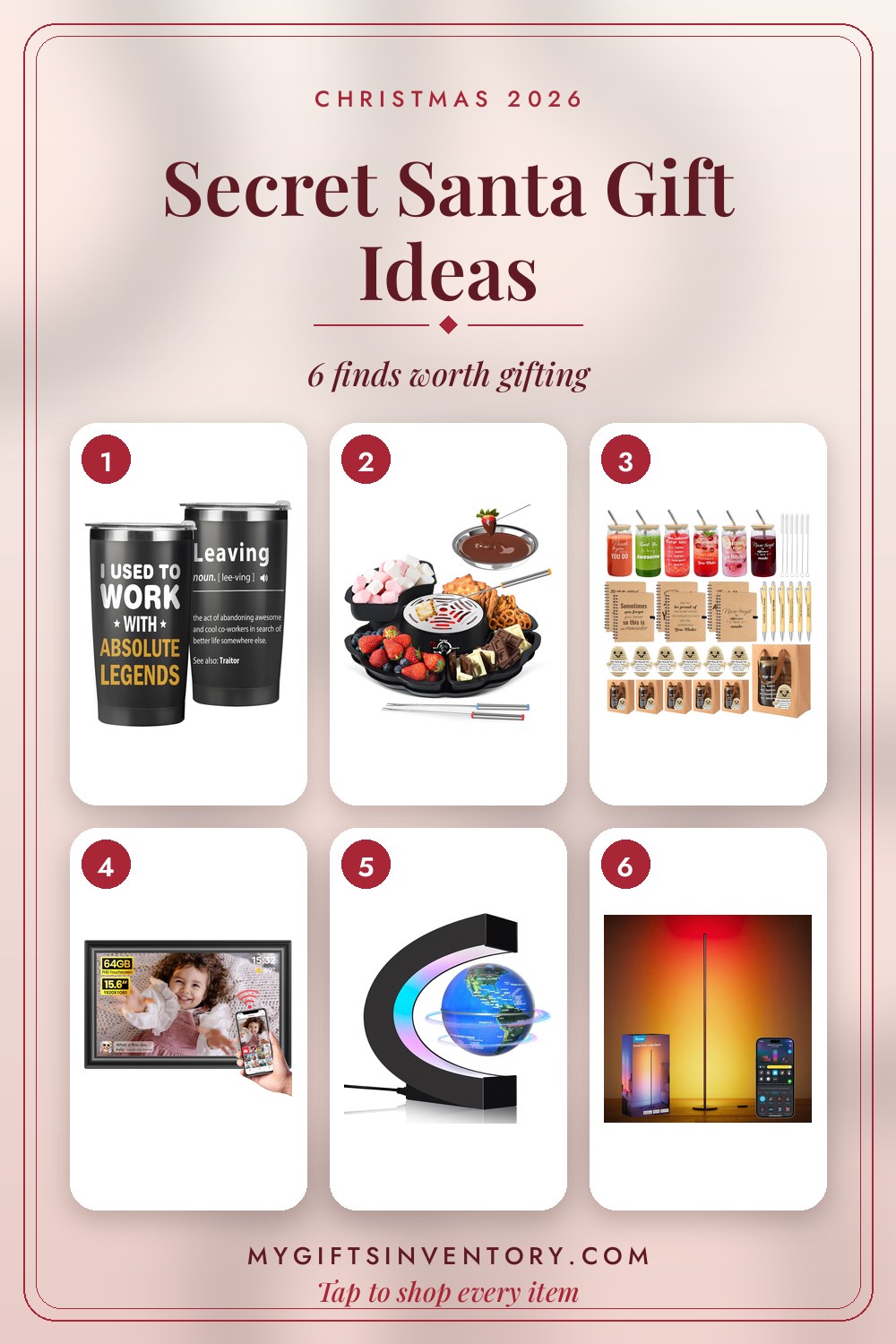
If your office runs an exchange with a stated theme, the best investment is five minutes of browsing ideas around the theme so you are not the person who shows up with the third identical mug. Our list of Secret Santa ideas that do not feel like filler exists precisely for that moment and is worth keeping open in a tab during the exchange season.
What to write in the card
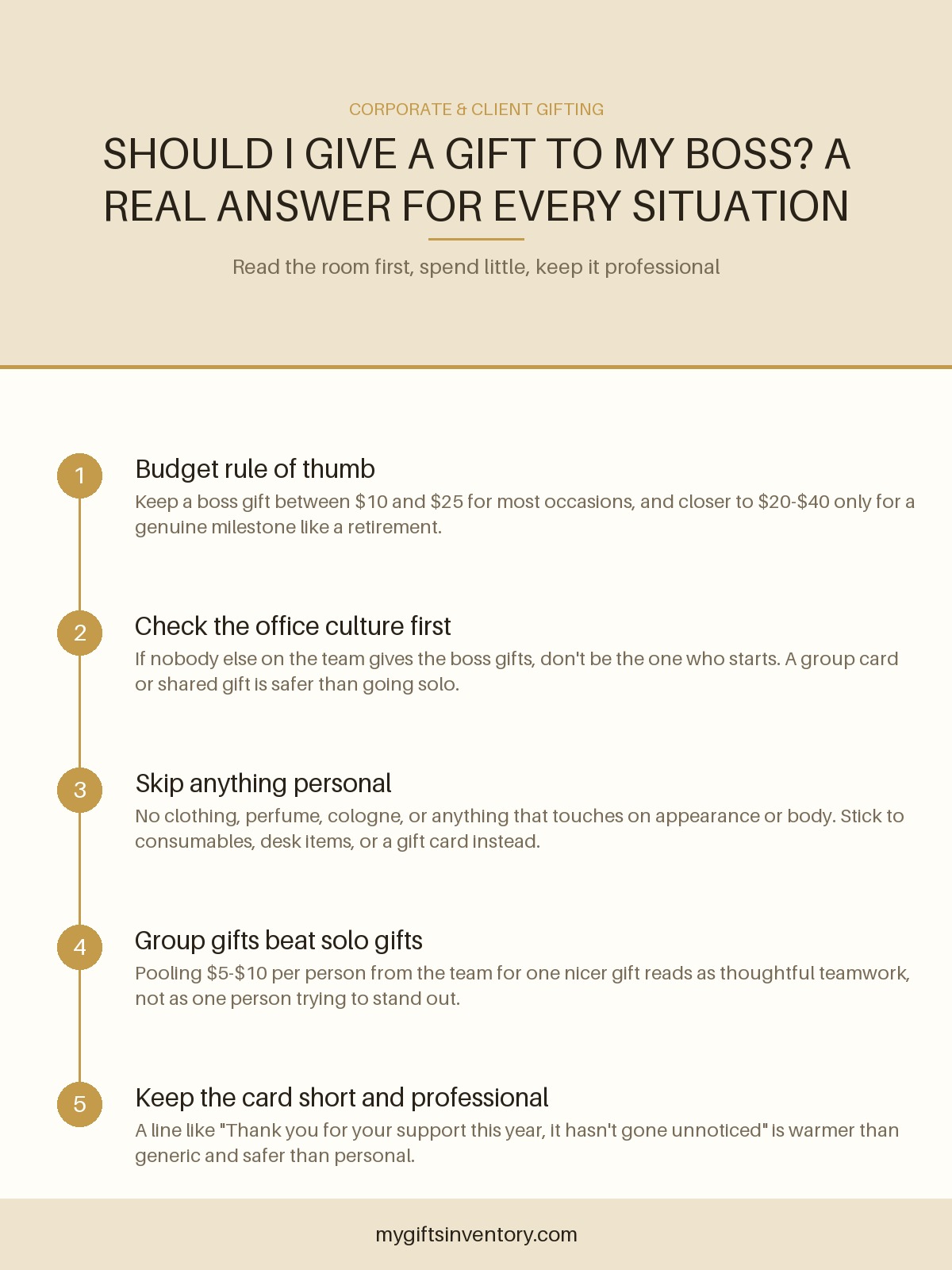
Card wording trips people up more than the gift itself. The rule is short, warm, and specific, in that order. A card that says something genuine in two lines is better than a paragraph of generic praise. And a card that will be read by others, like one passed around the team, should have zero inside jokes and nothing you would not say in a meeting.
For a team member from a manager
"Thanks for everything you bring to the team this year, especially [one specific thing]. Happy holidays to you and your family." That is complete. If you want something slightly more formal: "Wishing you a restful holiday and a great new year. Thank you for your hard work."
For a colleague or peer
"Happy holidays, and thanks for being such a good person to work with. Hope you get some real time off." Keep it light, warm, and brief.
For a group card
Each person should write one short line and sign. One person's long message makes everyone else's look thin, so set a word limit and stick to it: "Thanks for a great year, [name]. Enjoy the break., Alex." That is plenty.
For life events
New baby: "Congratulations! Wishing you and your family all the best. We have you covered on the team until you are back." Retirement: "Congratulations on [number] years, and thank you for everything you have taught us. Enjoy every minute of what comes next." Sympathy: "We are thinking of you and your family. Please take whatever time you need."
One last card note: handwrite whenever you can, and use black or blue ink so it photographs well if your team takes a picture of the gift and card together. It sounds trivial but it is what people actually look at later.
Handling the awkward edges
A few scenarios come up over and over, so it helps to have an answer ready.
Someone gives you a gift and you have nothing for them
Thank them sincerely and do not apologize excessively or promise to "get them something later" unless you mean it. A warm note the next day is a complete response. The gift was not a transaction, and treating it like one makes it awkward for them, not you.
You do not want to participate in the exchange
You can opt out politely with a short line: "I am sitting this one out this year, but have fun." You do not owe an explanation, and nobody reasonable will press. A good team handles this without commentary.
The pooled collection has a suggested amount you cannot afford
Contribute whatever you are comfortable with, or simply sign the card. The collection should be designed to make this invisible, and if it is not, that is worth raising with whoever organized it.
You are remote
Ship the gift to the person's home address with a note, and join the group card with a short message. For remote teams, a card with one line from each person is often more meaningful than the gift itself. If everything is arriving by mail, check that you have the right addresses well before the deadline.
Timing it so it is not a scramble
Workplace gifts tend to fail for one reason: they get left to the last week. Here is the timeline that actually works. Six weeks before the holiday or event, confirm the budget and who is getting what. Four weeks out, open the group collection and get addresses for anyone remote. Three weeks out, place orders for anything being shipped, and order the cards at the same time. Two weeks out, write the cards. One week out, hand them out or ship them, and set a reminder for the day after to check that remote deliveries arrived.
If you are the person coordinating, save yourself a future headache and keep a small spreadsheet with names, addresses, budget, and what was given. It sounds like overkill for one holiday, but next year it turns a scramble into an afternoon.
Gift Ideas to Go With This


Want more ideas? Browse our full guide: 21 Corporate & Employee Gift Ideas Under $50 (2026) That Won't Feel Like an Obligation
Frequently Asked Questions
How much should I spend on a coworker for the holidays?
Around $10 to $15 if you are giving individually, or the stated cap of $20 to $25 if your team runs a Secret Santa. Peers do not expect gifts from colleagues, so a modest consumable plus a good card is the right level. Do not spend enough to make the person feel they need to reciprocate.
Should I buy a gift for my boss?
Not individually, in most workplaces. Instead, contribute $5 to $10 to a group gift or sign the team card. Social norms run downward, and an individual gift from an employee to a manager can look like a bid for favoritism even when your intentions are entirely good.
Are workplace holiday gifts tax deductible?
For US businesses, gifts to individual recipients are generally deductible up to $25 per person per year, so many companies set employee budgets at or below that amount. Always confirm the current figure with your finance team, since the number can change and your company may set a stricter internal cap.
What is a good gift for a workplace gift exchange under $25?
Go for something consumable and universally liked: good coffee or tea, a quality chocolate assortment, a nice candle, a plant, or gourmet snacks. These get used, cannot offend anyone, and do not require you to know the person's size, taste, or habits. Avoid gag gifts and anything scented for someone you do not know well.
Who should sign the team card for a departing colleague?
Everyone who worked closely with them, plus anyone who wants to. Circulate the card for two or three days maximum so it does not hold up the gift, and let one person write the main message at the top so the rest of the signatures stay short and consistent.
Looking for an Actual Gift Instead?




Gift Sets We Love Right Now
Every item picked, priced and linked, ready to buy.



More Gift Advice