Gift giving tips: etiquette, budgets, card wording, wrapping, registries, and returns
If gift giving has you second-guessing your budget, your card wording, and your timeline, we’ve got practical fixes. Use these etiquette rules and planning checklists to make every gift feel thoughtful, not stressful.

As an Amazon Associate, My Gifts Inventory earns from qualifying purchases. We only recommend products we'd genuinely consider buying ourselves.
“Gift giving tips” is usually what we type when we can feel the clock ticking. We want it to be thoughtful, we want it to fit the budget, and we really want the card, the wrapping, and the logistics to be flawless.
So we built this guide around the moments that cause the most stress: choosing a reasonable amount to spend, writing card wording that sounds like you, handling registries without offending anyone, and keeping returns from becoming a whole thing.
Start with the part that controls everything: your gift plan
The easiest way to reduce gift stress is to stop treating each gift like a fresh decision. We plan by person, then by timeline, then by “what could go wrong.”
Use a simple budget method that stays realistic
When people ask about gift budgets, they usually mean, “How much is too much, and how much is too little to feel right?” A practical approach is to use a range instead of a single number. For example:
- Close family or partner: plan for a range like $75 to $150 depending on your year and your relationship.
- Friends and extended family: a common range is $25 to $75.
- Neighbors, teachers, coworkers: $15 to $50 often feels appropriate if you keep it consistent.
Then we add one rule: if you are uncertain, choose the low end first and leave room to adjust. That prevents “I’ll just spend a bit more” from turning into a full reset of your holiday budget.
Choose a category before you choose a product
Instead of starting with “What should I buy?” we start with “What should the gift do?” Good answers look like:
- Make life easier: something they will use regularly.
- Make them feel seen: something tied to a real interest.
- Create a memory: an experience or a shared activity.
- Celebrate the moment: anniversary, milestone, holiday traditions.
If you like a category anchor, we often use our gift-idea pages as an organizing step. For example, if you are trying to stay under $50 but still want it to feel like something they will actually use, you might start with kitchen gifts that fit that “useful, not random” sweet spot: 20 Kitchen Gadgets Gift Ideas Under $50 (2026): Gifts They'll Actually Use.
Plan backwards from the day you need it
We recommend working backwards from the event date and adding buffer for the real world. Here is a timeline that works for most situations:
- 14 to 18 days before: pick your gifts and confirm you can get them on time.
- 7 to 10 days before: finalize cards and wrapping supplies. If you need customization, order now.
- 3 to 5 days before: do a “final check” round: addresses, pickup windows, shipping confirmations, and whether anything needs a return or exchange.
- Day before: wrap everything you can, but keep unwrapped gifts that might need a quick adjustment or reseating of packaging.
If you are already close to the deadline, you can still salvage the experience. The key is to stop trying to win with the perfect object and instead win with timing, a well-written card, and a plan for when they can enjoy it.
Etiquette rules that keep gift giving from feeling weird
Gift etiquette sounds formal until you are the one who is unsure whether to mention cost, whether to buy from a registry, or what to do if the person already bought something. These rules keep things smooth.
Registries: treat them like guidance, not a trap
If someone provides a registry, it is not a test. It is a convenience. In most cases, we follow the registry in one of three ways:
- Best match: buy the exact item.
- Close match: choose a similar item if the registry is out of stock or you spot something that fits the same “need” and price band.
- Upgrade or substitute: pick a step up or an alternative that still fits their style and practical needs.
What we avoid: giving something they clearly do not want. If the registry is very specific (for example, only certain brands or colors), we treat that as a signal. And if they register for budget-friendly options, it is usually not the time to surprise them with an expensive out-of-scope splurge unless you know it fits their preference.
Don’t over-explain cost
It is fine to spend within your means. The etiquette move is to keep money out of the story. Avoid lines like “This was the cheapest one” or “I know it’s not much.” Your card and your tone should make the gift feel like it is about them, not about the math.
Group gifting: decide roles early
If multiple people are pooling money, we like a quick pre-agreement on two things:
- Who picks the gift? One person should be the decision maker, or you end up with mismatched preferences.
- How is it presented? Same wrapping style or a single shared card, so it looks intentional.
If you are doing a group card, we recommend adding 1 to 2 sentences per person. Long paragraphs from everyone is how a card turns into a novel nobody finishes.
Gift cards: when they help, and when they feel lazy
A gift card can be thoughtful when you pair it with a reason. For example: “I know you have been into trying new coffee spots, so I picked a card so you can choose your next favorite.”
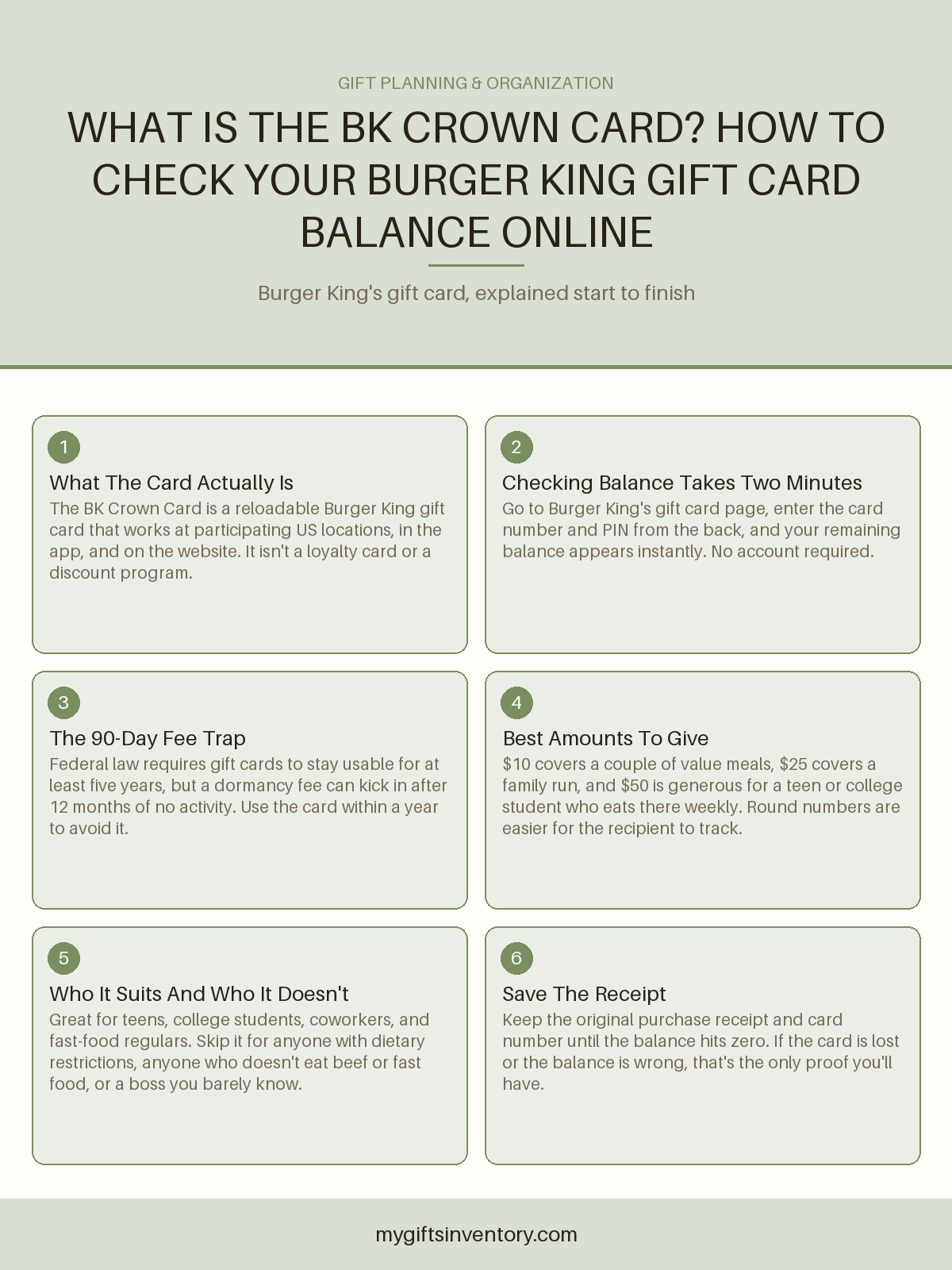
If you are leaning gift card for convenience, it helps to choose one that fits the recipient’s routine. For broad availability and everyday usability, we often point people to store-specific gift card guides, like Gift Cards at Target: The Complete List of Brands, Fees & Where to Buy (2026) or Gift Cards at Walmart: The Complete List of Brands, Fees & Where to Buy (2026).
Also, if you buy gift cards frequently, consider checking them when you purchase so you are not hunting down balance info after the fact.
What to write in a card: wording that feels personal and not cheesy
A card is one of the highest-impact parts of gift giving because it turns an object into a message. The trick is to keep it specific and short enough that it feels like a human wrote it.
A simple card formula we use
We recommend a three-part structure, even when we only have a few lines:
- One specific observation: something real about them lately.
- One connection to the gift: why this gift matches that moment.
- One warm wish: what you hope for next.
Card wording examples by relationship
For a close friend:
“I loved hearing about your new hobby. This made me think of you right away. Hope it helps you keep going and have fun with it this season.”
For a coworker or someone you do not know well:
“Thank you for all your help this year. I appreciate working with you and I hope the next few weeks bring you some real downtime.”
For a partner:
“You make everyday feel more like a ‘let’s do this’ kind of day. I chose this because it fits how you live. I hope it makes your life a little easier and a lot more enjoyable.”
For a parent or family member:
“I’m grateful for you and for everything you do. This is my way of saying thank you, and I hope you love using it.”
What to include, and what to avoid
- Include: one detail, one thank-you or appreciation line, and a wish that matches the occasion.
- Avoid: reminders of obligation, cost comparisons, or inside jokes that do not make sense to the recipient’s comfort level.
When you are giving a gift card
We like to make gift cards feel intentional by pairing them with choice plus a reason. Example:
“I know you have a few things you’ve wanted, so this gives you the freedom to pick. I hope you enjoy it and use it on something you will love.”
Wrapping tips that look good and open easily
Wrapping is part of the experience. But it should never become a barrier. We aim for “pretty and easy,” especially when the recipient might be juggling kids, winter coats, or limited time.
What we do every time
- Use a sturdy box or bag for items that do not sit flat.
- Keep paper seams neat and tuck tape so it is not visible from the front.
- Leave space for a card so it does not get crushed.
- Test the opening if it is a complicated wrap or includes accessories.
Gift wrapping for different scenarios
Clothing: fold well, use tissue paper, and keep corners sharp so it looks intentional.
Breakables: add padding and do not rely on thin wrapping paper alone.
Small but valuable items: use a small box inside a larger wrap so it feels substantial when opened.
Experience gifts: wrap an “idea card” or a simple voucher note in an envelope, even if the actual details are on a receipt or email.
Returns, exchanges, and gift receipts without awkwardness
It feels uncomfortable to think about returns when you are excited to give. But the etiquette is simple: returns are part of being thoughtful when you are not 100 percent sure on fit, timing, or preferences.
When we include a receipt
- Apparel and shoes: receipt or exchange option is the safest move.
- Anything size-specific: home goods with measurements, tech accessories, or items that might be compatibility dependent.
- When you are using a registry alternative: receipt helps if the alternative does not match their exact needs.
If you buy at a store with gift receipts
Some stores offer special gift receipt options so the recipient can exchange without seeing the price. If that matters to you, decide at checkout or purchase time and keep the packaging simple so it is not hard to hand over.
How to mention a return option politely
You do not need to apologize. You can just give clarity. Card or note wording like this keeps it kind and non-awkward:
“If this isn’t quite the right fit or you would rather choose a different option, please feel free to exchange it.”
Last-minute gift plans that still feel thoughtful
Sometimes we are shopping under pressure. The goal is not to create a perfect “gift moment” on day minus one. The goal is to deliver something meaningful with the least logistical risk.
Fast options that still look intentional
- Gift card plus card: you can make this feel personal with specific wording.
- Consumables: things they will use right away, like coffee, treats, or self-care items.
- Something practical under a known budget: kitchen, desk, or home categories tend to work well because they are universally useful.
If you need ideas under tight budgets
If you are trying to make a quick decision without ending up with “random,” consider structured categories like these: 45 Best Gifts Under $20 (Highly-Rated Picks) for 2026 for small but real wins, or 20 Gift Ideas for Gourmet Treats, Wine & Coffee Gift Ideas Under $50 (2026) when you want something that feels like a treat without complex logistics.
Gift giving tips by occasion: what changes and what stays the same
Some occasions have different expectations, but the good etiquette principles stay steady: be thoughtful, stay within a reasonable budget, and plan for logistics.
Birthdays
Birthdays are ideal for “specific observation” card wording: what you have noticed about them this year. If you are buying a gift that is not their first choice, make the card do the emotional work by connecting the gift to their interests.
Anniversaries
For anniversaries, we like to include a memory in the card. Even a short line helps: “I still love how we…” or “I’m grateful for the way you…” If you are picking something personal, a category-based approach helps you move faster.
Holidays
During holiday season, timing matters more than during many other times of year. Plan backward, and keep your gift list flexible so you can replace anything that does not arrive on time.
Thank-you gifts
Thank-you gifts are about appreciation, not performance. We keep them simple, then we match the card tone to the relationship: short and warm for coworkers, a bit more detailed for friends and family.
When gift cards are the right move: how to make them feel thoughtful
If you are unsure about sizes, preferences, or what someone will actually use, a gift card is often the practical choice. The key is to make it feel like you paid attention.
Here is our approach: pick a retailer they already use or a category tied to their routine. If the recipient shops at a specific chain, choosing a card from that retailer often reduces friction. Store-focused guidance can help you compare what is available, like Gift Cards at Kroger: The Complete List of Brands, Fees & Fuel Points (2026) or Gift Cards at Meijer: The Complete List of Brands, Fees & Where to Buy (2026).
And if you are worried about whether the card has funds you expect, we recommend using a balance-check page rather than guessing. For example, if you are giving a major brand card, you can verify the balance with the correct store-specific checker, such as Target Gift Card Balance: How to Check It.
Choosing the gift that feels “right”: a quick decision checklist
If you need a fast way to tell whether you are on track, we use this checklist before we pay:
- Is it tied to something real about them? Interest, habit, or a current moment.
- Will they use it within a reasonable timeframe? If not, the gift may sit.
- Does the price feel aligned with your relationship? Ranges beat guesswork.
- Is the gift easy to understand from the card? Your card should make it obvious why it is for them.
- Do you have a plan for logistics? Delivery date, pickup time, or exchange option.
If you want a broader starting point for matching people and occasions, we also like using this as a “thinking framework” before we zero in on the exact gift idea: Choosing the Perfect Gift: Tips and Ideas for Every Person and Occasion.

Gift Ideas to Go With This


Want more ideas? Browse our full guide: 18 Holiday Gifts & Christmas Present Ideas Under $50 (2026): Thoughtful Picks for Everyone on Your List
Frequently Asked Questions
How much should we spend on a gift?
We recommend using a budget range based on your relationship, not a single number. A common starting point is $15 to $50 for coworkers and acquaintances, $25 to $75 for friends and extended family, and $75 to $150 for close family or partners, with adjustments for your year and the occasion.
What should we write in a card if we are giving a gift card?
We suggest pairing the gift card with one specific reason they will appreciate the choice. For example: “I know you have been wanting to try a few new things, so this gives you freedom to pick what feels right. Hope you enjoy it.”
Should we buy from the registry exactly?
We usually follow the registry if one is provided, but we can stay flexible when needed. If an item is unavailable or overpriced for your budget, choose a close alternative in the same spirit and price band so it still matches their priorities.
Is it rude to include a receipt?
No, it is often part of thoughtful gifting when fit or preferences might be uncertain. If the gift is apparel or size-dependent, an exchange option usually saves stress for both of you.
What do we do if we are shopping last minute?
We plan for fast delivery and maximum “use soon” impact. A gift card plus a truly specific card, or a practical consumable in a known category, can still feel personal when timing is tight.
Looking for an Actual Gift Instead?
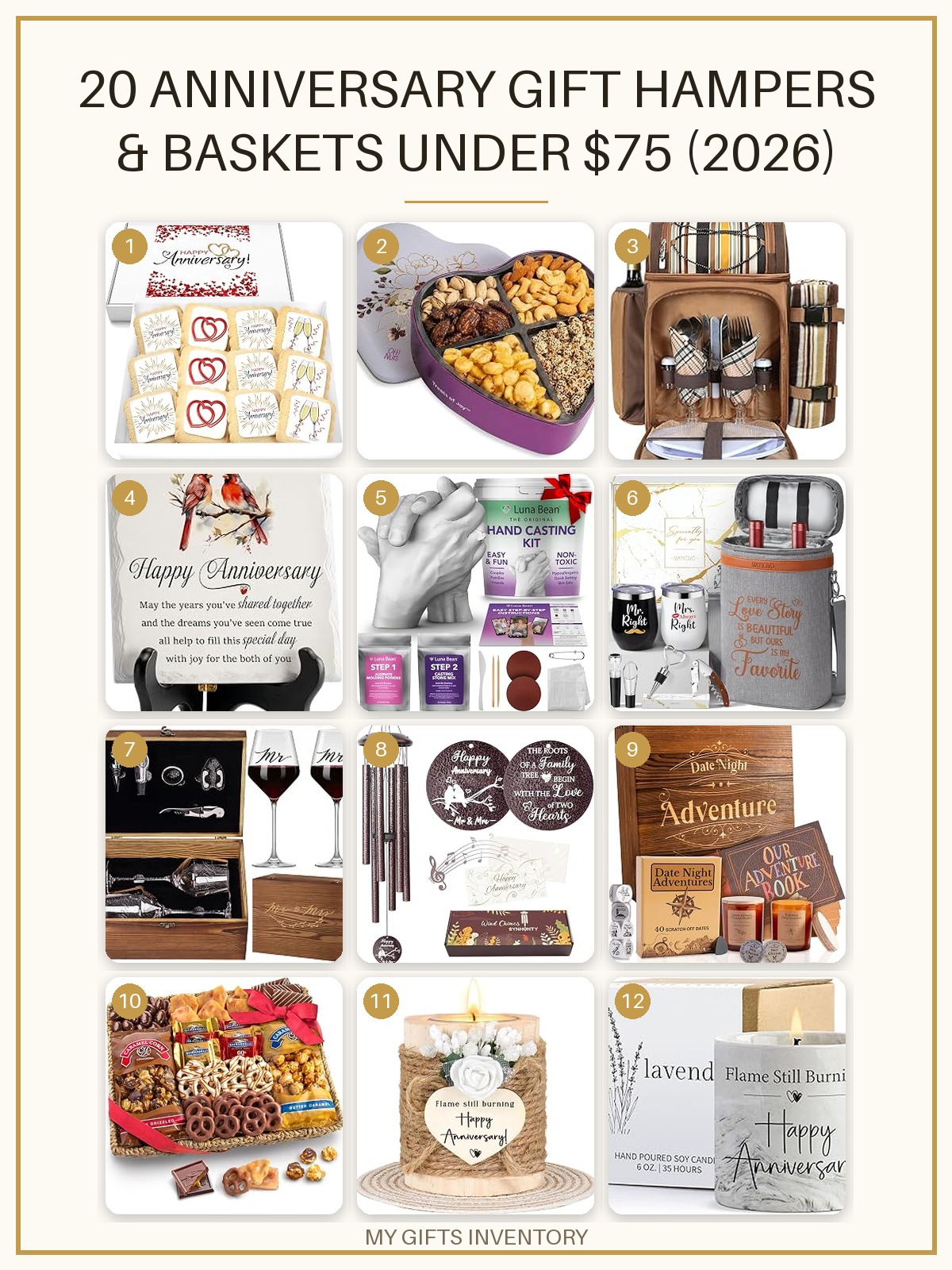
Gift Sets We Love Right Now
Every item picked, priced and linked, ready to buy.
More Gift Advice