Simple Gift Wrapping Ideas That Don't Require a Craft Store Run
No wrapping paper, no bow-making skills, no problem, here's how to make any gift look pulled-together using stuff you already have around the house.
As an Amazon Associate, My Gifts Inventory earns from qualifying purchases. We only recommend products we'd genuinely consider buying ourselves.
It's usually not the gift that's stressing you out right now, it's the fifteen minutes before you have to hand it over and you're standing in front of a roll of wrapping paper that's somehow both too small and creased down the middle. Or you don't own wrapping paper at all and the store closes in twenty minutes. Simple wrapping isn't about being a craft person. It's about having two or three reliable tricks that work every time, with stuff you probably already have in a drawer somewhere.
The good news is that the gifts people remember as "beautifully wrapped" are almost never the ones with the fanciest paper. They're the ones that look like someone actually thought about it for thirty extra seconds. That's a much lower bar than it sounds like, and we're going to walk through exactly how to clear it.
Start with what's already in your house
Before you buy anything, check what you've got. Most of the best simple wraps come from things that already exist in a kitchen or junk drawer.
Kraft paper and grocery bags
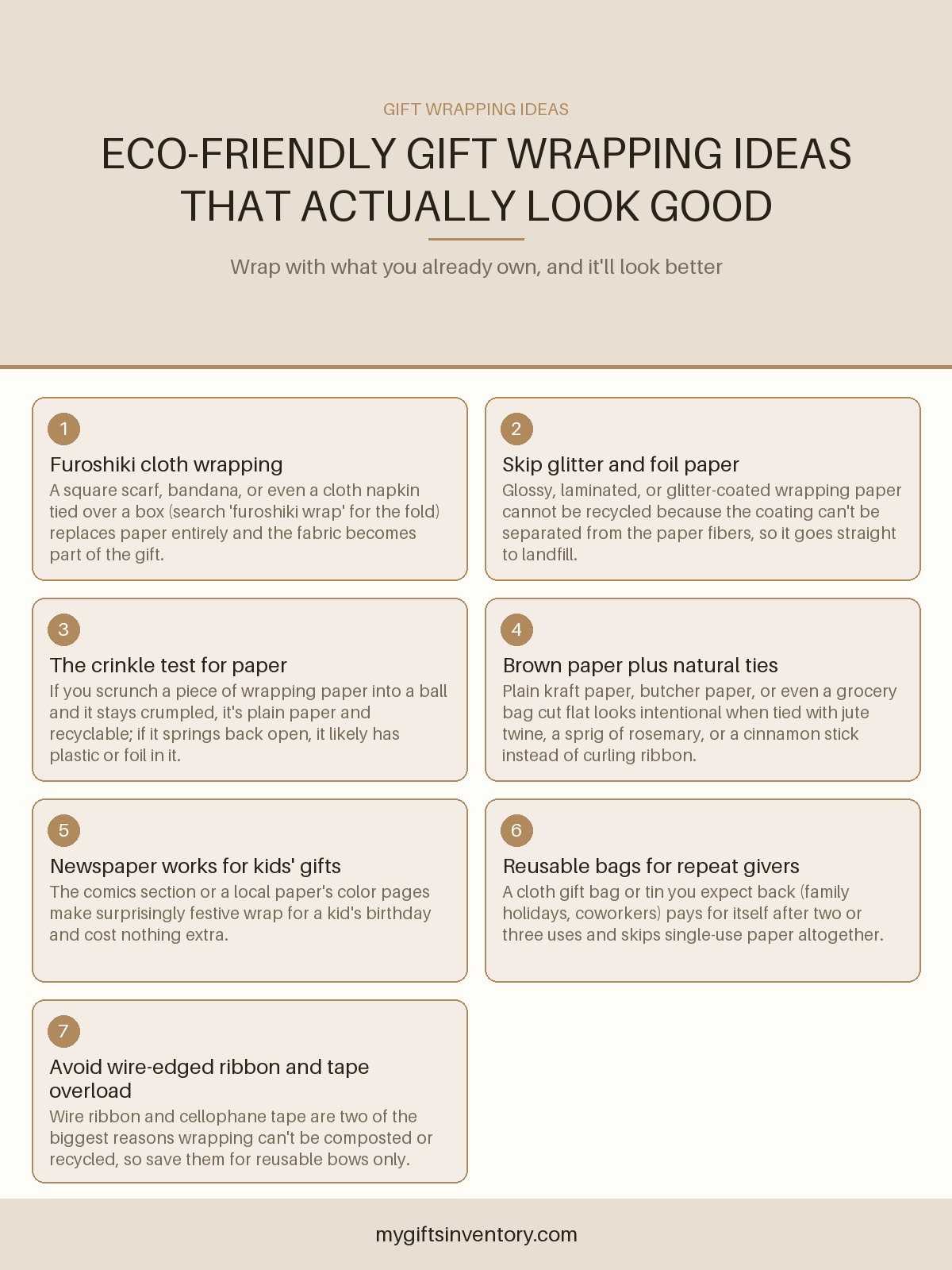
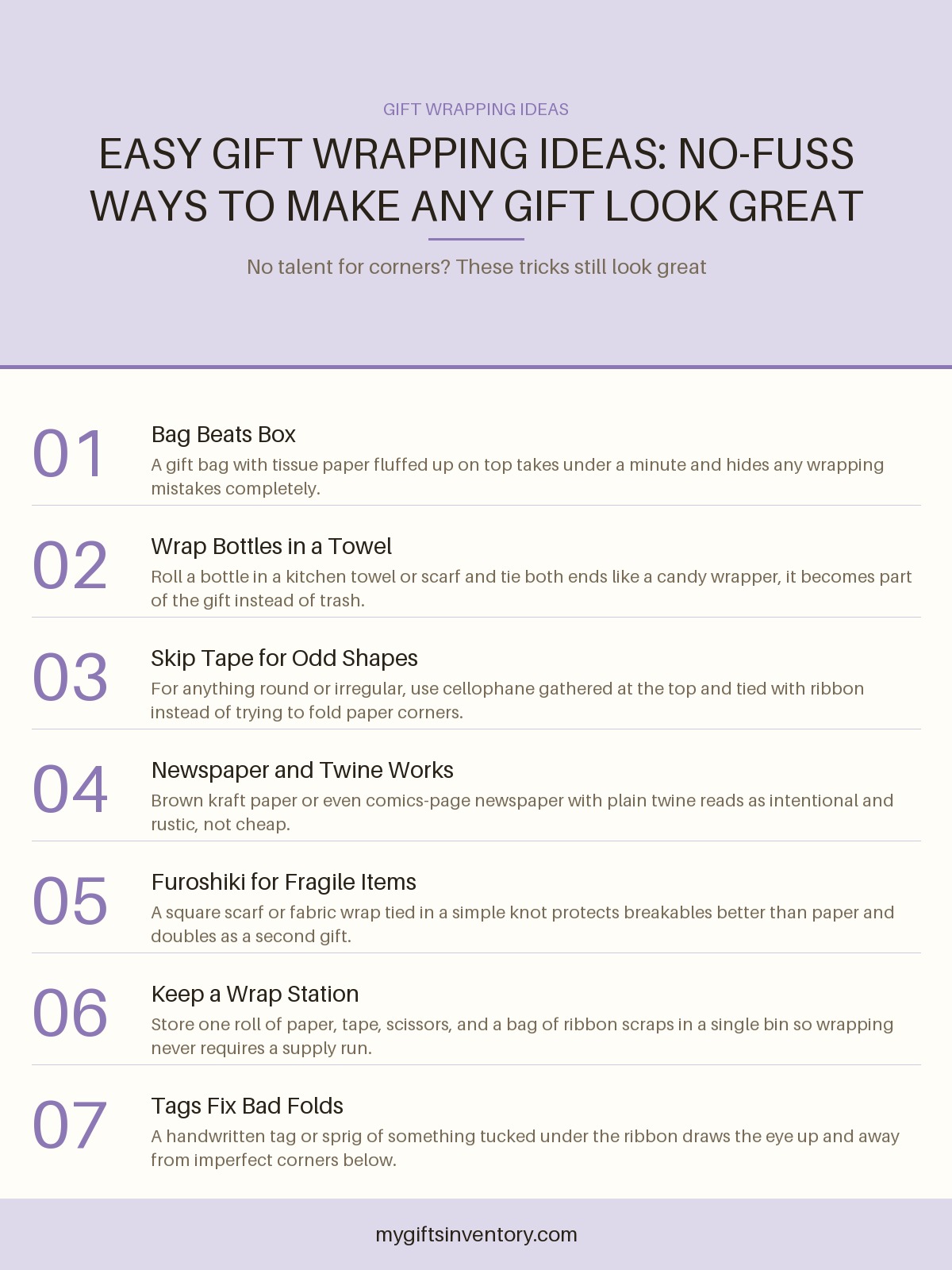
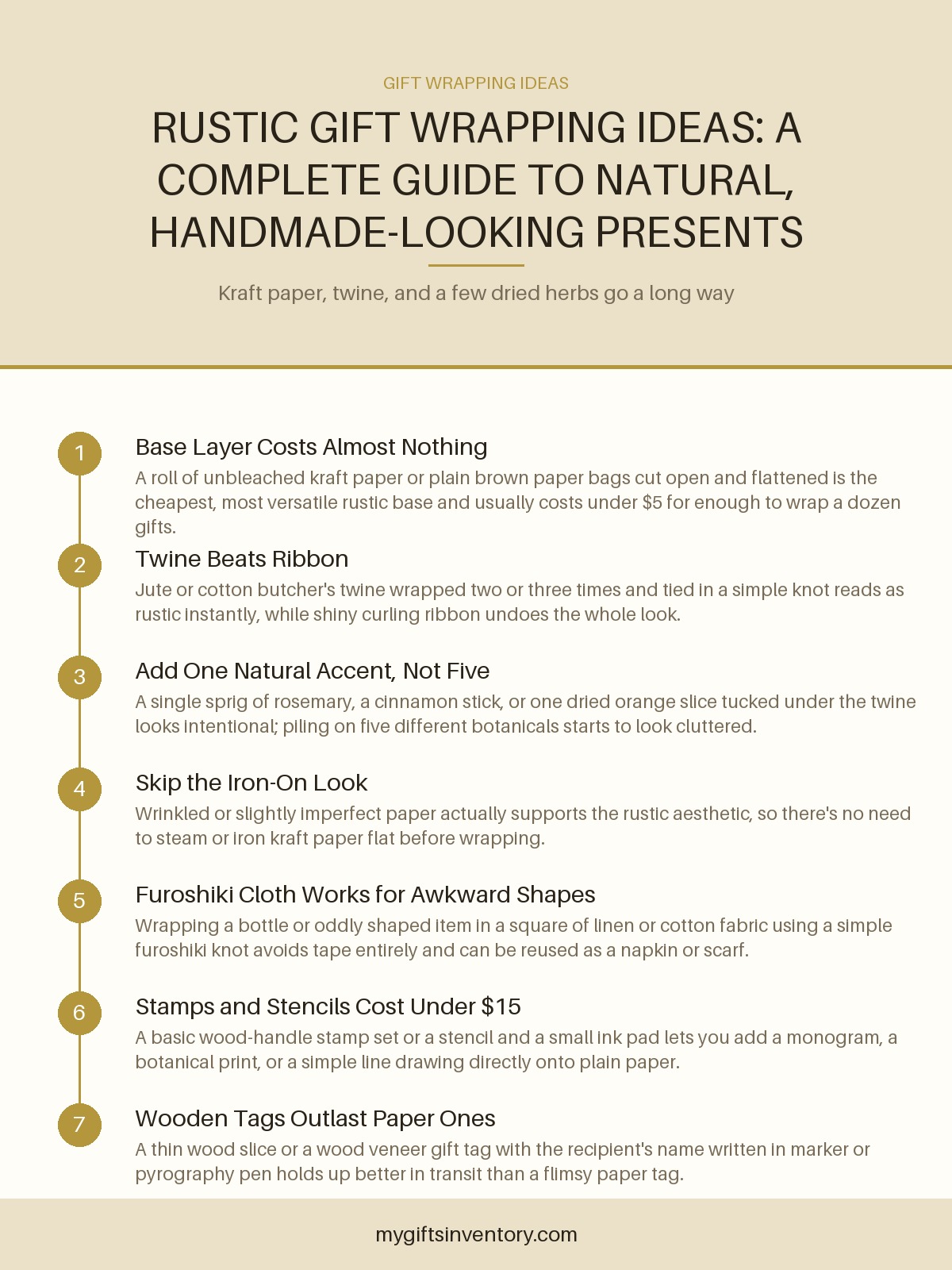
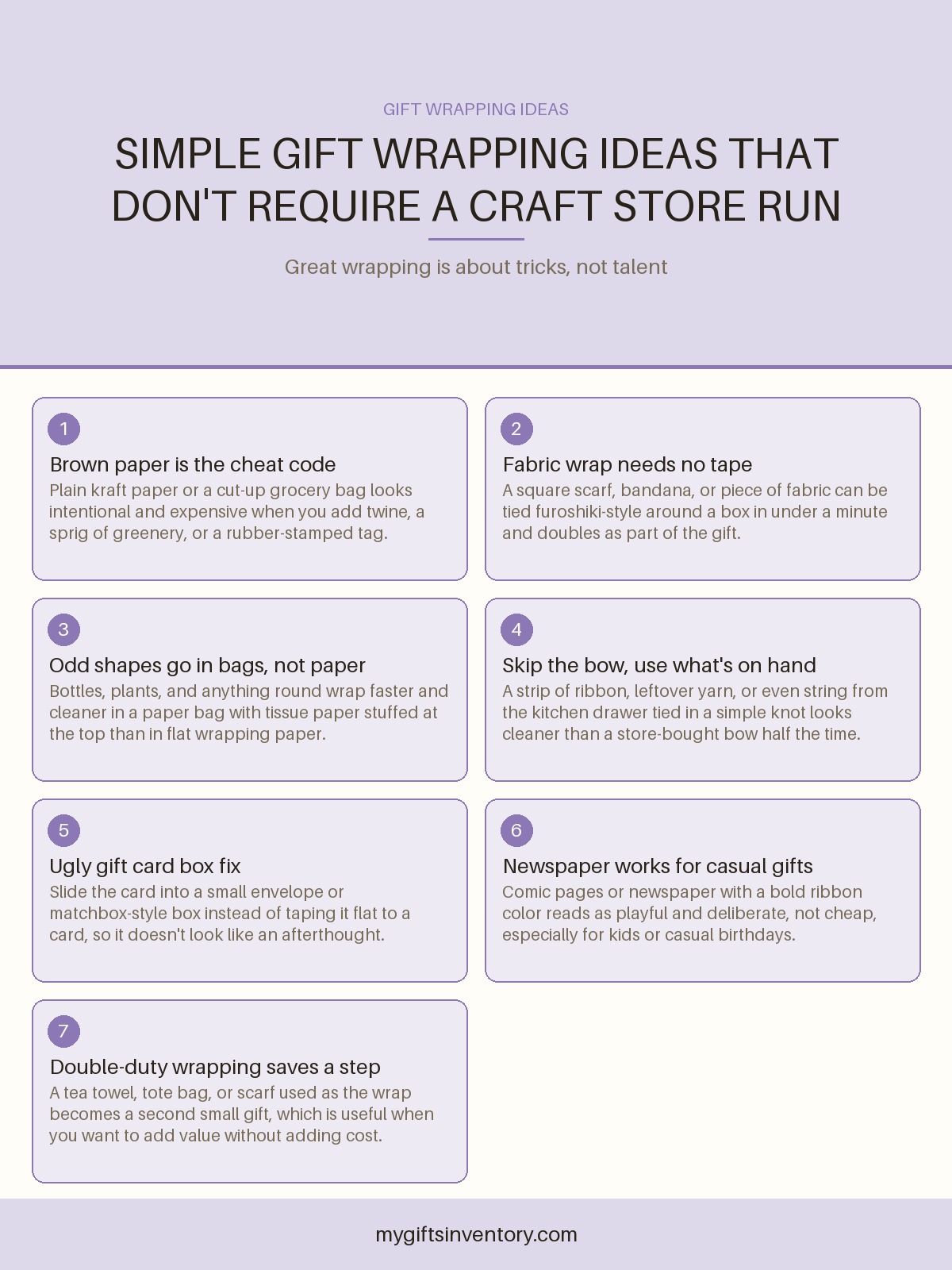
Plain brown kraft paper is one of the most underrated wrapping materials there is, and a cut-open paper grocery bag works exactly the same way. It's neutral enough to suit any occasion, it folds crisply, and it becomes the backdrop for whatever small detail you add on top, a piece of twine, a sprig of rosemary or eucalyptus, a rubber stamp, or a name written in marker. This is the wrap we reach for most often because it looks deliberate no matter who's receiving it.
Newspaper or the comics page
For a casual birthday or a gift to a kid, newspaper (especially the comics section) reads as playful rather than cheap, particularly when paired with a bold color of ribbon or yarn. It's also genuinely free.
Fabric, scarves, and tea towels
The furoshiki method, wrapping a gift in a square of fabric instead of paper, comes from Japanese gift-giving tradition and it solves two problems at once: no tape required, and the fabric becomes part of the gift. A bandana, a cloth napkin, a scarf, or a tea towel can all be tied around a box with two simple knots. This works especially well for gifts that are already soft or irregularly shaped, and it's a nice trick to keep in mind if you're working from a guide like home decor gifts for her, where a lot of the items are small, breakable, or oddly shaped.
Odd shapes need a different approach than flat paper
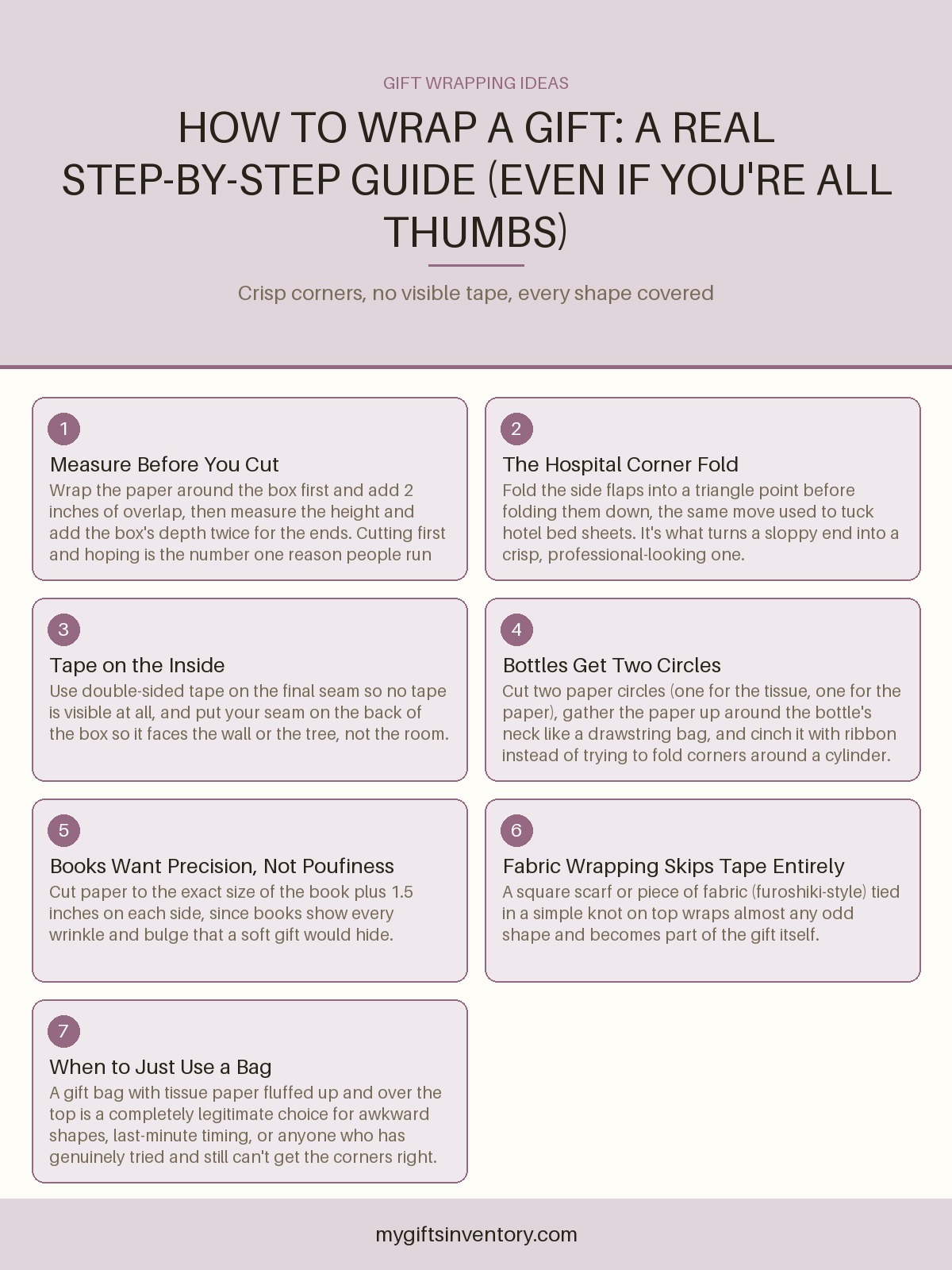
Bottles, mugs, plants, and anything round are where most people's wrapping falls apart, literally. Flat paper wants a box shape and fights you the whole way on anything curved.
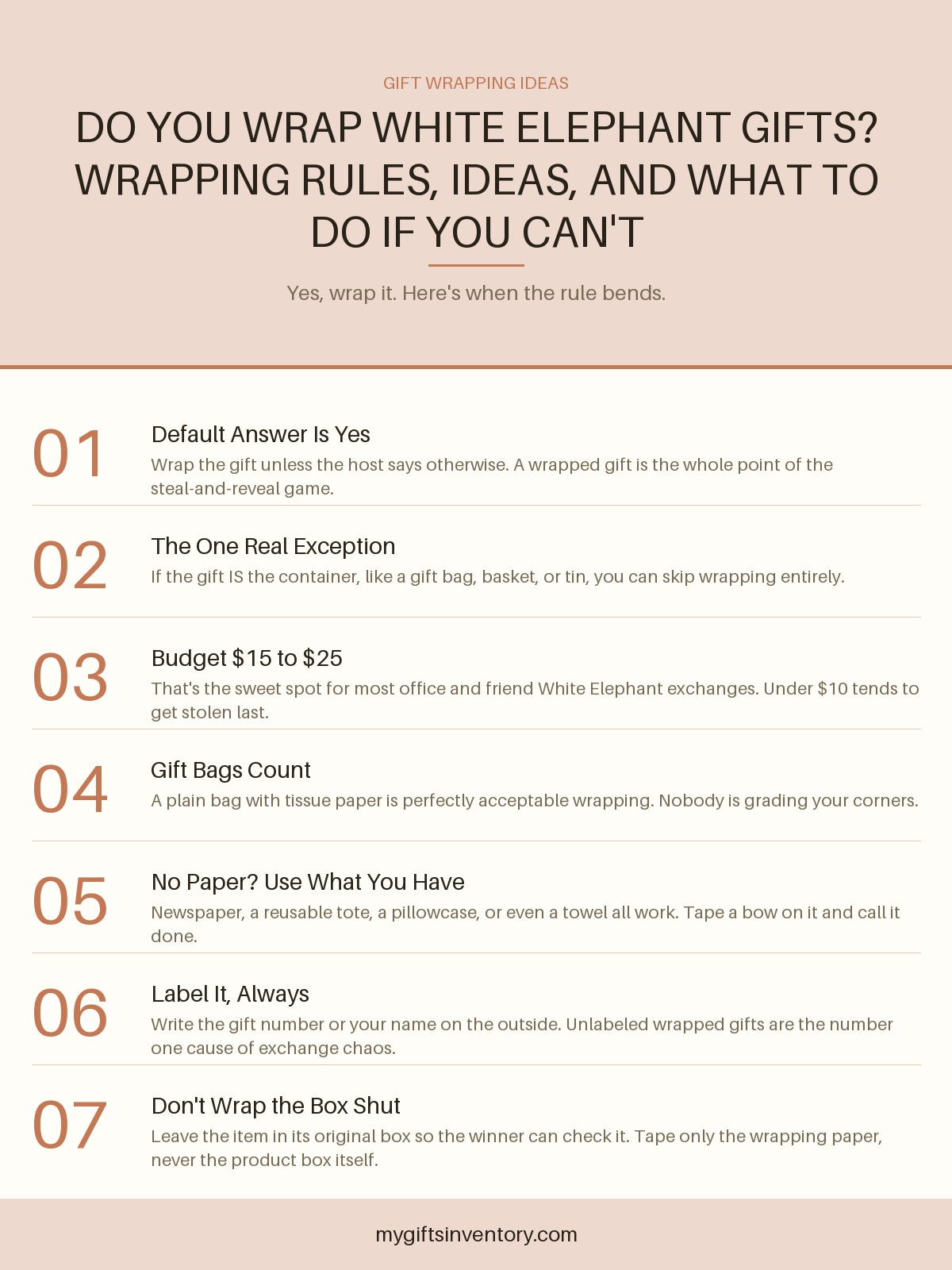
For these, skip the paper entirely and use a bag. A paper lunch bag or small gift bag with tissue paper stuffed at the top hides the shape completely and takes under a minute. If you're gifting something from a list like coffee gifts under $50, a mug or bag of beans slides straight into a bag with tissue paper folded over the top and a tag tied to the handle. Done.
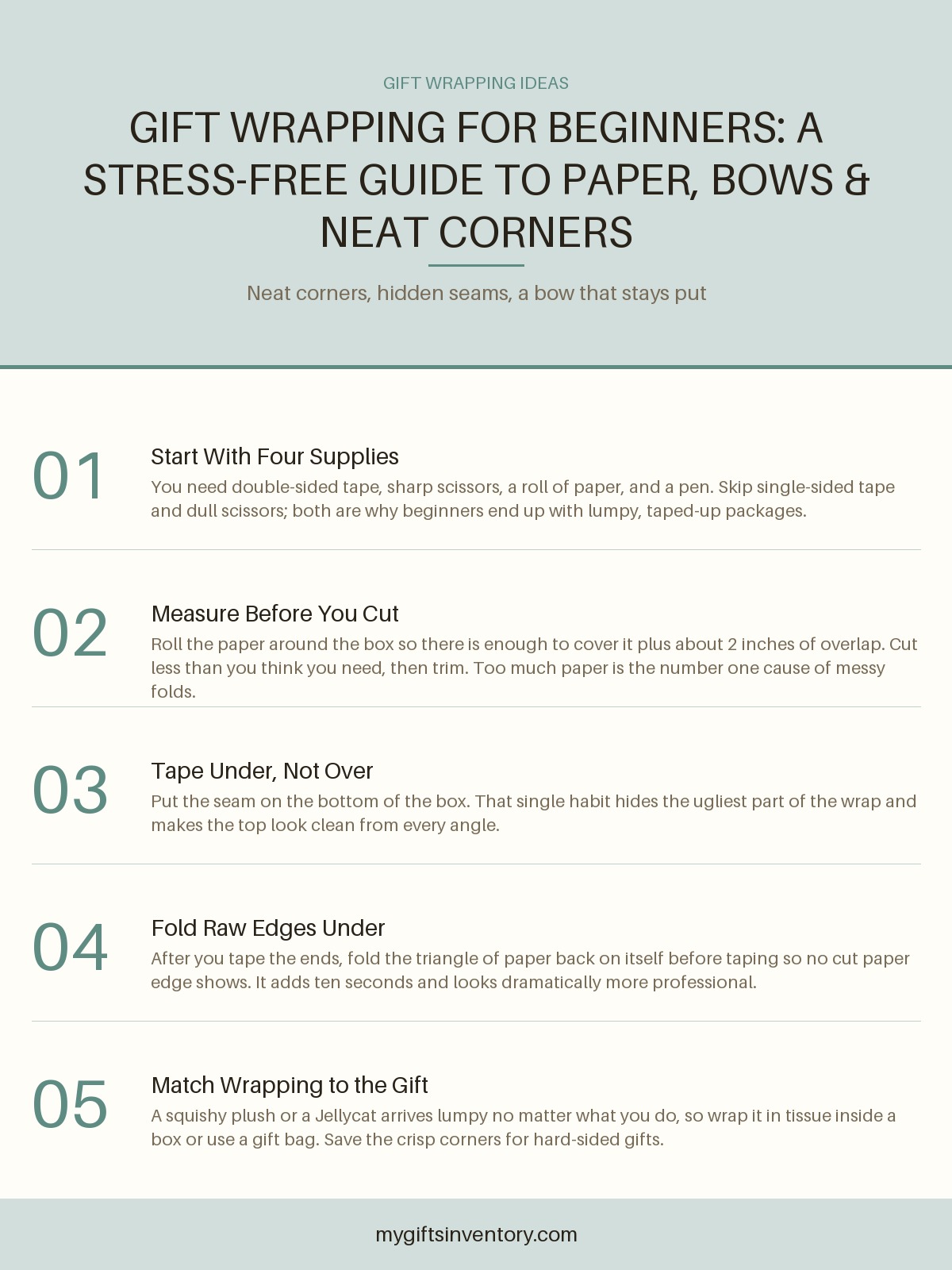
Books are the opposite problem, too flat and stiff for a bag to look intentional. Wrap them like a present in brown paper with the corners folded flat and crisp (a book's straight edges make this one of the easiest shapes to wrap well), then finish with a ribbon or twine wrapped once around, tied in a simple bow at the top. This is a good default for anything from a journal or writing gift to a hardcover novel.
Skip the bow, use what you have instead
Store-bought bows are the first thing to go in a lot of households, and they're the easiest thing to replace. Kitchen twine, embroidery floss, yarn, even a strip cut from a brown paper bag, all work as a simple tie. Wrap it once or twice around the gift and finish with a basic knot, no bow-tying skills required. If you want a little more polish, add one small natural element tucked under the string: a cinnamon stick, a sprig of pine, a dried orange slice, or a small flower. It photographs well and costs nothing.
A handwritten tag does more work than people give it credit for. A small rectangle cut from an index card or a scrap of the leftover wrapping paper, with just a name or a short line written on it, makes a plain wrap look finished. You don't need calligraphy. Legible is enough.
When the gift itself is the wrapping problem
Some gifts are genuinely hard to wrap because there's nothing to wrap, gift cards being the most common example. Taping a gift card flat inside a folded card can look like an afterthought. A better fix is a small envelope, a matchbox-style box, or even folding it into an origami pocket cut from card stock. If you're deciding between a physical gift and a gift card in the first place, it's worth checking that the balance and details are right before you hand it over, whether that's an Amazon gift card or a Visa gift card, since a wrapping mishap is a lot less awkward than a card with the wrong balance on it.
Experience gifts (tickets, a class, a subscription) have the same issue. Print a simple certificate or write the details on a card, then wrap that in something small, an envelope tucked inside a box, or rolled like a scroll and tied with ribbon, so there's still something physical to unwrap even though the real gift is intangible.
Wrapping for different occasions
Kids' birthdays
Bright, busy, forgiving. This is the one occasion where mismatched paper, stickers, and a slightly crooked bow all read as fun rather than sloppy. Save the leftover scraps of paper from other gifts for this exact purpose.
Anniversaries and romantic gifts
Lean toward fewer colors and cleaner lines, kraft paper with a single ribbon color, or fabric wrap in a solid tone. If you're working from a list like anniversary gifts by year, the simplicity of the wrap tends to match the more thoughtful, less flashy nature of the gift itself.
Corporate and office gifts
Professional wrapping should be understated: solid-color paper or a plain box, minimal ribbon, no glitter or novelty patterns. If you're sending something from a corporate gift guide, a clean, uniform wrap across multiple gifts (same paper, same ribbon color) looks more put-together than each one wrapped differently, especially if you're handing out several at once.
Reusable wrapping is worth trying at least once
Fabric wraps, cloth gift bags, and tins are the easiest way to wrap without creating trash, and the person receiving the gift usually keeps and reuses the wrap itself. A cloth drawstring bag from the kitchen or a repurposed tote can hold anything from candles to small home goods. This is a nice touch for gifts you're already choosing carefully, the kind of thing that shows up in a guide like choosing the perfect gift, where the whole point is putting real thought into the item itself. A wrap that gets reused extends that thoughtfulness a little further.
A few habits that make wrapping easier every time
- Keep a small "wrap kit" in a drawer: a roll of kraft paper, a spool of twine, tape, scissors, and a handful of gift tags. Having it assembled means you're never starting from zero.
- Save ribbon, tissue paper, and gift bags from things you receive. Most tissue paper survives one gentle unwrapping and can be reused.
- Wrap boxes before you wrap odd shapes. If you have a spare box lying around, putting an oddly shaped item inside it first makes the outer wrap dramatically easier.
- Do the tag and ribbon last, after the paper is fully taped down, so you're not working around loose ends.
Gift Ideas to Go With This


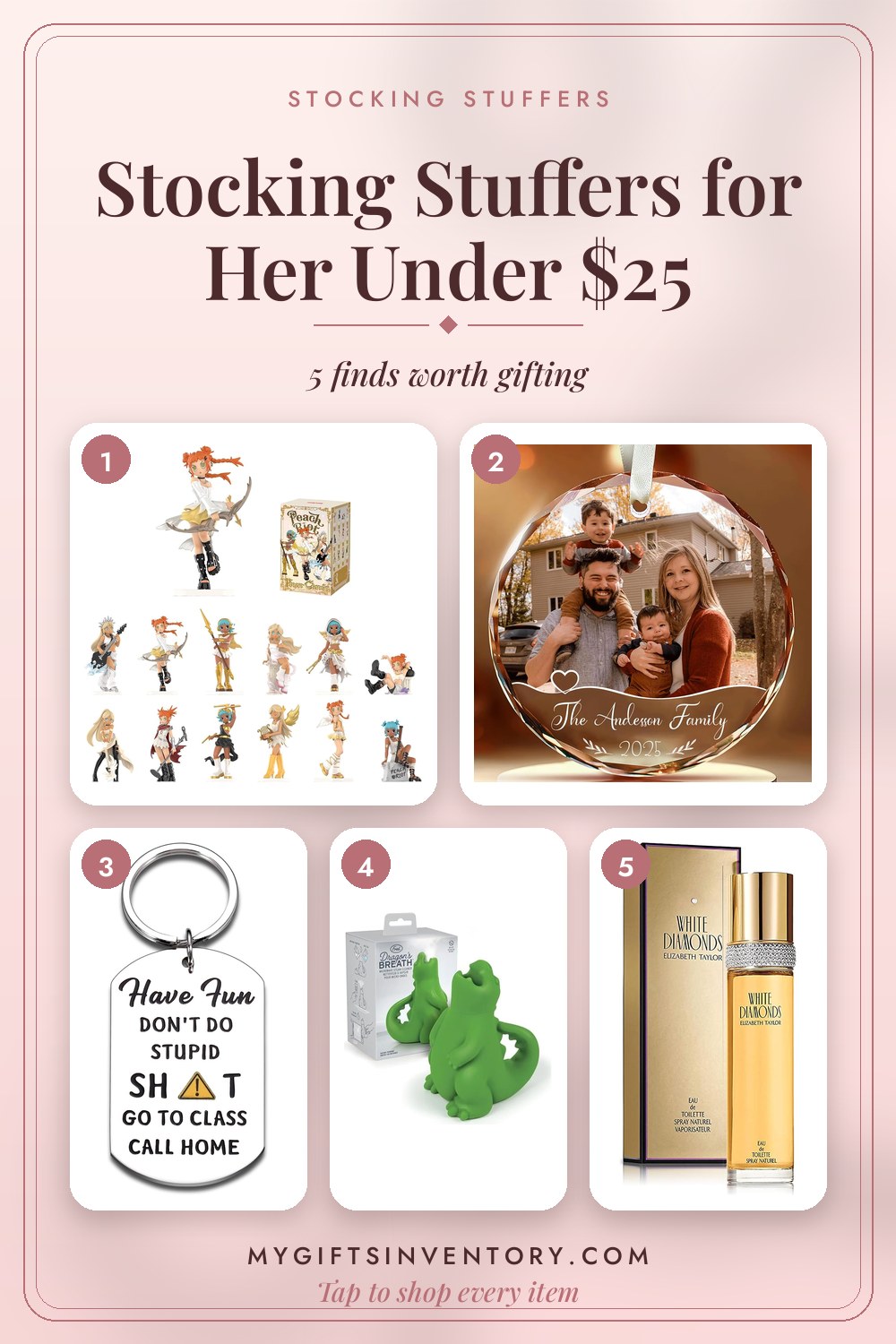
Want more ideas? Browse our full guide: 34 Stocking Stuffers & Small Holiday Gifts Under $25 (2026): Thoughtful Picks That Don't Feel Like Filler
Frequently Asked Questions
What can I use instead of wrapping paper?
Kraft paper, cut-open paper grocery bags, newspaper, fabric like scarves or tea towels, and plain paper bags all work as substitutes. Each of these looks intentional once you add a simple tie, like twine or ribbon, and a small tag.
How do you wrap a gift without tape?
Use the furoshiki method: lay the gift in the center of a square of fabric, bring opposite corners up and tie them in a simple knot, then tie the remaining two corners the same way. It takes about a minute once you've done it once or twice.
How do you wrap an oddly shaped gift like a bottle or a plant?
Skip flat paper and use a bag instead. A paper gift bag or even a lunch bag with tissue paper stuffed and folded over the top hides the shape completely and is faster than trying to fold paper around curves.
What's a simple way to make wrapping look more expensive?
Stick to one or two colors total across the paper, ribbon, and tag, and add one small natural or textural detail like a sprig of greenery, a dried orange slice, or a wax seal. Uniform color and one deliberate detail read as polished even with the cheapest materials.
Is it rude to give a gift card without wrapping it at all?
It's not rude, but a bare gift card taped inside a greeting card can look like an afterthought. A small envelope, a matchbox-style box, or a folded paper pocket takes under a minute and makes it feel more considered.
Looking for an Actual Gift Instead?
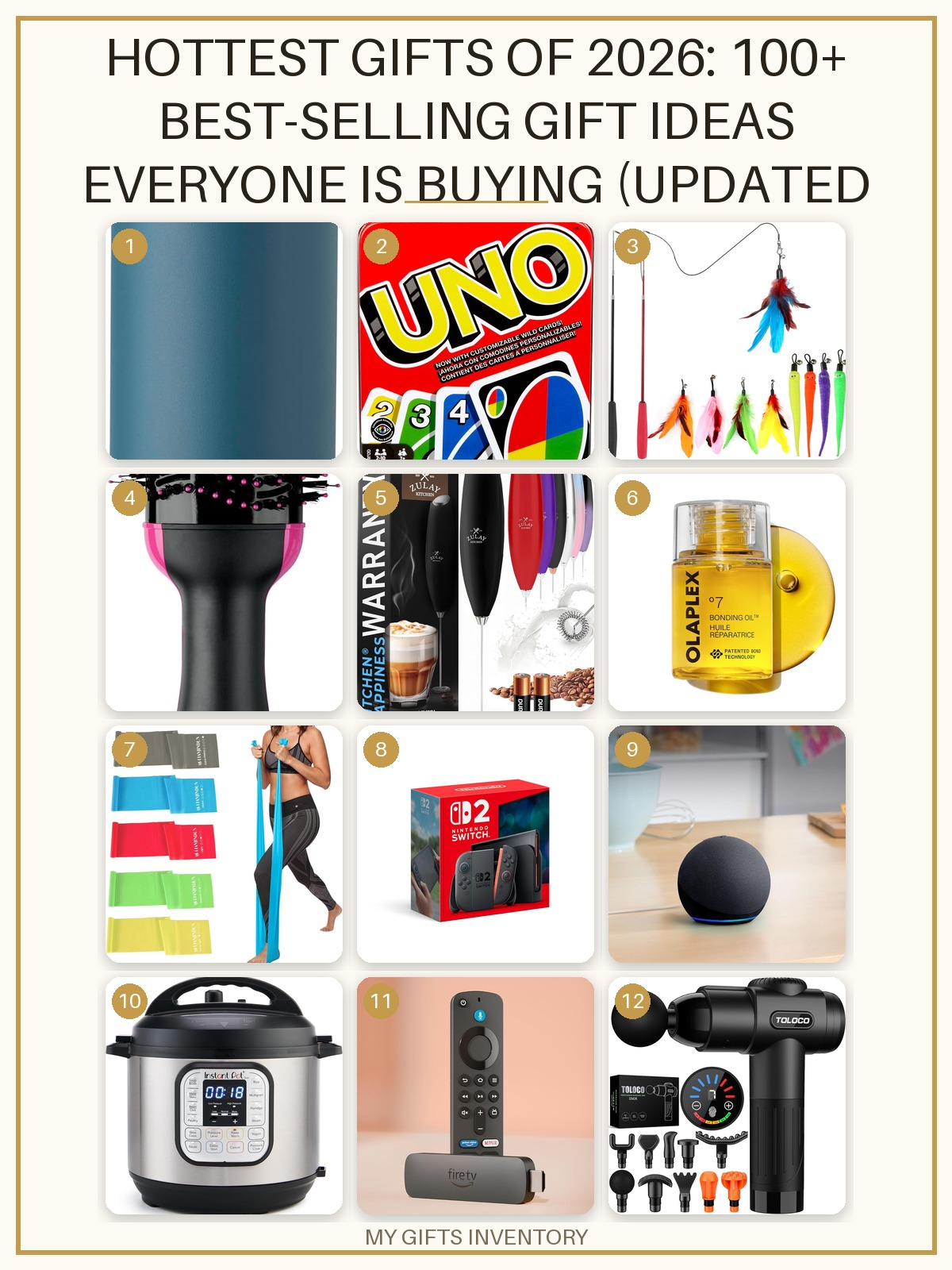
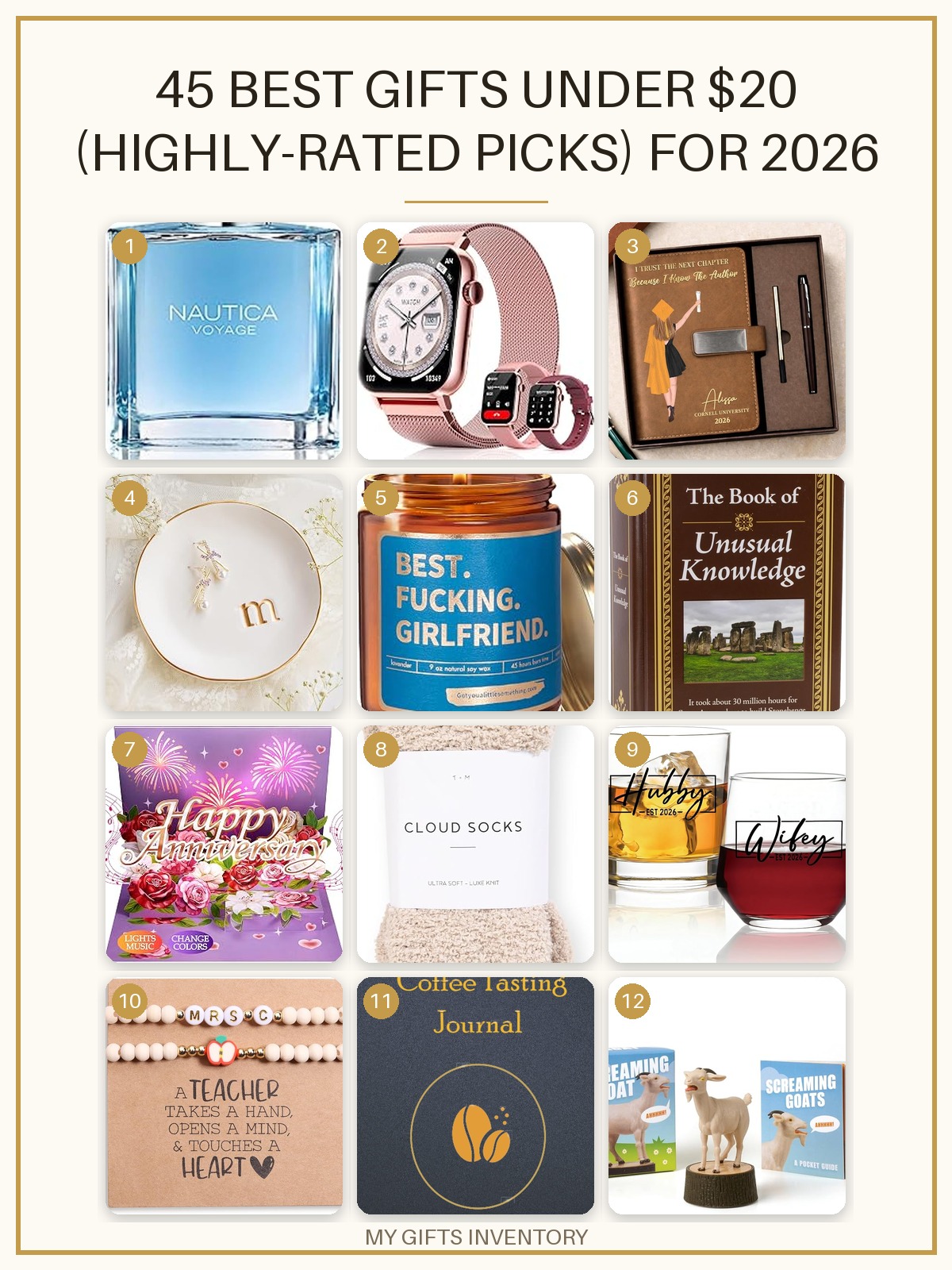
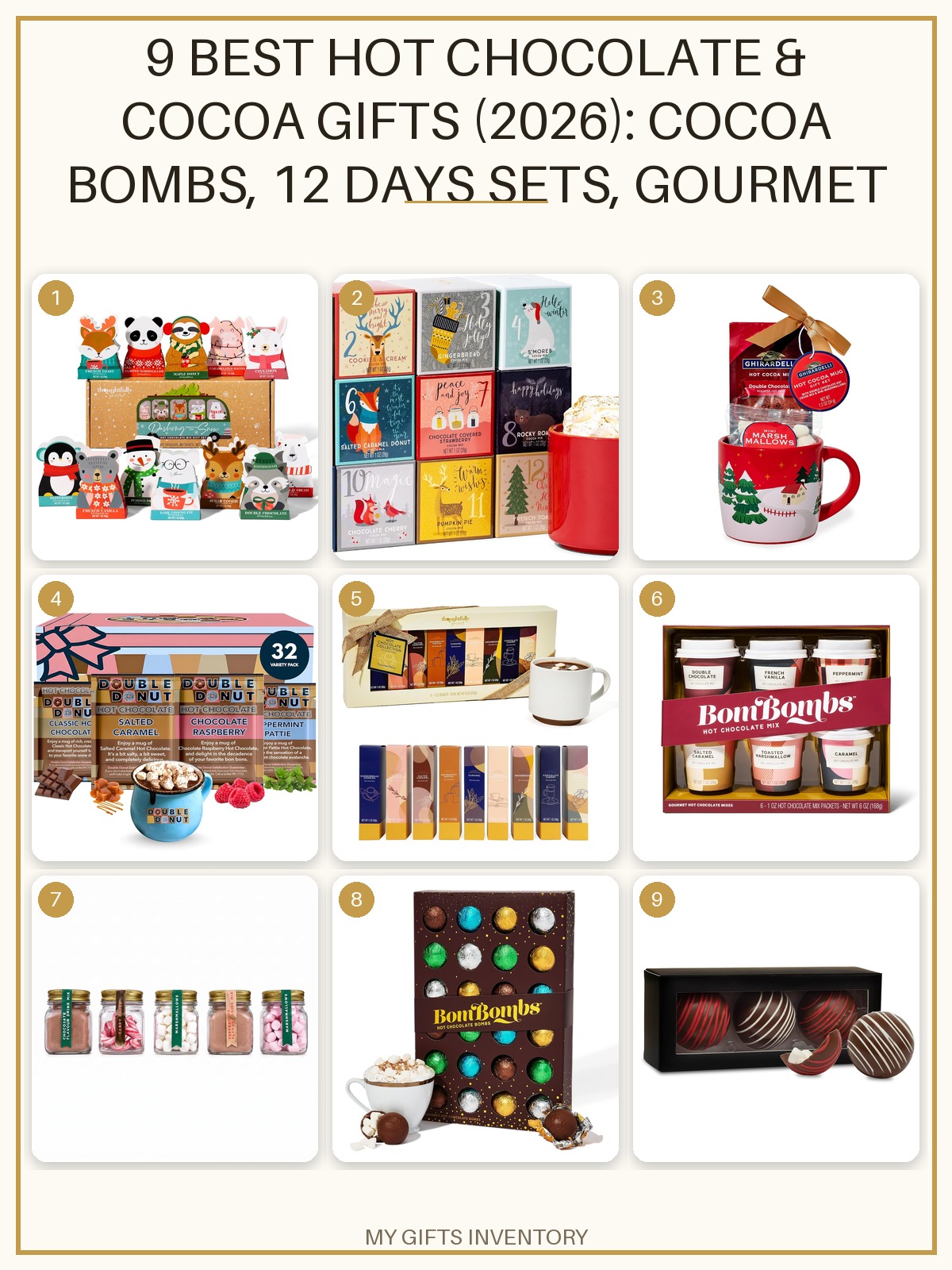
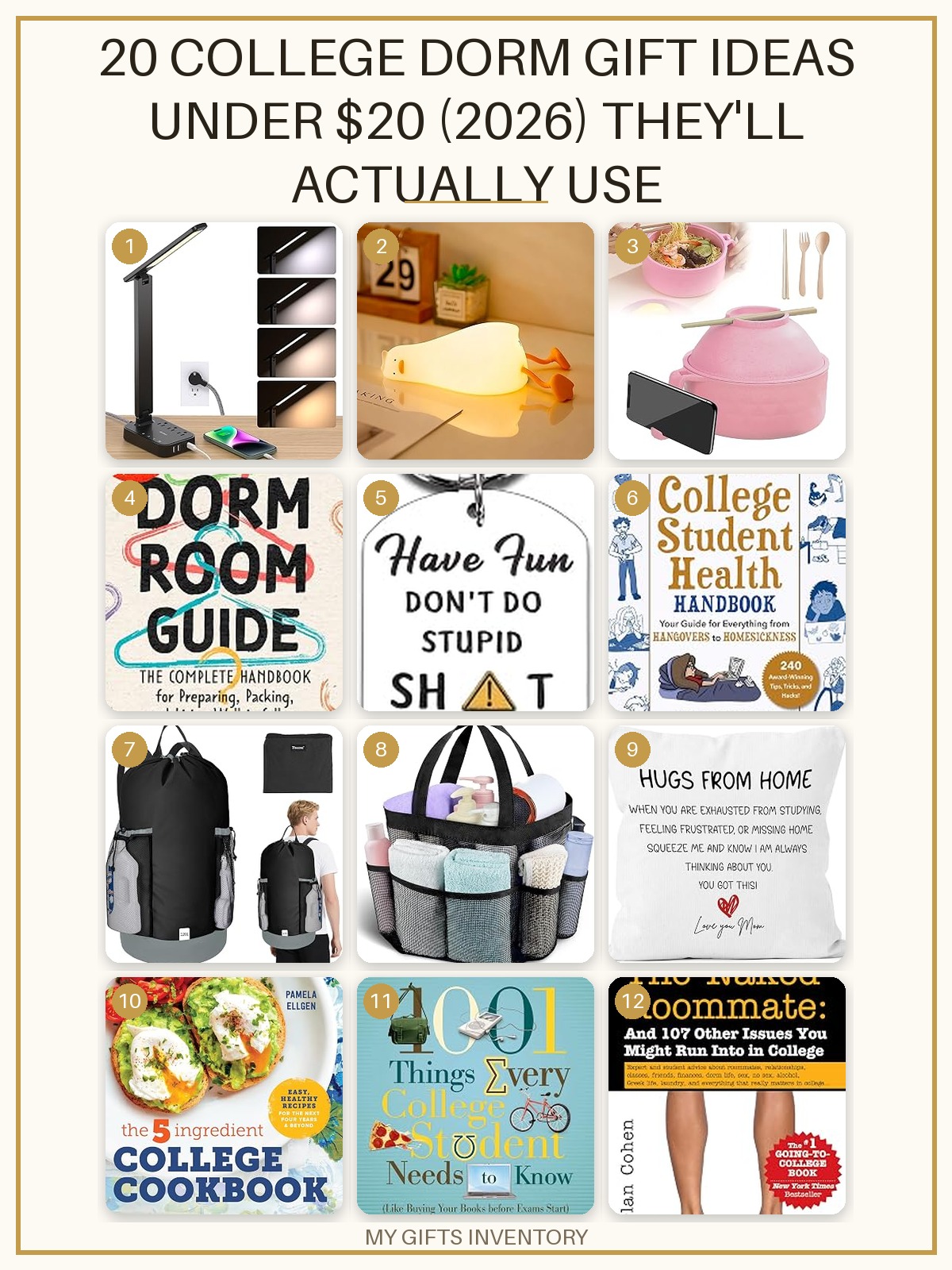
Gift Sets We Love Right Now
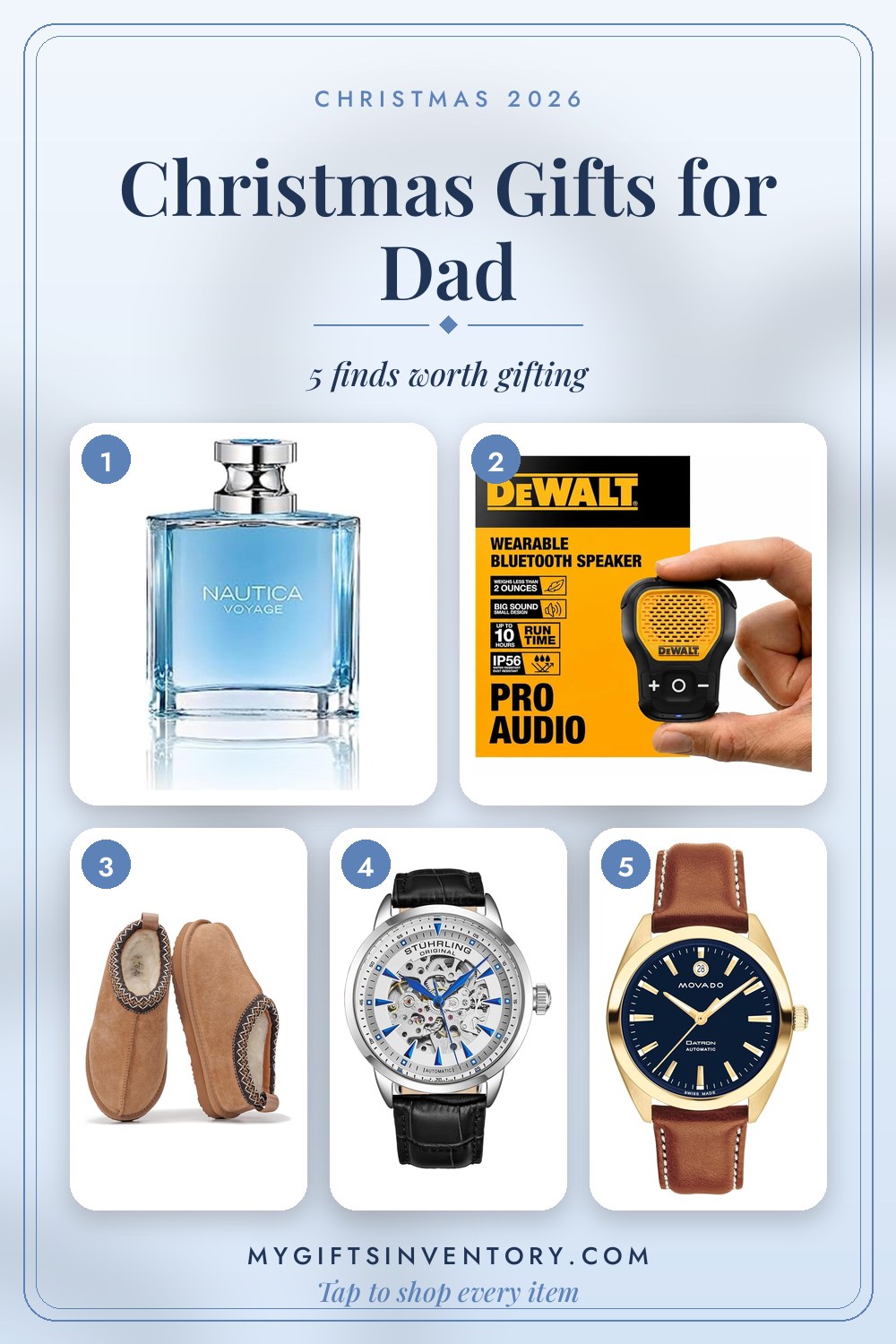
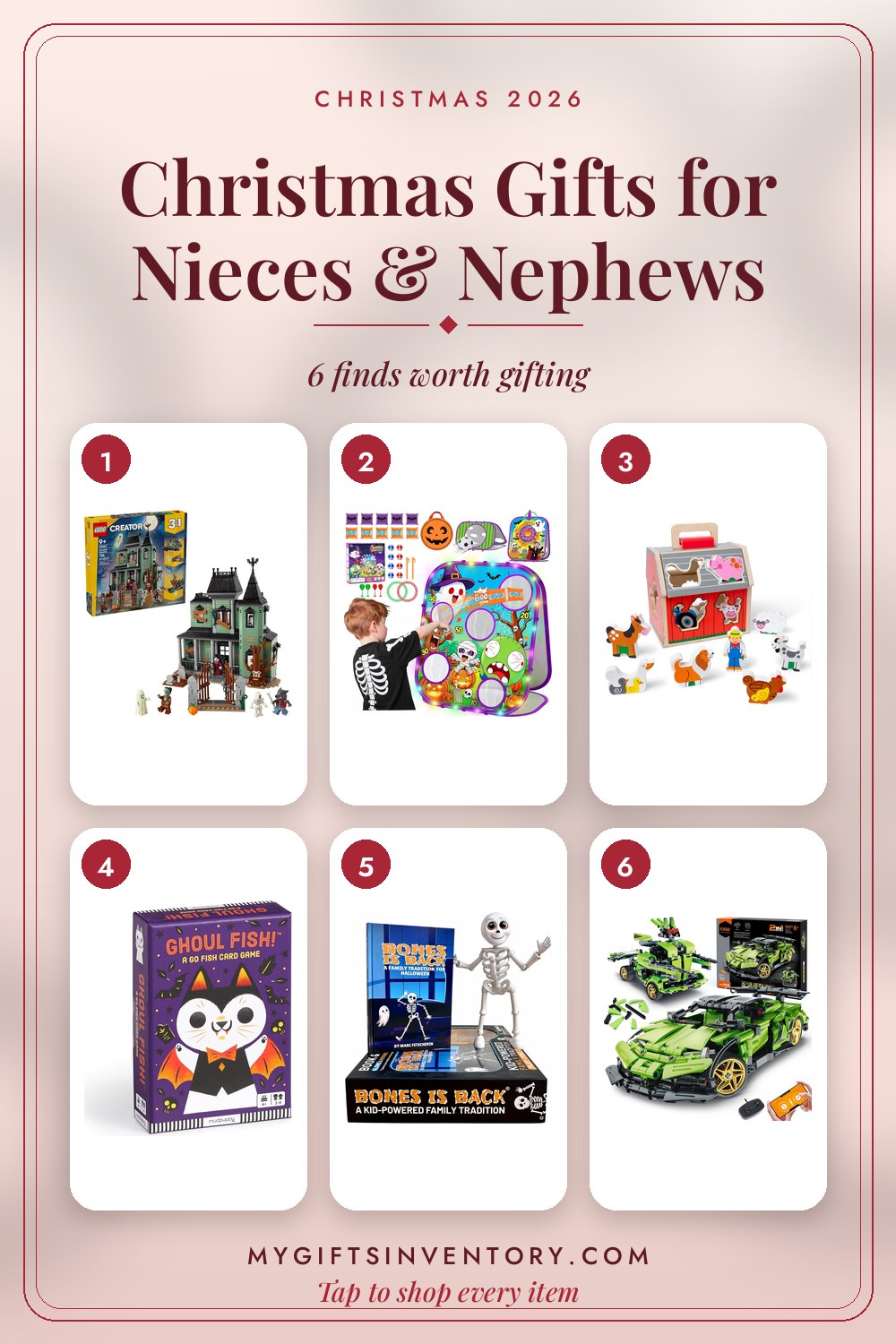
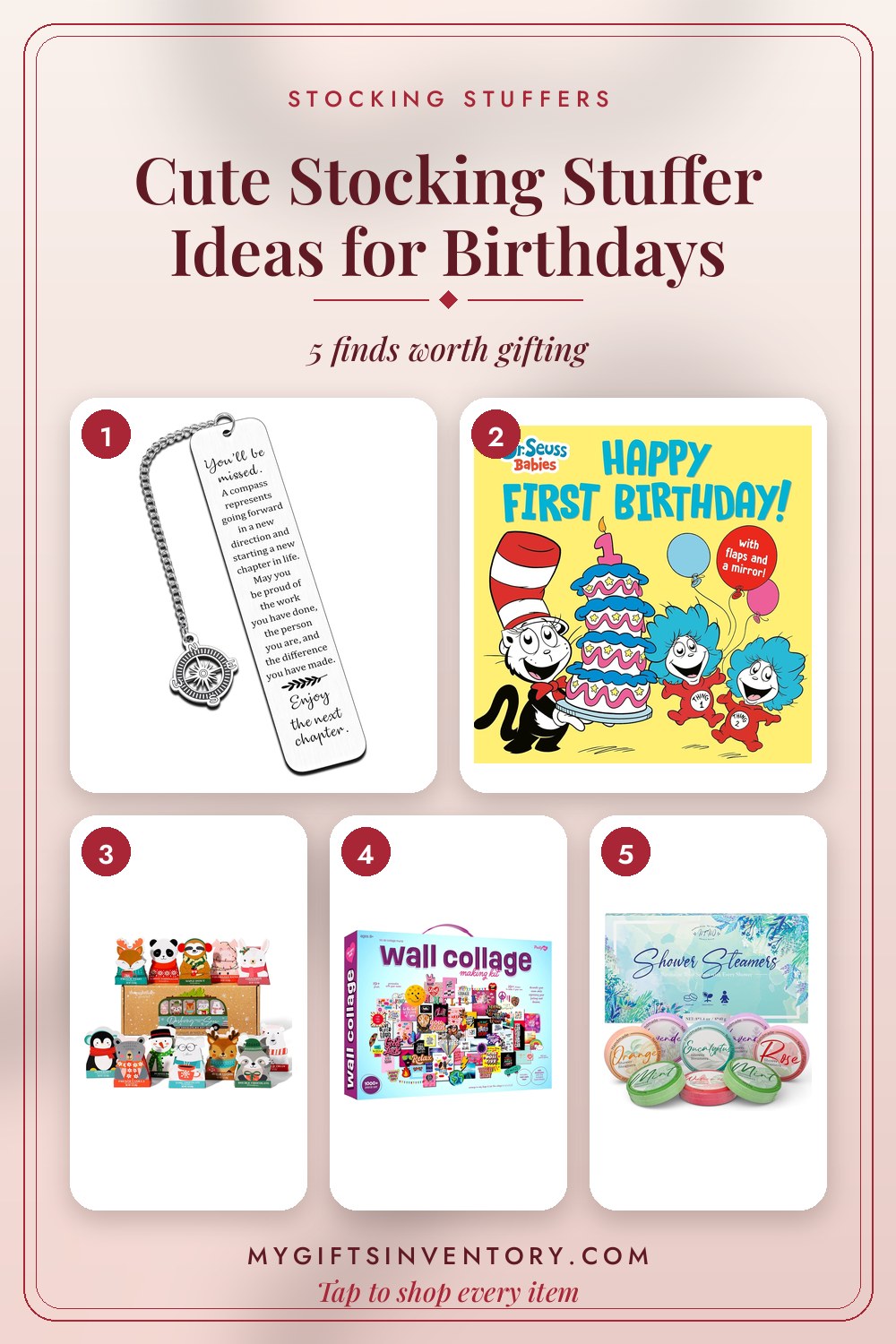
Every item picked, priced and linked, ready to buy.
More Gift Advice