Bad Gift Etiquette: 14 Rules People Quietly Judge You For Breaking
Regifting, receipts, price tags, cash, and the awkward moments nobody warns you about. Here's what actually counts as bad gift etiquette, and what to do instead.
As an Amazon Associate, My Gifts Inventory earns from qualifying purchases. We only recommend products we'd genuinely consider buying ourselves.
You bought something, wrapped it, handed it over, and then a small worry crept in. Was the price tag still on? Was it weird to give a gift card? Did you accidentally regift something back to the person who gave it to you? Bad gift etiquette is one of those things nobody teaches you directly, and the rules only surface when you break one in front of an audience. So let's go through the ones that actually matter, and what to do instead.
The mistakes people notice but never mention
Most gift etiquette failures aren't dramatic. They're small, quiet, and unforgettable to the person on the receiving end. Here's the short list of what reads as thoughtless, roughly in order of how often it happens.
Price tags, receipts, and packaging debris
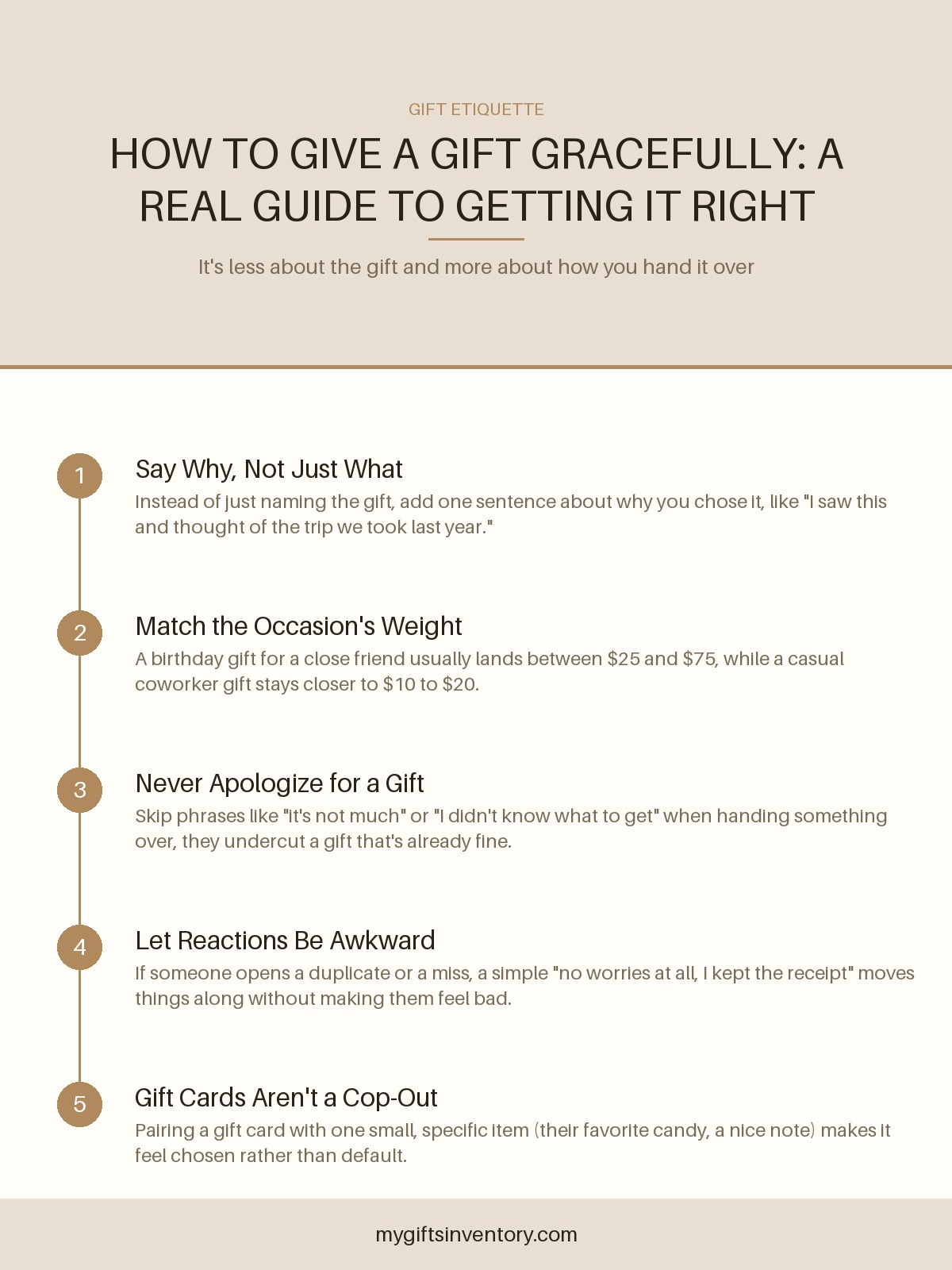
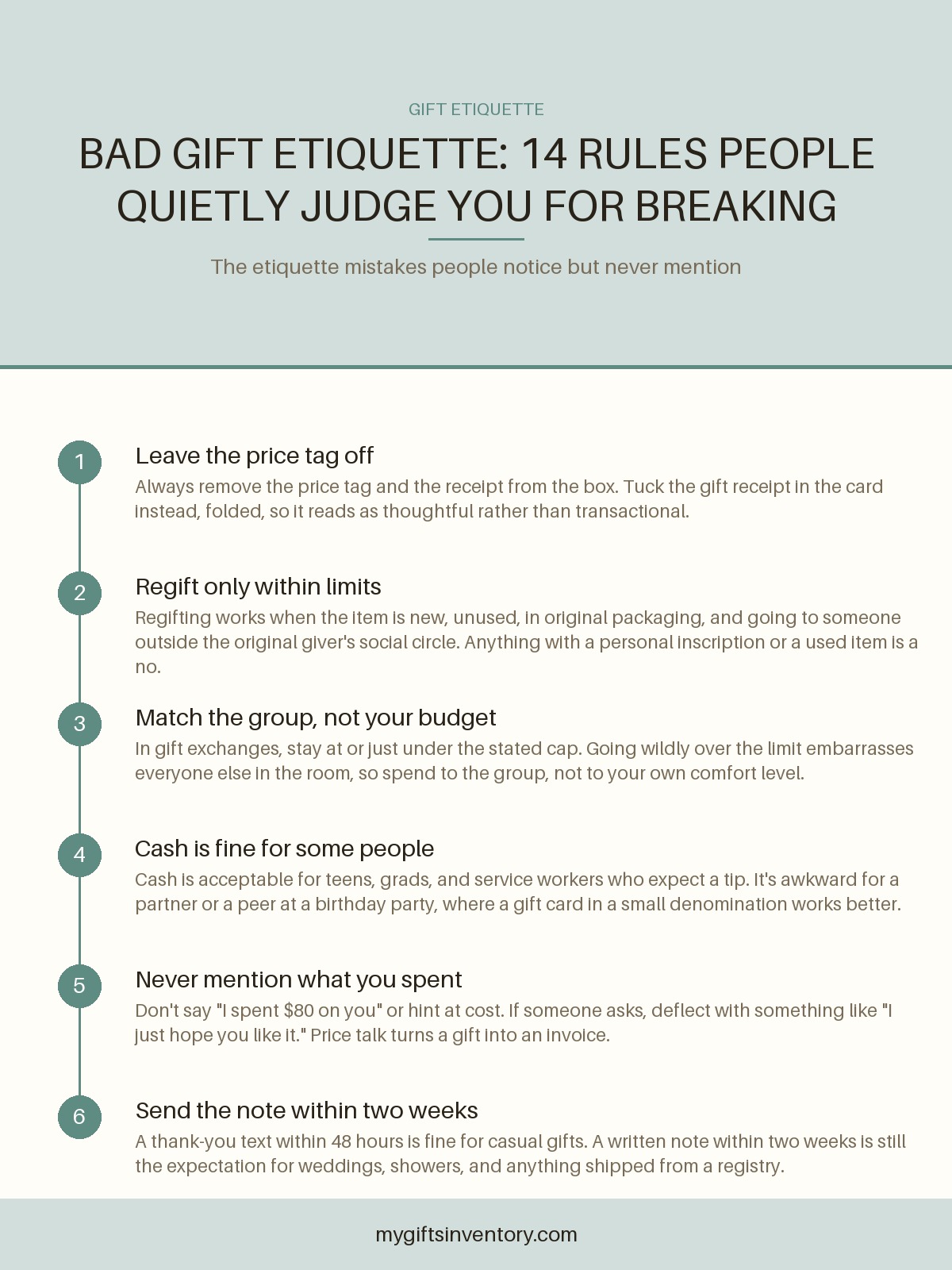
Leaving the tag on is the classic. It signals you didn't look at the gift after buying it, and it turns a present into a transaction with a number attached. Remove the price tag, remove the receipt, remove the shipping label. If the recipient might need to return or exchange it, tuck a gift receipt inside the card, folded, rather than leaving the full receipt in the box. A gift receipt says "I thought about the possibility you'd want a different size." A regular receipt with your card number on it says "I forgot this was in here."
Same goes for the packaging. Handing over a gift still in the Amazon box with the invoice visible is a small tell that you were in a hurry. It's not a crime, but it's not what people picture when they picture a gift.
Regifting without thinking it through
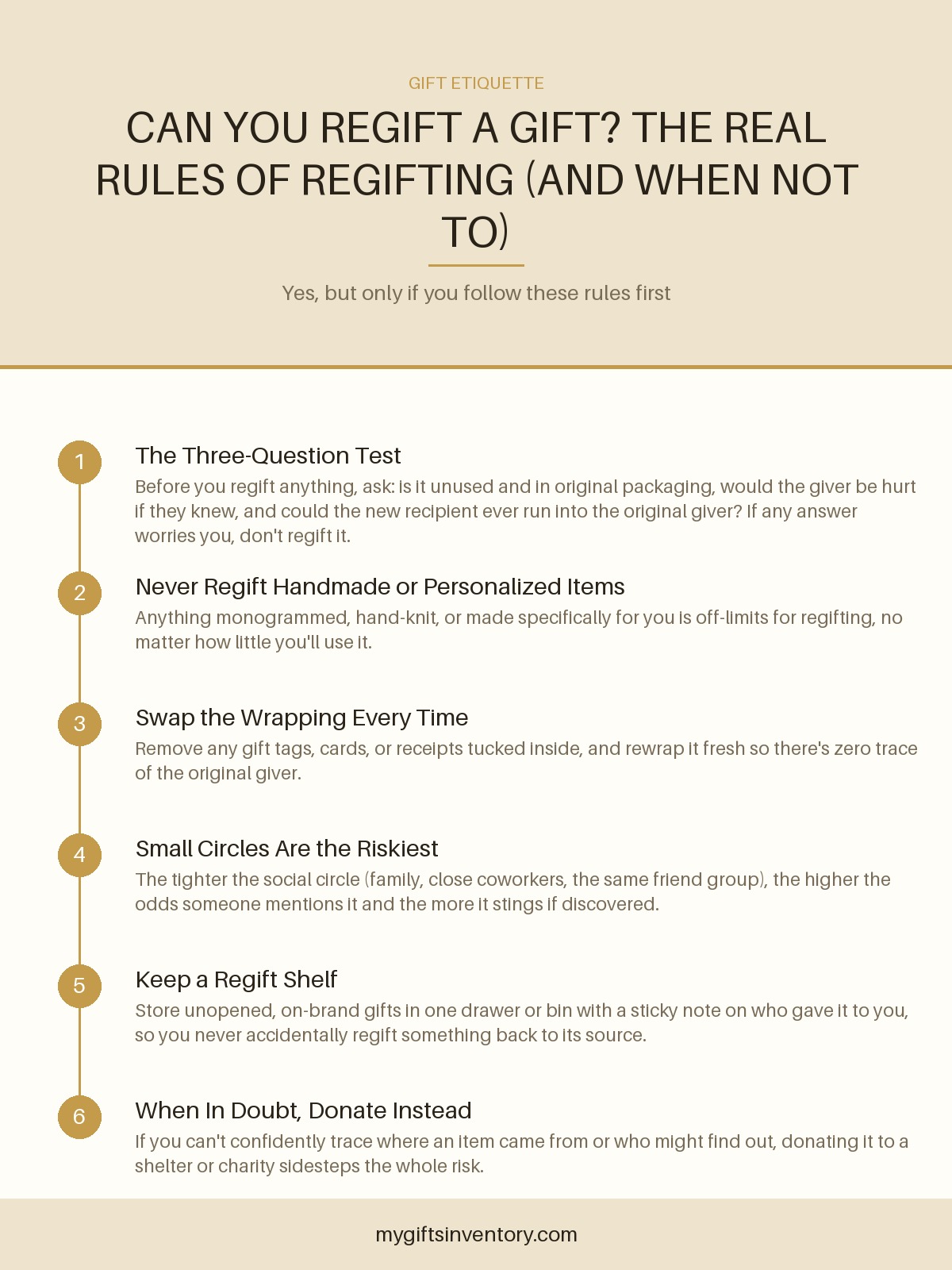
Regifting is not inherently rude, and pretending otherwise is a waste of everyone's time. The problem is regifting badly. The rule we use: regift only if the item is new, unused, still in its original packaging, and going to someone who doesn't move in the same social circle as the original giver. Never regift something with a personal inscription, a monogram, or a note still tucked inside. Never regift something you've used. And never regift to the person who gave it to you, which happens more often than you'd think when the holidays get chaotic and the closet gets raided.
If you're going to do it, do it deliberately. Ask yourself whether you'd buy this for this person with your own money. If the answer is no, donate it instead.
Making the gift about you
Gifts that are secretly for the giver are a whole category. The workout gear for someone who didn't ask. The diet cookbook. The book you've been wanting them to read. The candle in the scent you love. It's fine to give something you're excited about, but if the gift comes with an implicit instruction ("you should really try this"), it lands as criticism wearing a bow.
The money conversations nobody wants to have
Gift etiquette gets genuinely complicated when money enters the room, and it always does. Here's how to handle the three situations that come up most.
When you're spending more than everyone else
In a gift exchange with a stated cap, stay at or just under the cap. Going $40 over on a $25 limit doesn't make you generous, it makes everyone else feel cheap, and it puts pressure on the next year. If you want to be generous, be generous quietly, in private, outside the exchange. Nobody at a White Elephant needs to feel like they underperformed, and if you're stuck for ideas at the $25 to $30 level, our list of White Elephant and gift exchange ideas under $30 is built exactly for that constraint.
When you're spending less than you think you should
Spend what you can. The person who matters isn't tallying your receipts, and the person who is tallying them isn't someone you need to impress. A $20 gift chosen specifically for someone beats a $100 gift chosen generically every single time. If your budget is tight this year, lean toward a small number of very targeted things rather than a pile of filler. For kids, the $20 to $40 range is genuinely one of the best places to shop, since that's where most of the good toys and craft kits actually live, and our guide to Christmas gifts for kids $20 to $40 is full of picks that don't feel like a compromise.
When someone gives you something much nicer than you gave them
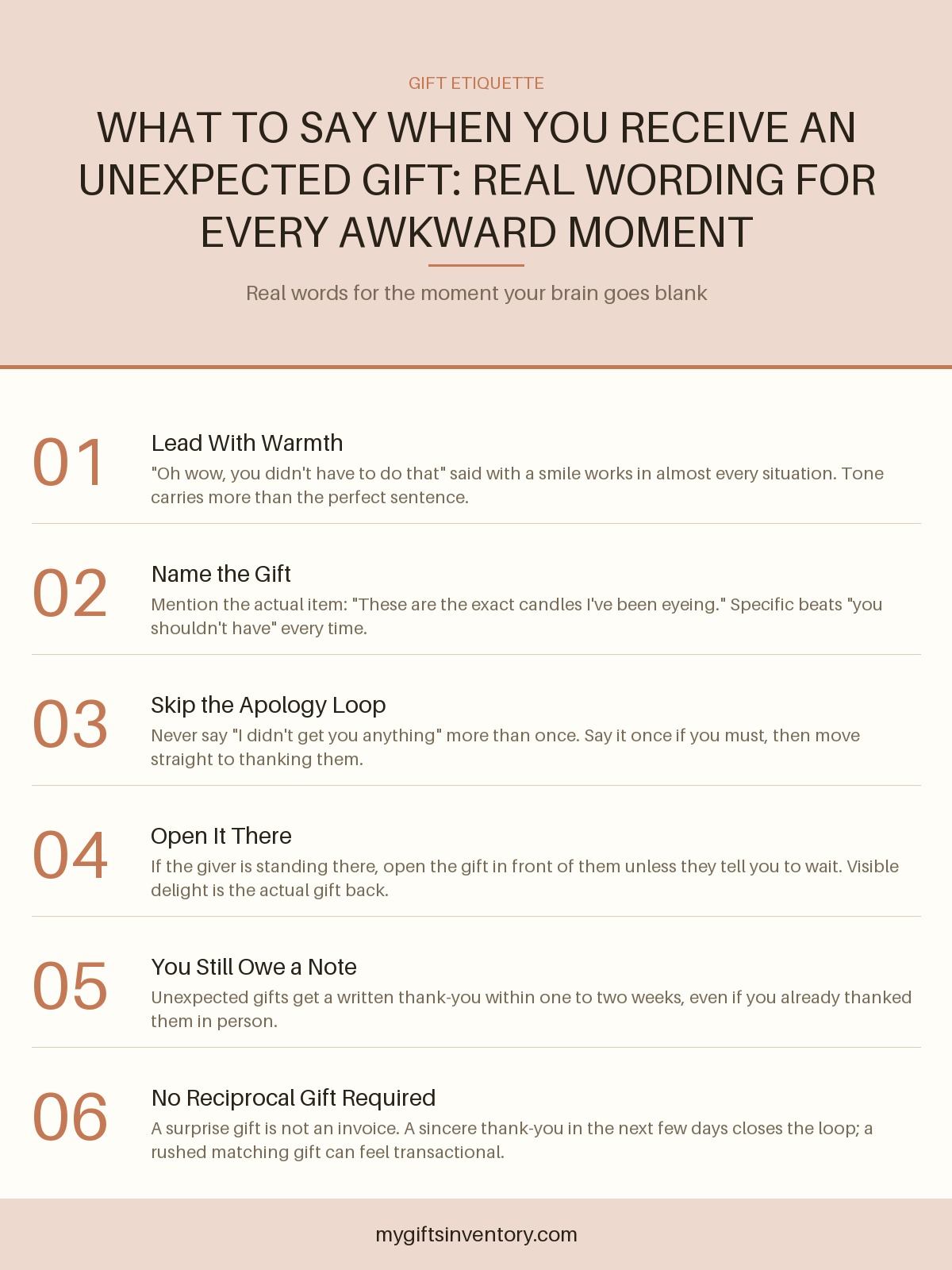
Say thank you, genuinely, and don't apologize for your own gift. "Oh, I feel bad, yours is so much nicer" makes the other person manage your discomfort. If you want to acknowledge the gap, do it later and separately with a note or a small follow-up gesture, not in the moment while they're standing there holding your present.
Cash, gift cards, and the "is this lazy" question
Gift cards get a bad rap, and mostly the criticism is misplaced. A well-chosen gift card is not lazy. A gift card to a store the person has never mentioned, with no thought behind it, is lazy. The difference is whether it points at something real about them.
When cash is fine
Cash is acceptable, even preferred, for teenagers, graduates, and service workers who expect a tip. It's also fine for a wedding if you're not sure what's on the registry, though a registry gift or a contribution to a honeymoon fund usually goes over better. Cash is awkward for a partner, a close friend at a birthday, or a peer at a workplace exchange, where a small gift card or an actual object reads as more personal.
How to pick a gift card that doesn't feel lazy
Pick a card that matches something they already do. If they're a coffee person, a card to a coffee chain or a local roaster is a real gift. If they cook, a card to a kitchen store lands well, and knowing how to check a balance matters more than people think, since the recipient will eventually want to know what's left. Our guide to checking a Trader Joe's gift card balance is a useful starting point if you're giving grocery-adjacent cards, and the same process applies to most retailers. Whatever you choose, write a line in the card explaining why you picked it. "For your Saturday coffee runs" turns a card into a gift.
Thank-you notes and the timeline nobody follows
The expectation on thank-you notes has loosened, but it hasn't disappeared. Here's the working rule we use.
- Casual gifts between friends: a text within 48 hours is plenty, and it should say something specific about the gift, not just "thanks!"
- Gifts from older relatives, in-laws, or anyone who clearly put effort in: a written note within two weeks. This is the group that still notices.
- Weddings, showers, and registry gifts: a written note within two to three weeks, and it's acceptable to send them as gifts arrive rather than waiting until after the event.
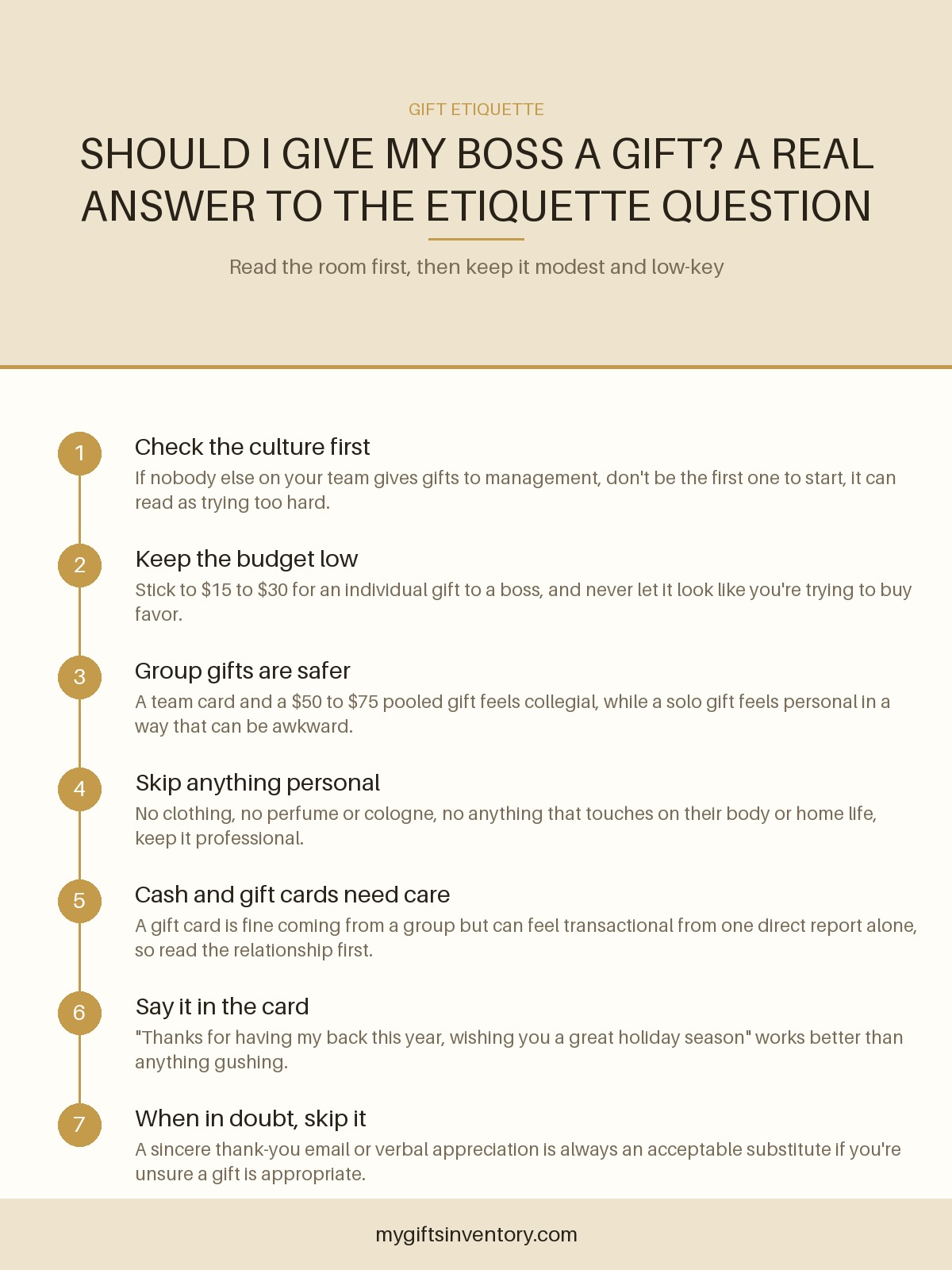
- Corporate or professional gifts: a short email within a few days is standard and expected.
If you're late, send it anyway. A note three months late is still a note. Pretending it never happened is the part people actually remember.
Group gifts and the awkward "who's collecting" situation
Office and group gifts are a minefield of small failures. Someone organizes, someone forgets to pay, someone gives separately and makes everyone else look stingy. A few ground rules keep it clean.
If you're collecting
Set a suggested amount, keep it low, and make it easy to decline without explanation. "We're doing $15 each, no pressure" is the right tone. Don't chase people publicly, and don't tell the recipient who gave and who didn't. If someone gives separately, that's fine, don't mention it.
If you're the recipient
Accept graciously, write a short group note, and don't ask who contributed. It's one of the few places where not knowing is genuinely better.
If you're the person who forgot to pay
Pay now, apologize once, and don't over-explain. "So sorry, this slipped, sending now" is the whole message. Long excuses make it worse.
Gifts that miss the mark without being rude
Some gifts aren't etiquette violations at all. They're just not great gifts, and the two get conflated. A well-mannered gift that nobody wants is still a well-mannered gift. But if you notice a pattern, say a friend whose gifts always seem to be things they themselves like, it's worth adjusting rather than stewing.
Reading the person, not the price tag
The single biggest predictor of a good gift is whether it fits the person's actual life. A teenager who games needs something that plugs into that, not a generic accessory. Our guide to stocking stuffer ideas for teens is built around exactly that idea, small things that get used rather than small things that get smiled at and shelved. The same logic applies at every age, and it's usually cheaper than guessing big.
When someone asks for a list and you ignore it
If a person gives you a list, use it. Substituting something you think is more thoughtful is one of the more common etiquette mistakes, and it's transparently a little condescending. If you're shopping from a registry or a wishlist, buy something on it and leave the creative gifting for the people who didn't give you guidance. Our Bluetooth speaker gift guide is the kind of list that exists because people specifically asked for that category, and the right move is to pick one from it rather than buying something adjacent and hoping.
When you're the one receiving a bad gift
Etiquette runs in both directions. If you get something that misses the mark, you still owe the giver grace. Say thank you, mean the thank you, and find a use for it or quietly pass it along later. Don't return it in front of them, don't make a face, and don't announce that you already have one. The receiver's job is to make the giver feel good about having tried. That's it. That's the whole obligation.
The only exception is a genuinely inappropriate gift, which is rare. In that case, a brief, private, non-accusatory conversation with the person is better than pretending, and better than complaining to everyone else.
Gift Ideas to Go With This


Want more ideas? Browse our full guide: 20 Best Gifts Under $100 (2026): Thoughtful Picks They'll Actually Use
Frequently Asked Questions
Is it rude to include a gift receipt?
No, a gift receipt is thoughtful. It lets the recipient exchange or return without feeling awkward. The key is to tuck it inside the card rather than leaving the full purchase receipt in the box, which can expose your payment details and makes the gift feel transactional.
What is the etiquette for regifting?
Regifting is fine if the item is new, unused, in its original packaging, and going to someone outside the original giver's social circle. Never regift something personalized, used, or something with a note still inside. And never regift back to the person who gave it to you.
Should I put the price on a gift or tell someone what I spent?
No. Never mention what you spent on a gift. If someone asks, deflect with something like "I just hope you like it." Talking about price turns a gift into an invoice and makes the other person feel like they owe you a number back.
How much over the gift exchange limit can I go?
Stay at or just under the stated limit. Going significantly over makes everyone else in the exchange feel cheap and creates pressure for next year. If you want to be extra generous, do it privately and outside the group setting.
How late is too late for a thank-you note?
Send it anyway, even if it's late. The two-week window is the expectation for written notes on weddings, showers, and gifts from relatives, but a note that arrives three months late is still far better than no note at all.
Looking for an Actual Gift Instead?
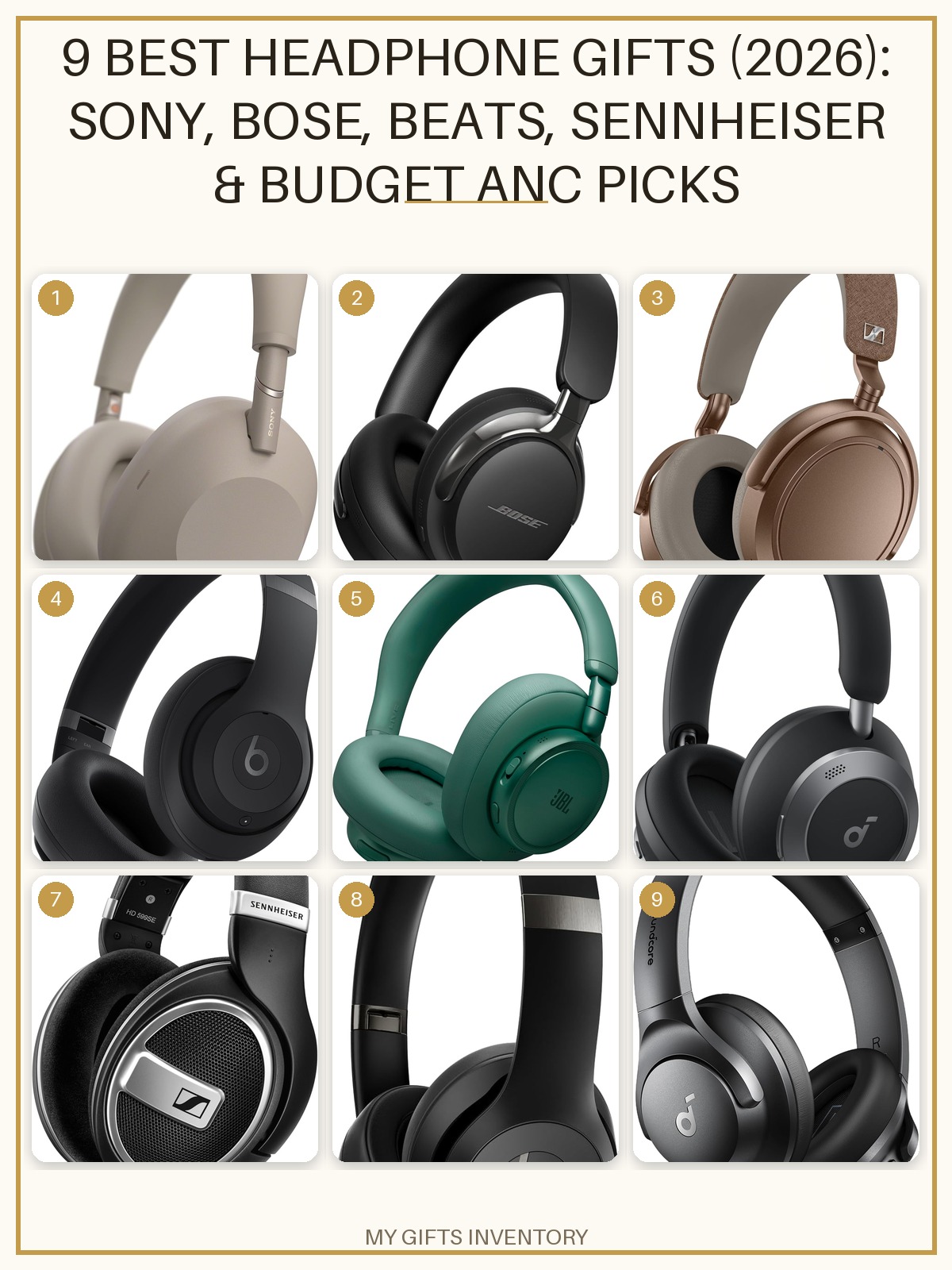
Gift Sets We Love Right Now
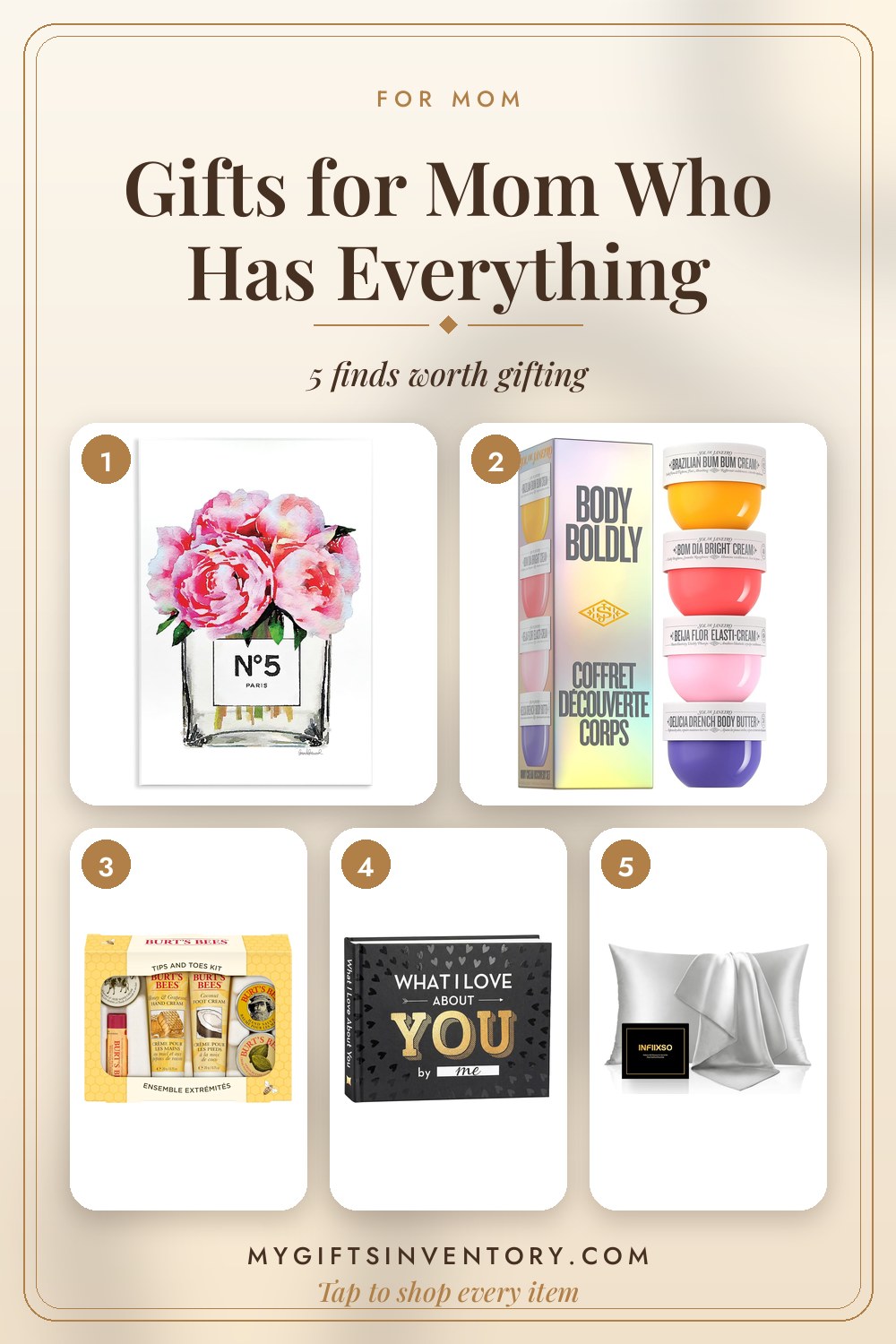
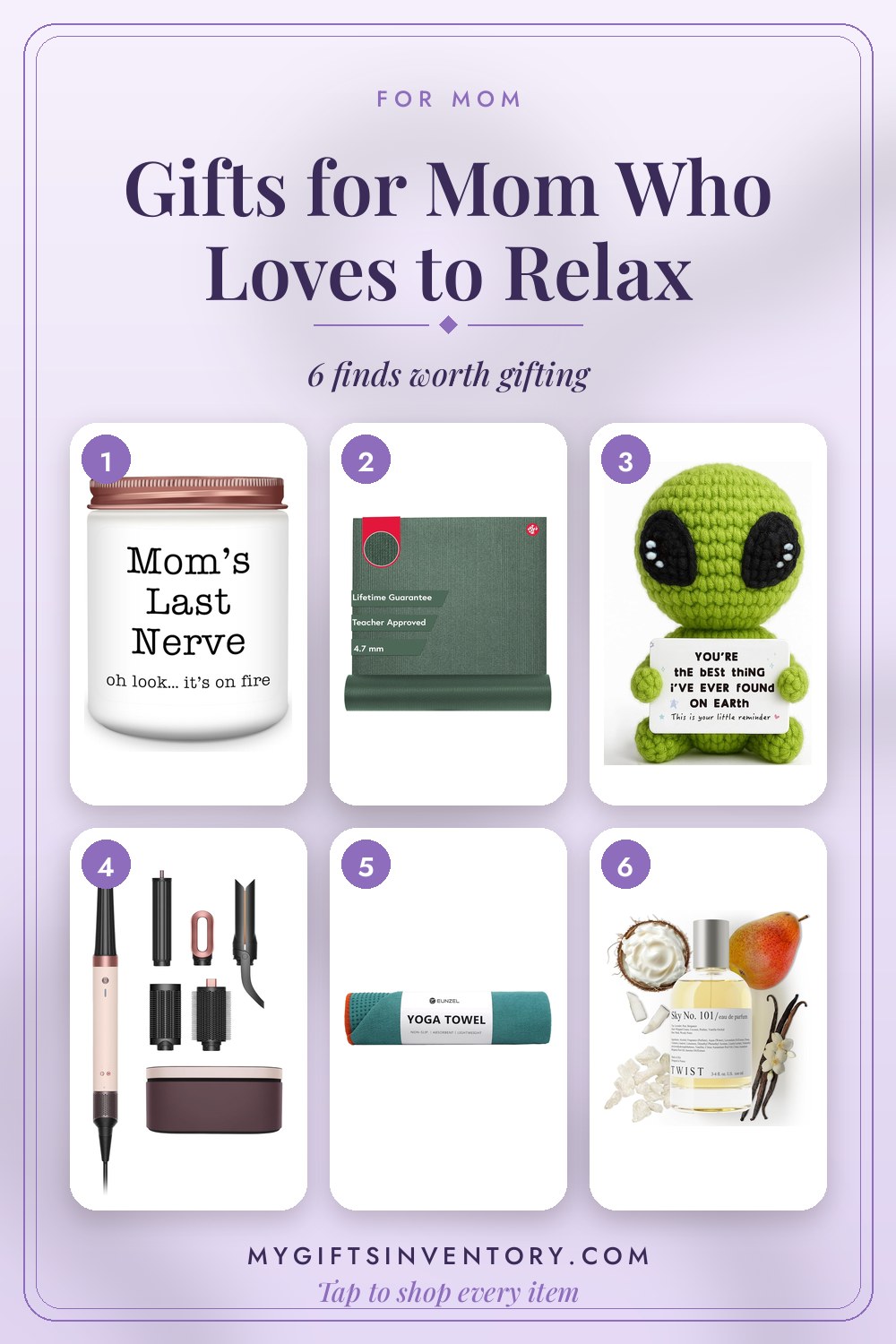
Every item picked, priced and linked, ready to buy.

More Gift Advice