Can You Regift a Gift? The Real Rules of Regifting (And When Not To)
Regifting isn't automatically tacky, but there's a right way to do it. Here's how to pass along a gift you'll never use without anyone feeling slighted.
As an Amazon Associate, My Gifts Inventory earns from qualifying purchases. We only recommend products we'd genuinely consider buying ourselves.
You just unwrapped something you're never going to use, and now it's sitting in a drawer while you wonder if it's terrible to hand it off to someone else at the next birthday party. It's a fair question, and the anxiety behind it is usually less about the gift itself and more about getting caught. So let's settle it: regifting is fine. It's the execution that gets people into trouble.
So, Is Regifting Actually Okay?
Regifting has a bad reputation it doesn't fully deserve. The idea that every gift must be kept forever, used out of obligation, or quietly disposed of in secret is a newer and frankly wasteful standard. If someone gives you a candle in a scent you're allergic to, or a sweater in a size that's never fit you, keeping it out of guilt helps no one. Passing it along to someone who'll genuinely enjoy it is often the more thoughtful outcome, not the rude one.
The etiquette problem isn't the regifting itself. It's when it's done carelessly: when the new recipient finds a card with someone else's name in it, when the original giver finds out and feels devalued, or when the item is clearly used, damaged, or years out of style. Those are the moments that make regifting feel like a betrayal instead of a practical choice. Avoid those specific failures and you're in the clear.
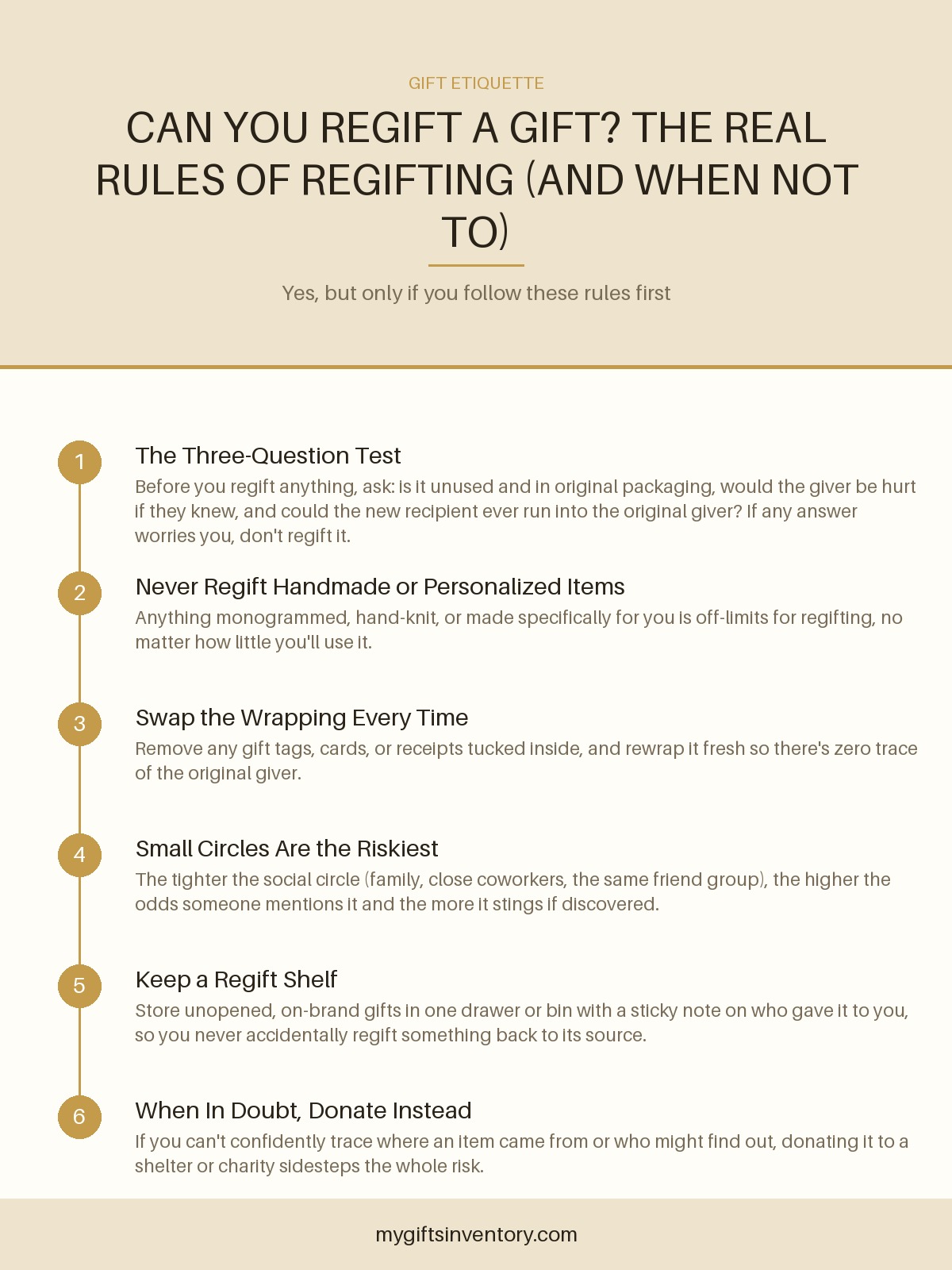
The Unwritten Rules of Regifting
Most people who regift successfully, without anyone ever knowing, follow the same handful of rules without necessarily writing them down. Here's what they actually do.
It has to be unused and in its original condition
A regifted item should look and feel brand new. If it's been opened, tried on, worn once, or has any sign of use, it's not a candidate. This also means checking expiration dates on anything edible or cosmetic before it goes back out the door.
Strip it of all traces of the original giver
Check inside boxes for gift receipts, cards, or tags with someone else's handwriting. Remove any personalized elements like a name engraved on packaging or a note tucked into the box. Rewrap it completely, don't just reuse the giver's wrapping paper, since patterns and styles can be surprisingly memorable to people who exchange gifts every year.
Match the gift to the new recipient, not just to convenience
The laziest version of regifting is handing off whatever's closest because an occasion snuck up on you. The better version actually considers whether this specific item suits this specific person. A cookbook that didn't fit your taste might be exactly right for the coworker who's always talking about weekend cooking projects. If you're not sure what actually lands well for someone, a resource like Choosing the Perfect Gift: Tips and Ideas for Every Person and Occasion is worth a look before you assume a regift is the right call.
Keep the social circles separate
This is the rule that trips people up most. Regifting works best when there's real distance between the original giver and the new recipient. A candle from your aunt is safe to regift to a coworker you met three months ago. That same candle is much riskier to regift to your sister-in-law, who sees your aunt every Thanksgiving and will absolutely notice.
When Regifting Is a Bad Idea
There are a few situations where regifting isn't a gray area, it's just a mistake.
- Anything handmade or personalized. A hand-knit scarf, a custom photo book, a monogrammed anything: these were made or chosen specifically for you, and passing them along reads as a rejection of the effort, not a practical reshuffle.
- Gifts from very close relationships. A gift from a spouse, parent, or best friend carries emotional weight that a stranger's gift doesn't. Regifting it, even to someone far removed from that person, can feel like a small betrayal if it ever comes up.
- Anything the giver is likely to ask about. If your mom bought you a specific bag and will absolutely ask if you're using it, regifting it is setting yourself up for an awkward conversation later.
- Items you can't verify are unused. Skincare, food, and anything that touches skin should never be regifted unless it's factory-sealed. This isn't just etiquette, it's basic hygiene.
- Anything wildly out of date or out of season. A "trendy" item from three years ago isn't a thoughtful gift anymore, it's clutter with a bow on it.
Regifting Gift Cards: The Easiest Version
Gift cards are, honestly, the cleanest regift there is. There's no wrapping to redo, no tag to remove, and no risk of the item looking used. If you've got a gift card to a store you never shop at, it's often kinder to pass it along to someone who will actually use it rather than let it sit in a wallet losing value. Before you hand one off, though, it's worth checking the remaining balance so you're not accidentally shortchanging the new recipient. Most retailers make this simple. If it's a general-purpose card, you can check a Visa gift card balance or Mastercard gift card balance online in a couple of minutes, and the same goes for store-specific cards like Target or Amazon gift cards.
Regifting at Work
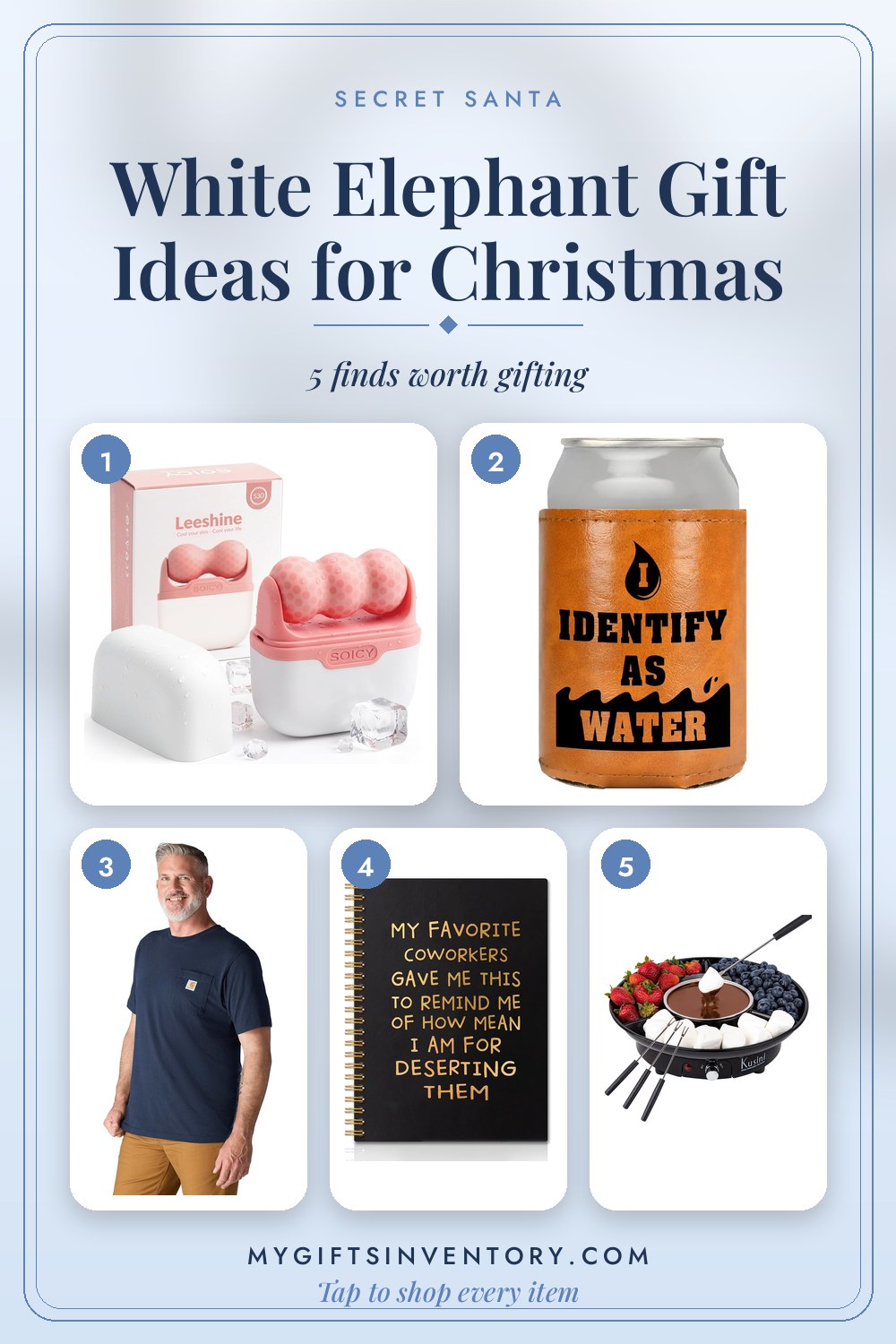
Office gift exchanges, White Elephant swaps, and Secret Santa are basically built for regifting, and everyone knows it. The stakes here are lower because the gifts are usually meant to be lighthearted rather than deeply personal. That said, a few things still matter: don't regift something a specific coworker gave you back into the same office pool where they might see it again, and skip anything that reads as a joke gift if you're not sure the new recipient shares that sense of humor. If you're the one organizing an office gift exchange and want to avoid creating a pile of future regifts in the first place, a guide like 21 Corporate Gift Ideas Under $50 That Won't Feel Like an Obligation is a good place to start, since gifts people actually want are gifts that don't end up back in circulation.
What to Do Instead If You're Not Sure
If you've run through the rules above and you're still uneasy about regifting something specific, there are a few solid alternatives.
- Donate it. Unused clothing, books, toys, and home goods are always welcome at shelters, schools, and charity drives, and this sidesteps any risk of the giver or a mutual friend finding out.
- Return or exchange it, if that's an option. Many stores allow returns without a receipt for store credit, especially within a reasonable window. It's worth checking the store's return policy before assuming a gift is stuck with you.
- Sell it. Higher-value items, especially electronics or unused home goods, often do fine on resale platforms if you'd rather recoup some value than pass it along socially.
- Just say something. If it's a close relationship and the gift genuinely missed the mark, a simple, kind conversation ("I love that you thought of me, but I think this style isn't really me, would you mind if I exchanged it?") usually goes over better than people expect.
And if the whole situation makes you want to just be more intentional about gift-giving going forward, so fewer things end up needing to be regifted at all, it helps to build a small mental (or literal) list of go-to ideas for the people you buy for regularly. Something like 23 Gift Ideas for Mom Who Has Everything is useful exactly for this reason, it's built for the person who's hardest to shop for and most likely to end up with something that doesn't quite land.
Building a Regift Stash the Right Way
People who regift well almost always have a system. It's usually a drawer, closet shelf, or bin where unopened, unwanted, but genuinely nice gifts get stored until the right occasion or person comes along. A few habits make this work:
- Note who gave you the item on a small sticky note tucked inside, so you never accidentally regift something back to the person who gave it to you (this happens more often than people admit).
- Set a rough shelf life. If something's sat in the regift stash for more than a year or two, it's probably time to donate it instead. Trends shift, and "still good" turns into "clearly dated" faster than you'd think.
- Keep the stash separate from your own storage, so you're not tempted to dip into it for yourself and then scramble later.
This same instinct, thinking ahead instead of scrambling at the last minute, also just makes you better at gift-giving generally. Keeping a running list of ideas for specific people, the way you'd browse something like 20 Unique Gift Ideas for Women Under $50 well before a birthday rather than the night before, tends to produce gifts people actually keep, which means less regifting on everyone's end.
Gift Ideas to Go With This


Want more ideas? Browse our full guide: 20 Best Gifts Under $100 (2026): Thoughtful Picks They'll Actually Use
Frequently Asked Questions
Is it rude to regift a wedding present?
Yes, this is one of the riskiest categories to regift, because wedding gifts are often chosen specifically for a couple's home, registry, or taste. If it's an unused, boxed item that clearly doesn't suit you, wait a good amount of time and make sure there's real distance from the original giver before passing it along, or consider returning it for store credit instead.
Can you regift something someone gave you if they'll never find out?
Yes, and this is actually the safest and most common form of regifting. The real question isn't whether they'll technically find out, it's whether the social circles are close enough that they realistically could, so stick to gifts going to people well outside the original giver's orbit.
How do you know if a gift is too personal to regift?
A gift is too personal to regift if it was made by hand, customized with your name or initials, or chosen based on a specific inside joke or memory you share with the giver. Generic, store-bought, unused items like candles, kitchen gadgets, or gift sets are almost always safe, while anything one-of-a-kind isn't.
What do you do with a regifted item you still don't want?
Donate it, since this removes any social risk entirely and the item still goes to good use. Selling it or returning it for store credit are also solid options if it's higher value or still has a receipt attached.
Should you tell someone you regifted something to them?
No, there's generally no need to disclose it, since the point of a good regift is that it looks and feels like any other thoughtful gift. The exception is a very close friend or partner who'd actually appreciate the honesty and wouldn't think less of the gesture.
Looking for an Actual Gift Instead?
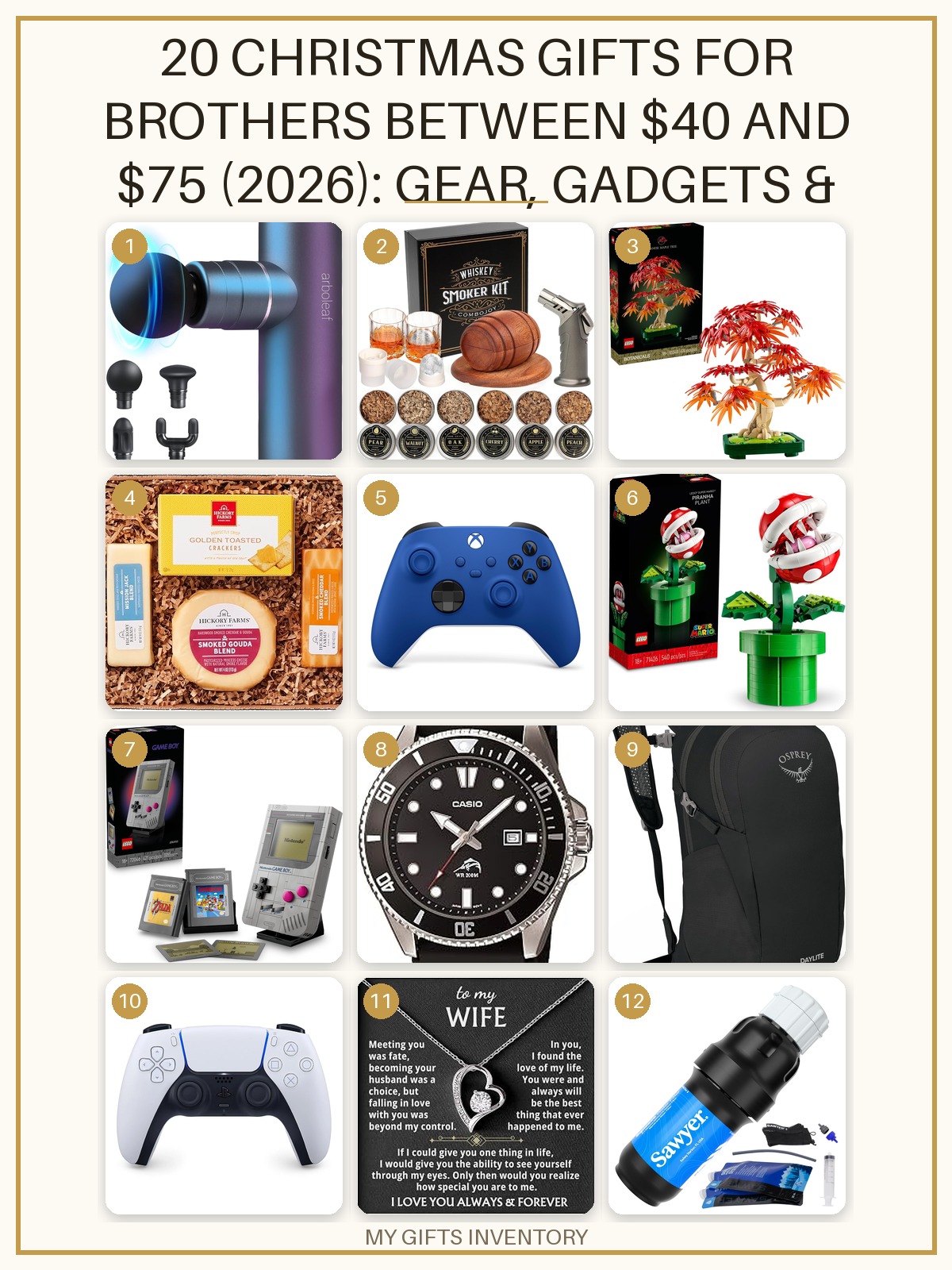
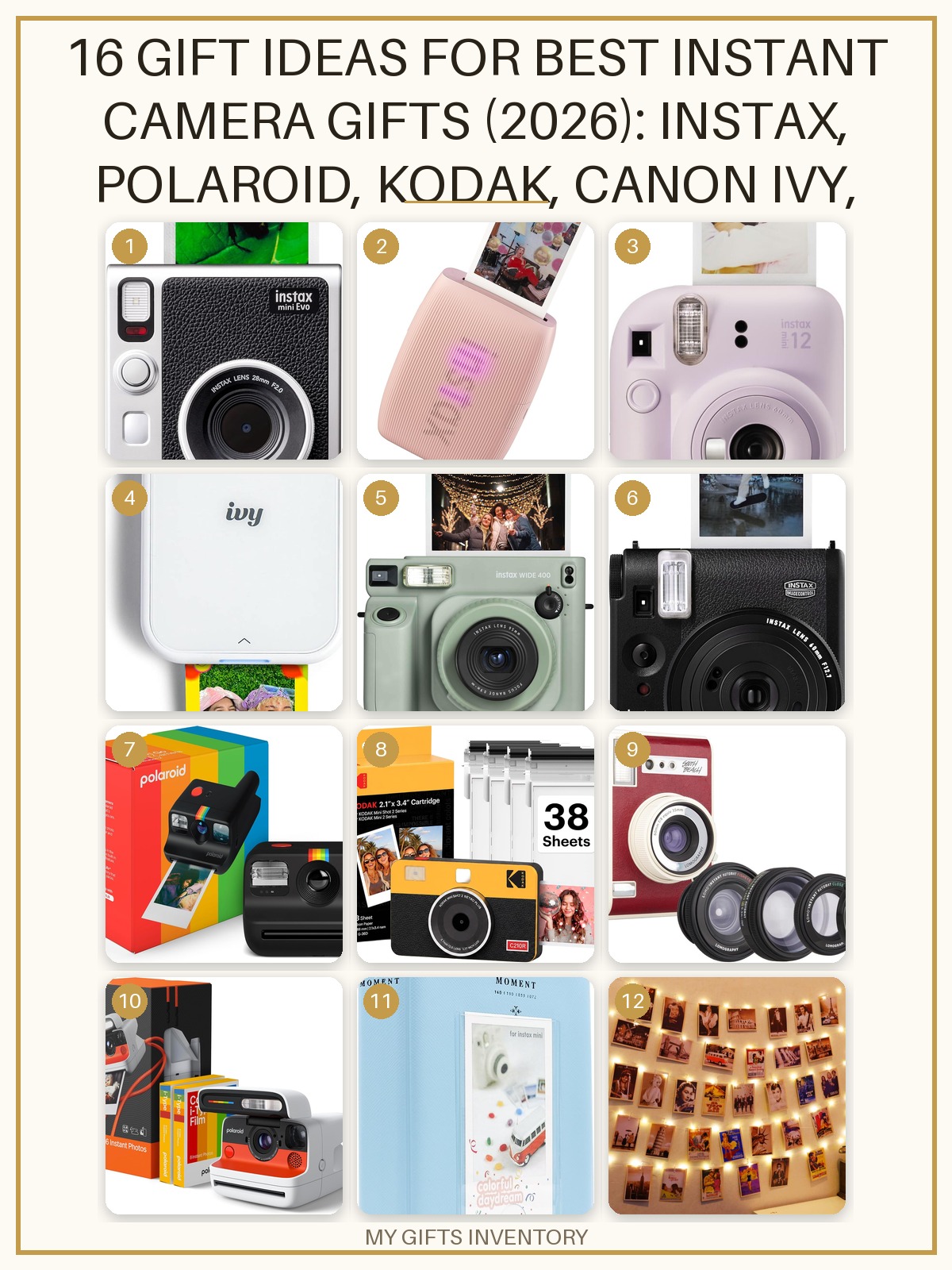

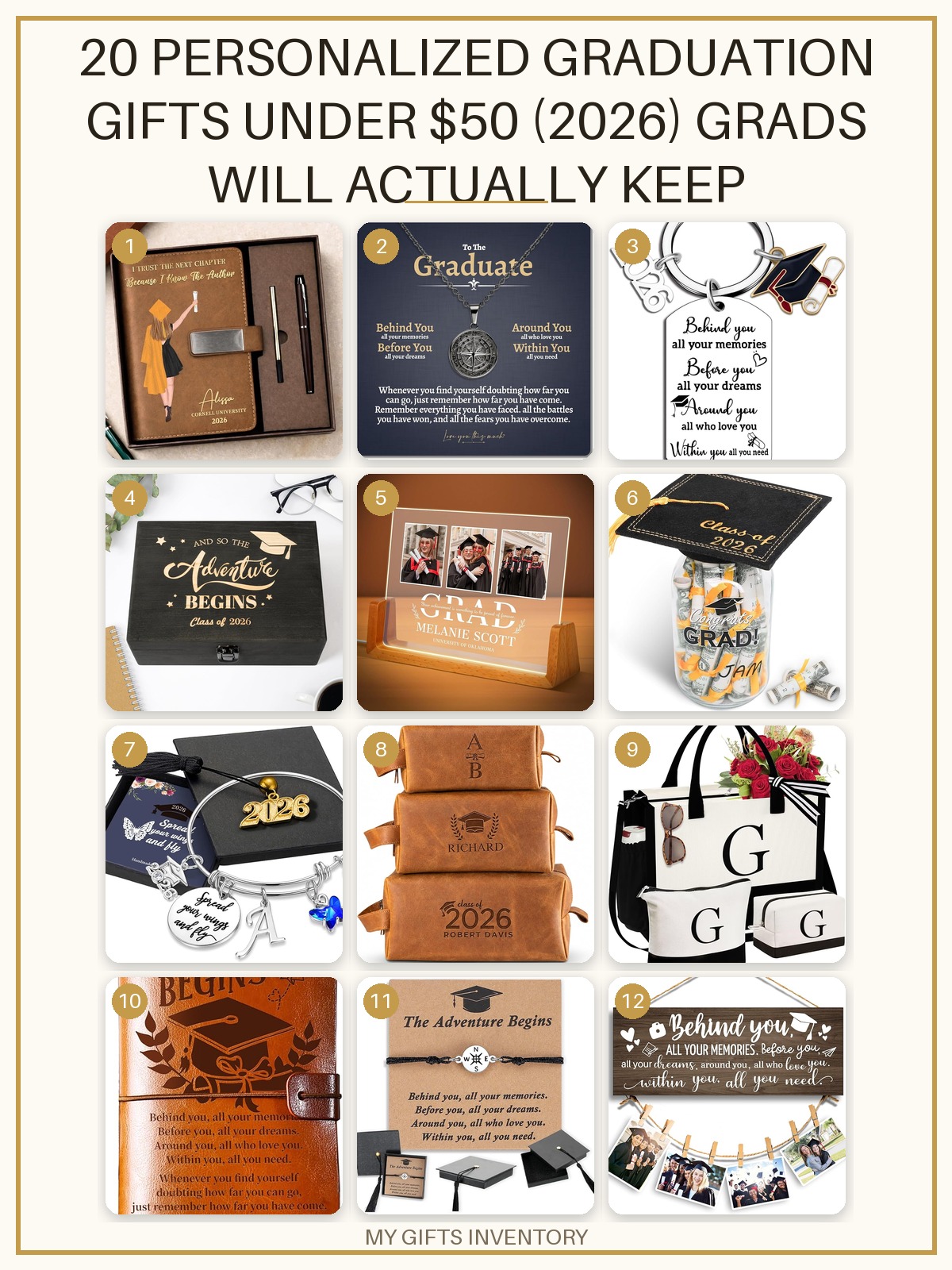
Gift Sets We Love Right Now
Every item picked, priced and linked, ready to buy.
More Gift Advice