Post-holiday thank you etiquette: when to send cards, what to write, and what if you missed the window
We share practical post-holiday thank you etiquette, from exact timing to card wording, gift return do’s and don’ts, and how to handle delayed thank-yous without making it weird.

As an Amazon Associate, My Gifts Inventory earns from qualifying purchases. We only recommend products we'd genuinely consider buying ourselves.
You are not searching “post-holiday thank you etiquette” for fun. You are searching because you can already feel the moment slipping away: the gifts were opened, the wrapping is in the closet, and now the thank-you pile is staring at us from the kitchen counter.
The good news is that there is a simple system that keeps things graceful even if we are late, even if the giver is a coworker, and even if we are not sure what to say. Below, we’ll lay out real timing, what to write in cards, how to handle registries, and what to do if a thank-you window got away from us.
Post-holiday thank-you timing: when to send, and what “late” still looks like
The baseline rule
We follow a practical rhythm: send thank-yous within 7 to 14 days of receiving the gift. If the holidays are packed, we treat “received” as the day we actually got it into the house, not the day we opened it.
Holiday-specific reality checks
- Gifts received during the holiday week: we aim for notes within 7 to 14 days after that date, even if the note is going out early in the new year.
- Gifts received on a trip: we write and mail within 7 to 14 days of returning home, since that’s when we can address envelopes and drop stamps reliably.
- If we are hosting and gift flow is chaotic: we do one quick batch for the closest people first, then we work outward. Trying to do everyone at once is how thank-yous stall.
If you missed the window, do this instead of doing nothing
A late thank-you is still a thank-you. If we are more than a couple of weeks past receiving, we keep the tone calm and direct. We do not over-apologize. One line acknowledging delay is plenty.
Example opener: “Thank you for the wonderful gift. I’m sorry this note is a bit late, and I wanted to make sure I thanked you properly.”
Then we move on to the specific gift detail and the positive outcome. Most people do not mind lateness as much as they mind never hearing from us at all.
What to write in a post-holiday thank-you card (with ready-to-use wording)
We tend to overthink the writing part. The trick is simple: we write a card that could be read in under a minute and still feels personal because it includes two things: (1) what you appreciated, and (2) what you will do or feel going forward.
Core formula we actually use
- Thank them (short and warm).
- Name the gift (or describe it clearly).
- Add one specific detail about how we’ll use it or what it reminded us of.
- Close with affection or a next touchpoint.
Examples that fit common relationships
- Family (warm and personal): “Thank you so much for the cozy sweater. I wore it the first day after New Year’s and it instantly felt like a ‘slow morning’ kind of winter. I’m really grateful you thought of me.”
- Friend (easy, not too formal): “Thanks for the gift. The [item] was exactly what I needed, and I love how you always pick things that feel like me. I’ll think of you every time I use it.”
- Neighbor (friendly and brief): “Thank you for the lovely gift. It was so thoughtful, and I really appreciate it. Hope you have a wonderful start to the new year.”
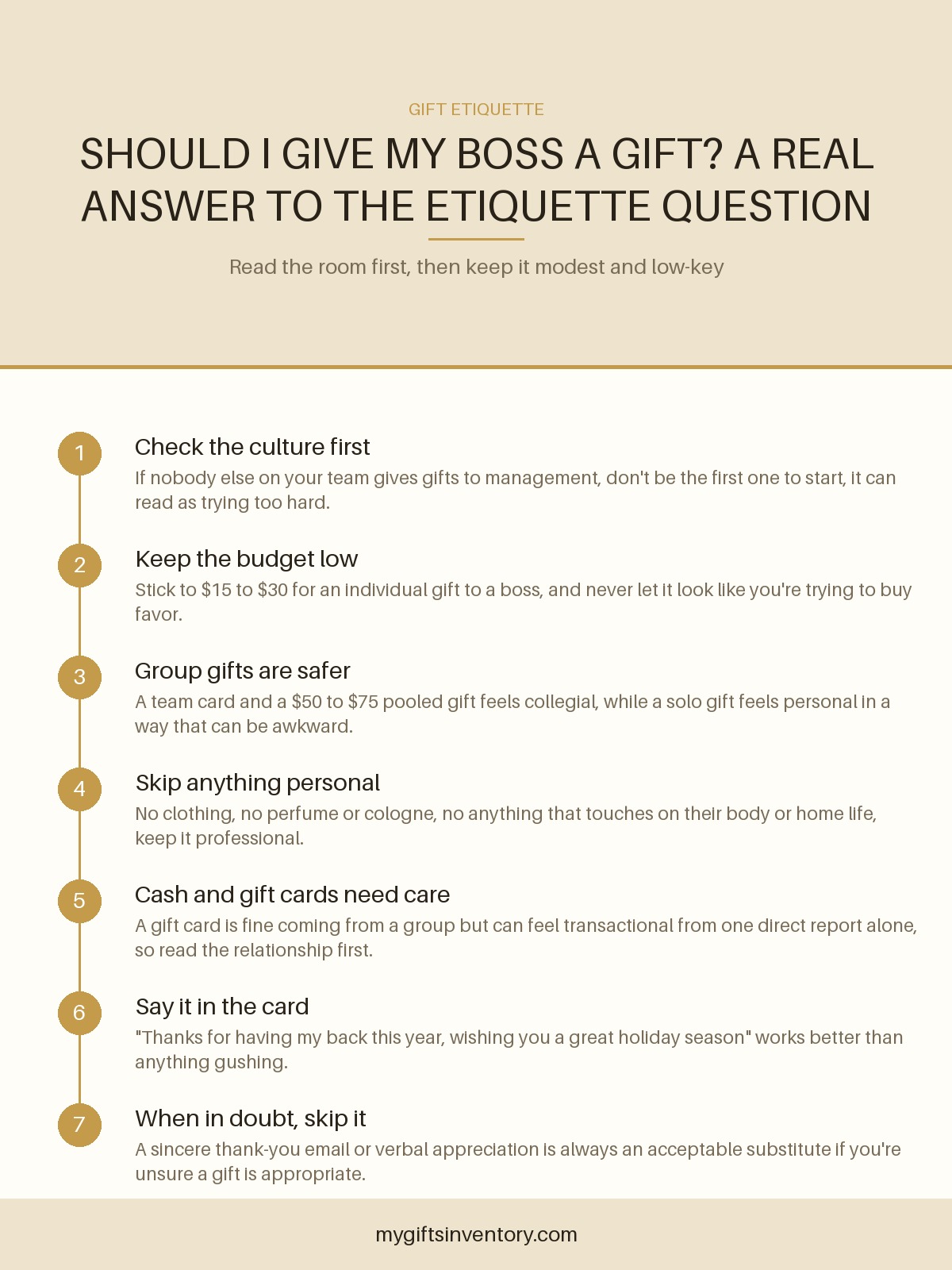
- Co-worker or boss (polished and professional): “Thank you for the thoughtful gift this holiday season. I appreciate your kindness and generosity. Wishing you a great new year.”
- Someone who helped us (host, caregiver, teacher): “Thank you for everything you do. I really appreciated your gift, and I’m grateful for your support during the holidays.”
If the gift was a family-style thing we all used
If it was shared, like a meal, a board game for the whole group, or a home item everyone benefitted from, we thank them for the shared experience.
Example: “Thank you for the game. We’ve already played it twice and it’s become our go-to on evenings when we need something fun and low-key.”
If it was money, a gift card, or something practical
We never make gift cards sound like a transaction. We thank them for the generosity and add the plan, even if it’s simple.
- Money: “Thank you so much for your gift. We’re putting it toward [trip/family expenses/our next home project], and it truly helps.”
- Gift card: “Thank you for the gift card. We’ll use it for groceries this month, and I appreciate how thoughtful it was.”
If we gave or received a gift card and we need balance check guidance for a specific retailer, we can handle that separately from the etiquette part. For example, if a card came from a major store, we can check the balance using our retailer-specific pages like Gift Cards at Walmart: The Complete List of Brands, Fees & Where to Buy (2026) or Gift Cards at Target: The Complete List of Brands, Fees & Where to Buy (2026). That way, the thank-you stays focused on gratitude, not logistics.
If you exchanged the gift (or plan to)
If you exchanged the gift for size, preference, or because it wasn’t quite right, we keep the note positive and avoid explaining too much. If you want, we can send a short follow-up card after the exchange is complete.
Example follow-up: “Thanks again for the gift. I ended up exchanging it and it fits perfectly, so it’s been a great addition.”
Cards, messages, and delivery: what “counts” when you are swamped
Handwritten beats typed, but delivery counts
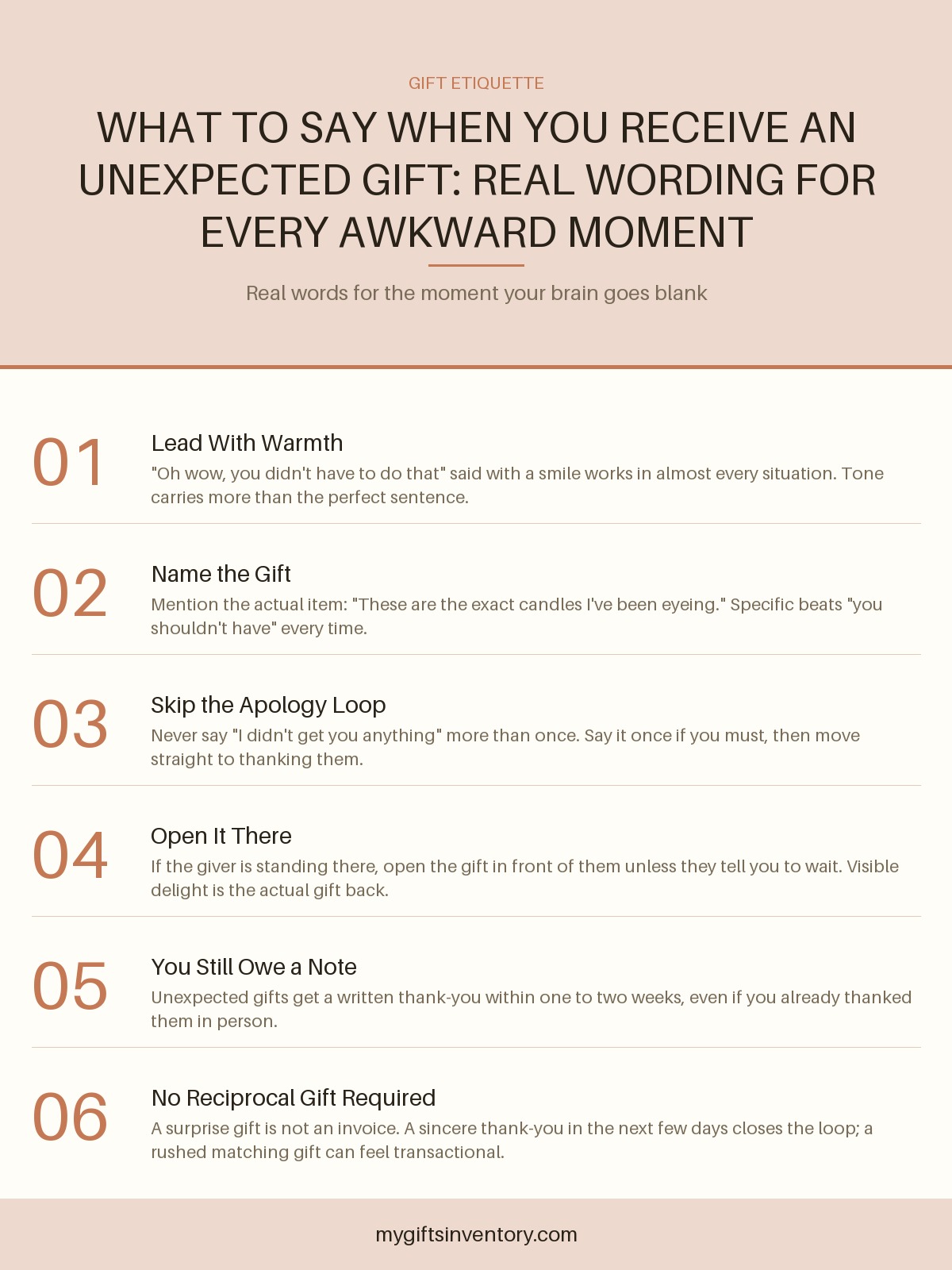
If we can, we do handwritten notes. If we cannot, a typed card or a thoughtful message is still better than a silence.
Our personal rule: if we’re sending more than a few thank-yous, we write the cards (or one batch of card templates) on the same day, then mail them within the next couple of days.
Who deserves paper even if we are busy
- Close family members
- People who went out of their way
- Anyone we would consider a “relationship priority,” like a grandparent or a mentor
For less-close relationships, a neat, well-written message can be perfectly acceptable, especially if we deliver it quickly.
Group gifts, couples, and “who do we thank?” scenarios
When one person gives for the whole household
If one person gave for the whole family, we write to that person. We can include a line that reflects the household.
Example: “Thank you for the generous gift. We all enjoyed it, and it made our holiday feel extra special.”
When a couple gives
We address both names on the envelope if possible. If we are handwriting, we can write “Mr. and Mrs.” style or use first names depending on what we normally do.
When multiple people contributed to one gift
We have two good options.
- Write separate notes to each contributor. This is the gold standard.
- If it is truly too many people: write one note acknowledging the gift and then a brief note or message to anyone who is a major contributor or who would likely notice they got skipped.
Our goal is not perfect bookkeeping. It’s making sure gratitude reaches the right humans.
Registries and “we picked a different item” situations
Registries can make people nervous because they worry about whether we “did it wrong.” The etiquette here is to keep the thank-you focused on thoughtfulness, not purchasing details.
If you used a registry
We thank them for the gift and, if appropriate, the outcome.
Example: “Thank you for the generous support through our registry. It’s such a helpful boost for our home, and we appreciate you thinking of us.”
If you chose a different item from the registry
We can mention the item we received, not the internal decision-making.
Example: “Thank you for the gift. We picked the [item] because it fit our needs, and I’m really excited to use it.”
When there is no registry
If the gift came from their own choice, we do not reference “we didn’t buy this on the list.” We just thank them for what they picked.
Budget planning for thank-you season (so it does not become another stressful chore)
Thank-yous can be cheap, but they can also be quietly expensive when we factor in paper, stamps, and printer ink. If we plan a little, it becomes manageable.
A realistic budgeting approach
We usually plan like this:
- Cards: decide whether we’re buying individual cards or a pack.
- Stamps: we budget for one stamp per mailed note.
- Supplies: pens, envelopes, and a small roll of tape if we need it.
If our budget is tight, we start with handwritten notes to priority people first. Then we finish the rest with messages delivered quickly.
How to avoid overspending without cutting corners
We do not need fancy extras. A simple card and a good handwritten message beats elaborate stationery with a rushed paragraph.
If we want inspiration for gift ideas going forward, we can browse for ideas that help us tailor future giving, like Choosing the Perfect Gift: Tips and Ideas for Every Person and Occasion. That helps because when we give gifts that match the person, our thank-you becomes easier to personalize later.
Wrapping etiquette: do we reference wrapping in the thank-you?
Sometimes people spend a lot of time on wrapping, especially for children or special occasions. If the giver put thought into it, it’s okay to mention.
When to mention wrapping
- The wrapping was unusually thoughtful.
- The gift felt like an experience, not just an item.
- You truly noticed and appreciated it.
When to skip it
- If the wrapping details would be hard to describe.
- If you are running behind and need to keep the note short.
Most of the time, the gift itself is the priority. We keep the thank-you centered on the item and the impact.
Planning ahead: how to make next year easier
The reason we dread post-holiday thank-you etiquette is because the process starts too late. We prevent that by building a tiny system during the holiday season.
A simple “receipt” method
While opening gifts, we record:
- Who gave what
- Date received or opened
- Any detail that would help us write later, like “she mentioned using it for Sunday brunch”
We do this on our phones because it’s fast. Then the notes write themselves.
Queue cards before the holidays end
If we can, we set aside blank cards and stamps before the season gets chaotic. Then the day after, or even the same day if energy allows, we write and keep envelopes ready.
What if the gift was late, wrong, or missing parts?
Stuff happens. In those cases, we still thank them. We just separate gratitude from resolution.
Gift arrived late
Send a note as soon as we receive it. Include a line acknowledging the timing.
Example: “Thank you for the gift. I know it took a little time to arrive, and I really appreciate your thoughtfulness.”
Gift arrived damaged or incomplete
Thank them for the gift, then handle replacement or issue resolution through the appropriate channel. If you are able, include a short note later after it’s fixed.
Example: “Thank you for the gift, and thank you for making it right. The replacement arrived and we’re excited to use it.”
Special cases: kids’ thank-yous, and when parents help
For kids, the best thank-you is the one they can genuinely participate in. We keep it simple and we help with structure, not with full “adult” wording.
Kid-friendly template
- “Thank you for the (gift).”
- “I like it because (one detail).”
- “Love, (name).”
If it’s handwriting practice, we let it look like practice. The gesture matters more than perfect spelling.
How to handle “we already posted about it” situations
Posting a photo online is not a substitute for a thank-you card or message. If we already shared it, we can still send a quick note that feels personal.
Example: “Thank you again for the gift. I shared a photo with the family, and we’ve been enjoying it so much.”

Frequently Asked Questions
How late can a post-holiday thank-you be?
We aim for 7 to 14 days after receiving, but late is still better than never. If you missed the holiday window by a few weeks, send a note as soon as you can and keep the apology to one simple line, then focus on the gift and your appreciation.
What if I do not know what to write besides “thank you”?
We add one specific detail: what the gift is, how you plan to use it, or what it reminded you of. A sentence like “I can’t wait to use it for my morning routine” often carries the whole note.
Should we thank people for gift cards, too?
Yes, a thank-you is still expected for gift cards and cash, even though they feel straightforward. Tell them you appreciate their generosity and add what you will use it for, even if it is something simple like groceries, a bill, or saving toward a plan.
Do we need to send separate thank-yous for each person if they bought a group gift?
Best practice is separate notes when possible, because it ensures each relationship is acknowledged. If it is truly a lot, you can send one note that thanks the group and also follow up with quick messages to anyone who contributed significantly.
What if I exchanged the gift?
Thank them for the gift and the thought behind it, without going into complicated details. If you want, send a short update after the exchange with one sentence about the result, like “It fits perfectly now and I’m excited to use it.”
Looking for an Actual Gift Instead?

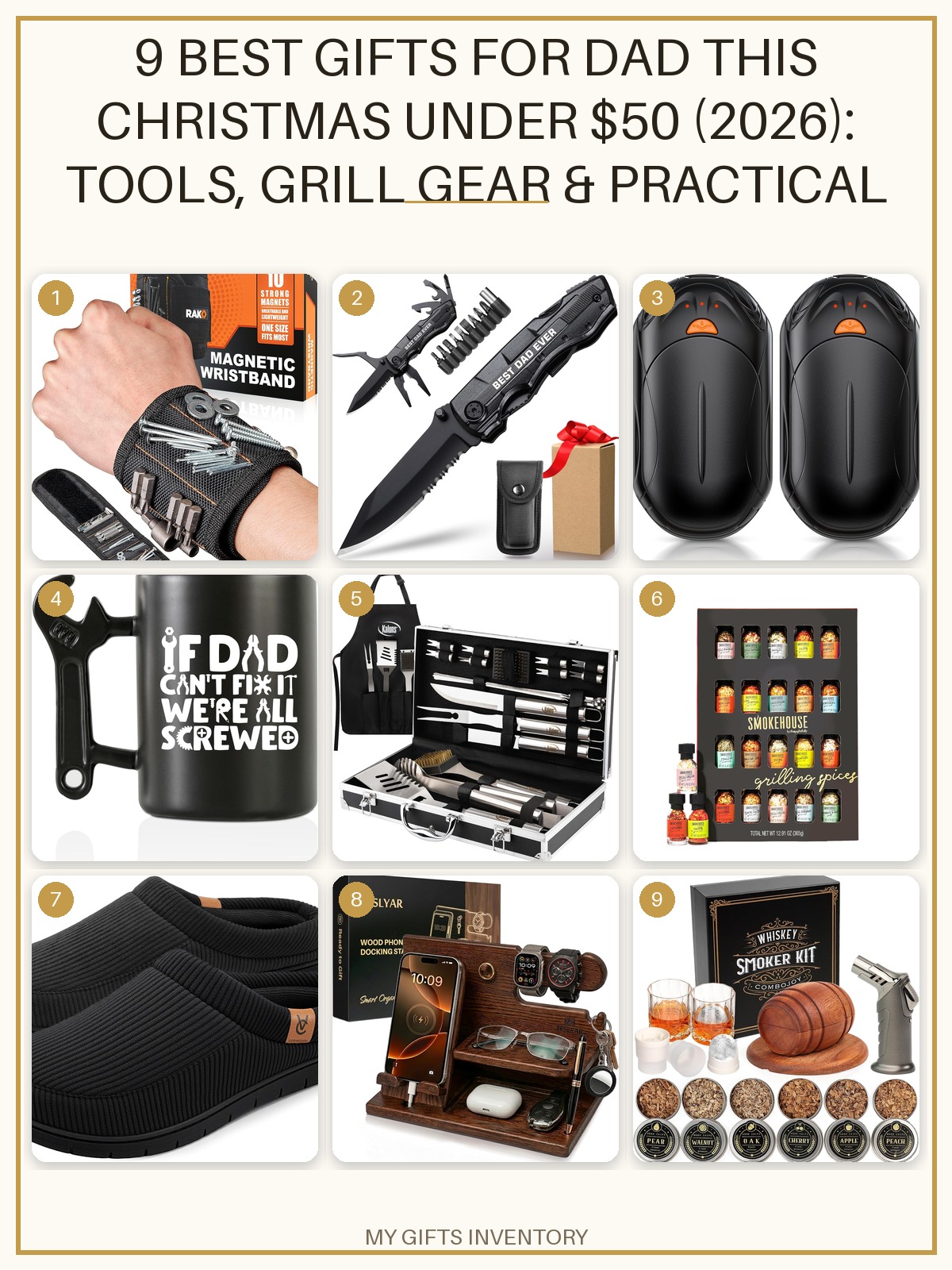
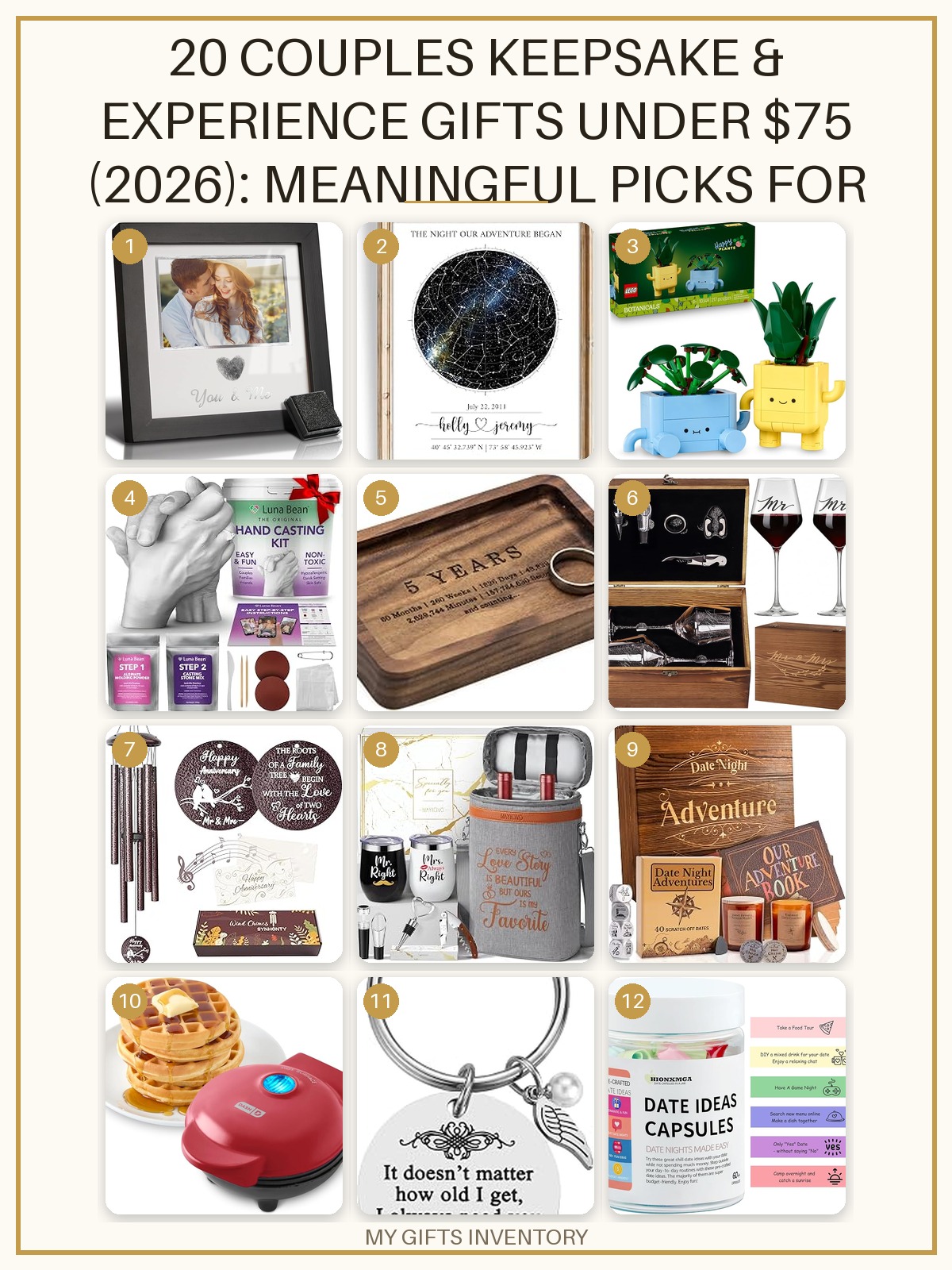
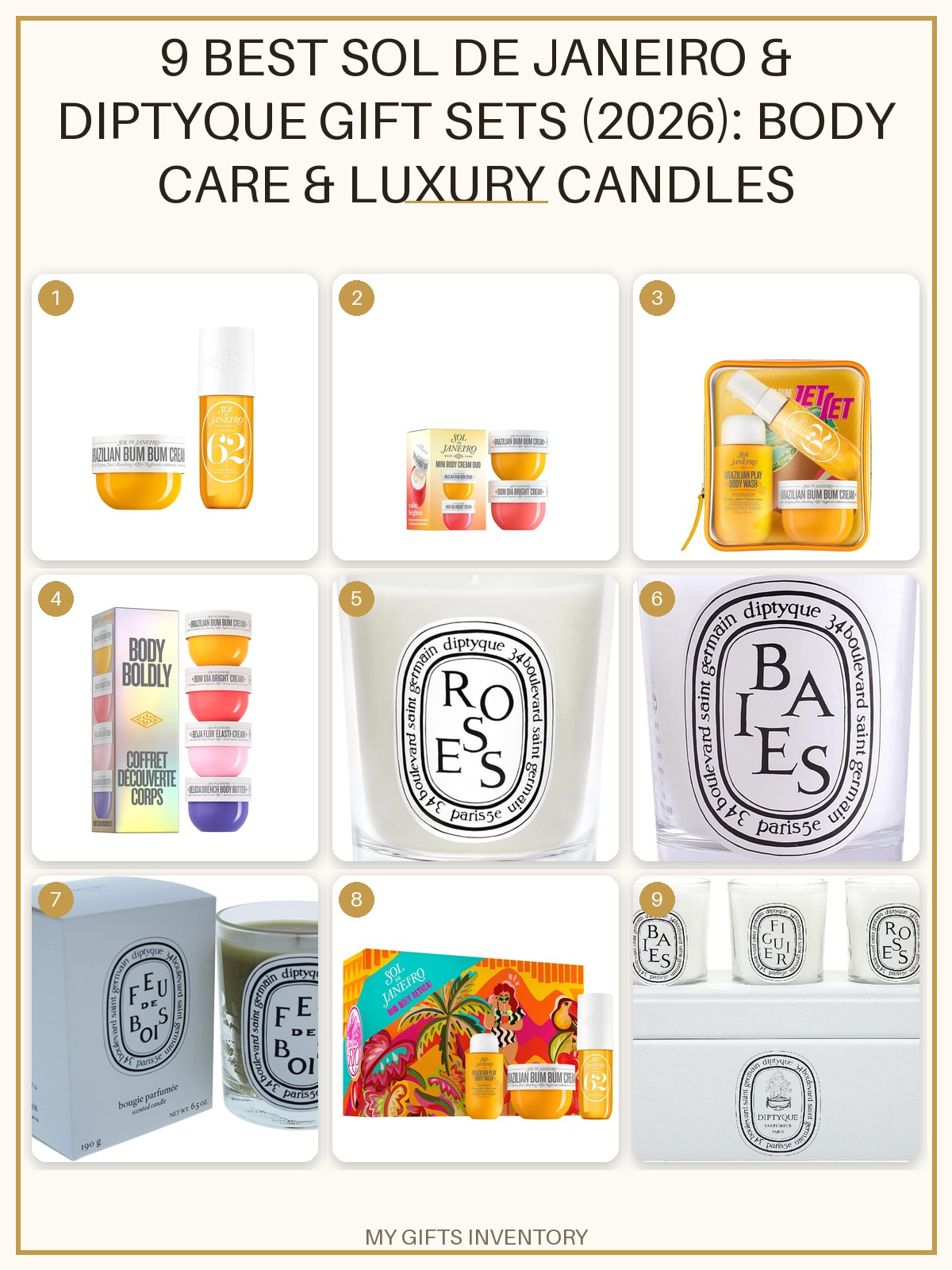
Shop Hand-Picked Gift Sets
Every item picked, priced and linked, ready to buy.
More Gift Advice