Heartfelt Gift Card Messages: What to Write When a Gift Card Feels Impersonal
A gift card doesn't have to feel like a shrug. Here's how to write a message that makes it land as thoughtful, with real wording for every relationship and occasion.
As an Amazon Associate, My Gifts Inventory earns from qualifying purchases. We only recommend products we'd genuinely consider buying ourselves.
You picked the gift card, you know it's the right call, and now you're staring at the little message line wondering if "Happy birthday! Enjoy!" is going to read as lazy. It's a fair worry. A gift card can feel like a shrug, but only when the message treats it like one. The card itself is just a delivery method. The message is where you show you actually thought about the person holding it.
We've written and received a lot of these, and the pattern is clear: the message does almost all the work. Here's how to write one that lands, with real wording you can borrow for just about any relationship.
Why the message matters more than the card
A gift card carries a built-in risk: it says "I didn't know what to get you." Sometimes that's true and totally fine. But a good message reframes it. Instead of "I gave up," it says "I wanted you to have exactly what you want, and here's why."
Think about the difference in how these two read:
"Happy birthday! Hope you have a great day. Enjoy the gift card!"
"Happy birthday! I know you've been eyeing a new pair of running shoes, so this should cover most of it. Go get the good ones."
Same $50 card. The second one tells the recipient you pay attention. That's the whole game. The message turns a generic gift into evidence that you know them.
The two-sentence formula that works for almost anyone
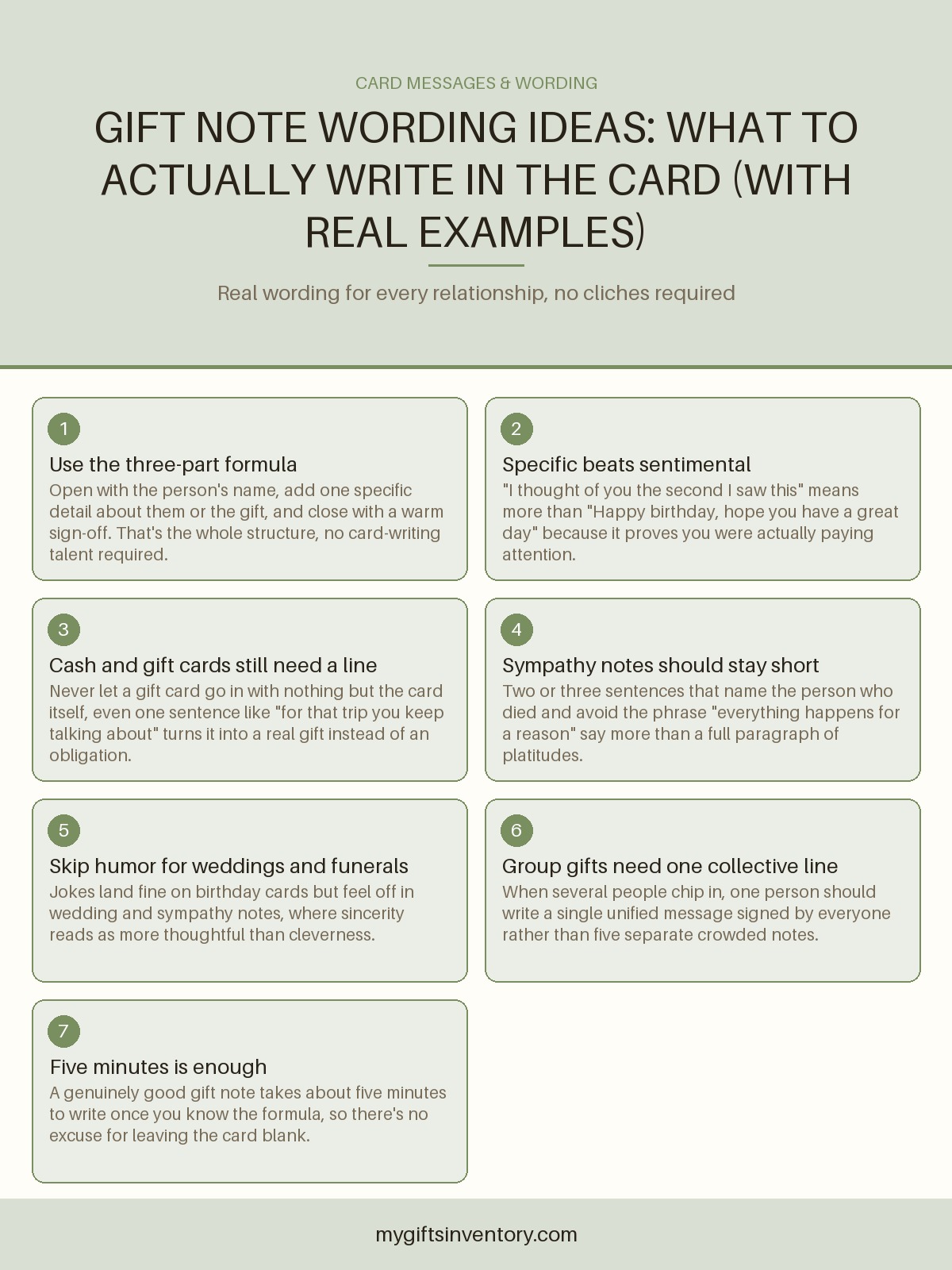
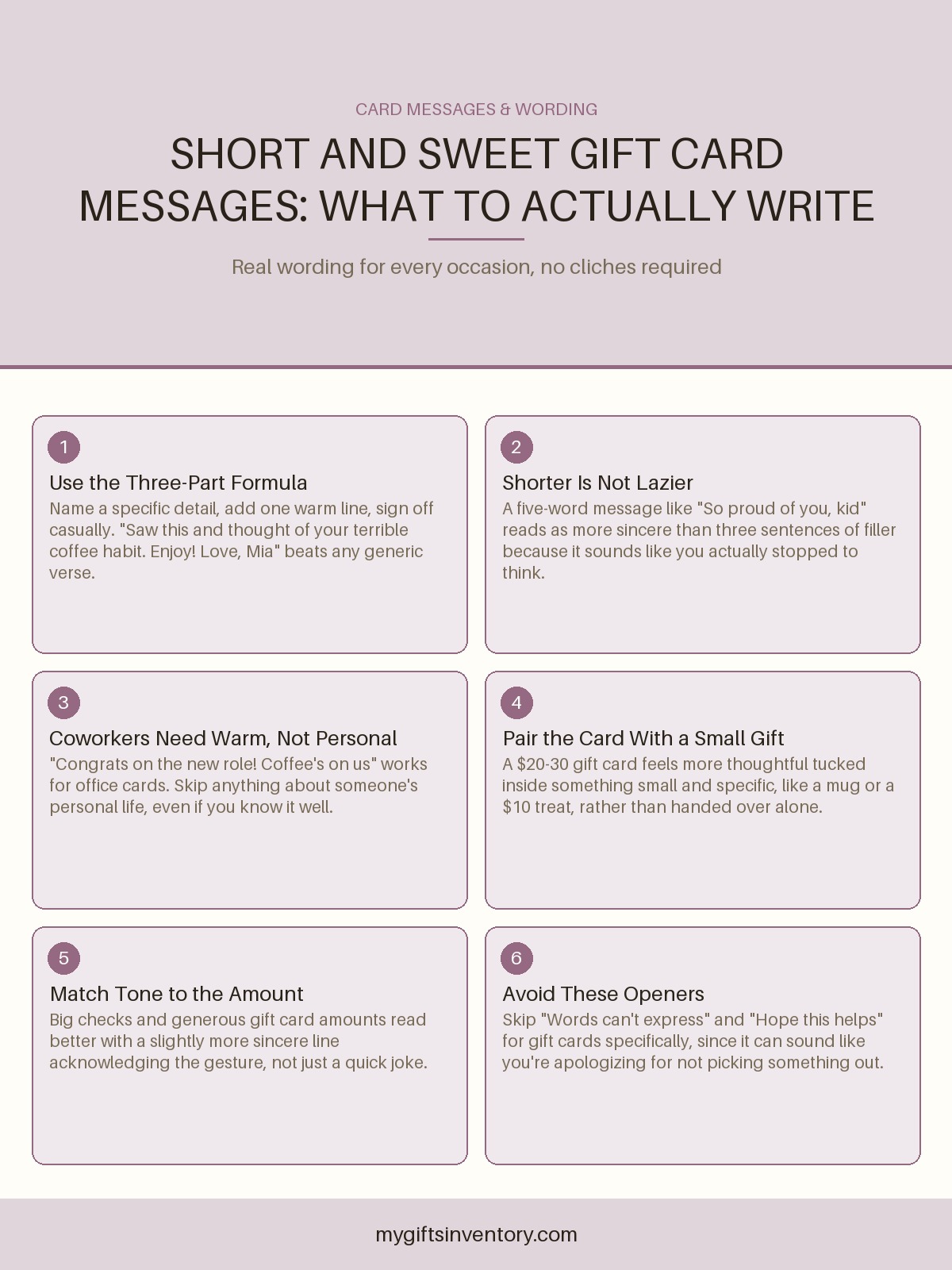
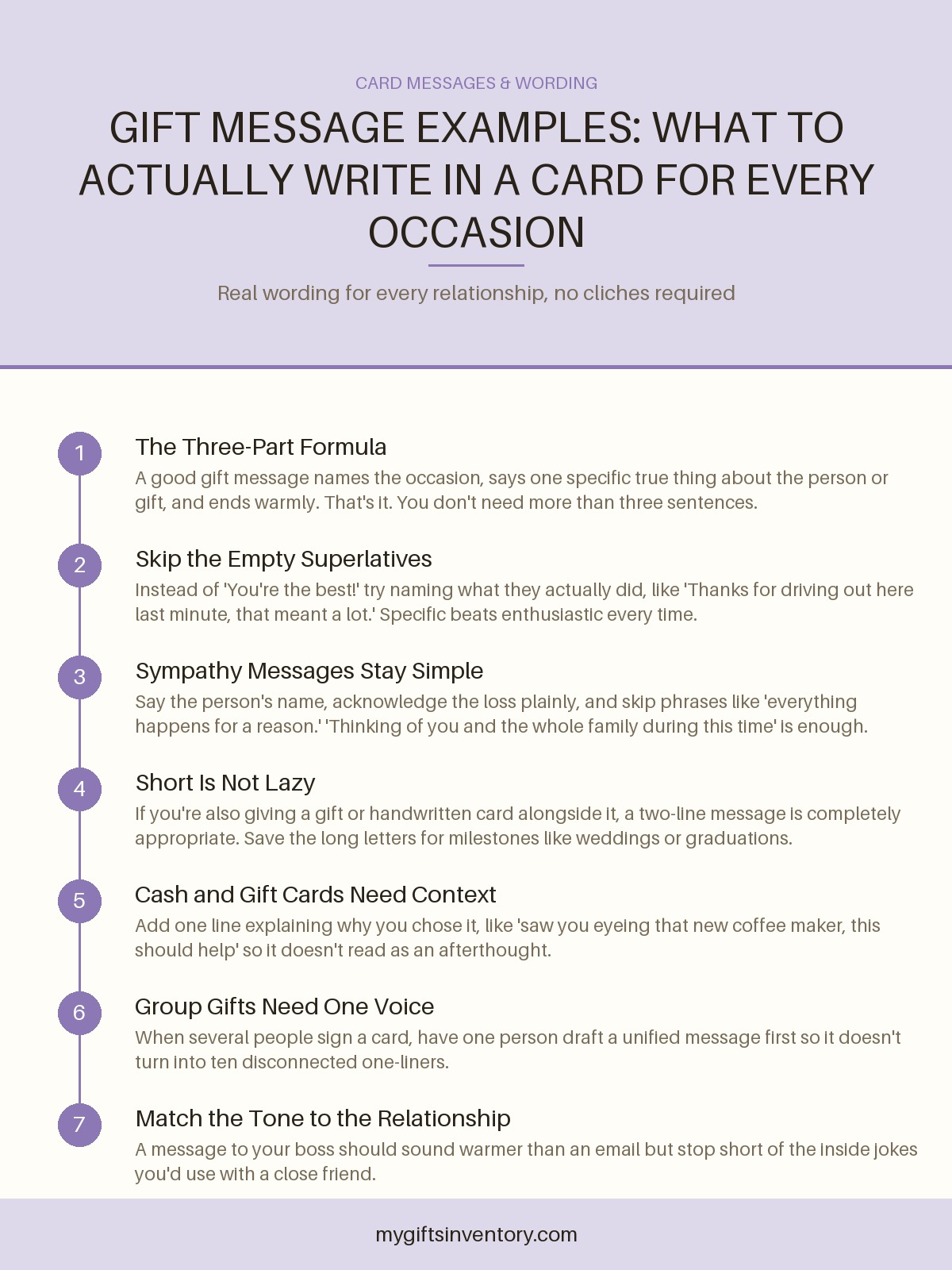
You don't need to be a writer. Most great gift card messages follow a simple structure:
- Why this card. Name the store, the plan, or the thing you know they love.
- What you hope they do with it. Give them permission to splurge, or point them toward the thing you had in mind.
That's it. Two sentences. It works for a coworker, a nephew, a mother-in-law. It's short enough to actually write on a card and specific enough to feel personal.
Example: "For your new place. I know you've been hunting for the right lamp, so consider this a contribution to the hunt."
Example: "You've been talking about that coffee shop downtown for months. This should cover a few visits. Go sit and read for an afternoon."
When you have more room, add one memory
If the card has space and the relationship is close, add a single specific memory or inside reference. One is plenty. "Remember that terrible diner we ended up at in Portland? This is for a do-over, somewhere better." A shared memory does more for warmth than three sentences of generic affection.
Real wording by relationship
Tone is everything. The same sentiment that reads as sweet from a sibling reads as odd from a boss. Here's how we'd adjust for each.
For a close friend
Casual, a little teasing, and specific. Friends don't need formality, they need to know you were thinking of them.
- "You've been talking about a new pair of boots since October. Go get them. Consider this me enabling you."
- "For the bookshelf. I know you already have too many books. Buy more."
- "Because I refuse to let you keep using that sad 2011 hair dryer. Upgrade. I mean it. Happy birthday."
If you want more gift-idea context for a friend's specific interests, our guide to gifts for book lovers pairs nicely with a bookstore card, and the ideas in it can even show up in your message as a suggestion of what to buy.
For a partner or spouse
This is where a heartfelt message can carry the most weight, because a gift card between partners can feel strange unless you explain the thinking.
- "I know I'm terrible at guessing your size, so this is me admitting it and giving you a shopping day instead. Take your time. Pick something you love."
- "For the trip in March. Buy whatever you've been putting off because it felt too indulgent. You've earned it this year."
- "Ten years and I still can't pick your jewelry. So here's my backup plan. Happy anniversary."
The key for a partner is honesty about why you chose the card. A little self-deprecation ("I'd get it wrong") goes a long way and reads as affectionate, not lazy.
For a parent or grandparent
Older recipients sometimes read a gift card as "you didn't want to bother." A message that acknowledges their independence or points to a treat they wouldn't buy themselves fixes that.
- "For the garden center. I know you'll pick something better than I ever could. Happy Mother's Day."
- "For dinner out, on us. You've been cooking for everyone for forty years. Go let someone else do it."
- "Because you never buy yourself anything. Once, just this once, buy the thing you want and don't think about the price."
For a coworker or boss
Warm but professional. No inside jokes that exclude anyone, no comments on appearance or lifestyle. Keep it about the occasion and the store.
- "Congratulations on the new role. I know you've had your eye on a few things for the home office. This should help. Well deserved."
- "Happy holidays from all of us. Thank you for everything this year. Enjoy a meal on us."
- "For your new place. Wishing you a great year ahead from the whole team."
If you're buying for a colleague whose tastes you genuinely don't know, our home office and desk setup gift guide is a good way to decide which store's card makes sense, and it gives you a concrete thing to reference in the message.
For a teenager or young adult
Short and low-key. Teens read long messages as embarrassing. Two sentences, light tone, a specific nod to what they're into.
- "For the headphones you've been saving for. Happy birthday."
- "For the game you keep talking about. Have fun. Don't stay up too late. (You will.)"
- "Grad gift. Spend it on something fun first, then something practical. In that order."
For someone going through a hard time
This is where a gift card message has to be handled carefully. It's not a celebration, so skip the exclamation points. Keep it gentle and practical.
- "Thinking of you. This is for dinners on the nights you don't have the energy to cook. No rush, no thanks needed."
- "For whatever makes this week a little easier. We're here if you need us."
A meal delivery or grocery card paired with a message like this is genuinely useful in a way a physical gift often isn't. If you're weighing brands, you can check balances and details on pages like Trader Joe's gift card balance before you commit, especially if you're consolidating a group gift.
Occasions that call for different wording
Weddings
A wedding card should acknowledge the marriage, not just the gift. Reference the couple, the life they're starting, or something from the registry you know they wanted. "Wishing you a lifetime of good mornings. This is for the coffee maker you registered for. Enjoy every cup."
Baby showers
Practical wins here. Point the message at the unglamorous stuff new parents actually need. "For the diaper fund. It's not exciting, but it's real. Congratulations." That line gets remembered.
Graduations
Students are often saving for something specific. If you know what it is, name it. "For the laptop fund. You're going to do great things." If you don't know, keep it broad but forward-looking: "For the next chapter. We're proud of you."
Retirement
Retirement cards get to be a little warmer and more reflective. "For all the things you finally have time for. Enjoy every one of them."
Teacher appreciation and end of year
Classroom group gifts often mean several families pooling money into one card. The message should acknowledge the whole class. "From all of us in Room 12, thank you for a wonderful year. This is for a treat you didn't have to plan." If you're coordinating, our guide to Whole Foods gift cards is a useful place to check brands and fees before you collect cash from a dozen parents.
Mistakes that make a gift card feel impersonal
We've seen these go wrong enough times to know them by heart.
Don't apologize for the gift
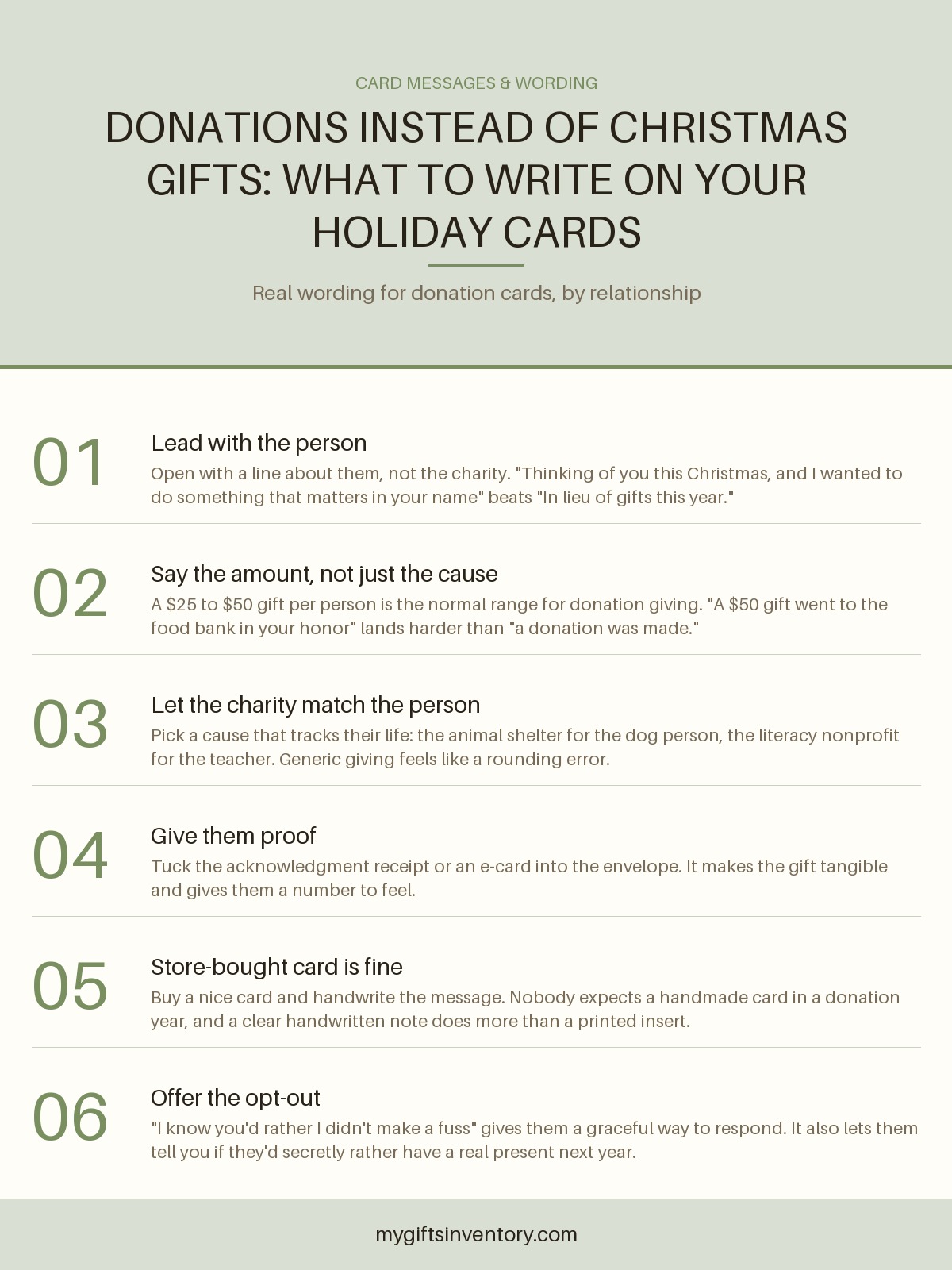
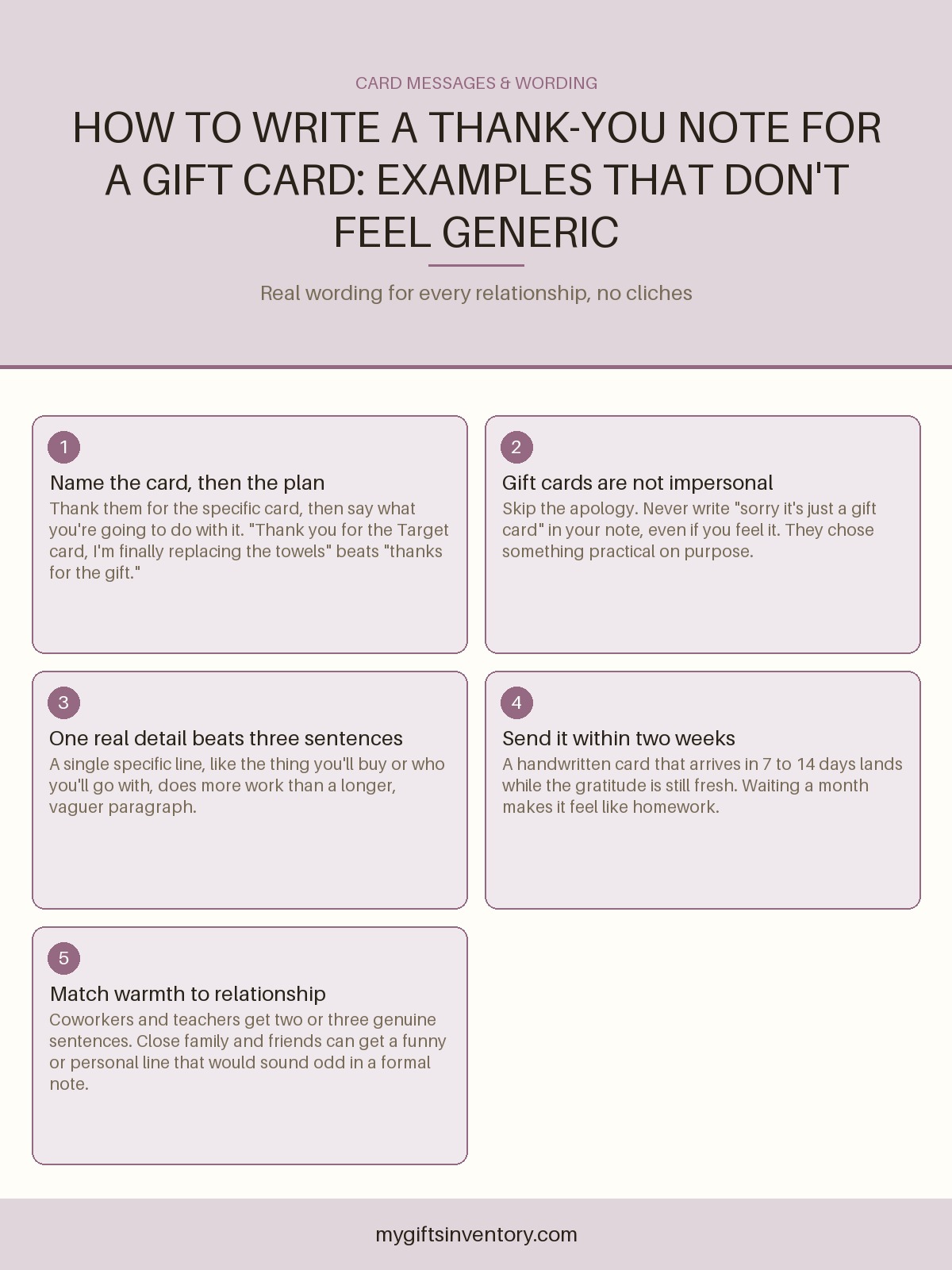
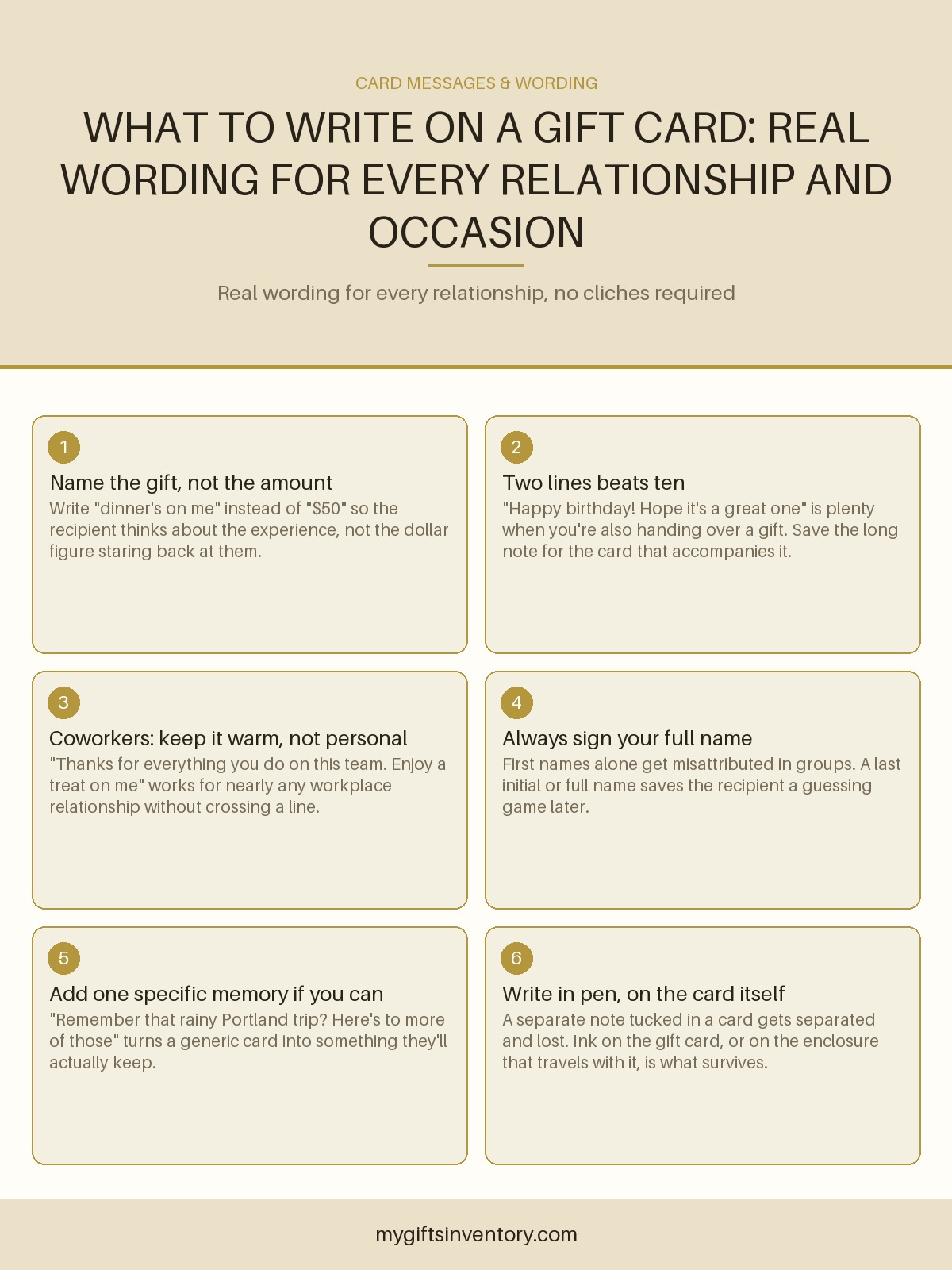
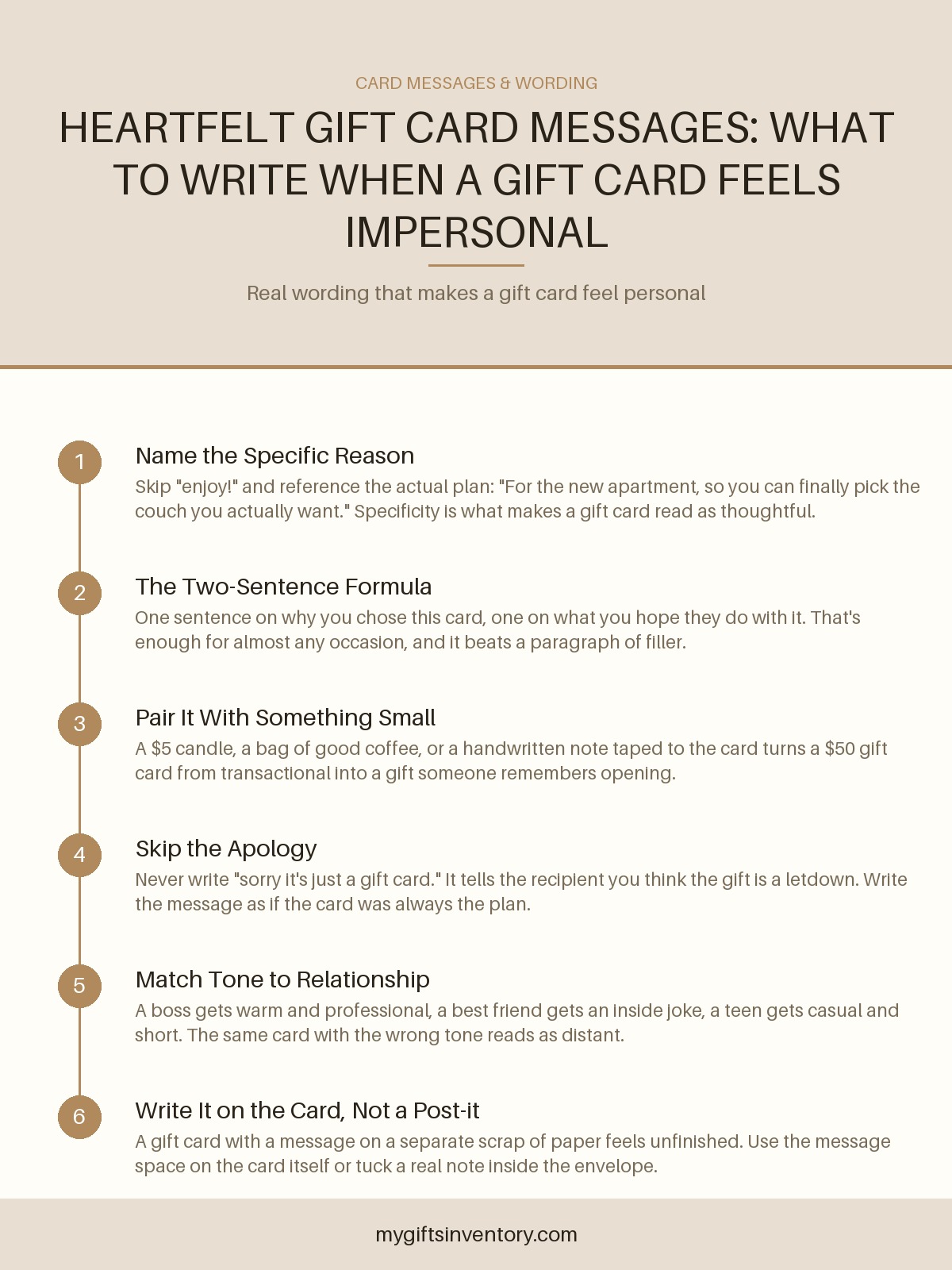
"Sorry it's just a gift card" or "I know this is boring" tells the recipient you think the gift is a letdown. Write as if the card was always the thoughtful plan, because it was.
Don't leave the message blank
A blank message line is the single biggest thing that makes a gift card feel like a cop-out. Even "Happy birthday, love you" beats nothing. If you're truly stuck, write the recipient's name and yours, then add one sentence about why you chose the store.
Don't over-explain
You don't owe anyone a paragraph justifying the card. Two good sentences read as confident. A four-paragraph apology reads as guilty.
Don't put the message on a separate scrap of paper
A card with a sticky note on it feels unfinished, like you forgot and improvised. Write on the card itself, or tuck a real note inside the envelope. It's a small thing that changes how the gift is received.
Ways to make the card itself feel more personal
The message is the main event, but a couple of small touches make a real difference.
Pair it with something small and specific. A $5 candle, a bag of good coffee, or a favorite candy next to the card turns a $50 gift card into a gift with a story. It doesn't need to be expensive. It needs to be about them.
Use their actual interests to pick the card. A card to a store they genuinely shop at beats a card to a fancier store they don't. If you're stuck on what a particular person loves, browsing gift guides for their hobby is a fast way to figure out which card a specific person would actually enjoy spending. Our DIY and craft kit gift guide is a good example: if your recipient is the type who'd love a candle-making kit, a craft store card fits naturally, and your message can say so.
Add a small printed photo or a hand-drawn doodle. Kids especially love this, but adults do too. A Polaroid of the two of you slipped into the envelope makes the gift feel like it came from a person, not a checkout line.
Write it by hand. Even if your handwriting is terrible, hand-written beats printed. People can tell the difference, and they notice.
How much to put on the card
Amounts are always a little awkward, so here's a rough guide to what people actually tend to spend. These are reasonable ranges, not rules.
- Coworker or acquaintance: $15 to $25.
- Close friend: $25 to $50.
- Sibling or close family: $50 to $100.
- Partner or spouse: $50 and up, depending on the occasion and your budget.
- Teacher or coach group gift: $10 to $20 per family, pooled.
- Wedding or baby shower: $50 to $150, aligned with what you'd have spent on a physical gift.
The message should never mention the amount. If you're contributing to a group gift and want to know how the balance will work out for the recipient, pages like Olive Garden gift card balance show how to check a card's remaining value, which is genuinely useful if you're pooling several cards into one.
Frequently Asked Questions
What should I write on a gift card to make it feel personal?
Write two sentences: one naming why you chose that specific card, and one saying what you hope the recipient does with it. For example: "For your new apartment. I know you've been hunting for the right lamp, so consider this a contribution to the hunt." Specificity is what makes it feel personal.
Is it rude to give a gift card instead of a physical gift?
No, it's not rude, especially when the recipient's tastes are hard to guess or when you live far apart. It only feels impersonal when the message is blank or generic. A thoughtful message and a card to a store the person actually shops at make it a perfectly good gift.
How long should a gift card message be?
For most occasions, two sentences is enough. Close friends and partners can take a short paragraph with one shared memory. Coworkers and acquaintances should stay short and warm. Longer messages often read as over-explaining, which undercuts the message.
Should I apologize when giving a gift card?
No. Avoid phrases like "sorry it's just a gift card" or "I know this is boring." Apologizing tells the recipient you think the gift is a disappointment. Write the message as though the card was always the thoughtful plan, because with the right wording, it is.
What's the best way to give a gift card for a group gift?
Collect contributions, buy one card or a few cards to the same store, and write a single message that names the whole group, like "From all of us in Room 12, thank you for a wonderful year." Keep the total documented so you can share it with the recipients, and check balances on the store's gift card page before handing it over.
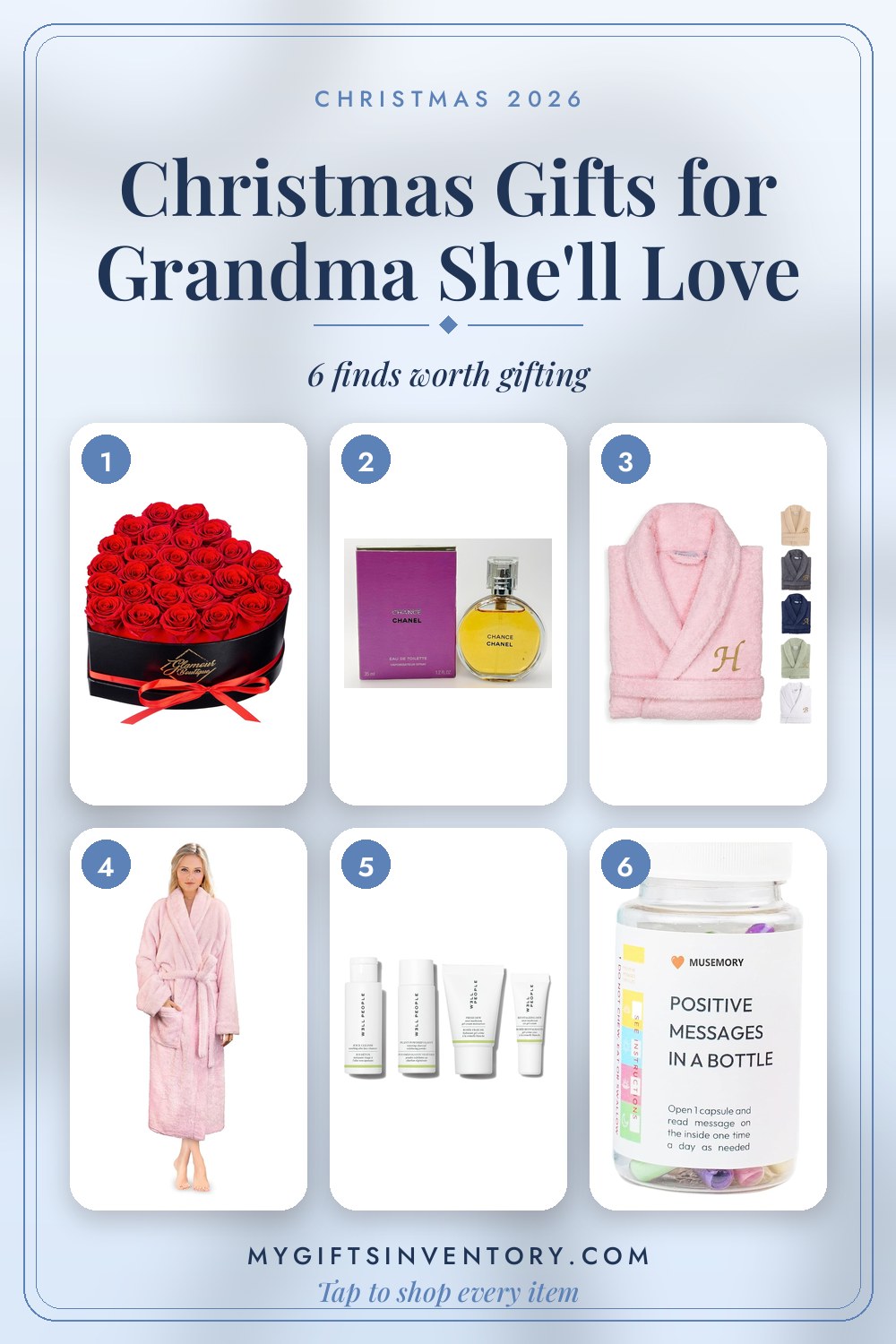
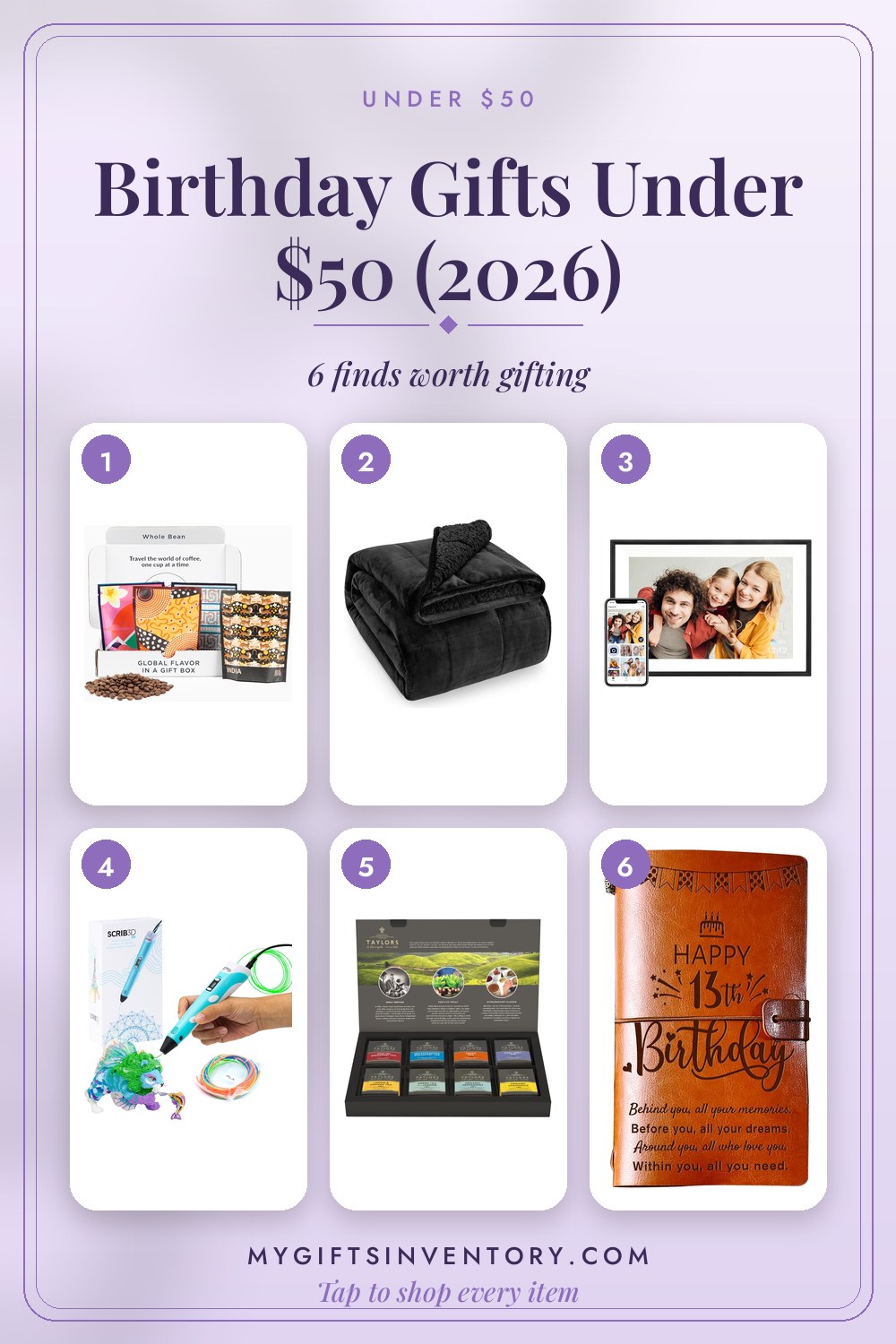
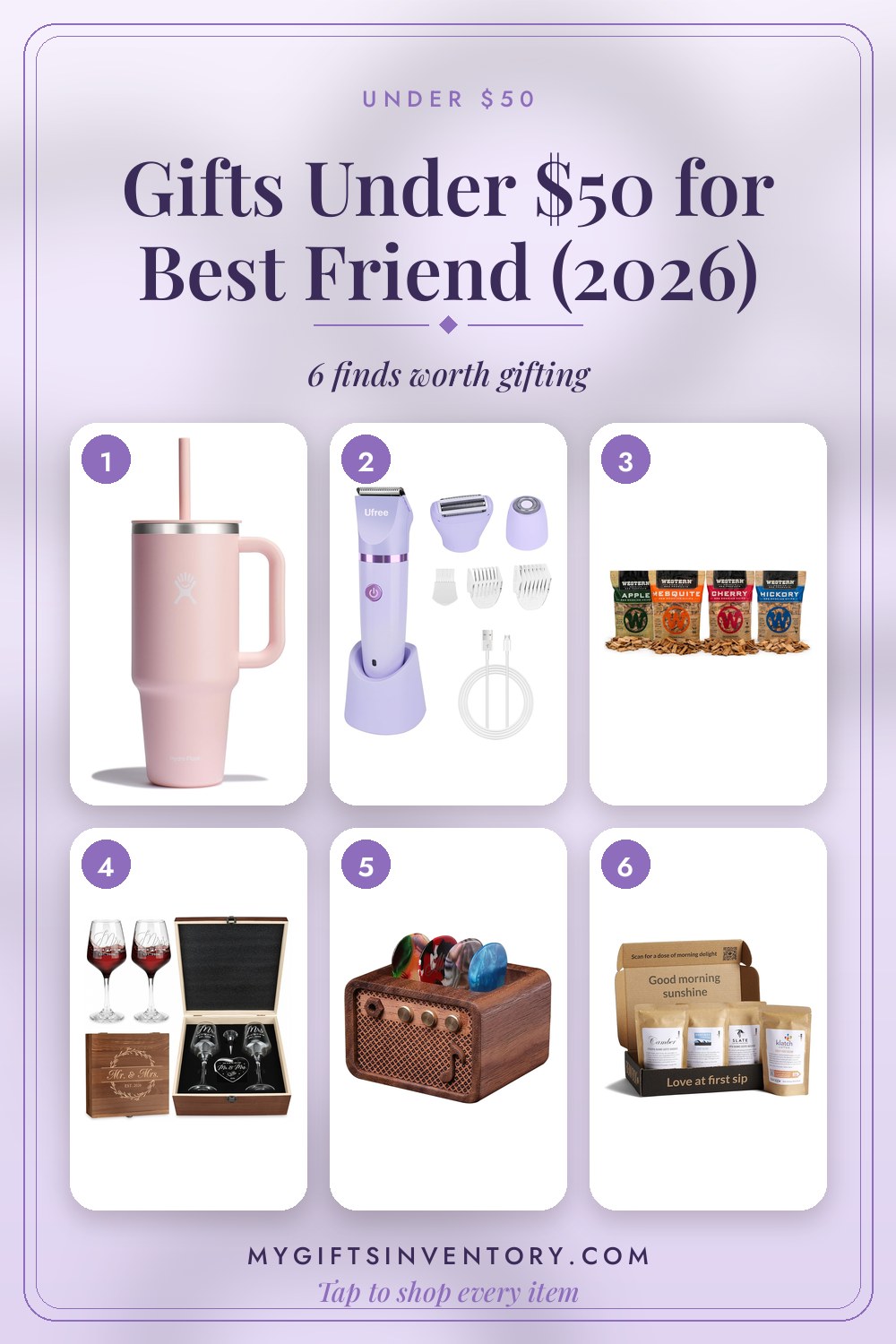
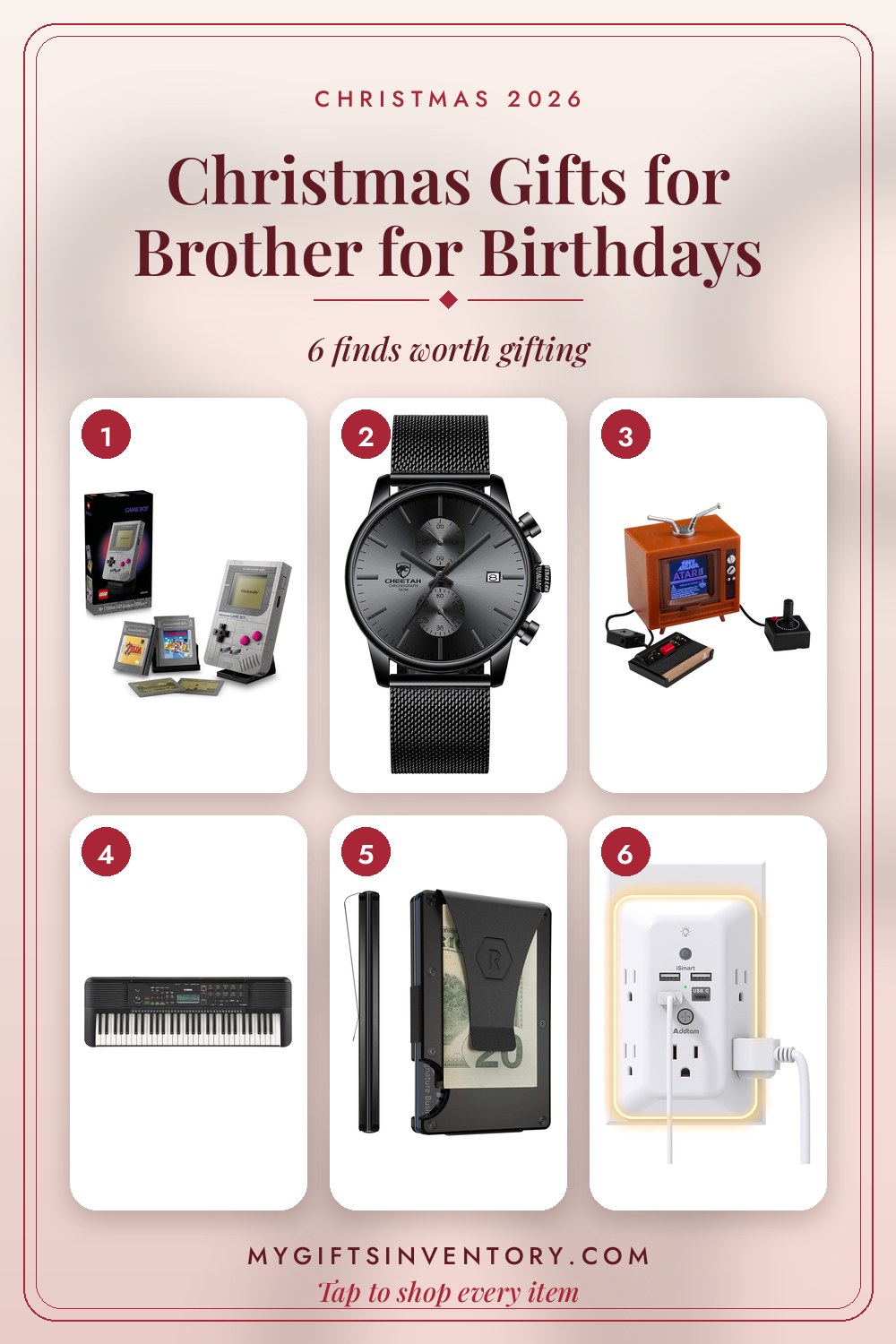
Looking for an Actual Gift Instead?
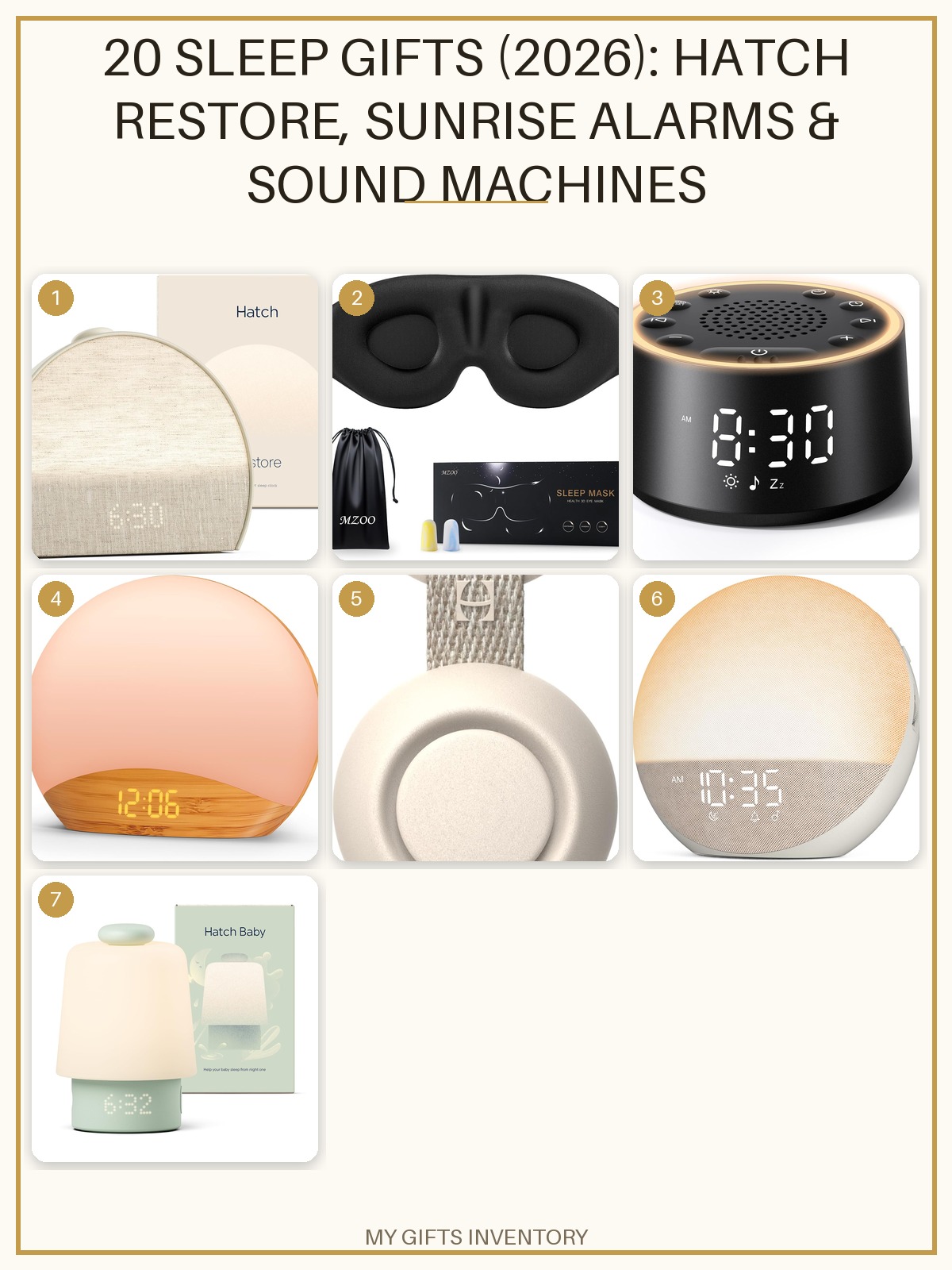
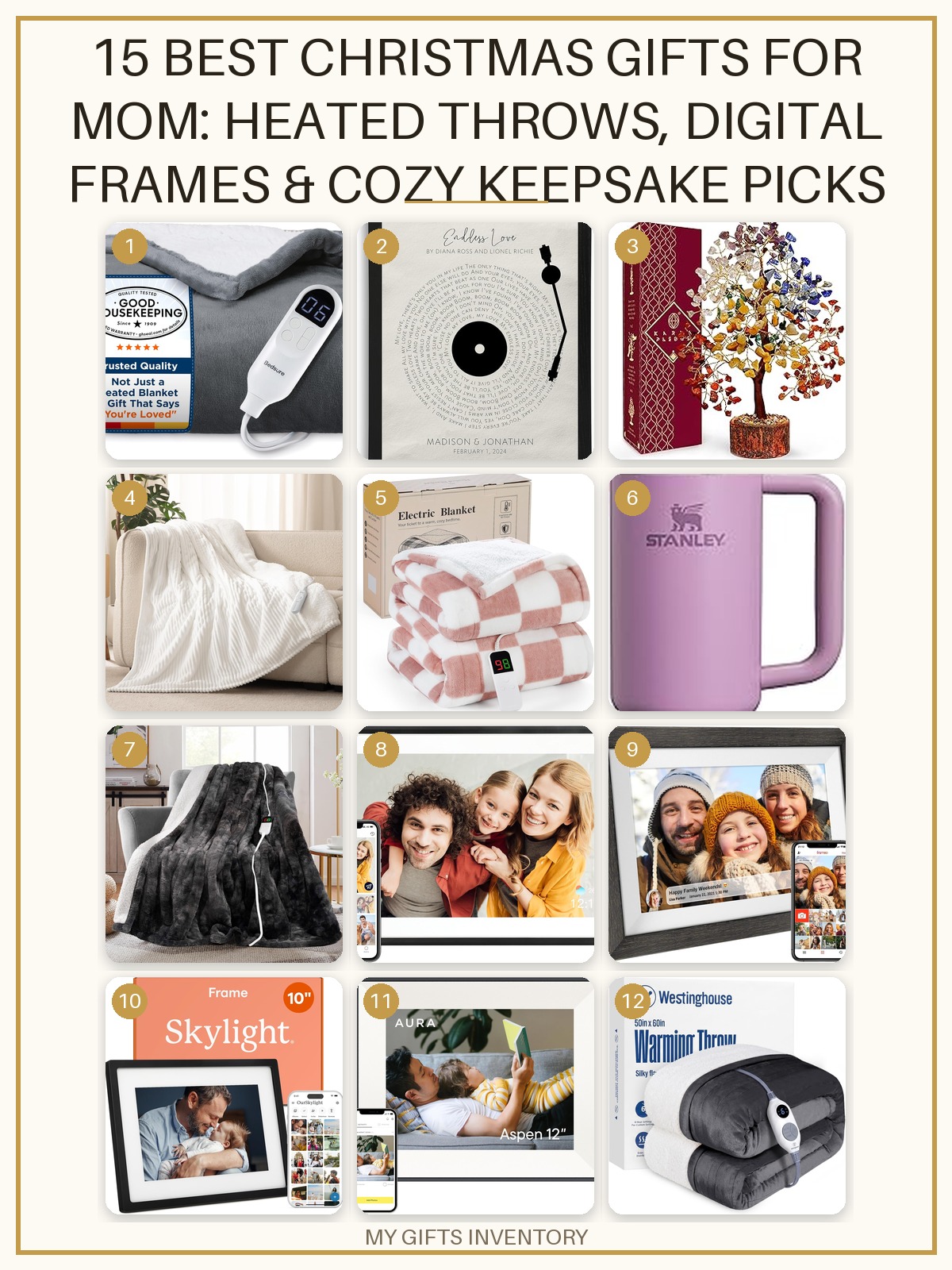
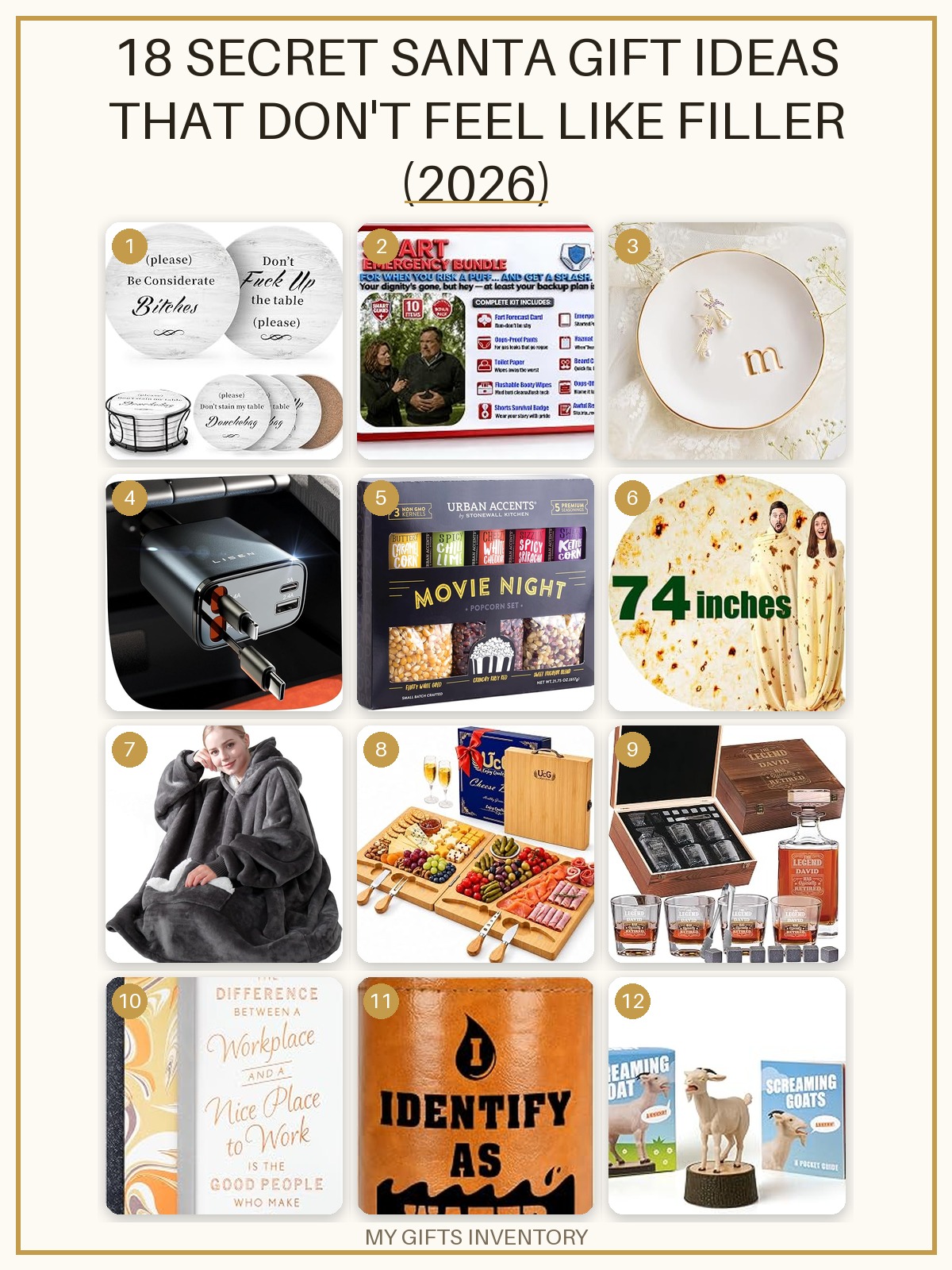
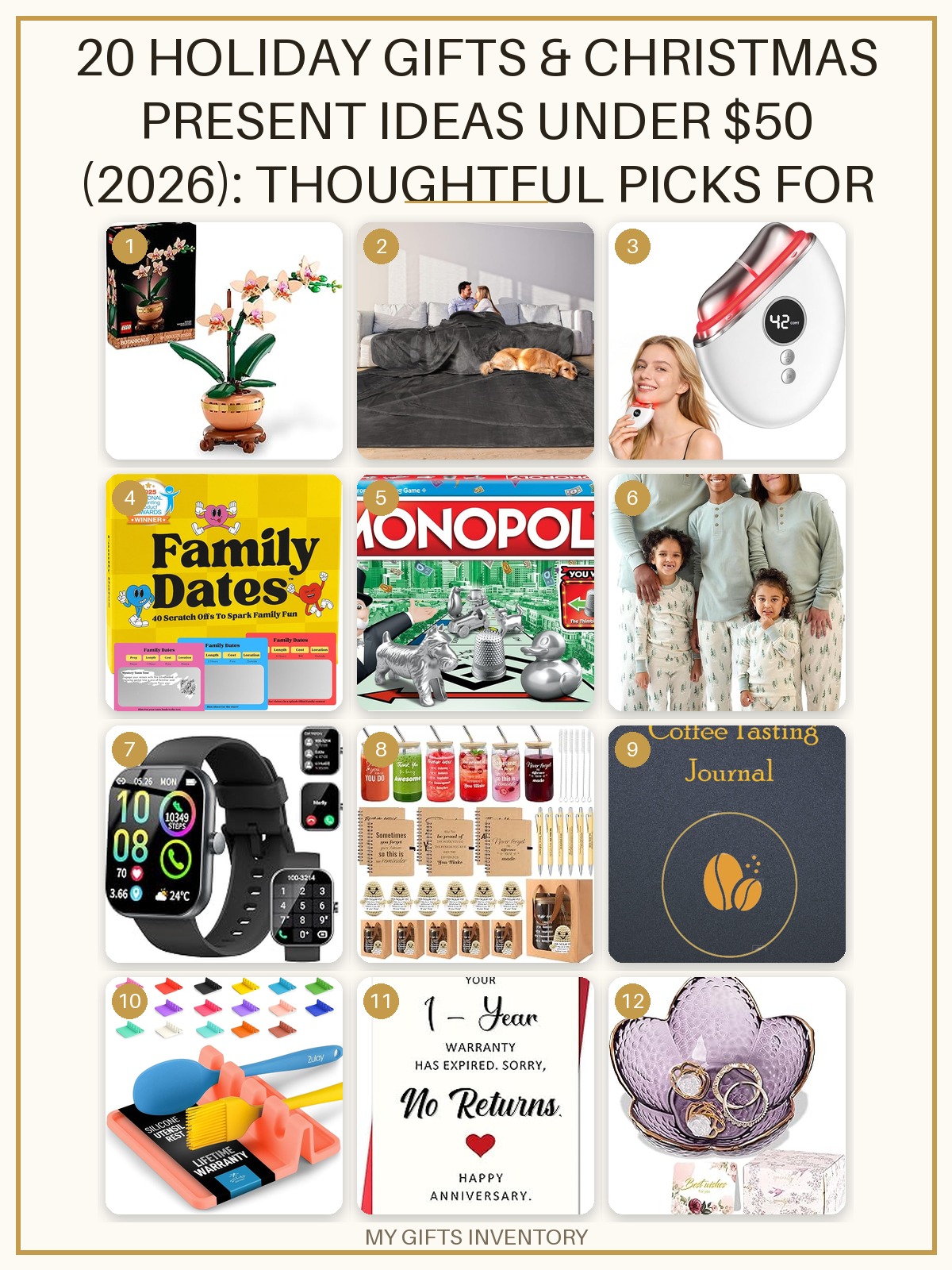
Gift Sets We Love Right Now
Every item picked, priced and linked, ready to buy.
More Gift Advice