How to Find the Perfect Gift: A Practical Guide to Choosing Well
A real process for finding a gift someone will actually use, from reading the person to setting a budget, writing the card, and knowing when a gift card is the smarter answer.
As an Amazon Associate, My Gifts Inventory earns from qualifying purchases. We only recommend products we'd genuinely consider buying ourselves.
You're staring at a screen with 40 tabs open, or standing in a store aisle, and the thing you actually want is simple: to get this right. Not to spend the most money or find the most impressive item, but to hand someone a box and watch their face do the thing where they're genuinely pleased. That's a skill, and it's learnable. Here's the process we use.
Start with the person, not the product
Almost every bad gift comes from shopping before thinking. The fix is to spend ten minutes on the person first. Not on their wish list, on them.
The complaint method
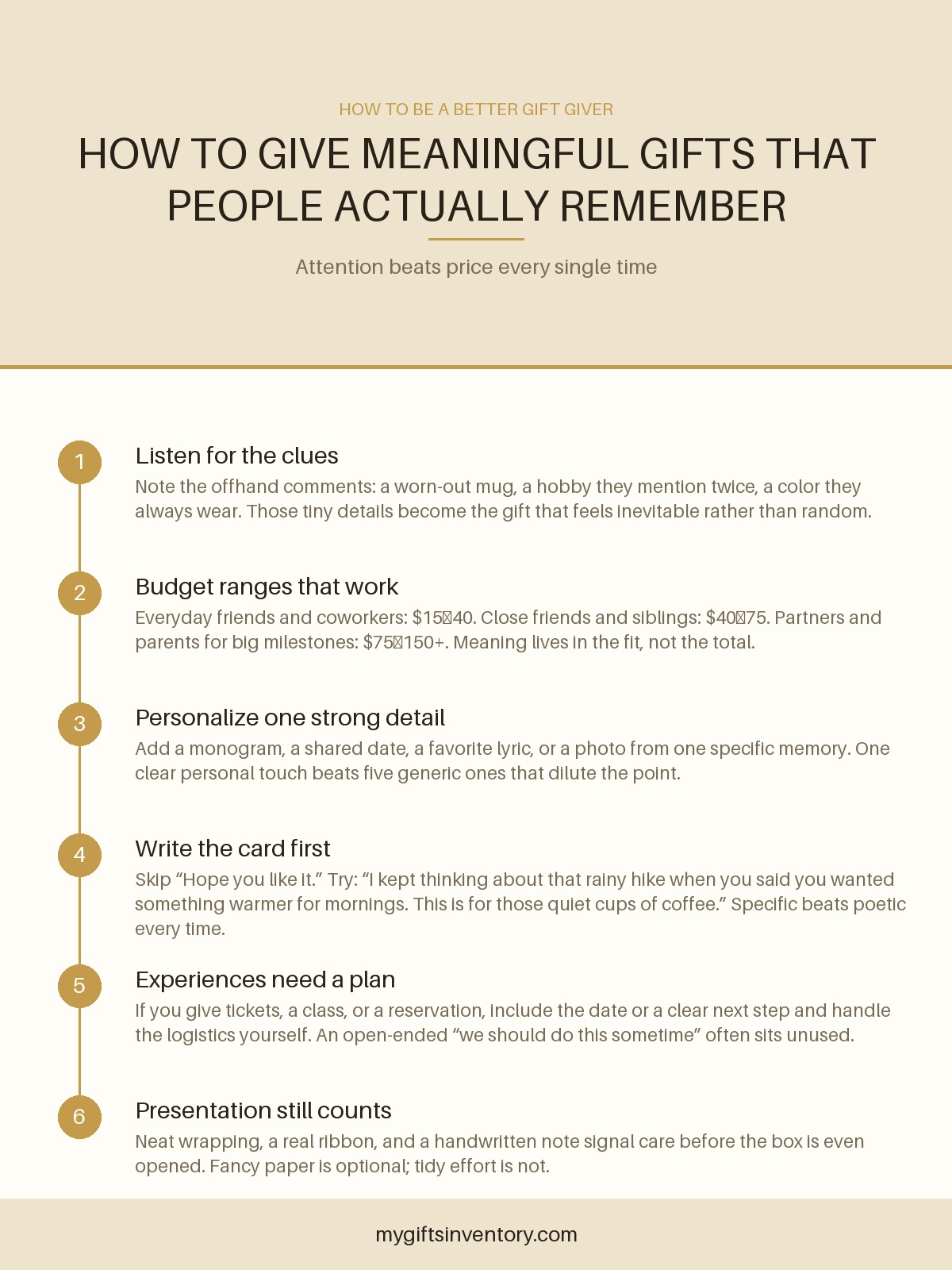
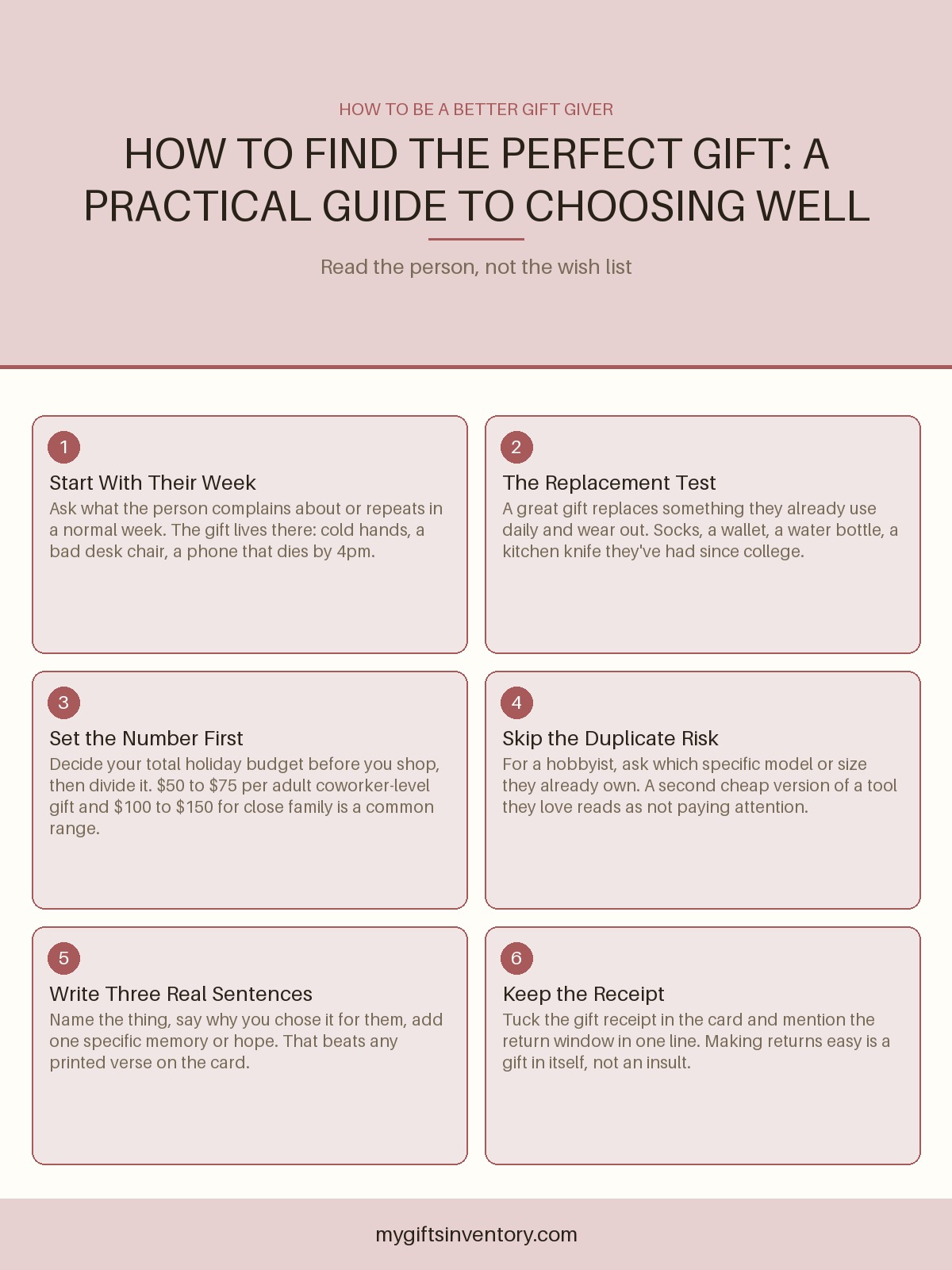
Think about what this person has said out loud in the last three months. Not what they want, what they've complained about. Cold hands at their desk. A phone charger that keeps dying. A kitchen knife that's been dull since college. A back that hurts after long drives. Complaints are unmet needs stated plainly, and they are the single best source of gift ideas there is, because you already know the gift will get used.
The replacement test
Look at what they touch every day and wear out. Socks, a wallet, a water bottle, a tote bag, a pair of slippers, a phone case, a set of kitchen towels. Most people don't upgrade these things for themselves because it feels frivolous to spend money replacing something that technically still works. That gap is exactly where a good gift lives. You're not adding clutter, you're replacing a sad version of something with a nice version of it.
The "what do they geek out about" angle
Every person has one or two things they'll talk about for 20 minutes if you let them. That's your shortcut. And this is where a good gift guide actually earns its keep, because knowing someone loves cycling or photography is only half the battle. The other half is knowing which specific gear a hobbyist will recognize as thoughtful rather than generic. If your person is a weekend rider, our cycling gift guide gets into the stuff people in that world actually replace and upgrade, like lights, pumps, and multi-tools, rather than a novelty bike-shaped bottle opener. Same logic for the friend who lives in the kitchen: a cast iron and cookware roundup is more useful than guessing at a pan size.
The best gifts are consumable, replaceable, or experience-shaped
We have a rough hierarchy we trust. At the top: things that get used up, things that replace something worn out, and things that create a memory. At the bottom: decorative objects with no function, novelty items, and anything that requires the recipient to store it forever out of politeness.
Consumables are underrated because they carry no obligation. Good coffee, fancy olive oil, a great candle, nice chocolate, a really good bar of soap. They get enjoyed and then they're gone. Nobody has to find shelf space for them in two years.
Experiences are the other cheat code, especially for people who already own everything. A cooking class, concert tickets, a massage, a museum membership, a nice dinner you actually book. The trick with experience gifts is to make them concrete. "A day at the spa" is vague and easy to never redeem. "A 60-minute massage at the place on Main Street, I already checked their availability for the 14th" is a gift.
Set the number before you shop, not after
Most gift stress is budget stress wearing a disguise. Decide your total number for the season or the occasion first, then divide it across your list, then shop. If you shop first and total it later, you will overspend and resent half of it.
Some rough anchors people actually use: $25 to $50 for a coworker or a Secret Santa, $50 to $75 for a friend or a teacher, $100 to $150 for a close family member or partner, and more for a milestone. None of these are rules, they're just a reality check when you're not sure whether $40 is stingy or extravagant for a given relationship. What matters is consistency across a group. If you're buying for three siblings and one gets $200 while the others get $40, that's a conversation you don't want to have on Christmas morning.
Proportional giving matters more than absolute numbers. Two people at very different income levels exchanging gifts should quietly agree on a ceiling, not test each other's generosity. If someone is spending $150 on you and you can comfortably spend $40, that's fine, but a small, deeply specific gift beats a strained attempt to match the price tag every time.
How to avoid the duplicate and the dud
The single biggest cause of a returned or unused gift is duplication. A hobbyist already owns the beginner version of the thing you're about to buy. Two ways to handle it:
For hobbies and gear, ask a direct, low-stakes question a few weeks out: "I'm thinking about something for your [bike / camera / kitchen], is there anything you've been eyeing or already have enough of?" People find this charming rather than nosy, and it saves everyone a return.
For everything else, buy from a store with a generous, clearly stated return policy and include the gift receipt. There's no shame in this. A gift that can be exchanged is a gift that respects the recipient's actual taste, which you cannot fully know.
The card is half the gift
We mean this literally. A thoughtfully chosen item with a blank card is a nice present. The same item with three specific sentences written on the card is a keepsake. The card is where the gift becomes personal, and it costs you nothing but a minute.
The formula that works: name the thing, say why you picked it for them, then add one specific detail. For example:
"You mentioned your hands are always freezing at your desk, so these are the gloves that still let you type. Also, I still owe you for driving me to the airport at 5am in March."
Or for a friend: "I saw this and thought of the summer we spent trying to make bread in your terrible oven. Hope this one gets a better rise than we did."
You don't need poetry. You need specificity. "Happy birthday, hope you love it" is fine when you're also handing someone a gift, but it's a wasted opportunity. Skip the printed verse on the inside too. A few handwritten lines beat a Hallmark paragraph every single time. And if you truly freeze up, keep it to one line: name the item and one reason. That's enough.
When a gift card is the right answer
We'll defend the gift card, and we'll defend it hard. The gift card gets a bad reputation because people hand them out as a last resort to someone they don't know. But for a genuinely hard-to-shop-for person, a teenager, a coworker in a Secret Santa, or someone who lives far away, a well-chosen gift card is more thoughtful than a guess they'll never use.
The key word is "well-chosen." A gift card to a specific place they actually love says something. A generic mall card says nothing. If your person is a home cook with strong opinions, a Trader Joe's card is a small delight; if they're renovating a house, a Lowe's card is a relief. Just remember the practical side: recipients sometimes forget to use them, so tell them the balance is easy to check. We've got you covered on the mechanics for a whole range of brands, whether that's how to check a Trader Joe's gift card balance or the same for a Lowe's gift card, and it takes about thirty seconds.
If you go this route, wrap it with something small so there's still an object to open. A gift card tucked inside a nice mug, a pair of socks, or a bag of good coffee still feels like a present rather than an envelope.
Match the gift to the relationship, not the price tag
Over-gifting is a real thing and it makes people uncomfortable. Giving a coworker a $200 item when you exchange $25 gifts creates an obligation, not warmth. Match the level of the relationship, and when in doubt, go slightly smaller and more personal rather than bigger and more expensive.
Here's a quick read on what different relationships tend to call for:
A coworker or acquaintance: $20 to $40, a consumable or a desk item, something they can enjoy without feeling indebted. A friend: $40 to $75, ideally something tied to a shared interest or a running joke. A partner or immediate family: whatever fits your budget, but lean into something they'd never buy for themselves. And for the people who are genuinely hard to shop for, it's completely fine to say so out loud and go the experience or gift card route.
Simple gifts that nearly always work
When you're stuck, these are the categories we return to because they're hard to get wrong:
Something warm and cozy for the colder months (a good blanket, socks, slippers) lands for almost everyone. Something for their morning routine (great coffee, a nice mug, a really good hand cream) gets used daily. Something that solves a small annoyance (a cable organizer, a better phone stand, a car accessory) is quietly useful. Something for their hobby, but only when you've done the research. And a gift card to a place they genuinely love, when you've truly run out of ideas, is not a cop-out.
None of this requires spending more. It requires paying attention, and the good news is you can start now. Next time you're with someone, notice what they complain about, what they reach for, and what they never replace. Write it down. By the time a birthday arrives, you'll have a list of gifts already half-chosen, and you'll wonder why it ever felt hard.
Gift Ideas to Go With This


Want more ideas? Browse our full guide: 18 Keepsake Gifts Worth Holding Onto (2026): Personalized Picks They'll Treasure Forever
Frequently Asked Questions
How much should I spend on a gift?
Match it to the relationship and keep it consistent within a group. Common ranges are $25 to $50 for a coworker or Secret Santa, $50 to $75 for a friend or teacher, and $100 to $150 for close family or a partner. Spend what you can comfortably afford without obligation, and never try to match someone else's generosity dollar for dollar.
What is the best gift for someone who has everything?
Go for consumables or experiences rather than objects. Good coffee, a nice candle, a great bottle of olive oil, concert tickets, a cooking class, or a booked dinner all get enjoyed and take up no shelf space. If they already own the gear for their hobby, an upgrade to something they use daily is the next best option.
Is a gift card a bad gift?
No, a well-chosen gift card is a good gift, especially for someone you don't know well or who has specific taste. The trick is to pick a place they actually love rather than a generic retailer, and to wrap it with something small so there's still an object to open.
How do I avoid buying a duplicate gift?
Ask a direct, low-stakes question a few weeks in advance, like whether there's anything for their hobby they already own enough of. Then buy from a store with a clear return policy and include the gift receipt. Making returns easy respects their actual taste.
What should I write in a gift card?
Name the item, say why you chose it for them, and add one specific memory or detail. Three sentences is plenty. "I saw this and thought of the summer we tried to make bread in your terrible oven" beats any printed verse and costs you a minute to write.
Looking for an Actual Gift Instead?
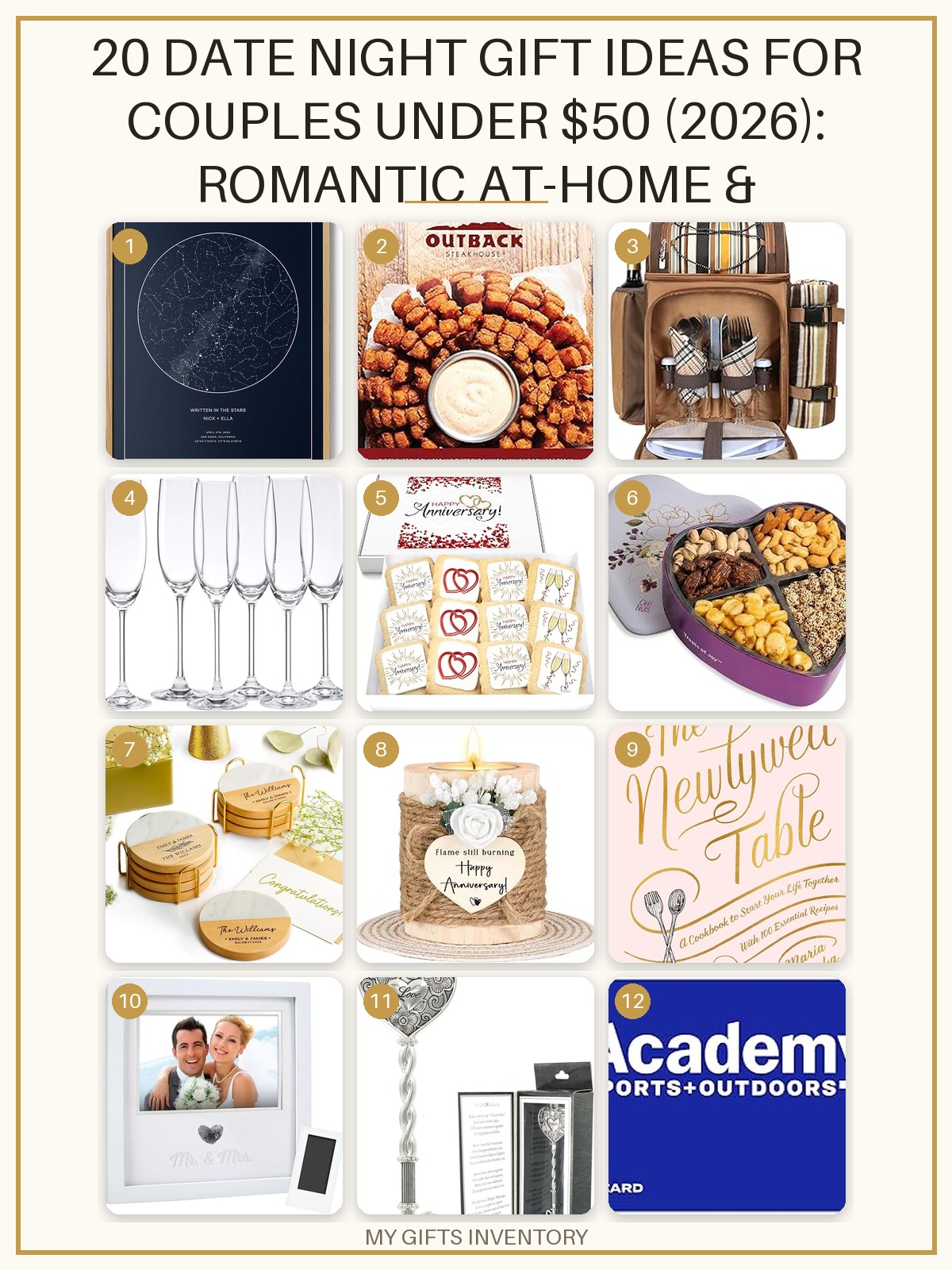
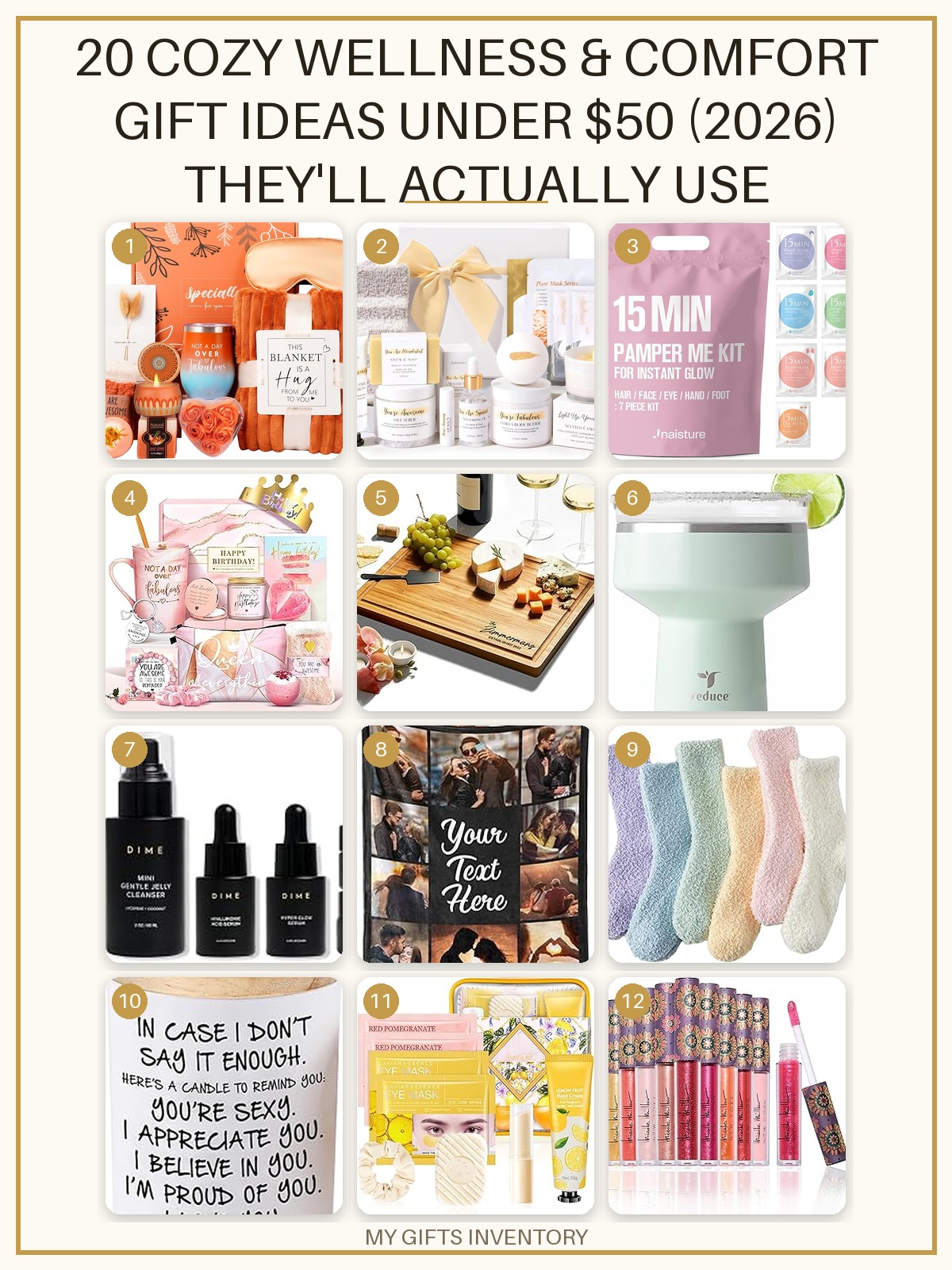
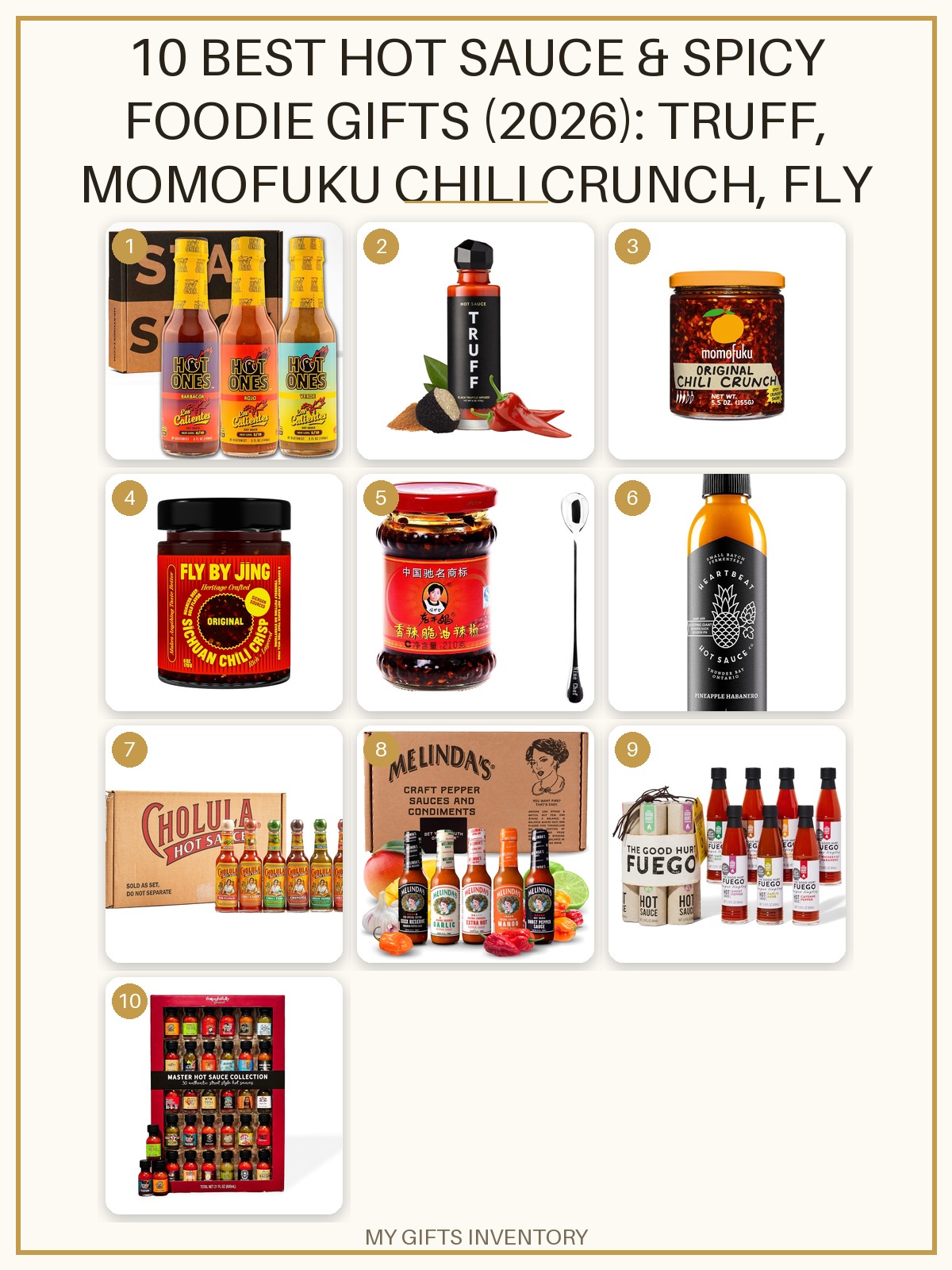
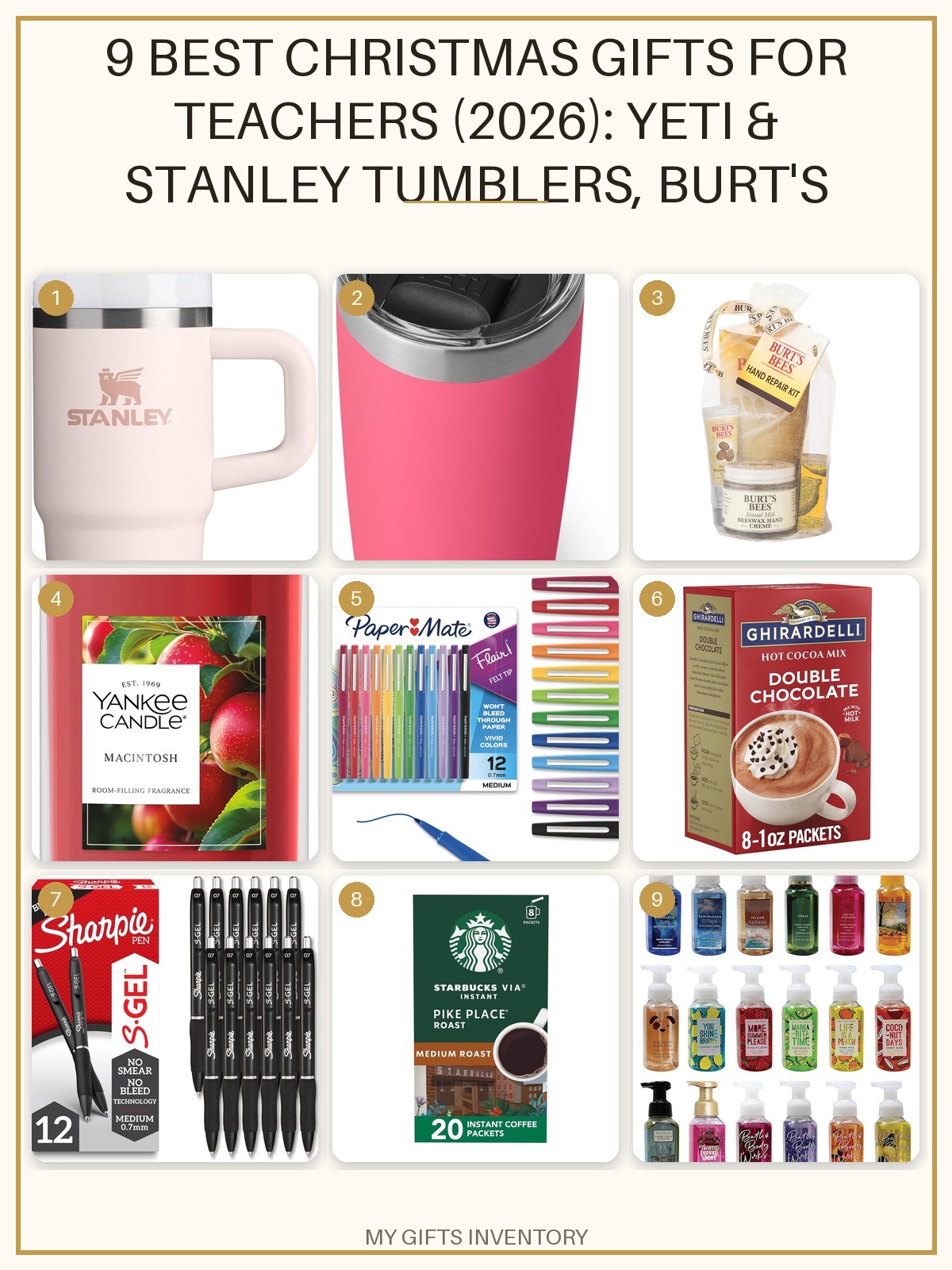
Gift Sets We Love Right Now
Every item picked, priced and linked, ready to buy.
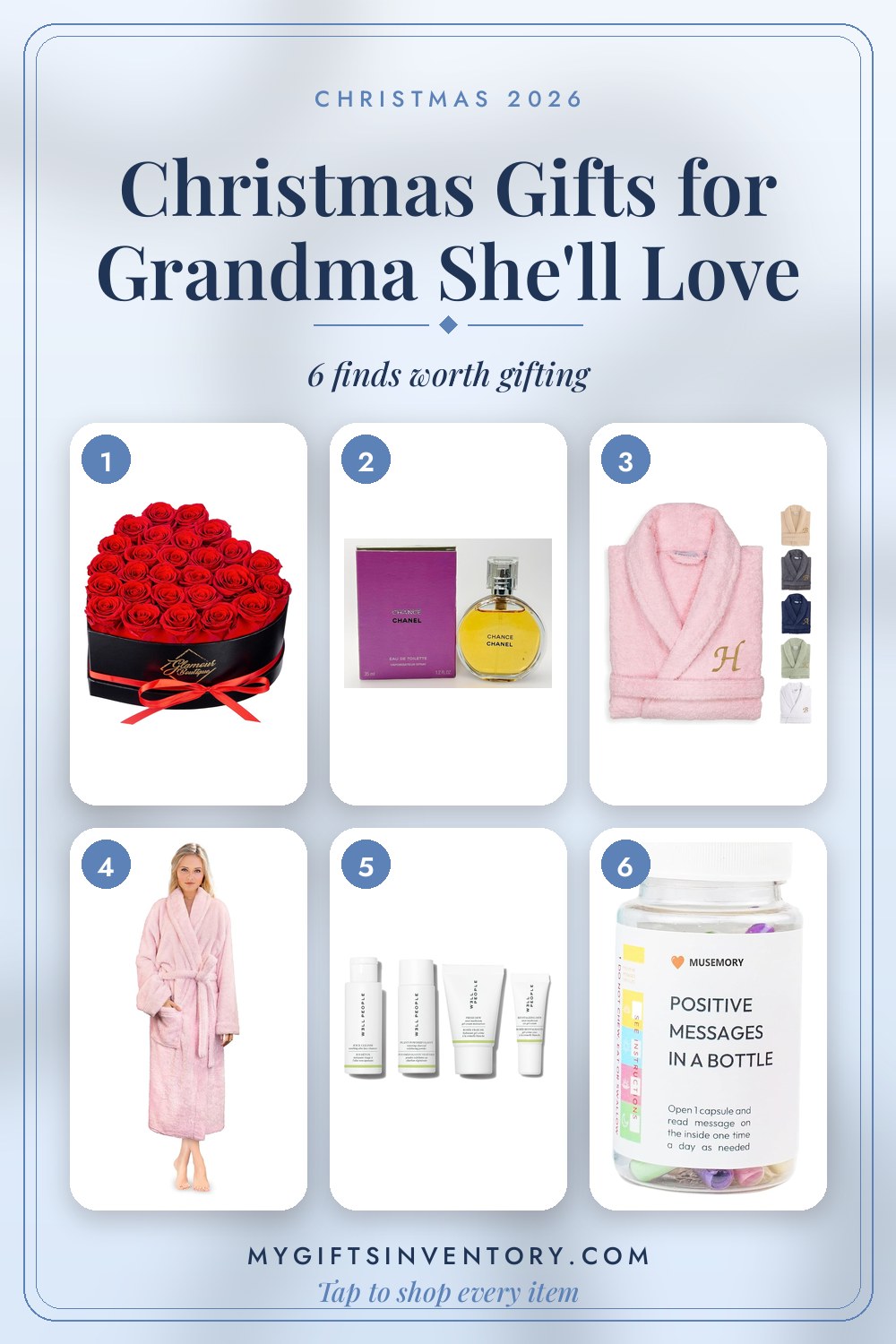
More Gift Advice