How to Give Gifts People Actually Want: Etiquette, Budgets, Cards, and Wrap Tips
We share a practical way to choose gifts that feel personal, respect budgets, and avoid common etiquette mistakes. You will also find ready-to-copy card wording, wrap tips, and planning timelines for every season.

As an Amazon Associate, My Gifts Inventory earns from qualifying purchases. We only recommend products we'd genuinely consider buying ourselves.
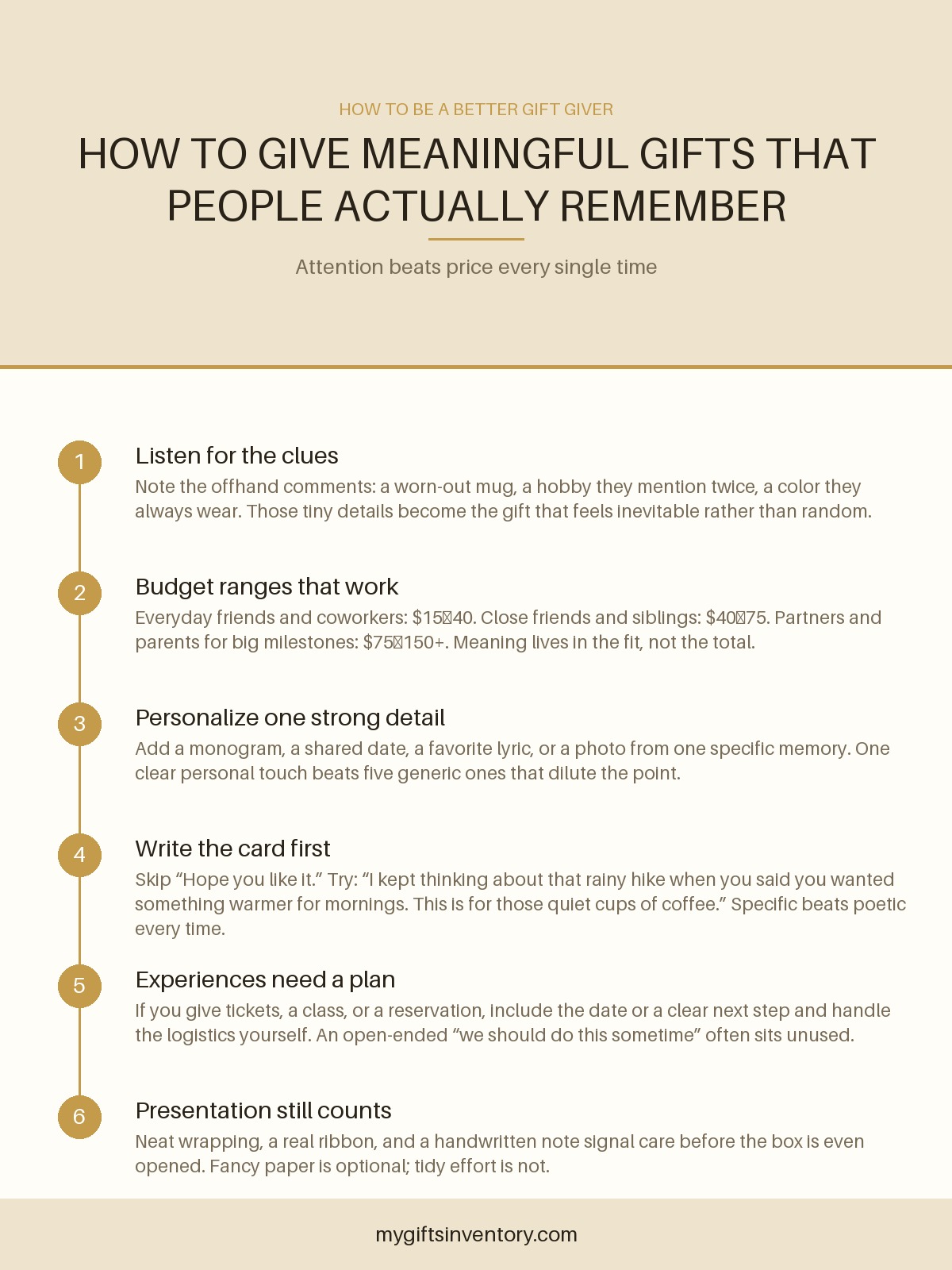
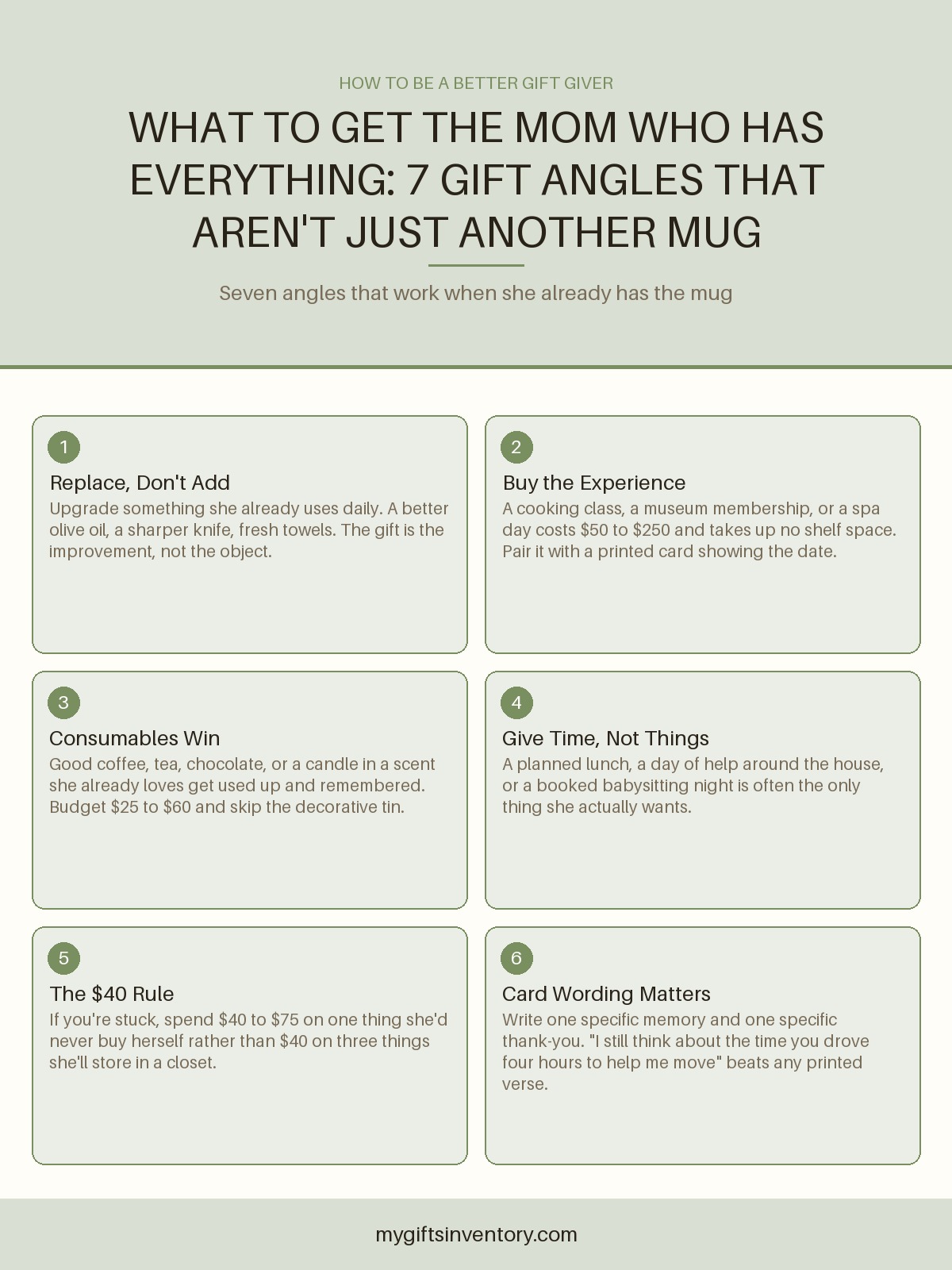
We get it: you are searching because you want to give something that lands, not something that gets shoved into a drawer. You want the gift to feel personal, but you also do not want to guess wrong, overspend, or look clueless. The good news is that giving gifts people actually want is mostly a process, not a talent.
This guide is built for real-life moments: birthdays, holidays, baby showers, anniversaries, and the “we should probably get something” invites. We will talk about etiquette, budgets you can live with, what to write in the card, wrapping that looks intentional, registries, returns, and the planning timelines that save you at the last second.
Start with the kind of “want” that people actually have
When people say they want a “gift they will like,” what they usually mean is: a gift that fits their habits, tastes, and current season of life. The easiest way to do this is to collect signals over time, then translate them into something you can buy.
Use three signal types (and combine them)
- Verbal: things they say they want, complain about, or keep mentioning. Example: “I need a new coffee grinder,” “I wish my kitchen had better storage,” or “I cannot find a good [X].”
- Behavioral: what they repeatedly buy or reach for. If they are always bringing a certain snack, you can steer toward similar flavors or upgrades.
- Context: life stage and timing. New apartment, new job, finishing school, recovery, a new hobby, a recent trip, or even a rough week at work.
When we do this well, we stop guessing. We are not buying for a fantasy version of them. We are buying for the person they are right now.
If you do not have signals, switch to a “choose-your-own” gift
Not everyone gives you breadcrumbs. If you cannot get strong clues, that does not mean you must gamble. Choose a gift format where they can choose the exact thing that fits, then make it feel thoughtful.
For example, a gift card can still be personal if you pair it with a reason and a small suggestion they can actually act on. If you are choosing a retailer or grocery store, you can use our store guides to keep it smooth. For instance, if they shop at Target, see our gift card coverage in Gift Cards at Target: The Complete List of Brands, Fees & Fuel Points (2026) so you are not surprised by how it works.
Budget etiquette that does not turn your gift into a math problem
Budget is part of kindness. The trick is to pick a number you will feel good about later, not a number you can only defend in your head. We recommend using a range because prices vary and because “what fits” matters more than the exact total.
Use simple ranges by relationship
These are practical starting points, not rules. Adjust based on your closeness and local norms.
- Casual acquaintance or coworker: $15 to $30
- Friend you see often: $30 to $75
- Close friend or family: $75 to $150
- Parent, partner, or “this matters a lot” person: $100 to $300+
Match the gift to the effort, not just the price
A gift can be “small but not cheap” if it is right for them. A $25 item they will actually use can beat a $100 guess that does not fit. We look for three things inside the budget:
- Utility: Will they use it this month?
- Specificity: Does it connect to a stated interest or need?
- Quality: Does it feel like it will last through repeated use?
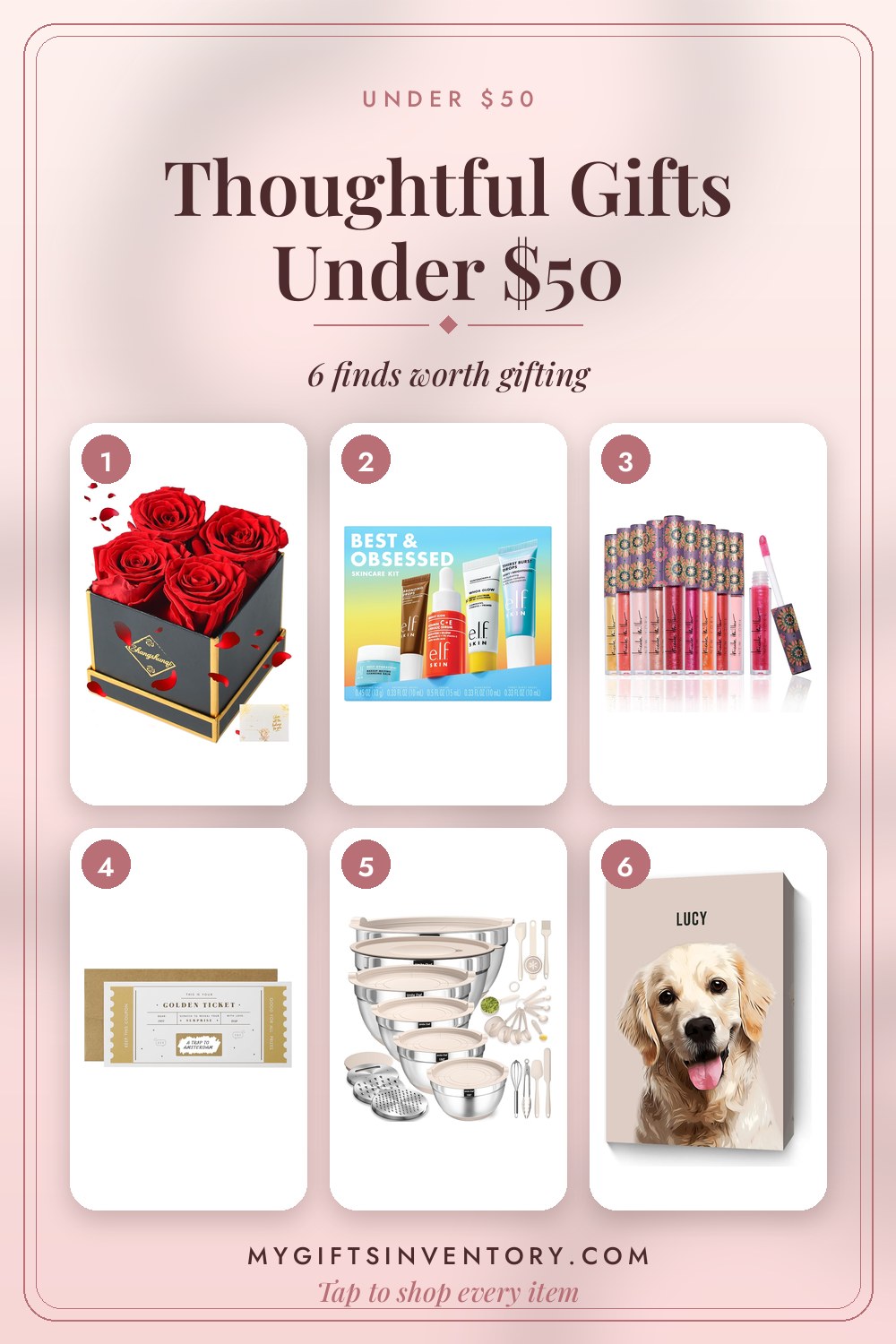
When you want to stay under $50, plan for practicality
Under $50 is often the “sweet spot” where thoughtful choices are easiest. If you want ideas with real use in mind, we often point shoppers to our list of kitchen gifts in 20 Kitchen Gadgets Gift Ideas Under $50 (2026): Gifts They’ll Actually Use because kitchen gadgets tend to match routine life, and routines are what people actually want gifts for.
How to choose the gift without second-guessing
Gift regret usually comes from one of two places: choosing something too generic, or choosing something too personal in the wrong way. Here is a simple decision framework we use.
The “fit test”: 5 questions we ask before we buy
- Will they use it without effort? If it requires a lot of setup or has confusing steps, it may become a decorative item.
- Do they already signal interest? One comment is enough. A repeated theme is better.
- Is it safe for their preferences? Avoid strong scent or high-heat items unless you know they want them.
- Does the gift match their current life? A fitness gift for someone who is exhausted might land better as recovery support.
- If they do not love it, can they still use it? Practicality is your safety net.
When it is a “splurge,” make the reason explicit
If you spend more, you do not have to act like a hero. Just make the purpose clear in the card. If the splurge is tied to a moment (a promotion, a milestone year, a long-awaited wish), the extra money becomes meaningful rather than awkward.
If you want ideas for a bigger budget that still feel grounded, you can browse our curated inspiration for the space between “nice” and “wow” via 20 Gift Ideas for Splurge-Worthy Gifts Between $50 and $150 (2026).
Card-message etiquette: what to write so it feels like you
A good gift card plus a blank or generic message is a missed moment. People remember how you made them feel, not the exact brand. We write cards like we are having a one-minute conversation with them.
Use this 3-line formula
Keep it short. Aim for 3 lines or one tight paragraph:
- Line 1: appreciation (one specific thing you value about them)
- Line 2: why this gift (connect it to a signal you noticed)
- Line 3: wish (hope for the moment or the coming season)
Ready-to-copy examples for common situations
- Birthday (friend): “I am grateful for you and the way you make everyday plans feel easy. I picked this because you always light up when we talk about [their interest]. Hope your day feels special in the best ways.”
- Anniversary (partner): “Thank you for building life with me with so much patience and humor. This made me think of us because [specific detail]. Wishing us another year that feels like home.”
- Holiday (coworker or neighbor): “Thanks for being such a steady presence this year. I chose this for something you can enjoy in your routine. Wishing you a calm, happy season ahead.”
- Housewarming: “I cannot wait for you to make your space feel like yours. I chose this because it feels practical for the way you live. Wishing you great evenings here and many good memories to come.”
- Gift card: “I know you will pick what works best for you, and I wanted this to give you an easy win. I hope you enjoy it on something you have been thinking about. Thinking of you and sending good wishes.”
Quick do-not’s for cards
- Do not apologize for the gift (“Sorry it is not more”) unless you have a relationship where that tone is clearly welcome.
- Do not include a list of what they should do with the gift. Let them feel free.
- Do not reuse the same exact card template for different people. Small specificity is what makes it feel real.
Wrapping that looks intentional (without turning into a production)
Wrapping is not about impressing people. It is about signaling care. The easiest way to do that is to make it neat and easy to open.
What to do
- Use clean tape and align the seams. If it looks crooked, it will feel like you ran out of time.
- Choose the right bag or paper for the gift shape. Boxes look best with paper and a ribbon, while oddly shaped gifts often look better in sturdy gift bags.
- Add one personal detail: a photo, a short tag, or a tiny “bonus” like a tea bag or a small candy you know they enjoy.
What to avoid
- Too much tape. It turns opening into a struggle.
- Crinkled, ripped paper unless you are going for a rustic look on purpose.
- Hiding the card. Always place it so they can find it quickly.
Registries: the etiquette that prevents awkwardness
Registries are not embarrassing. They are clarity. If you are worried about “buying the wrong thing,” a registry is the fastest path to getting it right.
If you are buying from a registry
- Follow the list unless something is out of stock.
- Stay within the price intent. If you cannot afford the item you had in mind, choose a lower-priced listed option rather than a random off-list substitute.
- Keep the receipt if the store provides returns for registry items.
If you substitute something
If you replace an item, do it in a way that respects their plan. Choose something that matches the category and similar usefulness. Then, in your card, simply note it with one sentence.
Example: “We picked a similar option since the one on the registry wasn’t available, but it still fits your setup.”
If you are helping coordinate a group gift, a registry plus a clear “who is doing what” message can keep everything fair. Set a simple plan early so you are not collecting payments at the last second.
Returns and exchanges: how to handle “just in case” like a pro
People assume that returns mean failure. In real life, returns are part of getting the right gift. The etiquette piece is to be considerate and organized.
Before you wrap
- Check the return policy at purchase time and keep it in your order email or receipt envelope.
- Know the sizes and variants if you are buying clothing, shoes, bedding, or anything that comes in options.
After the gift is given
- If you included a receipt, you do not need to mention it in the card. It is just there as a kindness.
- If you did not include a receipt, try not to make it a conversation. If the gift is clearly wrong, it is okay for them to ask later.
If you are doing a group gift, we suggest one person keeps the receipt and gives it right after the event, so the buyer does not get stuck with logistics.
Planning timelines that prevent last-minute regret
Most people run into stress because they start gift shopping too late. We use a backwards plan that only takes a few minutes to set up.
Simple timeline by shopping type
- In-store gift with wrapping: buy 7 to 10 days before the date.
- Order online with shipping: place the order 10 to 14 days before the date, then add buffer for weather and carrier delays.
- Large or personalized item: plan 3 to 6 weeks ahead if possible.
- Gift card: buy earlier than you think and deliver thoughtfully in time for the moment. (Yes, you can still be moved by the note.)
Build a “backup path” for each person
Pick Plan A and Plan B while you are calm. Plan B is not a panic purchase, it is a clean fallback. This reduces last-minute chaos for everyone involved.
If your fallback involves a store gift card, our retailer guides help reduce friction. For example, if you are considering a grocery shopping option, check our list for Gift Cards at Kroger: The Complete List of Brands, Fees & Fuel Points (2026) so you know what you are giving and how it can be used.
Gift ideas that are more likely to be wanted (by category)
We are not doing a product roundup here. Instead, we are giving you the “gift category logic” that helps you choose faster and with fewer mistakes.
For someone who loves routine
Kitchen upgrades, simple home organization, or comfort items they use often tend to feel satisfying because they work into everyday life. If you like the “use it all the time” approach, our under-$50 kitchen inspiration in 20 Kitchen Gadgets Gift Ideas Under $50 (2026): Gifts They’ll Actually Use is aligned with this thinking.
For someone with a busy schedule
Gifts that reduce friction are often welcome. Think: convenience, time savings, and “I can use this even when I am tired” options. If you go this direction, keep the setup easy and the payoff immediate.
For someone who is hard to shop for
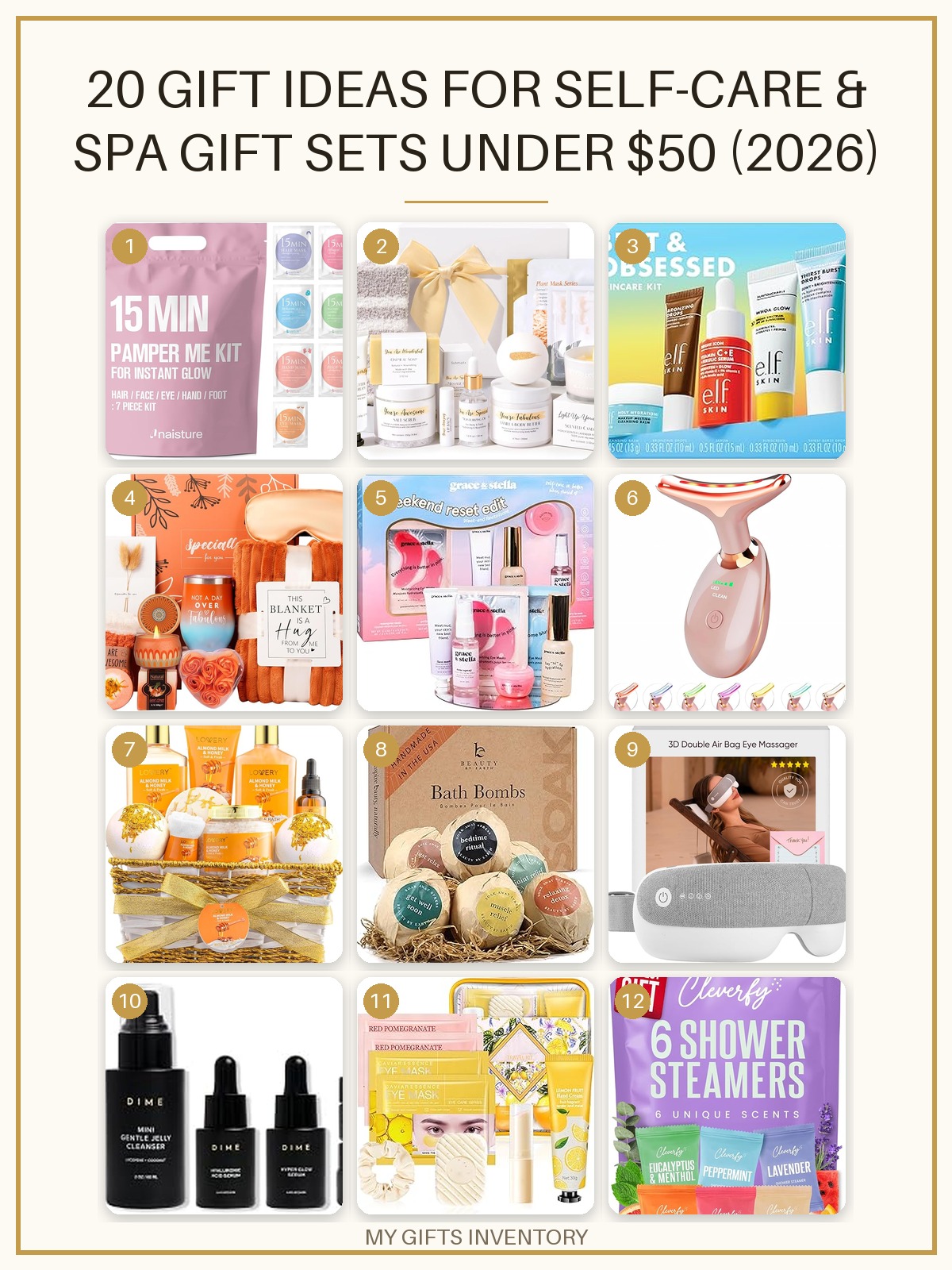
Choose a gift card format that matches their usual shopping habits, then include a card message that helps them feel known. If they are into self-care, you can also shift the vibe toward that world. For example, if you want ideas in the self-care lane under $50, our list of 20 Gift Ideas for Self-Care & Spa Gift Sets Under $50 (2026) is a good starting point for staying practical.
For milestone moments and “make it special” days
Milestones deserve more than a generic item. Even if the budget is moderate, add a personal angle: a note that tells a story, a gift that connects to a goal, and a plan for how they will experience it.
When to choose a gift card instead of guessing
Gift cards are not a cop-out. They are a tool. We recommend using one when:
- You cannot reliably predict their tastes.
- The item is highly personal (scent, apparel style, electronics they already researched).
- They are a “specific tastes” person and you do not have enough time to gather signals.
- You want to reduce the chance of waste.
Make the gift card feel like a gift, not a form
Do two things: (1) choose the card they are most likely to use, and (2) write a message that connects it to their life.
If they are a big grocery shopper, our brand-specific guides can help you pick a card that fits how they already live. For example, Gift Cards at Walgreens: The Complete List of Brands, Fees & Where to Buy (2026) can help when you need an everyday option, while Gift Cards at Walmart: The Complete List of Brands, Fees & Where to Buy (2026) can make sense when the recipient values convenience.
Group gifts: fairness without awkward tracking
Group gifting gets messy when roles are unclear. We prefer a short, organized plan:
- Pick one point person who buys and keeps receipts.
- Set a range per person so no one feels pressured.
- Choose delivery timing: one person gives it on the day, not everyone scrambling in the minutes before.
- Collect notes from group members for a “message card” so it feels personal even when money is pooled.

Frequently Asked Questions
What is the best way to choose a gift if I am worried I will get it wrong?
Choose based on signals, not guesses: what they mention, what they repeatedly buy, and what is happening in their life right now. If you cannot find reliable signals, use a gift card but add a specific message about why you picked that option.
How much should we spend on a gift for a coworker or friend?
We use relationship-based ranges: about $15 to $30 for a casual coworker or acquaintance, $30 to $75 for a friend you see often, and $75 to $150 for close friends and family members. Set a range you can sustain, then buy the most practical option that fits it.
What should I write in a card so it does not sound generic?
Use a simple three-part approach: one line of appreciation, one line explaining why you chose the gift, and one warm wish. Even one specific detail is enough to make it feel real.
Do registries count as “cheating” or being rude?
No. Registries are an etiquette map that helps you buy something the recipient actually wants. If you substitute, keep it in the same category and price intent, and mention it briefly in your card.
Is it okay to include a receipt or to plan for returns?
Yes, planning for returns is part of being thoughtful. Keep the receipt or use the order email, and make sure sizing and variants are correct. You do not need to apologize or announce it, it just makes the gift easier to use.
Looking for an Actual Gift Instead?
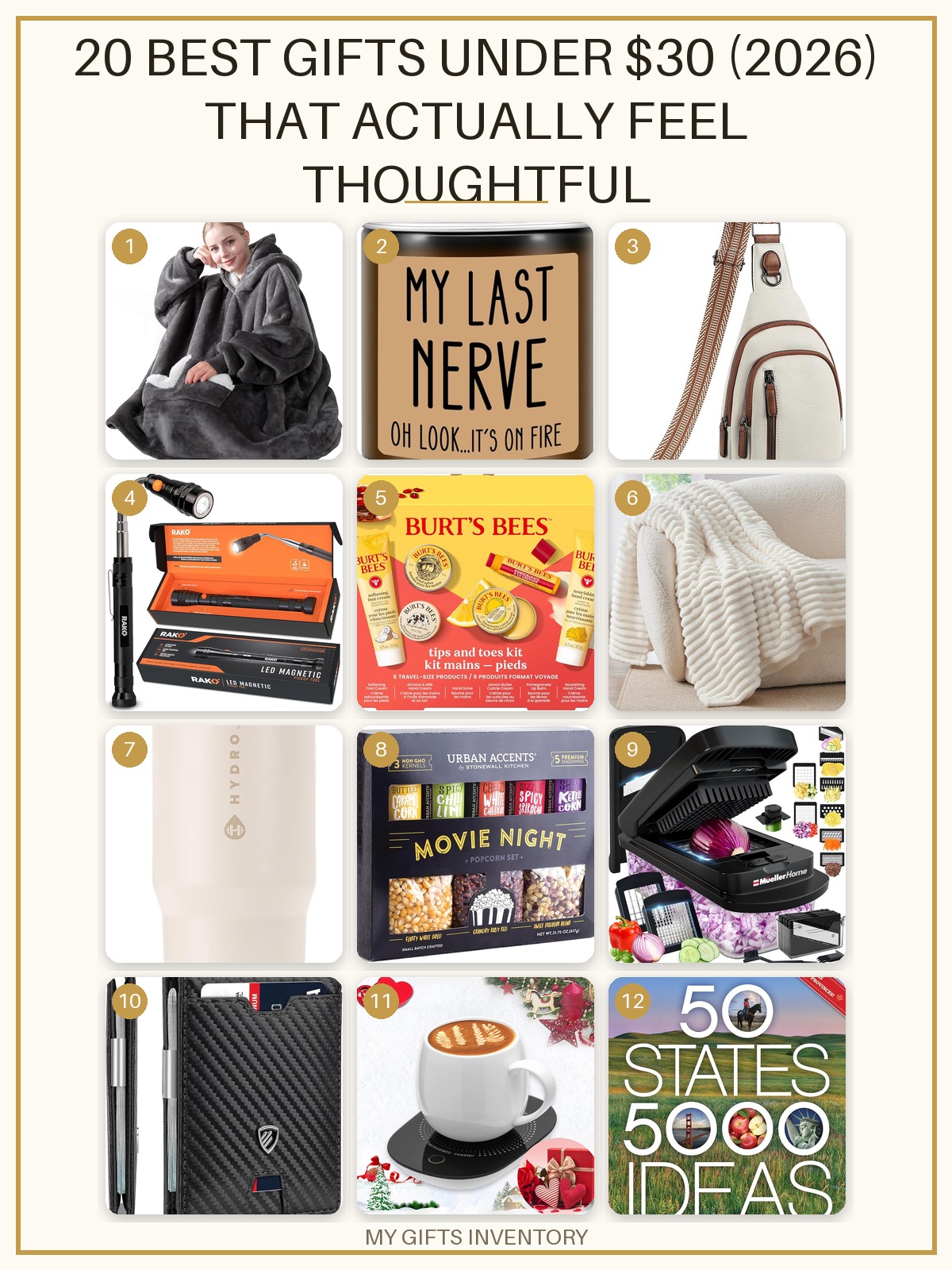
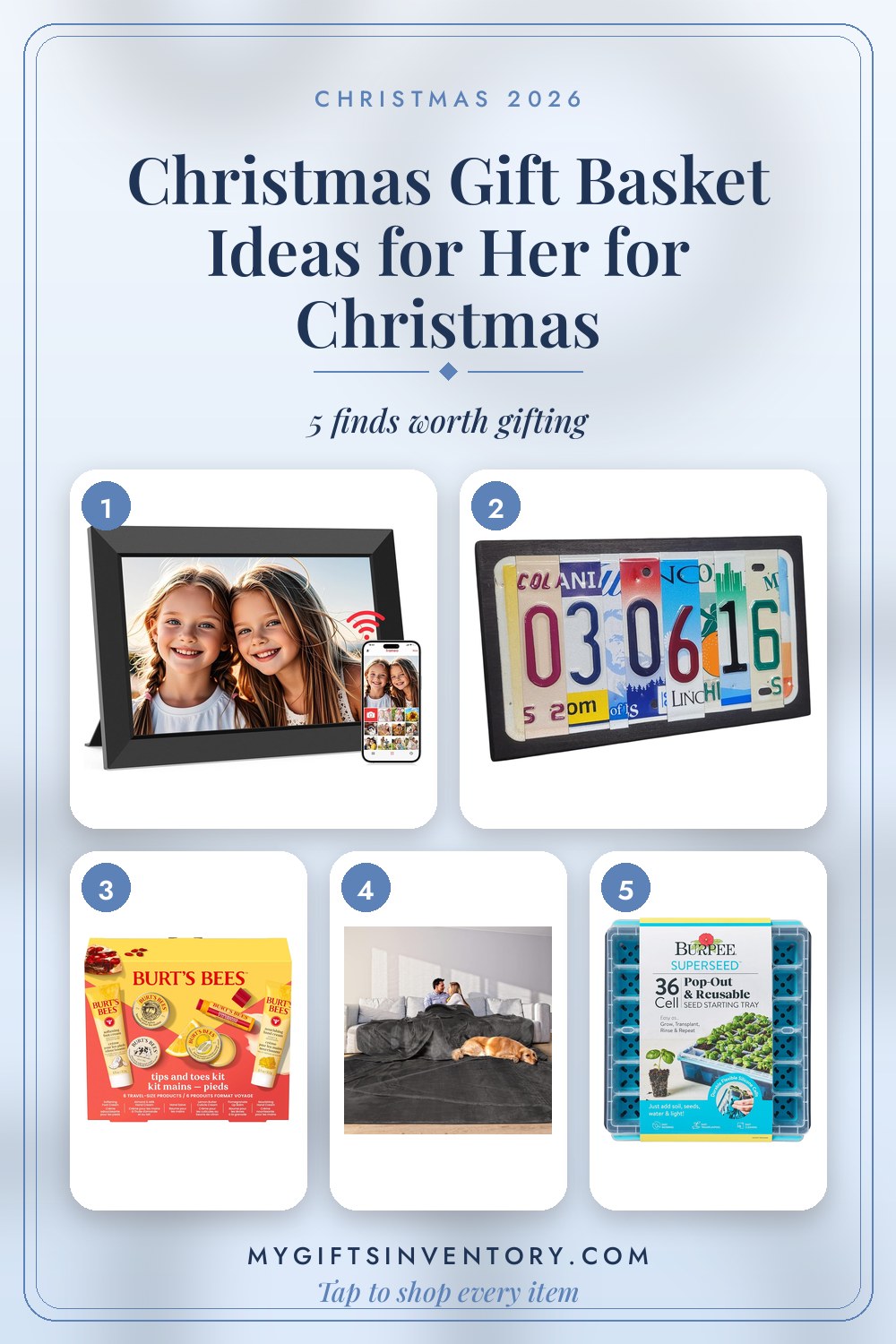
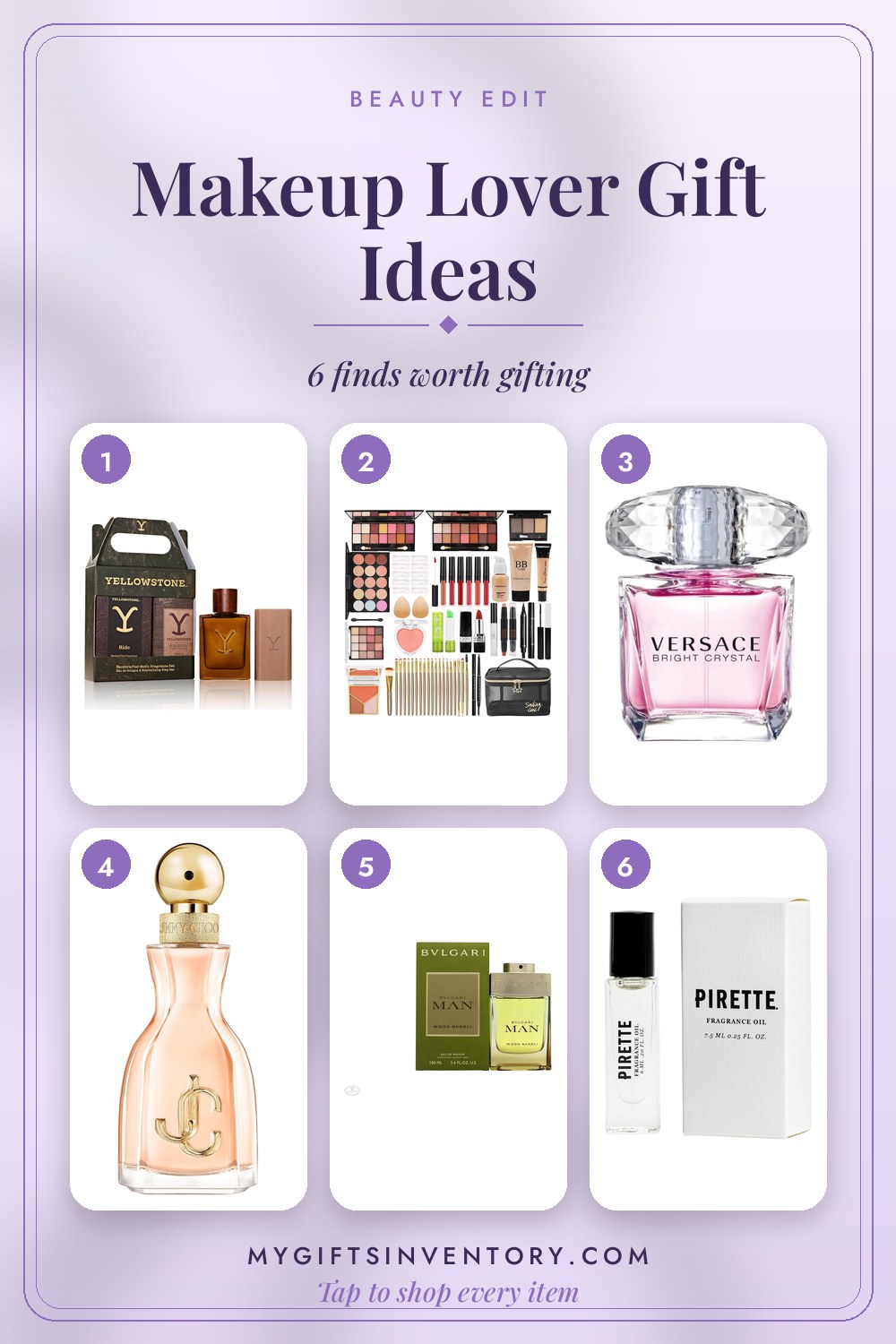
Gift Sets We Love Right Now
Every item picked, priced and linked, ready to buy.
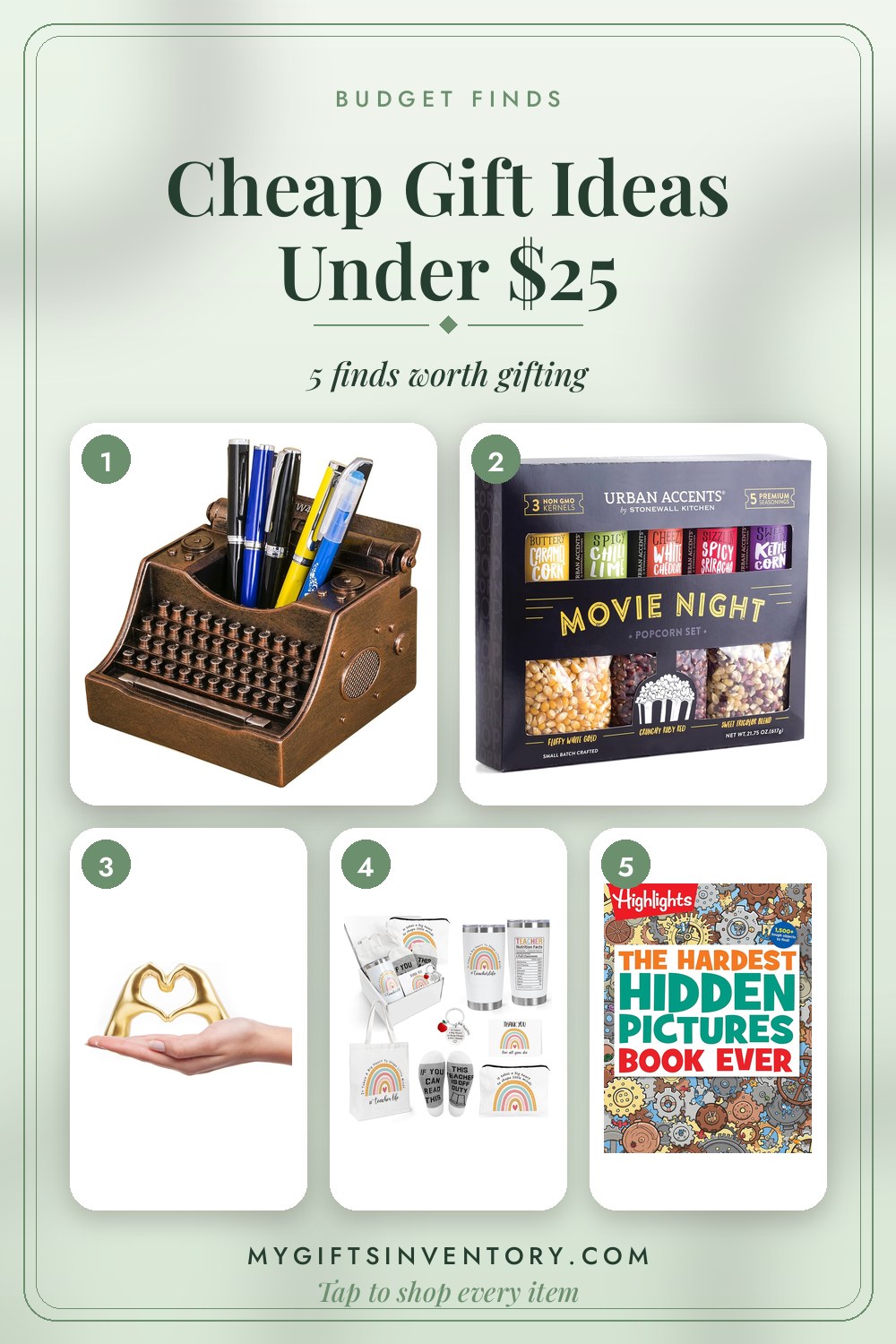
More Gift Advice