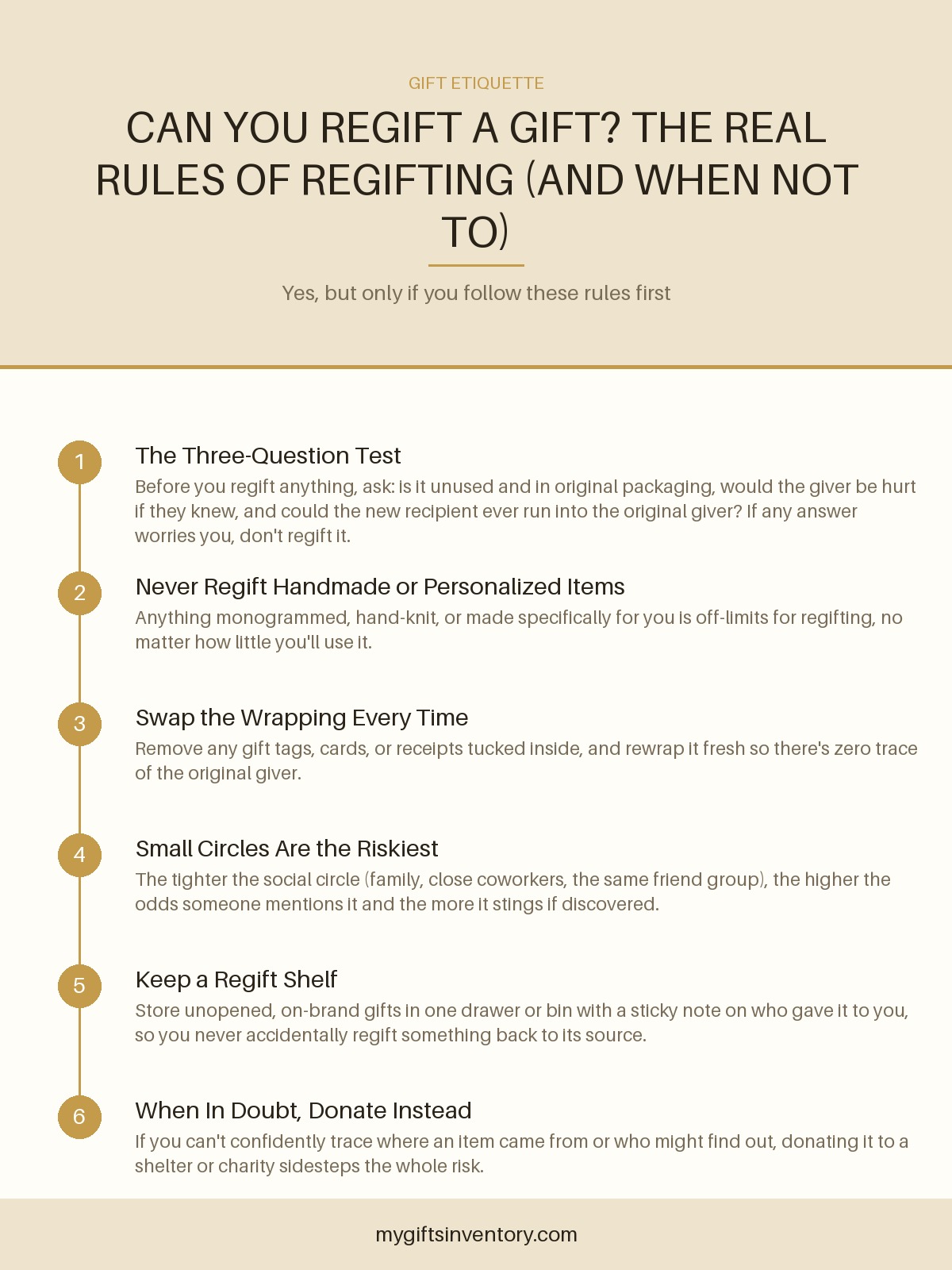
How to Regift Properly: Etiquette, Card Wording, Wrapping, and Returns
Regifting can be thoughtful and practical when you do it discreetly and with the recipient in mind. Here is how to handle wrapping, card messages, and gift cards without making it awkward.

As an Amazon Associate, My Gifts Inventory earns from qualifying purchases. We only recommend products we'd genuinely consider buying ourselves.
We search “how to regift properly” because that sinking feeling is real: you love the gesture behind the gift, but the thing itself is not working for you. Maybe it’s the wrong size, the wrong vibe, or it arrived during a season you do not want to relive. Regifting can help, but only if you do it in a way that protects the relationships involved.
We treat regifting like we treat any other gift decision: we think about suitability, we plan the handoff, and we keep the recipient feeling cared for, not “repackaged.”
What regifting should feel like (and what it never should)
For us, proper regifting feels like someone’s good intentions landed on the right doorstep. It does not feel like a do-over or a workaround, and it definitely does not feel like we are trying to erase the original giver.
Regift is best when the original gift was generic
These are the kinds of gifts that usually regift well because they are broadly usable and not tied to a specific relationship:
- Household items that match the recipient’s home setup
- Non-personalized skincare or bath products (unopened, with intact packaging)
- Cozy accessories like socks, throws, or scarves that fit typical tastes
- Experiences where the recipient chooses the date or time
- Gift cards you can confirm are still usable
Regifting should be avoided when the gift is “about” someone
Some items carry an emotional breadcrumb trail. If you cannot comfortably deliver that story to the recipient, don’t regift it:
- Personalized items (names, dates, photo montages, engraved messages)
- Gifts with a note attached that clearly names the original giver and recipient
- Food or perishables unless you can clearly explain freshness and the recipient will use quickly
- Used items unless the original gift was intentionally meant to be reusable and the condition is genuinely like-new
- Handmade or “only you would like this” items where the original effort is part of the gift
- Any item that would create awkward questions if the recipient recognizes it as something you already had
How to regift properly: our step-by-step checklist
If you want to do this smoothly, we recommend a process. Not a scramble. A process.
Step 1: Confirm it is safe to pass along
Before anything else, check the basics:
- Unopened and in original packaging whenever possible
- No missing parts (manuals, cords, sleeves, liners, lids)
- It fits the recipient’s life today, not the life you think they might want
- It is not too specific to your original taste (for example, a niche hobby item unless you know they share it)
Step 2: Decide whether it is a “new gift moment”
We use this rule: if you would feel proud buying it for the recipient, you can regift it. If you would only be doing it because you do not want it, skip regifting and donate, recycle, or return where possible.
Step 3: Reset the item so it feels new
This is where etiquette lives.
- Remove the old gift wrap completely. Rewrap with clean paper or a gift bag.
- Remove tags that reference the original purchase or show the brand you bought it from if you think it would distract.
- Remove any receipt and any packing slip that names the original recipient.
- Use fresh tissue and ribbon so the presentation is consistent with a new gift.
If the item is something recognizable because you opened it before (like a unique candle label or a one-of-a-kind mug you have seen), we recommend adding a small presentation change, such as placing it in a new box with a liner, or pairing it with a simple “welcome” add-on like a handwritten card and a new coaster. The point is not deception. The point is making it feel intentional.
Step 4: Choose card wording that never references the original giver
We keep card messages short and warm. The recipient does not need a backstory.
Good card wording sounds like it comes from you. Here are examples we actually like:
- For a birthday gift: “Happy birthday. I wanted you to have something special that fits you. Hope you enjoy it.”
- For a thank-you gift: “Thank you for everything you do. This is a small way to say I appreciate you.”
- For a ‘just because’ gift: “Thinking of you and hoping this makes your day a little better.”
- For a neutral, practical gift: “I know you’ve been into making your home feel cozy, so I picked this for you. Hope it helps.”
Avoid: “This was meant for someone else,” “I got an extra,” or any phrase that hints at a mismatch or regifting origin.
Step 5: Timing is part of the etiquette
Regift soon enough that it still feels relevant. As a general guideline:
- Holiday gifts: aim to regift within 2 to 4 weeks after receiving them.
- Birthdays and life events: regift within a few weeks of the event, not months later.
If it has passed so long that it would be strange to present it now, we suggest a different solution like returning it if possible, or donating.
Gift cards: regifting without awkwardness
Gift cards are the easiest category to regift ethically because they are essentially a choice. Still, “easy” does not mean careless. The main etiquette points are balance, presentation, and message tone.
Check the balance before you hand it over
We do not want anyone to feel embarrassed later when they try to use a card and find it is empty or nearly empty. If your regift plan involves a specific retailer, we recommend using our balance-check pages so you know what you are giving. For example, if you are looking at a retailer card, use this guide to Kroger gift cards and our balance check resources to confirm details before presenting it.
Present it like a gift, not like a receipt
We include a card message the same way we would for any gift card. We also keep these boundaries:
- No original receipt or packing slip showing the first purchase details
- No original note that names the original recipient
- Wrap or bag the card if it feels like part of the occasion
Do you need to tell the recipient it’s regifted?
No. If the gift card is unused and you present it as your gift, you do not need to mention anything about where it came from. We just make sure the recipient receives something useful and that the card works.
If you want to add an extra layer of thought, consider pairing the card with a small matching item, like a favorite drink or a snack, if that fits the recipient’s habits.
Wrapping and presentation: make it look like you meant it
Regifting fails when it looks like you pulled it from a closet. It succeeds when the recipient sees it as a deliberate choice.
Our wrapping rules
- Use fresh wrap or a fresh gift bag. Do not just add tape over old seams.
- Skip the bulky tape job. Clean edges and neat folds read as “ready to give.”
- Protect fragile items with clean tissue paper, not old scraps that have been sitting in a drawer.
- If it came with a box, reuse the box only if it can be sealed neatly and does not look worn.
When the packaging is the product
Sometimes the “gift” is the presentation itself, like a premium coffee set or a curated snack bundle. In that case, we still rewrap if needed, but we keep the inner presentation intact if it is part of what the recipient is meant to enjoy.
If you are building a regift that feels like a full “moment,” we like to pair it with a thoughtful choice like a gourmet add-on and a note. If you want ideas for that kind of curated under-$50 direction, you can use this guide to gourmet treats, wine, and coffee gifts under $50 for inspiration on what pairs well.
Budgets: how regifting can help without becoming “cheap”
Regifting is often a budget strategy, but we prefer thinking of it as a quality strategy. You are not trying to spend less. You are trying to place the right item with the right person.
A realistic budget mindset
We treat regifting like we treat shopping on a deadline:
- Set a total gifting budget for the moment, including card and wrap (even if you use what you already have).
- Plan for a small “make it feel new” upgrade like a fresh bag, ribbon, or a simple add-on item.
As a starting point, many people aim for gifts that land under $50. If that is your range, we like the practicality of choosing items that are useful and broadly liked. If you need direction for what that looks like, this list of kitchen gadget ideas under $50 is a good reference point for the types of gifts that tend to regift cleanly to the “right person.”
Returns and exchanges: when regifting is not the best move
Etiquette is also about not putting the recipient in an uncomfortable position. If you can return or exchange an item quickly, that can be cleaner than regifting.
When to prioritize a return
- The gift is still returnable and you know the store policy
- The item is the wrong size, flavor, or style and you would not feel good giving it to anyone
- The gift was personalized in a way that makes regifting awkward
When regifting can be better
- The item is unopened and broadly usable
- You know the recipient would genuinely enjoy it
- The return window has passed but the item is still in great condition
Either way, we recommend you keep the recipient out of the logistical details. If you do regift, the recipient should experience it as a normal gift, with a clear, friendly message from you.
Planning ahead so you do not have to scramble later
We think the easiest way to regift “properly” is to reduce the chances of needing to.
Build a regift-ready shelf
If you get gifts that are not for you, we keep them organized rather than letting them become forgotten clutter. We label the category in our head, not on the item, like “household,” “beauty,” or “experiences,” and we plan for the right person.
Keep your card messages ready in a small template library
We do not keep drafts that mention the original giver. We keep a few “from me to you” lines that can fit different occasions. That way, when we regift, we are not rewriting from scratch at the last second.
Common regifting mistakes (and how to fix them)
- Mistake: using the original wrapping. Fix: rewrap with fresh paper or bag.
- Mistake: a note that explains too much. Fix: keep the card about the recipient, not the origin story.
- Mistake: regifting something personalized. Fix: do not regift personalized gifts unless you can do it without awkwardness. Otherwise donate or exchange.
- Mistake: giving an unusable gift card. Fix: confirm balance and usability first.
- Mistake: waiting too long. Fix: regift within a few weeks so it still feels timely.
Using experiences and “choice gifts” to avoid mismatch
Regifting works best when the recipient can experience it in a way that suits them. Choice is the antidote to mismatch.
What counts as a choice gift
- A gift card to a retailer where they already shop
- A ticket or voucher where they choose the time
- A “make it yourself” food kit where they can schedule around their routine
If you want to keep choice gifts aligned with the recipient’s preferences, treat regifting like personalization. You can do that without changing the origin story. Simply tailor the presentation and the card to the recipient’s interests.

Frequently Asked Questions
Is it rude to regift?
It can be rude only when it feels careless or deceptive. If you regift an unused, suitable gift with fresh wrapping and a card that sounds like you, it generally lands as practical and considerate.
Can we regift something we already opened?
We recommend avoiding it unless it is truly like-new and intended to be gifted in that condition. If the packaging is used, missing parts, or the item shows signs of being handled, it is better to donate or return if possible.
What should we write in the card when regifting?
Write as if you are giving the gift for the recipient. A safe template is: “Happy [occasion]. I wanted you to have something you would enjoy. Hope it makes your day better.”
Should we tell the recipient that it was regifted?
No, you do not need to mention it. If the gift looks and feels like a normal gift from you and it is usable, the recipient should not be put in the awkward position of hearing the backstory.
How do we regift a gift card the right way?
Check the balance first and present it like a normal gift. Write your own card message, and do not include any original receipt or note that ties it to someone else.
Looking for an Actual Gift Instead?
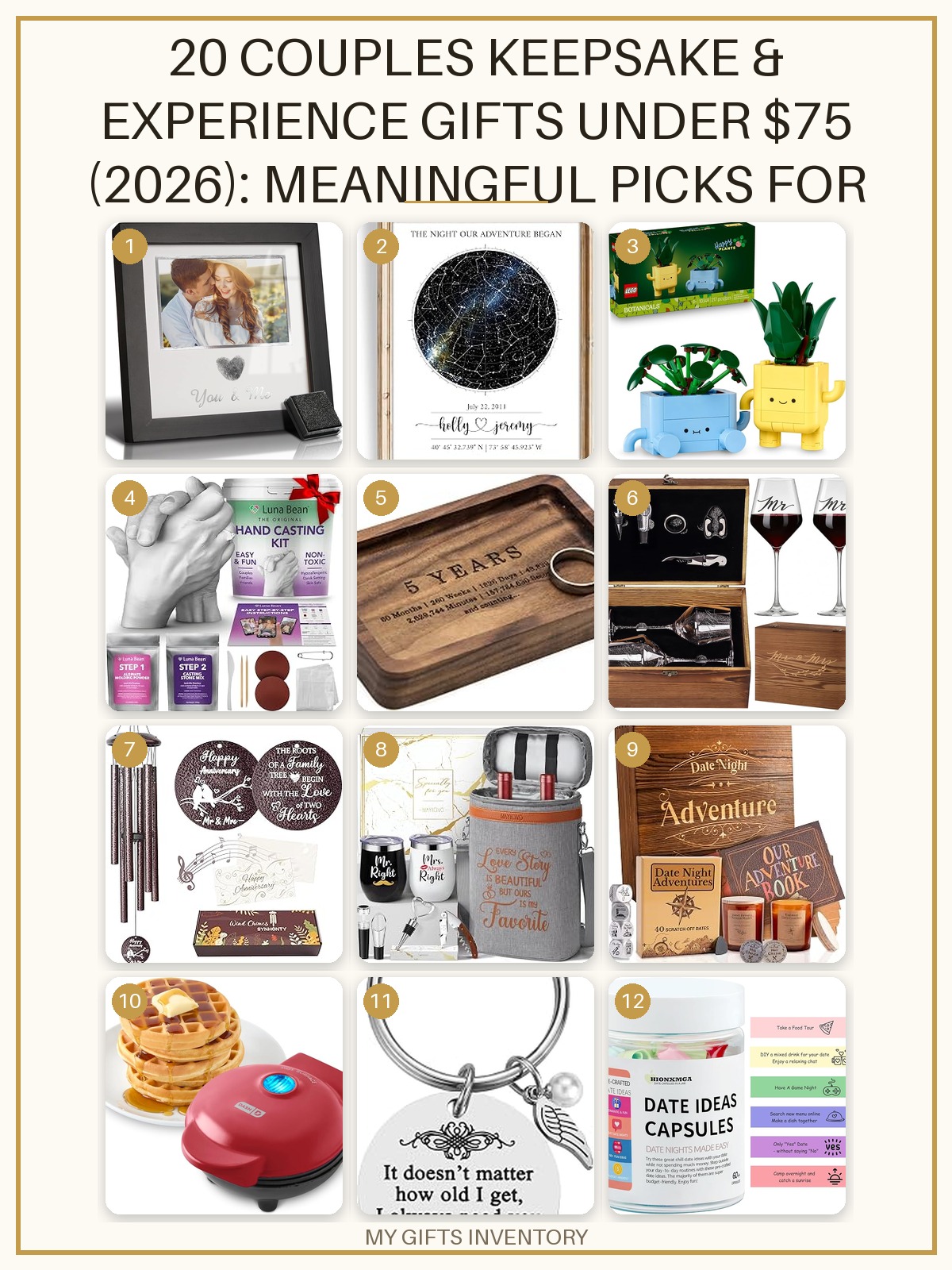
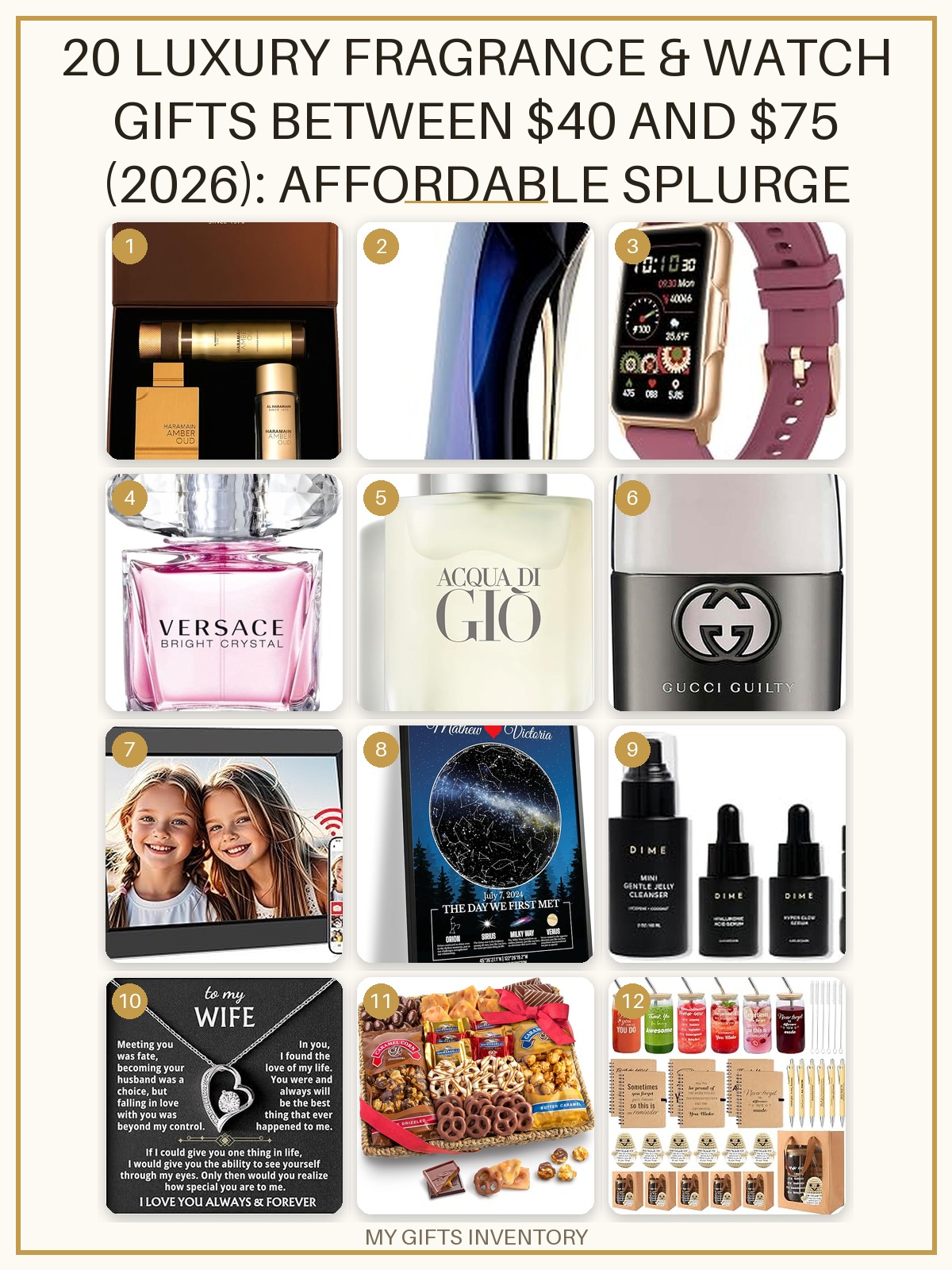
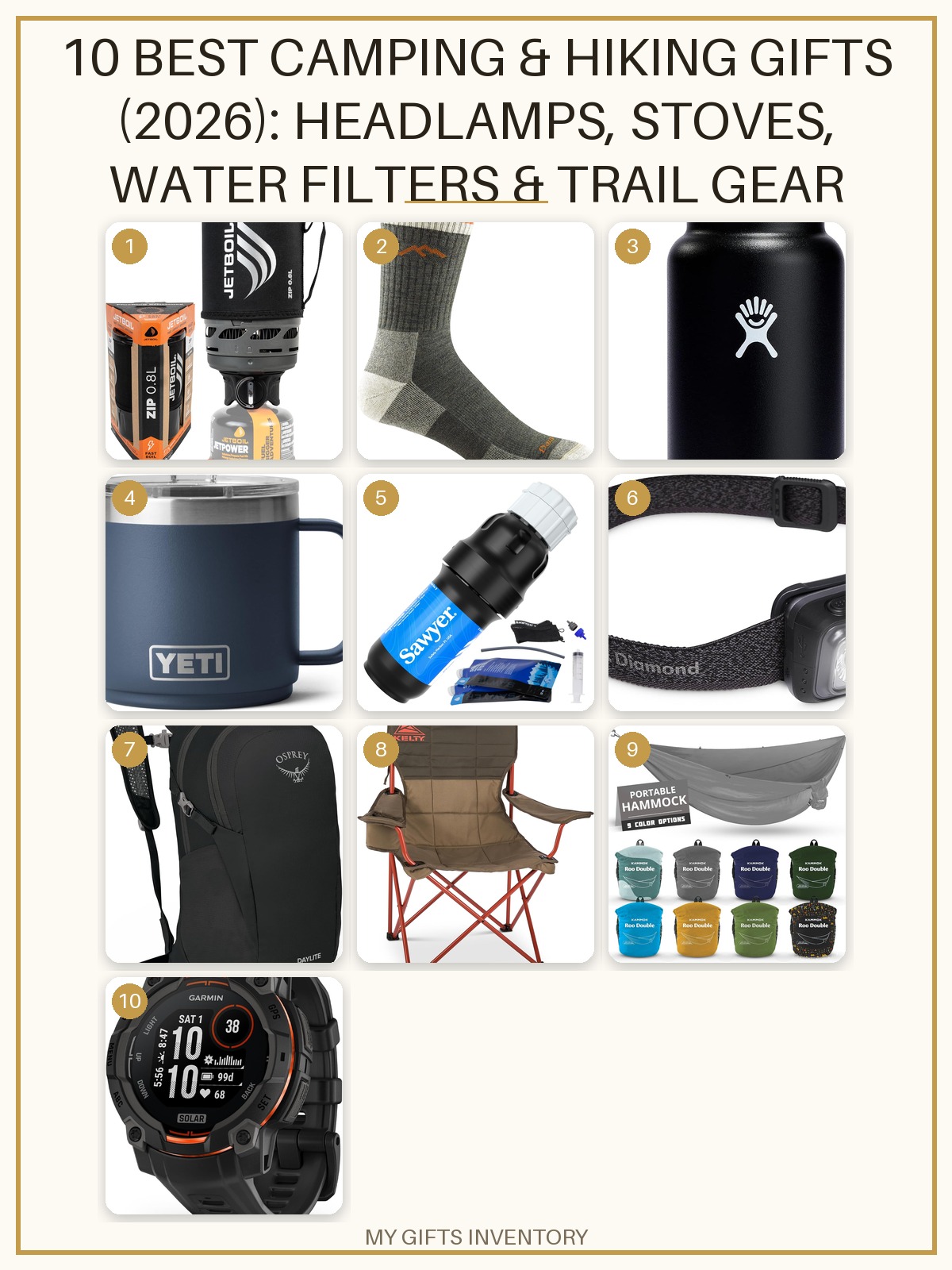
Gift Sets We Love Right Now
Every item picked, priced and linked, ready to buy.
More Gift Advice