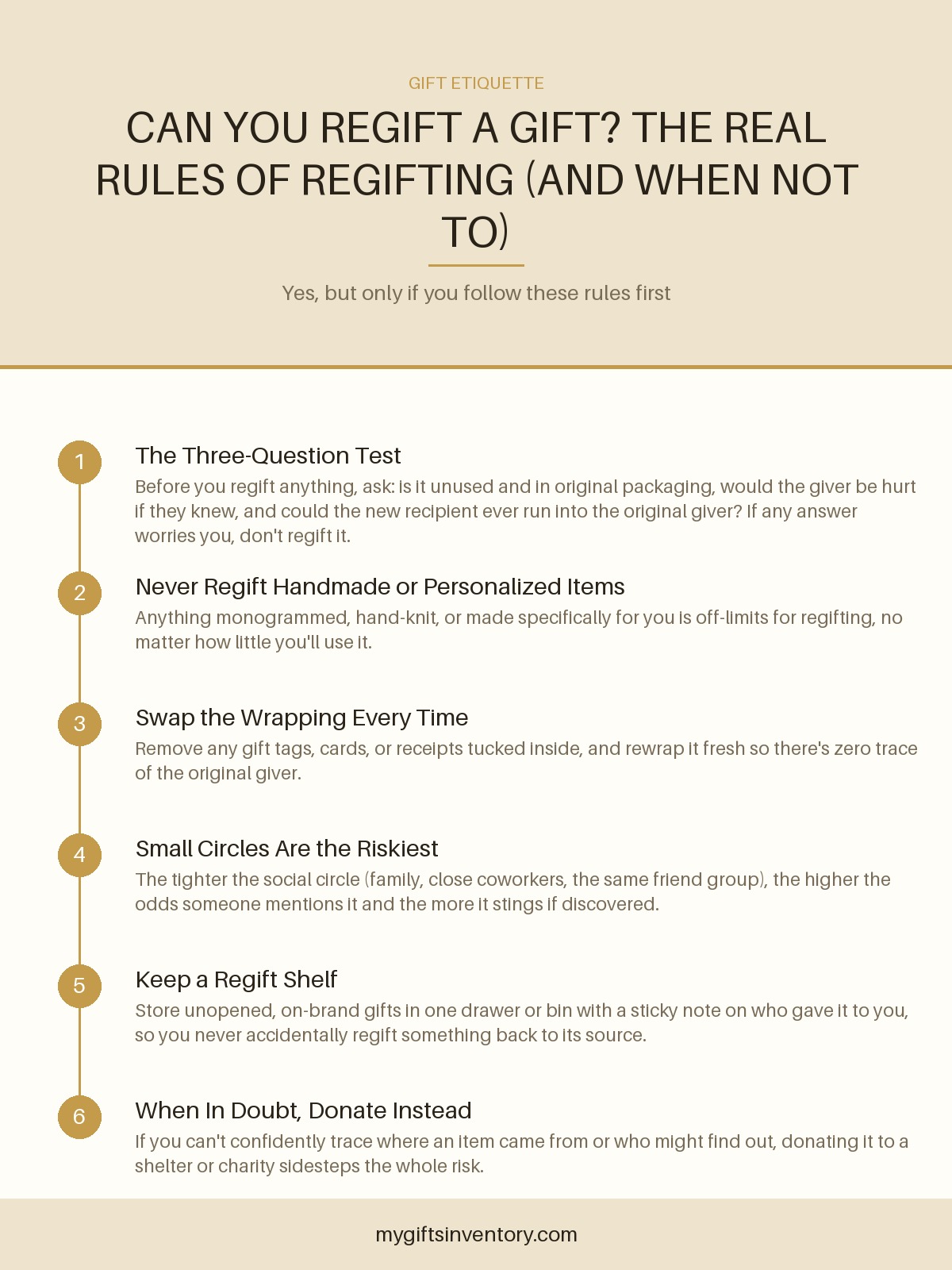
International Gift Giving Rules: What to Know Before You Send or Wrap
A practical guide to international gift giving etiquette, including what not to give, how much to spend, card wording, and the customs that can turn a kind gesture into an accidental insult.
As an Amazon Associate, My Gifts Inventory earns from qualifying purchases. We only recommend products we'd genuinely consider buying ourselves.
You bought a lovely gift for a colleague in Seoul or a friend who just moved to Berlin, then panicked. Is a knife actually offensive? Do you write "Happy holidays" or leave the card blank? Should you have the gift wrapped before it goes in the box? Every country has its own unwritten rules about what counts as polite, lavish, generous, or tacky. This guide walks through the major ones so your gift lands the way you meant it.
Why international gift giving is trickier than it looks
Within your own culture, a gift has a whole language attached: the wrapping, the card, when you hand it over, whether you open it in front of the person, and what you say afterward. Every one of those steps is a signal. Cross a border and those signals can have entirely different meanings. A wallet that feels generous in the U.S. might seem oddly personal in Sweden. A bottle of wine that feels thoughtful in the U.S. is a problem in a country where alcohol is restricted. A gift that arrives wrapped might be unwrapped on arrival to satisfy customs and look strange to the recipient.
The most useful habit is to separate the thing from the gesture. The thing can be replaced. The gesture is the part people remember, and it's easiest to get wrong when you don't know the local expectations. A short phone call with the recipient's assistant, or a quick text to a friend who lives in that country, is worth ten minutes of guessing.
What not to give: the global short list
Some gift categories carry baggage almost everywhere, and others have specific meanings in specific countries. Here's the short list worth reviewing before you buy.
Sharp objects
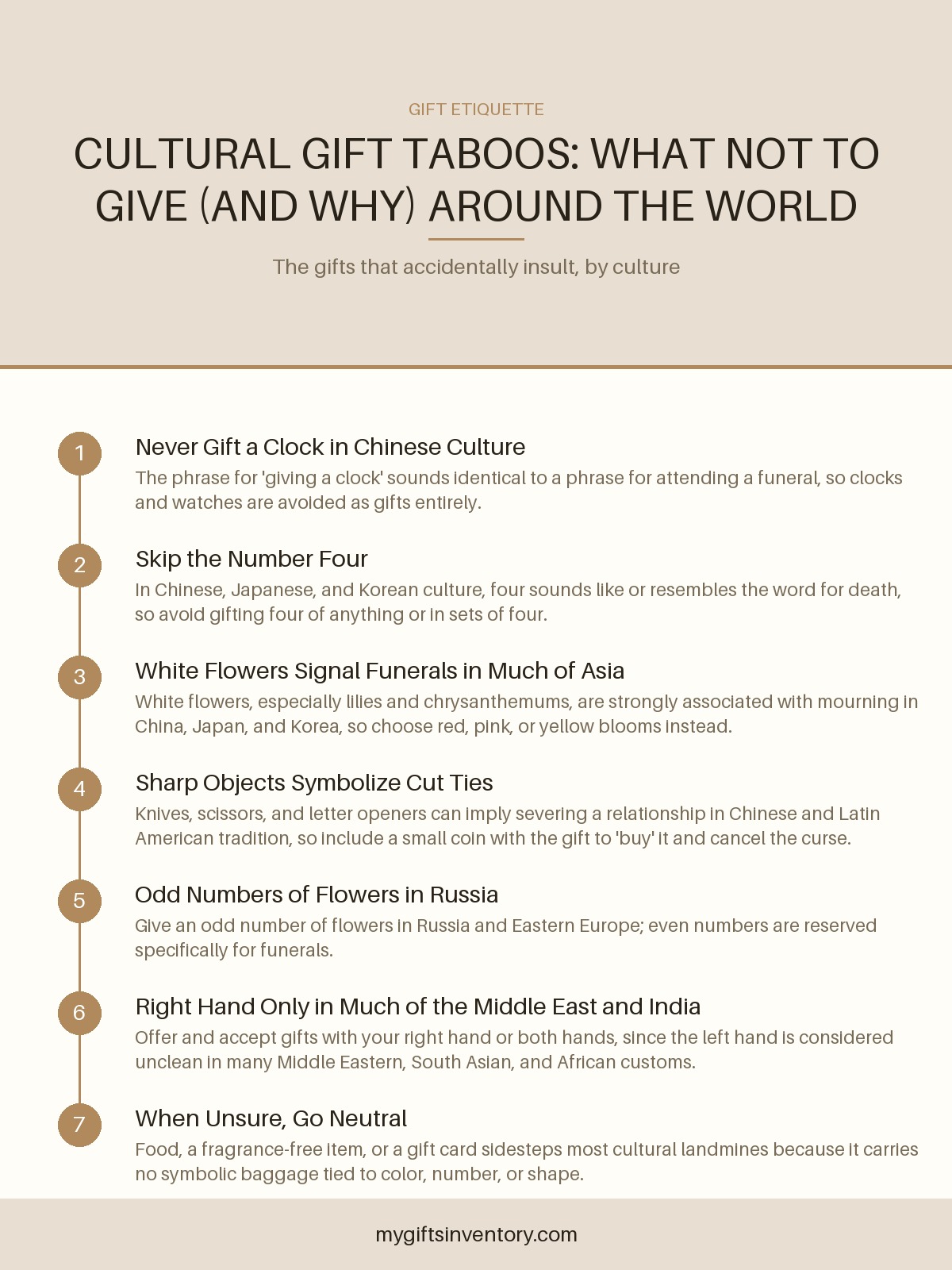
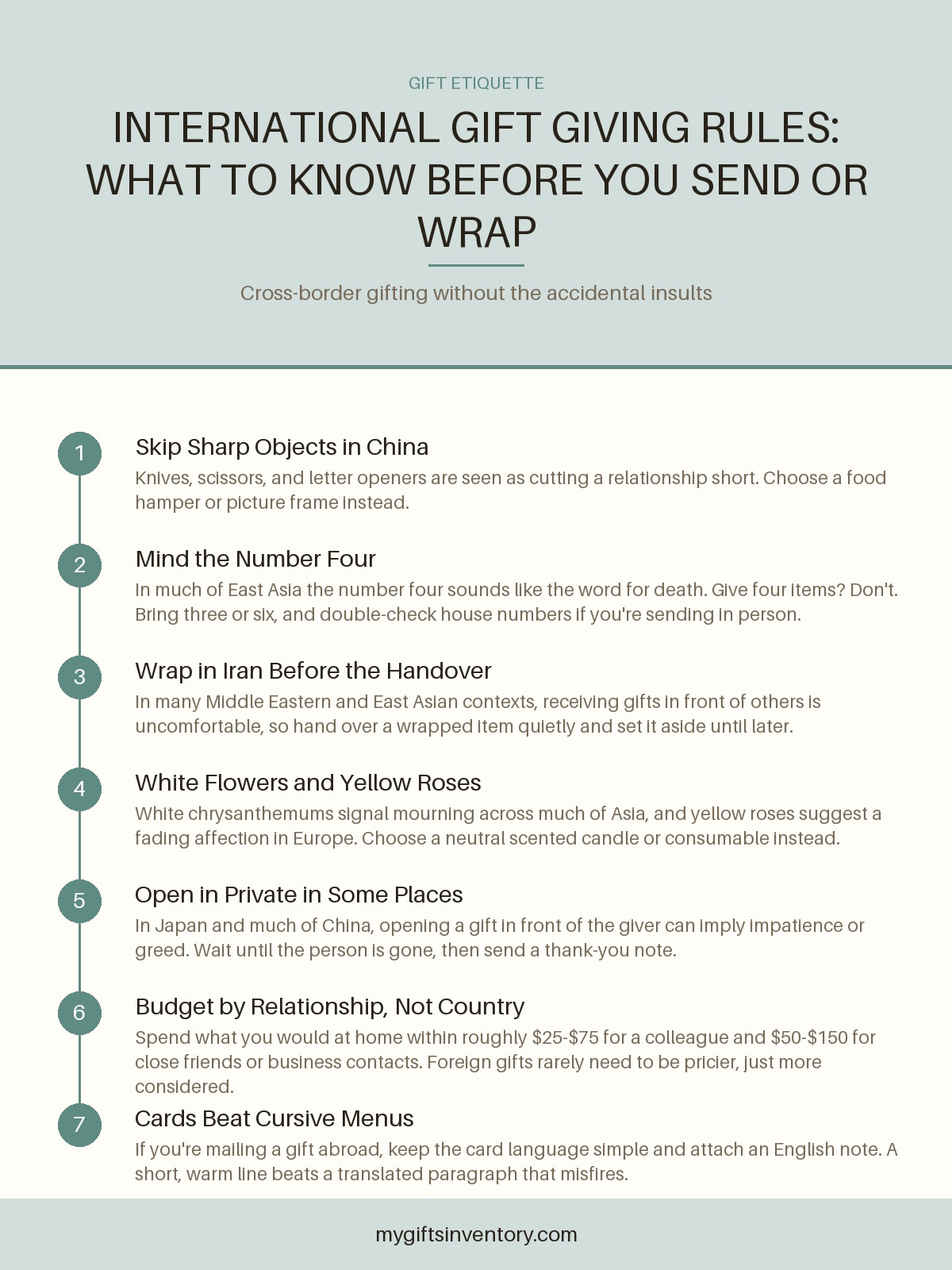
In China, giving a knife, scissors, or even a good set of kitchen tools suggests you want to "cut" the relationship. That extends to other parts of East Asia and, in a milder form, to some Latin American cultures. If you've already bought a chef's knife for a friend in Shanghai, add a coin to the box and mention it's a token so the recipient can "buy" the gift from you, which neutralizes the symbolism. A safer bet for a host who loves cooking is a charcuterie or cheese board gift, which is universally read as hospitality rather than as a blade.
Clocks, umbrellas, and white flowers
In China, clocks are associated with funerals and mortality, and in some interpretations a clock is a gift you only give to someone you want to outlive. Umbrellas suggest separation, since the word for umbrella is a homophone for "part ways." White flowers, particularly white chrysanthemums, are funeral flowers across much of Asia. In France, chrysanthemums are reserved for the graveside, so a birthday bouquet of them is a real mistake. Send a hot chocolate or gourmet cocoa gift instead, which reads as warm and generous almost everywhere.
Alcohol and pork
Alcohol is a poor default. It's restricted or expensive in parts of the Middle East, unwelcome in observant Muslim households, and a sensitive topic for many recovering people. Pork products, including many charcuterie items, are off-limits in halal and kosher homes. If you don't know the recipient well, choose something neutral and consumable that they can regift, share with coworkers, or take home to family.
The cultural specifics that are easy to miss
- Japan: Avoid gifts in sets of four, since the word for four sounds like the word for death. Also, avoid expensive gifts that create a sense of obligation.
- South Korea: Sets of four are also poorly received for the same reason. Wrapping in red can be fine, but wrapping in green is sometimes associated with mourning in certain contexts.
- Germany: Avoid gifts that feel too personal with a professional acquaintance, and don't be surprised if a business gift is opened privately. Formal wrapping and a handwritten card are appreciated.
- Russia: Giving an even number of flowers is for funerals. Odd numbers only. Gifts for the hostess are welcome, and the gesture of bringing something small is more important than the cost.
- Italy: Avoid giving anything that looks like a bribe. In business contexts, a book, a good bottle of olive oil, or something local to your region is safer than anything with a price tag still visible.
- India: Avoid leather and beef products for observant Hindu recipients, and avoid alcohol for many households. Sweets and dry fruits are the classic host gift.
- Latin America: Avoid giving a set of knives, since it suggests you want to sever the relationship, and avoid opening a gift too quickly if the giver seems to want to present it formally.
How much to spend across borders
There is no universal amount, but there is a universal principle: match the relationship, not the country's GDP. Spending far more than the local norm can embarrass the recipient rather than flatter them, particularly in cultures where gifts come with an expectation of reciprocity.
Business gifts
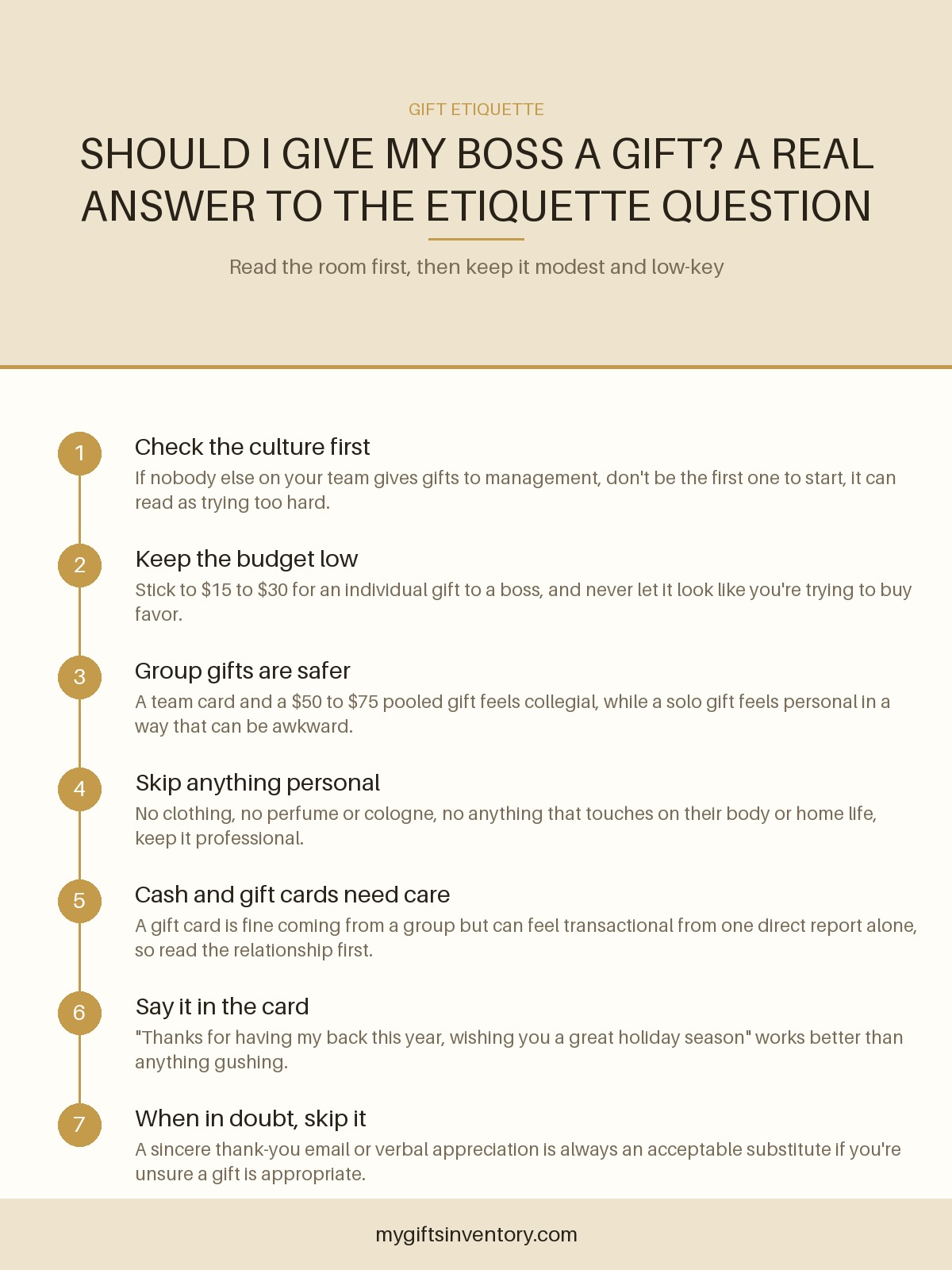
For a professional contact abroad, $25 to $75 is a reasonable zone for a holiday or thank-you gift. If you're giving on behalf of a company, keep the value modest and the branding subtle. In some countries, an expensive gift from a supplier can be read as a conflict of interest or even an attempt at bribery, and several jurisdictions have laws about this. A branded notebook, a nice pen, or something food-based that's easy to share is safer than anything with a big logo.
In many East Asian business contexts, the ceremony of the gift matters more than the price. Present it with both hands, use the recipient's title, and avoid opening it in front of the recipient unless they invite you to. In Japan, gifts are typically offered with a small bow and a phrase of thanks; in China, red wrapping suggests good fortune.
Friends and family
For a close friend or family member abroad, $50 to $150 is a reasonable range, with the higher end for milestones like a wedding or a new baby. Again, the relationship is the guide. A niece in Dublin and a cousin in Dubai don't need the same gift, but they probably do want the same level of thoughtfulness. If you're shipping, remember that the postage can cost as much as the gift, so plan the budget accordingly. A practical travel gift is often easier to ship than something bulky and works for almost any recipient in a city.
Host gifts
When you're the guest, the host gift should be modest and immediately usable. Flowers, a box of chocolates, a bottle of something local to your region, or a small kitchen item are all good. Avoid anything that requires the host to display it or store it. In Japan, a nicely wrapped box of sweets from your hometown is practically a social expectation. In France, a good bottle of wine is fine, but flowers in a certain number or type can be a mistake, so go with something wrapped and seasonal.
Wrapping and presentation
Wrapping varies more than most people expect. In many Western countries, presenting a wrapped gift is the default, and the wrapping is part of the pleasure. In Japan, the wrapping and the way the gift is presented are almost more important than the gift itself. In parts of East Asia and the Middle East, gifts are often wrapped but not opened in front of the giver, and the wrap is kept intact so the recipient can open it privately later.
A few practical rules:
- Color matters. Red and gold suggest luck and celebration in China and much of East Asia. White and black are associated with mourning in many cultures, so skip white or black wrapping paper for a celebratory gift unless you know the recipient's customs well.
- Leave the price tag off. This is true almost everywhere, but it's especially important in cultures where a visible price can make the recipient uncomfortable about reciprocity.
- Skip religious imagery. A Christmas-themed wrap is fine for a Christmas gift, but if the holiday or the recipient's faith is unclear, choose something neutral.
- Check shipping rules. Many countries prohibit or restrict certain items, including food, alcohol, and plants. If you're shipping directly to the recipient, the gift may be opened and inspected by customs. Battered wrapping on arrival is not a reflection on your manners.
What to write in the card
The card is where most international gifts go wrong, because the wrong line can be read as presumptuous or confusing. Keep it short, warm, and free of inside jokes or cultural idioms that won't translate well. If you're mailing a gift abroad, include a note in English and, if possible, a short line in the recipient's language.
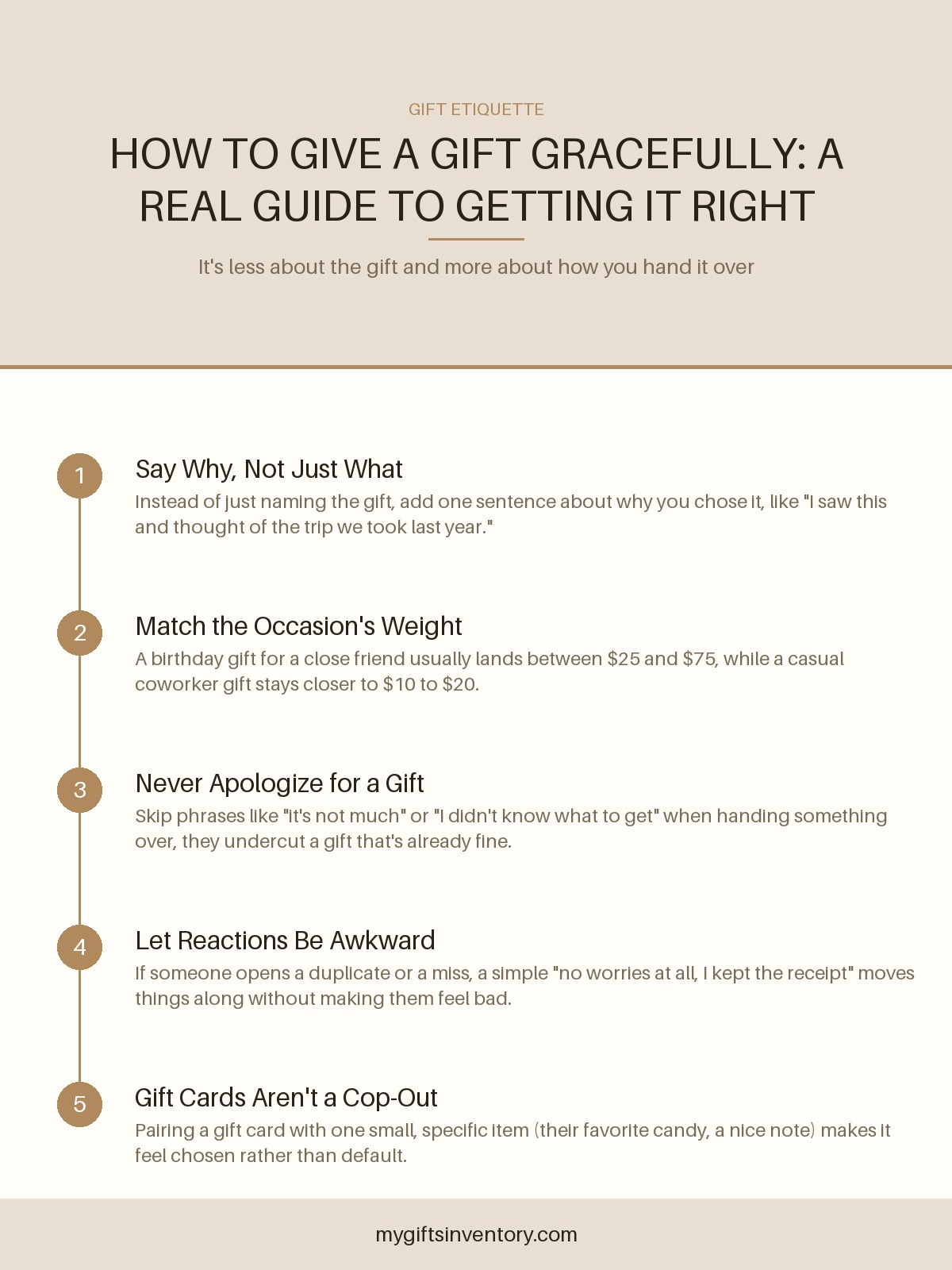
For a business gift, "With appreciation for your partnership this year, and best wishes for a successful new year" is a safe, professional line. For a friend or family member, "Thinking of you from across the miles. Hope your year is full of good things" works almost anywhere. Avoid religious blessings unless you know the recipient shares your faith. Skip the joke about how bad you are at gift giving; self-deprecation doesn't translate well and can read as an apology for the gift itself.
If you're stuck on wording for a specific relationship, we have a full guide to card messages with examples for every occasion, including the awkward ones like a gift for a boss or a gift you had to give late.
Gift cards and cash: when they're a good idea and when they aren't
Gift cards are the most convenient international option, but they're not always the most welcome. In many cultures, cash is the standard gift for a wedding or a new baby, wrapped in an envelope or given in a red packet. In others, cash feels like a transaction rather than a gesture, and a gift card can fall into a strange middle ground where the recipient feels you didn't try.
A few practical points:
- Match the brand to the country. A gift card to a U.S. retailer is usually worthless to someone living in France, and vice versa. Check that the brand has locations or e-commerce in the recipient's country.
- Look at fees and expiration. Some countries regulate gift card fees and expiry dates more tightly than others. In the EU, for example, gift cards are subject to national rules on expiration. Confirm before you buy.
- Check the balance before sending. If you're regifting or sending a card you've already used part of, check the balance first. We have a Trader Joe's gift card balance check page if you're sending something from a U.S. grocery brand, and similar pages for many retailers.
- Consider an experience instead. If you're not sure what the recipient needs, a gift card to a local restaurant, a museum membership, or a theater or concert voucher can be thoughtful and easier to use across borders than a physical item.
Returns, exchanges, and regifting
Returns are the part of international gifting nobody thinks about until they're stuck with the wrong size or the wrong plug. A few rules that will save you grief:
- Keep the receipt or gift receipt. In many countries, a gift receipt lets the recipient exchange the item without knowing the price. Include it behind the card, not taped to the gift.
- Check the warranty region. Electronics bought in one country often have warranties that only apply in that region. If you're buying a device for someone abroad, buy it in their country where possible, or confirm that the warranty is international.
- Expect regifting abroad. Regifting is normal in many cultures, particularly for business gifts and food items. Don't take it personally if your gift gets passed along, and don't assume the recipient kept it just because you saw it in a photo.
- When you receive a gift you can't use, be gracious. Thank the giver warmly and mention that you appreciate the thought. Many customs are about the gesture rather than the object, and the recipient is usually more aware of that than the giver.
Planning ahead for holiday seasons and time zones
The biggest practical gift error people make internationally is timing. A gift that arrives in mid-January because it was shipped in mid-December feels like a mistake, even if the thought is there.
A rough international shipping calendar
- Early to mid-November: purchase and wrap. This gives you a buffer for customs delays.
- By November 20: ship via a tracked service. Most postal services recommend this for deliveries before the end of December.
- First week of December: if you're shipping late, use an express courier and confirm the customs cutoff.
- December 10-15: for most countries, ship by this date to arrive before the holidays. Some destinations are much tighter, so check the specific country's postal cutoffs each year.
If you're sending gifts to a family with children, don't wait until the last minute. Kids notice whether a package arrived on time, and parents remember which cousin sent theirs in a panic. If you're organizing multiple gifts across several households, a simple spreadsheet with names, addresses, and ship-by dates will save you more time than any app.
If you're sending gift cards or vouchers, the timing is easier but not instant. Some providers deliver by email, which is fine for most recipients but can look impersonal for closer relationships. Pair a digital gift card with a short handwritten note sent by post if you want the personal touch.
The etiquette that outranks the rules
Here's the thing about international gift giving: no list can anticipate every situation, and no rule is more important than reading the recipient. A gift that would be tactless in one context can be perfect in another if it reflects a known preference. A colleague from Japan who loves baseball might welcome a team cap, even though caps aren't a traditional gift there. A friend in France who collects vintage kitchenware will be delighted by a set of antique spoons, even though sharp objects are technically unwelcome in some cultures.
The safest approach when you're unsure is to choose something consumable, easy to pass along, and low-pressure. Food and drink that's appropriate for the recipient's diet, a beautiful candle, a small book by an author they love, or a plant if you know they'll care for it. Add a warm card with a simple line. The gesture carries the weight, and the object carries the thought.
Gift Ideas to Go With This


Want more ideas? Browse our full guide: 20 Best Gifts Under $100 (2026): Thoughtful Picks They'll Actually Use
Frequently Asked Questions
Is it rude to give a gift card internationally?
It depends on the culture and the relationship. In the U.S. and much of the U.K., a nicely presented gift card is a normal and welcome gift. In parts of Asia and the Middle East, cash or a gift card can feel transactional, and a physical gift with a personal note is often better received. If you do give a gift card, choose a brand that operates in the recipient's country and confirm the balance and expiration before sending.
Can I send a knife to a friend in China?
You can, but it's usually a bad idea. Sharp objects symbolize cutting a relationship in Chinese culture, so a knife, scissors, or letter opener can be read as a wish to sever ties. If you've already bought one, add a small coin to the box and explain that it's a token so the recipient can "buy" the gift from you, which neutralizes the symbolism. Better still, choose a food gift or a picture frame instead.
Should I wrap a gift before mailing it abroad?
Wrapping is fine, but customs may open the package for inspection, so the original wrap could arrive damaged. A good compromise is to wrap the gift and place it inside a sturdier outer box, or to leave the gift unwrapped and include wrapping paper and a card so the recipient can wrap it themselves. If the occasion is formal, a gift bag is easier to pack and travels better than paper.
What currency should I use when buying a gift for someone in another country?
Where possible, buy in the recipient's currency and country. This avoids conversion fees, ensures warranties and sizes are correct, and lets you use local return policies. If you're shipping from your own country, factor in customs duties and import taxes, which some recipients have to pay to receive the package. A note that says "any duties are already covered" is a considerate touch if you can manage it.
How much should I spend on a gift for a wedding abroad?
Wedding gifts are relationship-driven, but as a general guide, $50 to $150 per guest is common in many Western countries, with the higher end for close friends or family. In some cultures, cash is expected and is given in a card or envelope, often closer to the cost of your plate. Check whether the couple has a registry, and if they don't, ask a close friend or family member what would be most useful.
Looking for an Actual Gift Instead?
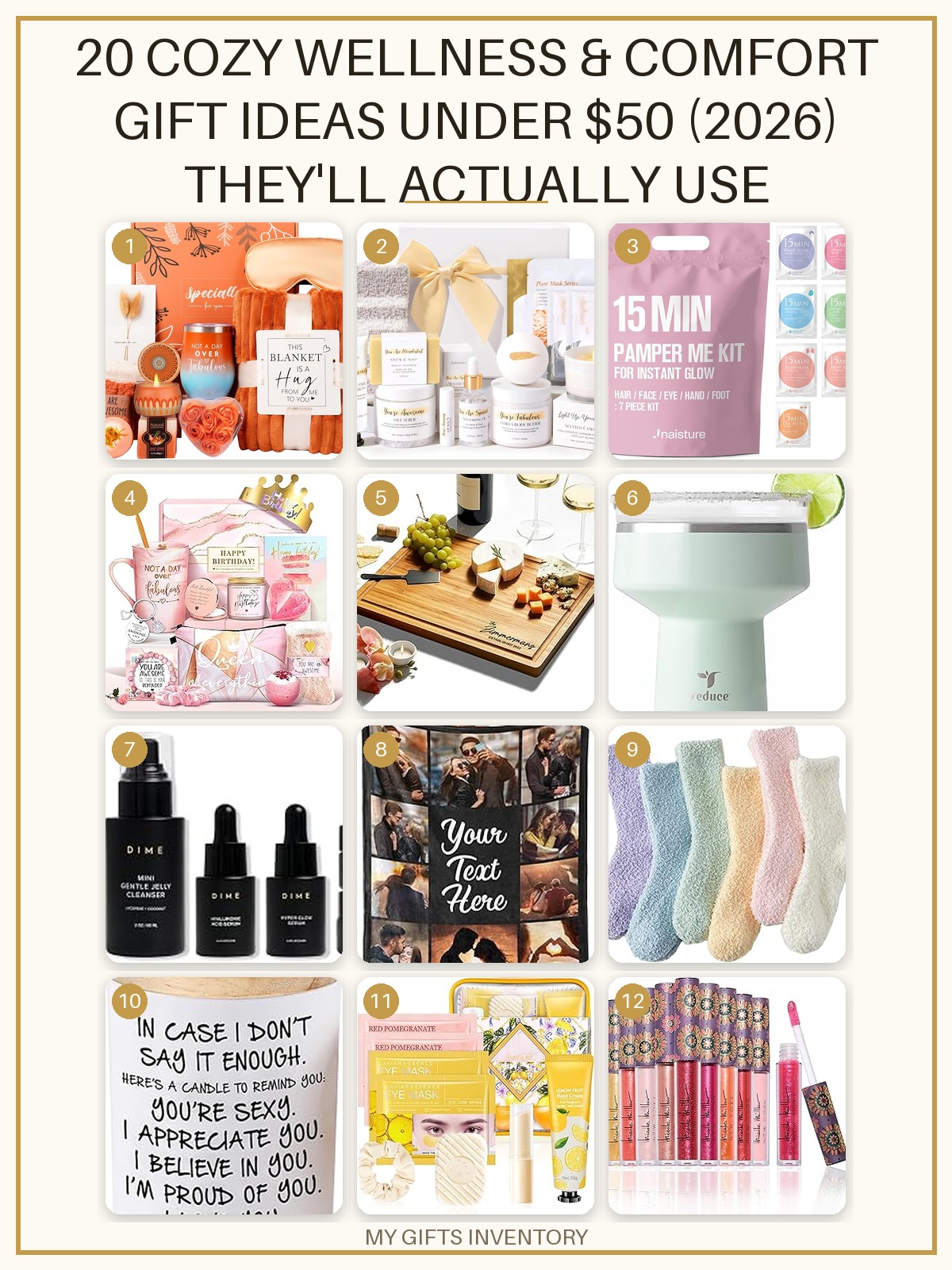
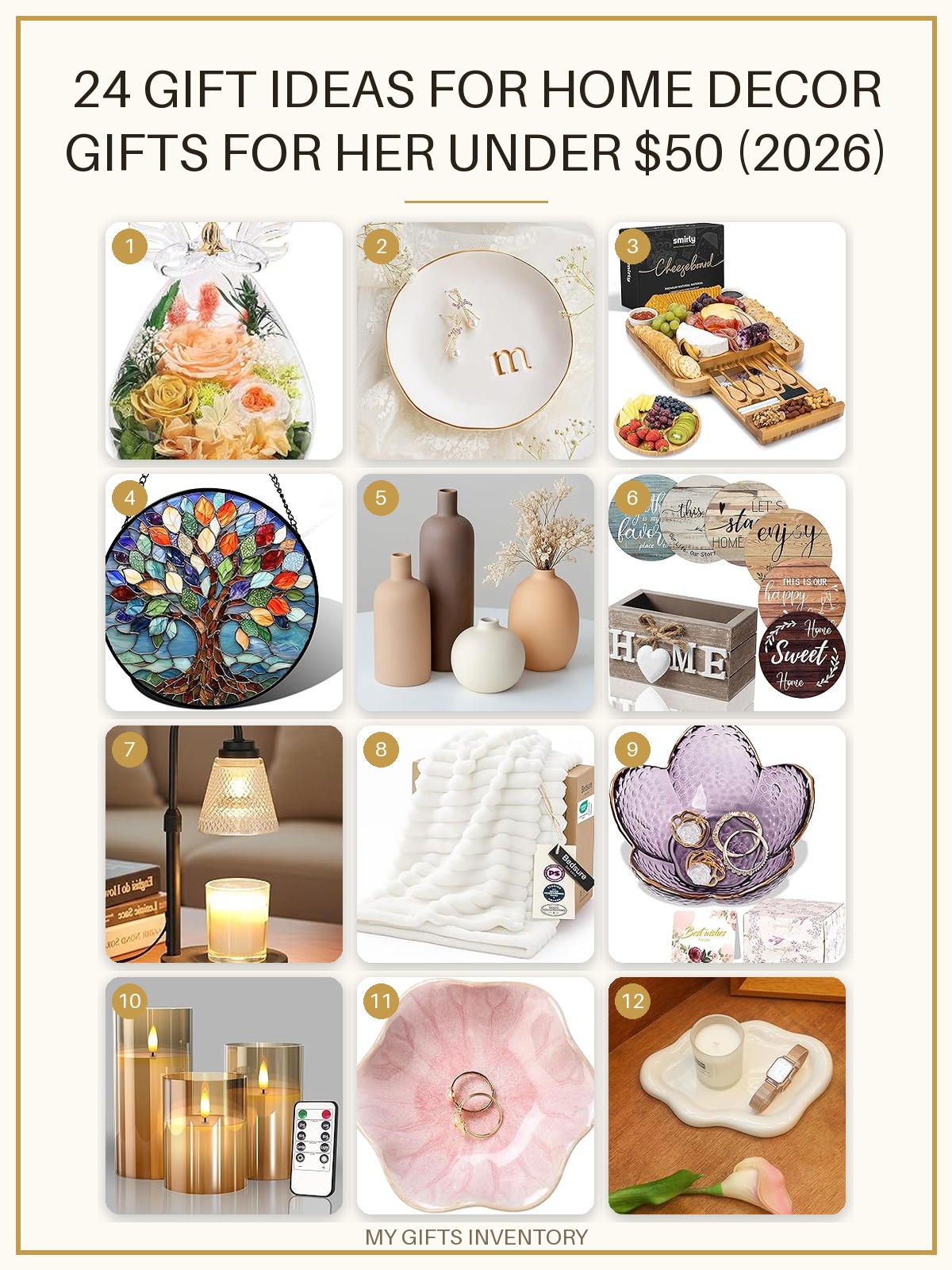
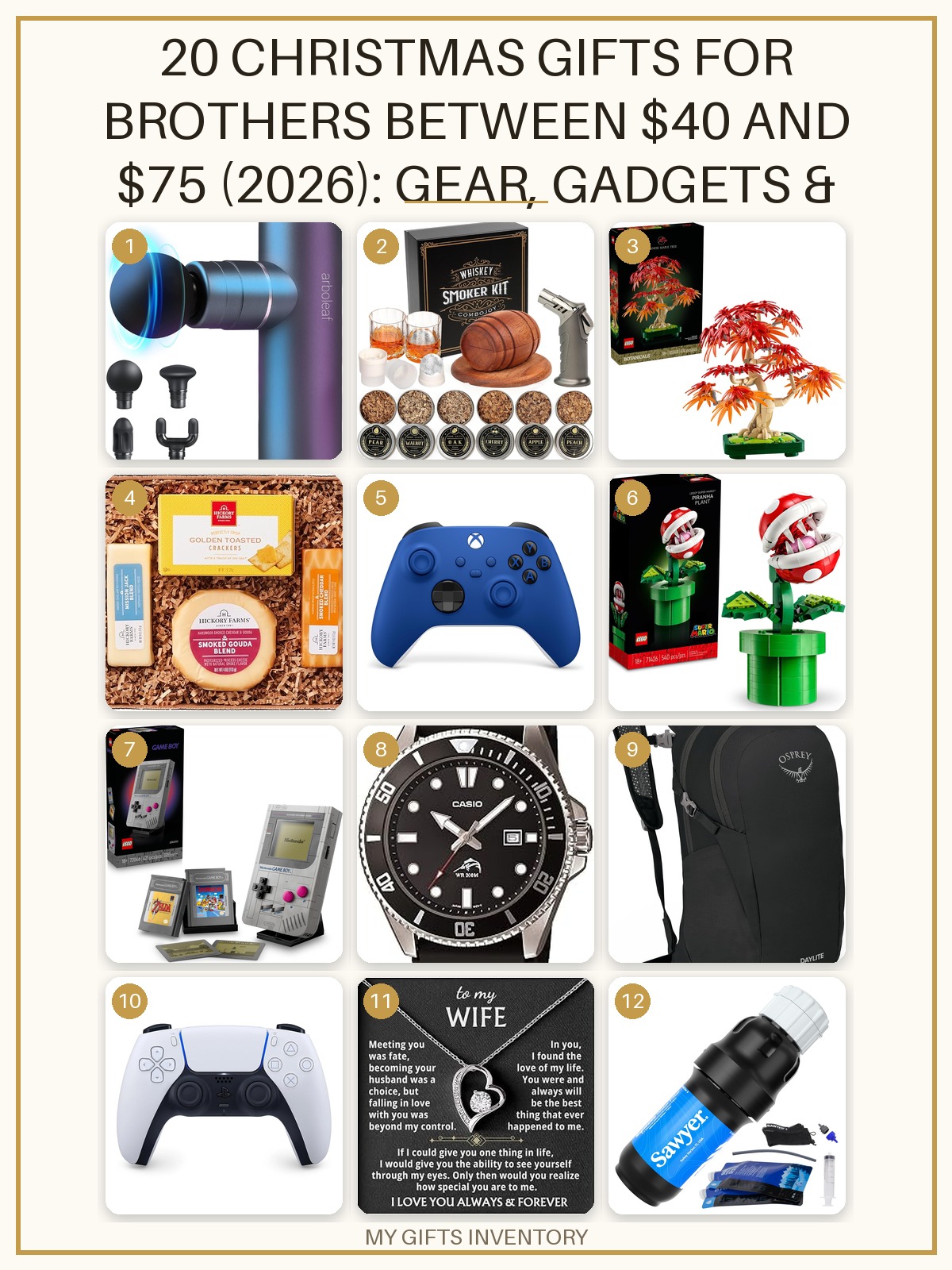
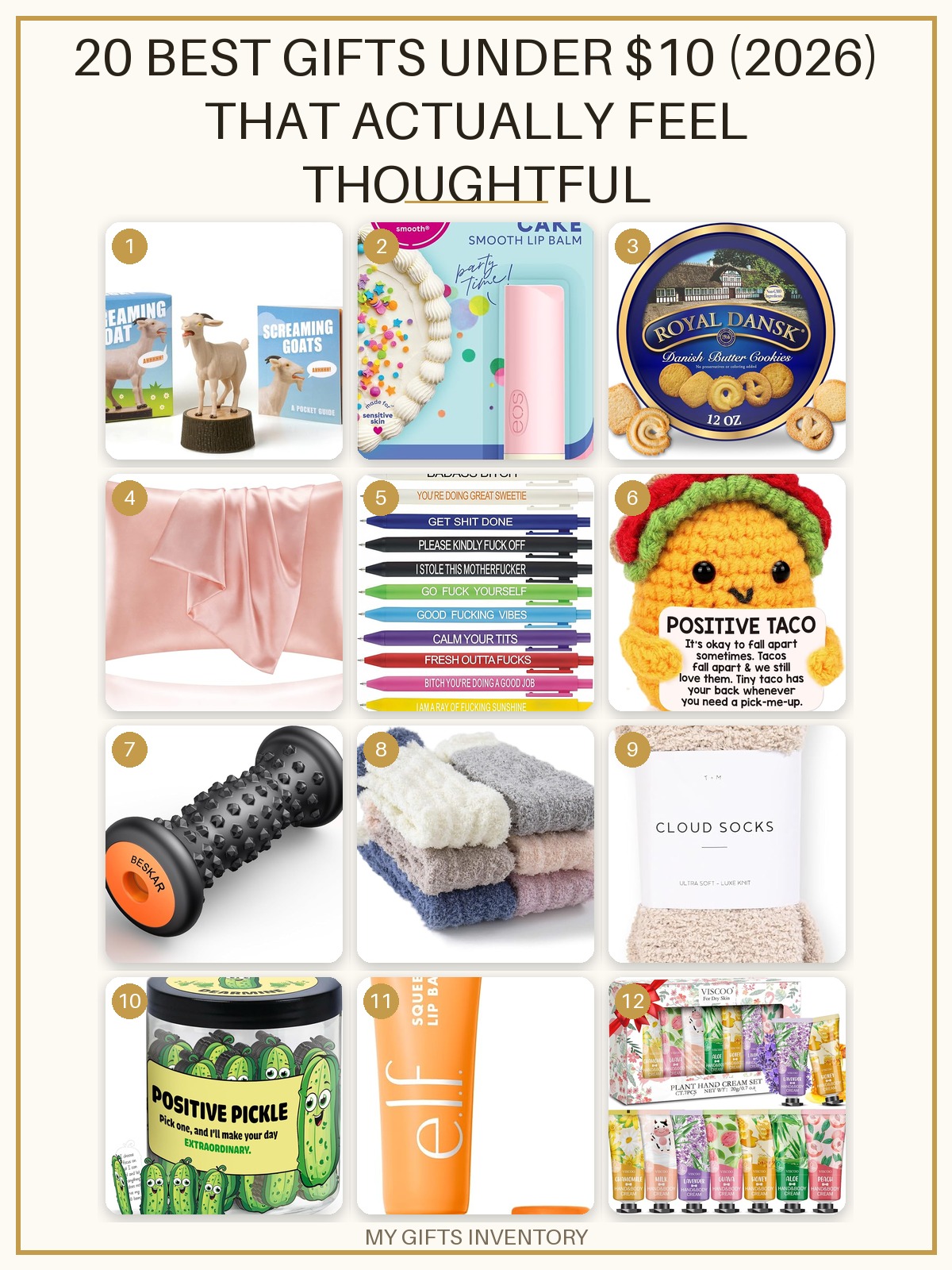
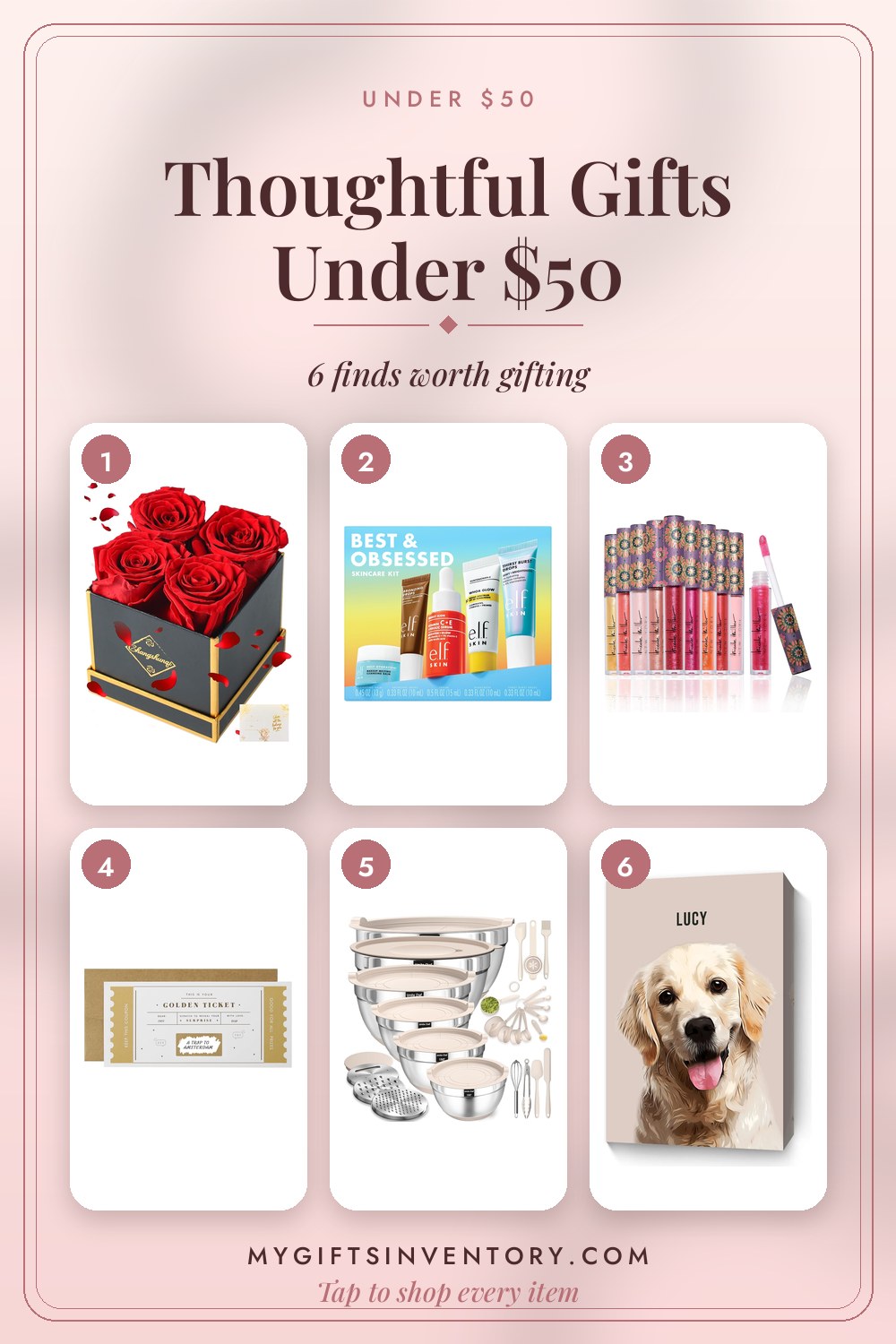
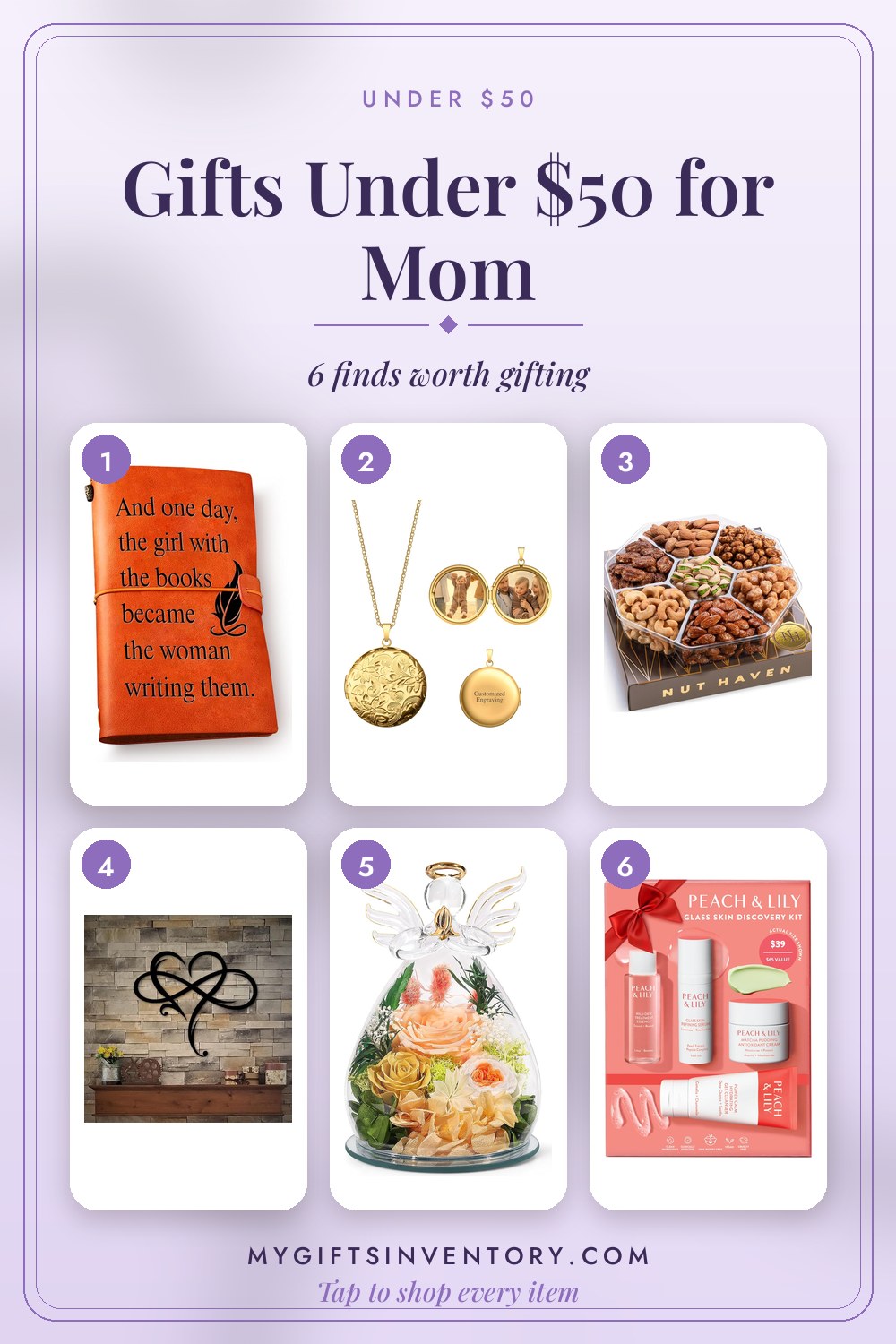
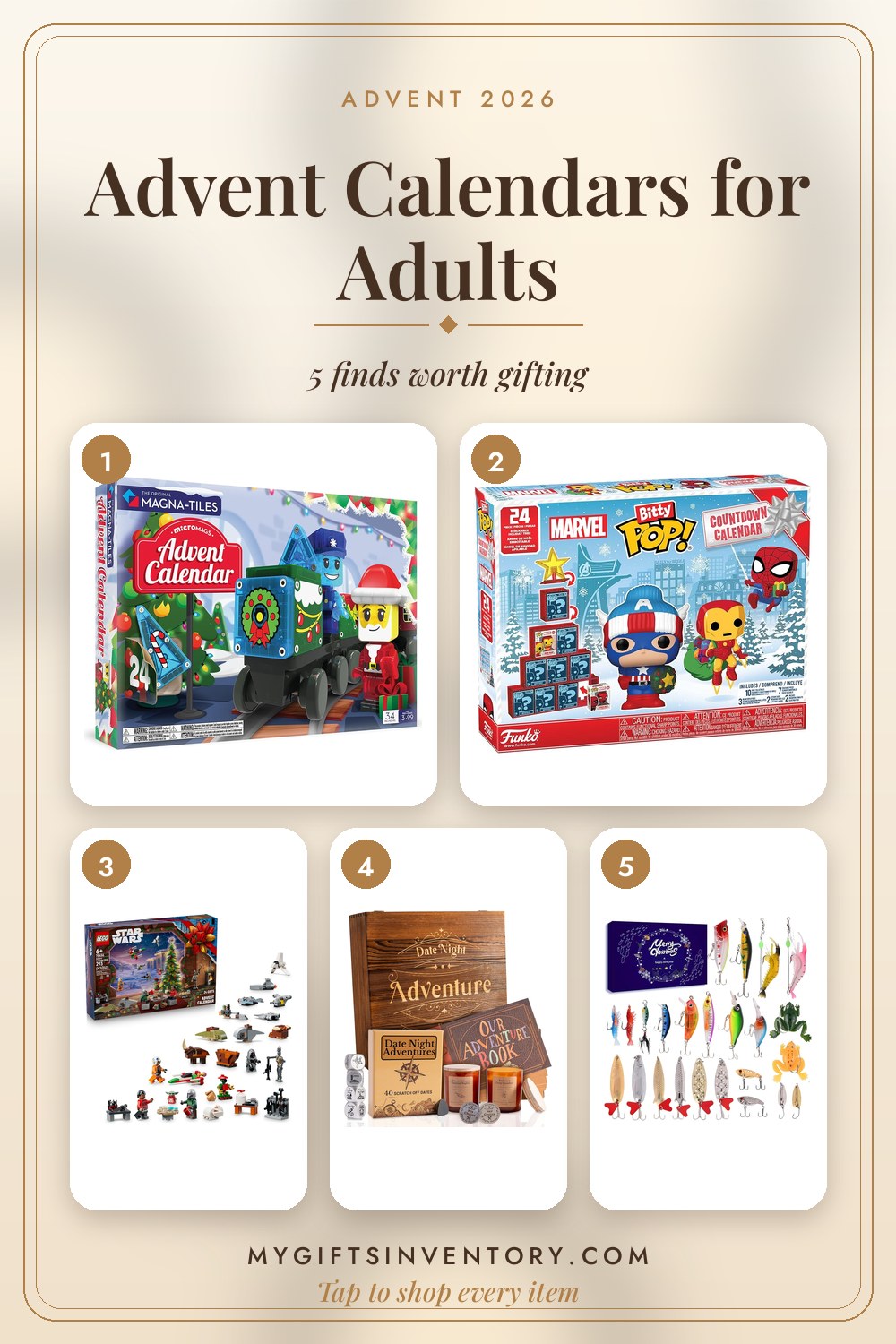
Gift Sets We Love Right Now
Every item picked, priced and linked, ready to buy.
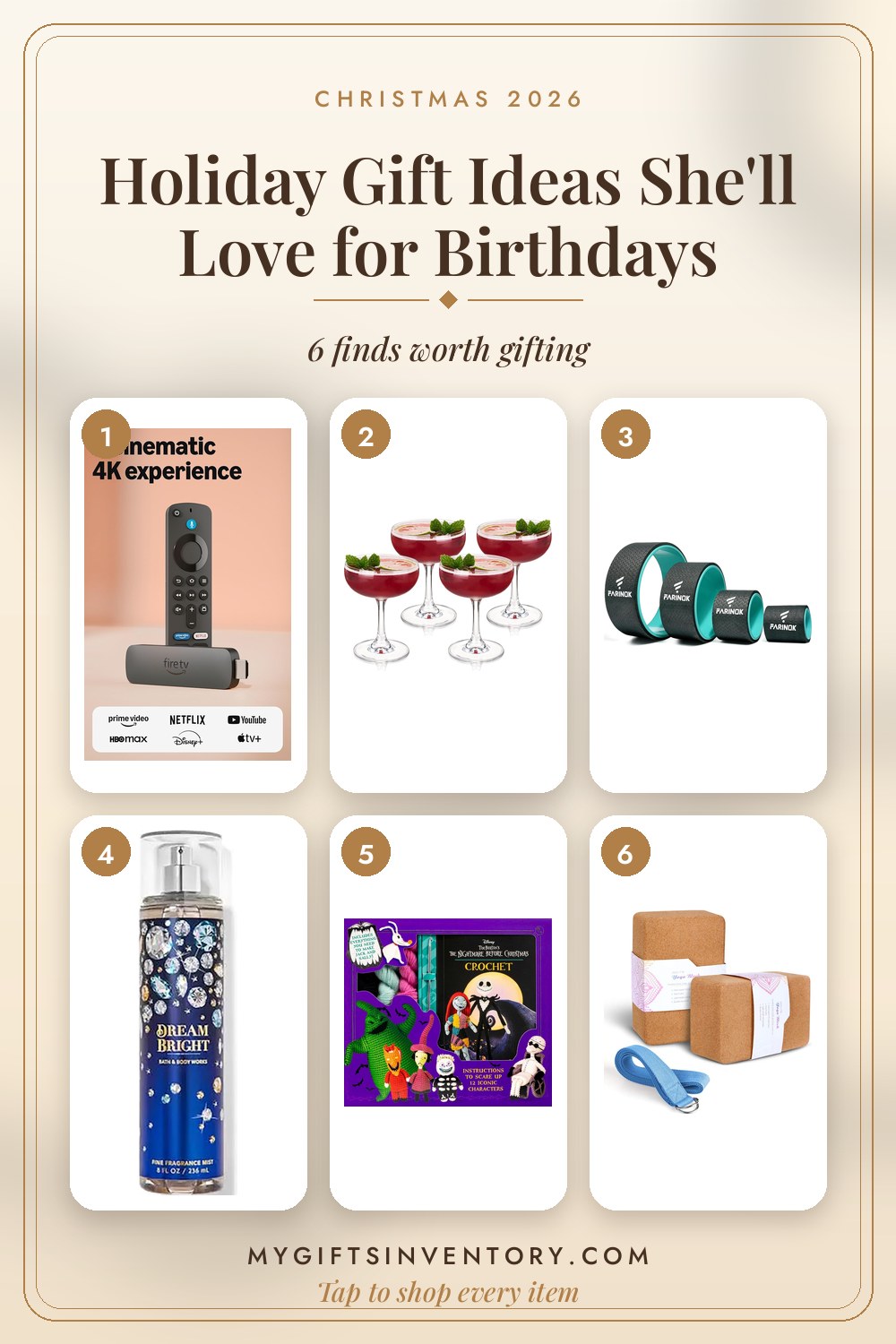
More Gift Advice