Christmas gift exchange rules: budgets, cards, wrapping, returns, and timing
If you are hosting a Christmas gift exchange or joining one, the rules matter more than people expect. Here is a practical playbook for budgets, card wording, wrapping expectations, registries, returns, and what to do when someone forgets.

As an Amazon Associate, My Gifts Inventory earns from qualifying purchases. We only recommend products we'd genuinely consider buying ourselves.
“Christmas gift exchange rules” usually pops up right when everyone is staring at group texts, trying to figure out what counts, what does not, and what to do if someone shows up with the wrong budget. We have been there: the math is stressful, but the bigger worry is awkwardness. Below is a ruleset we can all follow so the gifts feel fun, thoughtful, and fair.
Set the rules before anyone buys
Choose the format first (Secret Santa, swap, or free-for-all)
The rules change depending on how your exchange works. We recommend naming the format clearly in your invitation message:
- Secret Santa: one person gets one gift, no group sharing.
- Gift swap: everyone gives to everyone (common in small circles).
- White elephant: a fun exchange where the “rules” are mostly about opening and stealing.
- Draw names with a deadline: still Secret Santa style, but everyone picks their own gift.
Write one simple “rules paragraph” for the invite
We like to copy-paste a short paragraph everyone can reply to with a checkmark. Example:
“This is a Secret Santa gift exchange. Budget is $40 to $60 per person. Please bring one wrapped gift labeled with the gift recipient’s name. Cards are optional but encouraged. If you would like to include a receipt, it is welcome for the giver, but we are not doing returns unless we discuss it ahead of time. Please confirm by December __.”
That one paragraph prevents 80 percent of the “Wait, do we…?” questions.
Budget rules that feel fair (and prevent awkward overspending)
Pick a range, not a single number
A budget range protects people from price swings and last-minute shopping. A range like $25 to $50, $50 to $75, or $75 to $100 works well for most groups. If you set a single number (like exactly $50), people end up feeling like they are failing a test.
Decide what “counts” and what does not
We recommend specifying whether these are included in the budget:
- Gift itself only (most common)
- Gift plus wrapping supplies
- Gift plus a small card
- Gift plus postage (for mailed exchanges)
For example, you can say: “Budget includes the gift and card, but wrapping supplies do not count.” That keeps things simple.
Handle “I can’t hit the budget” with kindness and options
Budget shortfalls happen. The rule we like is: if someone cannot meet the limit, they can do one of these without making it a problem:
- Give a smaller gift within a lower amount the group agrees on.
- Give a gift card instead, for the same budget (if your group allows gift cards).
- Pair a budget drop with something that adds effort, like a handwritten card plus a small bundle of themed items.
If gift cards are allowed, it helps to clarify which brands are acceptable. For practical details on common options, you can point people to brand-specific guides like Gift Cards at Walmart: The Complete List of Brands, Fees & Where to Buy (2026) or Gift Cards at Target: The Complete List of Brands, Fees & Where to Buy (2026). That way nobody has to wonder about fees, limitations, or where the card can be used.
Gift card rules (if you are using them)
When gift cards work best
Gift cards tend to work best when:
- You are exchanging with people you do not know super well.
- The recipient’s preferences are hard to guess.
- You want to reduce the “wrong size, wrong flavor” risk.
Card etiquette if you include a gift card
If you are putting a gift card in the bag, treat it like a real gift. We do not recommend a card that says “You can buy what you want.” Instead, write a note that connects to the person.
Example: “I love how you always make time for your hobbies. This is for something you have been wanting, just for you.”
If your exchange uses gift cards, consider adding a rule like: “Please include the activation and any available receipt or confirmation email in the packaging.” It helps with returns and balance checks later.
Card messages: what to write and what to skip
What we aim for: specific, warm, and not too long
The best gift exchange card messages do three things: they thank the recipient, they reflect something real about the relationship, and they wish them something you actually want for them.
Copy-ready card examples by situation
Close friend or family (thoughtful + personal):
“Seeing you this year reminded me how lucky we are to have you in our lives. I hope this makes your holidays feel a little brighter and your days a little easier.”
Work friend or neighbor (polite + safe):
“Thank you for being such a steady, kind presence. Hope you have a restful holiday and a great start to the new year.”
Acquaintance or someone you do not know well (cheerful + neutral):
“I hope you enjoy this and that your holidays are full of cozy moments.”
If you are giving a gift card:
“I picked this for you because you always know what to choose. I hope it helps you grab something that feels like a treat.”
What to avoid
- Overly intimate compliments that feel like they came from nowhere.
- Long paragraphs that turn the card into a letter nobody asked for.
- Any hint about returns or “this is just in case.” Save that for your own internal plan, not the card.
Wrapping and presentation rules
Decide how “serious” the wrapping should be
Wrapping is one of the biggest sources of rule confusion. We recommend you say what you want:
- Casual swap: wrapped or bagged is fine.
- Classic holiday exchange: wrapped is expected.
- White elephant: sturdy wrapping plus easy opening wins.
Simple presentation standards that work everywhere
- Include a label with the recipient’s name (or gift tag order number).
- Write the recipient’s name on the outside even if you also do it on a card.
- Check the “openability” factor: tape too many layers on a white elephant gift and it becomes a wrestling match.
What about including “receipts”?
We like to clarify whether receipts are welcome. Receipts are helpful if the recipient later realizes the item is not usable. But if your group has a “no returns” tradition, say that up front so people do not feel like they are breaking an unspoken rule by including one.
Registries: what to do when there is one
If there is a registry
Registries work best when everyone agrees they are a shortcut, not a trap. A clear rule we like:
- “If there is a registry, it is okay to buy from it. If you buy something else, keep it within the same budget range.”
If there is no registry
Then the rules should shift from “exact item” to “gift-ability.” If you do not know the person well, aim for categories that are hard to get wrong, like:
- Consumables (food, coffee, tea)
- Small comfort items (cozy socks, candle, skincare that is generally safe)
- Gift cards
If you want inspiration for safe, useful categories without turning it into product shopping, browsing a curated internal list can help you plan your approach. For example, if the group budget is under control, you can use a guide like 20 Kitchen Gadgets Gift Ideas Under $50 (2026): Gifts They'll Actually Use to spark ideas, then choose one based on the person’s actual habits.
Returns and exchanges: decide the policy in advance
Common group policies
Most gift exchanges fall into one of these policies:
- No returns, ever: the gift is part of the fun. Receipts typically should not be included.
- Returns allowed case-by-case: the giver may include a receipt, and the recipient can decide whether to use it.
- Returns only for obvious issues: like incorrect size or damaged items.
What we recommend
For family and friend groups, we usually recommend “case-by-case” so the receiver is not stuck if a gift is unusable. If you choose that, add one line to the invite:
“Receipts are welcome. If you need an exchange, please reach out to your giver within __ days.”
Timing rules: when gifts should be bought, wrapped, and delivered
Use a countdown schedule that everyone can follow
Planning is where the stress lives. We use a simple timeline based on mail and store return windows:
- At least 10 to 14 days before the exchange: buy gifts.
- At least 7 days before: wrap, write cards, and prepare gift labels.
- If mailing: mail 7 to 10 days before the event (earlier is better if your area has winter weather delays).
- Day before or day of: only handle pickups, not buying.
Set a “confirmation by” deadline
A ruleset without confirmation is just a hope. Ask everyone to reply by a date like: “Confirm you have your person and budget by December __.” That one deadline saves you from last-minute panic on the morning of the exchange.
Food, parties, and “gift opening” etiquette
If you are hosting a group event
We recommend deciding how opening will work before people arrive:
- Order: names pulled in order, or go in a circle.
- Time: set a target like 20 to 30 minutes for openings.
- Photography: whether it is okay, and if gifts should be shown unopened for a minute first.
How to react to gifts (the rule that keeps things easy)
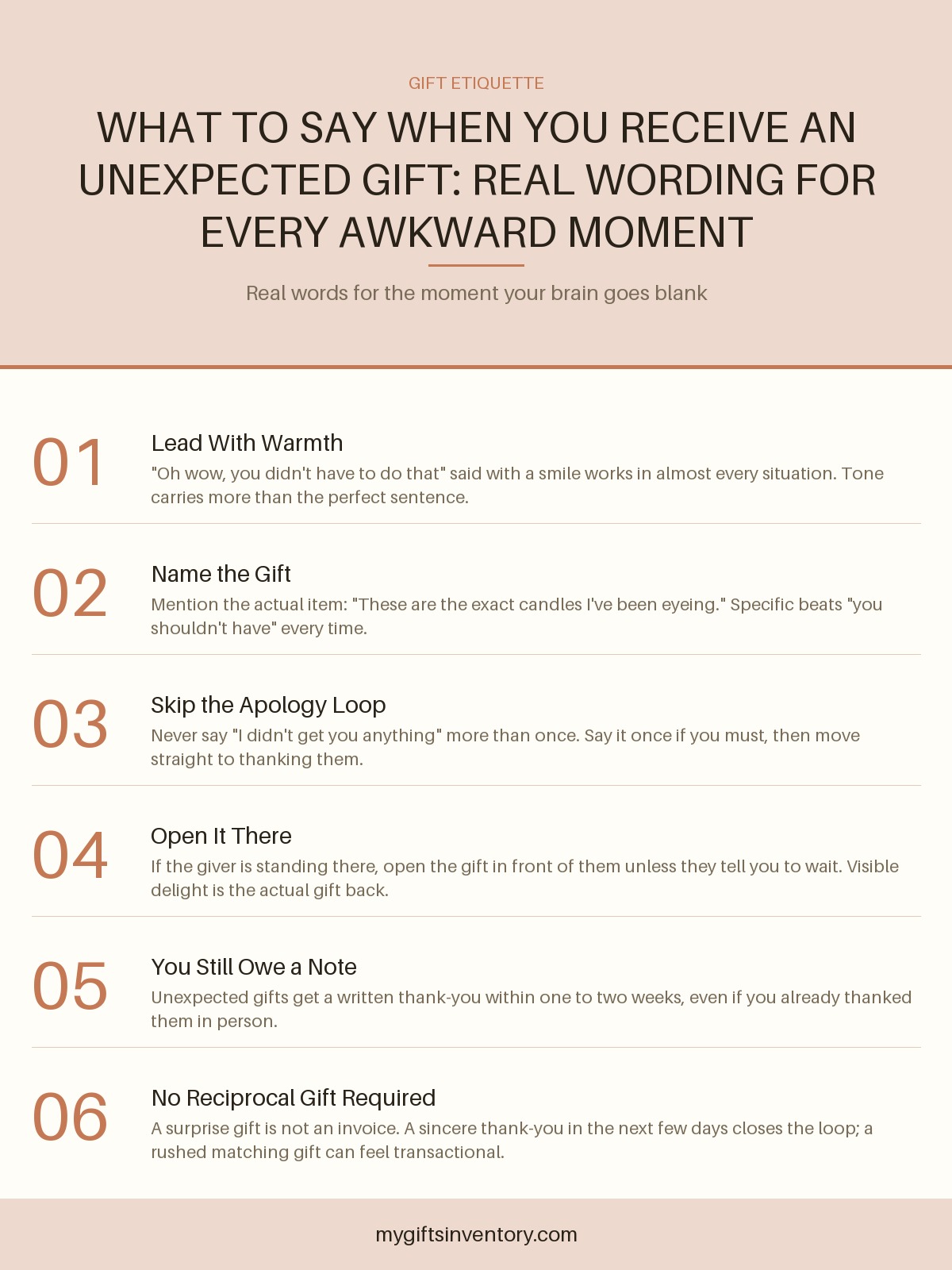
We keep this rule simple: respond with delight for the giver’s effort, even if the gift is not your style. A good default line is:
“This is so thoughtful, thank you.”
That sentence signals you get the intention, which matters more in an exchange setting than the brand or the price tag.
What to do when something goes wrong
If someone forgets
We never want public embarrassment. The best move is private triage:
- Text them the moment you notice, with a calm tone.
- Offer a fast solution like a small gift or gift card if it is allowed by your exchange rules.
- Adjust opening order if needed so the group is not stalled.
If you realize your gift does not fit the budget
If it is close, we treat it as a “silent adjust” situation by adding value rather than trying to fix it with a bigger item. If it is far off, it is better to message the organizer privately rather than pretending everything is fine.
If the gift is broken or unusable
Tell the giver right away. A quick, kind message like “I opened it and it arrived damaged, can we swap?” is the easiest path. If your group includes the receipt policy, you will have less stress and fewer arguments.
Choosing gift categories that fit exchange rules
Even without naming specific products, we can be strategic. If you know the exchange is under $50 or $100, we can choose categories that are likely to be useful or at least enjoyable to unwrap. If your group has a smaller budget and you want a starting point for “likely-to-be-used” themes, browsing internal ideas like 45 Best Gifts Under $20 (Highly-Rated Picks) for 2026 can help you build a shortlist by vibe. For slightly higher budgets, a guide like 20 Gift Ideas for Gourmet Treats, Wine & Coffee Gift Ideas Under $50 (2026) can help you pick something that feels special without gambling too much on personal taste.

Frequently Asked Questions
What are the basic Christmas gift exchange rules?
The basics are a clear budget range, a simple format (like Secret Santa or swap), wrapping expectations, and a card guideline. We also recommend deciding ahead of time whether gift receipts are welcome and whether returns are allowed.
Is a gift card allowed in a Christmas gift exchange?
A gift card is usually allowed if the exchange rules say so. If you want it to feel personal, include a thoughtful note and make sure the card budget matches the agreed range.
Should we include a receipt or allow returns?
We recommend choosing one policy for the whole group: no returns, case-by-case, or only for damages and obvious mistakes. If you do allow returns, confirm the “how to ask” process so the recipient does not feel awkward contacting the giver.
What should I write in a Christmas gift exchange card?
Write something specific and short that thanks the recipient and wishes them something real. A good template is “Thanks for being part of our year. I hope this makes your holidays a little brighter.”
When should we buy and mail Christmas gifts for a gift exchange?
Buy gifts at least 10 to 14 days before the exchange, wrap and label by 7 days before, and mail 7 to 10 days ahead if shipping is involved. This timing helps you handle last-minute problems without rushing.
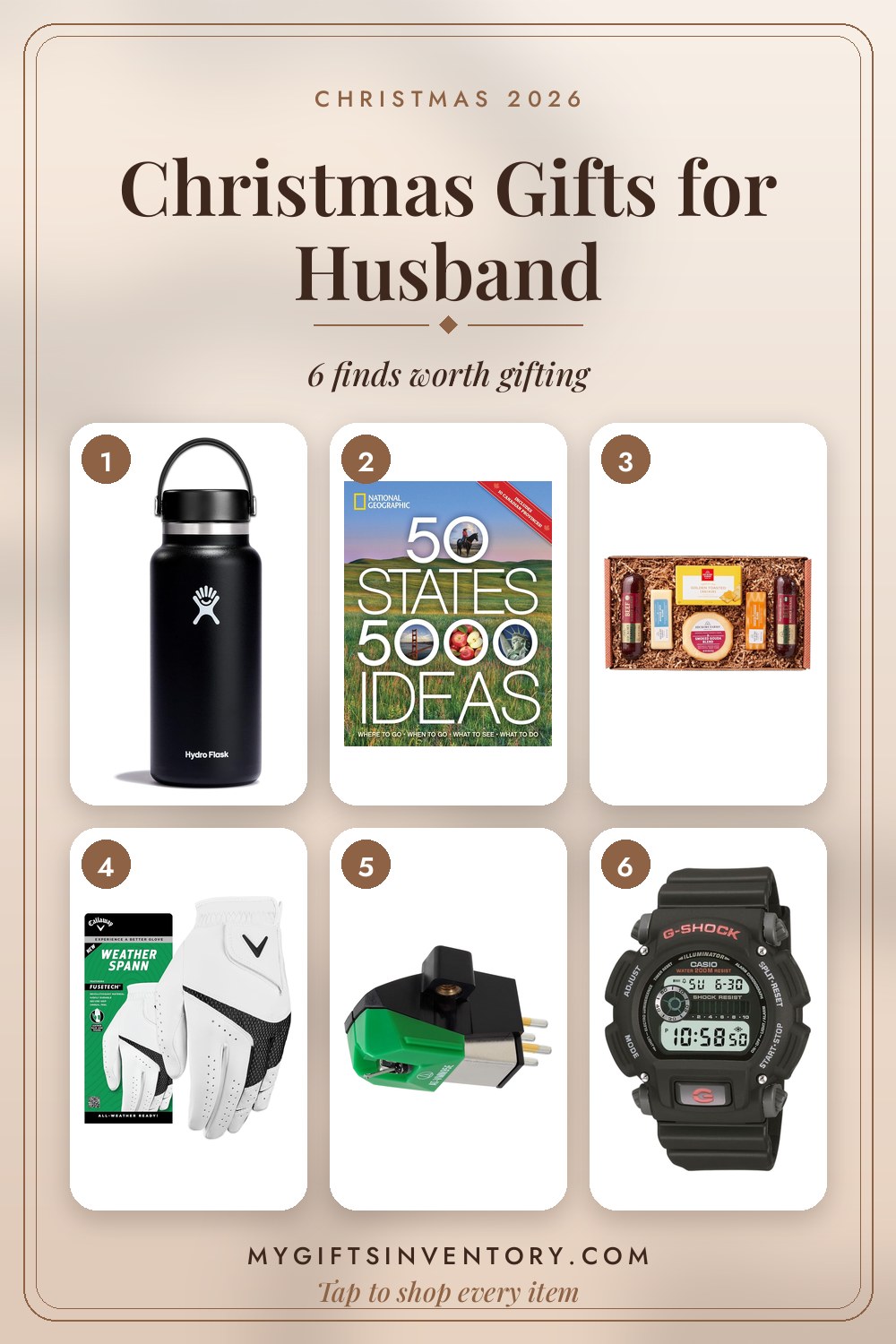
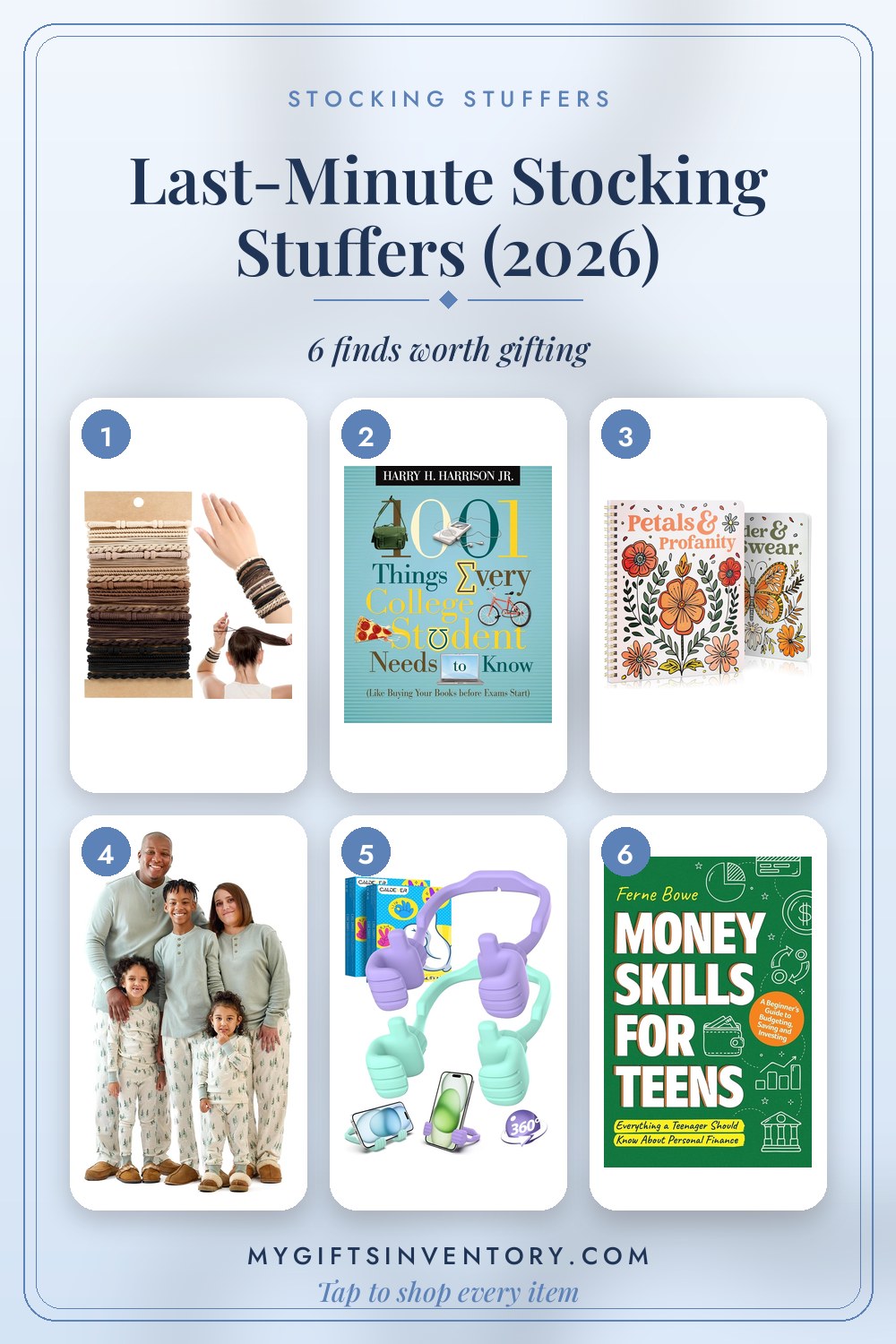
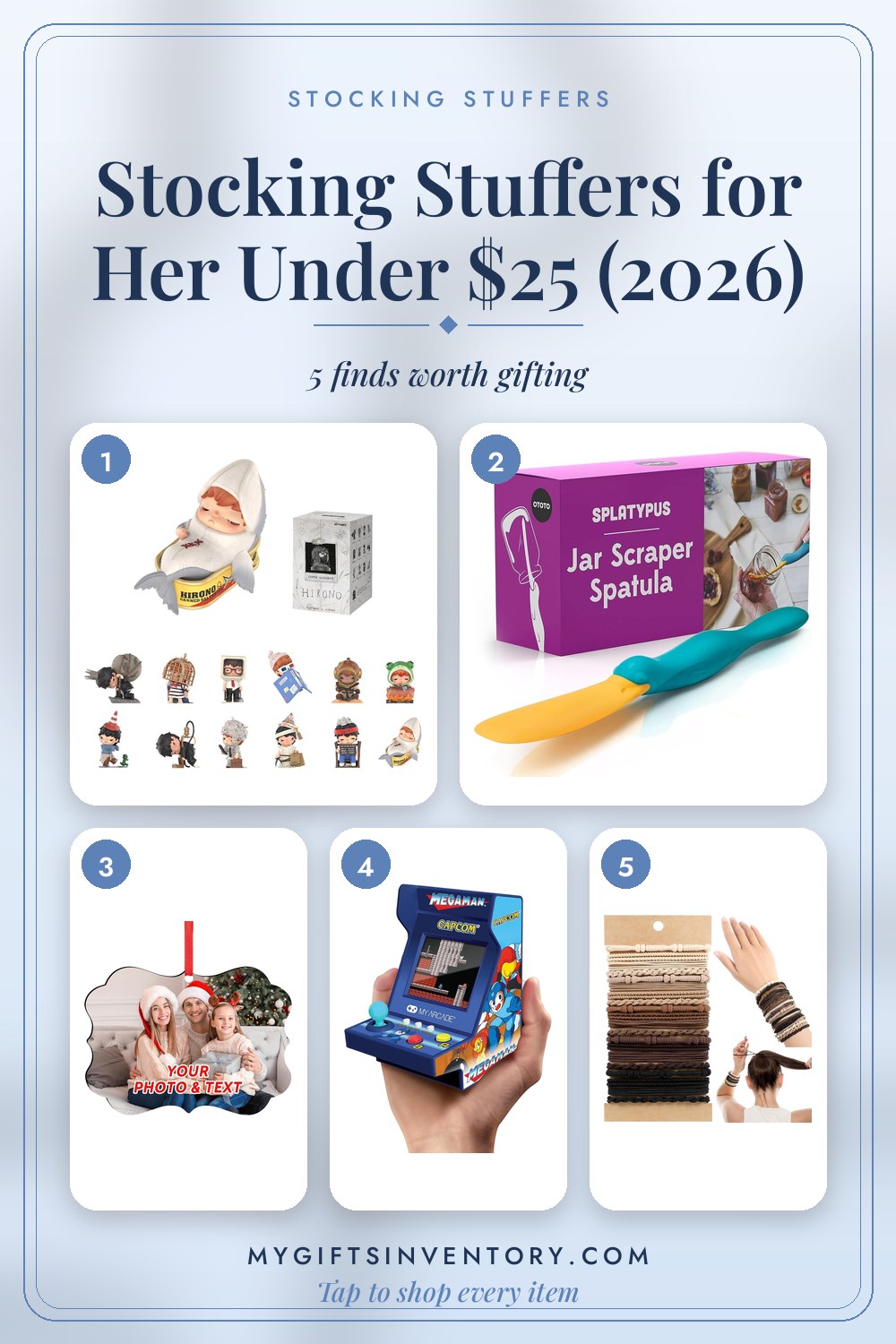
Looking for an Actual Gift Instead?
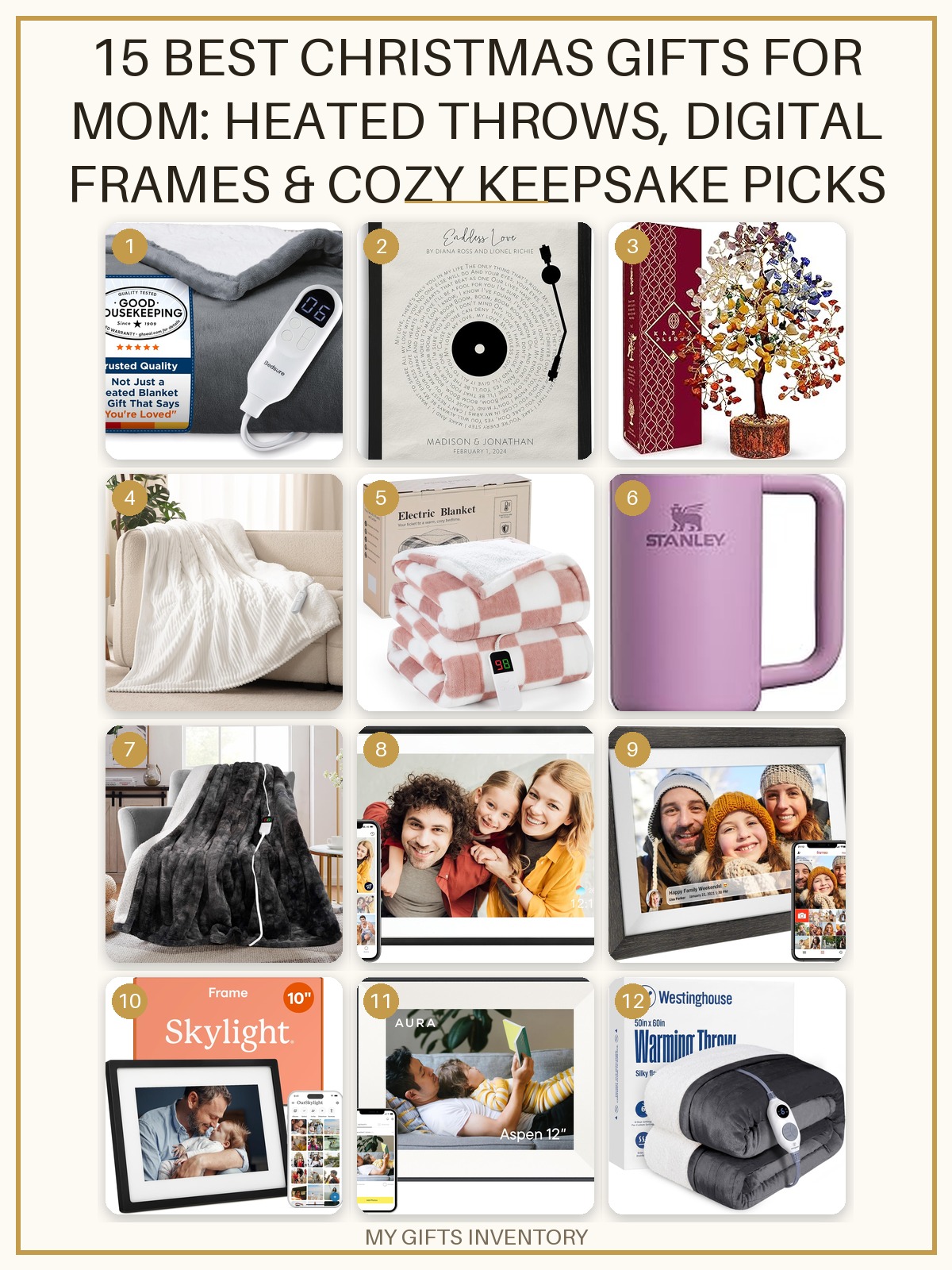
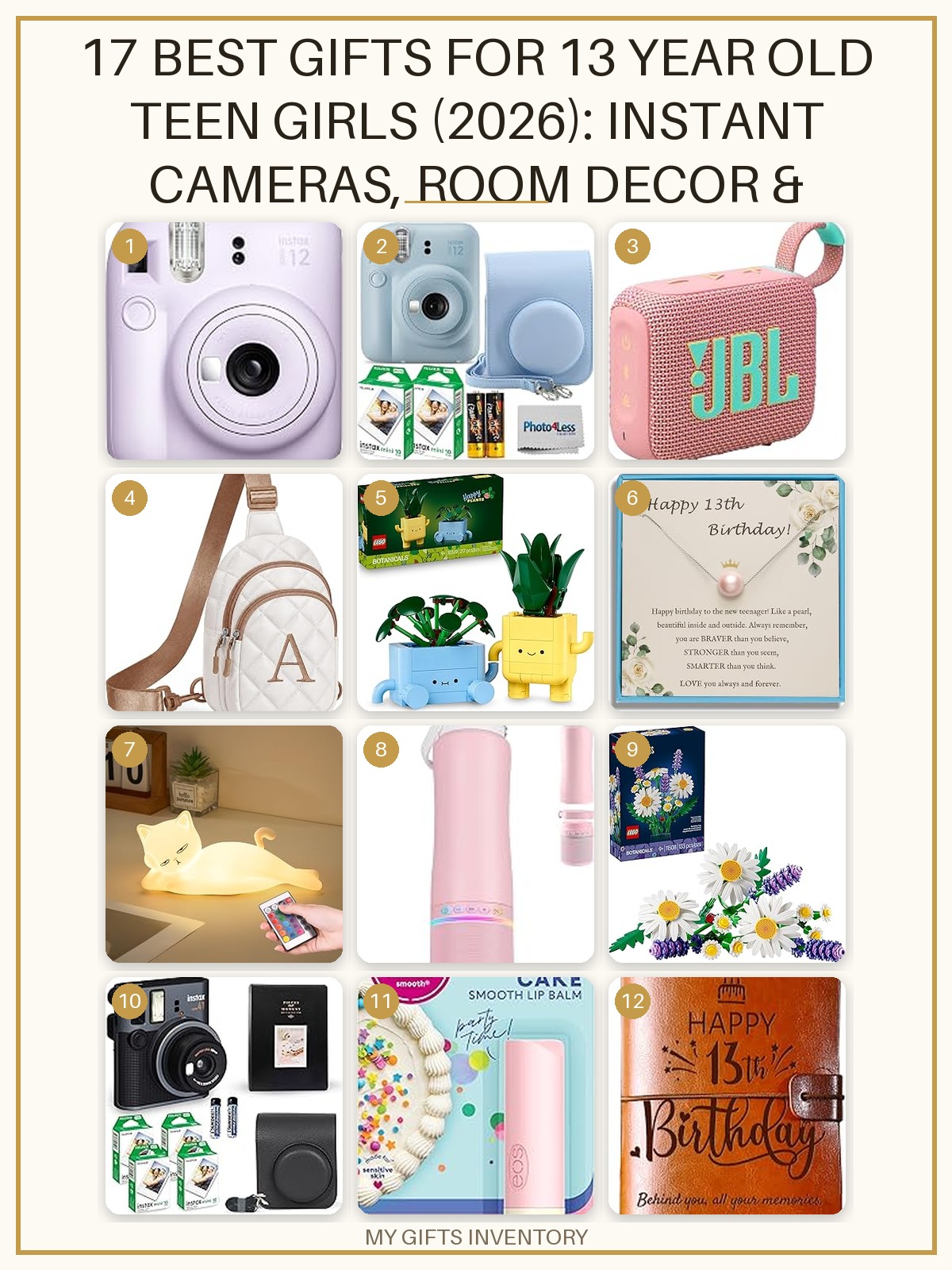
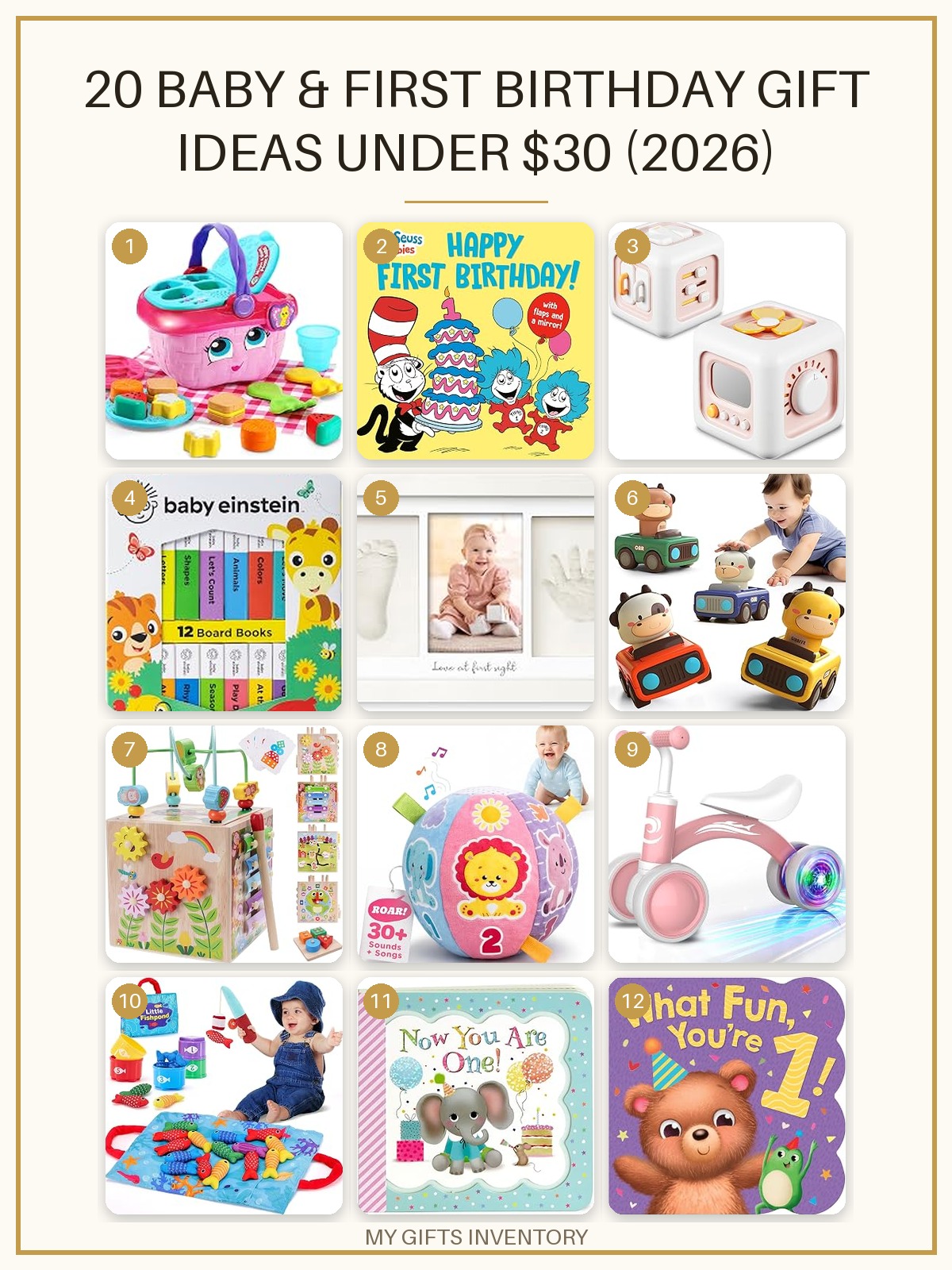

Shop Hand-Picked Gift Sets
Every item picked, priced and linked, ready to buy.
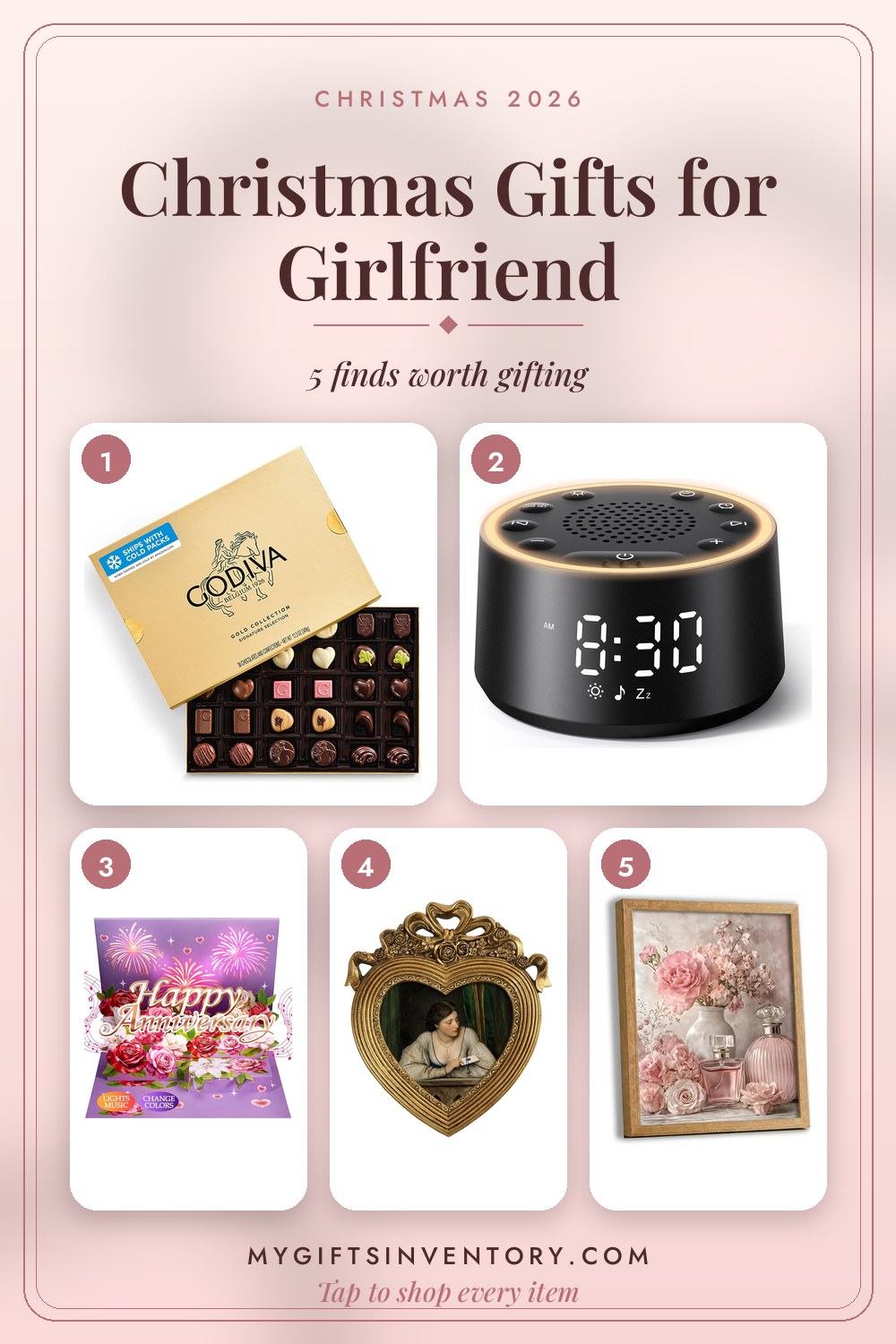
More Gift Advice