How to Tell Family to Cut Back on Gifts (Without Starting a Fight)
Real scripts and strategies for asking relatives to scale back on gift-giving, from group texts to one-on-one conversations, without hurt feelings or holiday drama.

As an Amazon Associate, My Gifts Inventory earns from qualifying purchases. We only recommend products we'd genuinely consider buying ourselves.
There's a specific kind of dread that shows up every October or November: the pile of gifts from last year is still half-used, the credit card statement from the holidays before is a memory you'd rather not repeat, and you know good and well that Aunt Carol is already stress-shopping for eleven grandnieces and nephews. You want less. You just don't know how to say that to people who show love through giving without sounding ungrateful, cheap, or like you're ruining Christmas.
The good news is that this conversation, done right, almost never lands the way people fear it will. Most families are quietly relieved when someone finally says it out loud. Here's how to actually get there.
Why This Feels So Hard to Bring Up
Gift-giving in families is rarely just about the gift. It's tangled up with who feels closest to whom, who "does the most," and old habits nobody's ever questioned out loud. Grandparents who overspend on grandkids are often trying to buy back time they feel they've lost. A sibling who always goes overboard might be compensating for something else entirely, distance, guilt, competition with an in-law. Understanding that the spending usually isn't really about stuff makes it a lot easier to ask for less without anyone hearing "you don't love us enough."
It also helps to remember that you're not the first person in your family, or in any family, to feel buried under wrapping paper and obligation. Plenty of households have quietly restructured their gift-giving and come out the other side closer, not more distant, because the money and clutter pressure stopped eating into the actual holiday.
Decide What You Actually Want Before You Say Anything
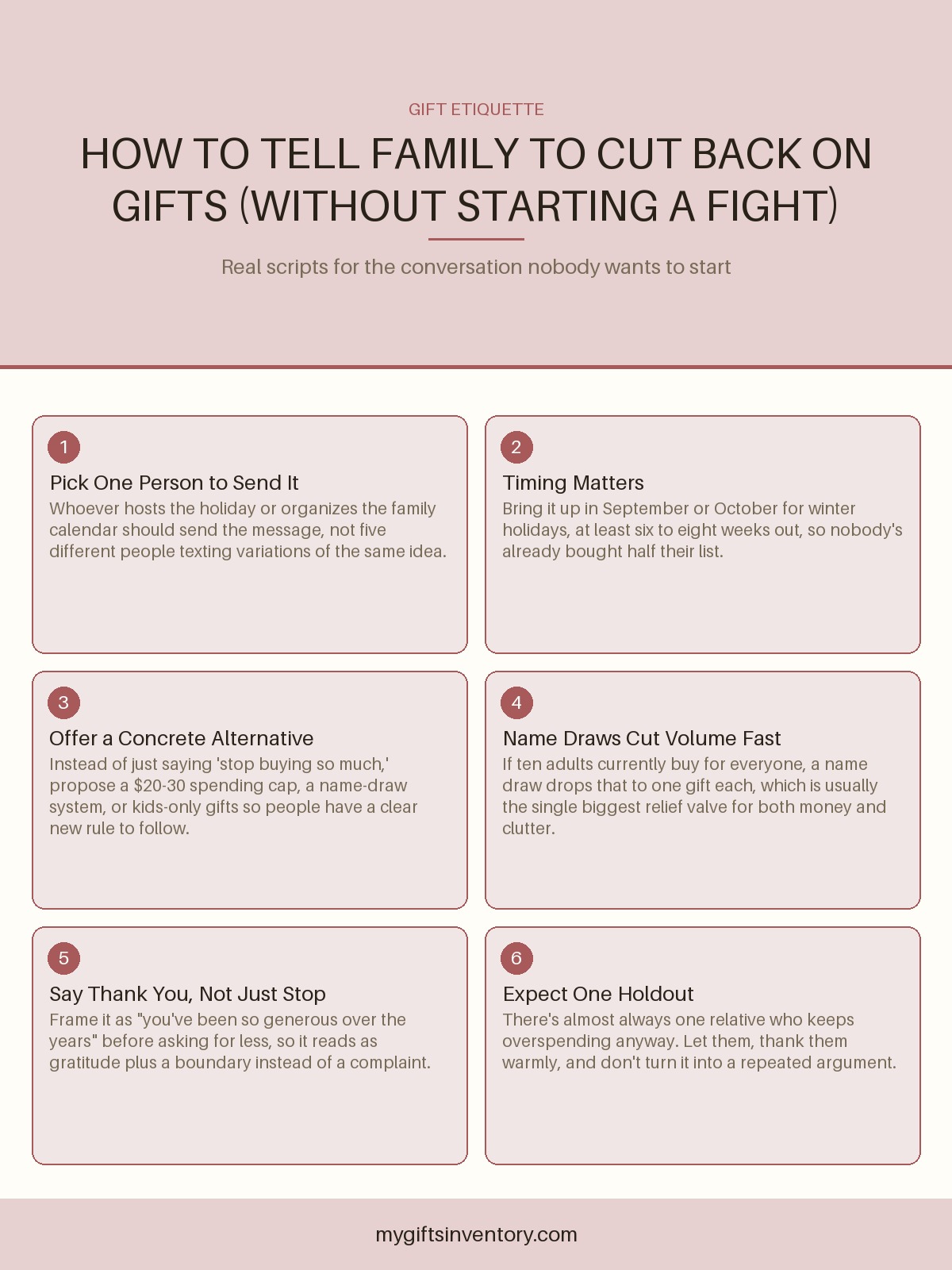
Vague requests get vague results. "Let's not go overboard this year" means something different to every person reading it. Before you send a single text, pick one concrete system:
A Name Draw (Secret Santa Style)
Instead of everyone buying for everyone, each adult draws one name and buys just for that person. If your extended family has ten adults, this alone turns ten gifts per person into one. It's the single fastest way to cut both spending and the sheer volume of stuff changing hands.
A Spending Cap
Set a number and stick to it, somewhere between $20 and $50 per person is typical for extended family, with immediate family sometimes going a bit higher. A defined cap takes the guesswork and one-upmanship out of it entirely. If you want a feel for what a thoughtful gift looks like at that price point, our guide to gifts under $50 that won't feel like an obligation is written for office exchanges but the logic translates perfectly to family caps too.
Kids Only
A lot of families land here first: adults stop exchanging gifts entirely, and spending is reserved for the kids. It preserves the magic for the people who need it most and removes the awkward obligation among adults who'd honestly rather just have a nice dinner together. If you go this route, browsing something like gift ideas for 10 year olds under $30 can help set realistic expectations for what "enough" looks like for kids too, since gift creep happens there just as easily.
No Gifts, Just Presence
Some families skip physical gifts altogether and put the money toward a shared experience instead, a group dinner out, a weekend trip, or simply an agreement that everyone's presence is the present. This tends to work best once a family already trusts each other and isn't new to the conversation.
One Gift Instead of Several
If your parents insist on getting something for everyone, suggest they pick one meaningful item per person rather than a pile of smaller things. If the sticking point is that they claim they "don't know what anyone needs anymore," our list of gift ideas for a mom who has everything is a useful thing to forward along, since it reframes the problem as "meaningful over more" rather than "nothing to buy."
How to Actually Bring It Up
Timing and messenger matter more than people expect. A few rules of thumb:
- Send it early. Six to eight weeks before the holiday or event gives people time to adjust their plans before they've already bought half their list. For Christmas, that means late September or October, not December 10th.
- Let one person send it. If three different relatives text slightly different versions of "let's cut back," it reads as chaotic and nobody knows which rule is real. Whoever usually organizes the holiday, or whoever is closest to the group, should be the one to send it once, clearly.
- Group text or email beats one-on-one calls for the initial announcement. It's less personal, which sounds cold but is actually kinder here. Nobody has to react in real time, and nobody feels singled out.
- Follow up individually with anyone likely to push back. If you know Grandpa is going to ignore the group text and buy gifts anyway, a private, warmer conversation with him specifically tends to land better than hoping he reads the group message the way you intended.
Exact Wording That Works
The best scripts thank people first, state the new plan clearly, and leave room for questions. Here are a few real templates depending on the situation.
For the Extended Family Group Text
"Hi everyone! With the family growing every year, we've been talking about doing a name draw for the holidays instead of everyone buying for everyone. It'll save us all money and time, and honestly take some pressure off. I'll send names out by early November so everyone has plenty of time to shop. Let us know if you have questions!"
For Parents or In-Laws Who Overspend on Grandkids
"We are so grateful for how generous you've always been with the kids. We've noticed they're getting a little overwhelmed by how much they get though, and honestly we're running out of space too. Would you be open to picking one or two special gifts instead of a big pile? We'd love it if you'd consider putting some of that toward something like a savings account or an experience together instead."
For Adult Siblings
"Hey, can we talk about gifts this year? Between all of us and our kids it's gotten expensive and honestly a little stressful. What if we did a $30 cap, or just did names instead of buying for everyone? No hard feelings either way, just want to see what works for everyone."
For the Person Who Always Says "Don't Worry About Me, I Just Like Giving"
"I know you love giving gifts, and we love that about you. This isn't about not wanting things from you, it's about wanting the holiday to feel less like a transaction for everyone. Would you be willing to try scaling back just this year and see how it feels?"
Handling the Person Who Doesn't Get the Memo
Almost every family has at least one relative who reads the new rule, agrees enthusiastically, and then shows up with a car trunk full of presents anyway. A few ways to handle it without a scene:
- Say thank you warmly and let it go. Repeating the boundary in the moment, especially in front of others, usually just causes tension without changing next year's behavior.
- Have a private, calmer conversation afterward if it becomes a pattern. "I noticed you still got everyone a lot this year, is the new plan not working for you?" opens a real conversation instead of a confrontation.
- Accept that some people express love through giving and that changing that habit fully may take more than one season. Progress, not perfection, is a reasonable goal here.
Alternatives to Suggest When Someone Resists "Just Not Giving Gifts"
If a full stop feels too abrupt for your family, a smaller-scale alternative often gets buy-in faster:
- Gift cards instead of shopping trips. A single gift card removes the pressure to find "the right thing" for everyone and caps spending automatically. If your family leans this direction, checking a card's remaining balance is simple with our Amazon gift card balance guide, which is handy for tracking what's left on a card given as a group gift.
- One shared, smaller gift per household. Instead of every adult buying for every kid, households can pool together on one nicer item.
- A "just something small" rule. Some families keep the tradition of giving something but agree it should be modest and thoughtful rather than expensive, a favorite snack, a candle, something like the picks in our coffee lover gift guide under $50, which leans toward small, personal, and genuinely useful rather than big and showy.
- Charitable giving in someone's name. For families where "stuff" has genuinely become the problem, redirecting even a portion of gift spending to a cause the recipient cares about tends to feel meaningful rather than like a letdown.
If You're the One Who Wants to Cut Back But Can't Say It Outright
Sometimes you're not the organizer, and bringing up a family-wide change isn't realistic. In that case, you can scale back your own participation without announcing a policy:
- Quietly set your own budget and stick to thoughtful, smaller gifts rather than trying to match what others spend.
- Give homemade or consumable gifts, which read as intentional rather than cheap when done well.
- Say directly to individuals, "I'd love to just get you something small this year, things have been tight," which most people respect far more than silently overspending and resenting it later.
Gift Ideas to Go With This


Want more ideas? Browse our full guide: 20 Best Gifts Under $100 (2026): Thoughtful Picks They'll Actually Use
Frequently Asked Questions
How do I tell my family I don't want gifts without hurting feelings?
Lead with appreciation before the ask, something like "you've always been so generous, and this year we'd really love to just spend time together instead of exchanging gifts." Framing it as wanting more of their presence, not less of their generosity, is what keeps it from landing as a rejection.
What's a polite way to set a gift budget for extended family?
Send one clear message from a single organizer, well before the holiday, stating a specific dollar amount like $25 or $30 per person. Being specific rather than saying "let's keep it reasonable" avoids confusion, since "reasonable" means very different things to different relatives.
How do I stop grandparents from overspending on my kids?
Thank them for their generosity first, then gently note that the kids are overwhelmed or that storage space is genuinely limited, and suggest one or two meaningful gifts instead of many. Offering an alternative, like contributing to a savings account or a shared experience, gives them a way to keep giving generously without adding to the pile of toys.
Is it rude to suggest a family gift exchange like a name draw?
No, name draws are a common and widely accepted way for larger families to manage gift-giving, and most relatives are quietly relieved when someone suggests it. It reduces the financial burden on everyone and usually results in more thoughtful, single gifts rather than a scattered pile of smaller ones.
What if one family member keeps overspending even after we agree to cut back?
Say thank you graciously in the moment rather than addressing it in front of others, then have a private, low-key conversation afterward if it keeps happening. Some people show love through giving and may need more than one season to adjust, so patience alongside a gentle repeated reminder usually works better than confrontation.
Looking for an Actual Gift Instead?




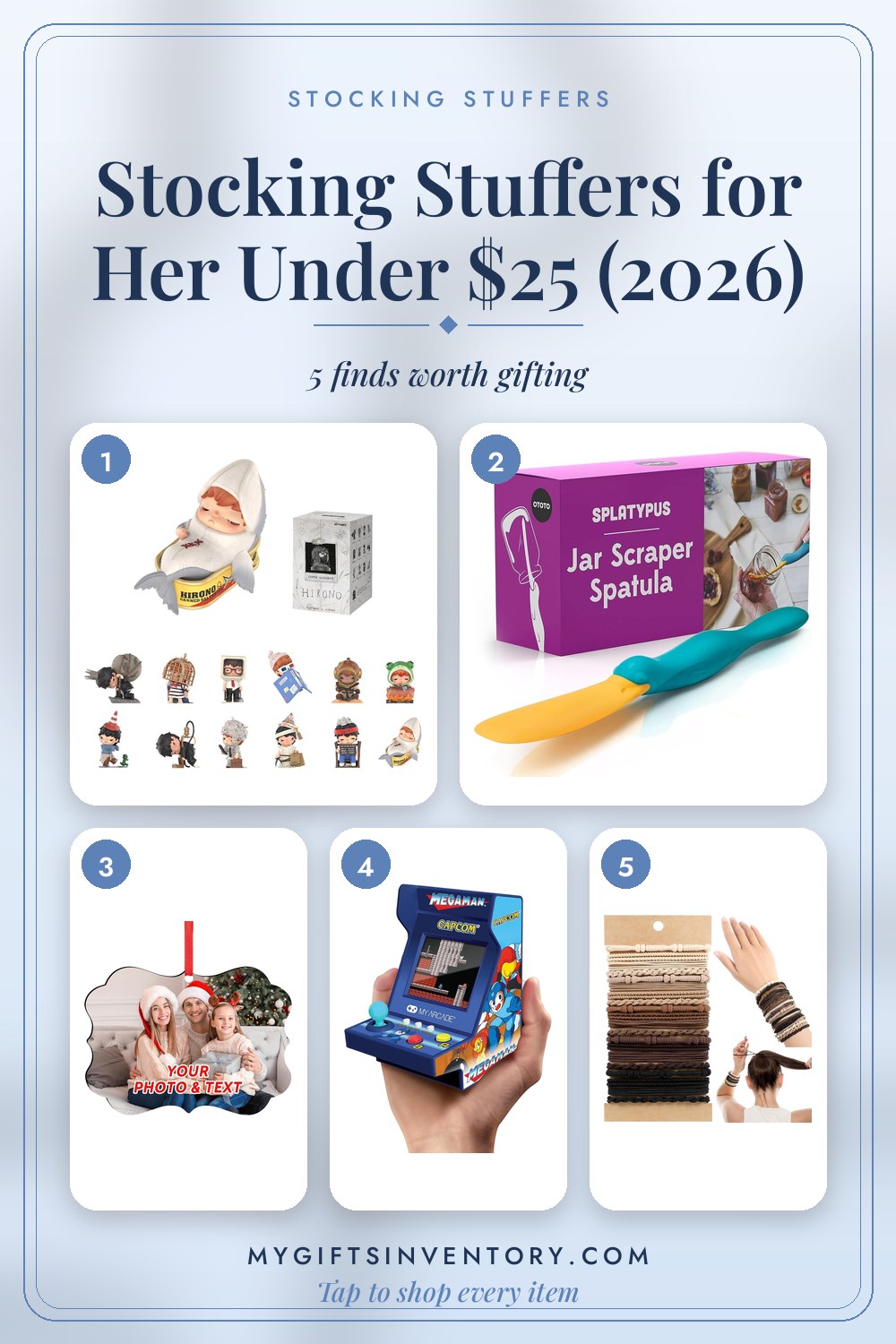
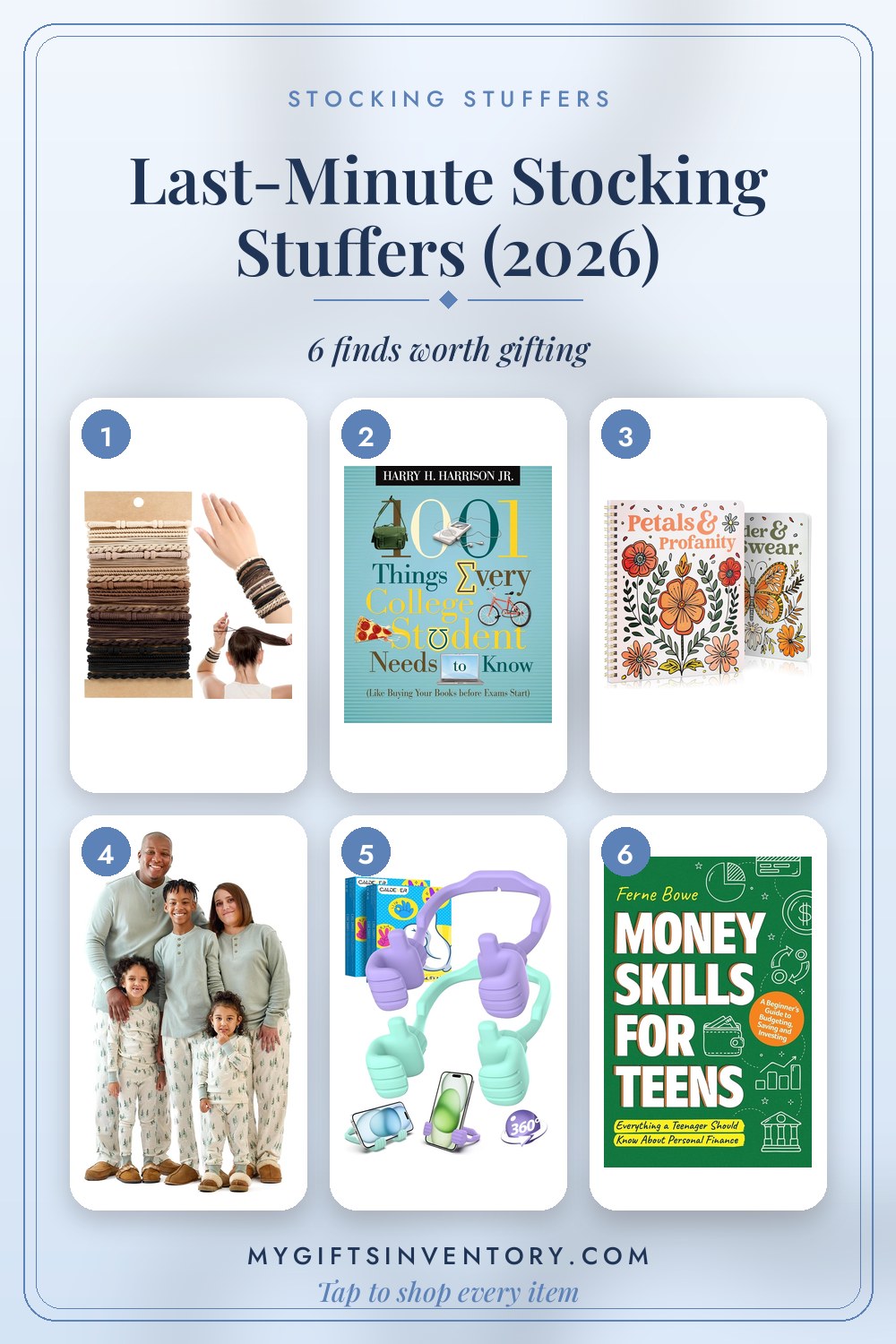
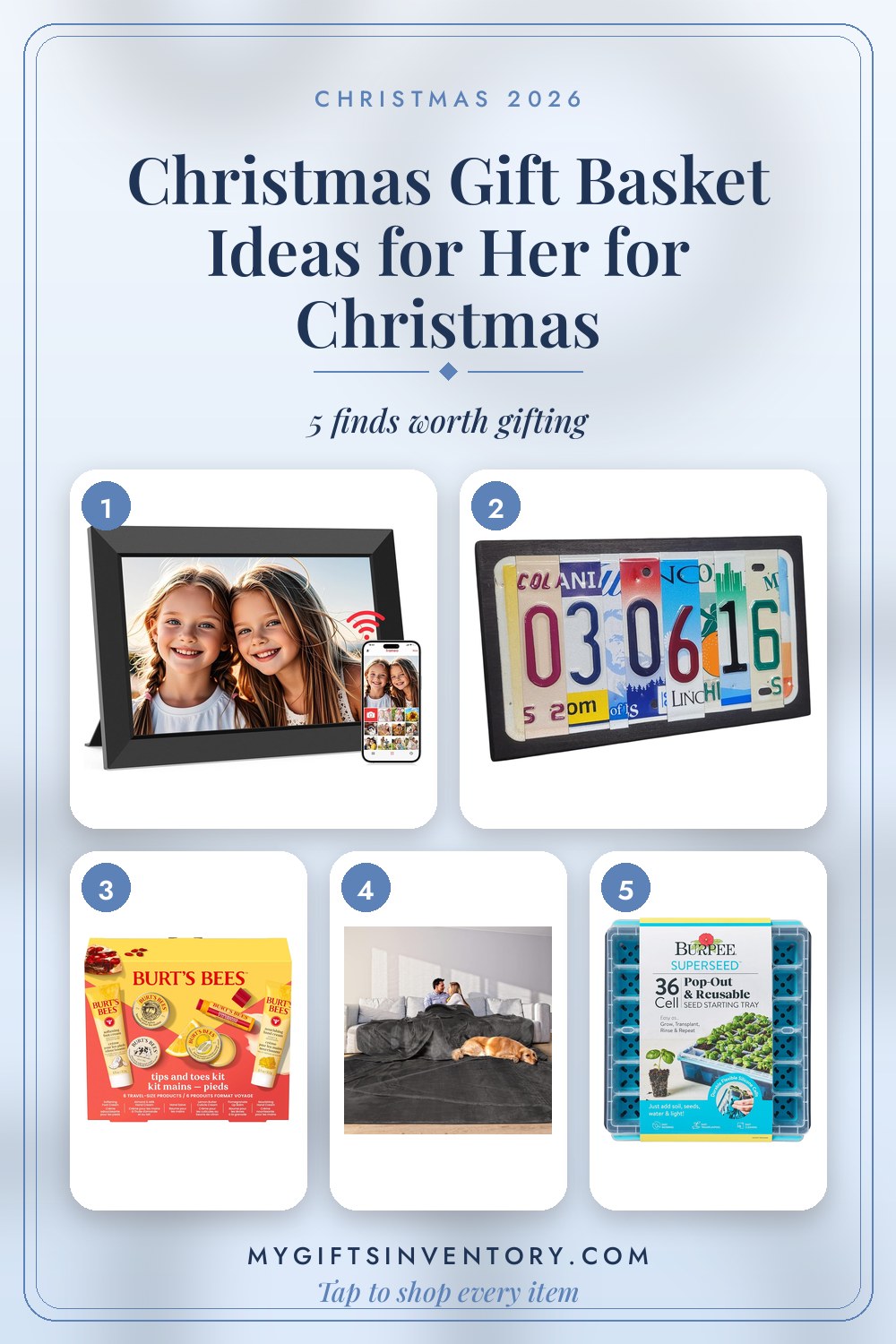
Gift Sets We Love Right Now
Every item picked, priced and linked, ready to buy.

More Gift Advice