Memory gifts vs physical gifts: which is better, what to write, and how to plan
We compare memory gifts and physical gifts across budgets, etiquette, planning timelines, card wording, and what to do when you are worried about returns or delivery.

As an Amazon Associate, My Gifts Inventory earns from qualifying purchases. We only recommend products we'd genuinely consider buying ourselves.
We search “memory gifts vs physical gifts” when we are worried we might miss the mark. Maybe we are buying last-minute and nothing feels right, or we have already given practical items that did not seem to land. The truth is that both kinds can be meaningful, but they work in different ways, and etiquette matters more than we think.
Below, we help you decide what to give based on your relationship, the kind of memory you want them to feel, and the practical stuff like budgets, card wording, wrapping, registries, and returns. We also give you real examples you can copy, plus a planning timeline that keeps you from scrambling.
Memory gifts vs physical gifts: the simplest difference that actually helps
At our best, we give for two different reasons: to express and to support. Memory gifts express through time, attention, and shared history. Physical gifts support through something tangible, useful, or beautiful they can experience immediately.
Memory gifts (what they communicate)
A memory gift says: “I noticed you, and I still remember.” It often includes curated photos, a letter, a shared activity, a keepsake with a story, or a plan you set up that creates a new memory.
Memory gifts tend to feel personal even when your budget is modest, because the value is in the selection and the specificity. When done well, they also reduce the stress of “Will they like this?” because the point is the meaning.
Physical gifts (what they communicate)
A physical gift says: “I chose something you can use or enjoy.” It can absolutely be emotional. But the emotional punch often depends on fit: the right vibe, the right level of practicality, and packaging that signals care.
Physical gifts feel safest when the recipient has clear preferences or needs. If you do not know those preferences, physical gifts can become a guessing game, which is where returns, gift receipts, and gift cards sometimes come into play.
How to choose: a quick decision guide that feels less stressful
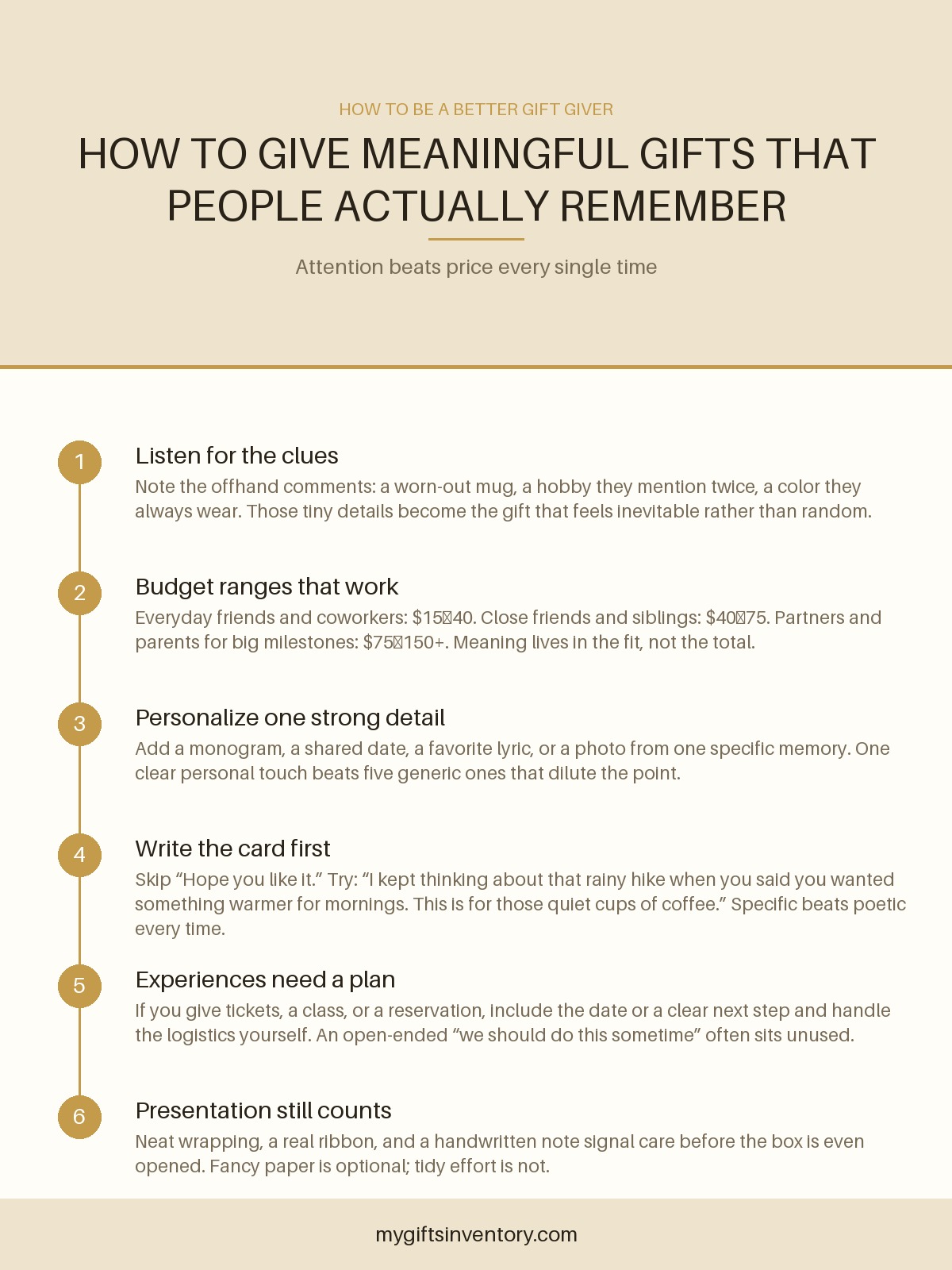
We like to decide in this order: goal, relationship, and then logistics.
Step 1: What is the “job” of the gift?
- If the job is emotional connection: lean memory gift.
- If the job is practical support or immediate delight: lean physical gift.
- If the job is both: do both, but keep the physical piece small enough that it does not swallow the meaning.
Step 2: What relationship are we dealing with?
For close relationships, we usually see more success with a memory gift or a memory-centered card. For acquaintances or work-adjacent situations, a physical gift can be easier to justify and less likely to feel overly intimate.
Here are a few examples we have used and seen work:
- Best friend: memory gift with a short photo story plus a handwritten note.
- Sibling you know well but do not always “feel sentimental”: physical gift plus a memory-focused card that references one specific moment.
- Co-worker: small, neutral physical gift, or a simple “thinking of you” card. If you do a memory gift, keep it light and non-personal.
- Parent: memory gift tends to hit because it turns “I love you” into something observable.
Step 3: What is your time and tolerance for logistics?
If you can plan 2 to 3 weeks ahead, memory gifts become much easier. If you only have a few days, physical gifts (plus smart backup choices) can be the safer path.
Budgets: how much should you spend on a memory gift vs a physical gift?
There is no universal number, but there are patterns. For most people in the US, a common comfort zone is:
- $25 to $75 for birthdays and holidays in many everyday relationships.
- $10 to $25 for small gestures, thank-yous, or “just because” gifts.
- $75 to $150+ for larger milestones or when you want a more substantial physical item.
What we do with this range is different depending on gift type.
Memory gifts: you are paying with attention
You can create a thoughtful memory gift in the $15 to $50 range if you already have access to photos and can make the story specific. We often spend money on things like:
- Printing a small set of photos
- Simple binding or a nice card stock folder
- A planned experience (tickets, a meal reservation, or a “let’s go do this” day)
Memory gifts also work well with a tighter budget because the “wow” comes from relevance, not from cost.
Physical gifts: you are paying with fit
When we choose a physical gift, we want the person to recognize it as “for me.” That often costs more than people expect because it requires either knowledge or a careful selection process.
If you are unsure, keep the physical gift in the $20 to $60 zone and pair it with a card that makes the meaning explicit. That way, even if they would not have bought the item themselves, they still feel your intention.
When physical gifts should be smaller
We recommend keeping the physical component small when:
- The recipient is sensitive to clutter or already has everything.
- The relationship calls for sentimental effort more than stuff.
- Delivery is uncertain, and you want less risk.
If you want ideas for “useful but not overwhelming” options at lower price points, you can start with a category list like 45 Best Gifts Under $20 (Highly-Rated Picks) for 2026.
The etiquette: when each type feels appropriate (and when it can backfire)
Etiquette is not about rules so much as it is about avoiding mismatched expectations.
Memory gifts can feel too intense if…
- You are giving something deeply personal to someone you do not know well.
- The recipient is grieving or dealing with something sensitive and your memory is too tied to a painful time.
- You overshare details that the recipient never shared with you.
How we keep memory gifts tasteful: we focus on warm, inclusive specifics. We choose details that celebrate their character, not your access to their private life.
Physical gifts can feel transactional if…
- It looks generic, especially when the relationship usually expects personalization.
- The timing is off and they feel like you panicked.
- The card says nothing beyond “Hope you like it.”
Our fix is simple: even a small physical gift becomes thoughtful when the card names the “why.”
Combining memory and physical gifts: the sweet spot
In practice, the best outcomes often look like this:
- Physical gift: small, clearly useful, and easy to enjoy.
- Memory gift: the plan or the story that ties you together.
- Card: one specific detail plus a warm closing line.
That way, the physical piece does not carry the whole emotional weight.
Card wording that matches the gift type (with examples you can use)
This is where people win or lose the moment. A great card can make even a modest memory gift feel substantial. A poor card can make an expensive physical gift feel like it arrived on autopilot.
Card wording for memory gifts
We recommend structure: specific detail plus feeling plus what you hope for.
Example 1: birthday (close friend)
“Happy birthday. I keep thinking about that night we laughed so hard we were wiping tears, and I remember how safe it felt to be ourselves. I’m wishing you the kind of year that makes you feel proud, light, and fully you.”
Example 2: parent
“Mom, thank you for the way you showed up, even when nobody else noticed. I’m carrying so many small memories from you into the way I live today. I love you, and I hope this year brings you comfort and joy, the kind you deserve.”
Example 3: anniversary or milestone
“Our favorite thing is that we keep building a life one ordinary day at a time. I’m grateful for you and for all the little moments that turned into something big. Here’s to more memories, more laughter, and more ‘us.’”
Card wording for physical gifts
We like card messages that are warm but not overexplained. Physical gifts are easier to enjoy when the card tells them you chose it for a reason.
Example 1: practical gift
“I thought of you the moment I saw this, because it feels like something you would actually use. Hope it makes your day easier, and that you enjoy it right away.”
Example 2: “you have everything” situations
“I know you have plenty, so I kept it simple. I wanted to give you something that feels like a treat and a little reminder that I’m thinking of you.”
Example 3: formal or work-adjacent
“Thank you for everything you’ve done. I appreciate working with you, and I hope you enjoy this.”
What to avoid in cards
- Overpromising: “This is perfect, you will love it”
- Apologies that blame your effort: “I couldn’t find anything better”
- Long explanations about buying: “I saw it online and…”
Wrapping and presentation: how to signal “meaning” either way
Wrapping is not decoration. It is a cue that you did not throw something together at the last minute.
For memory gifts
We usually wrap a memory gift differently than a standard item:
- Package the card and photos like a small kit (even if you only use a single envelope and tissue).
- If you made a photo booklet, wrap it in plain paper and add a simple ribbon so the focus stays on the pages.
- If your memory gift is a planned activity, put something physical in the box, like a small “ticket” card or a printed itinerary page, so the recipient understands the plan immediately.
For physical gifts
We keep physical gifts wrapped cleanly and simply:
- Use tissue that is neat, even if the box is plain.
- Add a tag that repeats the “why.” Example: “For your morning coffee ritual.”
- Do not overdo confetti if the gift is practical or fragile.
Registries, gift receipts, and the “Do I need a receipt?” question
Registries can reduce risk, but they also shape expectations. Here is how we treat them when choosing between memory and physical gifts.
When registries matter more
- Home goods, furniture, and big practical items
- Anything with sizing, compatibility, or installation
- Groups where multiple people will give and you want coordination
When memory gifts can bypass registries
Memory gifts usually do not need a registry because they are not competing with someone’s existing setup. The registry becomes optional because you are giving a story, a plan, or a keepsake that fits the relationship.
Gift receipts and exchanges
If you give a physical gift without a registry, the polite move is to include a receipt when appropriate. We treat this as “helping them enjoy it fast,” not as “admitting you might be wrong.”
For items that have a straightforward exchange policy, a gift receipt is a kindness. For memory gifts, the “exchange” is not an item, it is the experience or sentiment. That is why a memory-centered card is so important.
Gift cards: where they fit between memory and physical gifts
Gift cards are often misunderstood. They can be a practical physical option, but they do not have to be emotionally empty. We like to use them when you truly do not know their preferences or when timing and availability are uncertain.
How to make a gift card feel less impersonal
- Send a card message with a specific thought: “I hope you pick something that makes you feel relaxed.”
- Give context: “You always know where to find the best deals on coffee gear, so I thought this would be useful.”
- Bundle it with a small physical item or a memory plan when possible.
If you are considering store-specific gift cards, we have brand pages that help you avoid surprises about where to buy them and what goes with them. For example, you can compare options in Gift Cards at Walmart: The Complete List of Brands, Fees & Where to Buy (2026) or Gift Cards at Target: The Complete List of Brands, Fees & Where to Buy (2026). If you already know a grocery or pharmacy run is involved, Gift Cards at Kroger: The Complete List of Brands, Fees & Fuel Points (2026) can be helpful for planning.
Planning timeline: when to start each type so you do not stress
One of the biggest differences between memory gifts and physical gifts is the lead time. Memory gifts involve coordination, printing, and writing. Physical gifts involve shipping risk and return windows.
Two-week plan (minimum for most memory gifts)
- Day 1 to 3: pick the memory theme and draft your card message.
- Day 4 to 7: gather photos or notes, choose what to include, and write a short outline for the story.
- Day 8 to 10: print or assemble. Confirm dates for any activity.
- Day 11 to 14: add finishing touches, wrap, and schedule delivery or handoff.
Five-to-ten day plan (typical for physical gifts)
- Day 1: decide your budget and choose a category you know they will use.
- Day 2 to 4: buy with shipping that is likely to arrive in time, and plan a gift receipt backup if needed.
- Day 5 to 7: wrap, add the card, and plan a small “why” moment. Example: “Wait, open this because I thought of you when…”
- Day 8 to 10: finalize. If you are worried, keep a receipt or exchange path ready.
Last-minute reality: what to do when time is short
When you are short on time, memory gifts do not have to be elaborate. A memory gift can be as simple as a handwritten letter with three specific moments and a “Here’s what I love about you” list.
What we would do if it is 48 hours from the event
- Write the card first. Put down one concrete detail and one feeling. That will guide the rest.
- Choose a physical gift only if you can pick something safe and practical, or if you can include a receipt.
- If you have photos on your phone, print a small set and attach them to the letter.
- Do not try to overproduce. A simple, sincere keepsake beats a rushed, cluttered one.
If you want a way to combine “safe physical” with “emotional effort,” we often recommend category-based low-cost picks. You can use lists like 20 Gift Ideas for Gourmet Treats, Wine & Coffee Gift Ideas Under $50 (2026) when the recipient is easy to satisfy but you still want something that feels cared for.
When memory gifts are the stronger choice (and why)
Memory gifts are especially good when:
- You have a hard time shopping for their tastes.
- You want to honor shared history, not just a date.
- The recipient values relationships more than objects.
- You are celebrating a milestone that naturally comes with storytelling.
In these moments, the “gift” is the way you make them feel remembered. That can be more impactful than almost any item.
Example memory gift we love: “The three moments” keepsake
Here is a structure you can copy:
- Moment 1: a time you saw their character clearly
- Moment 2: something funny or unexpectedly sweet
- Moment 3: what you hope happens next
Write one short paragraph for each moment, then tuck in a small photo or two. The recipient knows exactly what you want them to feel.
When physical gifts are the stronger choice (and why)
Physical gifts are especially good when:
- They have a clear routine or need, like self-care, hobbies, or household support.
- You want them to feel taken care of immediately.
- The occasion is more about practicality than storytelling.
- You need a gift for someone who prefers boundaries and does not want heavy sentiment.
Example physical gift that feels personal without guessing
We recommend choosing a physical gift that aligns with a known pattern:
- They always host: choose something that supports their hosting
- They always travel: choose a small upgrade that helps day-to-day
- They always read: choose something that supports their habit
The key is that the gift connects to a known behavior, not your assumptions.
FAQ
Which gift is more expensive to make, memory gifts or physical gifts?
Memory gifts can be less expensive because you can spend your budget on printing and a simple plan rather than on a “wow” item. A physical gift often costs more when you need it to fit exactly, like for sizing, specific tastes, or specialized preferences.
What should we write in a card if the gift is mostly a plan or experience?
We recommend naming one specific reason you chose that plan and one feeling you hope they get from it. Example: “I wanted a day that would feel easy and fun, and I’m excited for the part where we get to relax together.”
Should we give a receipt with a physical gift but not with a memory gift?
Yes for most physical gifts, especially if sizing or preference could be uncertain. Memory gifts do not need receipts because the “exchange” is not an item, it is the sentiment or the shared time you built into the gift.
When do gift cards make sense, and how do we include them without it feeling impersonal?
Gift cards make sense when you do not know their exact preferences or when timing is tight. To keep it warm, add a card message that tells them what to use it for emotionally, like “something that helps you unwind” or “a treat you will pick for yourself.”
What is a good planning timeline difference between memory and physical gifts?
For memory gifts, start 2 to 3 weeks ahead if you need photos, printing, or coordination. For physical gifts, start about 5 to 10 days ahead so delivery and exchanges are still realistic if something does not work out.

Looking for an Actual Gift Instead?
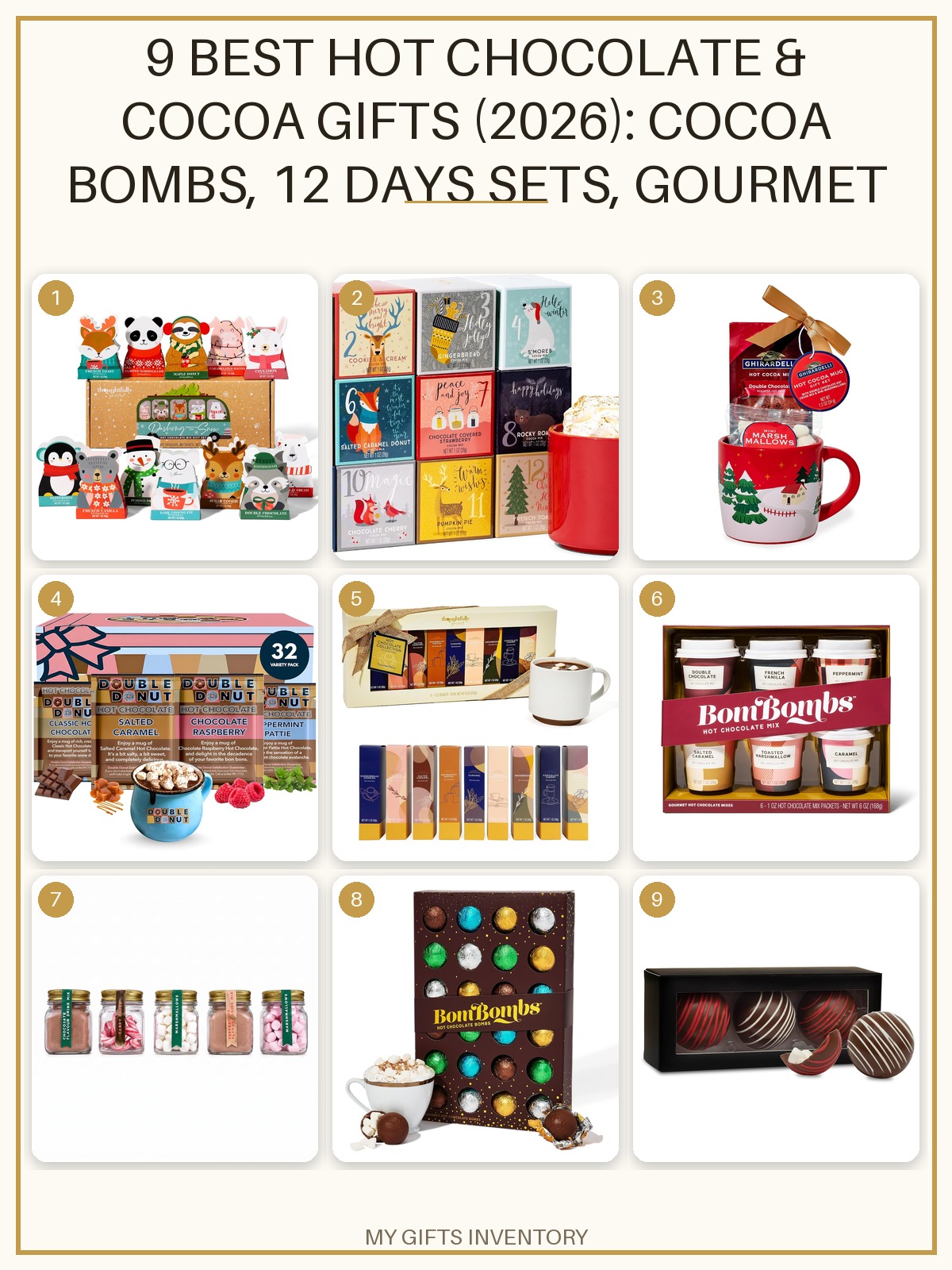
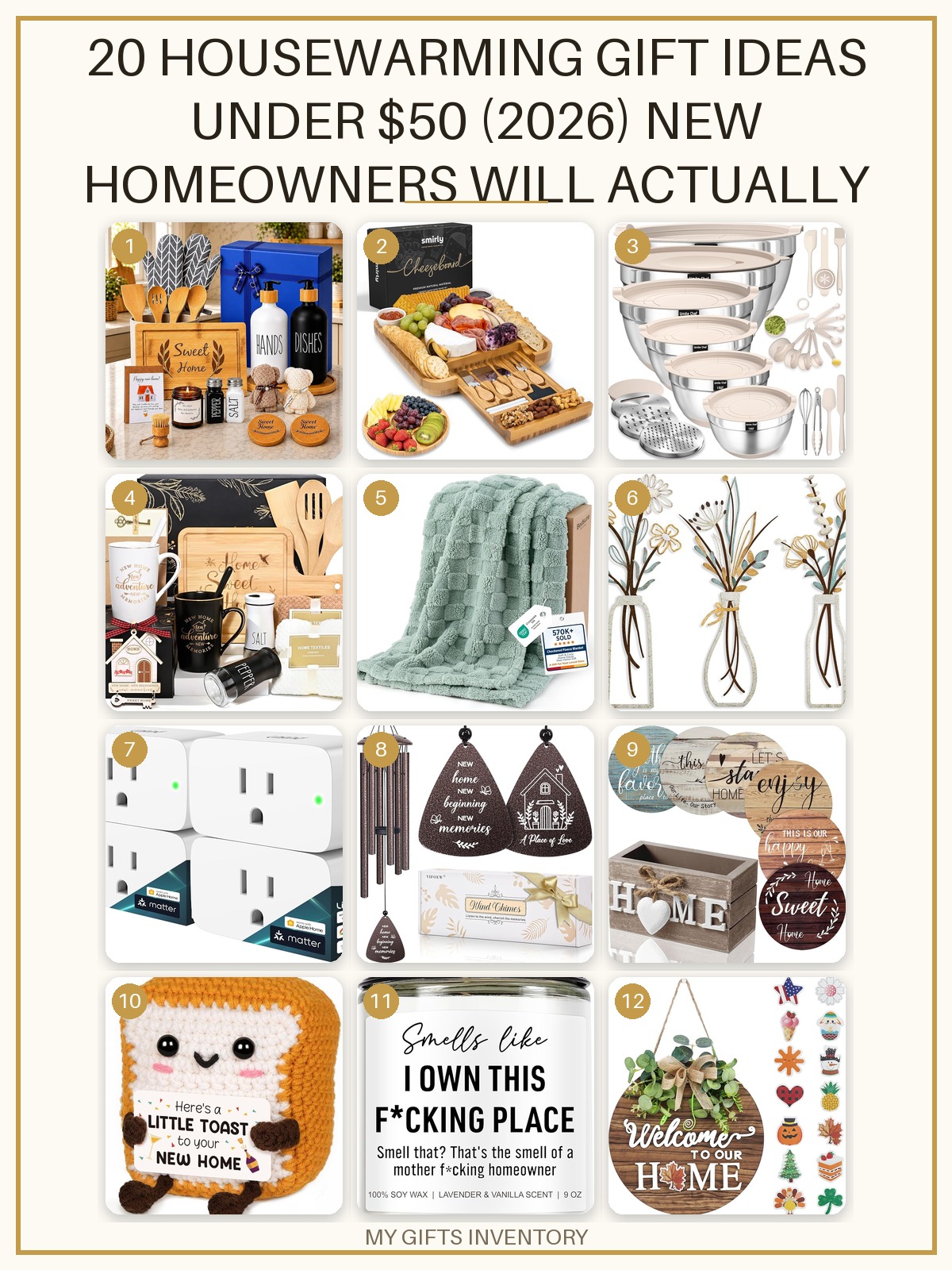
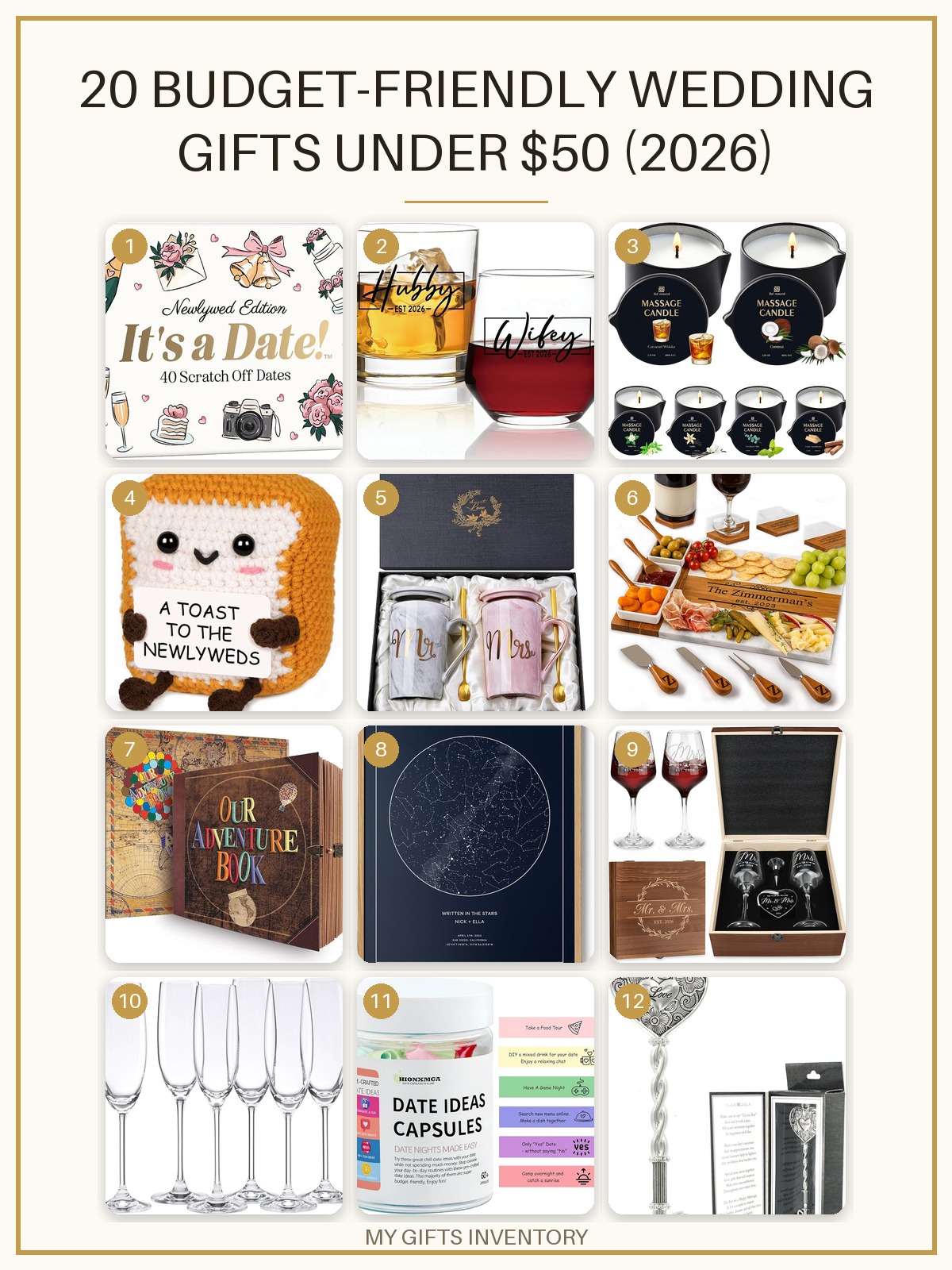
Gift Sets We Love Right Now
Every item picked, priced and linked, ready to buy.
More Gift Advice