Secret Santa Etiquette: Budgets, Rules, and How to Not Be the Awkward One
A practical guide to secret Santa etiquette, from setting a fair budget and enforcing the rules to writing a card that doesn't sound like a ransom note.
As an Amazon Associate, My Gifts Inventory earns from qualifying purchases. We only recommend products we'd genuinely consider buying ourselves.
You drew a name, the budget was mentioned once in a group chat three weeks ago, and now you are standing in a store wondering whether the $18 candle says "thoughtful" or "I forgot until last night." Secret Santa is supposed to be the low-stakes version of gift giving, and yet it produces an outsized amount of anxiety. Most of that anxiety comes from rules nobody agreed on out loud. So let's agree on them here.
Agree on the budget before anyone draws a name
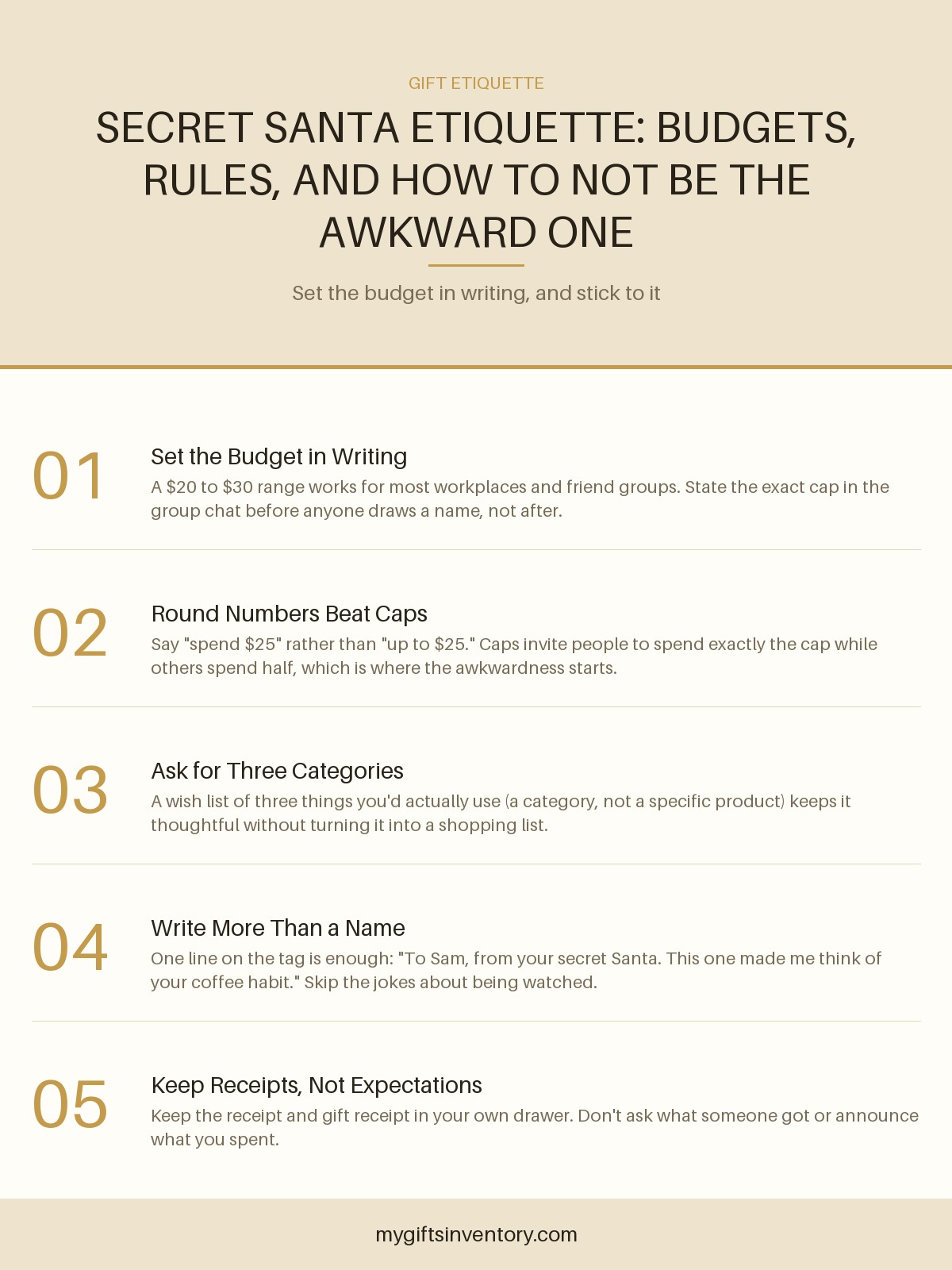
The single most common secret Santa failure is a budget that was implied rather than stated. One person spends $50, another spends $12, and the exchange becomes a small study in embarrassment. The fix is boring and it works: put a number in writing, in the same message where you announce the exchange.
What number? For workplace exchanges, $20 to $30 is the sweet spot most groups land on. For a close friend group, $25 to $40 gives people room to buy something genuinely good. For a large family or an extended friend circle where there are four exchanges happening at once, $15 to $20 keeps it from turning into a second rent payment. If you want the gift to actually be usable rather than a novelty, aim for the top of the range rather than the bottom.
Two refinements that prevent most of the trouble:
Use a round number, not a cap
"Spend $25" produces a more even exchange than "up to $25." A cap invites people to spend exactly the cap while someone else spends half of it, and the person who spent half feels caught. A target number means everyone is aiming at the same place. It is also perfectly fine to say "around $25, don't stress about the penny."
Say whether the budget includes wrapping and the card
It doesn't, usually, but say so. Nobody wants to discover that a $25 gift plus a $6 gift bag plus a $5 card put them over a limit they were trying to respect.
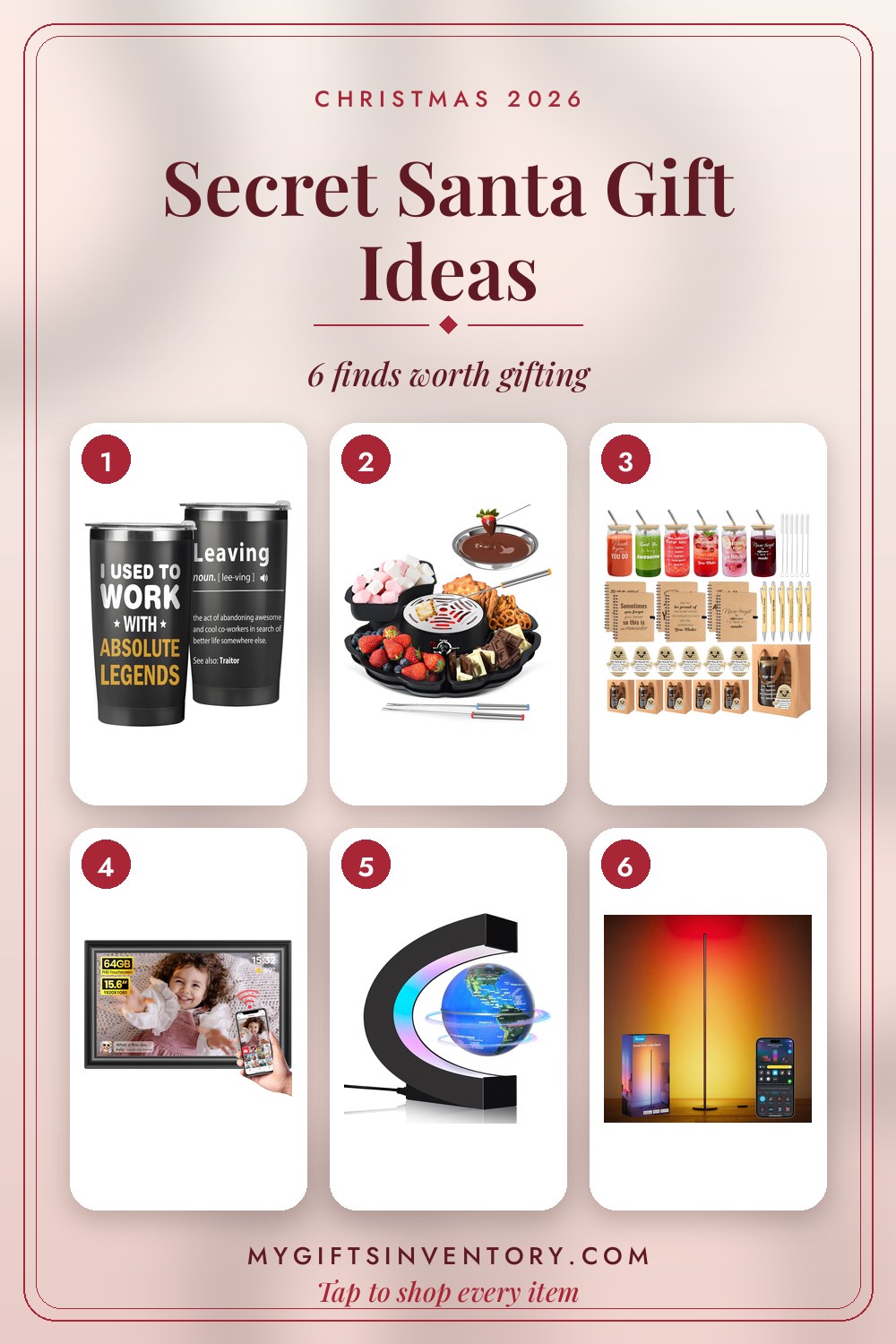
If you are organizing the exchange and want the easiest possible compliance, telling people the budget and pointing them at a real list of options does most of the work. Our 18 secret Santa gift ideas that don't feel like filler is built around the $20 to $30 range specifically so nobody has to guess whether a gift clears the bar.
How to run the draw so it stays fair
The mechanics matter more than people expect. A few ground rules that keep the draw from becoming a source of drama:
- Draw names at the same time, in the same place, or all at once online. A staggered draw where the first person picks and tells everyone creates an information problem and, occasionally, a rigged one.
- Use a real randomizer. A name-in-a-hat draw at the kitchen table is fine. If you are remote, use a free online secret Santa tool that emails each person their match and keeps it private. A spreadsheet where someone types the assignments is not private, no matter what the tab is named.
- Set a wish list deadline. Two weeks before the exchange is right. When you send the match, also send the reminder: "add three things to the list by the 12th."
- Handle the "no repeats" rule deliberately. Some groups like the rule that you can't draw the same person two years running. It is a nice rule and it needs to be stated before the draw, not enforced afterward.
- Decide about partners and couples in advance. In a family exchange, drawing your own spouse is usually fine. In a workplace one, nobody cares. Just settle it before the draw rather than after the reveal.
One more: if you are the organizer, you are also a participant, which means you need someone else to draw your name. Hand the randomizer to a second person or let the tool do it. It takes thirty seconds and it protects you from the only accusation that could actually stick.
What belongs on a secret Santa wish list
The wish list is where secret Santa etiquette gets genuinely subtle. The point of the list is to give your Santa a direction, not to hand them a shopping order. The best lists are specific about category and vague about brand.
Ask for three things, and make them the kind of thing you would buy yourself but never quite get around to: a good pair of cozy socks, a coffee subscription, a decent kitchen knife, a book you've been meaning to read. "Anything" is unhelpful. A link to one exact $24 item with the color specified is over the line in the other direction, because it removes the gift entirely.
If you are the one buying, and the list is thin or generic, don't panic. Secret Santa is a category where a genuinely good object beats a clever one. A well-made candle, a nice notebook, a set of good tea, a sturdy little desk gadget: these read as considered because they are. If you know the person well enough to know they work from home, our home office and desk setup gift picks are full of small items that land in the $20 to $40 range and get used daily. If the name you drew is a food person, the same logic applies to hot sauce and spicy foodie gifts, where a good chili crisp costs less than a bottle of wine and gets talked about for months.
What to avoid: anything that comments on the recipient's body, habits, or life choices. No scales, no self-help books aimed at a flaw, no gag gifts that are actually a criticism with a bow on it. If you would not hand it to someone with your name on the tag in front of the group, it isn't the gift.
The card is where most people under-deliver
Secret Santa cards are short by design, which means the few words on them do all the work. The best ones are warm, specific, and about one sentence long.
Good examples, by situation:
- You know the person a little: "Happy holidays, Maya! I saw this and remembered you mentioning your sourdough project. Hope it helps. From your secret Santa."
- You barely know them: "Merry Christmas! No clue who you are, but I hope this is the good kind of surprise." (Keep it light, keep it kind.)
- You know them well and the secret is fake anyway: "I had you. You knew I had you. Here's the thing you asked for. Love, your 'secret' Santa."
- Group exchange with a reveal: "From your secret Santa, who is very bad at keeping secrets. I hope this gets used."
What to skip: jokes about being watched, anything that requires the recipient to figure out who you are, and the false modesty of "it's not much." If it isn't much, don't say so. Just say happy holidays and let the gift speak. If you are writing cards for a batch of people and want more than secret Santa examples, we keep a running set of wordings in our gift card and small-gift notes guidance, which covers the awkward middle ground between a card and a text.
Wrapping, tags, and the swap
A few small logistics that prevent most of the confusion on the day:
- Tag it with the recipient's name only. "To Sam, from your secret Santa." Adding your own name defeats the entire format unless your group has already agreed to a reveal.
- Wrap it, don't bag it, if you have ten minutes. A gift bag is not a crime and nobody will remember in a week. But actual paper reads as effort, and effort is most of what secret Santa is about.
- Make the gift look bigger than it is, not smaller. A small item in a slightly oversized box with a bit of tissue reads as a real gift. The same item in a too-tight bag reads as an afterthought.
- Label the budget-friendly stuff if there's a risk of confusion. If you bought a $22 item that looks like a $60 one, a light note ("it was on sale, don't come for me") heads off any suspicion that you blew the cap.
At the exchange itself, the etiquette is simple: react warmly to whatever you open, thank the room rather than trying to identify your Santa, and don't announce what you spent. If the group does the traditional "guess who had you" reveal, play along. If someone asks what you got, tell them. If someone asks what you spent, pretend you didn't hear.
When the name you drew is a problem
It happens. You drew the coworker you've spoken to twice, or the person who has a reputation for being hard to buy for, or worse, the person you had a mildly awkward disagreement with in March.
The right move is to lean on the wish list and keep it simple. Ask the organizer for a nudge ("any hint about what they'd actually use?") and buy from the list if there is one. If there isn't, fall back on the category gifts that work on nearly everyone: good coffee, good chocolate, a nice notebook, a candle, a well-made small tool. These are not lazy. They are reliable, and reliability is a form of thoughtfulness.
If the problem is the budget itself, meaning you can't comfortably spend the agreed amount, tell the organizer privately and early. Most organizers will quietly absorb the difference or adjust the cap. What you should not do is spend half the budget and hope nobody notices, which puts the spotlight on the person who did.
And if the problem is the gift itself, meaning you are on the receiving end of something that misses, the etiquette is to be gracious in the moment and figure out the return later. Most retail gifts are returnable, and most people would rather you exchanged it than kept a dust collector. If you are unsure whether something is returnable without a receipt, our guide to checking and using store gift cards is a decent primer on how store credit works when the original receipt is long gone.
Secret Santa in the workplace versus with friends
The rules are similar but the stakes are different, and the differences are worth naming.
At work
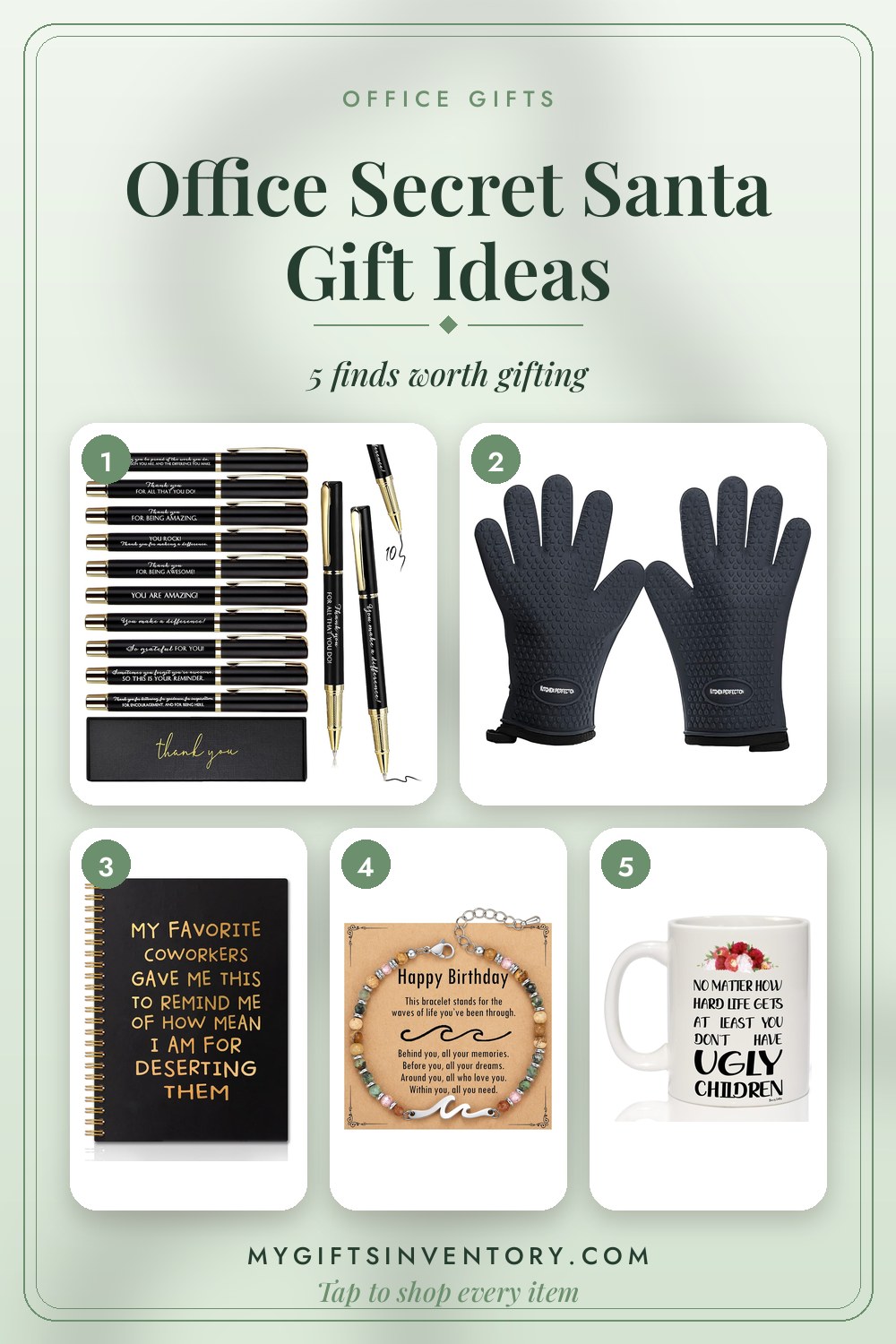
Keep the gift useful and utterly unremarkable: a nice pen, good coffee, a desk gadget, a snack set. Avoid alcohol, anything personal about appearance, and anything that could be read as a joke at someone's expense. Keep the card short and professional. Keep the budget low enough that everyone can participate comfortably without anyone having to opt out, and make the opt-out quietly available for anyone who needs it.
With friends
You can push further. Inside jokes are fine, useful-but-weird is fine, and the "steal a gift" variation (where people can take an already-opened gift from someone else) is fun as long as everyone knows the rule going in and there's a real final turn for the first person. The etiquette there is to steal a gift, not a person's dignity. If someone is visibly attached to what they just opened, let it go.
Timing: the schedule that avoids panic
Three weeks out, announce the exchange and the budget in the same message. Two weeks out, draw the names and set the wish list deadline. One week out, send a reminder and confirm the exchange time and place. Two days out, buy the gift. The day before, wrap it.
That schedule is not fussy. It is the difference between buying a thoughtful gift and buying whatever the pharmacy had left at 9 p.m. The people who enjoy secret Santa most are the ones who bought their gift on a Tuesday afternoon with time to think, not the ones who found it in a rush. And if you do find yourself in the 9 p.m. situation, remember that a good gift card in a nice envelope with a real handwritten line is not a cop-out. It is a completely legitimate answer, and most people would rather have the $25 than the fourth-best candle.
Gift Ideas to Go With This


Want more ideas? Browse our full guide: 20 Best Gifts Under $100 (2026): Thoughtful Picks They'll Actually Use
Frequently Asked Questions
How much should I spend on a secret Santa gift?
Follow whatever number the organizer sets, and if none was set, assume $20 to $30 for a workplace exchange and $25 to $40 for close friends. If the group never agreed on a number, propose one before anyone shops rather than guessing. Spending noticeably more than everyone else is as awkward as spending noticeably less.
What do I write on a secret Santa gift tag?
Write the recipient's name and "from your secret Santa," then add one warm, specific line if you can. Something like "Happy holidays, Sam, I hope this gets used" is plenty. Avoid jokes about being watched, don't include your own name unless the group is doing a reveal, and don't mention the price.
Is it rude to ask for a wish list?
No, it is helpful. A list of three categories or loose ideas ("coffee stuff, cozy socks, anything for the kitchen") makes the exchange better for everyone and is not the same as demanding a specific product. The line to avoid is linking one exact item with a color and size, which turns the gift into an order.
What should I do if I don't know the person I drew?
Use the wish list if there is one, and if there isn't, choose a category gift that works on nearly everyone: good coffee or tea, a nice candle, a well-made notebook, or a small useful desk item. Ask the organizer privately for a hint. You do not need to know someone well to give them a good small gift.
Can I opt out of a secret Santa exchange?
Yes, and you should be able to do it quietly. Tell the organizer privately and early so they can adjust the draw before it happens. A good organizer will make the opt-out painless. If you are the organizer, say in the original message that anyone who would rather sit this one out can just let you know.
Looking for an Actual Gift Instead?

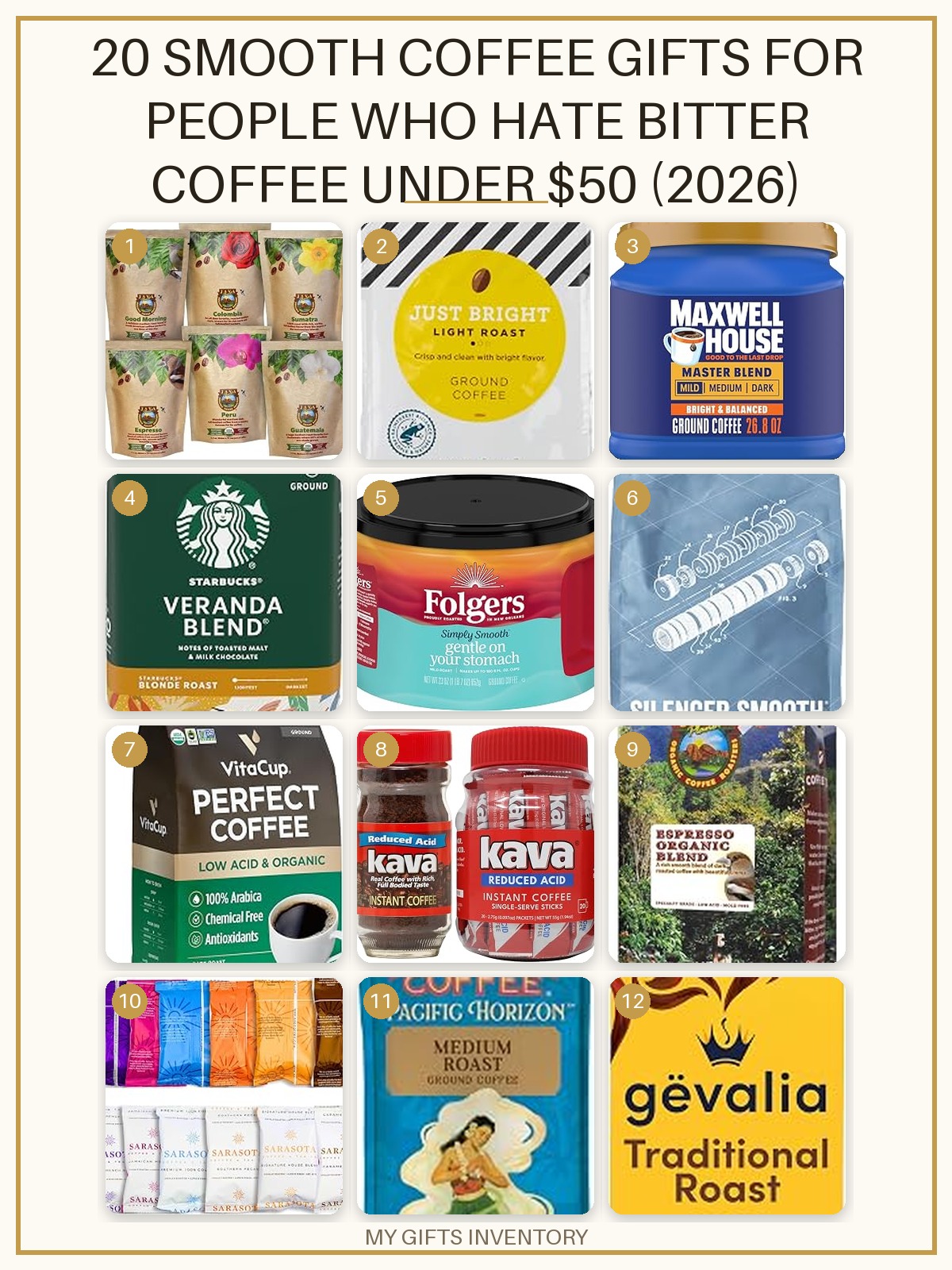
Shop Hand-Picked Gift Sets
Every item picked, priced and linked, ready to buy.
More Gift Advice